

 English
 русский
 Español
 عربى
 中文简体
 中文简体
Content
- 1 Why Blade Performance Matters in PE Pulverizing
- 2 High-Density Wear-Resistant Alloy Steel Construction
- 3 Specialized Heat Treatment for Strength and Stability
- 4 Extended Service Life and Reduced Maintenance Cost
- 5 Precision-Adjustable Clearance for Uniform Powder
- 6 High-Speed Tooth Design and Efficient Grinding Action
- 7 Thermal Control During Continuous Grinding
- 8 Advantages Over Conventional and Competing Blades
- 9 Manufacturing Precision and Quality Control
- 10 Application in Plastic Recycling and Regeneration
- 11 Application in Powder Coatings
- 12 Application in Masterbatch and Modified Plastics
- 13 Application in Rotational Molding
- 14 Processing of Films, Pipes, Caps, and Cable Sheathing
- 15 Compatibility, Customization, and Equipment Integration
- 16 Installation and Operating Recommendations
- 17 Environmental and Sustainability Benefits
- 18 Manufacturer Strength and Industry Experience
- 19 How to Select the Correct Blade Specification
- 20 Quality, Productivity, and Total Cost of Ownership
- 21 Q&A
- 21.1 What materials can these pulverizer blades process?
- 21.2 How hard are the alloy steel blades?
- 21.3 How long can one blade set last?
- 21.4 Can the blades produce fine powder?
- 21.5 Are the blades compatible with other pulverizer brands?
- 21.6 Why is heat dissipation important when grinding PE?
- 21.7 Can the tooth profile be customized?
- 21.8 What should be checked before installing a new blade?
- 21.9 How do these blades reduce operating cost?
- 21.10 Why should a manufacturer’s technical experience matter when buying blades?
- 22 Conclusion
- 23 References
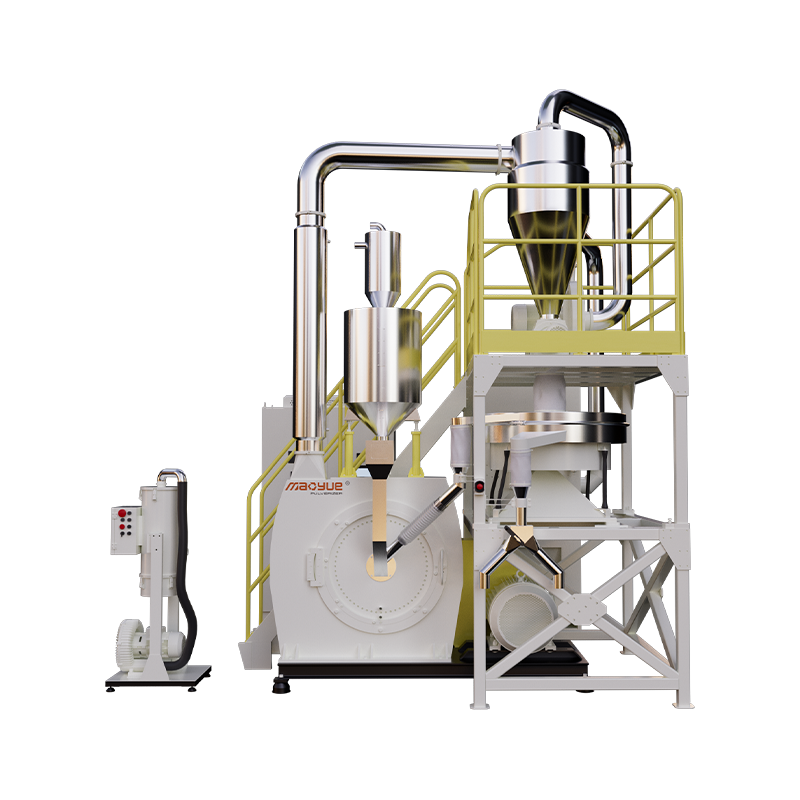
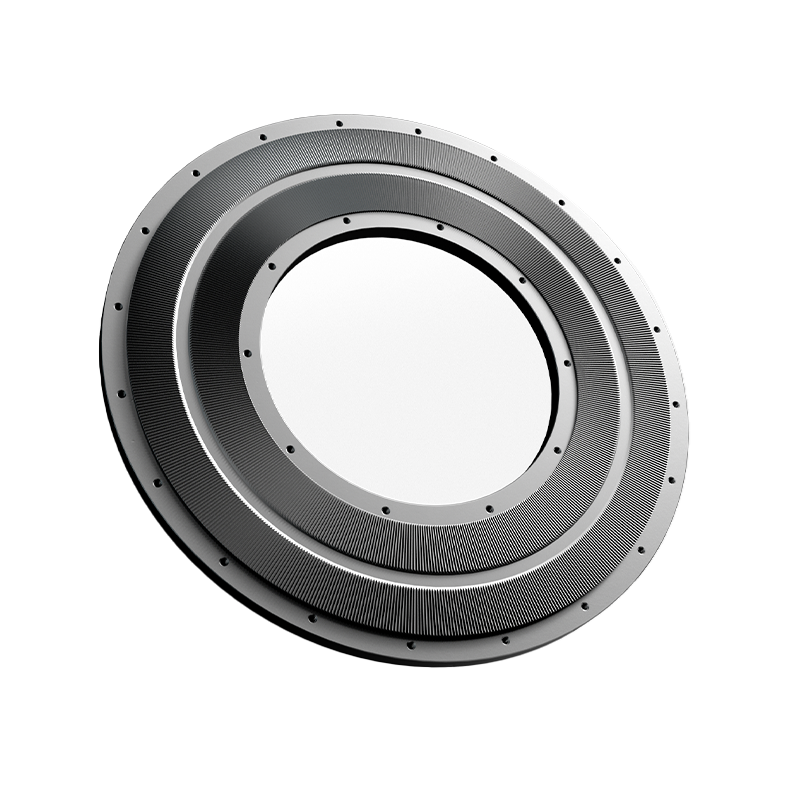
- 24 Product: PE Pulverizer alloy steel blades
Plastic pulverizing is a demanding size-reduction process in which blade quality directly affects productivity, powder consistency, equipment stability, and operating cost. Polyethylene, commonly known as PE, is widely used in films, pipes, bottle caps, cable insulation, packaging, rotational molding, and many other products. However, its toughness, flexibility, low melting point, and tendency to soften under frictional heat can make it difficult to grind efficiently. A pulverizer equipped with ordinary cutting discs may experience rapid edge wear, unstable powder fineness, excessive heat generation, frequent shutdowns, and high maintenance expenses.
PE pulverizer alloy steel blades are designed to address these challenges. Manufactured from high-density, wear-resistant alloy steel and strengthened through specialized heat treatment, these blades combine high hardness with impact resistance. Their purpose is not simply to cut plastic, but to maintain a precise grinding relationship between the rotating and stationary discs during extended industrial operation. When correctly installed and adjusted, they help produce uniform PE powder, reduce replacement frequency, support continuous production, and improve the overall efficiency of recycling and plastic-processing lines.
The blades are suitable for PE pulverizers used in recycling, powder coating, masterbatch production, rotational molding, pipe extrusion, film blowing, injection molding, and research-scale material preparation. They can also support the processing of demanding feedstocks, including glass-fiber-reinforced plastics and other high-toughness materials. Their long service life and stable performance make them an important component for companies seeking lower operating costs and more reliable powder quality.
Why Blade Performance Matters in PE Pulverizing
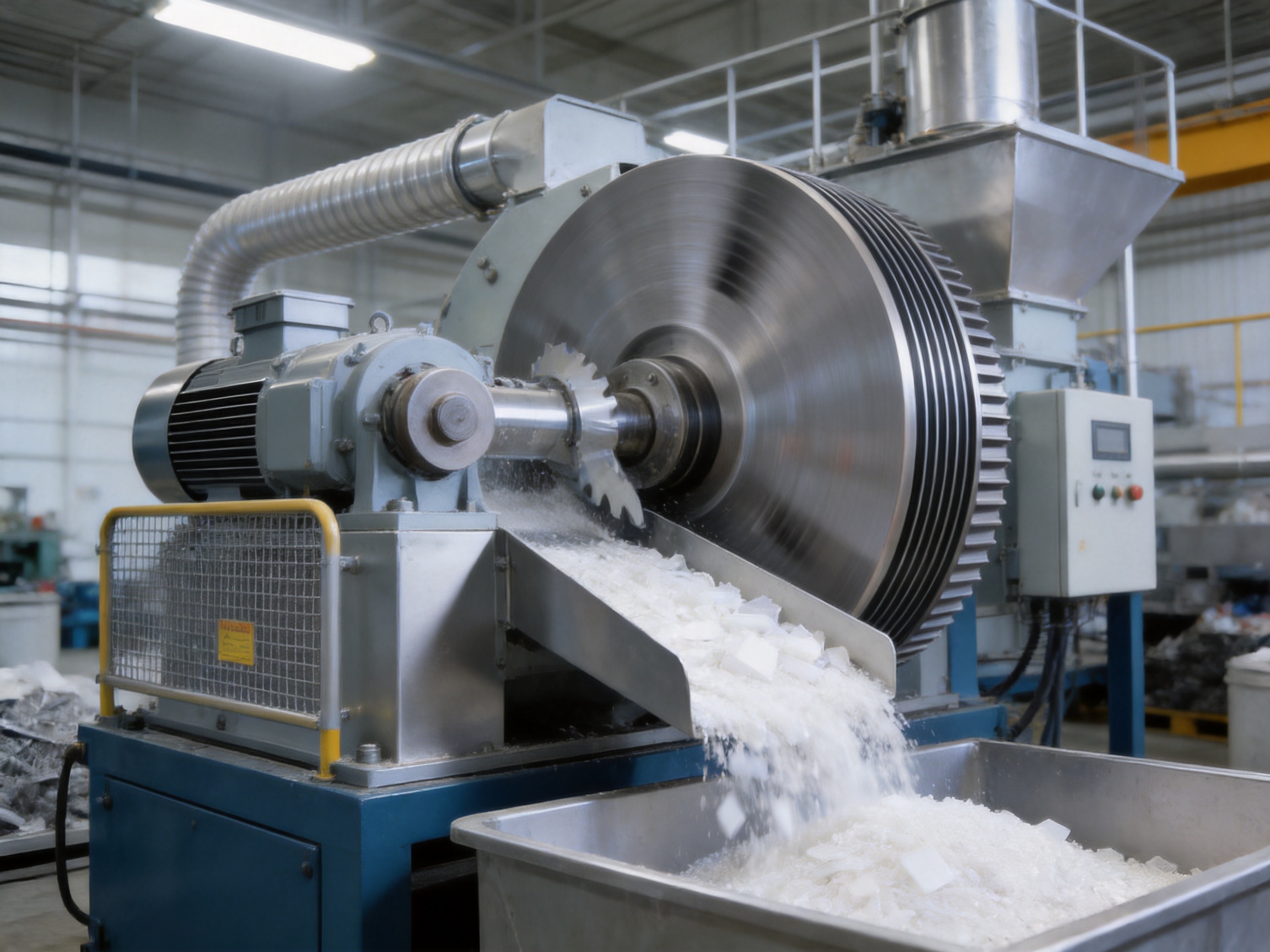
A plastic pulverizer works through a combination of high-speed rotation, shearing, impact, friction, and controlled clearance between grinding discs. The feed material enters the grinding chamber and is progressively reduced as it passes through the cutting teeth and grinding surfaces. The final particle size depends on several factors, including disc geometry, rotor speed, material properties, feed rate, temperature, airflow, and the gap between the blades.
Among these factors, the condition of the blades is especially important. A sharp and dimensionally stable blade produces a more controlled cutting action. A worn blade, by contrast, creates more friction and less effective shearing. This can increase the residence time of material in the grinding chamber, raise the temperature of the plastic, and cause softening or agglomeration. As the cutting edge becomes rounded, the pulverizer may consume more energy while delivering less consistent powder.
PE is particularly sensitive to heat. Although it is easy to process in many applications, its low softening temperature means that excessive friction can cause particles to smear, stick together, or form coarse lumps. Inconsistent blade clearance can create similar problems. If the gap is too large, the material may pass through without sufficient reduction. If the gap is too small, unnecessary friction and heat may be generated, and the blade edges may be damaged.
High-quality alloy steel blades help maintain the intended grinding geometry over a longer operating period. Their hardness protects the cutting edge from abrasion, while their toughness helps resist chipping and deformation during impact. This balance is essential because a blade that is extremely hard but brittle may fail under sudden impact, while a blade that is tough but too soft may wear quickly.
High-Density Wear-Resistant Alloy Steel Construction
The blades are forged from high-density wear-resistant alloy steel, such as chromium-molybdenum-vanadium alloy or a comparable high-hardness material. Alloying elements are selected to improve hardness, toughness, heat resistance, and resistance to abrasive wear. The material is processed to provide a strong foundation for precision grinding and repeated operation under demanding mechanical loads.
Compared with ordinary cutting discs manufactured from less wear-resistant steel, the alloy construction provides a more durable working edge. Conventional discs may be suitable for light-duty applications or easily processed plastics, but their performance can decline rapidly when exposed to abrasive fillers, reinforced polymers, contaminated recycled feedstock, or long continuous operating cycles.
The alloy steel structure is intended to resist several forms of damage. Abrasive wear occurs when hard particles or contaminants pass across the cutting surface. Impact damage occurs when irregular pieces strike the blade during feeding. Thermal damage may arise when friction raises the temperature of the grinding disc. Dimensional deformation can occur when repeated mechanical and thermal loads affect the disc over time. A properly engineered alloy blade addresses these risks through both material selection and controlled heat treatment.
The reported blade hardness reaches HRC 60–65 or higher, substantially exceeding the approximate HRC 45 level commonly associated with ordinary cutting discs. This higher hardness helps preserve the sharpness and profile of the cutting teeth. In demanding applications involving glass-fiber-reinforced or high-toughness plastics, wear rates can be reduced by more than 70 percent compared with ordinary blade materials, depending on the feedstock, operating conditions, and maintenance practices.
Specialized Heat Treatment for Strength and Stability
Material composition alone does not determine blade performance. The heat-treatment process is equally important because it controls the internal structure of the steel. The manufacturing process uses multiple precision heat-treatment stages to develop a suitable combination of hardness, toughness, dimensional stability, and resistance to fatigue.
Heat treatment may include controlled heating, soaking, quenching, tempering, and other stabilization procedures selected according to the alloy grade and blade design. Precise temperature control is necessary to prevent excessive brittleness, uneven hardness, distortion, and residual stress. Tempering is especially important because it allows the blade to retain high hardness while improving its ability to absorb impact without cracking.
A well-controlled treatment process also supports uniform hardness across the working surface. If one section of the cutting edge is significantly softer than another, wear will occur unevenly. Uneven wear changes the clearance between the rotating and stationary discs, which can affect powder quality and increase vibration. Consistent treatment helps each blade perform predictably throughout the grinding cycle.
The combination of forging and heat treatment produces a dense, strong blade body with a durable cutting edge. Forging helps improve structural integrity and reduce internal weaknesses, while heat treatment develops the mechanical properties required for high-speed pulverizing. The result is a blade designed for repeated operation rather than short-term cutting performance.
Extended Service Life and Reduced Maintenance Cost
A single blade set can achieve approximately 800 hours of continuous service life under suitable operating conditions. Actual service life depends on the type of plastic, contamination level, moisture, feed size, throughput, disc clearance, rotor speed, cooling efficiency, and maintenance program. Nevertheless, the long-life design significantly reduces the frequency of blade replacement in many industrial applications.
Compared with standard market blades, the service life may be extended by two to three times or more. This improvement has several financial benefits. First, fewer replacement blades are required over the same production period. Second, maintenance teams spend less time opening the grinding chamber and adjusting the disc assembly. Third, production interruptions are reduced, allowing the line to operate for longer periods between scheduled maintenance events.
Replacement cost is only one part of blade-related expenditure. A worn blade can reduce throughput, increase energy consumption, create inconsistent powder, and place greater stress on the motor and transmission system. If a blade fails unexpectedly, the resulting downtime may affect downstream extrusion, pelletizing, coating, or molding operations. A long-lasting blade therefore contributes to both direct savings and improved production continuity.
For recycling companies, stable blade life also supports better production planning. Maintenance can be scheduled during planned shutdowns instead of being forced by unexpected edge damage. Spare-parts inventories can be managed more efficiently, and operators can establish replacement intervals based on actual operating data. This creates a more predictable maintenance system and reduces the risk of emergency repairs.
| Performance Factor | Ordinary Cutting Disc | PE Pulverizer Alloy Steel Blade | Operational Benefit |
|---|---|---|---|
| Typical hardness | Approximately HRC 45 | HRC 60–65 or higher | Improved resistance to edge wear |
| Resistance to impact | Moderate and dependent on material quality | High when properly heat treated | Lower risk of chipping and deformation |
| Service life | Shorter under abrasive or high-toughness feedstock | Up to approximately 800 continuous operating hours under suitable conditions | Longer intervals between replacements |
| Clearance stability | Declines faster as the edge wears | Maintained for a longer operating period | More consistent powder quality |
| Heat management | More vulnerable to friction-related performance loss | Supported by heat-resistant design and cooling structure | Reduced softening and agglomeration |
| Maintenance demand | More frequent inspection and replacement | Lower replacement frequency with proper adjustment | Reduced downtime and labor cost |
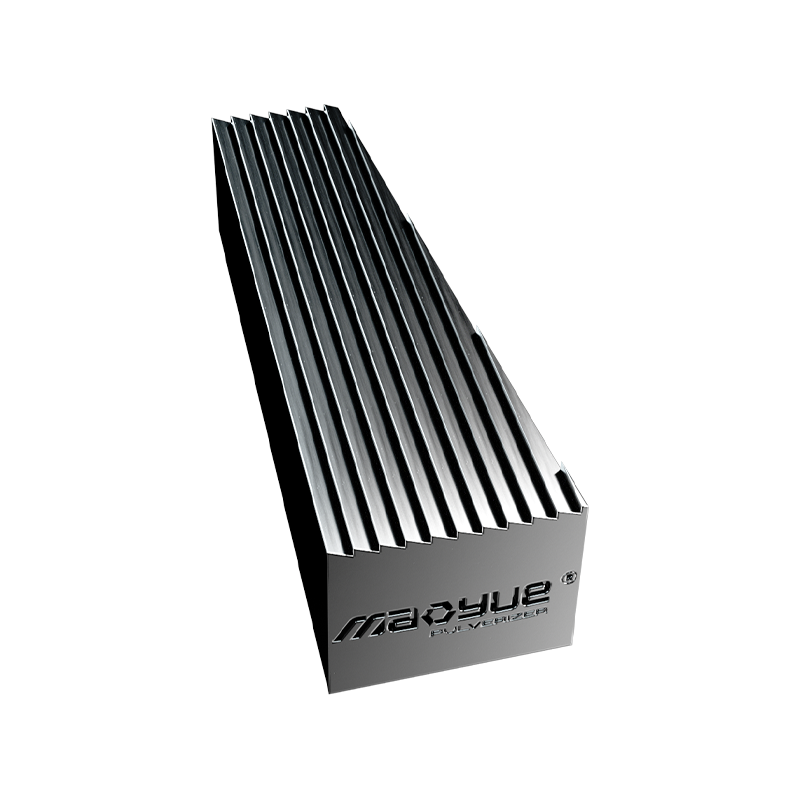
PE Pulverizer alloy steel blades
Precision-Adjustable Clearance for Uniform Powder
Blade sharpness is important, but it is not sufficient by itself. The clearance between the rotating and stationary grinding discs must also be correctly set. The blades support precision-adjustable clearance, including micron-level fine-tuning, so operators can optimize the grinding action for different PE grades and target particle sizes.
Clearance adjustment allows the pulverizer to be adapted to changes in feedstock. Soft film, rigid pipe, bottle caps, cable sheathing, and reinforced materials do not behave identically in the grinding chamber. A setting that works well for thin film may not be ideal for thick pipe sections or high-density molded parts. Fine adjustment helps the operator balance cutting efficiency, friction, heat generation, and product fineness.
When the clearance is correctly controlled, the material experiences a more consistent combination of shearing and friction grinding. The cutting teeth can engage the feedstock effectively without creating unnecessary contact. This improves the stability of particle-size distribution and reduces the possibility of coarse pieces passing through the system.
For many PE applications, the finished powder can be controlled within a range of approximately 20–80 mesh or finer, depending on the machine configuration, feed material, process settings, and screening or classification arrangements. Uniform particle distribution is valuable because downstream processes generally perform better when the powder contains fewer oversized particles, coarse fragments, and agglomerates.
Consistent powder fineness improves material handling as well. Uniform particles tend to flow more predictably, feed more evenly into extruders or molding systems, and disperse more consistently when combined with additives, pigments, fillers, or other polymers. This can help manufacturers improve product quality while reducing process variation.
High-Speed Tooth Design and Efficient Grinding Action
The blade system uses a high-speed rotating tooth design to create an efficient combination of cutting and friction. The tooth profile is engineered to engage PE material progressively rather than relying on uncontrolled impact alone. This helps reduce the material into smaller particles while maintaining a stable flow through the grinding chamber.
Efficient tooth geometry can also support higher throughput at a given motor capacity. When the cutting action is effective, less energy is lost to repeated impact, sliding, and recirculation. The pulverizer can process the feedstock more efficiently, provided that the feed rate, rotor speed, air volume, and cooling conditions are correctly matched.
The tooth profile also influences how material moves between the discs. A suitable design encourages the feedstock to remain in the effective grinding zone long enough to reach the desired fineness, while preventing unnecessary accumulation. This is especially important for flexible PE film and other materials that can resist clean fracture.
Because the blades retain their tooth profile for a longer period, the grinding action remains more stable over the operating cycle. As ordinary blades wear, the tooth shape may become rounded or distorted, reducing the effectiveness of the shearing action. Alloy steel blades are intended to preserve the original geometry longer, helping maintain productivity and powder quality.
Thermal Control During Continuous Grinding
Frictional heat is one of the primary challenges in PE pulverizing. If the temperature in the grinding chamber becomes excessive, PE particles may soften and stick to the disc surface. This can cause buildup, reduce airflow, blunt the edge, and create agglomerates in the finished powder. Thermal expansion may also influence the blade clearance and increase the risk of unstable operation.
The blade system incorporates a multi-tiered finned heat-dissipation structure using materials with high thermal conductivity. The purpose is to move heat away from the grinding surface and help control disc temperature. Effective heat dissipation does not replace external cooling, but it supports the overall thermal-management system of the pulverizer.
By controlling temperature, the blades help reduce the risk of softening, edge dulling, deformation, and friction-related damage. This is especially valuable during extended production schedules, including industrial operations running for many hours per day or continuous production over a 24-hour cycle.
Thermal stability also supports powder quality. When the grinding surface remains within a suitable temperature range, particles are less likely to fuse together or develop irregular shapes. The result can be a cleaner, more uniform powder that is easier to transport, store, blend, and process.
Operators should still monitor cooling water, airflow, bearing condition, feed rate, and chamber temperature. Even the best blade will not perform correctly if the pulverizer is overloaded, the cooling system is blocked, or the feed material contains excessive moisture. Blade design and machine operation must work together to achieve the best result.
Advantages Over Conventional and Competing Blades
The most important competitive advantage is the balance between hardness and toughness. Some low-cost blades have adequate initial sharpness but wear quickly. Other blades may have high hardness but insufficient impact resistance, making them vulnerable to cracking or edge chipping. A properly forged and heat-treated alloy steel blade is designed to combine both properties.
Another advantage is longer dimensional stability. A blade that retains its tooth profile and thickness helps maintain the intended clearance between discs. This reduces the need for frequent adjustment and supports more consistent product fineness throughout the operating cycle.
Long service life also improves total cost of ownership. A lower purchase price does not necessarily mean a lower operating cost if the blade must be replaced frequently. Replacement labor, machine downtime, lost production, damaged material, and emergency service can exceed the original price difference. A durable blade may provide better value even when its initial price is higher than a basic cutting disc.
The blades are also suited to challenging feedstocks. Recycled plastics may contain small amounts of dirt, labels, metal particles, mineral filler, or other contaminants. Glass-fiber-reinforced and high-toughness plastics can be particularly abrasive. Although feedstock preparation and contamination control remain essential, a wear-resistant blade provides a stronger margin of safety than an ordinary disc.
Compatibility is another practical advantage. The blades are designed for mainstream PE and PP pulverizer disc diameters such as 500 millimeters, 600 millimeters, and 800 millimeters. They can also be adapted to selected equipment from other manufacturers, subject to confirmation of dimensions, mounting pattern, tooth geometry, disc thickness, and operating parameters.
Customized options may include disc diameter, tooth profile, steel specification, hardness range, mounting configuration, and other dimensional requirements. This allows the blade to be matched to a specific machine, material, and production target instead of forcing every application to use the same standard design.
Manufacturing Precision and Quality Control
Blade performance depends on manufacturing accuracy as much as on raw material selection. The company behind these blades operates a source-manufacturing facility with approximately 30 years of experience in plastic crushing and pulverizing equipment. Its manufacturing system is built around precision machining, controlled assembly, process inspection, and continuous technical improvement.
The production organization includes six processing workshops, each averaging about 1,400 square meters. This workshop structure supports specialized operations such as steel preparation, forging or forming, heat treatment, precision machining, surface finishing, dynamic balancing, assembly, and quality inspection.
The factory uses high-precision grinding machines imported from Taiwan and built to German standards. Such equipment is important for producing accurate blade dimensions, flatness, surface finish, tooth geometry, and mounting features. Precision grinding helps ensure that the blade sits correctly within the disc assembly and that the cutting edge interacts consistently with its counterpart.
German dynamic balancing equipment is used to support rotor and disc stability. High-speed pulverizing creates demanding rotational conditions. If the rotating assembly is unbalanced, vibration may increase, bearing life may decrease, noise may rise, and the cutting action may become unstable. Dynamic balancing helps reduce these risks and supports smoother operation.
Japanese welding systems are also part of the factory’s equipment resources. Reliable welding is important for machine frames, support structures, cooling arrangements, and other fabricated components associated with a pulverizing line. Stable structural fabrication helps maintain alignment and reduces vibration during operation.
The company’s technical team regularly studies advanced machine technologies from countries such as Germany. This ongoing technical research supports improvements in disc design, blade geometry, cooling, balancing, automation, and machine integration. The objective is to combine practical production experience with modern equipment engineering.
Quality management is supported by ISO 9001 certification, while CE mechanical certification demonstrates conformity with applicable European mechanical safety requirements for relevant equipment. These certifications do not eliminate the need for correct installation and operation, but they indicate that the company maintains formal systems for quality control and product safety.
Application in Plastic Recycling and Regeneration
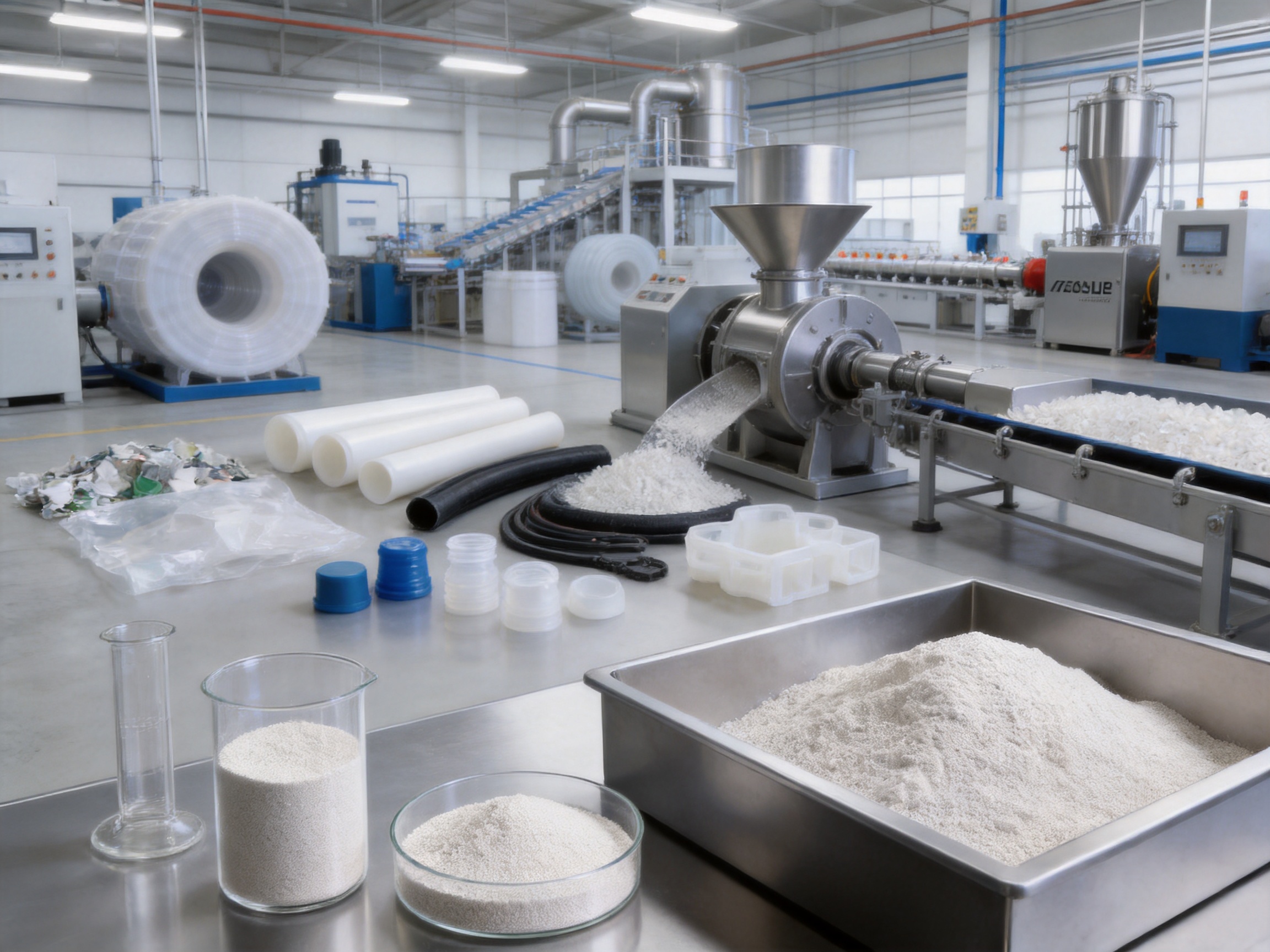
PE pulverizer alloy steel blades are widely applicable to plastic recycling operations. Common feedstocks include waste PE film, pipes, bottle caps, cable sheathing, packaging pieces, strapping bands, and molded components. After sorting, cleaning, drying, and preliminary size reduction, these materials can be processed into fine powder for further regeneration.
Fine PE powder may be used as feedstock for regranulation, film blowing, pipe extrusion, injection molding, or other recycling processes. Uniform particle size supports more consistent feeding into downstream equipment. It can also improve melting behavior and mixing, particularly when the powder is blended with virgin resin, additives, pigments, or recycled material from other sources.
Recycling lines benefit from blade durability because recycled feedstock is rarely perfectly uniform. A batch may contain different grades, colors, densities, or levels of contamination. The blade must tolerate variations without rapidly losing its working edge. Wear-resistant alloy steel provides a more reliable solution for these changing conditions.
Reduced blade replacement also contributes to material recovery efficiency. Every maintenance shutdown can interrupt sorting, washing, drying, extrusion, and pelletizing operations. A longer-lasting blade helps the complete line operate more continuously and reduces the amount of material waiting between stages.
Application in Powder Coatings
PE powder is used in powder coating and related surface-treatment applications. The powder must have suitable fineness, flowability, thermal behavior, and cleanliness. Oversized particles, scorched material, agglomerates, or contamination can negatively affect coating appearance and performance.
The controlled grinding action of alloy steel blades can help produce PE powder within a target range of approximately 20–80 mesh or finer. The exact requirement depends on the coating formulation and application method. Electrostatic spraying and fluidized-bed impregnation may require different powder characteristics, but both benefit from a stable and well-controlled particle-size distribution.
Thermal management is particularly important for powder coating materials. If PE overheats during grinding, particles may partially fuse or develop surface changes that affect flowability. Heat-dissipating blade structures and appropriate machine cooling help reduce this risk.
Clean and uniform powder improves storage and feeding. It can also help manufacturers achieve more consistent coating thickness and surface appearance. For coating producers, stable blade performance reduces batch-to-batch variation and supports more predictable formulation control.
Application in Masterbatch and Modified Plastics
PE-based filler masterbatches, color masterbatches, and functional masterbatches require controlled mixing and dispersion. Fine PE powder can act as a carrier or base material for pigments, mineral fillers, stabilizers, flame retardants, and other additives.
Uniform powder particles help distribute additives more consistently before extrusion. When the carrier material has a narrow and stable particle-size distribution, the compounding process may achieve improved feeding, mixing, and dispersion. This can support better color consistency, mechanical performance, and processing stability in the final masterbatch.
Alloy steel blades are useful in this field because masterbatch production often requires reliable repeatability. A gradual change in powder fineness caused by blade wear can influence melt flow, additive concentration, and extrusion behavior. Retaining the tooth profile for longer helps reduce this variation.
For modified plastics, the blade selection should be based on the complete formulation. Mineral fillers, glass fibers, and other reinforcements may increase abrasion. The operator should confirm that the selected blade material, hardness, clearance, and cooling configuration are appropriate for the intended compound.
Application in Rotational Molding
Rotational molding commonly uses polymer powder to manufacture large hollow products such as tanks, containers, playground equipment, and industrial components. Powder quality affects melting behavior, wall thickness, surface appearance, and the presence of voids or bubbles.
Uniformly ground PE powder can flow more evenly inside the mold during heating and rotation. It can help create a more consistent coating on the mold wall, improving dimensional stability and surface quality. Coarse particles or agglomerates may melt unevenly and contribute to weak points, surface defects, or inconsistent thickness.
The alloy steel blade system supports the production of fine and uniform particles without excessive thermal damage. This is valuable for rotational molding manufacturers that require consistent powder quality across large production batches.
Because rotational molding often involves specialized grades of PE, the pulverizer may need customized settings or blade geometry. Tooth profile, disc diameter, clearance, and operating speed should be selected according to the resin grade and required powder specification.
Processing of Films, Pipes, Caps, and Cable Sheathing
PE film is flexible and can be difficult to grind because it may stretch, wrap around moving parts, or generate heat through repeated friction. A sharp, durable tooth design helps engage film more effectively and reduce the tendency for the material to pass through the chamber without sufficient reduction.
PE pipes and molded parts are generally more rigid but may require preliminary crushing before pulverizing. The alloy steel blades can then perform the fine size reduction required for downstream recycling or powder production. Bottle caps and strapping bands may contain high-density or tough PE grades that place additional stress on the cutting edge.
Cable sheathing can contain additives or reinforcement that increase wear. Proper sorting and removal of metal wire are essential before feeding the material into the pulverizer. Once the feed is prepared, the wear-resistant blade helps maintain stable grinding performance.
For all these materials, the operator should control feed size and feed rate. Overloading the machine may increase motor current, temperature, vibration, and blade stress. Good blade design improves the operating margin, but it cannot compensate for unsuitable feeding conditions.
Compatibility, Customization, and Equipment Integration
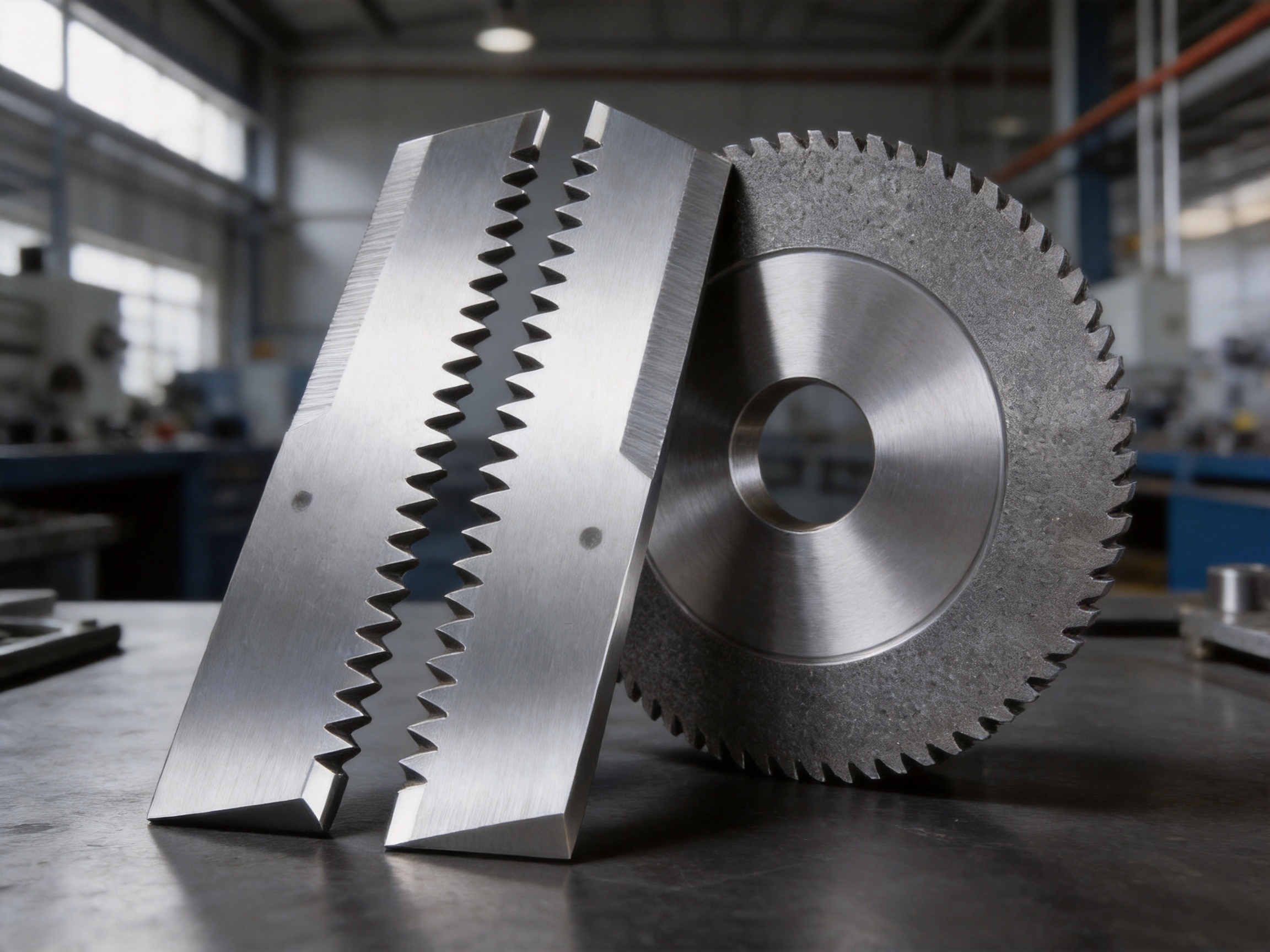
The blades are designed for mainstream PE and PP pulverizer configurations, including disc diameters of approximately 500 millimeters, 600 millimeters, and 800 millimeters. Compatibility should be verified using the machine model, disc diameter, mounting dimensions, number of teeth, tooth angle, disc thickness, rotation direction, and clearance adjustment system.
For replacement projects, accurate measurements of the existing blade and disc assembly are recommended. The manufacturer can evaluate the application and determine whether a standard blade is suitable or whether a customized solution is needed. This is particularly important when replacing blades from another supplier or adapting blades to an older pulverizer.
Customization may involve the overall disc size, number and arrangement of teeth, tooth profile, mounting holes, steel grade, heat-treatment specification, hardness target, and thermal-management structure. The correct design depends on the material being processed and the required powder output.
Customization is also useful for companies operating several pulverizers with different configurations. A standardized replacement program can be developed around the plant’s equipment, allowing maintenance teams to simplify inventory while preserving compatibility.
Installation and Operating Recommendations
Before installation, the pulverizer should be isolated from all power sources and allowed to cool completely. The grinding chamber must be cleaned so that old plastic, dust, and foreign particles do not interfere with blade seating. Mounting surfaces should be inspected for damage, deformation, or contamination.
All fasteners must be tightened according to the equipment manufacturer’s requirements. Uneven tightening can distort the disc or create localized stress. The rotating assembly should be checked for free movement, correct rotation direction, and suitable clearance before the machine is started.
After installation, the pulverizer should be operated at low speed or without material, where appropriate, to verify that there is no abnormal noise, vibration, rubbing, or interference. The blade clearance should then be adjusted according to the desired powder fineness and material characteristics.
During operation, operators should monitor motor current, bearing temperature, chamber temperature, vibration, airflow, cooling performance, and powder appearance. A sudden change in any of these indicators may suggest feed overload, blade damage, blocked cooling, incorrect clearance, or foreign material in the chamber.
Feedstock should be properly sorted and pretreated. Metal, stones, excessive moisture, and other hard contaminants can reduce blade life and damage the machine. If the feed material contains glass fiber, mineral filler, or other abrasive components, the maintenance schedule should be adjusted accordingly.
Blade inspection should focus on edge sharpness, tooth profile, cracks, chips, deformation, mounting condition, and wear distribution. If wear is uneven, the cause should be investigated. Possible causes include incorrect disc alignment, unbalanced loading, improper clearance, unsuitable feed, or insufficient cooling.
Environmental and Sustainability Benefits
Longer-lasting blades support the principles of resource efficiency and circular manufacturing. When a blade remains in service for a longer period, fewer replacement components are consumed. This reduces the material and energy associated with manufacturing, transporting, and disposing of worn blades.
More efficient pulverizing can also reduce energy consumption per unit of processed material. Efficient cutting requires less unnecessary friction and recirculation, although actual energy savings depend on the machine, feedstock, throughput, and process settings. Stable powder quality may further reduce waste in downstream extrusion, molding, coating, or pelletizing operations.
Reliable pulverizing is essential to the broader recycling economy. Waste PE that might otherwise be discarded can be converted into a useful secondary raw material. Producing uniform powder helps recycled material re-enter industrial processes and reduces dependence on virgin polymer resources.
The low-noise and low-energy objectives associated with modern pulverizing equipment are supported by stable blade geometry, balanced rotating assemblies, efficient cooling, and proper maintenance. The blade is one component in a larger system, but its durability and precision contribute directly to the sustainability of the complete line.
Manufacturer Strength and Industry Experience
The manufacturer of these blades is Changzhou Mao Yue Intelligent Equipment Co., Ltd., a source manufacturer with approximately 30 years of experience in plastic crushing and pulverizing equipment. Its product range includes plastic pulverizers, pulverizer components, and complete crushing and pulverizing lines.
The company pioneered the plastic pulverizer market and focuses on producing equipment and components according to European quality standards. Its disc pulverizers are used in rotational molding, masterbatch, polymer processing, PVC, PE, recycling, powder coating, and other plastic size-reduction applications.
More than 5,000 domestic and international enterprises have established long-term partnerships with the company. This customer base reflects experience across different materials, production scales, machine configurations, and application requirements. Such experience is valuable when selecting blade specifications for non-standard feedstocks or customized equipment.
The company’s six processing workshops, precision machining resources, dynamic balancing equipment, welding systems, technical team, CE mechanical certification, and ISO 9001 quality management certification provide a foundation for consistent manufacturing. Its stated mission is to improve production efficiency, reduce labor intensity, and deliver stable pulverizing solutions to customers worldwide.
As an original equipment accessory, the blade is developed to fit the manufacturer’s pulverizer systems while also supporting selected compatibility requirements for other brands. Customers can discuss disc size, tooth profile, material, hardness, and other specifications before placing an order. This engineering approach is more reliable than selecting a replacement solely by visual similarity.
How to Select the Correct Blade Specification
The first selection factor is the material. PE film, rigid PE pipe, bottle caps, cable sheathing, reinforced plastic, and filled compounds can require different tooth profiles and wear-resistance levels. The feedstock should be described accurately, including resin grade, filler content, glass-fiber content, moisture, contamination risk, and incoming particle size.
The second factor is the machine. Disc diameter, rotor design, motor power, operating speed, mounting pattern, and cooling system all influence the correct blade specification. A blade that fits physically may not be suitable if its weight, tooth arrangement, or balance differs from the original design.
The third factor is the target powder. The required mesh range, allowable coarse fraction, particle-size distribution, bulk density, and downstream application should be identified. Powder intended for rotational molding may have different requirements from powder used in masterbatch or powder coating production.
The fourth factor is production intensity. A laboratory or small-batch system may prioritize fine adjustment and flexibility, while a continuous industrial line may prioritize service life, thermal stability, and rapid maintenance. The expected operating hours per day and annual production volume should be considered when calculating total cost of ownership.
The final factor is service support. A reliable supplier should be able to provide dimensional confirmation, installation guidance, clearance recommendations, maintenance advice, and replacement planning. Technical support is especially important when adapting blades to another brand or processing a new material.
Quality, Productivity, and Total Cost of Ownership
The value of a pulverizer blade should be evaluated by its complete operating contribution rather than by purchase price alone. A blade with higher hardness and longer service life may reduce replacement consumption, downtime, labor, energy loss, material waste, and quality variation.
Improved powder uniformity can create additional value downstream. Extruders may receive a more stable feed, molding operations may experience fewer variations, and powder coating producers may obtain more consistent flow and surface performance. These benefits can be difficult to express as a single number, but they are important in industrial production.
A long-life blade also supports better planning. Scheduled replacement can be coordinated with routine inspection, cleaning, bearing maintenance, and other planned activities. This is safer and more efficient than replacing a failed blade during an unplanned stoppage.
For companies processing recycled materials, cost savings can be especially significant. Recycled feedstock often has lower and more variable material value than virgin resin, so production efficiency is essential. A durable blade helps the processor maximize recovered value while keeping maintenance expense under control.
Q&A
What materials can these pulverizer blades process?
They are primarily designed for PE and related plastic-processing applications. Suitable feedstocks may include PE film, pipes, bottle caps, cable sheathing, strapping bands, molded parts, and selected high-toughness or glass-fiber-reinforced plastics. The exact blade specification should be confirmed according to the material composition and contamination level.
How hard are the alloy steel blades?
The reported hardness is HRC 60–65 or higher, depending on the selected material and heat-treatment specification. This is substantially harder than many ordinary cutting discs, which may have a hardness around HRC 45. Hardness should always be balanced with impact toughness and the intended operating conditions.
How long can one blade set last?
A single set can achieve approximately 800 hours of continuous service under suitable operating conditions. Actual life depends on feedstock, contamination, feed rate, machine settings, cooling, clearance, and maintenance. Abrasive fillers and foreign particles may reduce service life.
Can the blades produce fine powder?
With the correct pulverizer configuration and operating settings, the blades can support powder fineness of approximately 20–80 mesh or finer. The final result depends on disc diameter, tooth design, rotor speed, clearance, feedstock properties, airflow, and classification conditions.
Are the blades compatible with other pulverizer brands?
They can be adapted to selected equipment from other manufacturers, but compatibility must be confirmed. Important details include disc diameter, mounting pattern, tooth configuration, disc thickness, rotation direction, and clearance system. A dimensional drawing or machine model is recommended before ordering.
Why is heat dissipation important when grinding PE?
PE can soften when exposed to excessive frictional heat. Softened material may stick to the disc, form agglomerates, reduce powder quality, and accelerate edge dulling. The multi-tiered finned heat-dissipation structure helps control temperature, but the pulverizer’s cooling and feeding systems must also be operated correctly.
Can the tooth profile be customized?
Customization may be available for tooth profile, disc diameter, steel grade, hardness, mounting dimensions, and other specifications. The design should be based on the processed material, target powder, machine configuration, and production capacity.
What should be checked before installing a new blade?
The operator should check the disc seat, mounting holes, fasteners, alignment, rotation direction, clearance, balance, cooling passages, and grinding chamber cleanliness. After installation, the machine should be tested for abnormal noise, vibration, rubbing, and temperature rise before full-load production.
How do these blades reduce operating cost?
They reduce cost through longer service life, fewer replacements, lower maintenance labor, less unplanned downtime, more stable powder quality, and improved grinding efficiency. The actual savings depend on operating conditions and should be evaluated through total cost of ownership.
Why should a manufacturer’s technical experience matter when buying blades?
Blade performance depends on more than steel hardness. Accurate machining, heat treatment, balancing, disc compatibility, tooth design, clearance, and cooling all affect results. A manufacturer with extensive pulverizer experience can better match the blade to the machine and application.
Conclusion
PE pulverizer alloy steel blades provide a durable and technically advanced solution for plastic size reduction. Their high-density alloy steel construction, HRC 60–65 or higher hardness, specialized heat treatment, impact resistance, precision-adjustable clearance, high-speed tooth design, and heat-dissipation structure are intended to deliver stable performance under demanding industrial conditions.
Compared with ordinary cutting discs, the blades offer longer service life, better resistance to abrasive and high-toughness materials, more stable powder fineness, and lower replacement frequency. They support applications ranging from recycling and powder coating to masterbatch production, rotational molding, extrusion, injection molding, and laboratory preparation.
The manufacturing strength behind the product is equally important. Experience in plastic pulverizing equipment, six processing workshops, precision grinding machinery, dynamic balancing technology, Japanese welding systems, technical research, CE mechanical certification, and ISO 9001 quality management provide a strong foundation for reliable production.
When properly selected, installed, adjusted, cooled, and maintained, these blades can help plastic processors improve grinding efficiency, reduce downtime, control powder quality, and lower total operating costs. They also contribute to more sustainable plastic recycling by extending component life, reducing waste, and supporting the conversion of discarded PE into valuable secondary material.
References
1. General principles of alloy steel selection for wear-resistant cutting and grinding components.
2. Industrial practices for heat treatment, tempering, and dimensional stabilization of high-hardness steel parts.
3. Technical guidance on plastic pulverizer operation, disc clearance, rotor balancing, and temperature control.
4. General processing requirements for recycled polyethylene used in extrusion, molding, powder coating, and rotational molding.
5. ISO 9001 quality management principles for manufacturing and process control.
6. European mechanical equipment safety and conformity principles associated with CE certification.
7. General engineering references on particle-size distribution, mesh classification, and polymer powder handling.