

 English
 русский
 Español
 عربى
 中文简体
 中文简体
Content
- 1 Designed for Demanding Plastic Pulverization
- 2 High-Output 600 mm Grinding System
- 3 Blade Arrangement and Shearing Efficiency
- 4 Temperature Control for Room-Temperature Processing
- 5 Material Purity and Fineness Control
- 6 Applications in PA Recycling
- 7 Applications in PP Masterbatch and Modified Plastics
- 8 Rotational Molding and Powder Coating Uses
- 9 Multi-Material and Flexible Production
- 10 Supporting Equipment and Complete-Line Integration
- 11 Electrical Control and Operating Flexibility
- 12 Manufacturing Quality and Factory Capabilities
- 13 Advantages Over Basic and Undersized Alternatives
- 14 Energy Use and Return on Investment
- 15 Installation, Maintenance, and Service Considerations
- 16 Recommended Selection Process
- 17 Technical Specification Summary
- 18 Frequently Asked Questions
- 18.1 What materials can the 600 mm pulverizer process?
- 18.2 Is this machine suitable for glass-fiber-reinforced PA?
- 18.3 What is the actual production capacity?
- 18.4 Can the machine operate continuously?
- 18.5 How does the cooling system work?
- 18.6 What particle sizes can be produced?
- 18.7 Does the machine include dust collection and metal separation?
- 18.8 Is the pulverizer suitable for masterbatch production?
- 18.9 Can it be used for rotational molding powder?
- 18.10 What maintenance is required?
- 18.11 What manufacturing capabilities support the equipment?
- 18.12 How should a customer select the correct configuration?
- 19 Conclusion
- 20 References
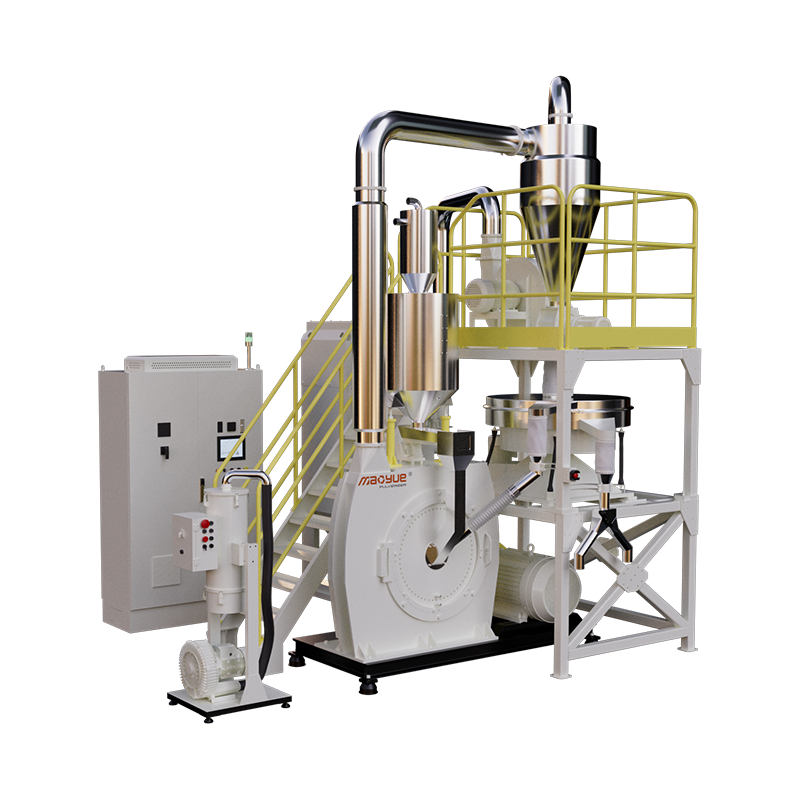
- 21 Product: 600PA/PP Wear-Resistant Room-Temperature Pulverizer
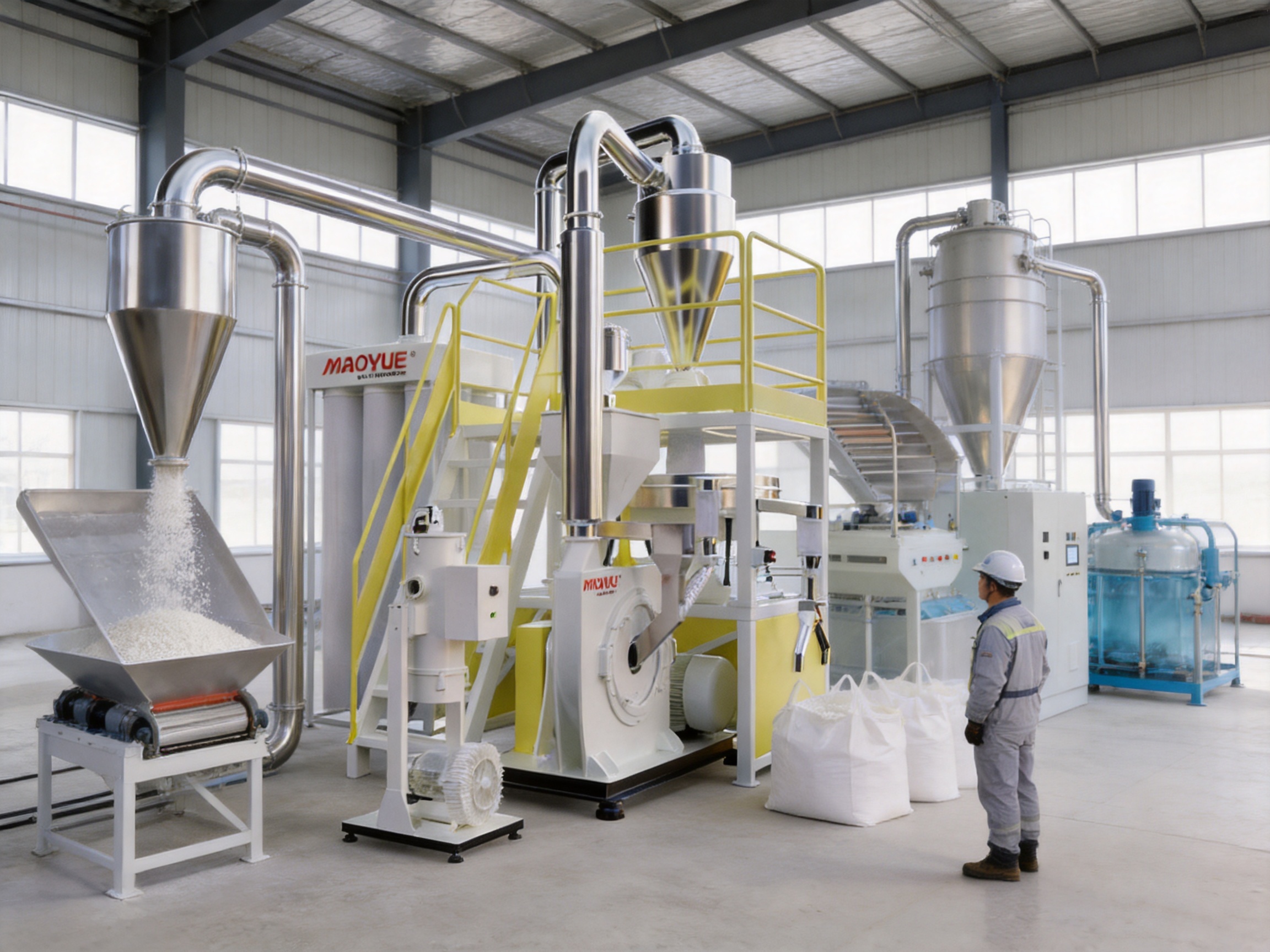
Modern plastic recycling and modification plants require more than basic size reduction. They need stable particle size, reliable temperature management, long component life, clean powder, and the ability to operate continuously under demanding production conditions. The 600 mm wear-resistant room-temperature pulverizer is designed to meet these requirements in medium- and large-scale plastic processing applications. It is particularly suitable for polyamide, polypropylene, filled compounds, masterbatch carriers, rotational molding powder, powder coating materials, and selected flexible polymer blends.
With a 600 mm grinding disc, a 45–55 kW drive motor, water-cooling circulation, an intelligent temperature-control system, and a reinforced grinding assembly, this model occupies an important position between smaller 500 mm machines and larger 800 mm systems. It is intended for companies that need a substantial increase in output without accepting the greater investment, floor-space requirements, and operating costs associated with a much larger pulverizer.
The machine combines high shearing efficiency with a wear-resistant grinding structure. Its optimized blade arrangement includes 36 moving blades and 15 fixed blades, while the high-density tooth profile improves the contact frequency between the material and the grinding surfaces. This design allows the machine to achieve efficient pulverization at controlled fineness levels while maintaining a practical balance between production capacity, energy consumption, and maintenance requirements.
For medium-sized production lines, the 600 mm configuration can serve as the principal pulverizing unit rather than merely a supplementary machine. Its applications include PA recycling, PP masterbatch production, rotomolding powder preparation, powder coating material processing, engineering-plastic reprocessing, and multi-material production lines that require relatively fast material changeover. The model is also suitable for businesses seeking a scalable solution for the circular use of post-industrial plastic waste.
Designed for Demanding Plastic Pulverization
Plastic pulverization is a specialized process because different polymers react differently to heat, shear, pressure, and residence time. Polyamide can be tough and difficult to process, especially when reinforced with glass fiber or when the feedstock has a high melting point. Polypropylene may soften rapidly when excessive heat accumulates in the grinding chamber. A suitable pulverizer must therefore generate sufficient mechanical force while removing heat efficiently and maintaining a consistent operating temperature.
The 600 mm pulverizer addresses these challenges through a combination of large-diameter grinding discs, optimized blade geometry, water cooling, and intelligent temperature control. Instead of relying only on high motor power, the design aims to use the available energy more effectively. The moving and fixed blades create repeated cutting and shearing actions, while the tooth profile increases the active grinding area. This helps the machine process material efficiently without requiring uncontrolled increases in speed or temperature.
The grinding chamber is designed for room-temperature pulverization. In practical terms, this means that cooling is used to control process heat so the polymer can be reduced to powder without unnecessary thermal degradation. This is especially valuable for materials that must retain their physical properties for subsequent injection molding, extrusion, coating, or compounding.
When the feedstock, screen setting, moisture level, and feeding rate are properly matched, the machine can produce powder across a broad fineness range. The stated adjustment range is approximately 10 to 120 mesh for selected configurations, while the supplied technical table identifies a standard range of 10 to 50 mesh. The actual result depends on the screen, material characteristics, blade condition, operating parameters, and system configuration. This flexibility allows users to select a configuration suitable for coarse powder, fine powder, carrier powder, or application-specific particle-size requirements.
High-Output 600 mm Grinding System
The 600 mm disc diameter gives the pulverizer a larger working area than smaller models. A larger disc can provide increased contact surface and improved material throughput when supported by an appropriate motor, feeding system, cooling circuit, and discharge arrangement. The model is equipped with a 45 or 55 kW drive motor, allowing users to select the power level according to the material and required production rate.
Published capacity information for this type of equipment can vary according to material, fineness, formulation, and line configuration. The product description identifies a general capacity range of approximately 350–600 kg/h, with PA commonly processed at around 400–550 kg/h and PP at approximately 500–600 kg/h under suitable conditions. A separate standard specification table lists 180–320 kg/h. These figures should be understood as configuration- and application-dependent values rather than a universal guaranteed output. A final capacity should be confirmed through a material test or a detailed technical evaluation before purchase.
This distinction is important because pulverizing capacity is affected by more than disc size and motor rating. Glass-fiber-reinforced PA, for example, may require a different feeding rate and screen setting than unfilled PP. A fine 100-mesh powder generally requires more residence time and recirculation than a 20-mesh powder. Moisture, contamination, bulk density, feed particle size, and desired powder temperature can also affect output.
Within these practical limits, the 600 mm model is positioned as a higher-output alternative to a 500 mm machine. The product information indicates a capacity improvement of approximately 50–80 percent compared with the 500 model under comparable conditions. At the same time, it remains more compact and economical than an 800 mm pulverizer, making it appropriate for plants that require stronger production capability without moving immediately to the largest equipment class.
The combination of disc diameter and drive power also provides operating flexibility. A plant may use a lower feed rate when producing a finer powder or processing a difficult engineering plastic. When processing a more free-flowing material such as PP, the system may be operated closer to its higher-throughput range, subject to the selected configuration and temperature limits.
Blade Arrangement and Shearing Efficiency
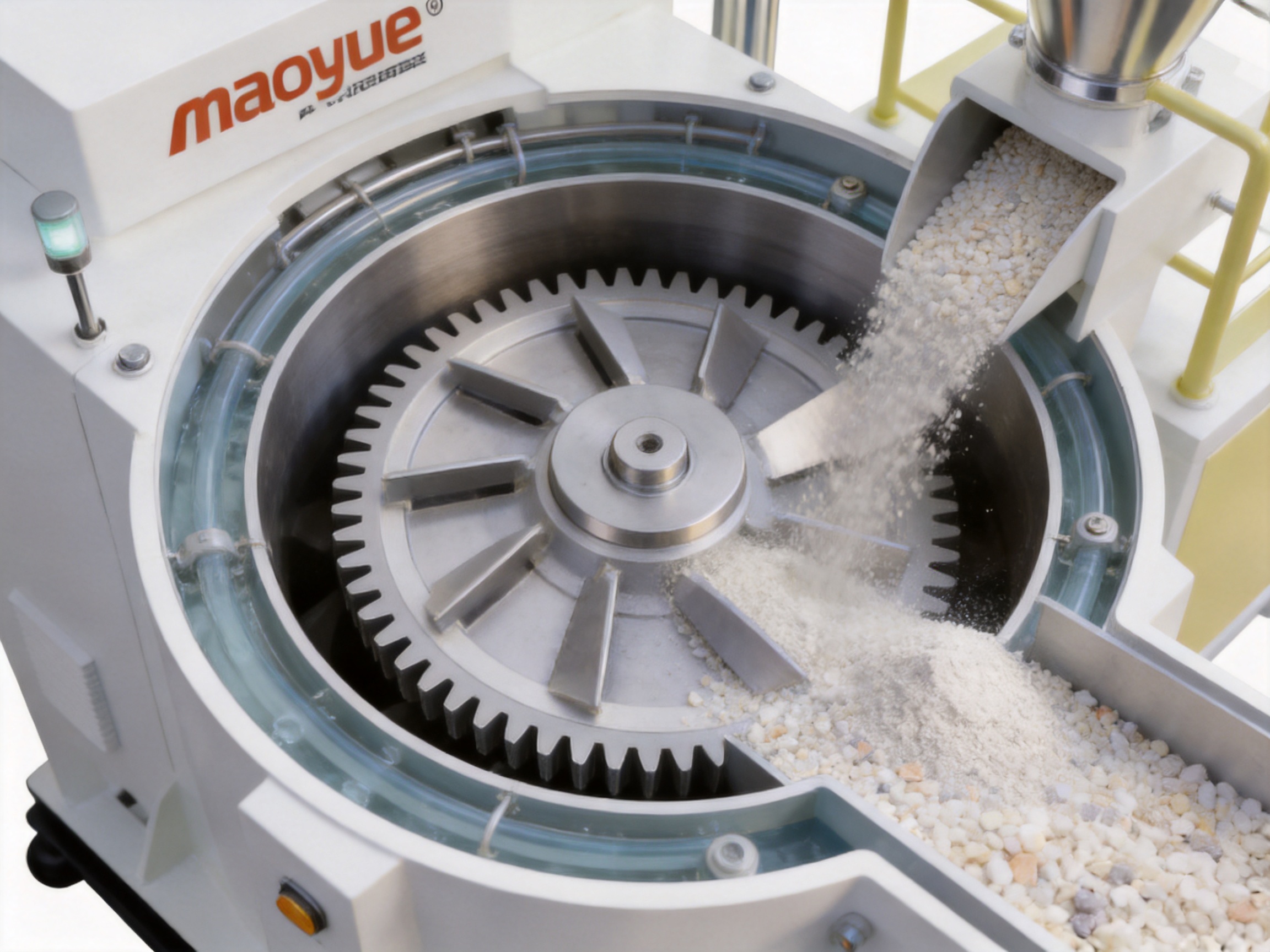
The internal blade layout is one of the main factors determining pulverizer performance. The machine uses an optimized arrangement of 36 moving blades and 15 fixed blades. This configuration increases the number of cutting and shearing interactions that occur as material passes through the grinding chamber. The high-density tooth profile further enhances the mechanical action between the rotating and stationary components.
Compared with a basic grinding arrangement, a denser tooth profile can provide more frequent engagement with the material. This supports a more uniform reduction process and can help produce consistent powder at a selected fineness. The objective is not simply to break material into smaller pieces, but to achieve controlled particle-size distribution with fewer oversized particles and reduced risk of excessive heat from inefficient grinding.
Efficient shearing is especially important for tough and fibrous polymers. PA6, PA66, PA12, glass-fiber-reinforced compounds, and certain production scraps can resist ordinary impact-based reduction. The grinding mechanism must maintain a sharp and stable cutting action. When blade geometry, clearance, rotation, and feed rate are properly matched, the machine can process these materials more reliably than equipment designed only for soft or easily fractured plastics.
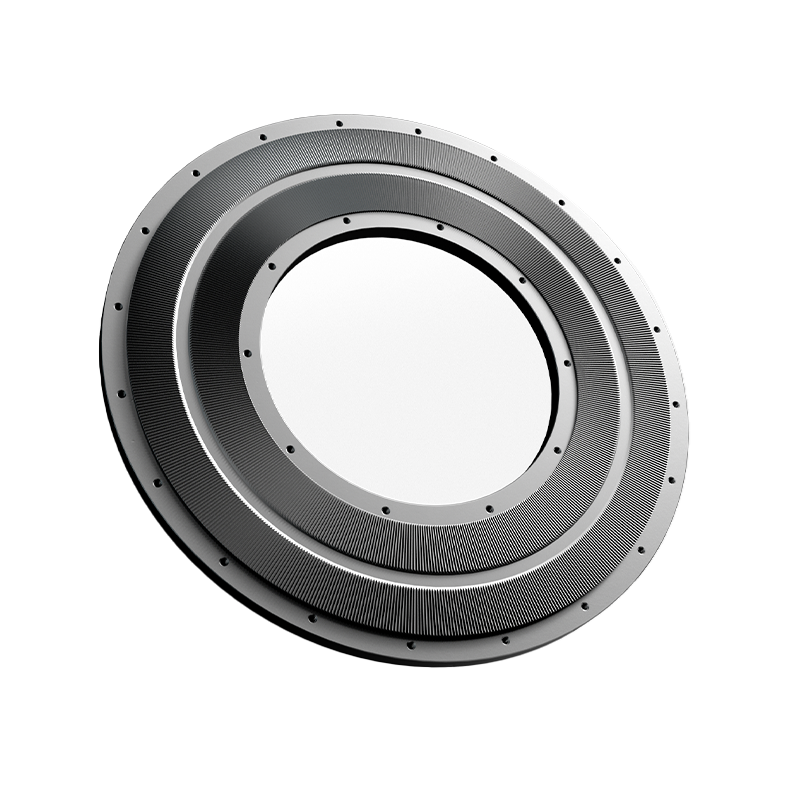
The blade material identified for the standard configuration is DC53 tool steel. DC53 is widely used for industrial tooling where hardness, toughness, and resistance to deformation are important. The grinding disc is also described as receiving carburizing and quenching treatment together with a surface wear-resistant coating. This treatment is intended to improve resistance to abrasion and extend the service interval when processing demanding materials.
For high-melting-point or high-toughness materials such as PA66 and PA12, the expected grinding-disc service life is stated at approximately 800–1,200 operating hours, depending on the material and working conditions. The product information also indicates that maintenance intervals can be extended by around 30 percent. Actual life will depend on contamination, glass-fiber content, moisture, feed size, operating load, and the quality of routine inspection.
A wear-resistant grinding assembly offers several advantages over a conventional untreated component. It can maintain its working geometry for a longer period, reduce the frequency of blade replacement, and help preserve powder quality as the equipment ages. Stable blade geometry is particularly important when a customer requires consistent mesh size across long production campaigns.
Temperature Control for Room-Temperature Processing
Heat management is central to plastic pulverization. Mechanical energy is converted into heat during cutting, friction, and impact. If heat is not removed efficiently, thermoplastic particles may soften, smear, agglomerate, or adhere to the grinding chamber. Excessive temperature can also affect color, odor, flowability, and the physical properties of the recycled powder.
The 600 mm pulverizer uses an intelligent temperature-control system combined with high-flow water circulation. The stated design target is to keep grinding-chamber temperature fluctuation within approximately plus or minus 3 degrees Celsius under appropriate operating conditions. Stable temperature control helps the operator maintain consistent processing rather than reacting manually to sudden temperature increases.
The cooling arrangement is described as a water-cooling system in which one connection serves as the inlet and another as the outlet. Continuous water circulation carries heat away from the grinding structure. The cooling system should be connected to a suitable water source or cooling unit, with flow, pressure, cleanliness, and temperature maintained according to the final installation requirements.
Intelligent control can improve production stability in several ways. It can monitor the temperature of the grinding chamber, identify rising heat conditions, and coordinate cooling or operating adjustments. It can also help prevent the operator from continuing at a feed rate that is unsuitable for the selected material. In long production campaigns, this type of control reduces the risk of thermal degradation and supports more repeatable powder quality.
The product is described as suitable for continuous high-load operation of approximately 8–12 hours without degradation risk when the machine is correctly configured and operated. This should not be interpreted as permission to ignore inspection or maintenance. Long operating periods still require proper cooling-water management, blade inspection, dust control, motor monitoring, and adherence to the operating instructions.
Temperature stability is particularly valuable in PP processing. PP can become sticky if its temperature rises excessively during pulverization. A stable, cooled chamber helps preserve free-flowing powder and reduces the likelihood of agglomeration. For PA, controlled temperature helps protect the material from unnecessary thermal stress while maintaining the cutting efficiency needed for tough feedstock.
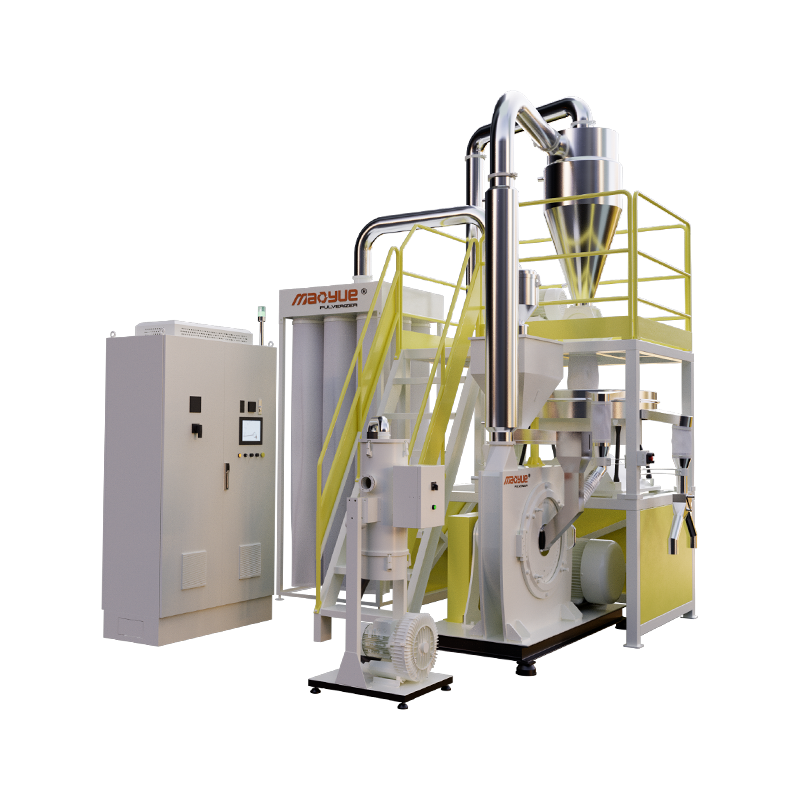
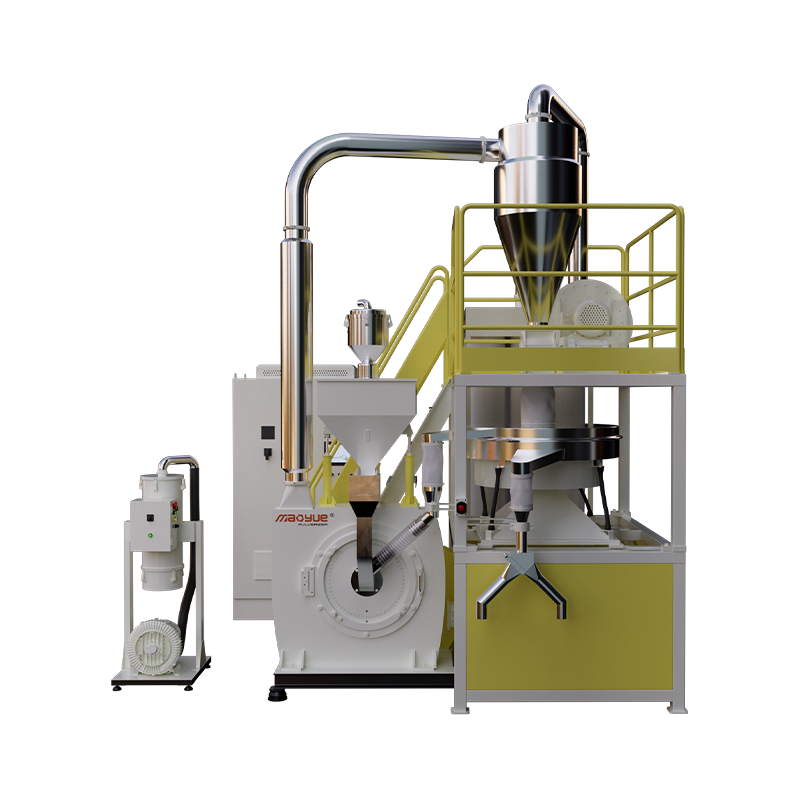
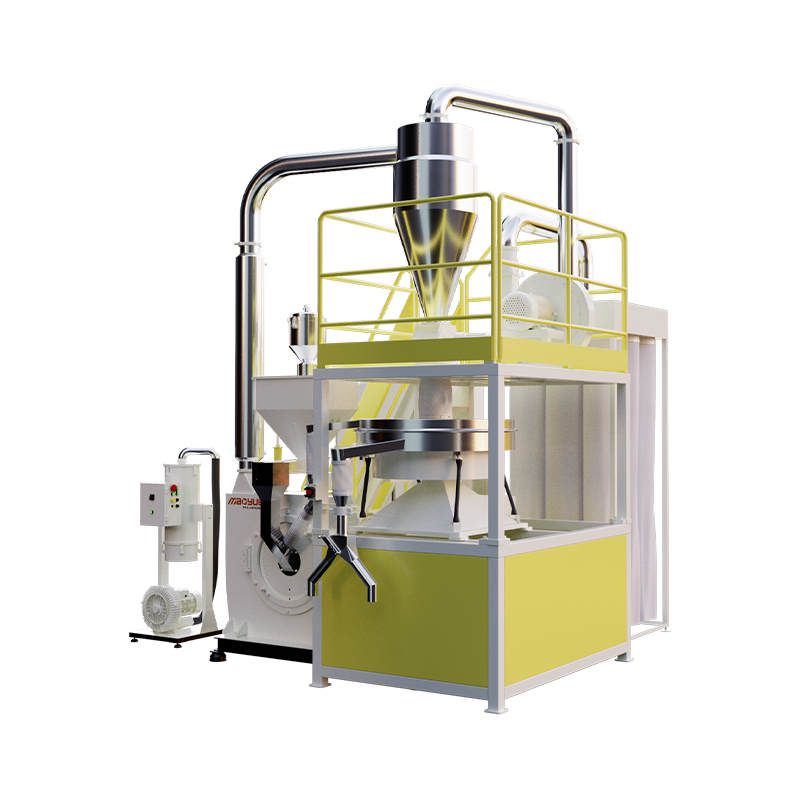
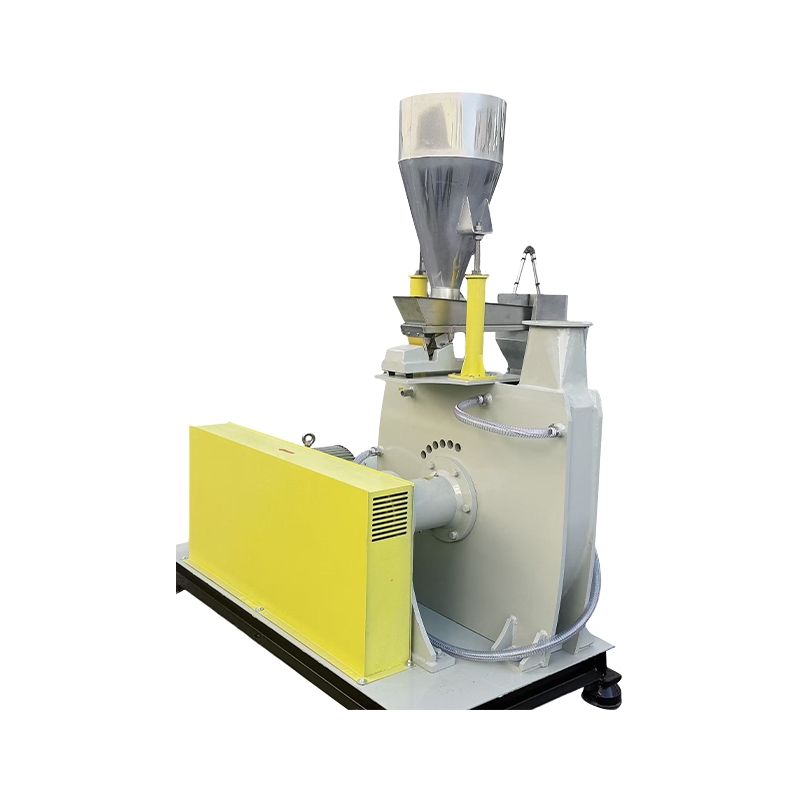
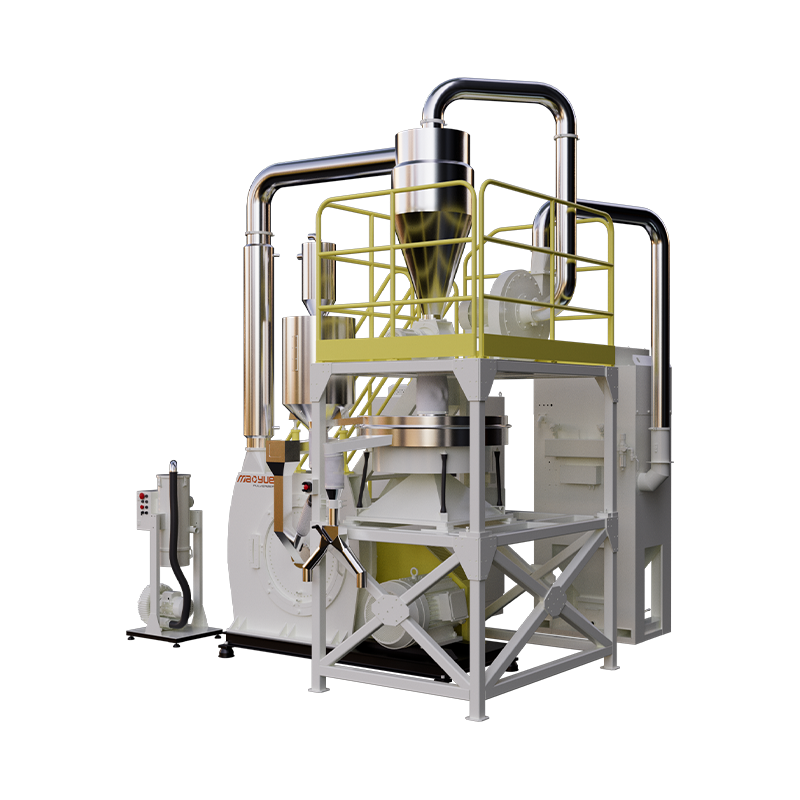
600PA/PP Wear-Resistant Room-Temperature Pulverizer
Material Purity and Fineness Control
Recycled powder is valuable only when it meets the requirements of its next processing stage. Powder containing metal particles, excessive dust, oversized pieces, or thermal agglomerates may cause problems in extrusion, injection molding, rotational molding, spraying, and compounding. The 600 mm pulverizer can be equipped with optional pulse dust collection and metal separation systems to improve the cleanliness of the finished material.
Pulse dust collection supports continuous removal of airborne fines generated during grinding. Effective dust collection can improve the working environment, reduce powder accumulation around the machine, and help maintain more stable airflow through the conveying system. It also supports better material recovery by collecting fine particles that might otherwise escape from the process.
A metal separator can remove ferrous or other metallic contaminants introduced during collection, shredding, transportation, or previous production steps. This is particularly useful when processing post-industrial scrap that may contain fasteners, clips, wire fragments, machine wear particles, or mixed waste. The stated target for impurities is below approximately 50 parts per million when the complete system is correctly configured and the feedstock is appropriately prepared.
Purity requirements differ between applications. A powder used in general rotational molding may have different contamination limits from a powder used in engineering-plastic injection molding. A masterbatch producer may focus on dispersion and consistent carrier-powder behavior, while a coating manufacturer may prioritize particle-size distribution and surface cleanliness. The modular approach allows the line to be specified according to the final use rather than forcing every customer to purchase identical equipment.
Fineness can be adjusted through the grinding configuration and screening system. The product information indicates a flexible range extending from approximately 10 to 120 mesh for selected applications, while the standard table lists 10–50 mesh. Fine powders may be required for coating or specialized compounding, whereas larger powder particles may be appropriate for rotational molding or certain masterbatch processes.
Consistent fineness depends on several operating variables. The feed material should be pre-sized and reasonably uniform. The grinding gap should be adjusted correctly. The screen or classification arrangement must be suitable for the target mesh. The operator should also monitor temperature, because softened particles may form larger agglomerates even if the nominal screen size is fine.
For engineering plastics, stable particle size can improve downstream feeding and melting behavior. For PP carrier powder, it can support more uniform additive distribution during subsequent extrusion. For powder coating or rotomolding, it can contribute to improved surface appearance and more predictable coverage. These benefits make the pulverizer useful not only as a recycling machine but also as a material-preparation system for value-added processing.
Applications in PA Recycling
Polyamide waste is generated by automotive, electrical, electronics, appliance, textile, and industrial component manufacturers. Examples include PA6 injection scraps, PA66 engineering components, reinforced automotive parts, connector housings, engine-related components, textile tow residues, and production offcuts. These materials may have high toughness, fiber reinforcement, or complex shapes that make them unsuitable for simple grinding methods.
The 600 mm pulverizer is designed to process PA waste into powder for further use in recycled materials, compounds, profiles, and selected molding applications. The reinforced grinding system provides the mechanical action required for difficult feedstock, while the water-cooling system helps manage the heat generated during high-load processing.
Glass-fiber-reinforced PA requires particular attention. Glass fibers can increase abrasion on blades and grinding surfaces. The carburized, quenched, and coated disc structure is intended to extend service life in such conditions. Even with wear-resistant components, operators should inspect the grinding assembly regularly and replace or recondition components when the blade profile or clearance no longer meets production requirements.
Powder fineness for PA can be adjusted according to the end product. A range of approximately 20–100 mesh is identified for selected regenerated injection molding, profile extrusion, and engineering-material applications. The appropriate target should be determined by the downstream feeding system, formulation, melt behavior, and quality requirements.
High-quality PA powder can support a more circular production model. Instead of sending valuable engineering-plastic scraps to disposal or low-value applications, manufacturers can return them to a controlled material stream. The resulting powder may be used directly in a formulation, blended with virgin polymer, or further compounded with additives and reinforcement.
For companies operating their own recycling lines, the pulverizer can serve as the central size-reduction stage after sorting, cleaning, and pre-shredding. It may be integrated with conveyors, a pre-crusher, a magnetic separator, a dust collector, a vibrating screen, and a collection or packing system. This creates a more complete process from waste preparation to finished powder.
Applications in PP Masterbatch and Modified Plastics
PP is widely used as a carrier resin in color masterbatch, filler masterbatch, flame-retardant masterbatch, toughening masterbatch, and other modified-plastic formulations. The carrier powder must be uniform, clean, and easy to disperse. Irregular particle size or agglomerated material can make additive feeding and extrusion less consistent.
The 600 mm pulverizer can produce PP powder with a relatively uniform particle-size distribution when the feedstock and operating parameters are properly controlled. A free-flowing powder can improve feeding into an extrusion granulation system. It may also help distribute pigments, mineral fillers, flame retardants, or other additives more evenly before melting and compounding.
For masterbatch manufacturers, throughput is an important commercial consideration. A pulverizer that processes material too slowly can limit the output of the complete line, while a machine that runs too aggressively may create excessive heat or inconsistent powder. The 600 mm model is positioned to provide a practical balance, offering more capacity than a smaller machine while avoiding the higher investment associated with a larger production unit.
The machine may also process selected PP waste streams for use in modified-plastic products. Examples include injection-molding runners, production offcuts, rejected parts, film-related material after suitable preparation, and clean industrial scrap. Feedstock must be sorted appropriately because incompatible polymers, moisture, and contamination can negatively affect powder quality.
In a masterbatch plant, the pulverizer may be paired with a feeding system, a dust collector, a metal separator, a vibrating screen, and a packaging station. The system can be configured for frequent formulation changes, provided that the operator follows appropriate cleaning and material-change procedures. This is useful for companies producing multiple colors or additive formulations on the same line.
Rotational Molding and Powder Coating Uses
Rotational molding requires polymer powder with suitable flow, melting behavior, and particle-size consistency. The powder must distribute across the mold surface as the mold rotates and heats. Excessively large particles may melt unevenly, while excessive fines can create dust, feeding challenges, or inconsistent distribution.
PP powder from the 600 mm pulverizer can be used in selected rotational molding applications when the material formulation and particle size are properly matched. Potential products include chemical storage tanks, pallets, waste containers, playground components, and other medium-sized molded products. The finished performance depends on resin grade, additives, mold design, heating cycle, and process conditions in addition to powder quality.
A clean and free-flowing powder can help improve wall-thickness consistency and surface appearance. The controlled grinding temperature helps reduce scorching and thermal agglomeration. Optional dust collection and metal separation further support the production of powder suitable for applications where surface defects and contamination must be minimized.
Powder coating and fluidized-bed dipping also require controlled particle characteristics. The powder must be able to flow through the system and form an even layer on the workpiece. Uniformity can contribute to smoother surfaces, more consistent coverage, and improved finished-product appearance. The 600 mm pulverizer may be used for suitable thermoplastic coating materials, provided the specific polymer and formulation are compatible with the machine and the required particle-size range.
Application trials are recommended before finalizing the grinding configuration. Different coating systems may require different powder sizes, flow properties, and thermal characteristics. The machine can then be adjusted or equipped with suitable screening and collection components to achieve the desired result.
Multi-Material and Flexible Production
Many recycling and compounding businesses do not process a single polymer every day. They may handle PA, PP, EVA, and other flexible polyolefins or engineering-plastic blends in different campaigns. Such companies need a machine that can support material changes without excessive downtime or complicated cleaning procedures.
The 600 mm model is described as having a fast material-changeover design and an intelligent temperature-control system. These features can support flexible production, although the actual changeover time depends on the feedstock, line layout, cleaning access, powder collection arrangement, and required purity level between products.
When processing different polymers, operators should establish a documented changeover procedure. This may include stopping the feed, allowing the chamber to clear, isolating the power supply where required, inspecting the grinding area, removing residual powder, checking conveying pipes, and confirming that the collection system is ready for the next material. If cross-contamination is critical, additional cleaning or dedicated conveying components may be necessary.
For plants serving multiple customers, this flexibility can improve equipment utilization. The same core machine may be used for PA recycling during one production campaign and PP powder preparation during another. The operator can select appropriate screens, feeding rates, cooling conditions, and collection settings for each material.
Nevertheless, not every polymer blend can be processed effectively without testing. Materials with significantly different melting points, moisture levels, or elastic behavior may produce inconsistent powder. A technical evaluation helps determine whether the feedstock should be blended, separated, preconditioned, or processed on a dedicated line.
Supporting Equipment and Complete-Line Integration
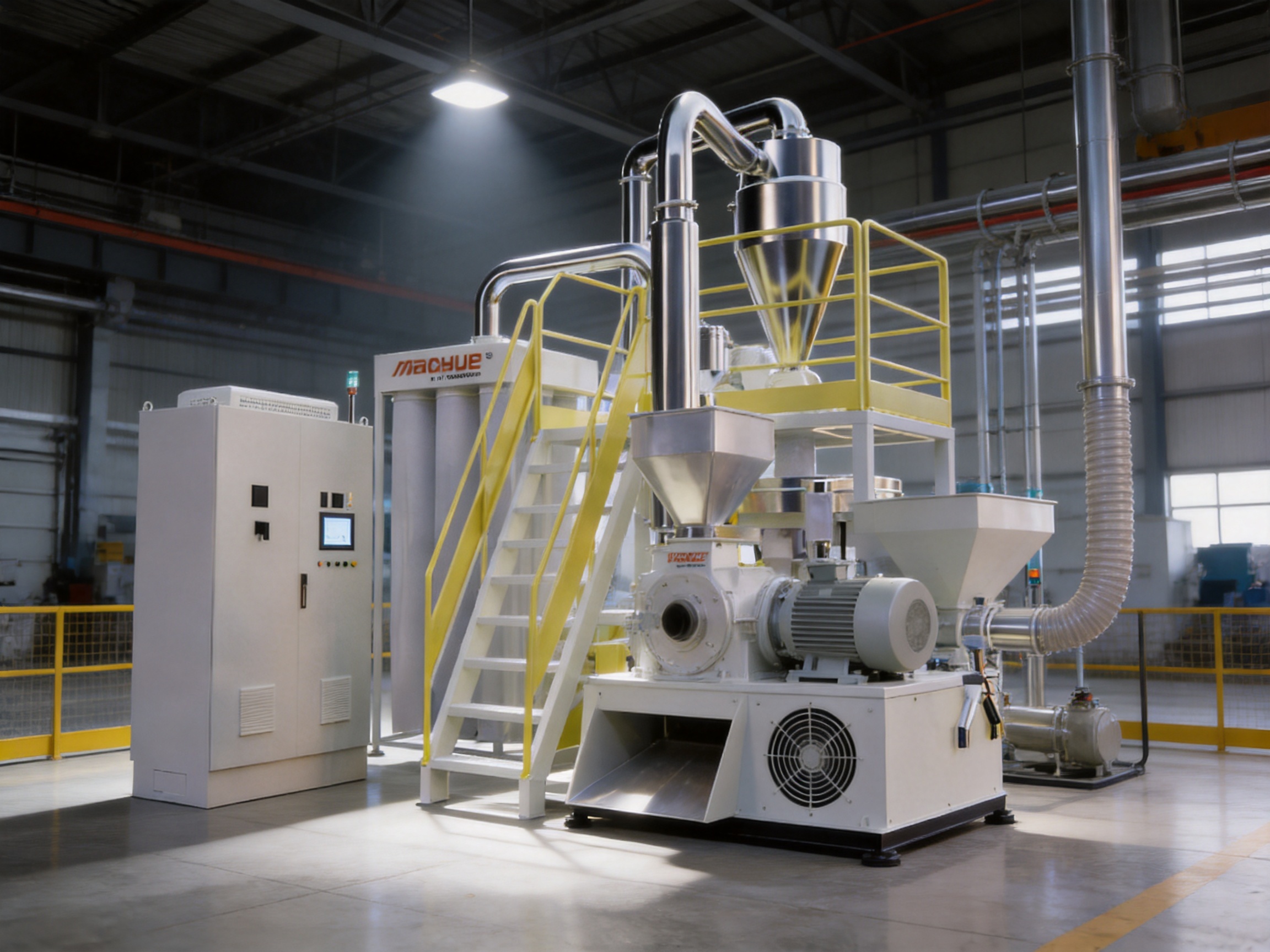
A pulverizer performs best when it is integrated into a properly designed line. The listed configuration includes a vacuum feeding method, a blower motor rated at 7.5 kW, stainless-steel piping, a pipe diameter of approximately 159 mm, a vibrating screen with a 1.1 kW motor, and a swing-vibrator diameter of approximately 1,200 mm. These components support material transfer, screening, and separation after grinding.
Vacuum feeding can provide a controlled way to move prepared plastic into the grinding system. It may reduce manual handling and help maintain a steady feed rate. Stable feeding is important because sudden surges can overload the motor or raise the grinding temperature, while insufficient feeding may reduce throughput and make the process less stable.
The stainless-steel conveying pipes offer corrosion resistance and a smooth internal surface for powder transport. The specified pipe diameter must be evaluated together with the blower capacity, powder bulk density, conveying distance, bends, and elevation changes. A complete line should be balanced so that the blower, pipework, separator, and collection system do not restrict the pulverizer.
The vibrating screen can classify the finished powder and remove oversized particles. It may be used to return oversize material for additional grinding or to separate different fractions for distinct applications. Screen selection should be based on the target mesh size, powder flowability, required capacity, and the acceptable amount of recirculation.
The dust collector bag diameter is listed at approximately 300 mm in the standard information. The complete dust-collection design should consider air volume, filter area, powder characteristics, cleaning frequency, pressure loss, and workplace safety. Fine polymer dust can present housekeeping and occupational concerns, so the collection system should be installed, grounded, operated, and maintained according to applicable local requirements.
The belt-pulley system is described as meeting a European standard. A properly manufactured pulley and belt assembly helps transmit motor power smoothly and can reduce vibration and mechanical losses. Correct alignment, tension, guarding, and periodic inspection remain essential for safe and reliable operation.
Electrical Control and Operating Flexibility
The pulverizer can be configured with star-delta starting, soft starting, or inverter control. Each method has different benefits. Star-delta starting can reduce the initial current compared with direct starting. A soft starter provides a controlled acceleration profile and can reduce mechanical shock. An inverter allows broader adjustment of motor speed and may help adapt the grinding action to different materials and fineness requirements.
Speed control can be valuable when processing materials with different toughness, melting behavior, or desired particle size. A lower speed may be appropriate for a heat-sensitive or easily softened material, while a higher speed may support a tougher feedstock when cooling and motor loading remain within acceptable limits. The correct selection should be made with consideration for motor characteristics, drive protection, line voltage, and the manufacturer’s operating recommendations.
Electrical protection should include suitable overload protection, emergency stopping, interlocks, grounding, and guarding. Access doors and inspection points should be designed so that the machine cannot be operated in an unsafe open condition. Operators should receive training in startup, shutdown, cleaning, jam removal, and emergency procedures.
Intelligent temperature monitoring should be integrated into the operating routine rather than treated as a separate accessory. The operator can use temperature trends to identify changes in feedstock, blade condition, water flow, or screen loading. A gradual increase in operating temperature may indicate that the grinding surfaces require inspection or that the feed rate is too high for the selected fineness.
Manufacturing Quality and Factory Capabilities
The equipment manufacturer is a source producer with approximately three decades of experience in plastic crushing and pulverizing equipment. Its product range serves rotational molding, masterbatch, polymer processing, PVC, PE, recycling, powder coating, and related industries. Long-term experience in these applications is valuable because pulverizer performance depends on practical knowledge of materials, line integration, wear behavior, and customer operating conditions.
The factory operates six processing workshops, each averaging approximately 1,400 square meters. This manufacturing scale supports the production of grinding machines, components, assemblies, and customized systems under one organizational structure. Dedicated workshop capacity can also help coordinate machining, welding, assembly, testing, and inspection activities.
The company reports using high-precision grinding machines imported from Taiwan and manufactured according to German standards. Precision grinding is important for the flatness, balance, and surface quality of rotating and stationary grinding components. Small deviations in disc geometry or blade seating can affect vibration, powder uniformity, energy consumption, and component life.
German dynamic-balancing equipment is used to support accurate balancing of rotating assemblies. Dynamic balance is essential for a large, high-speed grinding disc. Excessive imbalance can create vibration, accelerate bearing wear, loosen fasteners, increase noise, and reduce the service life of the machine. Careful balancing contributes to smoother operation and more predictable maintenance.
Japanese welding systems are also identified as part of the factory’s production equipment. Consistent welding quality supports the strength and dimensional stability of frames, hoppers, pipes, dust-collection components, and other fabricated structures. A well-finished welded assembly can improve installation accuracy and reduce the risk of leakage or deformation during long-term operation.
The manufacturing process is supported by a professional technical team that studies advanced machine technologies from countries including Germany. International technical learning can help the company improve mechanical design, balancing, process control, wear resistance, safety, and line integration. The goal is not simply to copy an external design, but to adapt proven engineering principles to the practical needs of plastic processors.
Quality control begins with material selection and continues through machining, treatment, assembly, balancing, electrical installation, and testing. For a wear-resistant pulverizer, the quality of the grinding disc and blades is particularly important. The treatment process must be consistent, the working surfaces must be accurately finished, and the components must be installed with correct clearances.
The company has obtained CE mechanical certification and ISO 9001 quality management system certification. These certifications support the company’s stated focus on product safety, manufacturing consistency, and documented quality procedures. Certification does not replace correct installation or operation, but it provides an additional framework for equipment design and production management.
Advantages Over Basic and Undersized Alternatives
The 600 mm pulverizer offers several practical advantages over basic pulverizers or machines that are undersized for the customer’s production requirements. First, its larger disc and stronger drive configuration support higher potential throughput. A plant that has outgrown a smaller machine may increase output without immediately investing in a much larger system.
Second, the optimized 36-moving and 15-fixed blade arrangement promotes more intensive shearing. This can improve the efficiency of material reduction and help maintain a useful particle-size distribution. The benefit is particularly relevant for tough PA and other engineering plastics that place greater demands on the grinding mechanism.
Third, the wear-resistant treatment of the grinding disc and the use of DC53 blade material can reduce wear-related interruptions. A longer service interval helps lower labor requirements and makes production planning easier. It can also help preserve powder quality over the life of the grinding components.
Fourth, the cooling and temperature-control system provides an advantage over machines that rely primarily on natural heat dissipation. Stable temperature management can reduce softening, agglomeration, scorching, and degradation, especially during extended operation or when processing high-load materials.
Fifth, optional metal separation and pulse dust collection improve the overall quality of the finished powder. These systems may be especially valuable when customers require cleaner material for injection molding, masterbatch production, powder coating, or high-quality rotational molding.
Finally, the 600 mm model offers a middle-ground investment. An 800 mm machine may provide greater capacity, but it can also require more capital, floor space, power, cooling, and auxiliary equipment. A 500 mm unit may have lower initial cost, but it may not provide enough capacity for a growing plant. The 600 mm model is intended to balance these factors for medium- to large-scale operations.
Energy Use and Return on Investment
The principal drive motor is rated at 45 or 55 kW. The stated total power consumption for the complete configuration is approximately 70–85 kW, depending on the selected motor and auxiliary equipment. Total energy use should be evaluated across the entire line, including the blower, screen, feeding system, dust collector, water-cooling equipment, and any pre-crushing or conveying machinery.
Energy efficiency is not determined solely by motor power. A machine that produces more material per hour at a stable quality level may have a favorable energy cost per kilogram even if its installed power is higher than a smaller unit. Efficient shearing, correct blade clearance, balanced rotating components, controlled feeding, and clean air and water circuits all influence the actual operating cost.
Return on investment depends on the value of the finished powder, the cost of incoming waste, labor, electricity, maintenance, and the utilization rate of the line. A recycling company may benefit from selling clean, uniform PA powder rather than low-value mixed scrap. A masterbatch producer may reduce dependence on externally purchased carrier powder. A molding company may recover internal production waste and return it to its own process.
The economic result is strongest when the machine is operated close to its suitable production range without exceeding the limits of temperature, motor load, or powder-quality requirements. Regular maintenance also protects investment by preventing small problems from developing into major failures.
Installation, Maintenance, and Service Considerations
Before installation, the customer should confirm the required foundation, floor loading, electrical supply, cooling-water capacity, ventilation, dust collection, access space, and material-handling layout. The machine should be positioned so that operators can safely inspect the grinding chamber, remove wear parts, clean conveying pipes, and access electrical and mechanical components.
Initial commissioning should include checking motor rotation, belt and pulley alignment, fastener tightness, cooling-water flow, temperature sensors, feeding performance, blower operation, screen installation, and dust-collection airflow. The machine should be tested with a controlled amount of material before full-load operation begins.
Routine inspection should cover blade sharpness, grinding-disc condition, blade clearance, bearing temperature, vibration, belt tension, electrical current, cooling-water flow, dust-collector pressure, and screen integrity. The inspection frequency should increase when processing glass-fiber-reinforced material, contaminated waste, or high-volume production campaigns.
Operators should avoid feeding metal, stones, excessive moisture, or incompatible materials into the pulverizer unless the line has been specifically designed to handle them. A metal separator can reduce the risk of contamination, but it is not a substitute for proper sorting and pre-inspection. Foreign objects can damage blades, deform the grinding chamber, or cause unsafe operating conditions.
Wear parts should be replaced or serviced when the grinding performance declines, the powder becomes inconsistent, the motor load changes significantly, or vibration increases. Continuing to operate with severely worn components may reduce throughput and increase energy consumption. Planned replacement is usually more economical than emergency repair after a component failure.
Technical service should include support for material testing, line configuration, commissioning, operator training, spare-parts planning, and troubleshooting. A manufacturer with experience in multiple polymer applications can help customers select the appropriate blade configuration, cooling arrangement, screen, dust collector, and feeding system.
Recommended Selection Process
Customers considering the 600 mm pulverizer should begin by defining the feed material. Important information includes polymer type, grade, reinforcement, moisture, contamination level, bulk density, initial particle size, and whether the material is a production scrap or post-consumer waste stream.
The next step is to define the target powder. The desired mesh range, particle-size distribution, allowable impurities, powder temperature, flowability, and downstream application should be documented. A powder for masterbatch may require different characteristics from powder for rotational molding or coating.
Production requirements should then be calculated on both an hourly and daily basis. A line designed for 10–15 tons per day may require different operating assumptions depending on the number of shifts, cleaning periods, material changes, maintenance stops, and actual operating hours. Nameplate capacity should not be treated as identical to guaranteed daily production.
The customer should also determine whether optional equipment is required. A metal separator may be essential for contaminated feedstock. Pulse dust collection may be necessary for workplace control and powder recovery. A vibrating screen may be required for strict mesh classification. Vacuum feeding and stainless-steel piping may be preferred for automated conveying and cleaner operation.
Material testing is strongly recommended when the feedstock is difficult, mixed, reinforced, or commercially valuable. Testing can confirm the attainable capacity, temperature behavior, powder quality, blade wear, and appropriate screen configuration. It also creates a more reliable basis for evaluating the expected return on investment.
Technical Specification Summary
Item |
Specification |
Application or Operating Note |
Model type |
600 mm pulverizer |
Designed for medium- and large-scale plastic pulverization |
Grinding disc diameter |
600 mm |
Provides a larger working area than smaller configurations |
Drive motor |
45 or 55 kW |
Selection depends on material and required throughput |
General stated capacity |
Approximately 350–600 kg/h |
Material, fineness, and configuration dependent |
Standard table capacity |
180–320 kg/h |
Confirm the applicable configuration before ordering |
Typical PA capacity |
Approximately 400–550 kg/h |
Depends on grade, reinforcement, mesh, and feed condition |
Typical PP capacity |
Approximately 500–600 kg/h |
Depends on formulation, temperature, and powder specification |
Mesh range |
Approximately 10–120 mesh for selected configurations |
Standard table identifies 10–50 mesh |
Blade arrangement |
36 moving blades and 15 fixed blades |
Designed to improve shearing efficiency |
Blade material |
DC53 |
Suitable for demanding wear conditions when properly maintained |
Grinding-disc treatment |
Carburizing, quenching, and surface wear-resistant coating |
Supports longer service life |
Blower motor |
7.5 kW |
Supports conveying and collection functions |
Vibrating-screen motor |
1.1 kW |
Used for classification and separation |
Pipe material |
Stainless steel |
Suitable for powder conveying in the specified configuration |
Pipe diameter |
Approximately 159 mm |
Confirm according to final line layout |
Feeding method |
Vacuum feeding |
Supports automated and controlled material transfer |
Cooling method |
Water cooling with inlet and outlet circulation |
Used to control grinding-chamber temperature |
Control options |
Star-delta, soft start, or inverter |
Selection depends on operating and speed-control requirements |
Optional equipment |
Pulse dust collector and metal separator |
Improves powder cleanliness and environmental control |
Frequently Asked Questions
What materials can the 600 mm pulverizer process?
The machine is primarily intended for PA and PP pulverization. It can also be used for selected filled and modified plastics, masterbatch carriers, rotational molding materials, powder coating materials, EVA, flexible polyolefins, and certain engineering-plastic blends. Suitability depends on the material’s melting behavior, toughness, moisture, reinforcement, contamination, and required particle size.
Is this machine suitable for glass-fiber-reinforced PA?
Yes, the wear-resistant grinding structure is intended to support difficult materials such as PA66 and PA12, including selected reinforced grades. Glass fiber is abrasive, however, so service life depends on fiber content, feed preparation, operating load, and inspection practices. A material trial and a spare-parts plan are recommended for continuous reinforced-PA production.
What is the actual production capacity?
The supplied information includes different capacity ranges for different configurations. General product information states approximately 350–600 kg/h, while a standard specification table lists 180–320 kg/h. PA and PP also have different typical outputs. The final capacity should be confirmed according to material, mesh size, feed condition, motor selection, cooling performance, and auxiliary equipment.
Can the machine operate continuously?
It is designed for extended high-load operation, with the product information indicating approximately 8–12 hours of continuous use under suitable conditions. Continuous operation still requires adequate cooling-water circulation, correct feeding, dust collection, blade inspection, and routine maintenance.
How does the cooling system work?
The system circulates water through the cooling circuit using separate inlet and outlet connections. The intelligent temperature-control system monitors operating conditions and helps stabilize the grinding chamber. Cooling performance depends on water temperature, flow, pressure, cleanliness, ambient conditions, and correct installation.
What particle sizes can be produced?
The stated range is approximately 10–120 mesh for selected configurations, while the standard specification table identifies 10–50 mesh. The achievable range depends on screen configuration, grinding clearance, material properties, feed size, blade condition, and the required production rate.
Does the machine include dust collection and metal separation?
Pulse dust collection and metal separation are listed as optional systems. They can improve powder cleanliness, workplace conditions, and protection of downstream equipment. The appropriate configuration depends on the contamination level of the feedstock and the quality requirements of the finished powder.
Is the pulverizer suitable for masterbatch production?
Yes. It can produce PP carrier powder for color, filler, flame-retardant, toughening, and other modified masterbatch applications. Uniform powder size and good flowability can support more consistent feeding and dispersion during downstream extrusion granulation.
Can it be used for rotational molding powder?
It can be used for suitable PP and other compatible thermoplastic materials intended for rotational molding. The powder must be matched to the mold, resin formulation, heating cycle, and required particle-size distribution. Application testing is recommended before full-scale production.
What maintenance is required?
Maintenance includes inspecting blades and grinding surfaces, checking clearances, monitoring vibration and bearing temperature, verifying belt tension, cleaning conveying pipes, checking screens, maintaining the cooling circuit, and servicing the dust collector. Maintenance frequency increases when processing abrasive or contaminated materials.
What manufacturing capabilities support the equipment?
The manufacturer operates six processing workshops and uses high-precision grinding equipment, dynamic-balancing equipment, and Japanese welding systems. These capabilities support accurate machining, balanced rotating assemblies, structurally sound fabrication, and stable equipment performance. The company also reports CE mechanical certification and ISO 9001 quality management certification.
How should a customer select the correct configuration?
The selection should be based on polymer type, reinforcement, contamination, target mesh, hourly output, daily production, operating hours, cooling conditions, feeding method, dust requirements, and downstream application. A material test or technical consultation is the most reliable way to confirm the required motor, screen, blade arrangement, and auxiliary equipment.
Conclusion
The 600 mm wear-resistant room-temperature pulverizer is designed for businesses that need a substantial and dependable plastic-powder production system without moving directly to the largest equipment class. Its large grinding disc, 45–55 kW motor, optimized 36-moving and 15-fixed blade arrangement, wear-resistant treatment, and water-cooled intelligent temperature control make it suitable for demanding PA and PP applications.
Its strongest advantages are the combination of throughput, temperature stability, wear resistance, powder cleanliness, and configuration flexibility. The machine can support PA recycling, PP masterbatch production, modified-plastic processing, rotational molding, powder coating, and multi-material production. Optional dust collection and metal separation further improve its suitability for high-quality powder manufacturing.
The company’s manufacturing capabilities add value to the equipment. Three decades of industry experience, six processing workshops, high-precision grinding machinery, dynamic balancing, advanced welding systems, technical expertise, CE mechanical certification, and ISO 9001 certification provide a foundation for consistent production and technical support.
For customers comparing a smaller pulverizer with a larger industrial system, the 600 mm model offers a practical middle position. It can provide more capacity and stronger processing performance than a 500 mm unit while requiring less investment and space than an 800 mm machine. Its final performance will depend on correct configuration, material preparation, operating discipline, and maintenance, but it is well suited to medium- and large-scale enterprises seeking stable, efficient, and value-focused plastic pulverization.
References
1. Product technical information for the 600 mm PA and PP wear-resistant room-temperature pulverizer.
2. Manufacturer-provided specifications for disc diameter, motor power, feeding, cooling, screening, and conveying systems.
3. Manufacturer information concerning plastic recycling, pulverizing, masterbatch, rotational molding, polymer, PVC, PE, and powder coating applications.
4. Manufacturer quality and factory information concerning precision machining, dynamic balancing, welding, CE mechanical certification, and ISO 9001 quality management.
5. General engineering principles for thermoplastic grinding, temperature control, wear-resistant tooling, dust collection, and particle-size classification.