

 English
 русский
 Español
 عربى
عربى 中文简体
中文简体
 中文简体
中文简体
Content
- 1 Why Ambient-Temperature Pulverizing Matters for PA and PP
- 2 Core Product Configuration
- 3 Grinding Disc Engineering and Wear Resistance
- 4 Intelligent Temperature Control Without Liquid Nitrogen
- 5 Particle Fineness, Screening, and Powder Quality
- 6 Advantages Compared with Conventional Pulverizers
- 7 Application in PA Recycling and Modification
- 8 Application in PP Film and Injection-Scrap Recycling
- 9 Laboratory, R&D, and Small-Batch Use
- 10 Entry-Level PP Powder Coating Production
- 11 Manufacturing Quality and Engineering Capability
- 12 Design Details That Support Reliable Operation
- 13 Process Flow for High-Quality PA/PP Powder
- 14 Installation, Operation, and Maintenance
- 15 How to Select the Correct Configuration
- 16 Commercial Value and Total Cost of Ownership
- 17 Limitations and Practical Considerations
- 18 Frequently Asked Questions
- 18.1 Can the machine process PA and PP without liquid nitrogen?
- 18.2 What is the actual capacity of the 500 mm model?
- 18.3 What powder fineness can be achieved?
- 18.4 Is the machine suitable for glass-fiber-reinforced PA?
- 18.5 Does the machine require water cooling?
- 18.6 Can the machine process PP film?
- 18.7 What is the purpose of the vibrating screen?
- 18.8 Is the system appropriate for laboratory and research work?
- 18.9 What should be confirmed before ordering?
- 18.10 How does this machine reduce maintenance costs?
- 19 Conclusion
- 20 References
- 21 Product: 500PA/PP Ambient Temperature Grinder Requires No Liquid Nitrogen
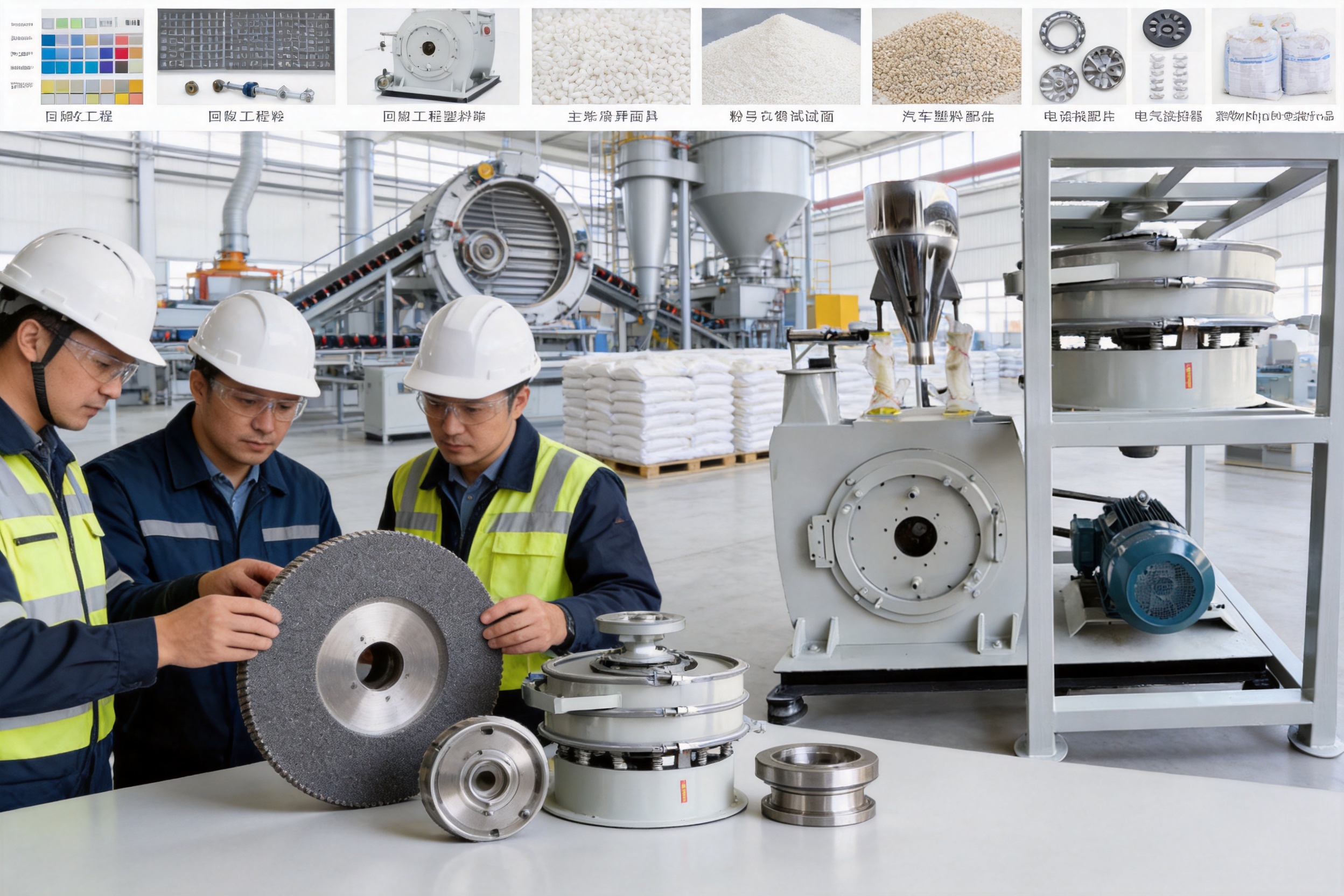
Plastic recycling is moving beyond simple size reduction. Modern processors increasingly need a pulverizer that can produce uniform powder, protect heat-sensitive polymers, change materials quickly, and operate economically at small or medium production volumes. These requirements are particularly important when processing polyamide, commonly called PA or nylon, and polypropylene, commonly called PP. Both materials can deliver significant recycling value, but both may present difficulties during grinding because of heat generation, melt adhesion, inconsistent particle size, and changes in material behavior.
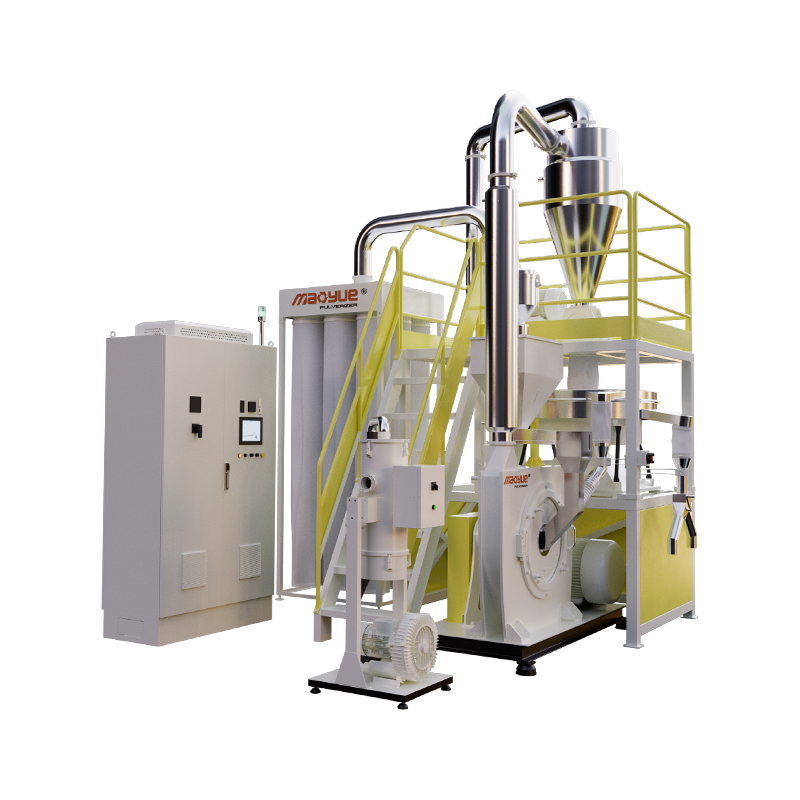
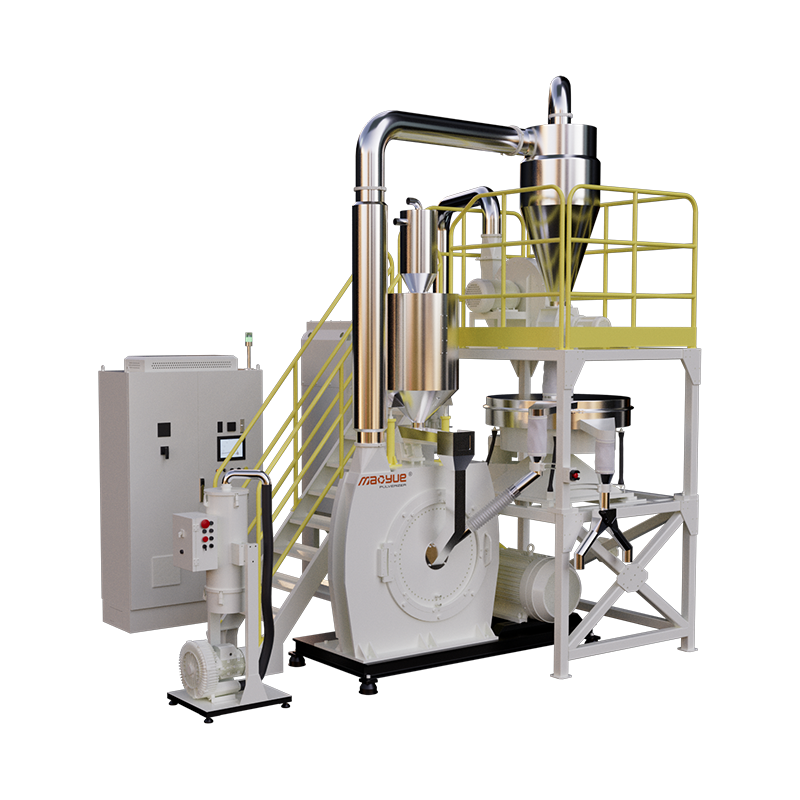
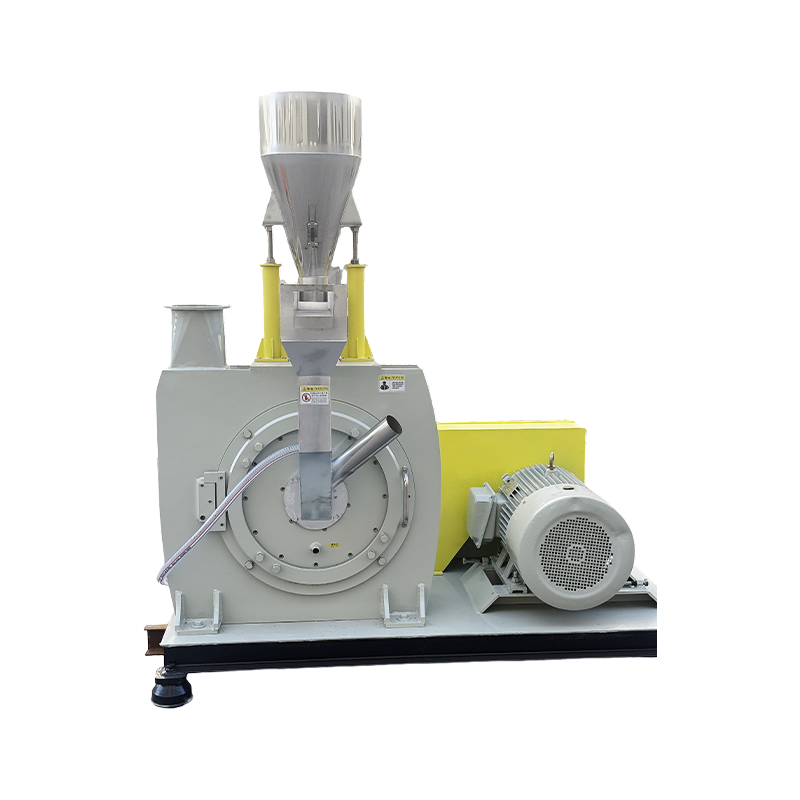
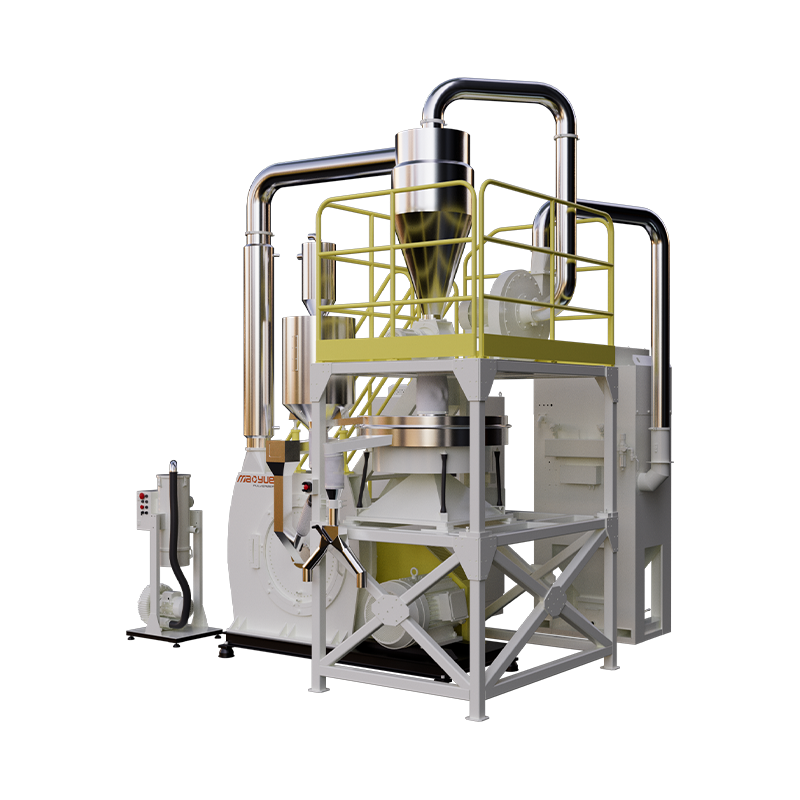
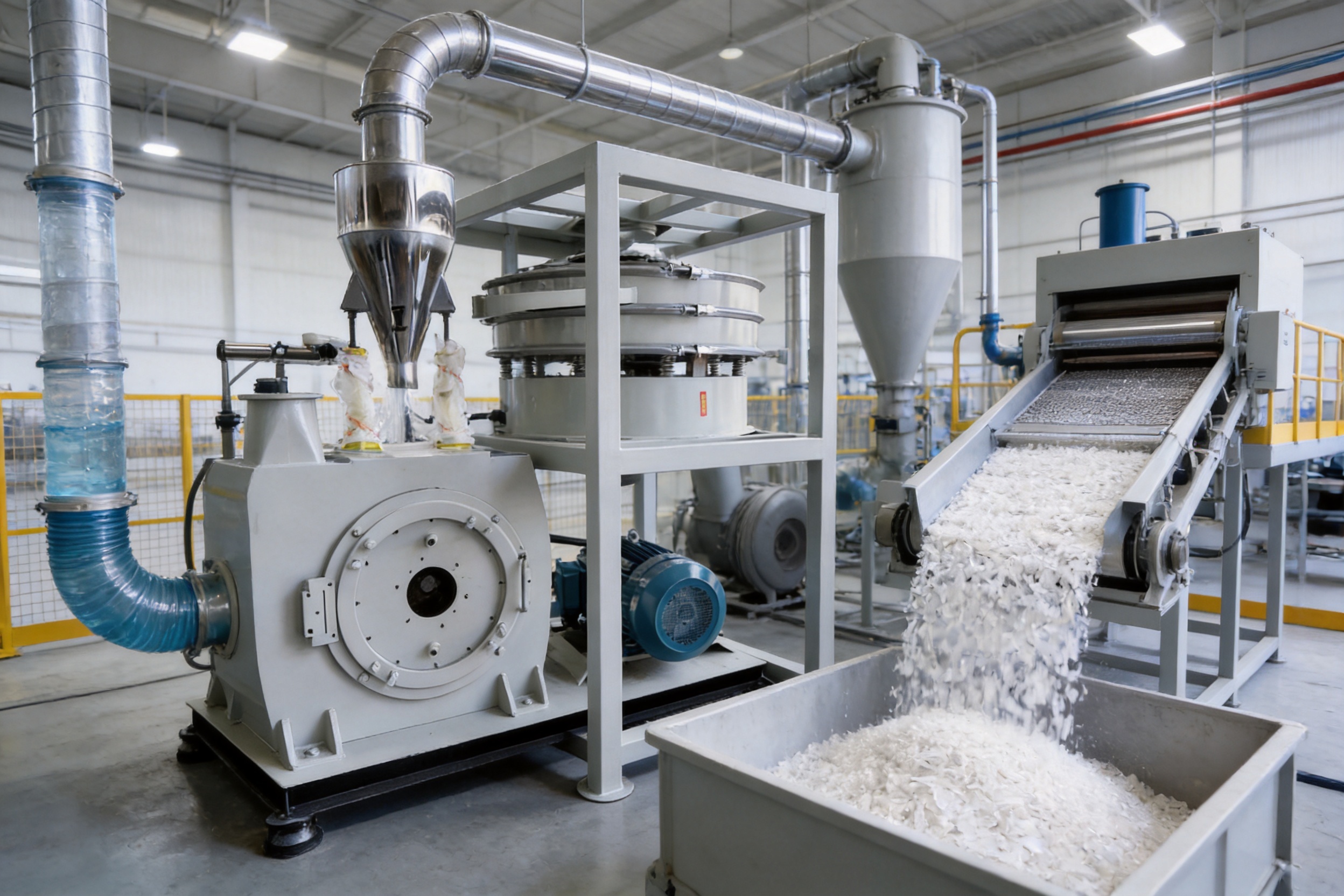
The 500PA/PP ambient-temperature grinder is designed for these demanding conditions. It uses a 500 mm grinding disc, controlled cooling, adjustable operating parameters, vacuum feeding, integrated screening, and a wear-resistant alloy disc system to process PA and PP without relying on liquid nitrogen. The equipment is intended for plastic recycling, masterbatch preparation, powder coating trials, research and development, and small to medium-sized production lines.
Its main value is not simply the ability to reduce plastic into smaller pieces. The machine is engineered to create a controlled grinding environment in which particle fineness, temperature, flowability, and production stability can be managed together. This makes it suitable for users who require more flexibility than a large, single-purpose pulverizing line can provide.
Why Ambient-Temperature Pulverizing Matters for PA and PP
Many plastics soften when exposed to the frictional heat generated during grinding. If the temperature inside the grinding chamber rises too quickly, plastic particles may become sticky, partially melt, adhere to the disc, or form irregular agglomerates. These problems can interrupt feeding, reduce output, contaminate the powder, and increase cleaning time.
PA materials create a separate set of challenges. PA6 and PA66 are engineering plastics used in automotive components, electrical connectors, industrial parts, cables, textiles, and other applications. Their hardness and reinforcement content can produce substantial wear on ordinary grinding discs. Glass-fiber-reinforced PA is especially demanding because the fiber content can abrade cutting and grinding edges at a much faster rate than unfilled polymer.
PP is generally easier to process than many engineering plastics, but its relatively low softening temperature can make it vulnerable to melting and adhesion. Films, injection-molding scrap, packaging waste, bumpers, and containers may become flexible under frictional heat. A conventional pulverizer without effective temperature management may produce a powder with poor flowability, broad particle distribution, and a higher proportion of agglomerated material.
The 500PA/PP grinder addresses these issues through water cooling, temperature monitoring, controlled feeding, adjustable disc clearance, and a design that supports continuous air movement through the grinding and conveying system. The objective is to maintain an ambient-temperature grinding process rather than depend on cryogenic embrittlement.
Core Product Configuration
The machine is built around a 500 mm grinding disc and a main drive motor rated at 37 or 45 kW. Depending on the material, feed condition, target powder specification, and line configuration, the operating capacity may be selected within different working ranges. The supplied technical information lists a standard table capacity of 50–160 kg/h, while the broader product description identifies typical production potential of approximately 200–400 kg/h under suitable conditions and configurations.
These figures should not be treated as a universal guaranteed output. Actual capacity depends on whether the feed is PA, PP, filled PA, film, injection scrap, pre-cut flakes, or another form of plastic. Feed moisture, bulk density, particle size, screen opening, disc gap, cooling performance, and desired fineness all have a direct effect on output. Buyers should confirm the final capacity through a material test before ordering a production line.
The machine is available with star-delta starting, soft starting, or inverter-based speed control. This flexibility allows users to select a starting method and operating control strategy appropriate to their electrical system and production requirements. Inverter control can be useful when processors frequently change materials or require adjustments to grinding intensity and throughput.
Item |
Specification |
Operational significance |
Machine type |
500 |
Entry-level industrial platform for flexible PA/PP processing |
Grinding disc diameter |
500 mm |
Provides a practical balance between capacity, footprint, and energy demand |
Main drive motor |
37/45 kW |
Supports grinding of standard and more demanding plastic feedstocks |
Listed standard capacity |
50–160 kg/h |
Capacity varies with material, fineness, and feed preparation |
Broader stated operating potential |
Approximately 200–400 kg/h in suitable configurations |
Requires confirmation based on material testing and line design |
Grinding fineness |
Commonly 20–100 mesh; table specification 10–30 mesh |
Final range depends on screen, disc gap, feedstock, and process settings |
Grinding disc material |
D2 in the supplied table; high-chromium-molybdenum-vanadium alloy option described |
Disc material should be confirmed for the selected configuration |
Blower motor |
5.5/7.5 kW |
Supports pneumatic conveying and powder transfer |
Pipe material |
Stainless steel |
Improves cleanliness and resistance to material contamination |
Pipe diameter |
159 mm |
Provides a defined conveying path for the grinding line |
Vibrating screen diameter |
1,000 mm |
Supports classification and removal of oversized particles |
Vibrating-screen motor |
1.1 kW |
Maintains screening movement and powder separation |
Feeding method |
Vacuum feeding |
Improves enclosed material transfer and reduces manual handling |
Dust collector bag diameter |
300 mm |
Supports dust capture and cleaner workshop operation |
Cooling method |
Water cooling, inlet and outlet circulation |
Controls process temperature without liquid nitrogen |
Grinding Disc Engineering and Wear Resistance
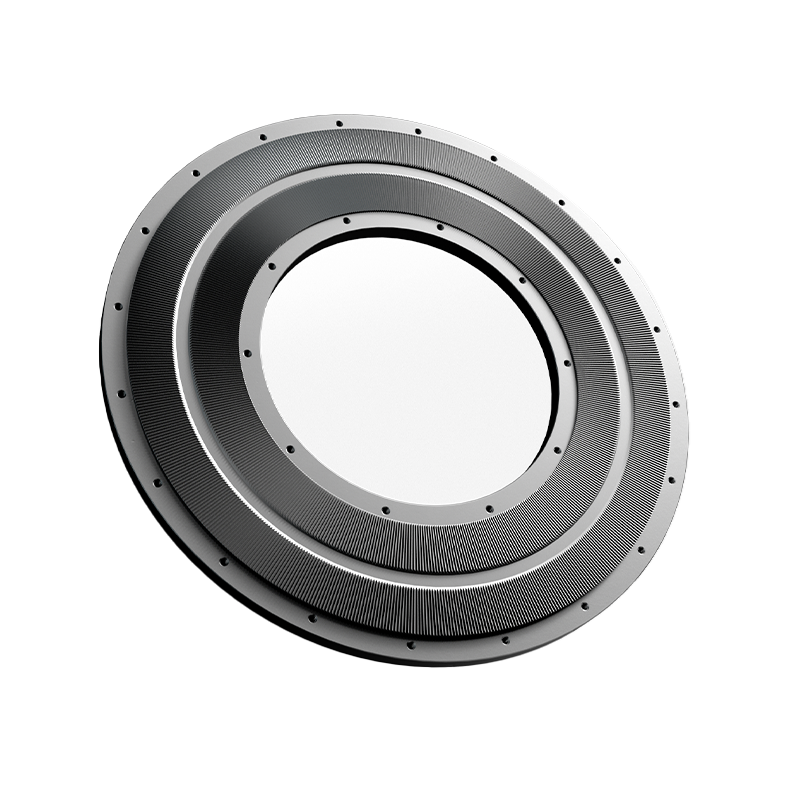
The grinding disc is one of the most important components in any plastic pulverizer. Its geometry, hardness, balance, material composition, and surface condition directly influence energy consumption, output, powder shape, and maintenance frequency. When the disc loses its working edge, the machine may require more power while producing less consistent powder. Excessive wear can also increase heat generation and cause unstable particle size.
The product description identifies a proprietary high-chromium-molybdenum-vanadium alloy grinding disc with a hardness of approximately HRC60–65. The supplied specification table separately lists D2 as the disc material. These descriptions may represent different configurations, production batches, or an upgrade option, so the exact disc grade should be confirmed in the technical quotation. In either case, the design objective is clear: provide a hard, wear-resistant grinding surface suitable for difficult plastic materials.
According to the supplied performance information, the alloy disc can reduce wear by more than 60 percent when processing glass-fiber-reinforced PA compared with ordinary disc materials. The same information indicates a service life approximately twice that of standard discs and a possible continuous operating period of 600–800 hours under appropriate conditions. Actual service life will depend on glass-fiber content, contamination, moisture, feed size, operating gap, cleaning practice, and maintenance.
Wear resistance offers several advantages over conventional low-cost pulverizers. First, it reduces the frequency of disc replacement or refurbishment. Second, it helps maintain a more stable grinding gap during a production run. Third, it lowers the risk of sudden changes in particle size caused by worn edges. Finally, it can reduce the total cost of ownership for processors handling abrasive engineering plastics.
Disc durability is especially valuable in recycling operations where the feedstock is not perfectly uniform. Recycled automotive parts, electrical scrap, and post-industrial components may contain glass fiber, mineral filler, pigments, metal traces, or other contaminants. Although proper sorting and pre-cleaning remain essential, a wear-resistant disc provides an additional margin of reliability.
Intelligent Temperature Control Without Liquid Nitrogen
The phrase “ambient-temperature grinder” describes the process philosophy rather than the absence of all cooling. The machine uses water circulation to remove heat from the grinding system. One connection serves as the water inlet and another as the outlet, allowing the cooling circuit to transfer heat away from the working chamber.
The product information states that the intelligent temperature control system can maintain the grinding chamber within approximately ±3–5°C under suitable operating conditions. The objective is to prevent the two common thermal problems associated with PA and PP: thermal degradation and melt adhesion.
For PA, excessive temperature can affect material properties, discolor the product, or contribute to processing instability in later applications. For PP, excessive frictional heating can soften particles and cause them to stick together. A controlled temperature environment helps preserve free-flowing powder and reduces the likelihood of deposits forming on the grinding surfaces.
Compared with cryogenic grinding, ambient-temperature operation can simplify plant logistics. Liquid nitrogen requires storage, supply management, safety procedures, and additional operating costs. It may also be unnecessary for many PA and PP recycling applications when the machine can control heat through water cooling and process adjustment. Eliminating liquid nitrogen can make the system more attractive to small and medium-sized factories, laboratories, and operations in regions where cryogenic supplies are expensive or difficult to obtain.
Ambient grinding also supports faster material changeovers. A production team does not need to coordinate cryogenic dosing for each batch. Instead, operators can adjust the feed rate, disc gap, speed, cooling flow, and screen arrangement according to the material being processed. This approach is particularly useful in businesses that handle several grades of PA and PP rather than one continuous, high-volume feedstock.
Temperature control should still be treated as a complete process function rather than a single machine setting. Cooling-water temperature, water flow, ambient conditions, feed moisture, feed rate, disc condition, and powder residence time all affect results. Operators should monitor the actual temperature during commissioning and establish operating limits for each material.
Particle Fineness, Screening, and Powder Quality
A pulverizer is often judged by its ability to produce a target mesh size, but powder quality involves more than average fineness. A useful recycled powder should have a narrow and stable particle-size distribution, low agglomeration, acceptable flowability, and minimal contamination. Uniform particles improve blending, feeding, dispersion, and downstream processing.
The product description identifies a commonly adjustable fineness range of 20–100 mesh, with a mainstream working range of 30–80 mesh. It also mentions small-batch testing down to approximately 20–120 mesh. The supplied table lists 10–30 mesh. These ranges are not identical, and the final specification depends on the selected screen and operating configuration. Before purchase, the buyer should define the desired particle size in terms of actual sieve analysis rather than relying only on a general mesh label.
Mesh numbers can be interpreted differently depending on the standard used, the test method, and whether the stated value refers to a nominal screen opening or the majority fraction of the final powder. A written test report should therefore include the sieve series, sample mass, testing method, percentage retained, and percentage passing.
The integrated vibrating screen helps separate particles after grinding. Oversized pieces can be removed from the finished powder and returned for further processing, depending on the line design. This reduces the possibility that coarse particles will enter a masterbatch, coating, injection, or extrusion process where they could cause dispersion problems or surface defects.
Particle shape is also important. The supplied product information describes the finished powder as uniform, highly spherical, and free-flowing. These characteristics can be beneficial in powder coating, masterbatch preparation, and controlled feeding systems. However, particle morphology depends on the polymer grade, feed preparation, disc geometry, operating speed, and thermal conditions. Material testing remains the best way to verify the final shape and flow behavior.
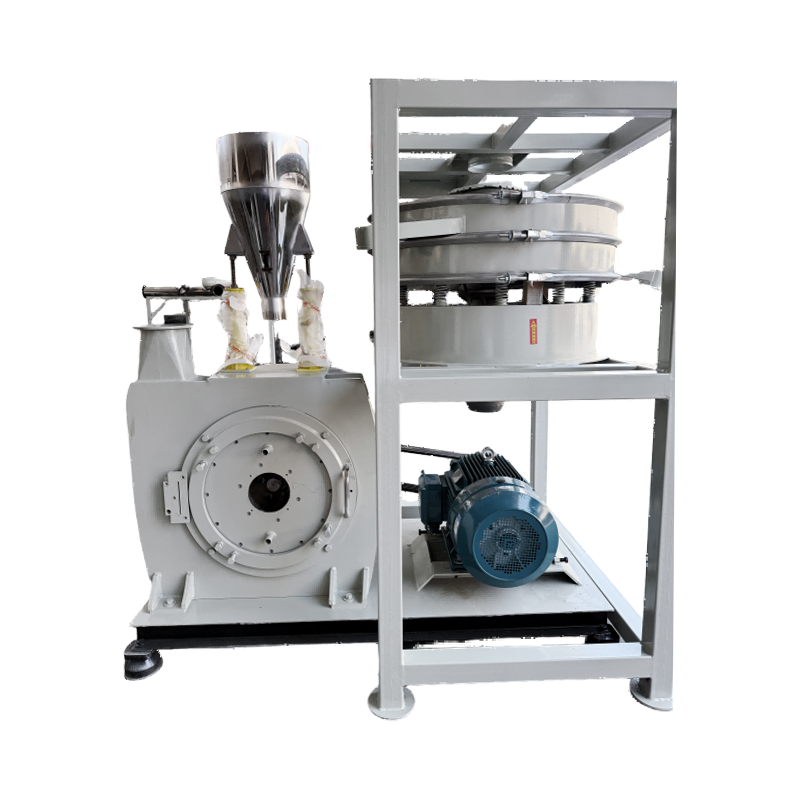
500PA/PP Ambient Temperature Grinder Requires No Liquid Nitrogen
Advantages Compared with Conventional Pulverizers
Reduced Dependence on Cryogenic Processing
Some difficult plastics are processed at low temperature to make them brittle and easier to grind. While cryogenic methods can be effective, they involve liquid nitrogen consumption, storage equipment, safety controls, and additional process complexity. The 500PA/PP system is designed to process common PA and PP feedstocks through controlled ambient-temperature grinding and water cooling.
This does not mean cryogenic systems have no place in industry. Certain highly elastic, contaminated, or unusually heat-sensitive materials may still require specialized treatment. Nevertheless, for many PA and PP recycling, modification, and research applications, avoiding liquid nitrogen can reduce operating complexity and make production more accessible.
Better Flexibility for Multiple Materials
Large pulverizers are often optimized for high throughput and long production runs. They can be highly efficient when processing one consistent material, but they may be less convenient for frequent product changes. The 500 mm platform occupies a more flexible position. Its compact footprint and adjustable operating parameters make it suitable for businesses that process several grades, colors, fillers, or forms of PA and PP.
Rapid changeover is valuable for contract recyclers, masterbatch producers, laboratories, and companies developing new recycled materials. A business can process a limited quantity of one material, clean the relevant components, adjust the screen, and begin a new batch without dedicating an entire large line to a single product.
Improved Disc Life for Reinforced PA
Ordinary disc materials may wear rapidly when used with glass-fiber-reinforced PA. Frequent disc replacement creates direct costs and unplanned downtime. The high-hardness alloy disc described for this machine is intended to preserve the working edge for a longer period, helping stabilize production and reduce maintenance requirements.
Longer disc life can also improve quality consistency. If the gap and edge profile remain more stable, the processor has a better chance of maintaining a consistent powder distribution from batch to batch. This is an important advantage for recycled powders sold to customers with strict processing requirements.
Compact Footprint and Moderate Energy Demand
The product description identifies total power consumption of approximately 50–60 kW for the complete working arrangement, depending on the selected motors and auxiliary equipment. The main drive, blower, vibrating screen, feeding system, and dust collection components must all be considered when calculating plant demand.
Compared with a large industrial pulverizing line, a 500 mm machine can require less floor space and may be easier to install in an existing workshop. It is suitable for small and medium-sized factories that need industrial performance without immediately investing in a very large system.
Integrated Conveying and Screening
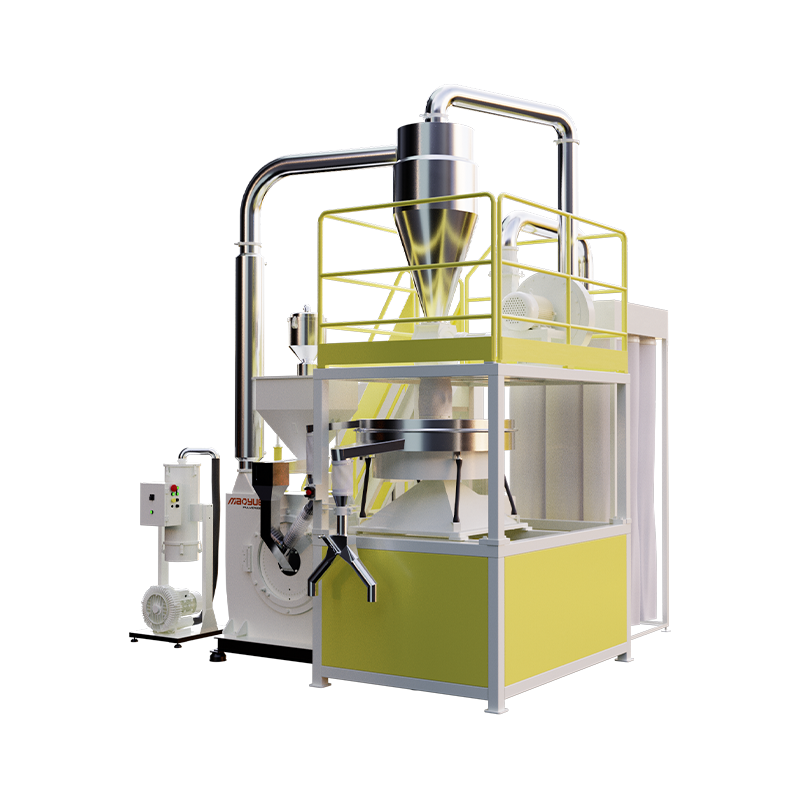
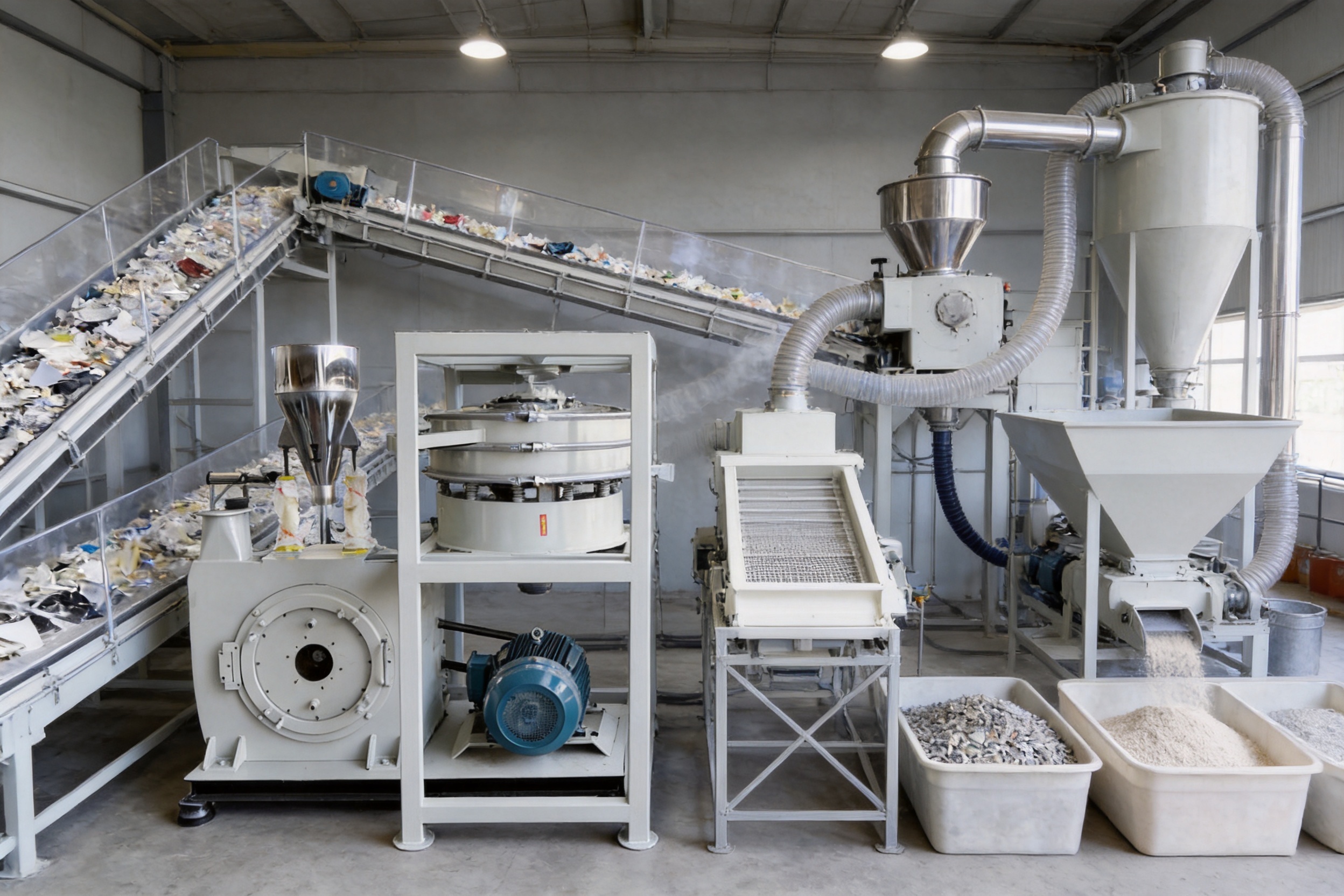
The use of vacuum feeding, stainless-steel conveying pipes, pneumatic transfer, and vibrating screening creates a more complete processing system than a standalone disc mill. Integration reduces manual lifting and transfer between separate machines. It can also help maintain a cleaner production environment by enclosing the material flow and directing dust toward the collection unit.
The stainless-steel pipe system is useful when processors need to minimize contamination or clean the conveying path between materials. This is particularly relevant for color masterbatch production, laboratory work, and applications where several polymer grades are handled on the same equipment.
Application in PA Recycling and Modification
PA6 and PA66 waste can come from automotive bumpers, interior components, electrical connectors, cable sheathing, industrial parts, textile tow waste, injection-molding runners, and other post-industrial sources. After sorting, cleaning, and preliminary size reduction, these materials can be pulverized into a powder for further processing.
PA powder may be used as a feedstock or additive in regeneration granulation, compounding, injection molding, coating development, and selected additive manufacturing or filament-development projects. The commercial value of the powder depends on polymer identity, contamination level, moisture, filler content, color, particle size, and downstream requirements.
Glass-fiber-reinforced PA is a strong example of where disc durability matters. The glass fibers can accelerate abrasive wear, while the polymer matrix can generate heat during grinding. A stable temperature environment and hard grinding surface can help the processor achieve a more predictable result.
PA is also hygroscopic, meaning it can absorb moisture from the surrounding environment. Moisture may affect grinding behavior, powder flow, storage stability, and later melting or compounding performance. The pulverizer itself cannot replace proper drying and storage. Feedstock preparation should include sorting, washing where necessary, drying, and moisture testing according to the selected PA grade.
Application in PP Film and Injection-Scrap Recycling
PP waste may include packaging film, injection-molding scrap, automotive bumpers, household containers, caps, and production offcuts. Film can be challenging because it is light, flexible, and prone to wrapping or bridging if the feeding and conveying system is not properly designed.
The 500PA/PP grinder uses vacuum feeding and controlled conveying to support a more enclosed and consistent material path. Operators should still ensure that film is adequately opened, cut, and free of excessive moisture or foreign material before it enters the pulverizer.
The resulting PP powder can be used as a carrier or component in color masterbatch, filled masterbatch, modified masterbatch, and recycled compound production. Uniform powder can improve dispersion of pigments, fillers, and additives. In turn, improved dispersion can support more consistent color, surface appearance, and mechanical performance in downstream blow molding, injection molding, and extrusion.
PP can soften rapidly when exposed to frictional heat. The water-cooled chamber and temperature monitoring system are therefore important for limiting melt adhesion. If the machine is operated too aggressively, the screen is too fine, or the feed rate is too high, the temperature may still increase. Proper commissioning should identify the best combination of speed, feed rate, disc clearance, cooling flow, and screen selection.
Laboratory, R&D, and Small-Batch Use
Research teams often need to process small quantities of different materials rather than produce several hundred tonnes of one standard powder. A large production line may be impractical for formulation development, material comparison, or customer sampling. The 500 mm machine can serve as a bridge between laboratory-scale equipment and full industrial production.
Universities, polymer laboratories, recycling technology companies, and masterbatch developers can use the system to investigate the effect of particle size on compounding, coating, dispersion, and molding. The ability to adjust the gap and screening conditions allows researchers to compare multiple powder fractions from the same feedstock.
Small-batch testing is also useful before purchasing a larger pulverizer. A customer can evaluate whether a particular PA or PP waste stream can be processed economically, determine the achievable mesh range, assess powder flowability, and identify the required pre-treatment. This reduces the risk of selecting equipment based only on theoretical material data.
For R&D work, cleaning and changeover procedures are especially important. Different polymers, colors, fillers, and additives should not be allowed to cross-contaminate samples. Stainless-steel conveying components and an accessible machine layout can support more efficient cleaning, but operators must establish a documented cleaning procedure for the entire material path.
Entry-Level PP Powder Coating Production
Some companies require a small quantity of PP-based powder for trial coatings, electrostatic spraying, or fluidized-bed dipping. The 500PA/PP platform can be considered for entry-level powder coating development where a controlled and uniform powder is required.
Powder coating performance depends on resin formulation, additives, particle size, electrostatic behavior, melt flow, cure or fusion conditions, and application method. Pulverizing equipment is only one part of the complete formulation system. Nevertheless, stable grinding temperature and low agglomeration are important because scorched or irregular particles can create visible defects and unstable coating behavior.
The machine is particularly relevant for businesses producing several experimental formulations or supporting customer trials. Instead of maintaining a dedicated high-capacity line for every formulation, a flexible pulverizer can help produce manageable batches for evaluation and limited production.
Manufacturing Quality and Engineering Capability
The equipment is manufactured by Changzhou Mao Yue Intelligent Equipment Co., Ltd., a Chinese source manufacturer specializing in plastic crushing and pulverizing equipment. The company reports more than 30 years of experience in plastic size reduction and states that its technical development history extends across multiple generations of pulverizer designs.
The manufacturer operates six processing workshops, with each workshop averaging approximately 1,400 square meters. This factory structure supports the production of machine bodies, grinding components, conveying systems, screening assemblies, and other equipment parts within an organized manufacturing environment.
A major strength is the use of high-precision grinding machines imported from Taiwan and built to German standards. Precision machining is essential for pulverizer components because small dimensional errors can influence disc balance, clearance, vibration, noise, and particle distribution. Accurate machining helps the grinding disc operate with a more stable working geometry.
The company also reports the use of German dynamic balancing equipment. Dynamic balancing is particularly important for high-speed rotating parts. An unbalanced disc or rotor can increase vibration, bearing load, noise, and mechanical wear. Correct balancing supports smoother operation and helps protect the machine structure and drive system.
Japanese welding systems are identified as another element of the manufacturing process. Welding quality influences the strength, alignment, sealing, and long-term durability of the machine frame, hoppers, ducts, and other fabricated components. Consistent welding procedures can reduce distortion and improve the fit of assembled parts.
The company states that it manufactures components according to European quality standards and has obtained CE mechanical certification and ISO 9001 quality management system certification. These certifications are relevant to customers evaluating equipment safety, documented quality procedures, and international purchasing requirements. Buyers should request the applicable certificates and confirm that they cover the exact machine configuration being supplied.
Design Details That Support Reliable Operation
Speed Control Options
Star-delta starting is a conventional solution that can reduce starting current compared with direct-on-line starting. Soft starting can provide a smoother acceleration profile and reduce mechanical shock. Inverter control offers the greatest flexibility because operating speed can be adjusted for different material grades and product targets.
The best option depends on the local power supply, motor configuration, operator requirements, and production strategy. A facility that processes one stable material may prefer a simple starting system. A multi-material plant may benefit from variable-speed control, provided operators are trained to use it correctly.
Vacuum Feeding
Vacuum feeding can reduce the need for manual charging and help maintain a more consistent feed rate. Consistent feeding is important because sudden surges may overload the grinding chamber, raise temperature, or create an unstable powder distribution.
The feeding system should be matched to the physical form of the raw material. Lightweight film, dense injection parts, flakes, and powder have different conveying behaviors. The feed hopper, suction strength, pipeline layout, and air filtration must be selected and adjusted according to the material.
Stainless-Steel Conveying
All-stainless-steel conveying pipes can support cleanliness, corrosion resistance, and easier material changeover. Smooth internal surfaces may also reduce material retention compared with rough or damaged conveying paths. This is useful in applications where color purity, polymer identity, or additive concentration must be controlled.
Dust Collection
Plastic pulverizing generates airborne fines. A properly designed dust collection system improves housekeeping and helps reduce worker exposure to airborne particles. The stated configuration includes a dust collector with 300 mm diameter bags. Final dust collection performance depends on filter media, airflow, sealing, maintenance, and the characteristics of the processed polymer.
Dust collection should be inspected regularly. Blocked bags reduce airflow and may affect conveying performance. Leaks, damaged bags, or improperly closed access panels can reduce collection efficiency. Site-specific risk assessments should be performed for combustible dust and static electricity where applicable.
Vibrating Screening
The 1,000 mm vibrating screen provides a classification stage after grinding. Screening helps separate the target fraction from oversized material and may improve the consistency of the final powder. Screen selection should be based on the actual customer specification rather than a general assumption about mesh size.
Process Flow for High-Quality PA/PP Powder
A successful pulverizing line begins before the material enters the grinder. The first step is identification and sorting. PA6, PA66, PP, filled compounds, flame-retardant grades, and mixed plastics should not be processed together unless the resulting blend is intentionally required.
The second step is removal of foreign material. Metals, stones, paper, labels, excessive dirt, and incompatible polymers can damage the grinding disc or contaminate the powder. Magnetic separation, manual sorting, air separation, washing, or other methods may be appropriate depending on the waste stream.
The third step is preliminary size reduction. Large molded parts should usually be cut or crushed into pieces suitable for stable feeding. Pre-cutting reduces the risk of bridging and allows the pulverizer to work more efficiently.
The fourth step is moisture control. Washed material must be dried adequately, and hygroscopic PA may require more careful drying and protected storage than PP. Moisture can influence both grinding and downstream processing.
The fifth step is setting the pulverizer. Operators select the screen, disc gap, speed, feed rate, and cooling-water conditions. A gradual start-up allows the operator to observe vibration, temperature, power draw, and powder appearance before reaching the target throughput.
The sixth step is screening and collection. The powder is conveyed to the vibrating screen, where the desired fraction is separated. Oversized particles may be returned to the grinder, while the finished powder is collected in a sealed container or bagging system.
The final step is quality verification. Important tests may include sieve analysis, moisture content, bulk density, apparent density, flowability, color, contamination, melt flow rate, ash content, and filler or glass-fiber percentage. The appropriate tests depend on the intended application.
Installation, Operation, and Maintenance
Before installation, the customer should confirm floor loading, machine clearance, electrical capacity, cooling-water availability, dust collection requirements, ventilation, and access for maintenance. The complete line footprint may be larger than the pulverizer body because of the feeder, blower, screen, dust collector, pipework, and finished-powder collection system.
The foundation should be level and capable of supporting rotating equipment without excessive vibration. Electrical installation should be performed according to local regulations, with suitable protection, grounding, emergency stops, and motor controls.
Operators should inspect the grinding chamber before each shift. The disc, fasteners, screens, seals, feeding passage, and conveying pipes should be free from foreign objects and excessive residue. Cooling-water flow should be checked before material is introduced.
During operation, the key observations are motor current, vibration, temperature, sound, feed stability, powder appearance, and screen performance. A sudden rise in current may indicate overfeeding, a blocked path, excessive disc contact, or foreign material. A change in sound may indicate bearing problems, disc imbalance, or a loose component.
Cleaning frequency depends on the material and production schedule. PP residue may become difficult to remove if allowed to cool and harden in the wrong location. PA powder can accumulate in ducts and screens if the system is not cleaned regularly. A planned cleaning procedure reduces cross-contamination and helps maintain airflow.
Wear parts should be recorded in a maintenance log. Disc condition, screen condition, bearing temperature, belt tension, seals, dust-collector bags, and cooling-water quality should be reviewed at defined intervals. Preventive maintenance is generally less expensive than emergency repair after a failure.
How to Select the Correct Configuration
Customers should begin with the material rather than the machine name. The supplier needs information about polymer type, grade, reinforcement, filler content, moisture, contamination, incoming particle size, desired output, target mesh, operating hours, and required powder properties.
A sample test is strongly recommended for unusual or valuable materials. The test should measure throughput, temperature behavior, power consumption, particle distribution, powder flowability, and the percentage of material requiring reprocessing.
The requested capacity should be defined clearly. A customer requiring 80 kg/h of fine PA powder may need a different configuration from a customer requiring 300 kg/h of coarse PP powder. The main motor, screen, disc design, cooling arrangement, and feeding system must be evaluated together.
The exact grinding disc material should also be stated in the contract. The supplied information refers to both D2 and a high-chromium-molybdenum-vanadium alloy. These should not be assumed to be identical. The buyer should confirm the grade, hardness, heat treatment, balancing standard, expected service life, and replacement procedure.
Mesh specifications should be written in measurable terms. Instead of stating only “30 mesh,” the customer can request a sieve analysis showing the percentage passing through the selected screen. This avoids misunderstanding caused by different mesh standards or product descriptions.
Commercial Value and Total Cost of Ownership
The purchase price of a pulverizer is only one part of its economic value. A complete evaluation should include electricity, water, labor, wear parts, downtime, cleaning time, dust collection, maintenance, product recovery, and the value of the finished powder.
A longer-lasting disc can reduce replacement costs and production interruptions. Stable temperature control can reduce off-specification powder and improve yield. Integrated screening can reduce manual sorting and improve the consistency of material delivered to the next process. Vacuum feeding can reduce labor intensity and improve feeding stability.
The compact design may also reduce building modifications. Small and medium-sized processors can add powder production capability without constructing a large new workshop. The equipment can be used as a primary production machine, a secondary line for special materials, or a development machine for future scale-up.
Material flexibility can create additional commercial value. A recycler that processes only one feedstock may be vulnerable to seasonal supply changes or price fluctuations. A machine capable of handling multiple PA and PP streams can support a broader customer base and allow the business to shift between recycled powders, masterbatch carriers, coating materials, and development samples.
Limitations and Practical Considerations
No pulverizer can process every plastic waste stream under identical conditions. The 500PA/PP grinder is optimized for PA and PP applications, but material preparation remains essential. Highly contaminated waste, wet feed, excessive metal content, mixed polymers, and unusually elastic materials may require additional equipment or special testing.
The stated capacity and fineness ranges should be treated as configuration-dependent. The technical data includes more than one capacity and mesh range, which indicates that different operating conditions or equipment arrangements may be available. A final quotation should clearly identify the guaranteed test conditions.
Water cooling eliminates the need for liquid nitrogen in the intended process, but it still requires a reliable water supply, appropriate circulation, heat removal, and maintenance. Cooling-water quality may affect heat exchangers, pipes, and circulation components. In locations with limited water availability, a closed-loop cooling system may be worth considering.
Noise is identified as below approximately 85 dB in the product description. Actual sound levels depend on installation, material, room acoustics, blower operation, and measurement distance. Hearing protection and a workplace noise assessment should be used where required by local regulations.
Frequently Asked Questions
Can the machine process PA and PP without liquid nitrogen?
Yes. The machine is designed for ambient-temperature grinding using water cooling and temperature control rather than liquid nitrogen. The suitability of this approach depends on the specific grade, feed preparation, desired fineness, and throughput. Difficult materials should be tested before commercial production.
What is the actual capacity of the 500 mm model?
The supplied information lists 50–160 kg/h in the standard specification table and approximately 200–400 kg/h as a broader typical capacity range. The correct capacity depends on material type, feed form, screen size, disc clearance, temperature, and final powder specification. A material trial should be used to establish the expected production rate.
What powder fineness can be achieved?
The product description identifies a common range of 20–100 mesh, with 30–80 mesh described as a mainstream range. It also refers to small-batch adjustment to approximately 20–120 mesh, while the table lists 10–30 mesh. Because these figures may refer to different configurations or test conditions, the buyer should request a sieve analysis for the target material.
Is the machine suitable for glass-fiber-reinforced PA?
Yes, the machine is specifically described as suitable for reinforced PA, and its wear-resistant disc is intended to reduce abrasion compared with standard disc materials. Glass-fiber content, contaminants, and feed preparation will affect disc life and should be included in the material test.
Does the machine require water cooling?
Yes. The listed cooling method is water circulation, with one connection for water entry and another for discharge. Cooling performance depends on flow rate, water temperature, heat-removal capacity, ambient conditions, and operating load.
Can the machine process PP film?
It can be used for PP film and other PP waste when the film is properly prepared for feeding. Large rolls, tangled film, excessive moisture, and foreign materials may require opening, cutting, washing, or drying before pulverization.
What is the purpose of the vibrating screen?
The vibrating screen classifies the ground material and helps separate the target powder fraction from oversized particles. Oversized material can potentially be returned for further grinding, depending on the line configuration.
Is the system appropriate for laboratory and research work?
Yes. Its adjustable grinding and screening conditions make it suitable for small-batch trials, formulation development, material comparison, and pilot production. A smaller dedicated laboratory model may be preferable for very small sample quantities, so the required batch size should be discussed with the supplier.
What should be confirmed before ordering?
Buyers should confirm the guaranteed capacity, target particle-size distribution, disc material, motor configuration, cooling-water requirements, electrical standard, dust-collection arrangement, noise level, dimensions, spare parts, installation support, warranty, and acceptance-test procedure. A sample test is recommended for nonstandard materials.
How does this machine reduce maintenance costs?
The principal maintenance advantages are the wear-resistant disc option, stable rotating construction, dynamic balancing, integrated conveying, and accessible screening and dust-collection components. Actual maintenance cost depends on feed cleanliness, operating hours, material abrasiveness, and the quality of routine inspections.
Conclusion
The 500PA/PP ambient-temperature grinder is designed for processors that need more than basic plastic size reduction. Its combination of a 500 mm disc, 37/45 kW main motor, water-cooled temperature control, adjustable grinding gap, vacuum feeding, stainless-steel conveying, vibrating screening, and wear-resistant disc technology provides a flexible platform for PA and PP powder production.
Its strongest advantages are the ability to operate without liquid nitrogen, improved suitability for reinforced PA, support for PP materials that may soften during grinding, compact installation requirements, and convenient adaptation to small and medium production batches. These qualities distinguish it from conventional pulverizers that may have limited temperature control, shorter disc life, less integrated material handling, or poor flexibility during product changeover.
The manufacturing foundation behind the equipment is also significant. Precision machining, dynamic balancing, Japanese welding systems, documented quality management, CE mechanical certification, ISO 9001 certification, and long-term experience in plastic pulverizing contribute to the machine’s intended reliability.
For the best result, the machine should be selected through a complete process evaluation. Capacity, mesh size, disc material, cooling performance, and powder quality must be verified with the actual customer feedstock. When correctly configured, the 500PA/PP grinder can support plastic recycling, masterbatch production, powder coating trials, engineering-plastic recovery, and research applications while helping processors reduce complexity and improve production flexibility.
References
1. Product technical information for the 500PA/PP ambient-temperature grinder, including motor ratings, disc dimensions, cooling method, feeding system, screening system, and stated operating ranges.
2. Manufacturer-provided information concerning plastic pulverizer design, wear-resistant grinding discs, temperature control, and material applications.
3. ISO 9001, Quality Management Systems—Requirements.
4. European machinery safety and conformity principles applicable to industrial mechanical equipment.
5. General polymer-processing principles for polyamide and polypropylene recycling, drying, grinding, screening, compounding, and powder handling.
6. General industrial guidance for dust collection, rotating equipment maintenance, vibration control, and workplace noise management.