

 English
 русский
 Español
 عربى
 中文简体
 中文简体
Content
- 1 The Role of Blades in a PE Pulverizer
- 2 High-Density Wear-Resistant Alloy Steel
- 3 Precision Heat Treatment for Hardness and Toughness
- 4 Longer Service Life and Lower Replacement Costs
- 5 Precision-Adjustable Clearance
- 6 High-Speed Rotating Tooth Design
- 7 Stable Powder Fineness and Particle Distribution
- 8 Thermal Management During Grinding
- 9 Compatibility with Common Pulverizer Systems
- 10 Applications in Plastic Recycling
- 11 Applications in Powder Coatings
- 12 Applications in Masterbatch and Modified Plastics
- 13 Applications in Rotational Molding
- 14 Applications in Research and Small-Batch Processing
- 15 Advanced Manufacturing Strengths
- 16 Quality Control and European-Oriented Standards
- 17 Advantages Over Ordinary Cutting Discs
- 18 Energy Efficiency and Production Stability
- 19 Environmental and Circular-Economy Benefits
- 20 How to Select the Correct Blade Specification
- 21 Installation and Maintenance Recommendations
- 22 Why Manufacturer Support Matters
- 23 Q&A
- 23.1 What are PE pulverizer alloy steel blades used for?
- 23.2 How hard are the blades?
- 23.3 Does higher hardness mean the blades are brittle?
- 23.4 How long can one blade set last?
- 23.5 Can the blades process glass-fiber-reinforced plastic?
- 23.6 What particle size can the pulverizer produce?
- 23.7 Can the clearance be adjusted?
- 23.8 Are the blades compatible with other pulverizer brands?
- 23.9 Which disc sizes are available?
- 23.10 How do the blades help control heat?
- 23.11 What should be checked before ordering replacement blades?
- 23.12 Why is dynamic balancing important?
- 23.13 Can the tooth profile be customized?
- 23.14 How do long-life blades reduce total operating costs?
- 23.15 What certifications support the manufacturer’s quality system?
- 24 Conclusion
- 25 References
- 26 Product: PE Pulverizer alloy steel blades
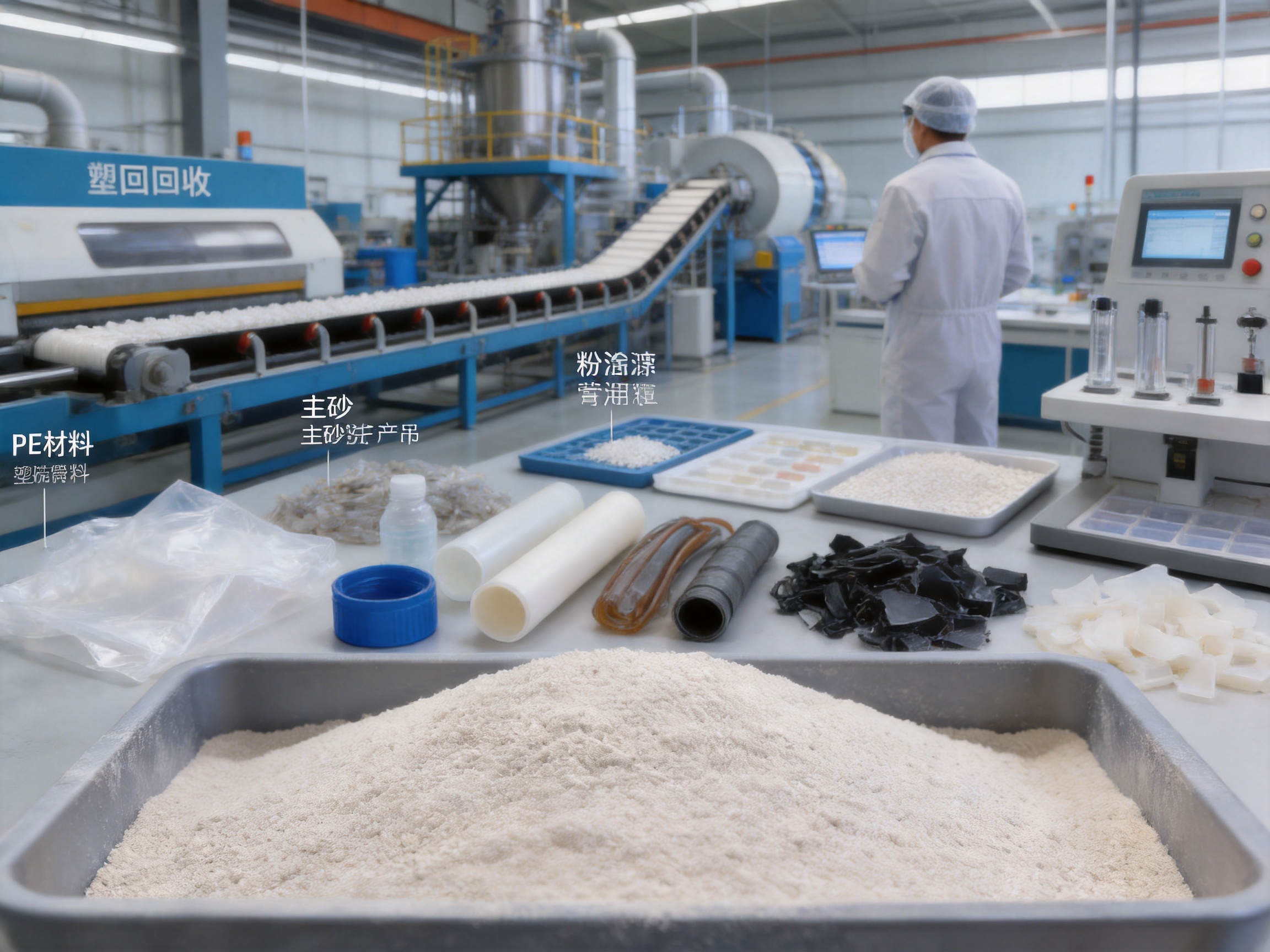
PE pulverizer alloy steel blades are critical working components in plastic grinding systems. Although a pulverizer may contain a powerful motor, a carefully engineered disc, and an efficient cooling arrangement, the quality of the blades ultimately determines how effectively the machine converts polyethylene materials into uniform powder. Blade hardness, toughness, edge geometry, heat treatment, balance, clearance adjustment, and compatibility with the grinding disc all directly influence production capacity, energy consumption, powder quality, maintenance frequency, and operating cost.
For processors working with PE film, pipes, bottle caps, cable sheathing, strapping bands, rotational molding materials, powder coating compounds, and recycled plastics, ordinary cutting discs may not provide sufficient service life or dimensional stability. High-toughness polyethylene can produce considerable frictional heat and impact loading during pulverization. Reinforced or contaminated materials can accelerate edge wear even further. A blade that becomes dull, deformed, or overheated can cause coarse particles, agglomeration, unstable output, increased power consumption, and unplanned downtime.
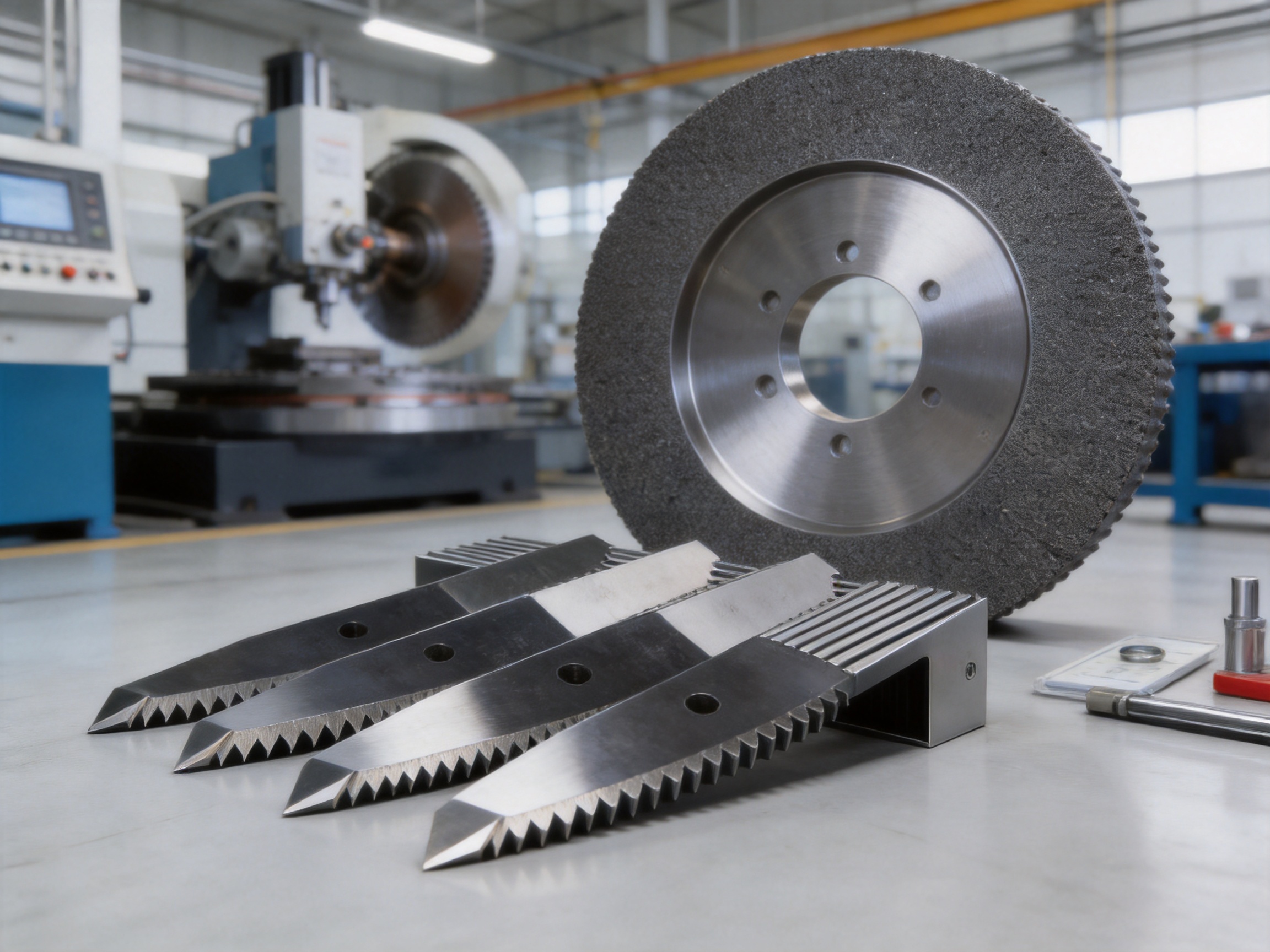
PE pulverizer alloy steel blades are designed to address these challenges. Manufactured from high-density wear-resistant alloy steel and processed through multiple precision heat-treatment stages, these blades can achieve a hardness of approximately HRC 60–65 or higher while retaining the toughness required for continuous industrial operation. Compared with ordinary cutting discs commonly manufactured to around HRC 45, the alloy steel solution provides a stronger balance between cutting-edge hardness, impact resistance, and long-term dimensional stability.
The product discussed in this article is designed for PE and related plastic pulverizing applications. It combines a durable alloy steel composition, specialized heat treatment, precision machining, adjustable clearance, high-speed tooth geometry, and effective heat dissipation. These features help processors obtain finer and more uniform powder while reducing blade replacement, maintenance labor, and production interruption.
The Role of Blades in a PE Pulverizer
A plastic pulverizer reduces material through a combination of high-speed rotation, shearing, friction, impact, and controlled clearance between rotating and stationary discs. The blades or teeth mounted on the grinding discs engage the incoming plastic and progressively break it down. The final particle size is influenced by the blade profile, rotor speed, disc design, feed rate, material temperature, air flow, and the distance between the grinding surfaces.
In this system, the blades are not simply replaceable cutting parts. They are precision wear components that determine the actual working relationship between the rotating disc and the stationary disc. If the edge becomes rounded, the grinding force changes. If the blade surface wears unevenly, the clearance becomes inconsistent. If the blade is not balanced accurately, vibration can increase at high rotational speeds. These conditions can reduce output quality and place additional loads on bearings, drive systems, and the pulverizer housing.
PE is particularly demanding because it is tough, resilient, and sensitive to heat. Instead of breaking cleanly like a brittle material, polyethylene can deform, stretch, smear, or soften when exposed to excessive friction. During continuous grinding, the cutting edge must maintain sufficient sharpness to create a controlled shearing action rather than merely rubbing against the plastic. The blade must also resist impact from hard contaminants or dense pieces entering the grinding chamber.
For this reason, an appropriate PE pulverizer blade needs more than high hardness alone. Excessive hardness without adequate toughness may result in cracking or chipping. Conversely, a blade with insufficient hardness may wear quickly and lose its designed geometry. The alloy steel formulation and heat-treatment process must therefore be selected to create a practical balance among hardness, toughness, fatigue resistance, and dimensional stability.
High-Density Wear-Resistant Alloy Steel
The core material used for these PE pulverizer blades is a high-density wear-resistant alloy steel, such as a chromium-molybdenum-vanadium alloy or a comparable high-hardness engineering material. Alloying elements are selected to improve the steel’s resistance to abrasion, impact, thermal stress, and repeated mechanical loading.
Chromium contributes to hardenability and wear resistance. Molybdenum can improve strength, toughness, and resistance to softening during heat exposure. Vanadium supports grain refinement and the formation of hard carbide structures that help protect the cutting edge. The exact material composition may be adjusted according to the disc size, tooth profile, application, operating conditions, and processed material.
Compared with basic carbon steel or ordinary low-alloy cutting discs, high-density alloy steel retains its working geometry for a longer period. This is especially valuable in applications where the pulverizer operates continuously, where material changes are frequent, or where replacement requires a lengthy shutdown and machine adjustment.
The material is also suitable for demanding plastic streams that may contain glass fiber, mineral filler, pigments, processing residues, or small foreign particles. These materials can produce accelerated abrasive wear. While no blade can eliminate the effects of severe contamination, a high-wear-resistant alloy structure can substantially reduce the rate at which the edge becomes rounded or the tooth profile becomes damaged.
Precision Heat Treatment for Hardness and Toughness
Heat treatment is one of the most important manufacturing stages for pulverizer blades. A high-quality steel grade cannot deliver its full performance if it is improperly heated, quenched, tempered, or stabilized. The blade must be treated uniformly throughout its working area so that hardness, toughness, and dimensional accuracy remain consistent.
The blades are subjected to multiple precision heat-treatment processes. These may include controlled heating, hardening, quenching, tempering, and subsequent stabilization procedures. The objective is to create a hard and wear-resistant cutting surface while maintaining sufficient internal toughness to withstand repeated impact and vibration.
With a hardness of approximately HRC 60–65 or higher, the blade edge can resist abrasive contact more effectively than ordinary cutting discs with hardness around HRC 45. The higher hardness helps preserve the tooth profile and reduces the rate of edge rounding. At the same time, the alloy design and tempering process help prevent the blade from becoming excessively brittle.
Consistent heat treatment also reduces the risk of uneven wear. If different sections of a blade have significantly different hardness levels, one area may wear faster than another. This can create an irregular grinding gap, causing unstable particle size distribution and increased vibration. Controlled thermal processing supports more uniform performance across the complete blade set.
Heat-treatment quality is particularly important for large-diameter pulverizer discs. As disc size increases, the blade experiences greater rotational speed-related stress and may be exposed to more substantial thermal gradients. Properly treated alloy steel provides the strength and stability required for reliable operation on common disc diameters such as 500 mm, 600 mm, and 800 mm.
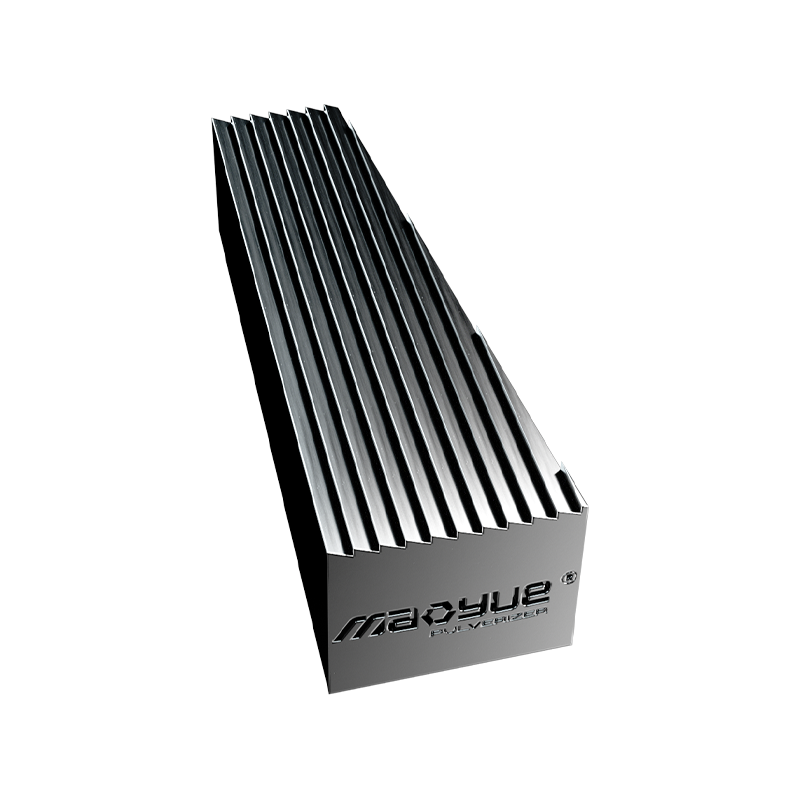
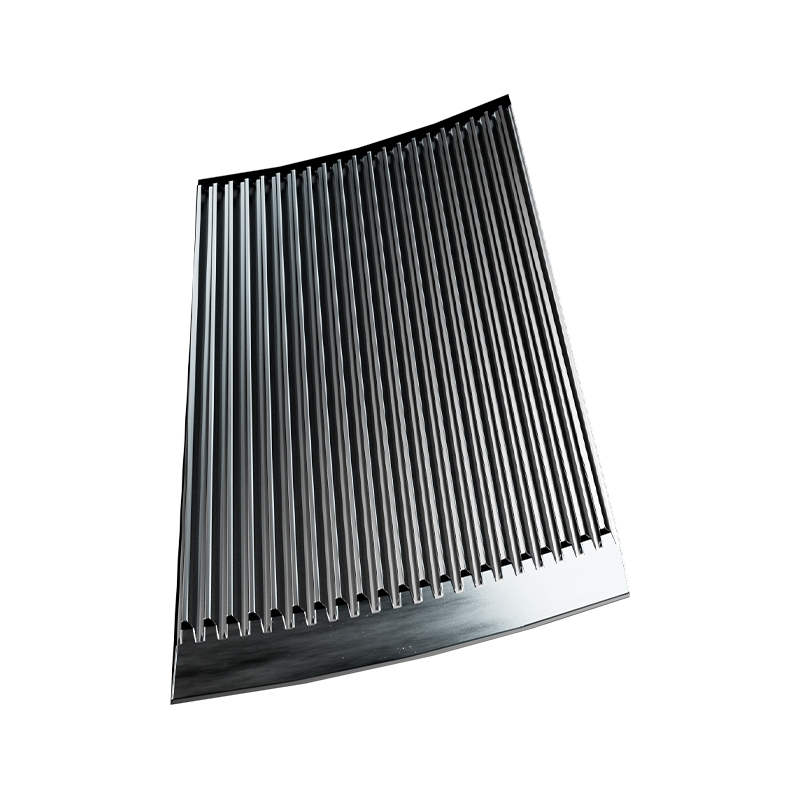
PE Pulverizer alloy steel blades
Longer Service Life and Lower Replacement Costs
One of the main advantages of PE pulverizer alloy steel blades is extended service life. Under appropriate operating conditions, a single blade set can achieve approximately 800 hours of continuous service. Actual life depends on material type, contamination level, feed size, feed rate, moisture, disc speed, clearance, cooling performance, and maintenance practices. Nevertheless, the long-life design can significantly reduce the frequency of blade replacement.
Compared with standard market blades, service life may be extended by two to three times or more in suitable applications. The reduction in wear is especially valuable for processors operating around the clock. Every blade change requires the machine to be stopped, opened, cleaned, inspected, adjusted, and restarted. The direct cost of the replacement part is only one part of the total expense. Lost production, technician labor, quality checks, and start-up material losses may have an even greater effect on operating economics.
A longer-lasting blade supports a more predictable maintenance schedule. Instead of replacing blades after rapid and irregular wear, operators can monitor performance and plan service during scheduled production intervals. Planned maintenance reduces the risk of emergency shutdowns and helps production managers coordinate blade inspection with other equipment servicing.
Lower replacement frequency also reduces spare-parts inventory requirements. A recycling or powder-processing plant can keep a reasonable number of replacement sets available without consuming excessive working capital. The reduction in discarded blade material further supports waste minimization and more sustainable production practices.
In high-volume operations, the financial benefit accumulates across the complete production line. Stable blades can help reduce downtime, maintain throughput, limit labor losses, and decrease the number of batches that must be reprocessed because of inconsistent powder quality.
Precision-Adjustable Clearance
The clearance between rotating and stationary grinding surfaces is a decisive factor in pulverizer performance. If the gap is too large, the material may pass through without sufficient grinding, resulting in coarse particles and a broad particle-size distribution. If the gap is too small, friction may become excessive, causing higher energy consumption, increased heat generation, and accelerated blade wear.
These alloy steel blades support precision adjustment of the grinding clearance, including micron-level fine-tuning where the machine design permits. This allows operators to adapt the pulverizer to different PE grades, feed conditions, and target particle sizes. Fine adjustment also makes it possible to compensate for gradual wear and maintain a more consistent working gap over the blade’s service life.
Clearance adjustment is particularly useful when the same pulverizer processes several types of polyethylene. Soft film, rigid pipe, injection molding scrap, and rotational molding powder may require different operating settings. A carefully adjusted gap helps each material receive the required combination of shearing and friction without exposing the blade to unnecessary mechanical stress.
Precision clearance also improves repeatability. When the grinding gap is controlled accurately, production teams can record and reproduce successful processing parameters. This is valuable for contract recycling, masterbatch manufacturing, powder coating production, and other applications where customers expect consistent particle-size distribution from one batch to the next.
High-Speed Rotating Tooth Design
The tooth profile is designed to work with high-speed disc rotation. Rather than relying only on blunt impact, the blade geometry promotes progressive shearing and friction grinding. The material is captured, cut, and reduced as it travels through the grinding zone.
A well-designed tooth profile contributes to several performance objectives. It helps the machine engage the plastic efficiently, distributes the load across multiple working points, and supports stable material flow through the grinding chamber. It can also reduce the tendency of PE to slide across the disc without being effectively cut.
The geometry must be matched to the material and operating speed. A profile suitable for flexible PE film may not be ideal for thick pipe or heavily filled plastic. For this reason, customized tooth profiles may be available for different raw materials, desired fineness levels, and production capacities.
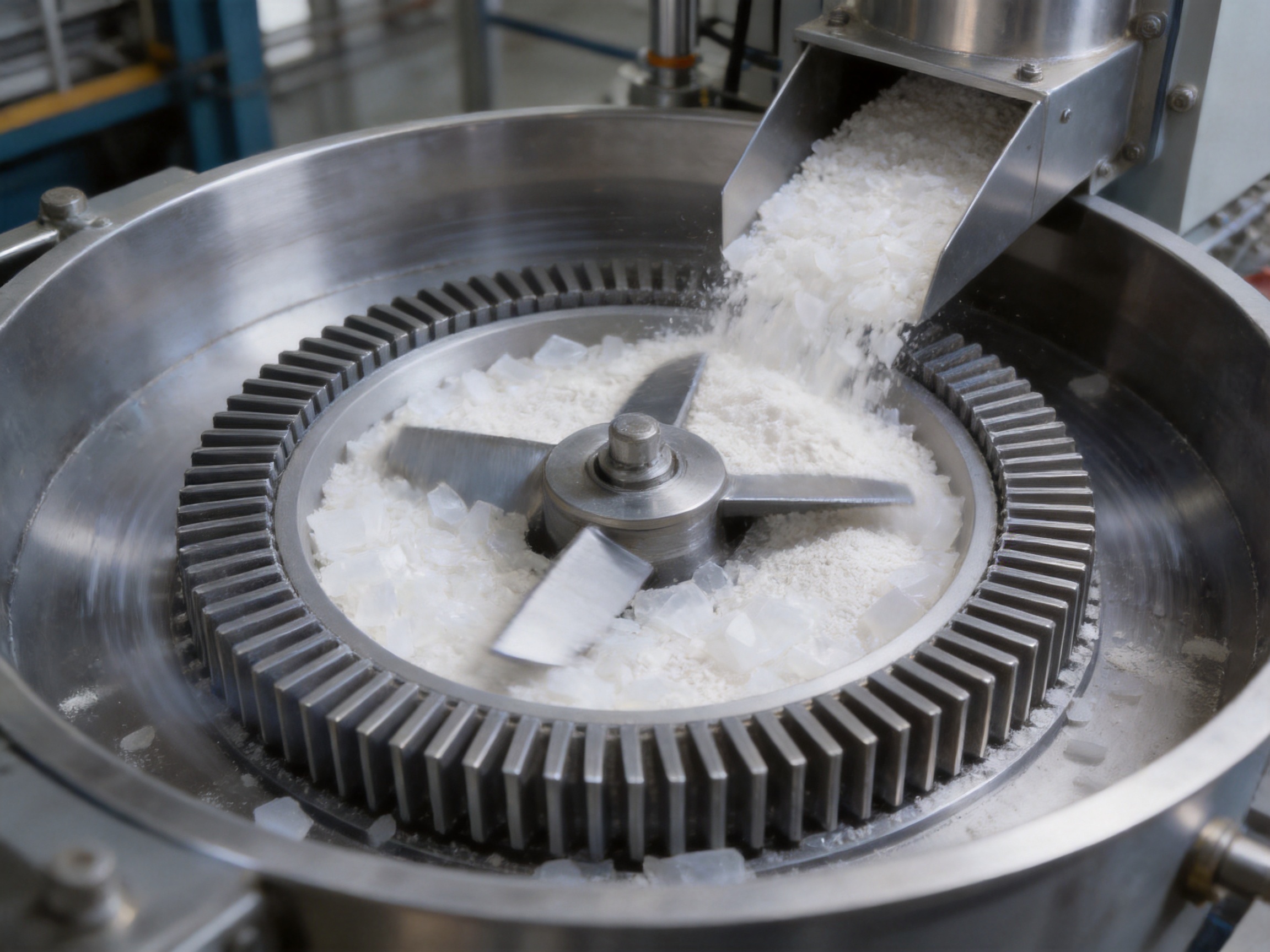
When the blade profile remains sharp and accurately positioned, the pulverizer can create a controlled combination of cutting and friction. This helps produce powder within a typical range of 20–80 mesh or finer, depending on machine configuration and process conditions. The goal is not merely to achieve a small nominal particle size, but to obtain a stable and uniform distribution with minimal coarse particles and agglomerates.
Stable Powder Fineness and Particle Distribution
Powder quality is a major reason for selecting high-performance pulverizer blades. Downstream processes such as extrusion, film blowing, injection molding, rotational molding, and powder coating require predictable feedstock. Uneven particles can cause feeding difficulties, incomplete melting, surface defects, inconsistent color dispersion, or variations in final product properties.
With suitable equipment settings, the blades support powder fineness in the range of 20–80 mesh or finer. The exact result depends on the material, screen or classification arrangement, rotor speed, feed rate, cooling conditions, and grinding clearance. The blade’s role is to maintain a consistent cutting and friction action so that the intended particle size is achieved efficiently.
Uniform particles generally flow more consistently than a mixture containing excessive fines, coarse fragments, and soft agglomerates. Stable powder flow is important for automated feeding and accurate compounding. In powder coating production, consistent fineness supports predictable melting, electrostatic application, surface coverage, and coating appearance.
For recycled PE, uniform powder can improve the stability of subsequent pelletizing. A controlled feed allows the extruder to melt and mix the material more consistently. This may support more stable pressure, improved dispersion of additives, and reduced variation in pellet quality.
In rotational molding, particle-size consistency affects melting behavior and wall distribution. Properly prepared PE powder can spread more evenly inside the mold, helping produce uniform wall thickness and smoother surfaces. Excessive coarse particles or agglomerates may contribute to unmelted areas, bubbles, pinholes, or surface irregularities.
Thermal Management During Grinding
Friction heat is a major operating concern when pulverizing polyethylene. As PE becomes warmer, it can soften and adhere to the grinding surfaces. This may reduce throughput, create agglomerates, dull the blade edge, and interfere with particle-size control. Excessive heat can also cause thermal deformation of components or reduce the effectiveness of the grinding process.
The blade system incorporates a multi-tiered finned heat-dissipation structure and high-thermal-conductivity materials to help control disc temperature. The heat-dissipation design increases the effective surface area available for releasing heat and supports more stable operation during extended grinding cycles.
Thermal control does not replace proper cooling-system operation. Air flow, cooling water, feed rate, material moisture, and room conditions must still be managed correctly. However, a blade and disc structure designed for heat transfer can make the complete pulverizer more tolerant of continuous operation.
By limiting temperature rise, the blades are better able to maintain their hardness and edge geometry. The risk of softening, edge dulling, or deformation caused by friction heat is reduced. This is especially important in 24-hour industrial production, where even a small temperature imbalance can accumulate over many hours.
Stable temperature also supports more consistent powder properties. If the material temperature changes significantly during production, the behavior of PE may shift from clean cutting to smearing or agglomeration. Better heat management helps maintain a more repeatable grinding environment.
Compatibility with Common Pulverizer Systems
The blades are designed as original accessories for PE and PP pulverizer series and are compatible with common disc diameters such as 500 mm, 600 mm, and 800 mm. Compatibility depends on the machine model, disc structure, mounting arrangement, number of teeth, fastener dimensions, and required clearance.
Proper compatibility is essential for safe and efficient operation. A blade with the correct nominal diameter but an incorrect mounting hole, tooth orientation, thickness, or balance specification should not be installed. The replacement set must match the rotating and stationary disc configuration to ensure accurate alignment and safe high-speed operation.
Partial adaptability to other brands may be possible after technical confirmation. Before ordering, users should provide the pulverizer model, disc diameter, blade dimensions, mounting details, material type, target fineness, and operating speed. This information allows the manufacturer to confirm fitment or recommend a customized design.
Customization can include disc diameter, tooth profile, blade material, mounting configuration, and performance requirements. Customized solutions are particularly useful for processors handling unusual PE formulations, high-filler materials, specialized powder grades, or nonstandard production capacities.
Applications in Plastic Recycling
Plastic recycling is one of the primary application areas for PE pulverizer alloy steel blades. Post-industrial and post-consumer PE materials are often available in many forms, including film, pipes, bottle caps, cable sheathing, packaging straps, molded components, and production offcuts.
After sorting, cleaning, and size reduction, these materials can be pulverized into powder for further processing. The resulting powder may be supplied to a pelletizing line, film-blowing operation, pipe extrusion system, injection molding process, or other recycling application.
For PE film, the blade must handle flexible material that can wrap, stretch, and resist clean cutting. A sharp and wear-resistant tooth profile helps reduce the risk of film sliding through the grinding chamber without sufficient size reduction.
For PE pipes and thick molded parts, the blade experiences greater impact loading. High toughness is important because the material may enter the chamber in relatively dense pieces. Alloy steel construction helps the cutting edge resist chipping and deformation during this type of operation.
For bottle caps, cable sheathing, and strapping bands, the material may contain pigments, additives, or other components that increase abrasive wear. A high-hardness blade helps maintain performance for longer periods, although sorting and contamination control remain essential for protecting the complete machine.
Applications in Powder Coatings
PE powder is used in various coating-related applications where particle fineness, flowability, and thermal behavior must be carefully controlled. The pulverizer blades help produce a fine and uniform powder suitable for processes such as electrostatic spraying and fluidized-bed coating.
Powder coating quality depends on more than average particle size. Excessive coarse particles may cause poor surface coverage, while too many ultrafine particles may affect flow, charging behavior, dust control, and recovery efficiency. A stable grinding process helps produce a more balanced particle-size distribution.
Scorching and agglomeration are also important concerns. If the powder becomes overheated during grinding, it may partially soften or form lumps. Thermal management, correct clearance, appropriate feed rate, and sharp blade edges work together to reduce this risk.
Uniform PE powder can support more consistent coating thickness and surface appearance. It may also help improve the repeatability of fluidization and application. For powder coating manufacturers, reliable blade performance is therefore closely connected to product quality and process stability.
Applications in Masterbatch and Modified Plastics
PE powder can serve as a carrier or base material in filler masterbatch, color masterbatch, and functional masterbatch production. In these applications, particle uniformity supports better mixing and dispersion of pigments, fillers, additives, and other functional ingredients.
A powder with a broad or unstable particle-size distribution may produce uneven feeding into a mixer or extruder. Coarse pieces can require additional melting time, while excessive fines may behave differently during conveying. Uniform pulverized material helps create a more predictable compounding process.
For modified plastics, the quality of the carrier material affects the distribution of additives throughout the final polymer matrix. Although blade quality alone cannot guarantee dispersion, it contributes to a stable and repeatable feedstock that makes formulation control easier.
High wear resistance is useful in this sector because fillers and pigments may be abrasive. Materials containing mineral additives can accelerate blade wear compared with clean PE. Alloy steel blades help maintain the designed grinding geometry for a longer period and reduce the risk of frequent adjustment.
Applications in Rotational Molding
Rotational molding requires polymer powder with suitable particle size, flowability, and melting behavior. Large hollow products such as tanks, containers, playground equipment, and industrial components depend on the even distribution of powder inside the mold.
If the powder contains too many coarse particles or agglomerates, it may melt slowly or distribute unevenly. This can lead to thin areas, thick areas, bubbles, surface defects, or inconsistent wall thickness. A stable pulverizing process helps provide powder that flows and melts more uniformly.
The blades are suitable for preparing PE powder for rotational molding when the pulverizer is configured correctly for the target material. Operators should control feed temperature, cooling, clearance, and particle-size requirements to achieve the desired result.
For manufacturers producing large hollow products, improved powder uniformity can support smoother surfaces and more consistent product dimensions. It may also reduce the need for screening, regrinding, or manual removal of oversized particles.
Applications in Research and Small-Batch Processing
PE pulverizer alloy steel blades are also useful for laboratory testing, pilot production, and research and development. These operations may involve expensive formulations, limited material quantities, or strict requirements for sample purity and particle-size distribution.
A stable grinding chamber and wear-resistant blade help reduce the risk of metal contamination caused by excessive blade wear. When samples are used to evaluate new additives, recycled content, color systems, or processing conditions, consistent powder preparation is important for obtaining meaningful test results.
Small-batch users may also benefit from flexible clearance adjustment and customized blade configurations. A pulverizer can be adapted for different research materials without requiring a completely different grinding system for every application.
Advanced Manufacturing Strengths
The performance of a pulverizer blade depends on the quality of the manufacturing system behind it. Changzhou Mao Yue Intelligent Equipment Co., Ltd. is a source manufacturer with approximately 30 years of experience in plastic crushing and pulverizing equipment. Its product development and manufacturing activities focus on disc pulverizers, grinding components, and complete solutions for plastics processing.
The company operates six processing workshops, with each workshop averaging approximately 1,400 square meters. This manufacturing structure provides space for material preparation, machining, welding, heat-related processing, assembly, inspection, and equipment production.
The production system includes Taiwan-imported high-precision grinding machines built to German standards. High-precision grinding is essential for blade thickness, tooth geometry, flatness, surface quality, and mounting accuracy. These parameters influence the alignment and balance of the completed grinding disc.
German dynamic balancing equipment is used to support stable high-speed operation. Dynamic balance is particularly important for large rotating discs. Imbalance can create vibration, noise, bearing loads, and uneven blade engagement. Accurate balancing helps protect the pulverizer and contributes to smoother operation.
Japanese welding systems support reliable fabrication of structural components and assemblies. Consistent welding quality helps maintain equipment strength, alignment, and long-term durability. The combination of precise machining, controlled welding, and balancing supports a complete system rather than treating the blade as an isolated replacement part.
Quality Control and European-Oriented Standards
The manufacturer focuses on producing components according to European quality standards and has obtained CE mechanical certification and ISO 9001 quality management system certification. These certifications reflect attention to equipment safety, manufacturing procedures, documentation, and quality management.
For pulverizer blade production, quality control may include incoming material verification, dimensional inspection, hardness testing, visual examination, balance checks, mounting verification, and performance evaluation. Each control point helps reduce the possibility of premature wear, misalignment, cracking, or unstable operation.
Hardness testing is particularly important because the required performance depends on achieving a suitable hardness range after heat treatment. Dimensional inspection confirms that the blade can be installed correctly and that the intended grinding clearance can be achieved.
Balance and alignment checks help ensure that the blade set operates smoothly at the design speed. A blade can have excellent material properties and still cause problems if it is installed incorrectly or manufactured outside the required dimensional tolerance.
ISO 9001 certification also supports systematic documentation and process control. For international customers, a structured quality-management system provides additional confidence that production procedures are repeatable and that corrective actions can be implemented when necessary.
Advantages Over Ordinary Cutting Discs
| Performance Factor | Ordinary Cutting Disc | PE Pulverizer Alloy Steel Blade |
|---|---|---|
| Typical hardness | Approximately HRC 45 in common standard designs | Approximately HRC 60–65 or higher, subject to specification |
| Wear resistance | Suitable for less demanding or intermittent applications | Designed for extended continuous PE pulverizing service |
| Impact resistance | May experience faster edge deformation with tough or filled plastics | Alloy structure and heat treatment provide a stronger balance of hardness and toughness |
| Service life | More frequent replacement may be required | A single set can reach approximately 800 hours under suitable conditions |
| Clearance control | Limited adjustment in some standard configurations | Supports precision adjustment and micron-level fine-tuning where applicable |
| Particle-size stability | Performance may decline quickly as the edge wears | Maintains tooth geometry and supports more stable powder fineness |
| Thermal management | May be more sensitive to friction heat | Multi-tier finned heat-dissipation structure supports temperature control |
| Customization | Often limited to standard dimensions | Disc diameter, tooth profile, material, and specifications can be customized |
The comparison shows why a specialized alloy steel blade can provide greater value than a basic cutting disc. The important difference is not only hardness. The complete product combines material selection, heat treatment, geometry, cooling, balancing, adjustment, and application support.
Energy Efficiency and Production Stability
A sharp and stable blade can reduce the amount of energy wasted through rubbing and repeated passes. When the cutting edge remains effective, the pulverizer can engage the material more efficiently. Lower frictional resistance may help control motor load, although actual energy consumption depends on the complete machine configuration and operating conditions.
Uniform powder also supports downstream energy efficiency. Extruders and molding equipment can process a more consistent feedstock with fewer interruptions caused by oversized particles or agglomerates. Improved material preparation may help reduce reprocessing, cleaning, and rejected-product rates.
Stable production is equally important. A blade that maintains its geometry for longer periods helps operators keep the same operating parameters from one production cycle to the next. This reduces the need for frequent manual intervention and makes output planning more reliable.
For industrial users, the best blade is not necessarily the one with the lowest purchase price. The more meaningful calculation includes service life, replacement labor, downtime, product loss, energy use, maintenance frequency, and downstream quality. A higher-performance alloy steel blade can provide a lower total cost of ownership when these factors are considered together.
Environmental and Circular-Economy Benefits
Long-life blades support the environmental objectives of plastic recycling and circular manufacturing. Fewer blade replacements mean less discarded metal and lower consumption of raw materials used in replacement-part production.
More efficient pulverization can also improve the recovery value of waste PE. Instead of sending usable plastic to disposal, processors can convert it into consistent powder for regranulation, coating, molding, or other applications. This supports a more complete use of recycled resources.
Lower downtime and reduced reprocessing can further reduce the indirect environmental impact of production. When equipment operates stably, fewer materials are lost through rejected batches, overheating, or incomplete grinding.
The product also aligns with broader goals of low-noise and low-energy plastic-processing equipment. Blade design alone does not determine overall environmental performance, but it contributes to a more efficient pulverizer system when combined with correct motor selection, cooling, airflow, and maintenance.
How to Select the Correct Blade Specification
Before purchasing replacement blades, users should confirm the pulverizer model and disc diameter. Common reference sizes include 500 mm, 600 mm, and 800 mm, but the actual mounting arrangement must also be checked.
The processed material should be described in detail. Important information includes PE grade, rigidity, thickness, moisture, filler content, glass-fiber content, pigment level, contamination risk, and whether the material is post-industrial or post-consumer.
Target powder fineness is another essential parameter. A processor seeking 20-mesh powder may require different settings from one producing 80-mesh material or finer powder. The desired particle-size distribution should be discussed together with production capacity and cooling conditions.
Operating speed, motor power, feed rate, and expected daily running hours should also be considered. A blade designed for occasional operation may not be suitable for 24-hour production. Continuous industrial use requires particular attention to heat treatment, balance, wear resistance, and thermal management.
Finally, users should provide photographs, drawings, or measurements of the existing blade and disc assembly when compatibility is uncertain. This helps the manufacturer confirm tooth direction, hole spacing, thickness, offset, and other installation details.
Installation and Maintenance Recommendations
Before installation, the pulverizer should be disconnected from all power sources and secured against accidental start-up. The grinding chamber must be cleaned so that old plastic residue, metal fragments, and foreign particles do not interfere with blade positioning.
All blade mounting surfaces should be inspected for damage, burrs, deformation, or contamination. Fasteners should be suitable for the machine design and tightened according to the manufacturer’s specified procedure. Uneven tightening can distort the blade or create an inaccurate grinding gap.
After installation, the rotating disc should be checked manually for smooth movement and adequate clearance. The disc should then be tested at low speed, if the machine permits, before normal operation begins. Unusual vibration, noise, rubbing, or temperature rise should be investigated immediately.
Regular maintenance should include inspection of blade sharpness, tooth damage, clearance, disc balance, fasteners, bearings, cooling passages, and drive components. Operators should record operating hours and material types so that wear trends can be evaluated.
Blades should not be used beyond their safe wear limit. Continued operation with severely worn or damaged teeth can reduce powder quality and place additional stress on the machine. Timely replacement or approved reconditioning is safer and more economical than allowing secondary damage to develop.
Why Manufacturer Support Matters
Blade performance depends on correct selection, installation, and operation. A manufacturer experienced in plastic pulverizing equipment can evaluate the blade together with the disc, cooling system, motor, feed arrangement, and final powder requirements.
Changzhou Mao Yue Intelligent Equipment Co., Ltd. provides equipment and components for applications involving PE, PP, PVC, masterbatch, polymers, recycling, rotational molding, and powder coating. Its technical background in complete pulverizing systems supports more informed blade recommendations than a supplier focused only on generic cutting parts.
The company has established long-term partnerships with more than 5,000 enterprises in domestic and international markets. This application experience provides practical knowledge of different materials, production conditions, and customer requirements.
Customized support can include blade material selection, disc diameter, tooth profile, clearance configuration, and compatibility evaluation. This is valuable for plants that process unusual materials or require a specific particle-size distribution.
Q&A
What are PE pulverizer alloy steel blades used for?
They are used in disc pulverizers to grind polyethylene materials into fine and uniform powder. Typical applications include recycling, regranulation, film blowing, pipe extrusion, injection molding, rotational molding, powder coating, masterbatch production, and research testing.
How hard are the blades?
The blades can achieve a hardness of approximately HRC 60–65 or higher, depending on the selected material and specification. This is significantly harder than many ordinary cutting discs manufactured around HRC 45.
Does higher hardness mean the blades are brittle?
Not necessarily. The alloy composition and multi-stage heat-treatment process are designed to balance hardness with toughness. Proper heat treatment helps the blade resist wear while maintaining the impact resistance required for plastic pulverizing.
How long can one blade set last?
Under suitable operating conditions, a single set can achieve approximately 800 hours of continuous service. Actual life depends on the PE type, contamination, filler content, feed rate, cooling performance, clearance, operating speed, and maintenance.
Can the blades process glass-fiber-reinforced plastic?
They are designed for demanding plastic applications and can provide improved wear resistance when processing reinforced or high-toughness plastics. However, glass fiber and mineral fillers remain abrasive, so users should confirm the material composition and expected service conditions before selecting a specification.
What particle size can the pulverizer produce?
With suitable machine configuration and operating parameters, the finished powder can typically be controlled at approximately 20–80 mesh or finer. The final result depends on disc design, speed, clearance, feed rate, cooling, and material properties.
Can the clearance be adjusted?
Yes. The blade and disc system supports precision-adjustable clearance, including micron-level fine-tuning where applicable. Accurate adjustment helps optimize cutting efficiency, particle size, energy consumption, and wear rate.
Are the blades compatible with other pulverizer brands?
They may be partially adaptable to other brands after technical confirmation. Compatibility depends on disc diameter, mounting holes, blade thickness, tooth profile, orientation, balance, and clearance requirements. Users should provide detailed machine information before ordering.
Which disc sizes are available?
Common compatible disc diameters include 500 mm, 600 mm, and 800 mm. Customized dimensions can also be discussed according to the machine design and application requirements.
How do the blades help control heat?
The blade and disc structure uses a multi-tiered finned heat-dissipation design and high-thermal-conductivity materials. This helps release friction heat and reduce the risk of PE softening, agglomeration, edge dulling, or deformation during continuous operation.
What should be checked before ordering replacement blades?
Users should confirm the pulverizer model, disc diameter, blade dimensions, mounting arrangement, operating speed, material type, filler content, target powder fineness, production capacity, and expected running hours.
Why is dynamic balancing important?
Large pulverizer discs rotate at high speed. Accurate dynamic balancing helps reduce vibration, bearing load, noise, and uneven blade engagement. It contributes to safer and more stable machine operation.
Can the tooth profile be customized?
Yes. Customized tooth profiles may be developed for different materials, particle-size targets, production capacities, and disc configurations. The final design should be confirmed through technical consultation.
How do long-life blades reduce total operating costs?
They reduce the frequency of blade purchases, machine shutdowns, maintenance labor, re-adjustment, and production losses. They can also help maintain powder quality and lower the risk of rejected or reprocessed material.
What certifications support the manufacturer’s quality system?
The manufacturer has obtained CE mechanical certification and ISO 9001 quality management system certification. Its production system includes precision machining, dynamic balancing, welding, inspection, and equipment manufacturing capabilities.
Conclusion
PE pulverizer alloy steel blades are engineered for processors that require more than basic size reduction. Their high-density chromium-molybdenum-vanadium alloy structure, precision heat treatment, hardness of approximately HRC 60–65 or higher, and strong impact resistance help them withstand demanding plastic grinding conditions.
The combination of extended service life, precision-adjustable clearance, high-speed tooth geometry, stable thermal management, and compatibility with common pulverizer disc sizes supports efficient and consistent PE powder production. Under suitable conditions, a blade set can provide approximately 800 hours of continuous service and may last two to three times longer than ordinary market blades.
These advantages are valuable across plastic recycling, powder coating, masterbatch, modified plastics, rotational molding, and research applications. More uniform powder can improve downstream processing, while reduced replacement frequency can lower maintenance costs, downtime, and material waste.
The manufacturing capabilities behind the blades are equally important. With approximately 30 years of experience, six processing workshops, high-precision grinding equipment, dynamic balancing systems, Japanese welding systems, CE certification, ISO 9001 certification, and extensive application experience, Changzhou Mao Yue Intelligent Equipment Co., Ltd. provides a complete technical foundation for reliable pulverizer components.
For users seeking longer blade life, stable particle-size distribution, lower operating cost, and dependable continuous production, a properly selected PE pulverizer alloy steel blade is a practical upgrade from ordinary cutting discs. The best results are achieved when blade material, tooth profile, clearance, disc design, cooling, and machine operating parameters are evaluated as one integrated system.
References
1. ISO 9001: Quality Management Systems—Requirements.
2. CE Marking Requirements for Machinery and Mechanical Equipment.
3. ASM Handbook, Volume 4: Heat Treating.
4. ASM Handbook, Volume 18: Friction, Lubrication, and Wear Technology.
5. Plastics Technology Reference Materials: Polyethylene Processing and Recycling.
6. Standard engineering principles for dynamic balancing of high-speed rotating assemblies.
7. Industrial guidelines for plastic pulverizer operation, blade clearance adjustment, cooling, and maintenance.
8. Manufacturer-provided technical information for PE pulverizer alloy steel blades and plastic pulverizing equipment.