

 English
 русский
 Español
 عربى
عربى 中文简体
中文简体
 中文简体
中文简体
Content
- 1 Product Positioning and Application Value
- 2 Why Powder Quality Matters in Rotational Molding
- 3 Core Advantages of the Model 500 Pulverizer
- 4 Advanced Grinding Disc Technology
- 5 Dynamic Balancing for Lower Vibration and Longer Machine Life
- 6 Cooling System Designed for PE Powder Stability
- 7 Airflow Conveying and Dust Collection
- 8 Technical Specification Overview
- 9 Advantages Compared with Ordinary Pulverizers
- 10 Manufacturing Strength Behind the Machine
- 11 Quality Certifications and Market Experience
- 12 Operational Efficiency and Return on Investment
- 13 Recommended Use Scenarios
- 14 Integration into a Complete Powder Production Workflow
- 15 Maintenance and Long-Term Reliability
- 16 Customization and Configuration Options
- 17 Why the Model 500 Is a Strong Entry-Level Choice
- 18 Q&A Section
- 18.1 What materials is the Model 500 pulverizer mainly designed for?
- 18.2 Is this machine suitable for small rotomolding factories?
- 18.3 Can it be used in a laboratory or R&D center?
- 18.4 Why is grinding disc quality so important?
- 18.5 What is the benefit of dynamic balancing?
- 18.6 How does cooling affect PE powder quality?
- 18.7 Can the machine produce very fine powder?
- 18.8 How does the machine help reduce production cost?
- 18.9 What maintenance is most important?
- 18.10 Why choose this pulverizer instead of a cheaper ordinary machine?
- 19 Conclusion
- 20 References
- 21 Product: Model 500 PE Rotomolding Powder High-Output Stable Pulverizer
For rotational molding manufacturers, the quality of polyethylene powder is not a minor detail; it is one of the foundations of product consistency, surface finish, wall thickness uniformity, cycle stability, and material utilization. The Model 500 PE rotomolding powder pulverizer is designed for small-to-medium production plants, laboratories, trial-production workshops, recycling operations, and manufacturers who need stable fine powder without the investment scale of a large pulverizing line. Compact in footprint, precise in grinding performance, and engineered for dependable operation, this pulverizer provides an effective entry point for companies that want to improve powder quality, reduce outsourcing dependence, and gain better control over their rotomolding process.
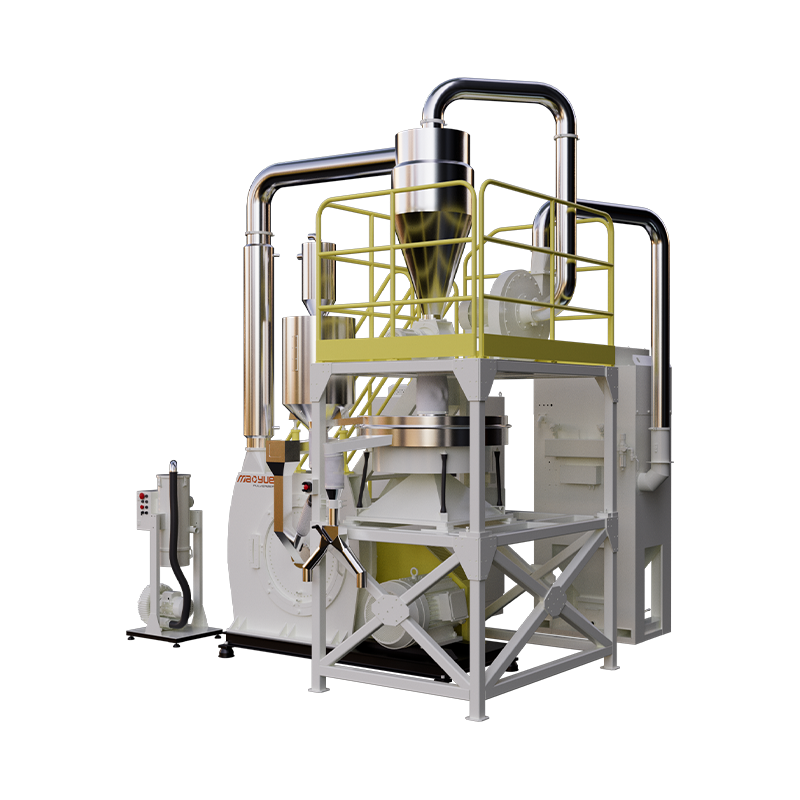
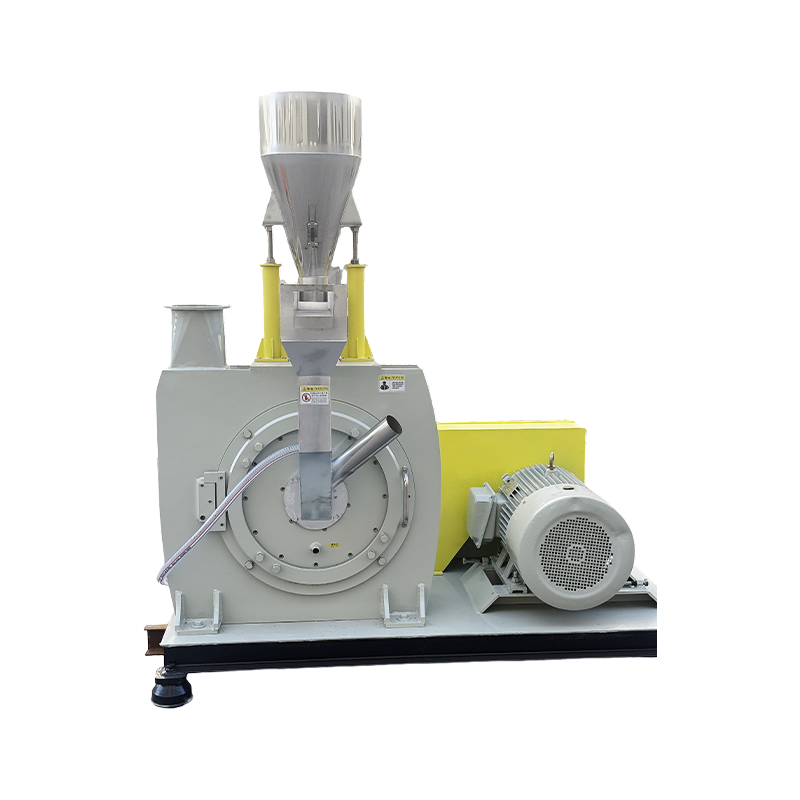
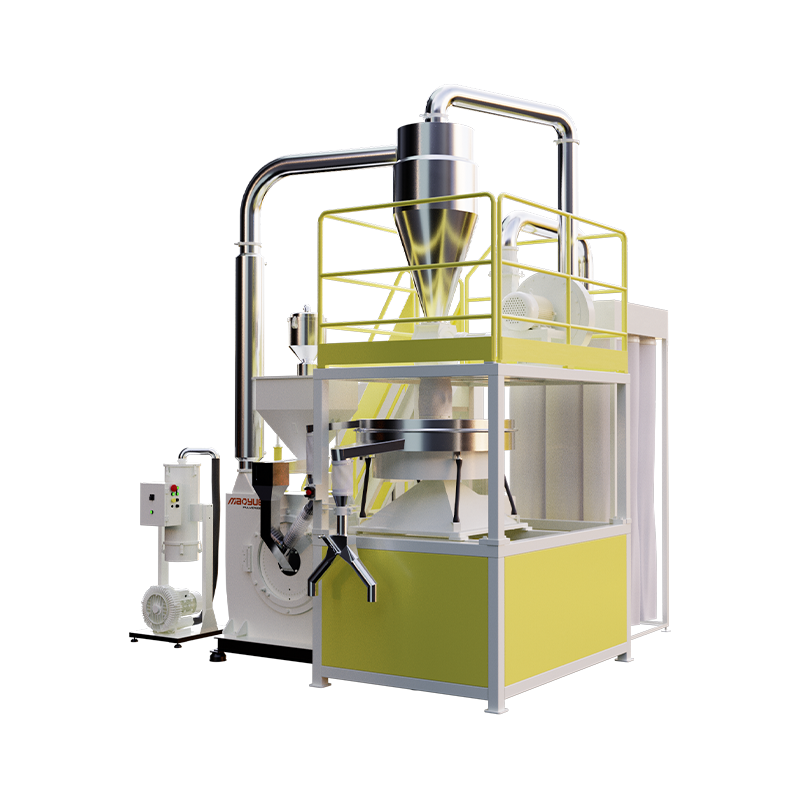
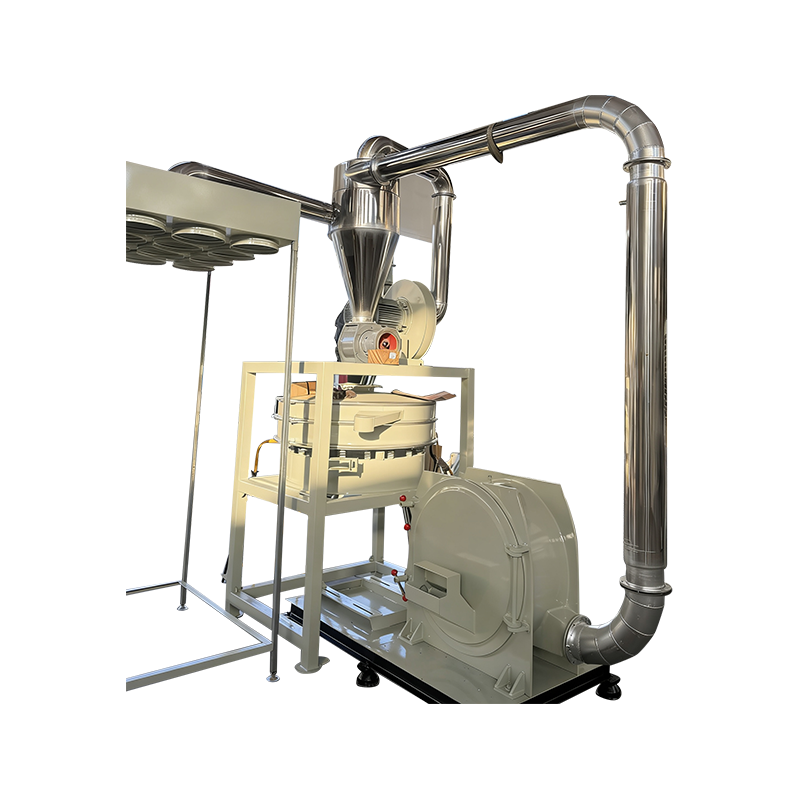
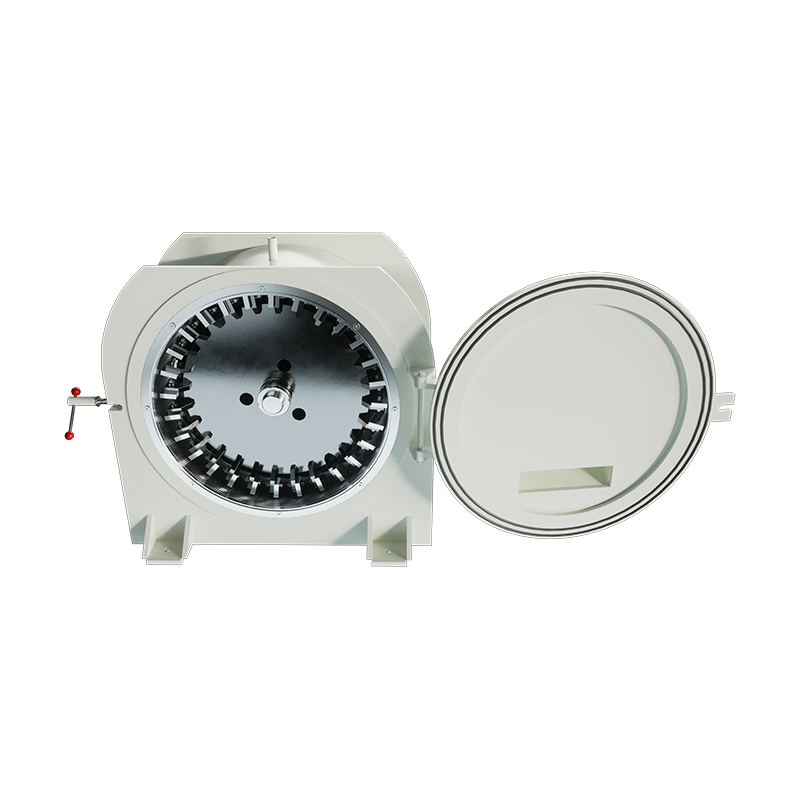
This machine is positioned as a high-output, stable, compact pulverizer for PE rotomolding applications. It is suitable for processing polyethylene materials into powder used in water tanks, pallets, toys, playground equipment, custom molded products, laboratory samples, trial formulations, recycled PE powder, and specialty rotational molding applications. Its design combines a disc grinding structure, controlled feeding, airflow conveying, screening, cooling, dust collection, and stable mechanical balancing to produce powder with controlled particle size and good flowability.
In the rotomolding industry, the powder must melt evenly inside the mold. If particles are too coarse, too irregular, or too widely distributed in size, the final molded product may show rough surfaces, pinholes, uneven thickness, poor corner filling, weak impact resistance, or longer cycle times. The Model 500 pulverizer is therefore not only a size-reduction machine; it is a powder-quality control system. Its value lies in transforming plastic pellets, granules, scraps, or regrind into powder that supports more predictable molding results.
Model 500 PE Rotomolding Powder High-Output Stable Pulverizer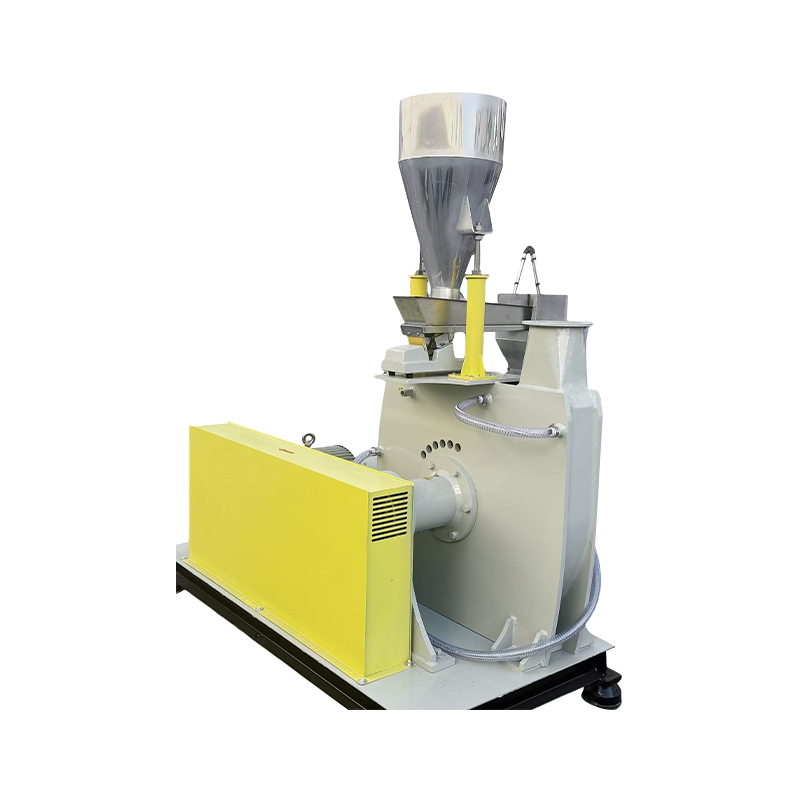
Product Positioning and Application Value
The Model 500 PE rotomolding powder pulverizer is especially attractive to manufacturers who need professional powder production but do not yet require a large-scale industrial line. Many rotomolding factories start by purchasing ready-made powder from external suppliers. While this can be convenient, it often brings challenges such as variable powder quality, limited formula flexibility, higher long-term material cost, delayed delivery, and reduced control over production scheduling. A compact pulverizer allows a factory to produce powder in-house, test new materials quickly, and reuse qualified production scraps more efficiently.
For small-to-medium rotomolding manufacturers, the machine can support daily powder preparation for regular production. For laboratories and R&D centers, it can be used to test new PE formulations, color masterbatch ratios, additive packages, recycled content, and customized powder specifications. For recycling and sustainability-focused operations, it can help convert appropriate PE scraps from rotomolding products into usable powder after proper crushing and preparation. For high-end custom products, it gives manufacturers greater ability to control particle size, powder uniformity, and batch-to-batch consistency.
The pulverizer is also suitable for trial production. In rotational molding, a new product or material formula often requires multiple rounds of testing before mass production. If a manufacturer must wait for external powder processing every time a formula changes, development time becomes longer and more expensive. With an in-house Model 500 pulverizer, operators can adjust process parameters, produce small batches, evaluate powder behavior, and refine the formula more efficiently.
Why Powder Quality Matters in Rotational Molding
Rotational molding depends on the gradual melting and distribution of polymer powder inside a heated mold. Unlike injection molding or extrusion, rotomolding does not use high-pressure material forcing. The powder must flow, tumble, adhere to hot mold surfaces, melt, level, and consolidate into a hollow product. This means the characteristics of the powder directly influence the quality of the final part.
Particle size is one of the key factors. Powder that is too coarse may require longer heating time and may not form fine surface details well. Powder that is too fine can create dust problems, poor flow, or excessive thermal sensitivity if not properly controlled. A narrow and appropriate particle size distribution supports more even melting and better surface quality. The Model 500 pulverizer is designed to support adjustable fineness for rotomolding powder needs, with processing performance depending on material type, feeding condition, grinding disc condition, cooling efficiency, and required mesh range.
Particle shape and uniformity are also important. Sharp, irregular, or overheated particles can behave differently during mold filling and melting. A stable grinding system with precise disc geometry helps create more consistent powder characteristics. When powder is more uniform, the rotomolding process becomes easier to control, especially for products with corners, ribs, large surfaces, or special structural details.
Thermal control is another critical issue. PE materials can soften, smear, stick, or degrade if the grinding chamber becomes too hot. Overheating may cause clumping, yellowing, reduced flowability, and inconsistent powder behavior. A pulverizer designed for PE rotomolding powder must therefore manage heat effectively during high-speed grinding. The Model 500 uses water cooling and forced airflow concepts to help maintain stable grinding conditions.
Core Advantages of the Model 500 Pulverizer
The first advantage is compact efficiency. The machine is designed for facilities where floor space matters. With a compact operating footprint, it can be integrated into small workshops, laboratory areas, pilot lines, or production spaces without requiring the scale of a large pulverizing system. This makes it practical for manufacturers who want to begin in-house powder production with controlled investment.
The second advantage is stable output. Depending on material characteristics, feeding condition, cooling performance, disc condition, target fineness, and final screening requirements, the pulverizer can support steady powder production for PE rotomolding applications. For the listed standard configuration, the technical capacity is commonly presented in the range of 50–160 kg/h, while application-oriented production conditions may vary when different materials and fineness targets are used. This flexibility allows the machine to serve both testing and production roles.
The third advantage is controllable fineness. The machine is designed for PE powder processing, with mesh results influenced by grinding gap, disc tooth design, material brittleness, temperature, airflow, screen selection, and reprocessing strategy. For rotomolding applications, powder fineness must be matched to final product requirements rather than pursued blindly. The Model 500 gives operators a practical platform for producing powder suitable for common rotomolding needs.
The fourth advantage is grinding disc quality. The grinding disc is the heart of a plastic pulverizer. If the disc is poorly machined, unbalanced, dull, or made from inferior material, powder uniformity declines quickly, machine vibration increases, bearings wear faster, and operating cost rises. The Model 500 is supported by professional disc manufacturing and refurbishing capability, helping users maintain grinding performance over the long term.
The fifth advantage is stable mechanical operation. Dynamic balancing, precision machining, and controlled assembly are essential for high-speed pulverizing equipment. A well-balanced disc system reduces vibration, protects the spindle and bearings, lowers noise, and helps maintain consistent particle quality. The machine’s emphasis on balancing and precision supports long service life and smoother operation.
Advanced Grinding Disc Technology
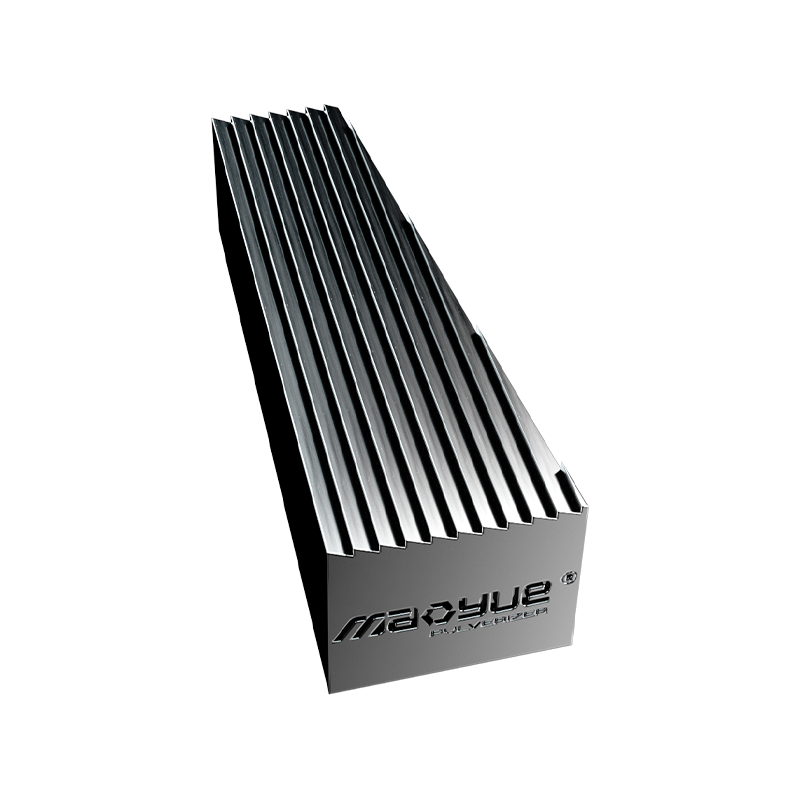
In a disc pulverizer, grinding quality begins with the disc. The Model 500 is supported by high-grade grinding disc technology, including premium mold steel options such as DC53 and standard disc materials such as D2 according to configuration requirements. DC53 is recognized for its toughness, wear resistance, fatigue resistance, and anti-chipping performance compared with conventional tool steels. For a customer who needs long-term performance, fewer disc changes, and more stable powder quality, disc material can make a significant difference.
Hardness in the HRC 62–64 range, when combined with appropriate heat treatment and tooth geometry, allows grinding edges to resist wear while maintaining sharpness. Sharp and consistent disc teeth cut rather than crush excessively, helping reduce heat generation and supporting narrower particle distribution. Over time, this can reduce the risk of coarse particles, powder inconsistency, and process instability in downstream rotomolding.
Another important feature is tooth-by-tooth precision grinding. The company uses imported Taiwanese professional CNC tool grinding equipment built to high precision standards. This allows each tooth angle to be controlled carefully. In many lower-grade pulverizers, disc teeth may vary from one area to another, creating uneven grinding zones. Such variation can lead to vibration, inconsistent powder, higher energy use, and faster wear. Precision tooth grinding helps the disc maintain balanced cutting behavior across the full grinding surface.
Grinding disc refurbishing is also a practical advantage. Pulverizer discs naturally wear during use. Instead of replacing discs immediately, professional refurbishing can restore cutting performance at a fraction of the cost of new discs. For operators producing powder regularly, this can significantly reduce long-term tooling expense. It also keeps powder quality stable because dulled discs are one of the common causes of temperature rise, coarse particles, and reduced throughput.
Dynamic Balancing for Lower Vibration and Longer Machine Life
High-speed disc pulverizers place significant mechanical demands on the rotating system. Even a small imbalance can become a major vibration source at operating speed. Vibration is not only uncomfortable for operators; it also damages bearings, stresses the spindle, loosens fasteners, increases noise, and can gradually affect grinding precision. Therefore, dynamic balancing is a central indicator of pulverizer quality.
The Model 500 is supported by German-imported high-precision dynamic balancing equipment. Each disc is balanced carefully to achieve stable operation. The result is a smoother machine, lower vibration, and more reliable long-term performance. In practical workshop terms, stable balancing helps reduce unexpected downtime and supports consistent powder quality. When the grinding system runs smoothly, the gap between discs can be controlled more reliably, and the powder output is less likely to fluctuate.
This stability is especially important for factories that run multiple shifts or rely on powder consistency for high-value rotomolded parts. A machine that vibrates heavily may still produce powder, but the hidden costs appear in bearing replacement, disc wear, noise complaints, reduced operator confidence, and inconsistent product results. By emphasizing balancing and precision, the Model 500 provides advantages over low-cost machines that focus only on initial purchase price.
Cooling System Designed for PE Powder Stability
PE is sensitive to heat during pulverizing. As the disc rotates and material is ground, friction generates heat. If heat is not removed efficiently, the powder can soften, stick to the disc, form clumps, or become discolored. Such powder may flow poorly in the rotomolding process and can create defects in final products. Therefore, cooling is not an optional feature; it is part of the powder-quality system.
The Model 500 uses water cooling as a standard cooling method, with inlet and outlet circulation. The cooling jacket helps control the grinding chamber temperature. Forced air conveying also contributes to removing heat and carrying powder away from the grinding zone. In advanced configurations, multi-point temperature monitoring and intelligent control can be used to maintain a suitable operating range and prevent overheating.
Stable temperature control helps protect material properties. It reduces the chance of yellowing, sticking, clumping, and degradation. It also helps maintain consistent powder flowability, which is one of the most important requirements for rotomolding powder. When powder flows well, it distributes more evenly inside the mold, supports better wall thickness control, and reduces the risk of surface defects.
Compared with simple pulverizers that rely mainly on airflow without effective cooling, the Model 500 offers better process control for PE applications. This is particularly valuable when processing materials that are more sensitive, when producing finer powder, or when operating in warm workshop environments.
Airflow Conveying and Dust Collection
Plastic pulverizing generates fine particles and dust. Without proper collection, dust can escape into the workshop, creating housekeeping problems, operator discomfort, equipment contamination, and possible safety concerns. For rotomolding powder production, dust control also protects product quality by reducing contamination and improving working conditions.
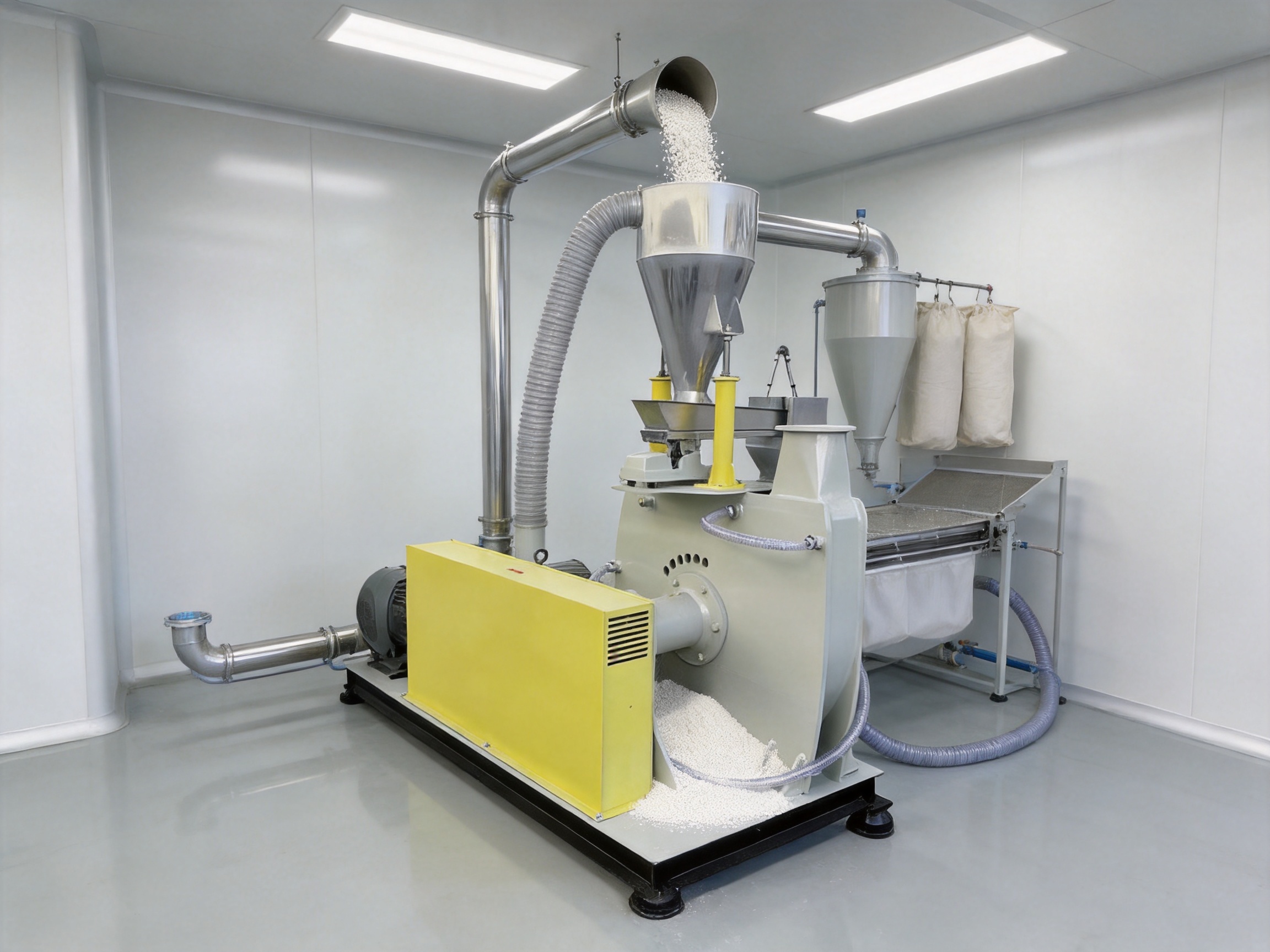
The Model 500 system uses airflow conveying and dust collection to move powder away from the grinding chamber and collect it efficiently. A blower motor supports the conveying process, while the dust collector captures fine particles. The system is designed to operate under a controlled airflow environment, helping reduce dust escape and maintain a cleaner workshop.
Pulse bag dust collection can provide high dust capture efficiency when properly configured and maintained. Clean filters, correct airflow, and regular inspection are important for maintaining performance. Compared with open or poorly sealed pulverizing systems, a closed or semi-closed negative-pressure design offers significant advantages in environmental control, worker health protection, and compliance with modern workshop standards.
For manufacturers exporting products or supplying demanding customers, clean production is increasingly important. A pulverizer that reduces dust emissions contributes not only to operator safety but also to the professional image of the factory. It helps demonstrate that the manufacturer takes process quality and workplace management seriously.
Technical Specification Overview
The following table summarizes key technical information for the Model 500 configuration. Actual performance may vary according to material type, material preparation, target mesh, cooling condition, feeding stability, disc design, disc wear condition, and screening requirements.
Item |
Specification |
Notes |
Machine Type |
500 |
Compact PE rotomolding powder pulverizer |
Grinding Disc Diameter |
500 mm |
Disc-type grinding structure |
Typical Capacity |
50–160 kg/h for listed configuration |
Output depends on material and fineness target |
Application Output Range |
May vary by PE grade and process target |
Higher or lower output can occur under different conditions |
Mesh Size |
Commonly 10–30 mesh in listed table; finer powder can be pursued by process adjustment |
Rotomolding requirements should guide final mesh selection |
Drive Motor |
37/45 kW |
Configuration selected according to production needs |
Speed Control |
Star-delta, soft start, or inverter |
Inverter control supports more flexible operation |
Belt Pulley Standard |
European standard |
Supports stable transmission |
Grinding Disc Material |
D2 standard; premium options such as DC53 available by requirement |
Disc material influences wear life and cutting stability |
Blower Motor |
5.5/7.5 kW |
Supports airflow conveying |
Pipe Material |
Stainless steel |
Improves cleanliness and durability |
Pipe Diameter |
159 mm |
Designed for conveying requirements |
Vibrating Screen Diameter |
1000 mm |
Used for powder classification |
Vibrating Screen Motor |
1.1 kW |
Supports screening efficiency |
Feeding Method |
Vacuum feeding |
Helps improve feeding cleanliness and stability |
Dust Collector Bag Diameter |
300 mm |
Dust collection configuration |
Cooling Method |
Water cooling with inlet and outlet |
Helps control grinding temperature |
Advantages Compared with Ordinary Pulverizers
Many buyers compare pulverizers only by motor power, disc diameter, and price. However, the real cost of ownership depends on powder quality, disc life, energy consumption, maintenance frequency, dust control, temperature stability, and downtime. The Model 500 offers important advantages in these areas.
First, it provides stronger powder-quality control. Ordinary machines may use lower-precision discs that wear unevenly and generate wider particle size distribution. The Model 500 is supported by precision-ground discs and balancing processes, which help produce more uniform powder and reduce downstream defects.
Second, it offers better mechanical stability. Low-cost pulverizers may operate with noticeable vibration, especially after the disc has been used for some time. Vibration accelerates component wear and reduces confidence in continuous operation. The use of professional dynamic balancing supports smoother operation and longer machine life.
Third, it improves long-term tooling economy. A low purchase price can become expensive if grinding discs wear quickly or must be replaced frequently. With high-quality disc materials, precision tooth grinding, and refurbishing service, users can reduce long-term disc-related costs while maintaining powder performance.
Fourth, it provides better thermal protection. PE powder is vulnerable to heat. Machines with poor cooling may cause powder sticking or clumping, forcing operators to reduce feeding rate or stop production for cleaning. A water-cooling structure and airflow conveying help the Model 500 maintain stable grinding conditions.
Fifth, it supports cleaner production. Dust collection and enclosed conveying features reduce powder leakage, improve workshop cleanliness, and protect workers. In modern manufacturing, this is not merely a convenience; it is a sign of professional production management.
Manufacturing Strength Behind the Machine
The performance of a pulverizer is determined not only by design but also by how it is manufactured. Changzhou Mao Yue Intelligent Equipment Co., Ltd. is a source manufacturer with 30 years of experience in plastic crushing and pulverizing equipment. The company has developed machines and components for rotational molding, masterbatch, polymers, PVC, PE, recycling, and powder coating applications. This long industry experience gives the company practical understanding of how different plastics behave during crushing and pulverizing.
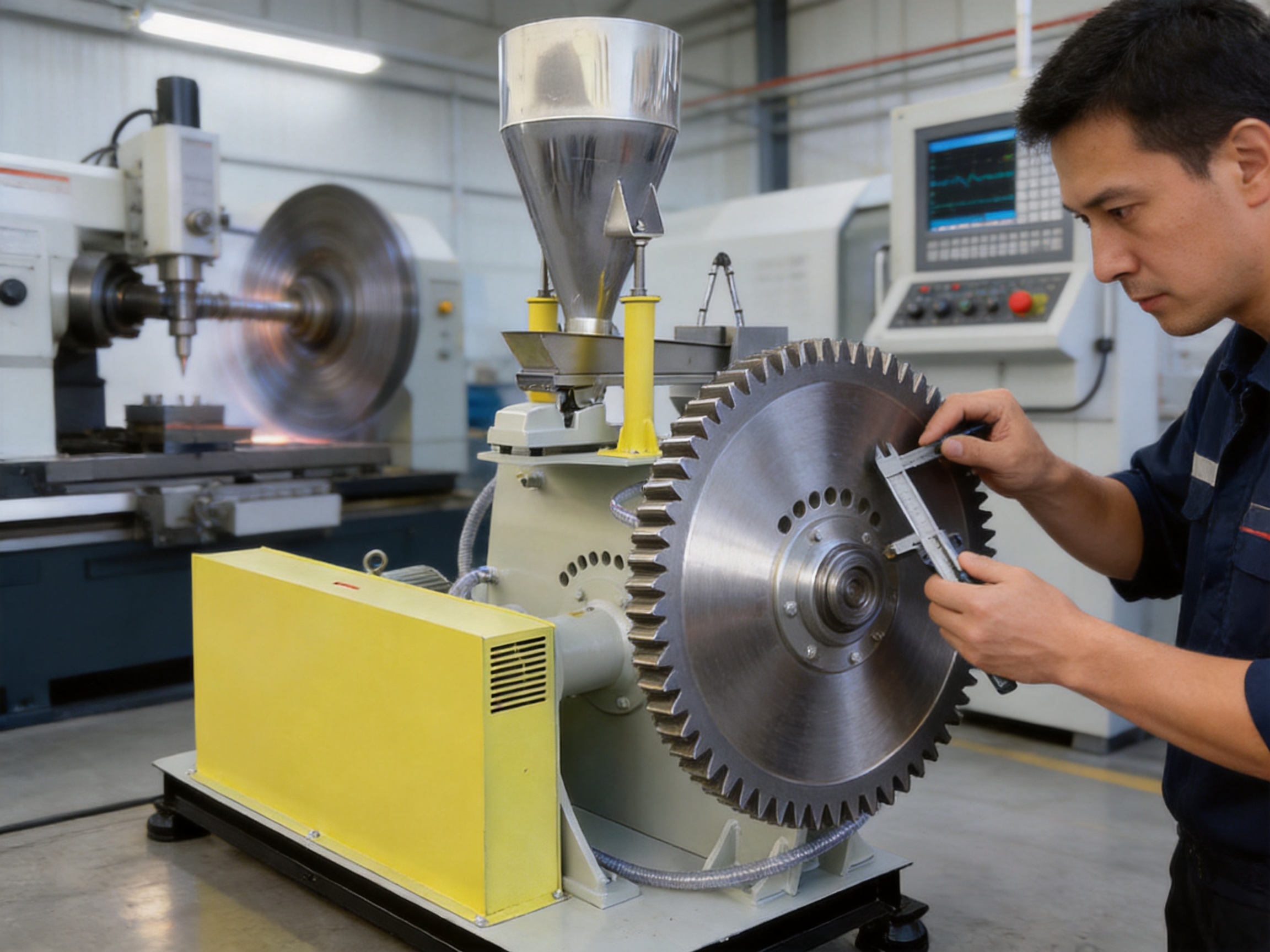
The company operates six processing workshops, each averaging about 1,400 square meters. This production scale supports machining, welding, assembly, inspection, and customization. Rather than relying only on purchased parts and simple assembly, the company emphasizes manufacturing control, component accuracy, and machine reliability.
Advanced processing equipment is a major strength. The factory uses Taiwan-imported high-precision grinding machines built to German standards for grinding disc production. It also uses German dynamic balancing equipment for rotating components and Japanese welding systems for stable fabrication quality. These processes directly affect the final machine. A precise disc, a balanced rotor, and a stable welded frame all contribute to lower vibration, better powder uniformity, and longer service life.
The company also focuses on European quality standards for key components. In the plastic pulverizer industry, component quality is often the difference between a machine that works acceptably for a short time and a machine that remains stable over years of operation. By emphasizing machining accuracy, balancing, welding quality, and systematic inspection, the manufacturer aims to deliver equipment that can support real industrial use.
Quality Certifications and Market Experience
Quality management is important when purchasing industrial equipment, particularly when the machine affects downstream product quality. The company has obtained CE mechanical certification and ISO 9001 quality management system certification. These certifications help demonstrate attention to product safety, manufacturing procedures, and quality consistency.
The company has built long-term partnerships with more than 5,000 enterprises in domestic and international markets. This broad application base provides practical feedback from real production environments. For customers, this means the Model 500 is not an isolated prototype but part of a wider product family shaped by decades of customer requirements.
International customers often need more than a machine. They need process guidance, spare parts, disc refurbishing, technical support, and configuration suggestions. The company’s experience across PE, PVC, recycling, powder coating, polymers, and masterbatch applications allows it to advise customers on equipment selection and process optimization. For a buyer entering in-house powder production, this experience can reduce trial-and-error time.
Operational Efficiency and Return on Investment
A compact pulverizer can create value in several ways. The most obvious is reducing dependence on external powder suppliers. When a factory produces powder internally, it may reduce purchasing cost, improve delivery flexibility, and gain more control over powder specification. This is especially useful when the factory uses multiple colors, formulas, or specialty PE grades.
Another source of value is scrap reuse. Rotomolding factories may generate qualified PE scraps from trimming, rejected parts, or production changes. After proper sorting, crushing, and material control, some scraps can be reprocessed into powder for suitable applications. This can reduce waste and improve material utilization. The Model 500 can be part of this recycling workflow when paired with proper upstream crushing and downstream quality control.
Improved powder consistency can also reduce reject rates. If powder melts more evenly and flows better, product surfaces and wall thickness may become more stable. Lower rejection means direct savings in material, labor, energy, and production time. For small-to-medium factories, even modest reductions in rejects can significantly affect profitability.
Energy efficiency depends on the entire process, including motor configuration, feeding stability, disc sharpness, cooling, airflow, and required fineness. A well-maintained disc and stable process usually consume less energy per kilogram of usable powder than a dull, vibrating, overheated system. Therefore, the machine’s precision manufacturing and refurbishing support contribute to long-term operating economy.
Recommended Use Scenarios
The Model 500 is suitable for small-batch rotomolding product trial production. When a factory develops a new water tank, toy, outdoor product, or custom molded part, powder testing is necessary. The machine allows operators to prepare powder for trials without waiting for external suppliers.
It is also suitable for laboratories and R&D centers. Researchers can test PE grades, additives, colors, stabilizers, and recycled-content formulas. Because the machine is compact, it can support development work while still using industrial-style grinding principles.
Small-to-medium rotomolding plants can use it for daily production. It is especially useful for factories that need flexible powder supply, multiple formulas, or better control over powder freshness. For companies located far from powder suppliers, in-house pulverizing can also reduce logistics risk.
Recycling operations can use the machine to pulverize prepared PE scraps after appropriate crushing and sorting. This supports circular material use and can reduce the cost of certain product lines. However, recycled powder must be tested carefully to ensure it meets product performance requirements.
High-end custom rotomolding producers can use the machine for fine powder applications where surface quality and uniform melting are important. In these cases, disc quality, cooling, screening, and process control become especially valuable.
Integration into a Complete Powder Production Workflow
A pulverizer performs best when integrated into a complete workflow. The process usually begins with material selection and preparation. PE pellets, granules, or crushed scraps should be clean, dry, and suitable for pulverizing. Contamination such as metal, sand, labels, or mixed plastics can damage discs and reduce powder quality. A metal detector or magnetic separator may be recommended depending on the application.
Feeding must be stable. Vacuum feeding helps move material into the system cleanly and consistently. Irregular feeding can overload the grinding chamber, increase temperature, and create inconsistent powder. Operators should adjust feeding according to motor load, sound, powder temperature, and output quality.
Grinding conditions must be monitored. Disc gap, disc sharpness, chamber temperature, airflow, and material behavior all affect the result. If powder becomes too hot, too coarse, or too dusty, operators should check cooling, feeding rate, disc wear, and screen settings. Regular inspection prevents small issues from becoming production interruptions.
After grinding, screening separates powder according to particle size. Oversized material can be returned for further processing if appropriate. Screening quality is important for rotomolding because oversized particles can cause surface defects and uneven melting. The vibrating screen in the Model 500 system helps classify powder and support consistent output.
Finally, powder should be stored properly. PE powder should be kept clean and protected from moisture, contamination, and excessive heat. Good storage practices preserve the value created by the pulverizing process.
Maintenance and Long-Term Reliability
Routine maintenance is essential for stable pulverizer performance. Operators should check grinding disc condition regularly. Dull discs increase temperature, reduce output, and widen particle size distribution. If performance declines, discs should be sharpened or refurbished by professional equipment rather than improvised grinding methods.
Bearings, belts, pulleys, fasteners, and seals should be inspected according to the maintenance schedule. Because the machine uses high-speed rotating components, small mechanical problems can develop quickly if ignored. Proper lubrication, alignment, and tightening help maintain smooth operation.
Cooling passages should remain clear. Water quality, flow rate, and connection condition affect cooling performance. Blocked or insufficient cooling may cause material sticking and powder degradation. Operators should verify cooling before production, especially in hot weather or when running finer powder.
Dust collector maintenance is also important. Filter bags should be cleaned or replaced when needed. Poor dust collector performance can reduce airflow, increase chamber temperature, and cause dust leakage. A clean dust collection system helps maintain both machine performance and workshop environment.
Customization and Configuration Options
Different customers have different requirements. Some prioritize maximum output, while others prioritize fine powder, low dust, compact layout, or formula testing. The Model 500 can be configured according to specific production needs, including motor selection, speed control method, disc material, cooling arrangement, conveying layout, and dust collection design.
Speed control is particularly useful. Star-delta starting is a practical standard option, soft start can reduce electrical and mechanical shock, and inverter control can provide more flexible adjustment. Inverter control may be beneficial when processing different materials or when operators need to optimize performance for specific powder characteristics.
Grinding disc selection can also be customized. Standard D2 discs may suit many applications, while premium DC53 discs are valuable for users seeking longer service life and stronger resistance to chipping and fatigue. The best choice depends on production volume, material type, budget, and quality requirements.
Layout customization is helpful when workshop space is limited. The machine can be planned with feeding, conveying, screening, and collection arranged to match the customer’s available area. Proper layout improves safety, cleaning convenience, and production efficiency.
Why the Model 500 Is a Strong Entry-Level Choice
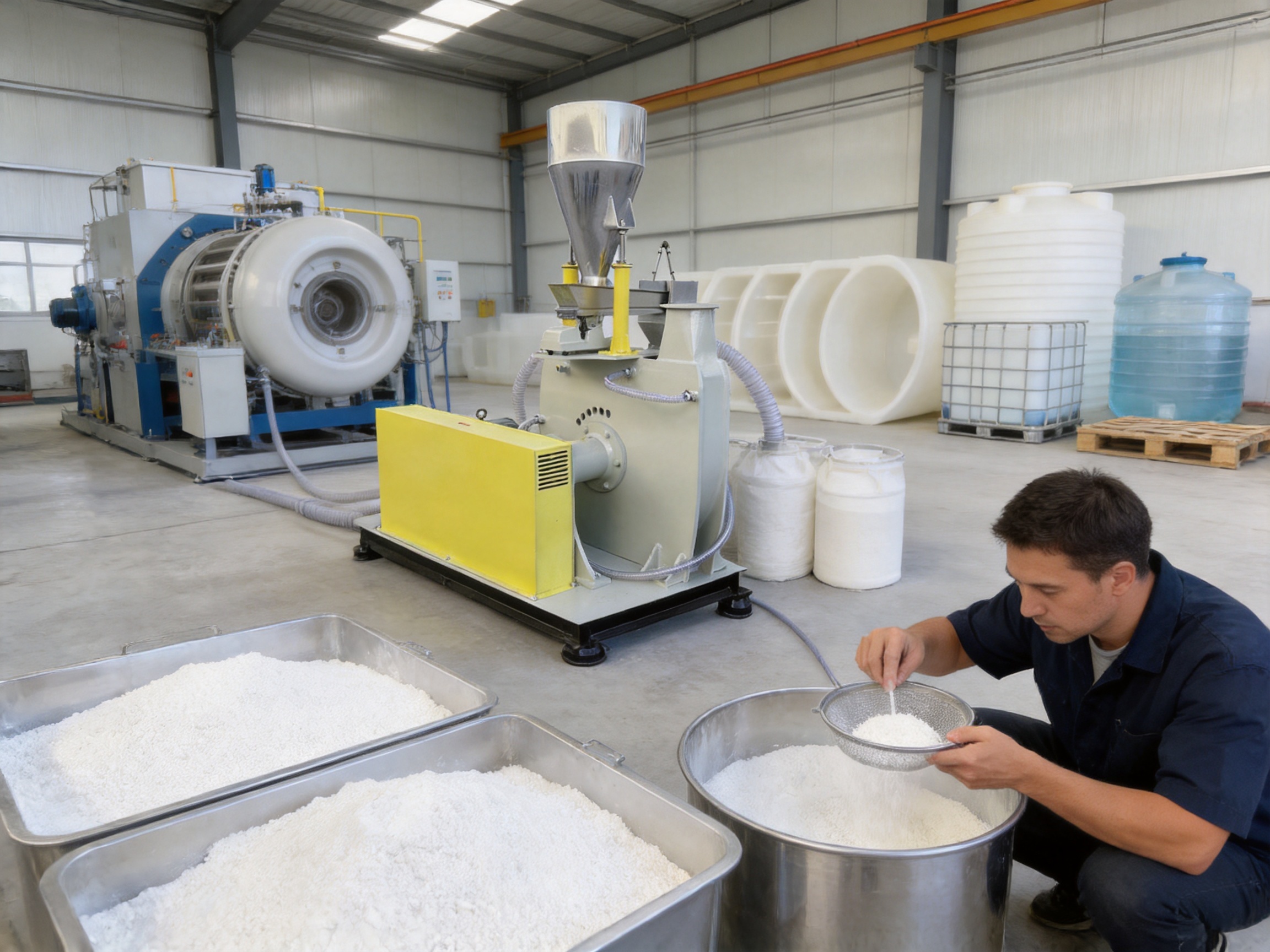
The Model 500 stands out because it balances industrial performance with manageable investment. It is not merely a laboratory grinder, and it is not as large or costly as a heavy production line. It fills the important middle position for manufacturers who need professional powder production in a compact format.
For an entry-level machine, stability is essential. A buyer choosing the first in-house pulverizer cannot afford a machine that requires constant adjustment or produces unpredictable powder. The Model 500 addresses this concern through precise disc manufacturing, dynamic balancing, cooling, airflow conveying, screening, and dust collection. These features make it more practical for real workshop use.
The machine also gives customers a path for growth. A factory may begin by producing powder for trials or limited production, then expand usage as operators gain experience. Over time, the customer can refine powder specifications, reduce outsourcing, recycle suitable scraps, and improve rotomolding quality. If production demand increases significantly, experience gained on the Model 500 can guide the selection of larger pulverizing systems.
Q&A Section
What materials is the Model 500 pulverizer mainly designed for?
It is mainly designed for PE materials used in rotational molding powder applications. It can be used for pellets, granules, and properly prepared PE regrind or scraps, depending on cleanliness, particle size, and material condition.
Is this machine suitable for small rotomolding factories?
Yes. The compact footprint, moderate power configuration, and practical output range make it suitable for small-to-medium rotomolding factories that want in-house powder production, sample preparation, or flexible formula testing.
Can it be used in a laboratory or R&D center?
Yes. It is suitable for laboratories and R&D centers that need to develop PE powder samples, test new formulations, validate color or additive systems, and prepare trial batches for rotomolding experiments.
Why is grinding disc quality so important?
The grinding disc determines cutting efficiency, powder uniformity, heat generation, and long-term operating cost. Precision-ground, wear-resistant discs help produce more consistent powder and reduce problems caused by dull or uneven cutting edges.
What is the benefit of dynamic balancing?
Dynamic balancing reduces vibration during high-speed operation. Lower vibration helps protect bearings and spindles, reduces noise, supports stable grinding gaps, and improves long-term machine reliability.
How does cooling affect PE powder quality?
Cooling helps prevent overheating during grinding. Without good cooling, PE powder may soften, stick, clump, yellow, or lose flowability. Water cooling and airflow conveying help maintain stable powder quality.
Can the machine produce very fine powder?
The achievable fineness depends on PE material grade, disc condition, feeding rate, cooling, screening, and process settings. The machine can support rotomolding powder preparation, and the final mesh should be selected according to product requirements rather than simply choosing the finest possible powder.
How does the machine help reduce production cost?
It can reduce dependence on external powder suppliers, improve material utilization, support scrap reuse, lower reject rates through more consistent powder, and reduce tooling cost through professional disc maintenance and refurbishing.
What maintenance is most important?
Key maintenance includes checking grinding disc sharpness, maintaining cooling water flow, inspecting belts and bearings, cleaning the dust collector, monitoring vibration, and keeping the feeding and conveying system clean.
Why choose this pulverizer instead of a cheaper ordinary machine?
A cheaper machine may save money at purchase but can cost more through vibration, disc wear, poor powder uniformity, overheating, dust leakage, and downtime. The Model 500 emphasizes precision manufacturing, stable operation, cooling, dust control, and long-term reliability.
Conclusion
The Model 500 PE rotomolding powder pulverizer is a compact yet professional solution for manufacturers who need stable powder production, controlled fineness, and reliable operation. It is especially suitable for small-to-medium rotomolding plants, laboratories, trial production workshops, recycling applications, and custom product manufacturers. By combining precision grinding discs, dynamic balancing, water cooling, airflow conveying, screening, and dust collection, it addresses the most important challenges in PE powder preparation.
Its competitive strength is not limited to the machine body. The advanced manufacturing foundation behind it, including precision CNC tool grinding, German dynamic balancing equipment, Japanese welding systems, European-standard component philosophy, CE certification, ISO 9001 quality management, and 30 years of plastic pulverizing experience, gives customers confidence in long-term performance. For companies seeking better powder quality, lower operating cost, improved process control, and a practical return on investment, the Model 500 provides a strong entry-level platform for professional rotomolding powder production.
References
1. Crawford, R. J., and Kearns, M. P. Practical Guide to Rotational Moulding. Smithers Rapra Publishing.
2. Strong, A. B. Plastics: Materials and Processing. Pearson Education.
3. Osswald, T. A., and Hernández-Ortiz, J. P. Polymer Processing: Modeling and Simulation. Hanser Publishers.
4. Rosato, D. V., Rosato, D. V., and Rosato, M. G. Plastic Product Material and Process Selection Handbook. Elsevier.
5. ISO 9001 Quality Management Systems: Requirements. International Organization for Standardization.
6. CE Machinery Safety Principles and Risk Assessment Guidance for Industrial Equipment.