

 English
 русский
 Español
 عربى
عربى 中文简体
中文简体
 中文简体
中文简体
Content
- 1 Why PE Rotomolding Powder Requires Precision Pulverizing
- 2 Core Product Advantages
- 3 Dynamic Balancing for Smooth and Quiet Operation
- 4 Dual Cooling and Intelligent Temperature Management
- 5 Enclosed Conveying and Dust Control
- 6 Manufacturing Strength and Engineering Capability
- 7 Applications Across Polymer Processing
- 8 Advantages Over Conventional Pulverizing Systems
- 9 Quality Control from Component to Finished Machine
- 10 Installation, Operation, and Maintenance Considerations
- 11 How the System Supports Total Cost Efficiency
- 12 Customization and Technical Support
- 13 Environmental and Workplace Benefits
- 14 Recommended Evaluation Procedure Before Purchase
- 15 Q&A
- 15.1 What materials is the 500-type pulverizer designed to process?
- 15.2 Why is DC53 steel used for the grinding discs?
- 15.3 How does precision tooth grinding affect powder quality?
- 15.4 Can worn grinding discs be reused?
- 15.5 What cooling methods are included?
- 15.6 How does the machine help prevent PE powder from sticking?
- 15.7 How is vibration controlled?
- 15.8 Is the equipment suitable for continuous production?
- 15.9 What dust-control system is used?
- 15.10 What certifications does the manufacturer have?
- 15.11 What should be checked before commissioning?
- 15.12 How can users obtain the best powder quality?
- 16 Conclusion
- 17 References
- 18 Product: 测试
In rotational molding, the quality of the powder directly influences the quality, appearance, strength, and consistency of the finished product. Particle size distribution, powder flowability, thermal behavior, surface condition, and contamination control all affect how polymer powder melts and spreads inside a mold. For this reason, a pulverizer used for polyethylene processing must do far more than simply reduce particle size. It must produce uniform powder while controlling temperature, minimizing vibration, protecting the grinding discs, and maintaining reliable operation over long production periods.
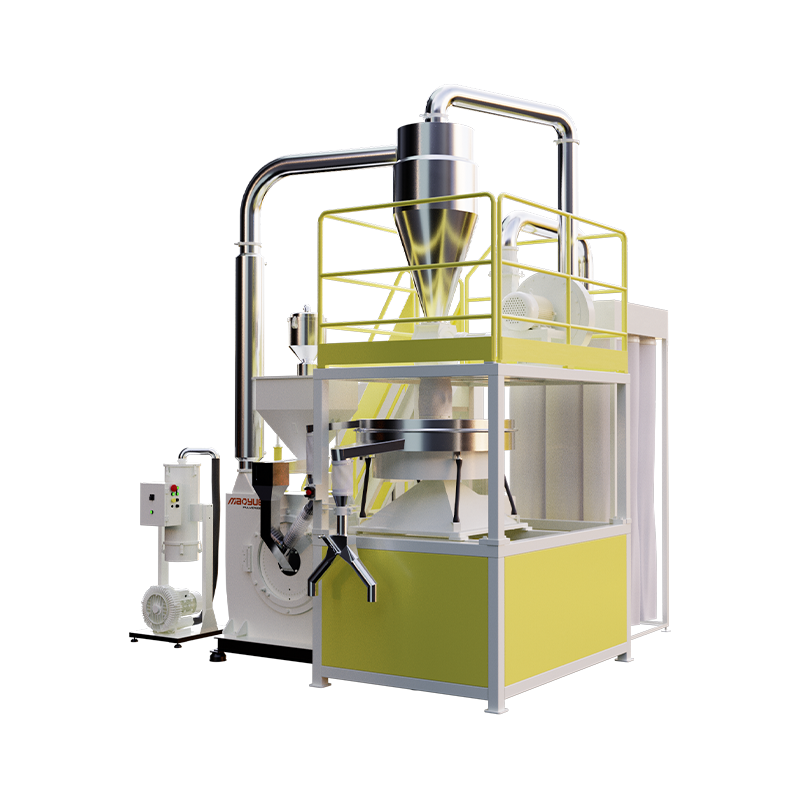
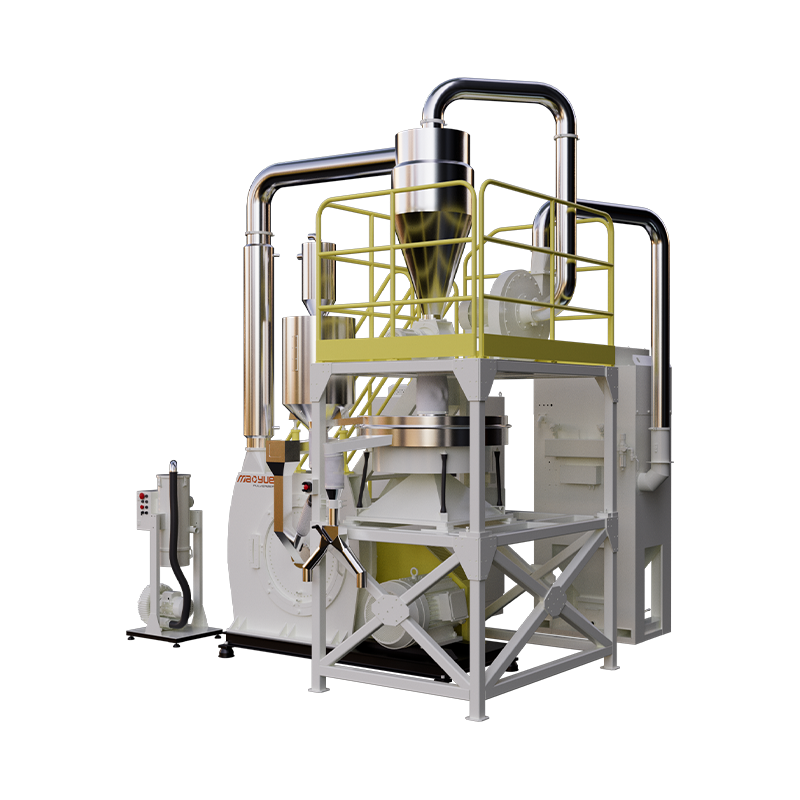
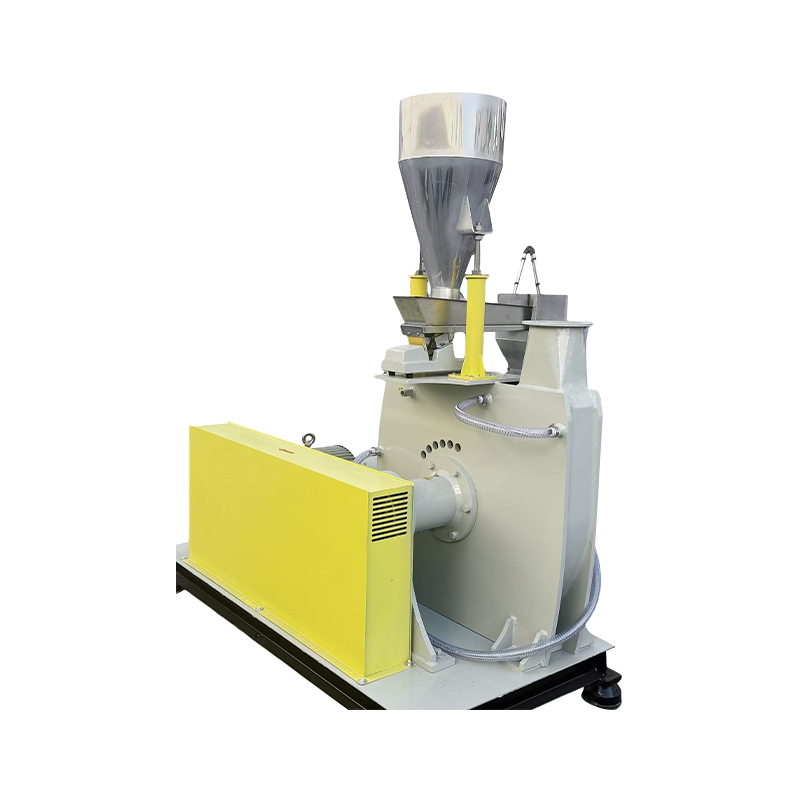
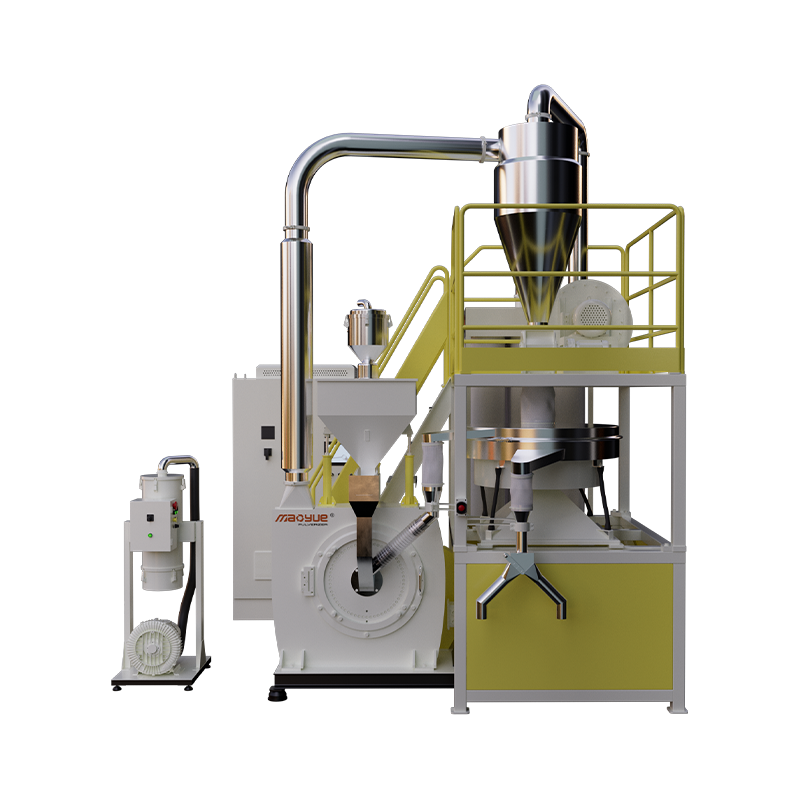
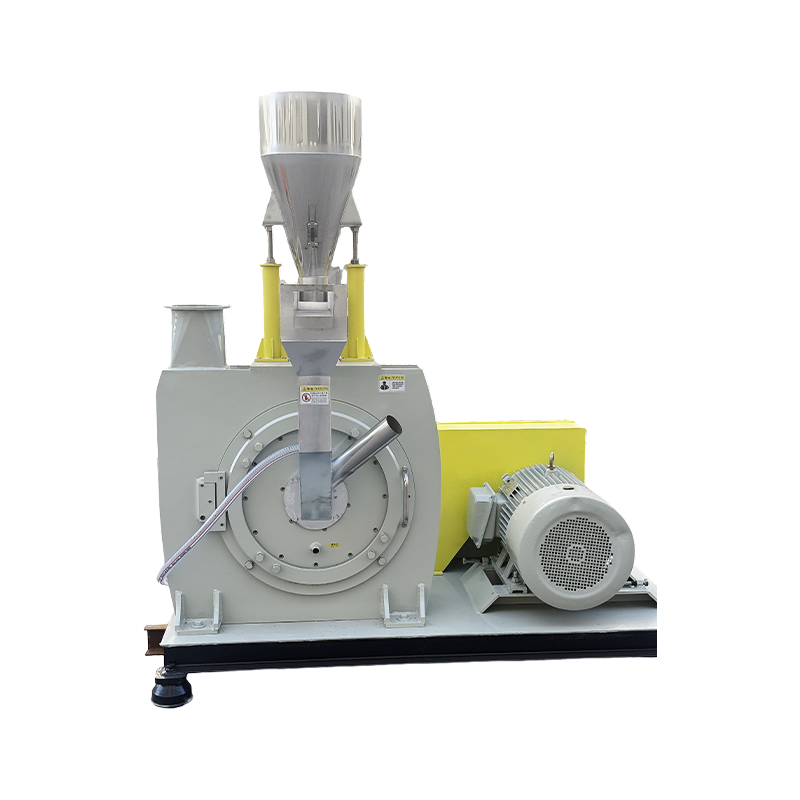
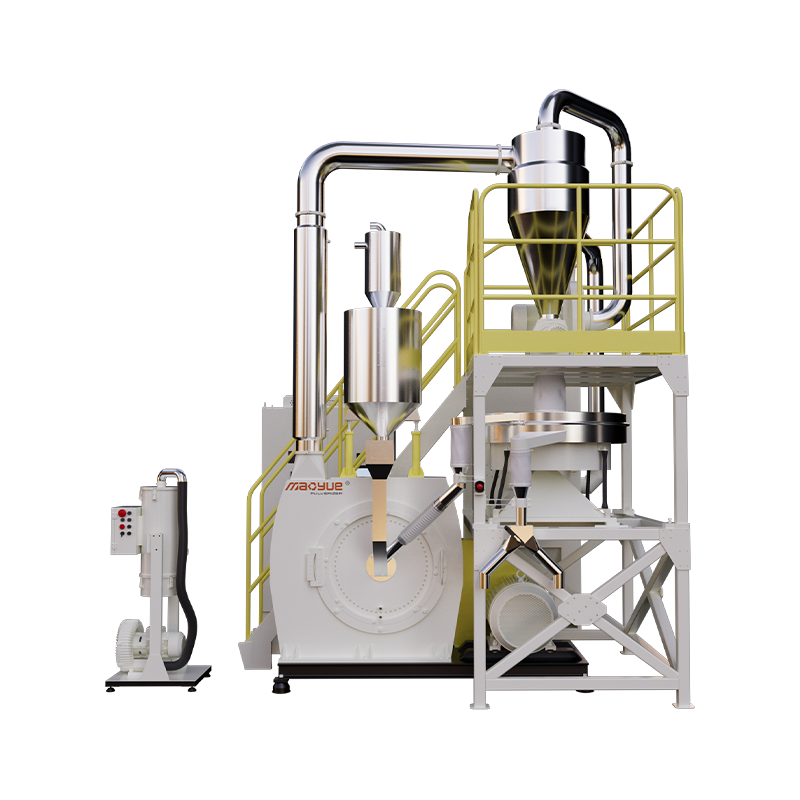
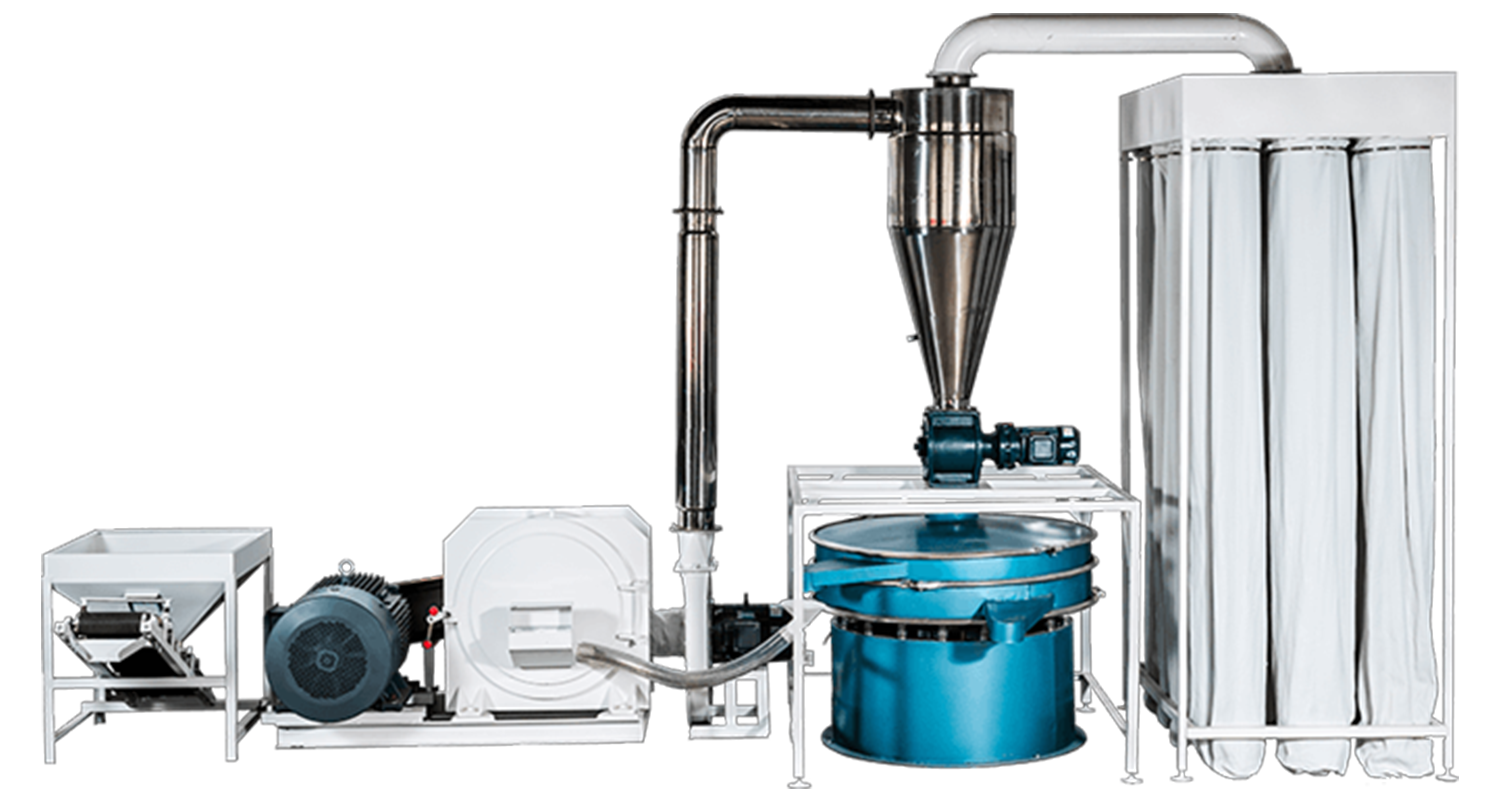
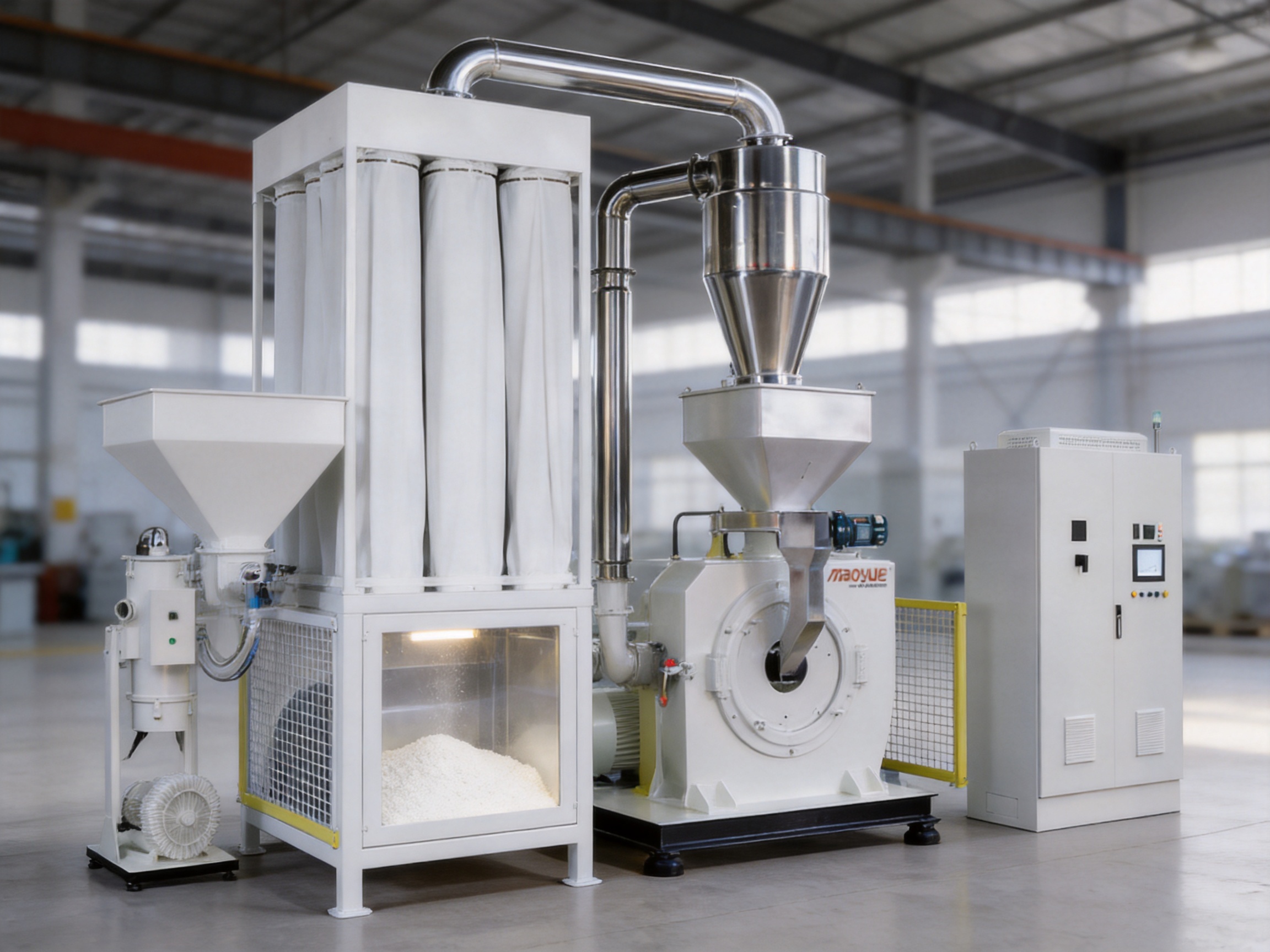
The Mao Yue 500-type PE rotomolding pulverizer is designed for these demanding requirements. It combines high-grade DC53 grinding discs, precision tooth-by-tooth machining, dynamic balancing, dual cooling, intelligent temperature control, negative-pressure conveying, and pulse dust collection in one integrated system. The result is a pulverizing solution intended for PE rotational molding powder, while also being suitable for a wider range of polymer processing applications such as masterbatch, polymer compounds, PVC, recycling, and powder coating.
Compared with conventional disc pulverizers, the machine focuses on the complete production process rather than on grinding alone. Its design addresses the main problems that can reduce powder quality: inconsistent blade geometry, excessive vibration, disc wear, overheating, material sticking, agglomeration, dust leakage, and unstable conveying. These features make it especially suitable for manufacturers seeking dependable powder quality, lower maintenance costs, improved workplace conditions, and long-term production efficiency.
测试
Why PE Rotomolding Powder Requires Precision Pulverizing
Rotational molding is a heat-based manufacturing process used to produce tanks, containers, toys, automotive components, sporting goods, agricultural products, and other hollow plastic articles. Unlike many injection molding applications, rotational molding depends strongly on the behavior of polymer powder inside the mold. The powder must spread evenly over the heated mold surface as the mold rotates. If the powder is too coarse, too fine, poorly distributed, or thermally damaged, the final product may show visible and structural defects.
Uniform particle size helps the powder melt in a predictable manner. When particles are excessively large, they may require more time to melt and can leave unmelted areas or surface irregularities. When the powder contains too many fines, it may have poor flowability, create dust, or behave differently during charging and heating. A narrow and controlled particle size distribution supports more consistent melting and improves the repeatability of the molding process.
Powder temperature is another important factor. Polyethylene can soften, stick, or degrade when exposed to excessive heat during pulverizing. Heat generated by friction may cause the material to agglomerate inside the grinding chamber. It may also lead to yellowing, reduced flowability, or changes in the polymer’s processing behavior. A pulverizer must therefore remove heat efficiently while maintaining stable operating conditions.
Vibration also has a direct effect on equipment performance and powder consistency. An unbalanced grinding disc can increase noise, accelerate bearing wear, damage the spindle, and reduce the service life of other mechanical components. In severe cases, vibration may cause unstable feeding, irregular grinding, and production interruptions. Precision balancing is therefore not merely a comfort feature; it is an important part of equipment reliability and process control.
The 500-type machine is developed around these production realities. It is intended to help PE processors obtain powder with good flowability, consistent particle characteristics, and stable quality from batch to batch.
Core Product Advantages
DC53 High-Grade Grinding Discs
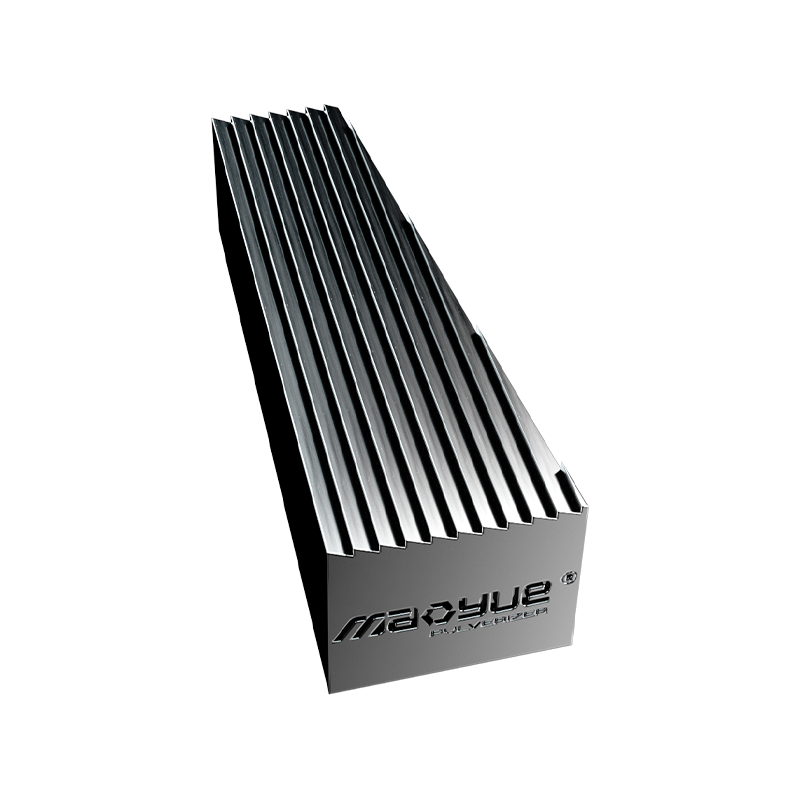
The pulverizer uses grinding discs manufactured from DC53 high-grade mold steel. The stated hardness range of the discs is HRC 62–64. DC53 is recognized for its combination of hardness, toughness, fatigue resistance, and resistance to chipping. These characteristics are important in a pulverizer because the grinding teeth are repeatedly exposed to impact, friction, thermal cycling, and continuous mechanical stress.
Traditional D2 steel discs can provide acceptable hardness, but the performance of a grinding disc depends on more than hardness alone. If a disc is too brittle, the tooth edges may chip during operation. If it is too soft, the disc may wear quickly and gradually lose its designed cutting geometry. DC53 offers a balance intended to maintain sharp working edges while reducing the possibility of premature damage.
According to the supplied product information, the DC53 discs can provide a service life approximately 1.5 to 2.5 times longer than standard discs under suitable operating conditions. Actual service life depends on the polymer formulation, contamination level, feed size, operating temperature, throughput, and maintenance practices. Nevertheless, longer disc life can reduce replacement frequency, limit downtime, and improve the total cost of ownership.
For rotational molding companies, the advantage extends beyond replacement savings. A disc that maintains its tooth geometry for a longer period can help preserve particle size consistency. When grinding teeth become rounded or damaged, the powder may become less uniform, and the equipment may require more energy to achieve the same output. Durable disc material helps support stable performance throughout the production cycle.
Precision Tooth-by-Tooth Grinding
The quality of a pulverizer disc depends heavily on the accuracy of its tooth profile. Even small differences in tooth angle, height, spacing, or edge sharpness can influence the way material enters the grinding zone. Inconsistent teeth may create irregular particle sizes, increase vibration, and generate unnecessary heat.
The manufacturing process uses imported Taiwanese professional CNC tool grinders for precision tooth-by-tooth grinding. The company operates two such units, allowing the disc teeth to be processed with a high level of repeatability. This production method is intended to achieve micron-level consistency in blade angles and working edges.
Precision machining provides several practical benefits. First, sharp and uniform edges can improve the efficiency of particle reduction. Second, consistent tooth geometry helps narrow the particle size distribution. Third, balanced grinding action reduces localized stress and heat generation. Finally, accurate disc production makes it easier to reproduce the same grinding result when discs are replaced or refurbished.
For PE rotational molding powder, these advantages can help reduce downstream defects. More uniform powder is less likely to produce rough surfaces, uneven wall thickness, visible unmelted particles, or inconsistent material coverage inside the mold. The pulverizer does not replace proper mold design, heating control, or process management, but it can provide a more stable raw material foundation for those operations.
Professional Disc Refurbishment
Grinding discs eventually become dull as a result of normal operation. Replacing every disc immediately can create significant long-term tooling expenses, especially for high-volume processors. The product system supports professional disc refurbishment, allowing worn discs to be reground and returned to service when their condition permits.
The supplied information indicates that refurbishment costs can be approximately one-quarter to one-third of the cost of new discs. The exact cost depends on the amount of wear, the condition of the disc body, the required machining work, and transportation. Professional refurbishment can nevertheless offer an economical way to extend the useful life of disc sets.
Refurbishment is valuable only when it restores the original working geometry accurately. Simple sharpening may not be sufficient if the tooth angles, spacing, or disc balance are no longer correct. With CNC grinding and post-processing inspection, the disc can be brought closer to its intended design condition. This helps users control maintenance costs without sacrificing powder quality.
A planned refurbishment program can also improve spare-parts management. Users may rotate multiple disc sets, send worn sets for service, and maintain a ready-to-install set for production continuity. This approach reduces emergency purchasing and helps prevent unplanned shutdowns during peak production periods.
Dynamic Balancing for Smooth and Quiet Operation
Every high-speed rotating component must be balanced carefully. Grinding discs are particularly sensitive because they operate under continuous rotational forces and interact with material at high speed. Even a small imbalance can produce considerable centrifugal force as rotational speed increases.
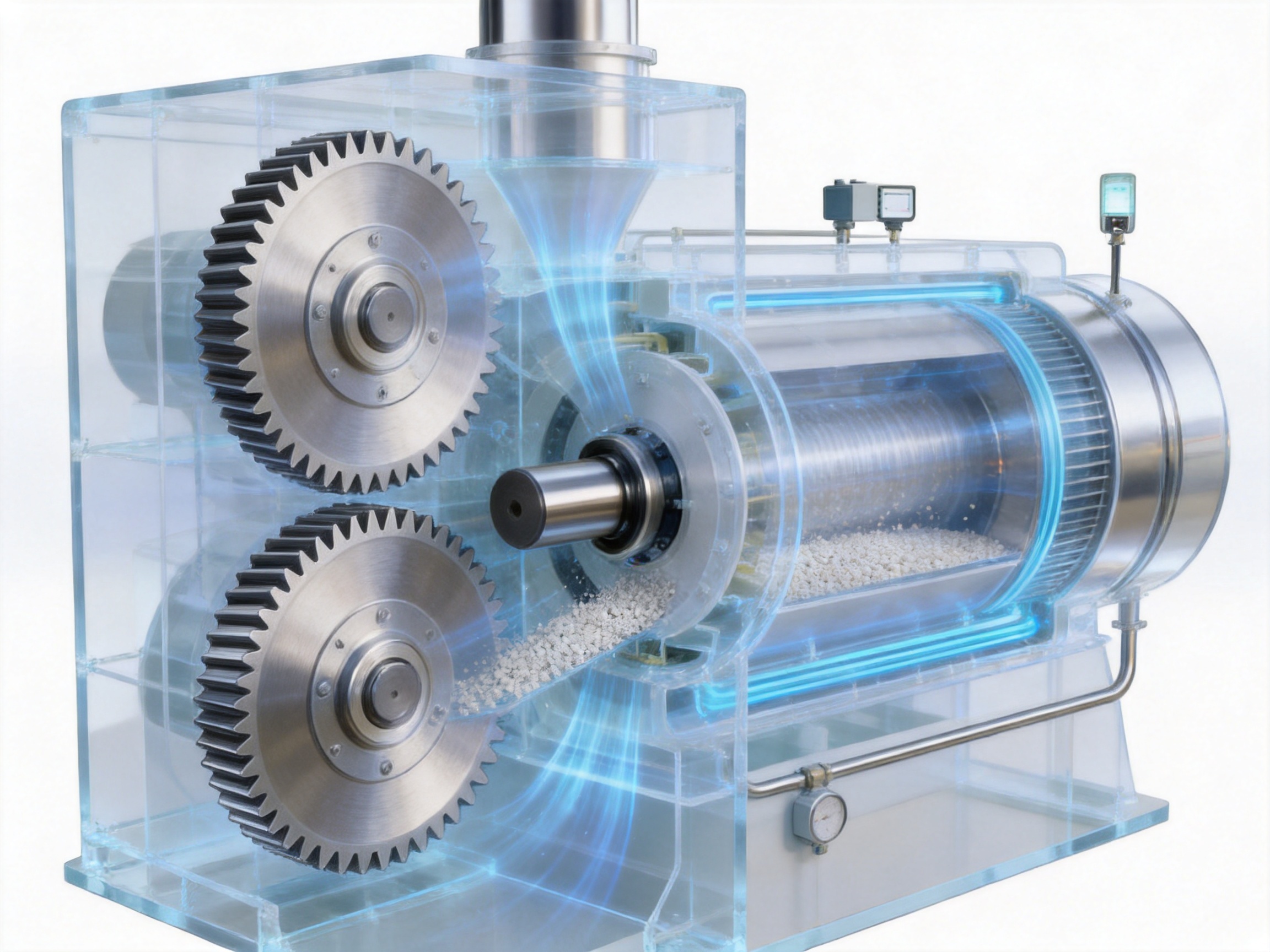
Each disc is dynamically balanced using high-precision German-imported balancing equipment. Dynamic balancing evaluates the rotating component while it is in motion and identifies both the size and location of imbalance. Corrective adjustments can then be made to improve rotational stability.
The result is designed to provide industry-leading vibration control. The equipment is promoted with a “coin-standing” stability concept, meaning that operation can be smooth enough for a coin to remain standing on the machine under suitable conditions. This comparison is intended to communicate the level of stability achieved through balancing and precision assembly.
Low vibration has several important effects. It can extend the service life of bearings, reduce stress on the spindle, protect the machine frame, and minimize loosening of fasteners. It can also reduce noise and improve the working environment. The specified operating noise level is below 85 dB, although actual noise depends on the installation room, material, feed rate, auxiliary equipment, and acoustic conditions.
Stable operation also supports powder quality. Excess vibration can change the movement of material inside the grinding chamber and cause uneven loading. A balanced system promotes more consistent contact between the material and the grinding discs. This can help maintain a stable particle size distribution over extended production runs.
For factories running multiple pulverizers, reduced vibration and noise can simplify equipment management. Operators may identify abnormal conditions more quickly because changes in sound or movement are easier to detect when normal operation is already smooth. This supports preventive maintenance and helps reduce the risk of sudden mechanical failure.
Dual Cooling and Intelligent Temperature Management
Water-Cooling Jacket
Grinding creates heat through friction and mechanical impact. In PE pulverizing, temperature management is essential because the material can soften when exposed to heat. A water-cooling jacket surrounding the grinding chamber helps remove heat from the processing zone and supports stable operation.
The cooling jacket provides a controlled heat-transfer path. Cooling water absorbs heat from the chamber wall, allowing the temperature to be reduced without directly contaminating the material. Proper water flow, clean cooling water, and regular inspection of the cooling circuit are important for maintaining performance.
Forced Air Cooling
The machine also uses forced air cooling. Air movement helps remove heat from the equipment and supports the overall thermal balance of the grinding system. Combining water cooling with forced air cooling provides two complementary cooling methods instead of relying on a single heat-removal system.
Dual cooling is especially useful when processing continuously, working with materials that soften easily, or operating in warm factory environments. The water jacket handles heat transfer around the chamber, while forced air helps manage heat around external machine components and the surrounding process area.
PLC-Based Temperature Control
Multi-point temperature sensors and PLC intelligent control are used to monitor and regulate the grinding chamber. The specified operating range is approximately 50–80°C. The purpose of this control system is to keep the process within a suitable thermal window and reduce the risk of overheating.
A PLC system can receive temperature signals, compare them with preset parameters, and control cooling functions according to operating conditions. It can also provide alarms when temperatures move outside the desired range. This is more reliable than depending exclusively on manual observation, particularly during long production runs or shift changes.
Stable temperature control helps prevent several common problems in PE powder production. These include melting inside the chamber, sticking to the discs, clumping, yellowing, poor flowability, and thermal degradation. By reducing temperature fluctuations, the machine helps maintain a more consistent powder condition.
Temperature control must be considered together with feed rate, material type, disc condition, and airflow. A machine cannot compensate indefinitely for excessive feeding, contaminated material, or improperly selected operating parameters. The best results are obtained when cooling settings and production conditions are matched to the specific polymer formulation.
| System or Feature | Function | Production Benefit |
|---|---|---|
| DC53 grinding discs | Provide a hard and tough grinding surface | Longer disc service life and reduced chipping risk |
| CNC tooth-by-tooth grinding | Maintains consistent tooth angles and sharp edges | Narrower particle size distribution and more uniform powder |
| Dynamic balancing | Corrects rotating-component imbalance | Lower vibration, lower noise, and improved bearing life |
| Water-cooling jacket | Transfers heat away from the grinding chamber | Reduced risk of sticking and thermal damage |
| Forced air cooling | Supports heat dissipation around the equipment | Improved thermal stability during continuous operation |
| Multi-point sensors and PLC | Monitors and controls process temperature | More consistent operating conditions |
| Negative-pressure conveying | Moves powder through an enclosed airflow system | Reduced leakage and cleaner material transfer |
| Pulse bag dust collector | Captures airborne powder particles | Dust capture rate above 99.9% under specified conditions |
| Disc refurbishment service | Restores suitable worn discs | Lower tooling expenditure and less waste |
Enclosed Conveying and Dust Control
Fine polymer powder can become airborne during transfer, separation, and collection. Dust leakage affects workplace cleanliness, increases housekeeping requirements, and may create occupational health concerns. It can also cause material loss and contamination of nearby equipment.
The pulverizing system uses fully enclosed negative-pressure airflow conveying. Under negative pressure, air and material are drawn through the conveying path rather than being pushed outward through possible gaps. This design helps limit powder escape around transfer points and supports cleaner operation.
The system is combined with a pulse bag dust collector. The dust collector separates fine particles from the conveying air and collects them in a controlled manner. Pulse cleaning periodically removes accumulated dust from the filter bags, helping maintain airflow and collection efficiency.
The stated dust capture rate is greater than 99.9% under specified operating conditions. Actual performance depends on filter condition, airflow, powder characteristics, sealing quality, maintenance, and correct installation. Regular inspection of filter bags, gaskets, valves, and discharge components is necessary to preserve the intended result.
Effective dust control provides benefits beyond environmental compliance. A cleaner production area reduces the amount of powder settling on motors, control cabinets, bearings, and other machinery. It can also reduce cleaning labor and improve visibility for operators. In facilities handling multiple polymer grades, controlled conveying helps limit cross-contamination between materials.
Dust collection should be treated as part of the complete pulverizing process rather than as an optional accessory. Grinding, conveying, classification, collection, and discharge must work together. If the collection system is undersized or poorly maintained, pressure may become unstable and material flow may be affected. The integrated design helps users manage these functions as one process.
Manufacturing Strength and Engineering Capability
Thirty Years of Industry Experience
Changzhou Mao Yue Intelligent Equipment Co., Ltd. is described as a source manufacturer with approximately 30 years of experience in plastic crushing and pulverizing equipment. Long-term experience in this sector provides practical knowledge of polymer behavior, disc design, cooling requirements, feeding methods, wear patterns, and customer production challenges.
The company pioneered the plastic pulverizer market and focuses on manufacturing components according to European quality standards. Its equipment is used in rotational molding, masterbatch, polymer compounds, PVC processing, PE recycling, and powder coating. This range of applications exposes the engineering team to different material properties and production requirements.
Experience is particularly important in pulverizer manufacturing because performance depends on the interaction of many variables. A machine that works well for one polymer may require different disc geometry, cooling settings, feeding conditions, or airflow for another. A manufacturer with broad application experience can provide more practical guidance when adapting the equipment to a specific material.
Six Specialized Processing Workshops
The factory operates six processing workshops, each averaging approximately 1,400 square meters. Multiple workshops allow different manufacturing activities to be organized into dedicated areas. These may include machining, welding, assembly, component processing, testing, and equipment preparation.
A structured workshop arrangement can improve production flow and help separate operations that require different working conditions. It also provides space for large equipment assembly and inspection. For customers ordering customized systems, adequate workshop capacity can support modifications to feeding, cooling, conveying, electrical control, or dust collection arrangements.
Manufacturing capacity is not only a question of factory size. Process control, equipment accuracy, operator skill, inspection discipline, and documentation all influence final quality. The factory’s investment in high-precision machinery and specialized production systems supports a more controlled manufacturing environment.
Imported High-Precision Grinding Equipment
The company uses Taiwan-imported high-precision grinding machines built to German standards. These machines support the production of grinding discs and other components requiring accurate surface and edge processing. Precision grinding is essential for maintaining disc geometry, edge condition, and repeatability.
Disc manufacturing requires careful control of material hardness, machining allowance, tooth profile, surface finish, and final balance. If any one of these elements is neglected, the disc may not deliver consistent results. High-quality grinding equipment improves the manufacturer’s ability to process these components accurately and repeatably.
German Dynamic Balancing Equipment
Dynamic balancing equipment is used to verify and correct the balance of rotating discs. This step is a key part of the production process because balance cannot be judged reliably by visual inspection alone. Dynamic testing allows the manufacturer to identify imbalance that could otherwise cause vibration during operation.
Balancing is performed after machining and before final assembly. It should also be supported by correct spindle installation, accurate bearing alignment, and proper fastening. The combination of balanced discs and careful assembly helps the finished pulverizer operate more smoothly.
Japanese Welding Systems
The factory is also equipped with Japanese welding systems. Welding quality influences the strength, dimensional stability, and service life of the machine frame, chamber, hoppers, ducts, and other fabricated parts. Consistent welding procedures can reduce distortion and improve the reliability of the finished structure.
A rigid machine frame is important for a high-speed pulverizer. It supports alignment between the spindle and grinding chamber, helps absorb mechanical forces, and contributes to vibration control. High-quality welding and fabrication therefore complement the precision work performed on the discs and rotating components.
Applications Across Polymer Processing
Rotational Molding
The primary application of the 500-type machine is PE rotomolding powder production. It is suitable for processors that require smooth powder flow, consistent particle size, and stable thermal behavior. The combination of precision discs and temperature control is intended to support the production of powder that spreads evenly during rotational molding.
Users may process virgin polyethylene, selected regrind, or formulated PE compounds, provided the feed material is compatible with the machine and properly prepared. Feed cleanliness and moisture control remain important. Metal, stones, excessive foreign matter, or unsuitable contaminants can damage the grinding discs and reduce product quality.
Masterbatch and Polymer Compounds
Masterbatch and polymer compound production may require controlled particle reduction after mixing, pelletizing, or pre-processing. The machine’s disc configuration, cooling system, and adjustable operating conditions can be considered for applications in which particle uniformity is important.
Different additives and pigments may affect grinding behavior. Some formulations are more abrasive, while others soften quickly or generate more heat. Application testing is recommended before full-scale production so that disc selection, feed rate, cooling, and collection parameters can be optimized.
PVC and Other Thermoplastics
PVC processing often requires careful control of heat because the material can be sensitive to thermal conditions. The cooling and monitoring features of the pulverizer may help users manage the temperature generated during size reduction. The correct disc design and operating settings should be selected according to the grade and formulation.
Other thermoplastics may also be processed when their physical properties fall within the machine’s suitable operating range. Materials differ in toughness, softening point, elasticity, abrasiveness, and moisture behavior. Engineering evaluation is important when processing a new polymer or a formulation containing mineral fillers and other additives.
Recycling and Reclaimed Materials
Plastic recycling applications frequently involve variable feed materials. Recycled plastic may contain labels, dirt, metal fragments, residual moisture, or mixed polymers. A pulverizer can play an important role in preparing recycled material for reuse, but pre-sorting and pre-cleaning are necessary to protect the equipment.
The durable DC53 discs and enclosed conveying design can support recycling operations where consistent powder preparation is required. However, abrasive contaminants can accelerate wear. The use of magnets, screens, washing systems, and appropriate pre-crushing equipment can improve the reliability and service life of the pulverizing line.
Powder Coating
Powder coating production requires controlled particle characteristics to support application behavior and coating quality. Pulverizing and classification must be matched to the formulation, including resin type, pigment, filler, and additive content. Temperature control is important because some coating materials can soften or agglomerate during processing.
The machine’s cooling system and enclosed collection arrangement may be considered for powder coating applications where low contamination and consistent material handling are important.
Advantages Over Conventional Pulverizing Systems
A conventional pulverizer may provide basic particle reduction, but it may not address the full range of requirements associated with modern polymer production. The 500-type machine distinguishes itself through the combination of component quality, manufacturing precision, process control, and maintenance support.
First, the DC53 grinding discs are designed to offer a stronger balance between hardness and toughness than ordinary discs made from conventional materials. This can reduce chipping and delay wear, particularly when operating conditions are demanding.
Second, tooth-by-tooth CNC grinding helps improve the uniformity of the working surface. Instead of relying on a general machining process with wider variation, the disc teeth are processed with specialized equipment for controlled geometry. This supports consistent powder production and more predictable replacement performance.
Third, dynamic balancing reduces mechanical instability. Some machines may focus on disc hardness and overlook rotating balance. The integrated balancing process helps address vibration, noise, bearing life, and spindle protection at the same time.
Fourth, the dual cooling system provides greater thermal management capability than a simple air-cooled design. Water cooling and forced air cooling work together, while multi-point sensors and PLC control help maintain the selected operating range.
Fifth, professional disc refurbishment provides an economical alternative to replacing every worn disc. This can reduce operating expenses and support a more sustainable maintenance strategy.
Sixth, the enclosed negative-pressure conveying system and pulse bag filter improve dust control. A cleaner transfer process protects workers, reduces environmental impact, and helps preserve the cleanliness of the production area.
These advantages are most valuable when considered together. A strong grinding disc alone does not guarantee uniform powder. Accurate machining without effective cooling may still result in thermal problems. A powerful motor without dynamic balance can create vibration. The product is designed as a coordinated system in which each feature supports the others.
Quality Control from Component to Finished Machine
Reliable pulverizing equipment requires quality control at several stages. Material selection should be verified before disc machining. Heat treatment must be consistent so that the final hardness and toughness meet the intended specification. CNC grinding should be monitored for tooth geometry and dimensional accuracy.
After machining, discs should be inspected for surface defects, tooth damage, dimensional variation, and balance. The spindle, bearings, chamber, cooling jacket, and frame require separate inspection before assembly. Electrical components, sensors, PLC functions, and emergency protection systems should be tested during commissioning.
Finished-machine testing should include no-load operation, vibration observation, temperature monitoring, airflow verification, dust collection checks, and material trials where applicable. These tests help identify problems before delivery and provide a baseline for future maintenance.
The company has obtained CE mechanical certification and ISO 9001 quality management system certification. CE certification indicates conformity with applicable European mechanical safety requirements within the scope of the certification. ISO 9001 indicates the use of a quality management framework. Certification does not eliminate the need for correct installation and operation, but it provides an additional reference for manufacturing and quality procedures.
Installation, Operation, and Maintenance Considerations
Installation
The pulverizer should be installed on a stable foundation capable of supporting the machine and auxiliary systems. Adequate clearance should be provided for inspection, disc removal, cleaning, and maintenance. Electrical power, cooling water, compressed air if required, and dust discharge arrangements should be prepared according to the equipment specification.
The conveying and dust collection ducts should be installed with attention to sealing and airflow resistance. Poorly sealed connections can reduce negative pressure and allow dust to escape. Incorrect duct dimensions can also affect material transport and collection efficiency.
Operation
Operators should confirm that the feed material is suitable, clean, and within the recommended feed-size range. The machine should reach stable operating conditions before full feeding begins. Temperature, current, vibration, airflow, and product appearance should be monitored during production.
Feed rate should be adjusted according to material behavior and machine load. Excessive feeding can increase temperature and reduce grinding efficiency. Insufficient feeding may cause unstable operation or poor production output. The optimal rate depends on polymer grade, particle size, moisture, formulation, and desired powder specification.
Maintenance
Routine maintenance should include inspection of grinding discs, spindle components, bearings, fasteners, seals, sensors, cooling lines, filter bags, and discharge devices. The cooling water circuit should be checked for flow, blockage, leakage, and scaling. Dust collector filters should be cleaned or replaced according to pressure-drop and operating requirements.
Disc condition should be evaluated regularly. Signs of wear may include increased power consumption, reduced output, wider particle size distribution, higher temperature, abnormal noise, or visible changes in powder quality. Early refurbishment can prevent further damage and help maintain production consistency.
Lubrication should follow the equipment manufacturer’s schedule. Bearings and other rotating components should not be over-lubricated, because excess lubricant can cause heat generation or contamination. Any abnormal vibration or sound should be investigated before continued operation.
How the System Supports Total Cost Efficiency
Purchase price is only one part of pulverizer economics. Total cost of ownership also includes disc replacement, energy use, maintenance labor, downtime, product loss, dust handling, and quality-related waste. A machine that costs slightly more initially may offer better value if it operates reliably and reduces recurring expenses.
Longer-lasting DC53 discs can reduce the frequency of replacement. Disc refurbishment can further lower tooling expenditure. Dynamic balancing can reduce wear on bearings and spindles. Stable cooling can reduce production interruptions caused by sticking or agglomeration. Dust control can reduce cleaning work and material loss.
Consistent powder quality may also generate indirect savings. If the powder produces fewer molding defects, manufacturers may reduce scrap, rework, and customer complaints. More stable powder can improve process repeatability and reduce the time required to adjust molding parameters.
Energy efficiency depends on the complete system, including motor selection, disc condition, feed rate, cooling, conveying, and dust collection. Sharp teeth and efficient grinding may reduce unnecessary mechanical work. Clean filters and correctly sized ducts help the airflow system operate as intended. Regular maintenance is essential to preserve these benefits.
Customization and Technical Support
Plastic processing companies often have different requirements for throughput, powder size, material formulation, automation level, cooling method, and collection configuration. A standard machine design may need to be adapted to fit a particular production line or factory layout.
Customization may involve feeding equipment, discharge arrangements, cooling capacity, control-panel configuration, dust collection capacity, conveying distance, material-contact surfaces, and safety protection. The correct solution should be determined through technical discussion and, when necessary, material testing.
The manufacturer’s technical team studies advanced machine technologies from countries including Germany and applies this knowledge to equipment design and production. Its experience with domestic and international customers provides a broad reference base for different applications.
Technical support should continue after delivery. Operators need guidance on commissioning, disc installation, temperature settings, cleaning, lubrication, and troubleshooting. Spare parts planning is also important for reducing downtime. A supplier that can provide disc refurbishment and replacement support offers greater continuity than a supplier that only delivers the original machine.
Environmental and Workplace Benefits
Modern polymer processing equipment must address environmental responsibility and worker protection as well as production output. Fine plastic dust should be controlled at the source. The enclosed conveying and pulse filtration system is designed to reduce airborne emissions and help maintain a cleaner workshop.
A dust capture rate above 99.9% is specified for the system under suitable conditions. To achieve the intended performance, the operator must maintain filter bags, seals, airflow, and discharge devices. Local regulations may require additional ventilation, monitoring, or protective equipment depending on the material being processed.
Noise below 85 dB is an important target for the operating environment. Actual exposure levels should be evaluated at the operator position and throughout the workshop. If required, factories may use acoustic treatment, equipment separation, hearing protection, and administrative controls.
Longer disc life and refurbishment can also support resource efficiency. Extending the service life of a disc reduces the frequency of manufacturing and disposal. Stable equipment operation may reduce rejected powder and unnecessary energy consumption caused by repeated processing.
Recommended Evaluation Procedure Before Purchase
Before selecting a pulverizer, users should define the target polymer, feed form, required powder size, expected capacity, moisture content, contamination level, and operating schedule. These factors influence disc configuration, cooling capacity, conveying design, and dust collection requirements.
A material trial is recommended for demanding applications. The trial can evaluate particle size distribution, powder flowability, temperature rise, output, power consumption, and the appearance of the processed material. For rotational molding, a molding trial can provide additional information about surface quality, wall thickness uniformity, and melting behavior.
Users should also review the maintenance plan. Important questions include how often the discs require inspection, whether refurbishment is available, what spare parts should be held locally, and how quickly technical support can be provided. These issues affect the practical value of the machine throughout its service life.
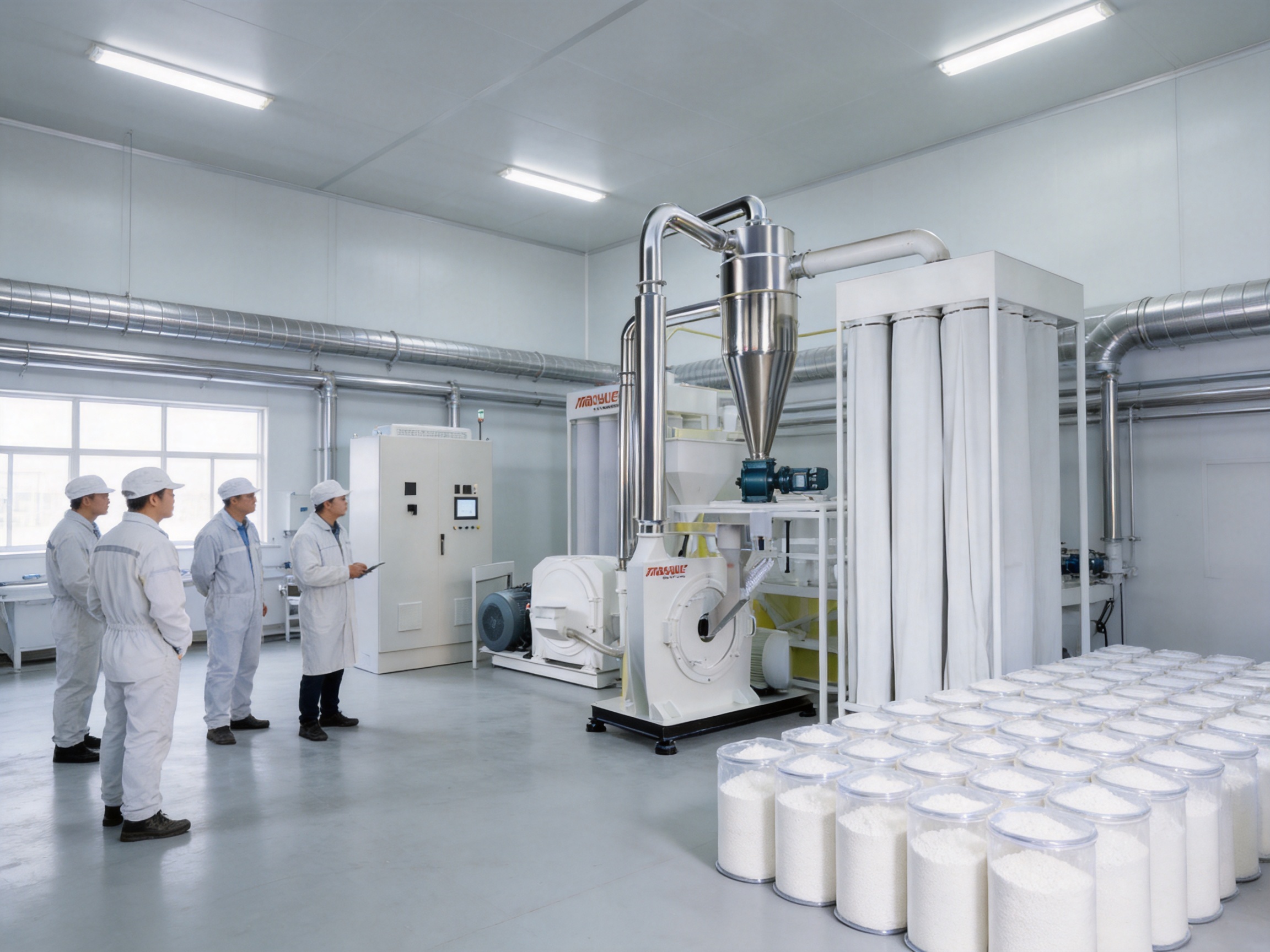
Factory layout should be considered at an early stage. The pulverizer, feeder, cooling system, conveying ducts, dust collector, electrical cabinet, and finished-powder storage area must be arranged to support safe and efficient material flow. Sufficient access for cleaning and disc replacement should be included in the layout.
Q&A
What materials is the 500-type pulverizer designed to process?
It is primarily designed for PE powder used in rotational molding. Depending on the formulation and operating conditions, it may also be used for masterbatch, polymer compounds, PVC, recycled plastics, and powder coating materials. A technical evaluation or material trial is recommended for new or highly filled formulations.
Why is DC53 steel used for the grinding discs?
DC53 provides a combination of hardness, toughness, fatigue resistance, and anti-chipping performance. The specified hardness is HRC 62–64. This combination is intended to help the disc retain its working edge while resisting damage during continuous pulverizing.
How does precision tooth grinding affect powder quality?
Consistent tooth angles and sharp edges promote more uniform grinding action. This can help narrow the particle size distribution, improve powder consistency, and reduce the risk of downstream defects related to uneven or poorly flowing powder.
Can worn grinding discs be reused?
Suitable worn discs can be professionally refurbished. The disc must be inspected first to confirm that its body and working surfaces remain suitable for regrinding. Refurbishment costs are stated to be approximately one-quarter to one-third of the price of new discs, depending on the actual service required.
What cooling methods are included?
The system includes a water-cooling jacket and forced air cooling. Multi-point temperature sensors and PLC control monitor the grinding chamber and help maintain an operating range of approximately 50–80°C.
How does the machine help prevent PE powder from sticking?
Sticking is usually related to excessive temperature, unsuitable feed conditions, material formulation, or worn grinding components. The machine addresses the temperature-related part of this problem through dual cooling and intelligent control. Correct feeding, clean material, proper disc condition, and suitable operating parameters are also necessary.
How is vibration controlled?
The grinding discs are dynamically balanced using high-precision balancing equipment. Accurate disc machining, proper spindle assembly, and a rigid welded frame also contribute to smooth operation. Reduced vibration can help protect bearings, spindles, and other mechanical components.
Is the equipment suitable for continuous production?
The machine is designed for industrial polymer processing and includes cooling, temperature monitoring, dust collection, and durable grinding components that support extended operation. Actual continuous-production capacity depends on the material, feed rate, required powder specification, and complete line configuration.
What dust-control system is used?
The machine uses enclosed negative-pressure airflow conveying together with a pulse bag dust collector. The stated dust capture rate is above 99.9% under specified conditions. Filter maintenance and correct installation are essential for maintaining performance.
What certifications does the manufacturer have?
The manufacturer has obtained CE mechanical certification and ISO 9001 quality management system certification. Customers should review the applicable certification scope and ensure that installation and operation comply with local safety requirements.
What should be checked before commissioning?
Users should check the foundation, electrical supply, cooling-water circuit, duct sealing, dust collector, emergency protection, disc installation, spindle alignment, and sensor functions. No-load testing should be completed before material feeding begins.
How can users obtain the best powder quality?
Best results depend on clean and properly prepared feed material, correct feed rate, stable temperature, sharp and balanced discs, suitable airflow, regular maintenance, and consistent operating procedures. Product testing should be used to confirm the settings for each polymer grade.
Conclusion
The 500-type PE rotomolding pulverizer is engineered as a complete powder-processing solution. Its value comes from the combination of durable DC53 grinding discs, CNC tooth-by-tooth precision grinding, professional refurbishment, dynamic balancing, dual cooling, PLC temperature control, enclosed negative-pressure conveying, and pulse dust collection.
These features address the most important challenges in PE powder production: particle inconsistency, disc wear, overheating, sticking, vibration, noise, dust leakage, and high maintenance costs. For rotational molding manufacturers, the machine is intended to support smooth powder flow, uniform melting, stable product quality, and fewer downstream defects.
The manufacturer strengthens the product with approximately 30 years of industry experience, six processing workshops, imported precision grinding machinery, German dynamic balancing equipment, Japanese welding systems, CE mechanical certification, and ISO 9001 quality management certification. Its experience across rotational molding, masterbatch, polymer compounds, PVC, recycling, and powder coating gives it a broad basis for application development.
When properly selected, installed, operated, and maintained, the pulverizer can contribute to a more reliable and efficient polymer powder production line. It is especially appropriate for customers who value long disc life, consistent particle characteristics, controlled temperature, reduced vibration, environmental protection, and long-term technical support.
References
1. Product technical information for the 500-type PE rotational molding pulverizer, supplied by the manufacturer.
2. Manufacturer information concerning DC53 grinding-disc material, hardness, disc refurbishment, and CNC tooth machining.
3. Manufacturer information concerning dynamic balancing, cooling systems, PLC temperature control, conveying, and dust collection.
4. General principles of rotational molding powder preparation and polymer particle-size control.
5. General engineering practices for high-speed rotating equipment, dynamic balancing, bearing protection, and preventive maintenance.
6. General industrial guidance concerning polymer-powder handling, dust collection, workplace cleanliness, and equipment safety.