

 English
 русский
 Español
 عربى
عربى 中文简体
中文简体
 中文简体
中文简体
Content
- 1 1. The Role of High-Capacity PVC Pulverizing in Modern Manufacturing
- 2 2. Product Overview and Main Performance Characteristics
- 3 3. High-Efficiency Grinding Structure
- 4 4. Energy Efficiency and Production Economics
- 5 5. Wear Resistance for Filled and High-Calcium PVC
- 6 6. Dual-Loop Cooling and Temperature Control
- 7 7. Industrial Construction for Long Production Shifts
- 8 8. Dust Management and Workplace Conditions
- 9 9. Applications in PVC Pipe and Profile Recycling
- 10 10. PVC Foam, Sheet, and Building-Material Production
- 11 11. Cable Sheath and Wire-Recycling Applications
- 12 12. Functional PVC Modification and High-Value Powder
- 13 13. Comparison with Smaller and Larger Pulverizer Classes
- 14 14. Advanced Manufacturing Capabilities of the Manufacturer
- 15 15. Quality Control and Certification
- 16 16. Installation and Line Integration
- 17 17. Operation and Maintenance Recommendations
- 18 18. Safety Considerations
- 19 19. Selecting the Correct Configuration
- 20 20. Return on Investment for Medium-to-Large Plants
- 21 21. Why the Model 800 Is a Strong Upgrade Choice
- 22 22. Company Strength and Customer Support
- 23 23. Frequently Asked Questions
- 23.1 Q1: What materials can the Model 800 process?
- 23.2 Q2: What is the expected production capacity?
- 23.3 Q3: Why are two disc-diameter values provided?
- 23.4 Q4: What output fineness can the machine produce?
- 23.5 Q5: How does the cooling system protect PVC?
- 23.6 Q6: Is the machine suitable for calcium-filled PVC?
- 23.7 Q7: Can the pulverizer operate continuously for long shifts?
- 23.8 Q8: Does the machine include screening and dust collection?
- 23.9 Q9: What motor and speed-control system are used?
- 23.10 Q10: What maintenance is most important?
- 23.11 Q11: Is the machine suitable for recycled cable compounds?
- 23.12 Q12: What should a buyer request before placing an order?
- 24 24. Conclusion
- 25 References
- 26 Product: Model 800 PVC High-Efficiency Energy-Saving Pulverizer
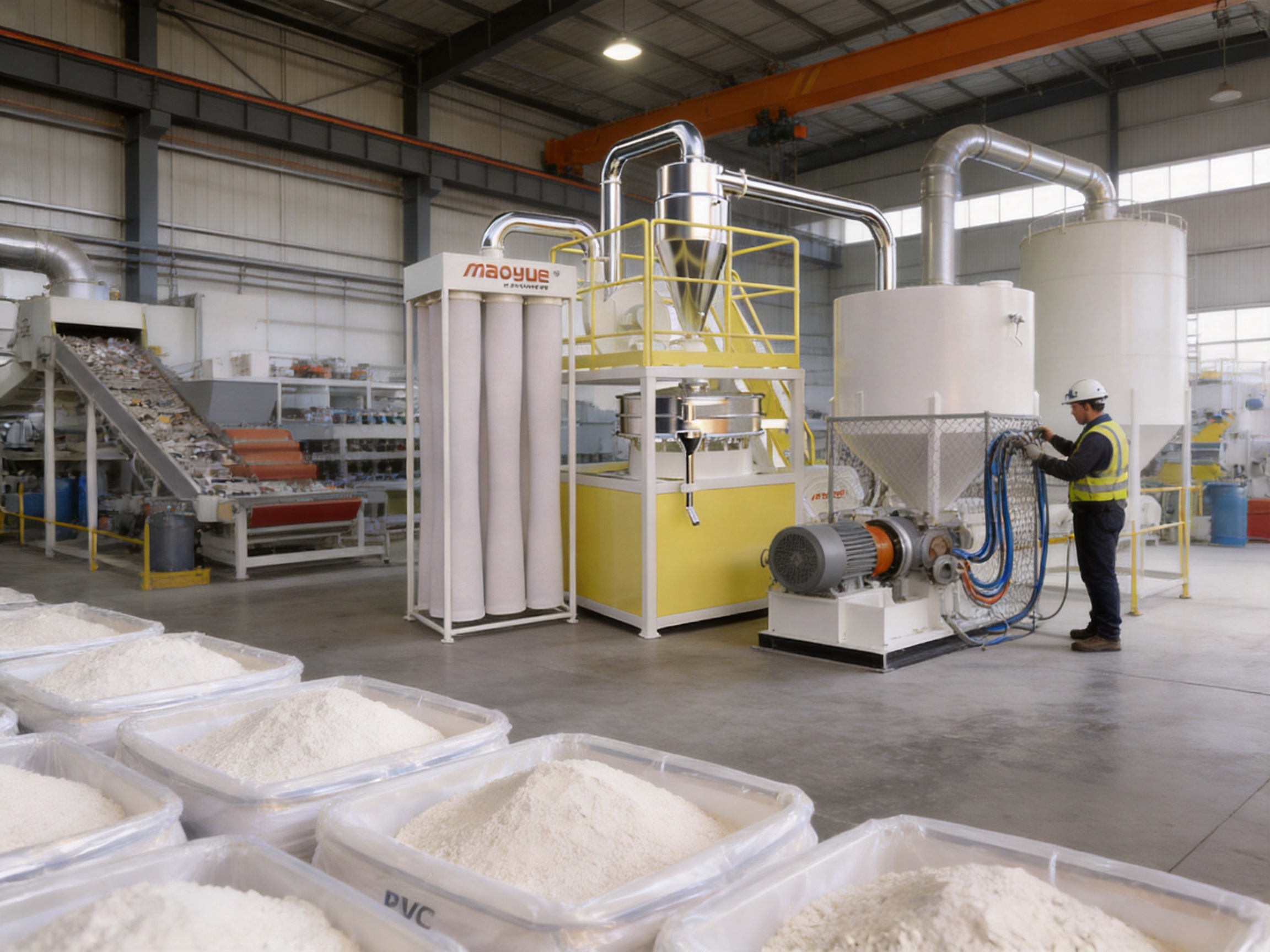
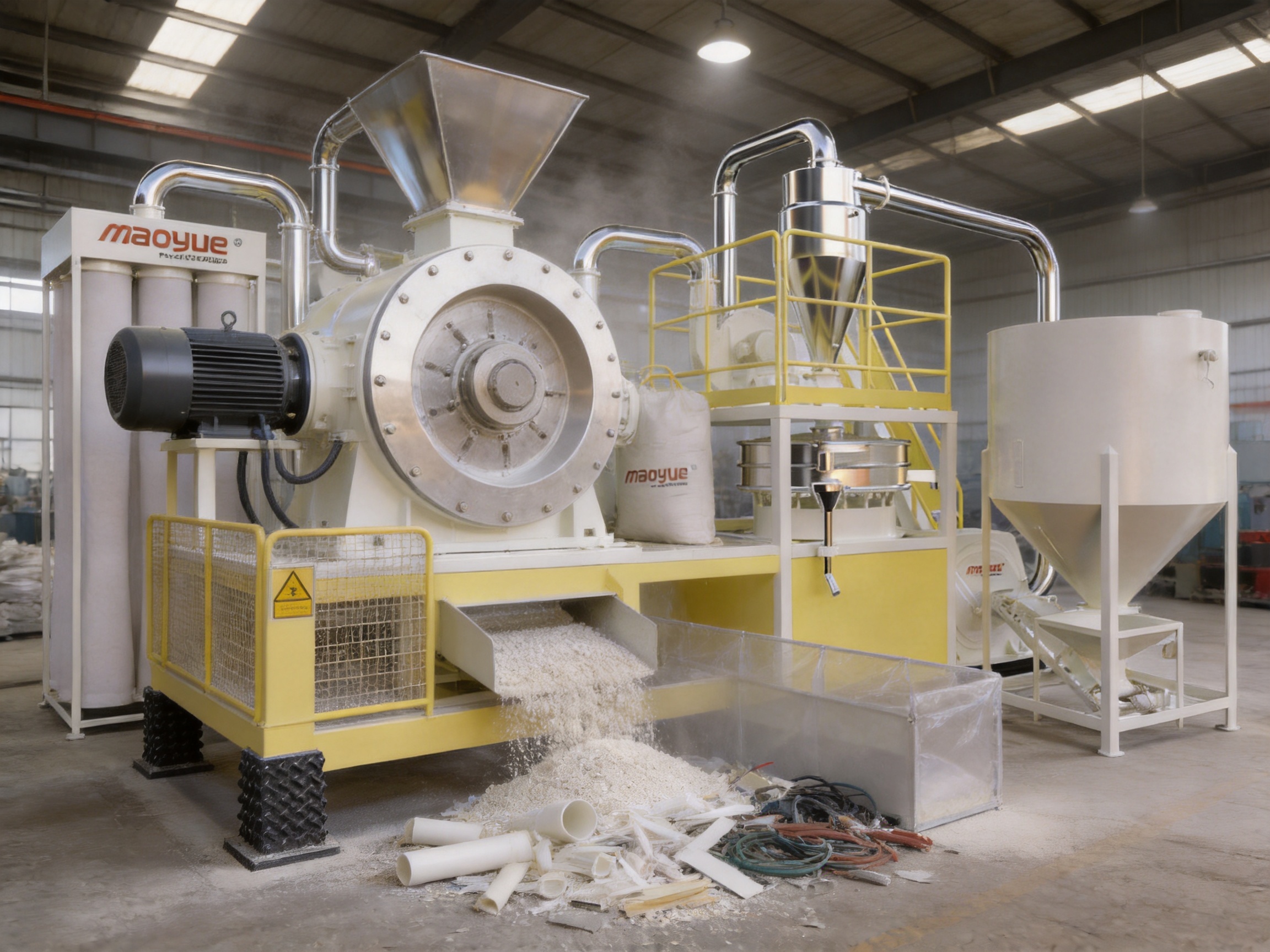
Modern PVC recycling and processing plants require more than a basic grinding machine. They need stable throughput, controlled particle size, low contamination, reliable cooling, manageable noise, and operating costs that remain predictable over many years. The Model 800 PVC High-Efficiency Energy-Saving Pulverizer is designed to address these requirements in one industrial-scale system. It is intended for medium-to-large PVC plants that need to increase capacity without sacrificing powder quality, equipment stability, or production continuity.
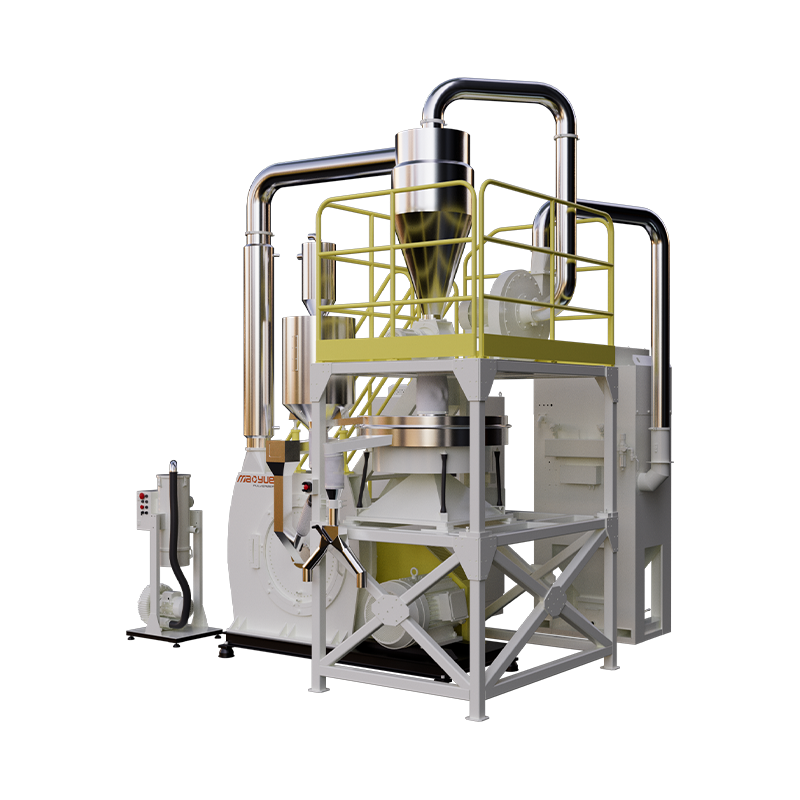
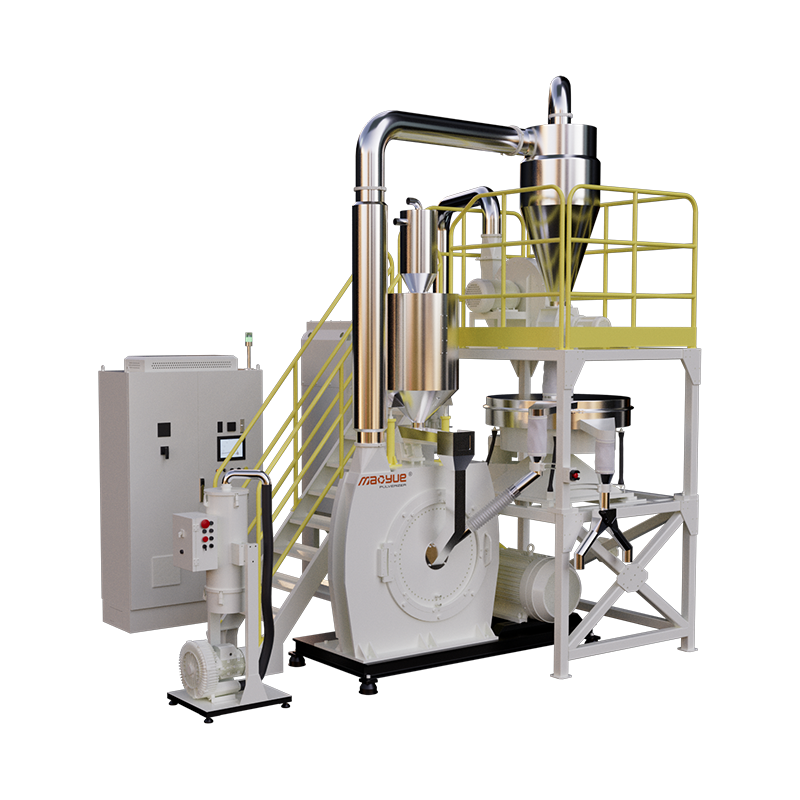
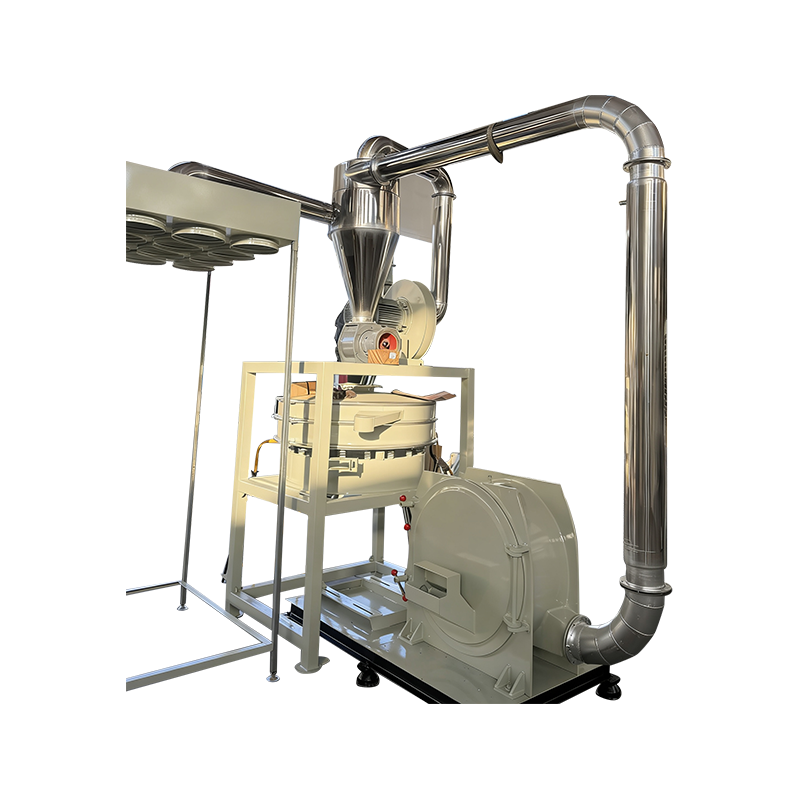
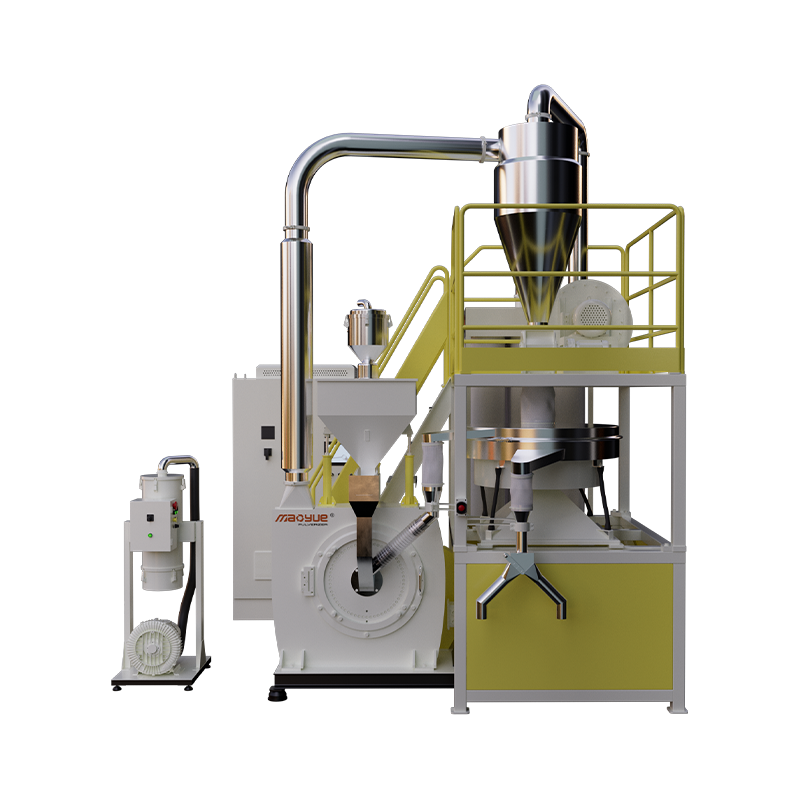
With a heavy-duty disc pulverizing structure, a main motor rated at approximately 75–90 kW, and a stated production range of about 500–800 kg/h depending on material and configuration, this model is positioned above conventional 700-class equipment in processing capability. Its high-wear-resistant alloy grinding components, high-flow cooling arrangement, inverter-based speed control, stainless-steel conveying components, and integrated screening and dust-collection options create a complete solution for large-volume PVC size reduction.
The pulverizer is especially suitable for waste PVC pipes, profiles, sheets, cable sheaths, production scraps, foam materials, and other relatively consistent PVC feedstocks. It can produce powder in a broad range of fineness, with the supplied configuration indicating approximately 10–50 mesh output. This makes the machine appropriate for recycled pipe and profile production, PVC foam sheets, decorative panels, cable compounds, and functional PVC modification.
Manufactured by Changzhou Mao Yue Intelligent Equipment Co., Ltd., the Model 800 benefits from a production background centered on plastic crushing and pulverizing equipment. The company combines European-oriented component standards with precision machining, dynamic balancing, Japanese welding systems, and factory-based assembly. The result is a machine developed for demanding industrial environments rather than occasional or small-batch use.
1. The Role of High-Capacity PVC Pulverizing in Modern Manufacturing
PVC recycling depends heavily on the quality of the powder produced after size reduction. If the powder contains excessive impurities, has an inconsistent particle-size distribution, or experiences thermal degradation during processing, downstream extrusion and compounding become more difficult. Operators may face unstable feeding, irregular melting, poor surface quality, uneven foaming, or inconsistent mechanical performance in finished products.
A high-capacity pulverizer must therefore perform several functions at the same time. It must reduce material to the required fineness, maintain a stable grinding temperature, resist abrasive fillers, prevent powder agglomeration, and provide continuous discharge. It must also withstand vibration and repeated thermal and mechanical loads during long production shifts.
These challenges become more serious when the feedstock contains calcium carbonate, mineral fillers, pigments, stabilizers, or metallic contaminants. High-filler PVC can wear ordinary grinding discs quickly. Heat-sensitive PVC can scorch or soften if cooling is inadequate. Long production runs can expose weaknesses in bearings, belts, shaft alignment, fans, and structural supports.
The Model 800 addresses these operating conditions through a combination of disc size, motor power, shear-based grinding geometry, alloy wear parts, cooling circulation, temperature monitoring, and industrial-grade supporting equipment. Instead of relying on a single feature, the machine is designed as a coordinated system in which the grinding chamber, cooling circuit, airflow, screening unit, and dust collector work together.
2. Product Overview and Main Performance Characteristics
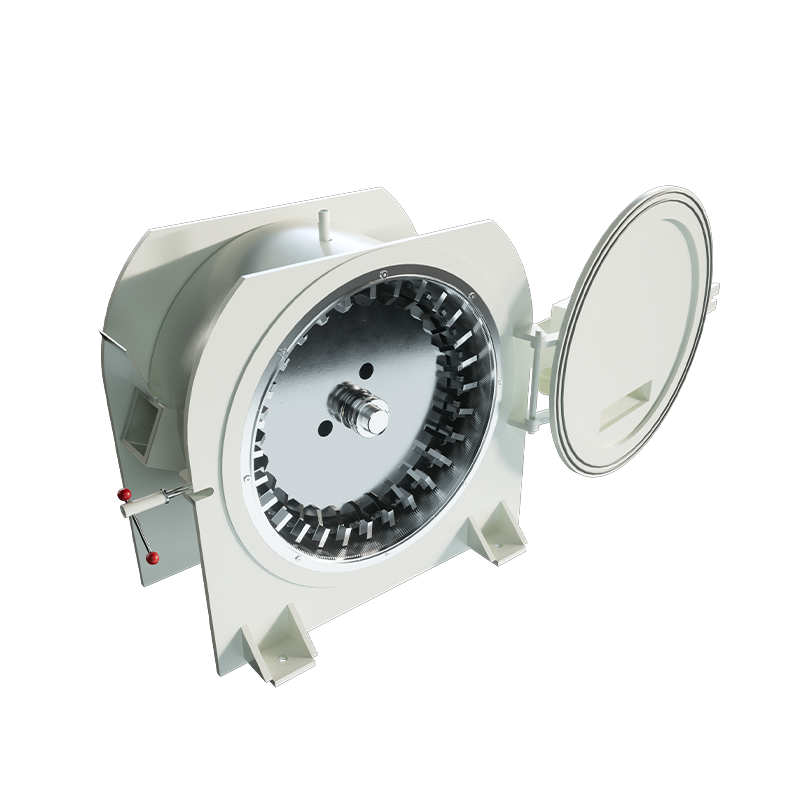
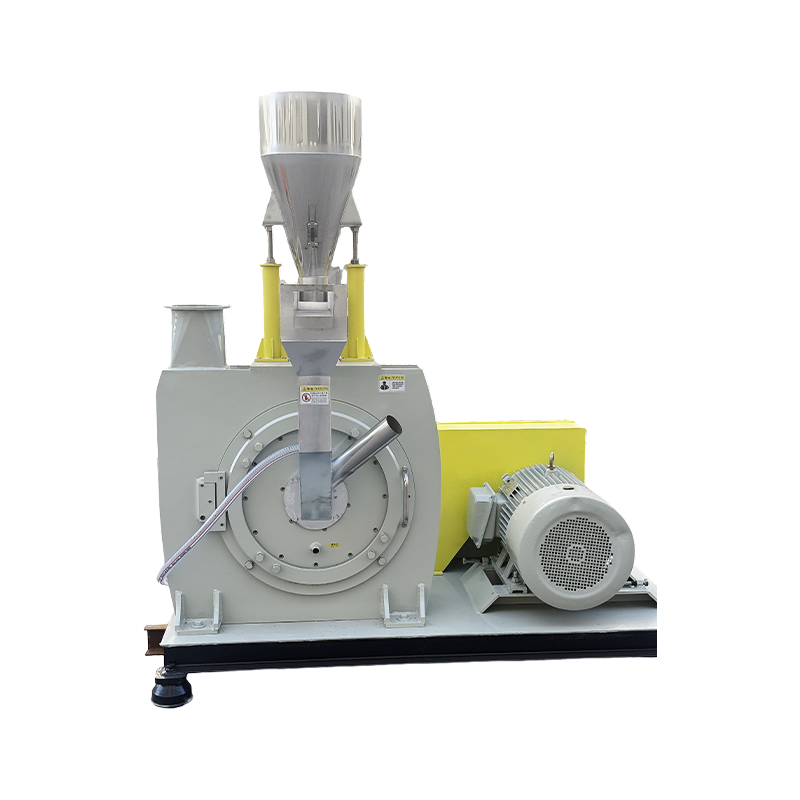
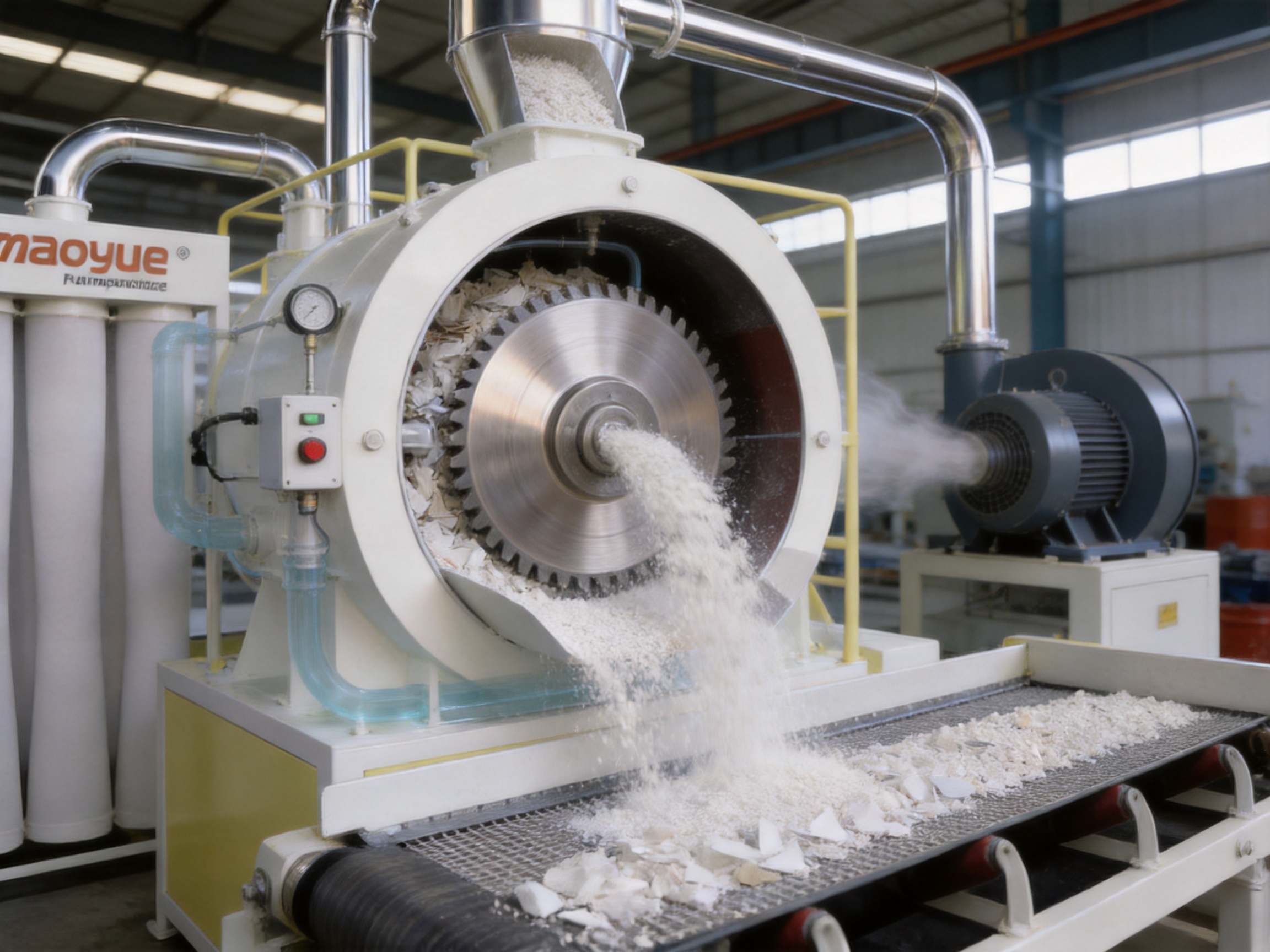
The Model 800 is a disc-type PVC pulverizer intended for high-throughput applications. Its design provides a substantial grinding surface and a multi-layer shear effect. Material entering the grinding chamber is subjected to repeated cutting, impact, and friction between the rotating and stationary disc surfaces. The process progressively reduces the feedstock until the desired particle size is reached.
The supplied product information describes a disc diameter of approximately 800 mm and a main motor range of 75–90 kW. The technical table lists a 660 mm disc diameter, a 75 kW drive motor, and a capacity of 400–650 kg/h. These values may represent different configurations, production versions, or operating conditions. Actual capacity depends on disc specification, material composition, moisture, feed size, filler content, target mesh, cooling performance, and the selected motor.
For this reason, buyers should confirm the final technical configuration with the manufacturer before ordering. The machine can be engineered or configured for a particular PVC formulation and output requirement. When comparing quotations, it is important to compare the actual grinding-disc diameter, motor rating, target fineness, cooling system, screening arrangement, and guaranteed throughput rather than comparing model numbers alone.
Item | Supplied Specification | Application Notes |
Machine type | Model 800 PVC pulverizer | Industrial disc pulverizing system |
Disc diameter | Approximately 660–800 mm depending on configuration | Confirm final design before purchase |
Main motor | 75 kW listed; approximately 75–90 kW range described | Selected according to feedstock and throughput |
Capacity | Approximately 400–650 kg/h in the technical table; up to 500–800 kg/h in the product description | Actual output depends on material and mesh size |
Output fineness | 10–50 mesh | Adjustable according to process requirements |
Speed control | Inverter | Supports process adjustment and controlled starting |
Grinding-disc material | High-chromium alloy | Designed for improved wear resistance |
Blower motor | 11 kW | Supports pneumatic conveying and cooling airflow |
Cooling | Water cooling with inlet and outlet circulation | Helps control grinding temperature |
Vibrating screen | Approximately 1,200 mm diameter, 1.5 kW motor | Used for classification and removal of oversize material |
Pipe material | Stainless steel | Improves cleanliness and corrosion resistance |
Dust-collector bag diameter | 300 mm | Supports dust-control integration |
The model is therefore best understood as a configurable industrial platform. Its performance should be evaluated through a complete process trial using the customer’s actual PVC waste, rather than by relying only on nominal catalog figures.
3. High-Efficiency Grinding Structure
3.1 Heavy-Duty Multi-Layer Shear Action
The central advantage of a large disc pulverizer is its ability to expose material to repeated mechanical action over a broad grinding area. The Model 800 uses a heavy-duty multi-layer shear structure that promotes efficient size reduction. Rather than depending only on impact, the grinding process combines shearing, friction, and controlled pressure between the discs.
This structure is valuable for PVC because different feedstocks behave differently during pulverizing. Rigid pipe and profile scrap requires strong cutting and impact resistance. Flexible cable sheath material requires stable feeding and effective dispersion. Filled PVC may require higher mechanical energy while also creating more wear. A multi-layer grinding arrangement provides greater flexibility across these materials.
Large-diameter discs can also support higher throughput because they provide a greater working area. When the machine is properly matched to the feedstock, more material can pass through the grinding zone during each rotation. This helps the Model 800 achieve a stated production improvement of approximately 50–70 percent over the 700 model under comparable conditions.
3.2 Stable Particle-Size Production
Particle-size consistency is essential in downstream PVC processing. Recycled powder that contains too many coarse particles can create feeding and melting problems. Excessively fine powder may increase dust, affect bulk density, or alter the processing behavior of a formulation. The Model 800 is designed to produce a controlled range of approximately 10–50 mesh, depending on the disc setting, screen configuration, feedstock, and operating speed.
The integrated vibrating screen provides an additional classification step. Oversize particles can be separated from acceptable powder and returned to the grinding process or handled according to the plant’s layout. This improves the consistency of the final material and reduces the risk that large particles will enter extrusion, calendaring, injection molding, or compounding equipment.
For high-value PVC applications, stable particle size can reduce variation in powder feeding and improve the predictability of melting and dispersion. It can also support more uniform foaming, smoother surfaces, and improved product appearance in sheet and profile production.
4. Energy Efficiency and Production Economics
Energy efficiency in a pulverizing line should not be judged only by the rated motor power. A machine with a large motor can still be economical if it processes more material per hour, requires fewer interruptions, and consumes fewer replacement wear parts per ton of output. The Model 800 is designed around this broader concept of energy-saving production.
Its high-throughput grinding chamber allows more material to be processed during a fixed operating period. The machine’s multi-layer shear structure aims to use mechanical energy efficiently, while the inverter allows operators to adjust speed according to the material and required fineness. A suitable speed setting can help balance production rate, particle size, temperature, and power consumption.
High-flow cooling is also important for energy performance. Excessive heat can soften PVC and make it adhere to the disc, reducing throughput and increasing the energy needed to clear the grinding chamber. It can also force operators to stop the line for cleaning or lower the feed rate. By controlling temperature during operation, the cooling system helps maintain productive use of the installed motor power.
The supplied product description identifies the machine as a medium-to-high investment with strong long-term return potential. This assessment is based on several factors: higher output, long service life of wear parts, reduced downtime, lower labor intensity, and the ability to support higher-value recycled and modified products. For plants processing 15–20 tons per day, these benefits can have a meaningful effect on the cost per ton.
Actual energy consumption will vary according to material hardness, filler content, moisture, feed size, target mesh, operating speed, and line configuration. A responsible evaluation should therefore compare kilowatt-hours per ton, not only motor nameplate ratings.
5. Wear Resistance for Filled and High-Calcium PVC
Grinding-disc wear is one of the most important operating costs in PVC pulverizing. Calcium carbonate and other mineral fillers can be highly abrasive. If the grinding surface wears unevenly, the particle-size distribution may change, capacity may decline, and vibration may increase. Frequent replacement also causes maintenance downtime and increases the cost of ownership.
The Model 800 uses high-chromium alloy grinding discs or blades according to the supplied technical information. These components are intended to resist abrasive wear during the processing of high-filler and high-calcium PVC. The product description indicates a service life of approximately 1,000–1,500 operating hours under suitable conditions.
Wear life is always influenced by the material being processed. Clean rigid PVC may produce a different result from heavily filled cable sheath, construction scrap containing dust, or material with hidden metal contamination. Proper pre-sorting, iron removal, feed-size control, and routine inspection are therefore essential to achieving the expected service interval.
The stated feeding method includes iron-removal tie feeding. This reflects the importance of removing ferrous contamination before it enters the grinding chamber. Even a small metal fragment can damage disc surfaces, cause abnormal vibration, or create a serious safety hazard. A complete recycling line should include appropriate magnetic separation and inspection before pulverizing.
Longer wear-part life provides more than a direct replacement saving. It helps maintain the original grinding geometry for a longer period, supports more consistent powder quality, and reduces the number of planned shutdowns. For large plants operating multiple shifts, these advantages can be more valuable than the purchase price difference between standard and premium grinding components.
6. Dual-Loop Cooling and Temperature Control
Thermal control is critical when pulverizing PVC. Mechanical energy is converted into heat during friction and shear. If heat accumulates too quickly, the material may soften, stick to the grinding discs, scorch, or form agglomerates. Thermal degradation can also affect the color, odor, melt behavior, and final performance of recycled PVC.
The Model 800 incorporates water cooling with an inlet and outlet circulation path. The product description further refers to a dual-loop, high-flow cooling arrangement and AI-assisted temperature control. Where this control package is included in the final configuration, sensors and control logic can assist operators in monitoring temperature and adjusting operating conditions before the material reaches a problematic level.
Cooling water should be managed as part of a complete process. The inlet temperature, flow rate, water cleanliness, heat-exchange capacity, and return temperature all influence results. A plant should provide suitable water treatment and filtration where necessary, and it should inspect hoses, valves, pumps, and connections regularly.
Effective cooling prevents several common problems. It reduces the possibility of plate adhesion, minimizes powder agglomeration, and supports continuous high-capacity production. It also allows the machine to operate closer to its intended throughput without forcing operators to stop frequently for cooling or chamber cleaning.
Temperature control is particularly valuable for PVC foam and sheet applications. These products require powder with good flowability and consistent processing behavior. Powder that has partially melted or scorched during grinding can create defects during foaming, including uneven cell structure, dark spots, surface roughness, and inconsistent wall thickness.
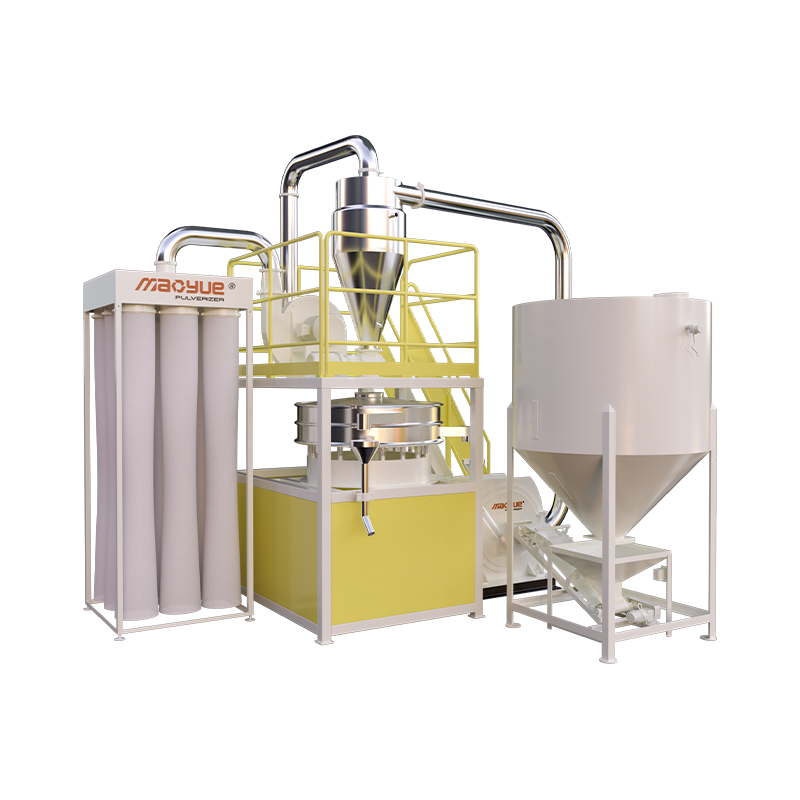
Model 800 PVC High-Efficiency Energy-Saving Pulverizer
7. Industrial Construction for Long Production Shifts
The Model 800 is designed for plants that may operate for 16 hours or more per day. Such a duty cycle places demands on the frame, bearings, shafts, belts, cooling circuit, electrical controls, and dust-handling equipment. Industrial reliability therefore depends on the combined quality of many components rather than the grinding disc alone.
Heavy-duty vibration damping helps reduce the transmission of mechanical vibration into the supporting structure. This is important because persistent vibration can loosen fasteners, accelerate bearing wear, disturb electrical connections, and affect the service life of nearby equipment. Proper installation on a level foundation remains necessary, but an appropriate damping structure provides an additional layer of protection.
Imported NSK bearings are listed in the technical information. Reliable bearings are essential for maintaining shaft alignment and smooth rotation under high loads. Bearing selection should be matched with correct lubrication, sealing, installation tolerances, and maintenance intervals. Even high-quality bearings can fail prematurely if exposed to excessive dust, poor alignment, or inadequate lubrication.
The machine also includes low-noise fans and is described as maintaining noise below approximately 88 dB under the stated operating conditions. Noise levels depend on installation, room acoustics, airflow, material impact, and the condition of rotating components. Operators should still use suitable hearing protection and conduct a site-specific noise assessment.
Stainless-steel piping is another practical feature. Stainless components can improve cleanliness, resist corrosion from moisture or process residues, and simplify visual inspection. This is particularly useful in recycling plants where dust and fine powder can accumulate on conveying surfaces.
The 11 kW blower supports pneumatic movement of pulverized material and airflow through the processing system. Correct blower selection and duct design are important because inadequate airflow can restrict discharge, while excessive airflow can increase dust loading or carry acceptable powder into the collector unnecessarily. The final line should be balanced according to the material’s bulk density and desired separation behavior.
8. Dust Management and Workplace Conditions
PVC pulverizing generates fine particles that must be controlled for product quality, equipment cleanliness, and worker safety. Dust can settle on electrical cabinets, bearings, motors, and ventilation components. It can also contaminate other materials stored nearby. An integrated dust-collection arrangement helps maintain a cleaner production environment and improves material recovery.
The supplied specification lists a dust-collector bag diameter of 300 mm. The exact dust-collection capacity, filter area, filtration grade, and discharge arrangement should be selected according to the intended throughput and local regulations. The collector should be inspected regularly to prevent filter blockage and excessive pressure loss.
Good dust control begins before the collector. Sealed transfer points, properly fitted access doors, correctly designed ducting, and stable airflow all contribute to performance. Operators should avoid opening the grinding chamber while dust remains suspended and should follow lockout and cleaning procedures.
For plants handling large volumes of recycled PVC, dust management also supports product purity. If powder escapes into the surrounding environment, it may be lost as saleable material. It may also mix with other polymer powders, metal particles, or foreign substances. Controlled conveying and collection help preserve both yield and quality.
9. Applications in PVC Pipe and Profile Recycling
Large-scale pipe and profile recycling is one of the principal applications for the Model 800. Waste construction PVC often includes discarded water pipes, drainage pipes, window profiles, door frames, offcuts, and production scrap. After sorting, metal removal, and preliminary crushing, these materials can be processed into a consistent powder for use in recycled PVC manufacturing.
The Model 800 is suited to centralized processing because its capacity can support a daily output of approximately 15–20 tons when operated for extended shifts and matched with suitable upstream and downstream equipment. The actual daily production depends on operating hours, material supply, maintenance stops, moisture, feed preparation, and the selected mesh size.
Powder from properly prepared profile and pipe waste can be directed to recycled extrusion lines. Consistent particle size improves feeding into mixers and extruders, while controlled temperature during grinding helps preserve the usable properties of the PVC. Low contamination is especially important when the recycled powder is intended for visible profiles, structured products, or applications with defined mechanical requirements.
A complete recycling process may include sorting, shredding, magnetic separation, pre-crushing, pulverizing, screening, dust collection, storage, and blending with virgin resin or additives. The Model 800 serves as the fine-size-reduction core of this system. Its performance is strongest when the upstream equipment supplies a relatively uniform feed size and the downstream equipment is sized to receive the pulverizer’s output.
10. PVC Foam, Sheet, and Building-Material Production
PVC foam sheets, thick-walled panels, decorative boards, and other building materials require powder with stable flow, controlled fineness, and limited thermal damage. Variations in powder quality can influence mixing, plasticization, foaming, surface appearance, and final wall thickness.
The Model 800 supports these applications by combining fine grinding with screening and temperature control. The goal is to produce powder with a narrow particle-size distribution, good flowability, and minimal scorching or agglomeration. Such characteristics can help downstream processing lines achieve more uniform foaming and more consistent mechanical properties.
For large building-material enterprises, the pulverizer can contribute to a closed-loop manufacturing model. Waste board edges, rejected profiles, production trim, and other PVC scrap can be converted into usable powder and returned to a controlled formulation. This reduces disposal requirements and may lower dependence on externally purchased recycled material.
Recycling internally generated scrap is usually easier to control than processing mixed post-consumer waste because the material composition is more consistent. The Model 800 can be used in either situation, but mixed waste requires more rigorous sorting and contamination control. Operators should verify that additives, pigments, fillers, and other polymers are compatible with the intended final product.
11. Cable Sheath and Wire-Recycling Applications
PVC cable sheaths and wire scraps often contain high levels of fillers and additives. They may also include residual metal, insulation layers, and composite structures. After effective stripping and separation, the PVC fraction can be pulverized for use in recycled cable compounds or other molded and extruded products.
The Model 800’s wear-resistant grinding components are valuable in this application because high-filler cable PVC can produce significant abrasion. The cooling system helps limit heat buildup, which is important when the material contains flexible components that may otherwise soften and adhere to the grinding surfaces.
Fine and uniform powder can improve dispersion in downstream compounding. Reduced contamination supports more stable electrical performance, while improved flowability assists automatic feeding. The final product suitability depends on the quality of metal separation, the formulation of the original cable sheath, and the requirements of the recycled compound.
For cable recycling plants, the pulverizer should be integrated with metal separation equipment capable of removing both ferrous and non-ferrous contaminants where necessary. A pulverizer alone cannot correct poor separation upstream. The best results come from combining material identification, stripping, sorting, magnetic separation, eddy-current separation where appropriate, and final screening.
12. Functional PVC Modification and High-Value Powder
Not all PVC pulverizing applications focus only on bulk recycling. Some manufacturers use pulverized PVC as a base for functional composite materials. These may include flame-retardant compounds, impact-modified materials, weather-resistant profiles, chemically resistant products, automotive interior components, fireproof panels, and electronic enclosures.
In these applications, powder purity and consistency are particularly important. The supplied product information refers to impurity levels below 80 ppm in suitable production conditions, along with strong particle-size consistency and limited melt-index variation. These figures should be confirmed through customer-specific testing and quality-control procedures, but they illustrate the intended high-value positioning of the machine.
Functional modification requires precise dosing of stabilizers, impact modifiers, flame retardants, pigments, and other additives. If the base PVC powder varies substantially in fineness or contains foreign matter, the formulation may not disperse evenly. A stable pulverizing process provides a more predictable starting material for intensive mixing and compounding.
The Model 800 can therefore support a shift from low-value waste processing toward higher-value recycled raw materials. The economic advantage comes not only from processing more kilograms per hour, but also from producing a powder that can meet stricter downstream specifications.
13. Comparison with Smaller and Larger Pulverizer Classes
13.1 Advantages over a 700-Class Machine
The Model 800 is described as delivering approximately 50–70 percent higher output than the 700 model under comparable conditions. Its larger working structure and higher power capacity make it better suited to plants facing a production bottleneck. A facility that has already reached the practical limit of a 700-class unit may gain additional capacity without installing several smaller machines in parallel.
Compared with a smaller pulverizer, the Model 800 can reduce the number of machines, operators, transfer points, and spare-part inventories required for a given production target. A single larger system may also simplify central dust collection, material handling, and process control. However, the final decision should consider redundancy requirements and the consequences of a single-machine stoppage.
13.2 Position between the 700 and 850 Classes
The product is positioned as more industrialized than the 700 model while remaining easier to operate than the 850 model. This makes it suitable for medium-to-large plants that need a major capacity upgrade but do not require the maximum size or investment associated with the largest equipment class.
The Model 800 offers a practical balance between throughput, floor-space requirements, energy demand, maintenance complexity, and purchase cost. It can be a suitable transition point for a company moving from a small or medium recycling operation toward continuous industrial production.
13.3 Advantages over Basic Competitor Pulverizers
Basic pulverizers may offer a lower initial purchase price, but they may lack integrated temperature management, advanced speed control, durable alloy discs, industrial vibration damping, or coordinated screening and dust collection. These omissions can increase the total cost of ownership when the machine is used for long shifts or abrasive materials.
The Model 800’s competitive advantages are based on system integration. Its value comes from the relationship between the grinding chamber, cooling circuit, inverter, screen, blower, dust collector, bearings, and structural frame. A lower-cost machine should therefore be compared using lifetime output, wear-part consumption, power per ton, maintenance frequency, powder quality, and operator requirements.
14. Advanced Manufacturing Capabilities of the Manufacturer
Changzhou Mao Yue Intelligent Equipment Co., Ltd. is described as a source manufacturer with approximately 30 years of experience in plastic crushing and pulverizing equipment. Its product range serves applications including PVC, PE, polymers, masterbatch, rotational molding, recycling, and powder coating.
The company operates six processing workshops, each averaging approximately 1,400 square meters. This factory structure provides space for machining, welding, assembly, testing, and inventory management. In-house or closely managed production helps the manufacturer control critical dimensions and coordinate the relationship between individual components.
The company uses Taiwan-imported high-precision grinding machines built to German standards. Precision machining is important for pulverizer discs, shafts, mounting surfaces, and other rotating components. Accurate dimensions help maintain the intended grinding gap and reduce the possibility of uneven wear or unstable operation.
German dynamic balancing equipment is used for rotating assemblies. Dynamic balancing is essential for high-speed machinery because imbalance can create vibration, noise, bearing loads, and premature fatigue. A properly balanced rotor supports smoother operation and protects the machine’s supporting structure.
Japanese welding systems are also identified as part of the factory equipment. Welding quality affects the strength, dimensional stability, and service life of frames, hoppers, pipes, and other fabricated components. Consistent welding procedures can reduce distortion and improve the reliability of assemblies exposed to vibration and repeated loading.
The manufacturer reports that its technical team regularly studies advanced machine technologies from countries such as Germany. This emphasis on technical development supports continual improvement in machine structure, process control, component selection, and production methods.
15. Quality Control and Certification
Quality control for a PVC pulverizer should cover raw materials, machining tolerances, welding, balancing, assembly, electrical systems, cooling, and final testing. A machine may have excellent individual parts but still perform poorly if the grinding gap, shaft alignment, airflow, or control system is not properly adjusted.
Mao Yue has obtained CE mechanical certification and ISO 9001 quality management system certification according to the supplied company information. CE certification indicates conformity with applicable European machinery and safety requirements within the scope of the certified product and documentation. ISO 9001 certification reflects a structured quality-management approach.
Customers should request the relevant certificates, technical files, manuals, inspection records, and acceptance criteria for the exact machine configuration being purchased. They should also clarify which components are included as standard, which are optional, and which performance values are guaranteed after installation.
Factory acceptance testing can include no-load vibration checks, motor-current verification, cooling-flow checks, screen operation, blower performance, electrical interlock testing, and trial production with representative PVC material. A customer may also request a material test report covering throughput, output fineness, temperature stability, and powder appearance.
16. Installation and Line Integration
Successful installation begins with a properly prepared foundation. The foundation must support the equipment weight and dynamic loads while maintaining level and alignment. Adequate space should be provided for inspection, disc replacement, cleaning, electrical access, and removal of wear parts.
The power supply must be matched to the main motor, blower, vibrating screen, cooling equipment, and auxiliary systems. Electrical protection should include suitable overload protection, grounding, emergency stops, and interlocks. The inverter should be configured by qualified personnel to provide controlled acceleration and a suitable operating range.
Upstream crushing equipment should reduce the feed to a size that the pulverizer can accept safely and efficiently. Large, irregular pieces can create surges, overload the drive, or reduce grinding efficiency. Feedstock should also be as dry and clean as practical, because excessive moisture can reduce screening performance and promote adhesion.
Downstream equipment may include a vibrating screen, cyclone, dust collector, storage silo, mixer, or automatic packing system. The transfer line should be designed to avoid sharp bends, dead zones, and powder accumulation. The blower and duct diameters should be selected based on the required air velocity and the characteristics of the powder.
Water-cooling connections require reliable inlet and outlet piping, flow monitoring, drainage, and protection against leakage. The plant should consider water temperature during the hottest operating season, particularly where the machine will run continuously at high capacity.
17. Operation and Maintenance Recommendations
Before starting the machine, operators should confirm that the grinding chamber is clear, all covers are closed, the cooling water is flowing, the dust collector is ready, and the blower and screen are operating as required. The pulverizer should normally be started without material, allowing the rotating assembly to reach stable speed before feeding begins.
Material should be introduced gradually. Sudden surges can overload the motor and cause an abrupt temperature increase. Operators should monitor motor current, vibration, grinding temperature, cooling-water flow, powder appearance, and screen discharge. Changes in these indicators may reveal a blocked duct, worn disc, bearing problem, feed inconsistency, or cooling fault.
Grinding discs should be inspected at planned intervals. Uneven wear can indicate incorrect alignment, contamination, improper gap settings, or unsuitable feed conditions. Disc replacement and adjustment should be performed only after the machine has been isolated from all power sources and locked out according to the plant’s safety procedure.
Bearings should receive the specified lubricant at the correct interval. Over-lubrication can be as harmful as under-lubrication because it may increase temperature or damage seals. Belts, pulleys, fasteners, electrical terminals, duct connections, and cooling hoses should also be included in the preventive-maintenance schedule.
Dust-collector bags require periodic cleaning, inspection, and replacement. A blocked filter can reduce airflow and cause powder leakage or poor discharge. The screen should be cleaned to prevent mesh blockage, especially when processing materials that contain residual moisture or soft fractions.
Maintenance records should include operating hours, processed material, mesh setting, disc condition, bearing temperature, water temperature, motor current, and any abnormal events. Such records help identify trends and improve the accuracy of future wear-part and service planning.
18. Safety Considerations
A PVC pulverizer contains high-speed rotating parts and must be operated only by trained personnel. Guards should remain installed during operation, and access doors should include appropriate interlocks where applicable. Operators must never reach into the chamber to remove material while the rotor is moving.
Lockout and tagout procedures are required before cleaning, inspection, adjustment, or replacement of discs. Stored mechanical energy, electrical energy, pneumatic pressure, and cooling-water pressure should all be considered. The blower and conveying system may continue to move powder after the main grinding motor has stopped, so the entire line must be isolated before maintenance.
Dust exposure should be controlled through enclosure, local extraction, housekeeping, and suitable personal protective equipment. Hearing protection may be necessary when measured noise approaches or exceeds workplace limits. Safety procedures should be adapted to local laws, the plant layout, and the specific PVC formulation being processed.
Material inspection is also a safety issue. Metallic contamination, pressurized containers, stones, and other foreign objects should be removed before feeding. PVC waste should be identified and separated from incompatible polymers or hazardous residues.
19. Selecting the Correct Configuration
Buyers should provide the manufacturer with detailed information before requesting a final quotation. Important data includes the PVC type, source of the waste, bulk density, moisture content, filler level, incoming particle size, target mesh, required capacity, daily operating hours, power standard, cooling-water conditions, and preferred conveying method.
Samples are strongly recommended. A production trial can establish whether the proposed disc, motor, screen, blower, and cooling arrangement are suitable. It can also reveal whether additional pre-crushing, metal separation, or classification is required.
Customers should pay particular attention to the difference between nominal capacity and guaranteed capacity. Nominal figures may refer to a specific material under favorable conditions, while guaranteed capacity should be tied to an agreed feedstock and product specification. The technical data supplied for this model contains more than one disc and capacity description, so written confirmation of the final build is especially important.
Other points to confirm include spare-disc availability, bearing brands, electrical-component brands, warranty coverage, installation support, operator training, technical documentation, and response times for after-sales service. These factors can influence the long-term value of the equipment as much as the initial machine price.
20. Return on Investment for Medium-to-Large Plants
The Model 800 requires a medium-to-high initial investment, but its economic case is based on sustained production rather than the lowest purchase cost. A plant can evaluate the machine by calculating cost per ton over its expected service life. The calculation should include electricity, labor, wear parts, cooling, maintenance, downtime, dust-collector consumables, and the value of the recovered powder.
Higher capacity can reduce the number of operating hours required to process a fixed quantity of material. Longer wear-part life can reduce maintenance interruptions. Stable powder quality can improve the value of recycled material and reduce downstream rejects. Together, these benefits can support a stronger return on investment than a smaller machine with a lower initial price but higher labor or downtime costs.
For plants processing approximately 15–20 tons per day, the machine may be particularly attractive when a single pulverizing stage is limiting the overall line output. Before investing, the plant should confirm that upstream sorting and crushing can supply enough material and that downstream storage, mixing, extrusion, or packing equipment can absorb the pulverizer’s output.
Redundancy should also be considered. Some companies may prefer two smaller machines for operational flexibility, while others may favor one Model 800 for lower floor-space requirements and simpler central control. The correct decision depends on production continuity requirements, available labor, maintenance strategy, and the cost of an unplanned stoppage.
21. Why the Model 800 Is a Strong Upgrade Choice
The Model 800 is positioned as an upgrade for plants that have outgrown smaller pulverizers but do not require the largest available equipment class. It combines high throughput with a practical industrial configuration. The machine is powerful enough for large-volume PVC recycling while retaining a relatively understandable operating structure for trained production staff.
Its principal strengths include a large grinding-disc platform, a heavy-duty multi-layer shear structure, high-chromium alloy wear components, inverter speed control, water cooling, temperature-management options, stainless-steel conveying parts, an integrated screen, a high-capacity blower, and industrial vibration damping.
Compared with a basic competitor machine, it offers a more complete approach to production stability. Compared with a smaller machine, it provides greater output and improved capacity for centralized processing. Compared with a larger 850-class unit, it aims to offer a balance of investment, operation, and maintenance requirements.
The machine is not a universal solution for every plastic. Its strongest performance is expected when it is used with properly prepared PVC feedstock and when the final configuration is matched to the required output. Nevertheless, for medium-to-large PVC plants seeking higher productivity and improved powder consistency, it offers a technically substantial platform.
22. Company Strength and Customer Support
Mao Yue’s experience in plastic crushing and pulverizing equipment provides an important foundation for the Model 800. A manufacturer that focuses on this equipment category can develop deeper knowledge of grinding-disc geometry, wear behavior, rotor balancing, cooling, dust handling, and polymer-specific process conditions.
The company reports long-term cooperation with more than 5,000 enterprises in domestic and international markets. This customer base indicates experience serving different plant sizes, material types, and application requirements. Such experience can support customized machine selection and process-line design.
Technical support is particularly important for a high-capacity pulverizing system. Customers may require assistance with material testing, installation, commissioning, speed settings, cooling-water adjustment, screening, and maintenance planning. A supplier with its own technical team and manufacturing facilities may be better positioned to provide coordinated support than a general equipment reseller.
The company’s stated focus on quality, service, innovation, and customized solutions is consistent with the requirements of large recycling and building-material projects. Buyers should evaluate these strengths through documented case information, factory inspection, sample testing, spare-parts planning, and clearly defined acceptance standards.
23. Frequently Asked Questions
Q1: What materials can the Model 800 process?
The machine is primarily intended for PVC materials, including rigid pipes, door and window profiles, construction scrap, sheets, foam materials, cable sheaths, wire-related PVC waste, and production offcuts. Feedstock should be properly sorted, pre-crushed, and free from dangerous foreign objects. Compatibility should be confirmed when the material contains unusual additives, heavy contamination, or other polymers.
Q2: What is the expected production capacity?
The supplied information gives different capacity ranges: approximately 500–800 kg/h in the main product description and 400–650 kg/h in the technical table. Actual production depends on the final machine configuration, feed size, filler content, moisture, material hardness, target mesh, and operating conditions. Customers should obtain a written capacity confirmation based on their own PVC sample.
Q3: Why are two disc-diameter values provided?
The product description refers to an approximately 800 mm disc, while the technical table lists 660 mm. This may reflect different configurations, product versions, or a documentation inconsistency. The buyer should confirm the exact grinding-disc diameter, motor power, capacity, and drawings in the final technical proposal and contract.
Q4: What output fineness can the machine produce?
The listed range is approximately 10–50 mesh. The achievable fineness depends on the grinding gap, disc condition, speed, screen arrangement, feedstock, and process settings. A trial using the customer’s material is the best way to verify the required particle-size distribution.
Q5: How does the cooling system protect PVC?
The water-cooling circuit removes heat generated by friction and shear. The described dual-loop, high-flow arrangement and available temperature-control functions help reduce the risk of scorching, adhesion, and agglomeration. Cooling performance also depends on water temperature, flow rate, heat-exchange capacity, and proper maintenance.
Q6: Is the machine suitable for calcium-filled PVC?
Yes. The high-chromium alloy grinding components are intended to improve wear resistance when processing abrasive, high-filler, and high-calcium PVC. Actual wear life depends on filler concentration, contamination, feed preparation, operating conditions, and maintenance.
Q7: Can the pulverizer operate continuously for long shifts?
It is designed for industrial production and is described as suitable for 16-hour or longer operating schedules. Continuous operation still requires correct installation, stable cooling, regular inspection, proper feeding, dust control, and preventive maintenance.
Q8: Does the machine include screening and dust collection?
The supplied configuration lists a vibrating screen with an approximately 1,200 mm diameter and a 1.5 kW motor, as well as dust-collector bag information. Buyers should confirm whether the screen, blower, collector, controls, and connecting pipes are included as standard or supplied as part of a customized line package.
Q9: What motor and speed-control system are used?
The technical table lists a 75 kW drive motor, while the product description indicates an approximate 75–90 kW range. Speed control is provided by an inverter. The final motor rating and inverter specification should be selected according to the required capacity, feedstock, electrical standard, and target fineness.
Q10: What maintenance is most important?
Key maintenance tasks include inspecting grinding discs, checking bearing temperature and lubrication, examining belts and pulleys, cleaning the screen, maintaining dust-collector bags, checking blower and ducting, verifying cooling-water flow, tightening fasteners, and monitoring vibration. A documented maintenance schedule helps prevent unexpected downtime.
Q11: Is the machine suitable for recycled cable compounds?
It can be suitable for PVC cable-sheath and wire-recycling applications after effective separation of metal and other foreign materials. Fine, uniform powder can support dispersion and flowability in downstream compounds. The final suitability depends on the original cable formulation and the quality requirements of the recycled product.
Q12: What should a buyer request before placing an order?
The buyer should request a final technical drawing, confirmed disc diameter, motor power, guaranteed throughput, target mesh, cooling specifications, electrical configuration, component list, spare-parts list, acceptance criteria, installation requirements, warranty terms, and commissioning plan. A sample test is recommended for demanding applications.
24. Conclusion
The Model 800 PVC High-Efficiency Energy-Saving Pulverizer is designed for manufacturers that require more capacity, more stable powder quality, and more reliable long-shift operation than a conventional mid-size machine can provide. Its large grinding structure, multi-layer shear action, high-chromium alloy wear parts, inverter speed control, water cooling, temperature-management options, screen, blower, dust collection, and industrial frame work together to form a complete pulverizing solution.
Its application range covers large-scale PVC pipe and profile recycling, foam and sheet production, cable-sheath recycling, building-material manufacturing, and higher-value functional modification. The machine can help plants process approximately 15–20 tons per day when the complete line is correctly matched and operated.
The manufacturing capabilities of Changzhou Mao Yue Intelligent Equipment Co., Ltd. add further value. Precision grinding equipment, dynamic balancing systems, Japanese welding technology, multiple processing workshops, experienced technical staff, CE mechanical certification, and ISO 9001 quality management support the machine’s industrial positioning.
Because the supplied information includes different disc-diameter and capacity figures, the final configuration must be confirmed before purchase. With appropriate material testing, installation, commissioning, cooling, dust control, and preventive maintenance, the Model 800 can serve as a strong long-term upgrade for medium-to-large PVC recycling and processing plants seeking higher productivity and improved return on investment.
References
1. Product technical information for the Model 800 PVC High-Efficiency Energy-Saving Pulverizer, supplied by the manufacturer.
2. Manufacturer information for Changzhou Mao Yue Intelligent Equipment Co., Ltd., including factory capabilities, certifications, workshops, and technical resources.
3. General principles of plastic size reduction, disc pulverizing, particle-size classification, and polymer recycling operations.
4. General industrial guidance on machinery guarding, lockout and tagout, dust control, bearing maintenance, and workplace noise management.
5. General quality-management principles associated with ISO 9001 manufacturing systems and machinery conformity assessment.