

 English
 русский
 Español
 عربى
عربى 中文简体
中文简体
 中文简体
中文简体
Content
- 1 1. The Role of the Grinding Disc in Plastic Pulverizing
- 2 2. Product Structure and Design Features
- 3 3. Dual-Tooth Geometry: Why It Matters
- 4 4. Material Selection: Optimized DC53 Steel Substrate
- 5 5. Heat Treatment and Surface Engineering
- 6 6. CNC Precision Machining and Dimensional Control
- 7 7. Dynamic Balance and Stable Operation
- 8 8. Gap Adjustment and Process Flexibility
- 9 9. Cooling Compatibility and Temperature Control
- 10 10. Powder Quality: Fineness, Flowability, and Uniformity
- 11 11. Application in Plastic Recycling and Regeneration
- 12 12. Application in Rotational Molding
- 13 13. Application in Powder Coating and Chemical Modification
- 14 14. Application in EVA, LLDPE, and Other Flexible Polyolefins
- 15 15. Application in Electronic Waste Plastic Components
- 16 16. Application in Laboratory and R&D Testing
- 17 17. Competitive Advantages Over Conventional Discs
- 18 18. Manufacturing Strength of the Producer
- 19 19. European Quality Standards and International Competitiveness
- 20 20. Compatibility With Pulverizing Lines
- 21 21. Maintenance and Operating Considerations
- 22 22. Economic Value and Return on Investment
- 23 23. Contribution to Green Manufacturing and Circular Economy
- 24 24. Why Advanced Manufacturing Processes Matter to Buyers
- 25 25. Customization Options for Different Production Needs
- 26 26. Practical Selection Guidelines
- 27 27. Q&A Section
- 27.1 Q1: What is the main advantage of the double-tooth pulverizer disc?
- 27.2 Q2: What materials can this disc process?
- 27.3 Q3: What powder fineness can be achieved?
- 27.4 Q4: How does the disc reduce overheating?
- 27.5 Q5: Why is DC53 steel used?
- 27.6 Q6: How does the disc compare with imported alternatives?
- 27.7 Q7: Can it fit equipment from other brands?
- 27.8 Q8: Does the disc require special maintenance?
- 27.9 Q9: What industries benefit most from this disc?
- 27.10 Q10: What makes the manufacturer reliable?
- 28 28. Conclusion
- 29 References
In modern plastic recycling, rotational molding, masterbatch production, powder coating, and polymer modification, the quality of powder is no longer a secondary detail. It is a direct factor that influences production efficiency, finished product appearance, material utilization, downstream processing stability, and total manufacturing cost. A pulverizer may appear to be a single machine in a production line, but the real working heart of many disc pulverizers is the grinding disc. The geometry, hardness, balance, tooth arrangement, machining precision, cooling compatibility, and wear resistance of the disc determine whether a plant can produce stable, clean, uniform, and commercially valuable powder.
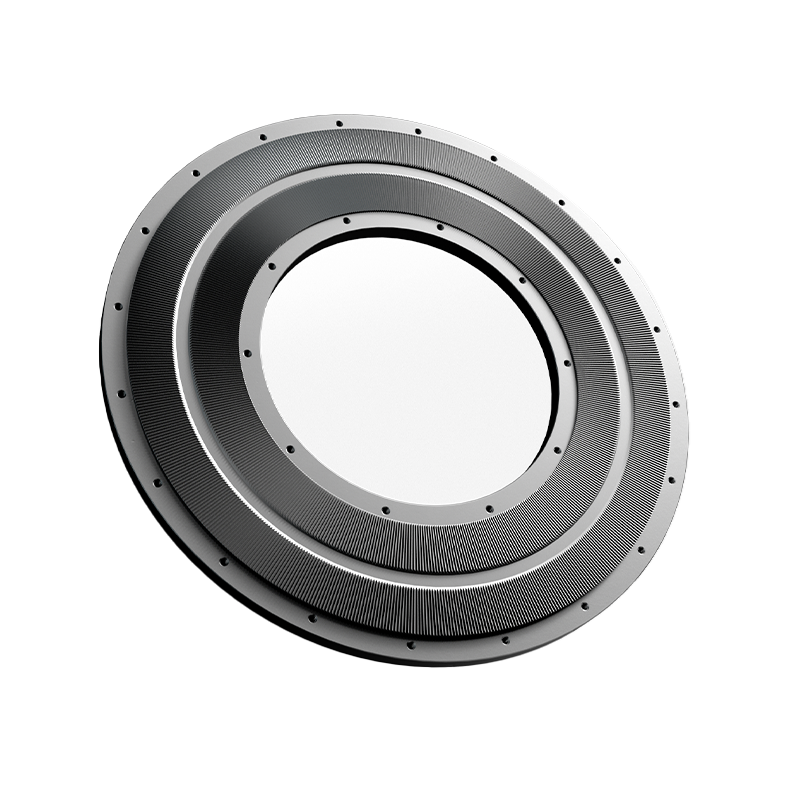
The pulverizer double-tooth disc is designed for this exact purpose. It is not merely a replacement wear part. It is an engineered grinding component developed to improve output, extend service life, stabilize powder quality, and support continuous industrial production. With a large ring-shaped concentric structure, dual-layer tooth arrangement, high-density radial fine teeth, CNC-machined accuracy, alloy steel support flanges, carburizing and quenching heat treatment, and a durable deep gray to silver-black finish, this disc is built for demanding pulverizing applications where ordinary single-tooth discs often reach their limits.
This article explains the structure, advantages, manufacturing process, application value, and operational benefits of the double-tooth pulverizer disc produced by Changzhou Mao Yue Intelligent Equipment Co., Ltd. It also compares the double-tooth design with traditional disc solutions, discusses how advanced manufacturing capability affects final performance, and provides practical answers to common buyer questions.
1. The Role of the Grinding Disc in Plastic Pulverizing
Plastic pulverizing is a size reduction process that converts granules, flakes, chips, scraps, regrind, or other prepared plastic feedstock into powder. The powder may be used directly in rotational molding, added into compound formulations, processed into masterbatch, reused in extrusion or injection molding, applied in powder coating processes, or blended with virgin and recycled polymers to improve overall material value.
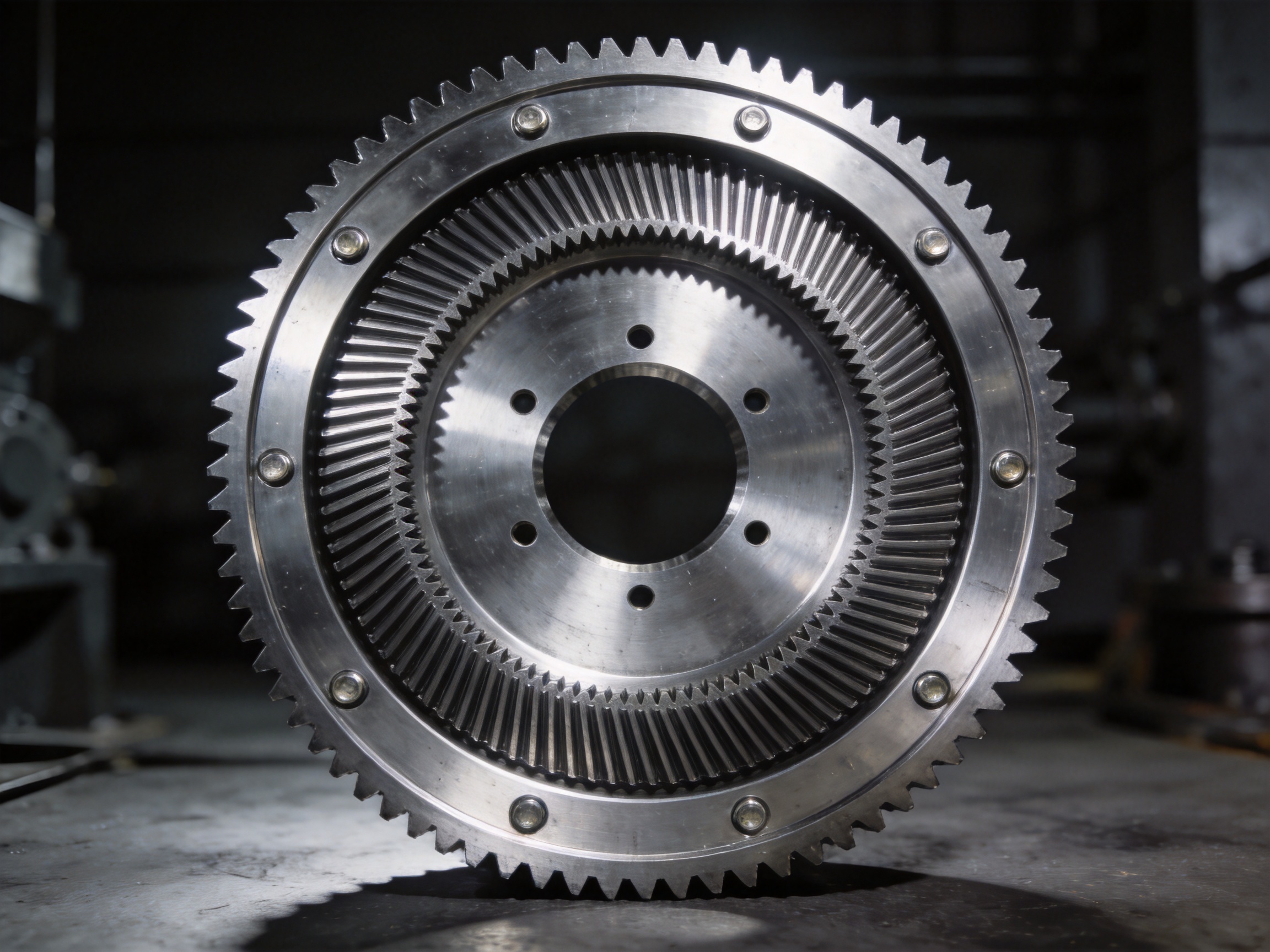
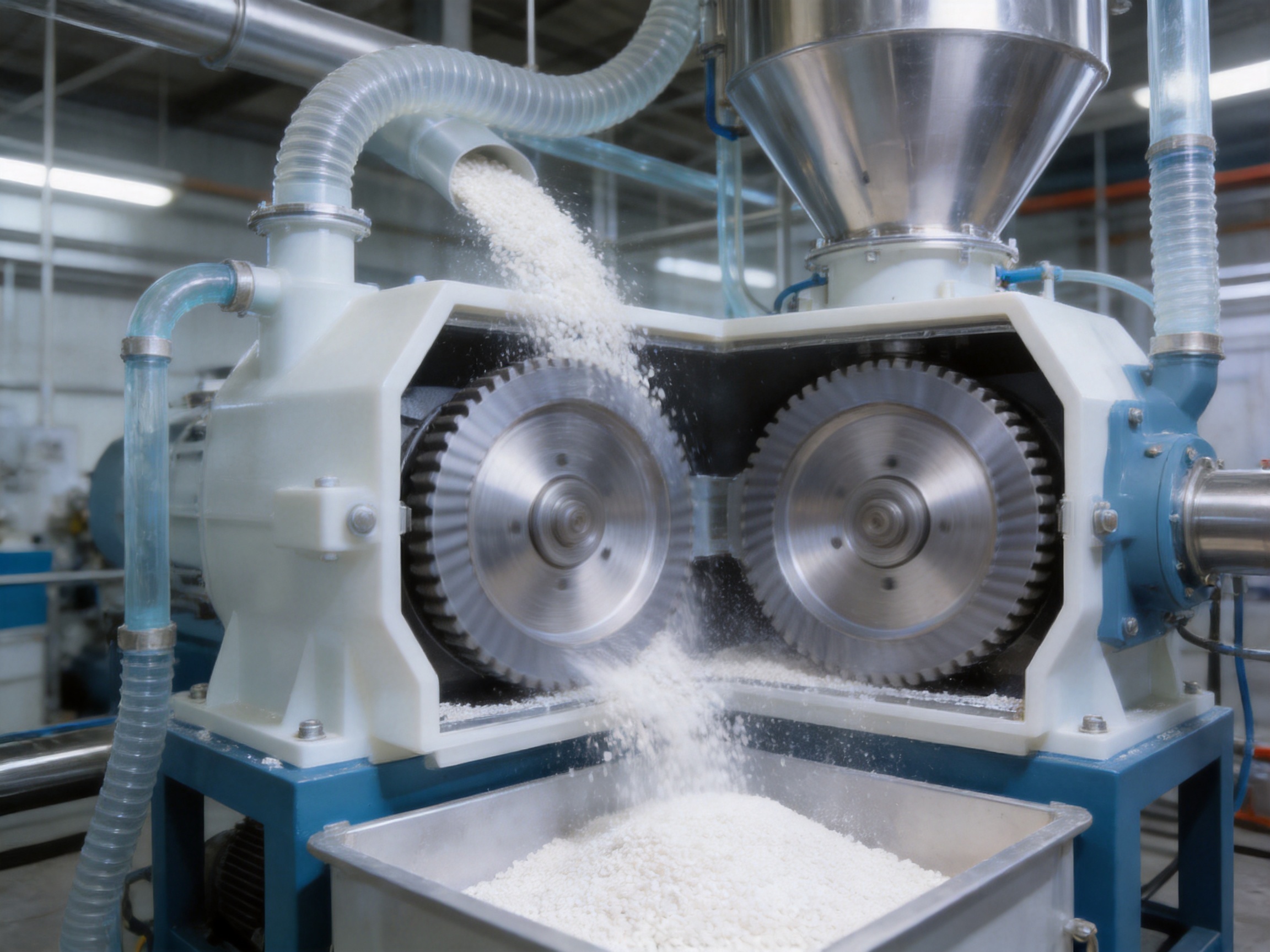
In a disc pulverizer, the grinding disc performs the core cutting, shearing, friction, and fine pulverization actions. Two discs usually work as a matched pair: one fixed disc and one rotating disc, or two functional surfaces working across a precisely controlled gap. As material enters the central feeding area, centrifugal force and mechanical action move it outward through the tooth zone. During this journey, the material is repeatedly cut, compressed, sheared, rubbed, and refined until it reaches the target particle size.
Because the powder is generated directly by contact between material and disc teeth, the disc design strongly affects production results. A disc with insufficient tooth hardness wears quickly. A disc with inaccurate machining may produce uneven powder and vibration. A disc with poor heat treatment may chip, deform, or lose cutting performance. A disc with simple tooth geometry may require more energy to achieve the same output. A disc with inadequate cooling compatibility may cause PE, PP, EVA, or other heat-sensitive materials to soften, smear, discolor, or agglomerate.
The double-tooth pulverizer disc addresses these issues through a combination of structural design and manufacturing control. It expands the effective grinding surface, improves staged pulverizing action, supports micron-level gap adjustment, and maintains long-term tooth performance under continuous operation. For manufacturers facing rising labor costs, higher energy prices, stricter quality requirements, and greater pressure to recycle plastic resources, this type of grinding disc provides a practical route to higher productivity and more stable powder quality.
2. Product Structure and Design Features
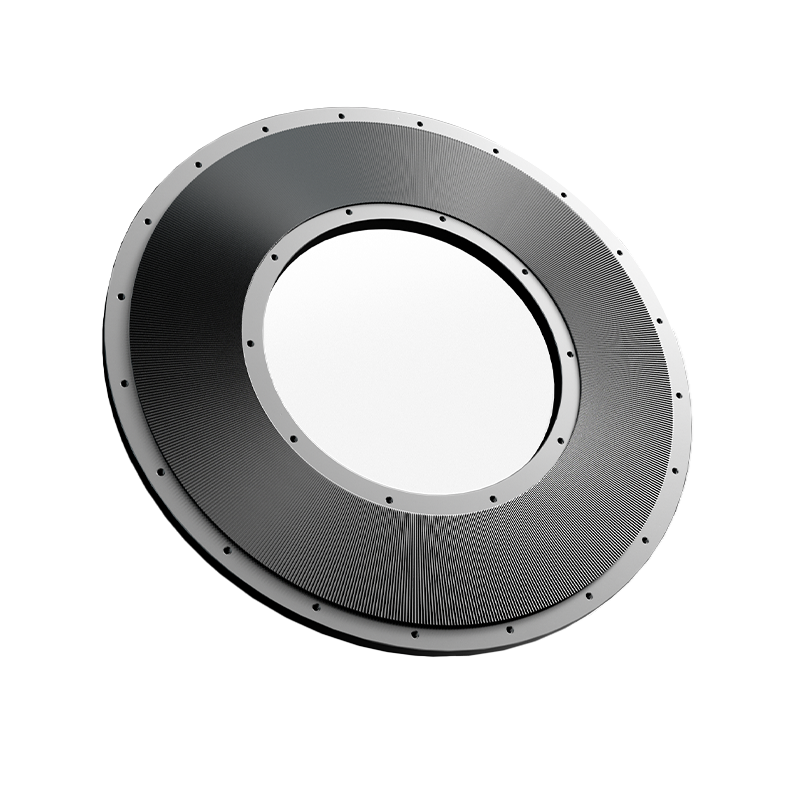
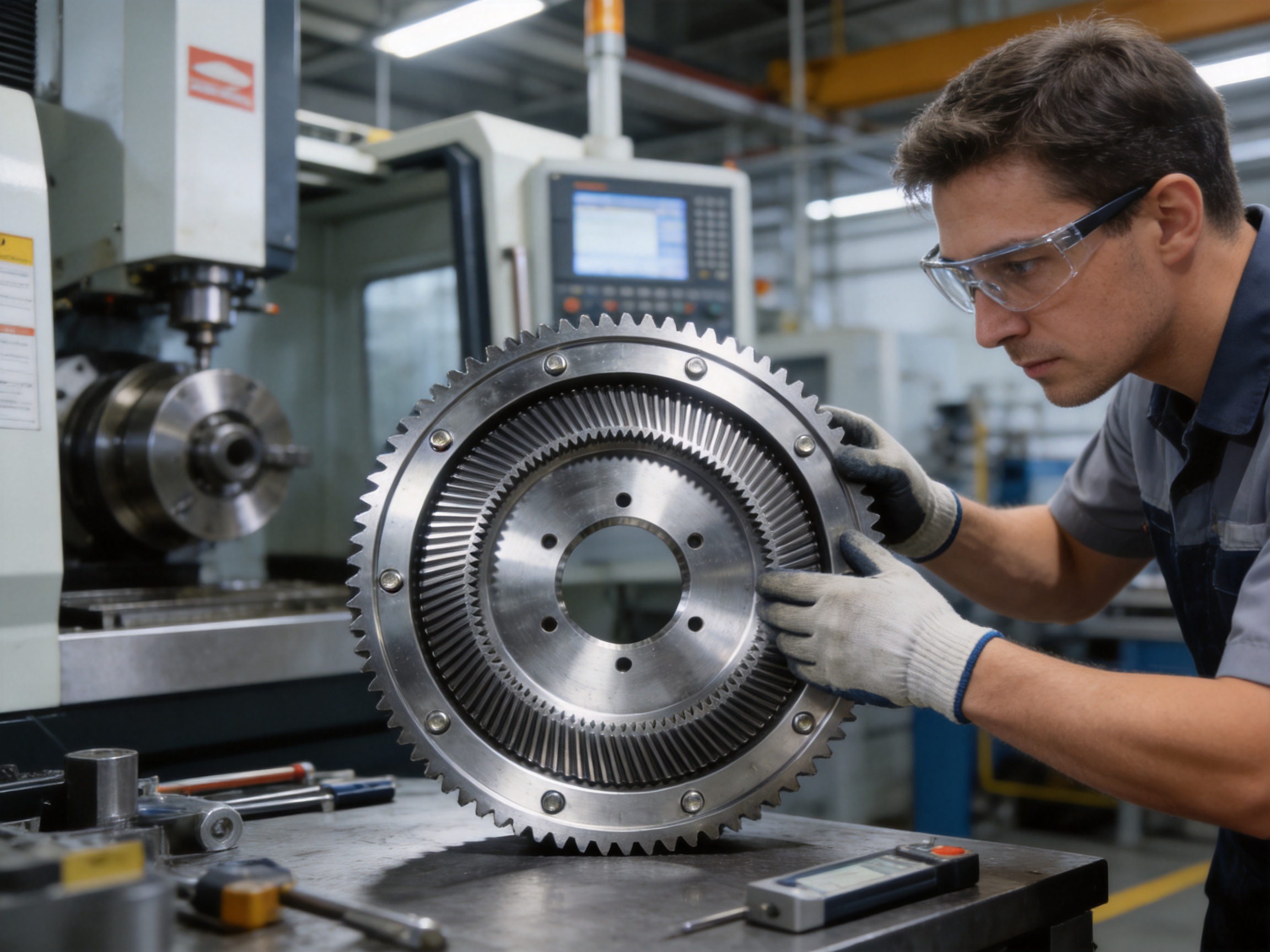
The double-tooth disc has a large circular structure with a ring-shaped, double-layer concentric design. The central area provides a broad feeding zone, allowing material to enter smoothly and distribute evenly into the active grinding area. Around the feed zone, both inner and outer ring areas are densely covered with precision radial fine teeth. These teeth are arranged in dual rows and configured with optimized profiles at staggered or complementary angles.
This structure is different from many conventional grinding discs, where a single row or simpler monolithic tooth layout performs most of the work. In the double-tooth disc, material experiences a dual-stage process. First, coarser material is attacked by the initial tooth zone, where shearing and primary crushing reduce particle size quickly. Then, the material moves into the second tooth layer or complementary fine-grinding region, where friction and secondary shearing refine the powder further. This staged interaction helps reduce the burden on each individual tooth, improves particle size distribution, and raises total output.
The disc edges are secured by high-strength alloy steel flanges. These flanges contain numerous precision bolt holes, allowing the disc to be fastened firmly and aligned accurately during installation. Reliable fastening is essential because pulverizer discs operate under high speed, frictional load, material impact, and thermal stress. If the mounting system lacks precision, the machine may suffer from vibration, uneven wear, noise, bearing stress, and inconsistent powder quality. The carefully machined bolt-hole pattern supports stable assembly and repeatable positioning.
The surface appearance of the disc is also a result of its processing route. After CNC high-precision machining, carburizing, quenching, and finishing, the disc presents a deep gray or silver-black mirror-like finish. This finish reflects a controlled metallurgical process rather than simple decorative treatment. It is associated with improved hardness, wear resistance, tooth integrity, and surface stability.
For customers, these features are not abstract technical details. They translate into practical benefits: faster production, lower downtime, cleaner powder, fewer coarse particles, improved flowability, reduced sticking, and longer operating intervals between disc changes.
3. Dual-Tooth Geometry: Why It Matters
The most important feature of this grinding disc is its dual-row or dual-layer tooth design. Traditional grinding discs usually rely on a single working surface arrangement to perform the entire reduction process. Such discs can work effectively in many basic operations, but when users demand both high output and fine powder, a single-stage tooth structure often creates compromises. If the disc gap is opened to increase throughput, powder becomes coarser. If the gap is narrowed to improve fineness, output may drop, heat generation may increase, and wear may accelerate.
The double-tooth disc improves this balance by distributing the grinding task across a broader and more specialized surface. The first tooth region provides strong shearing and initial reduction. It accepts incoming particles and rapidly breaks them into smaller fragments. The second tooth region continues the work with more refined friction and cutting action. Because the material has already been partially reduced, the fine grinding stage can operate more efficiently and with less excessive impact load.
This dual-stage principle is especially valuable for PE materials. Polyethylene can generate heat under friction and may soften, smear, or stick if temperature rises too high. A more efficient tooth arrangement reduces repeated unnecessary grinding and helps move material through the chamber in a controlled path. When combined with proper air and water cooling, the double-tooth disc can maintain consistent particle formation even during long production shifts.
Compared with ordinary single-tooth discs, the double-tooth design can nearly double the effective shear and friction surface area. In practical production, this helps increase output by approximately 30 percent to 50 percent or more under comparable power consumption, depending on the material type, feed size, target mesh, machine condition, cooling control, and operating parameters. For a plant running multiple shifts, such an increase can represent a major improvement in annual capacity without immediately purchasing additional pulverizers.
The dual-tooth geometry also improves powder uniformity. Instead of relying on one intense grinding stage, the material undergoes a more progressive reduction path. This can narrow the particle size distribution, reduce the proportion of oversized particles, and improve powder sphericity and flowability. For applications such as rotational molding, where powder distribution and melting behavior affect wall thickness and surface finish, this advantage is highly significant.
4. Material Selection: Optimized DC53 Steel Substrate
A grinding disc cannot perform well through geometry alone. Tooth shape is important, but the steel behind that tooth shape must resist wear, impact, fatigue, and thermal cycling. Changzhou Mao Yue Intelligent Equipment Co., Ltd. uses a proprietary optimized DC53 steel substrate for this double-tooth disc. DC53 is known as a high-performance cold work tool steel that offers a strong combination of hardness, toughness, dimensional stability, and wear resistance when properly processed.
For pulverizer discs, these properties are essential. During operation, the teeth repeatedly contact plastic particles, fillers, pigments, recycled contaminants, and occasionally hard impurities. Even when the processed material is nominally soft, the high-speed friction and repeated impact gradually wear down the tooth edges. Once tooth sharpness declines, the disc consumes more energy, generates more heat, produces coarser powder, and places greater load on the machine.
The optimized DC53 substrate helps maintain tooth integrity for a longer period. It provides a strong foundation for carburizing and quenching treatment, enabling the disc surface to achieve high hardness while retaining adequate internal toughness. This balance is crucial. A disc that is too soft wears quickly; a disc that is too brittle may chip or crack under impact. The right metallurgical structure allows the disc to resist abrasion while absorbing operational stress.
According to the product design intent, service life can exceed that of standard single-tooth discs by more than 200 percent in suitable operating conditions. This does not only reduce the direct cost of replacement parts. It also reduces the hidden cost of stoppages, maintenance labor, alignment time, trial production after disc changes, rejected powder during unstable periods, and production schedule disruption.
For manufacturers using pulverizers continuously, disc life is one of the most important economic indicators. A low-cost disc that wears quickly may be more expensive over time than a more durable precision disc. Longer service life means more stable output, fewer interruptions, and better predictability in production planning.
5. Heat Treatment and Surface Engineering
The double-tooth disc undergoes specialized carburizing, quenching, and multiple tempering processes. These heat treatment stages are essential for transforming the machined steel component into a high-performance grinding tool.
Carburizing enriches the surface layer with carbon, helping create a hardened exterior capable of resisting wear. Quenching rapidly cools the heated component to form a hard microstructure. Tempering then relieves internal stress and adjusts the balance between hardness and toughness. Multiple tempering steps further improve stability, reducing the risk of cracking, deformation, or premature failure.
The goal is not simply to create the highest possible hardness. In grinding applications, controlled hardness matters more than extreme hardness. The disc teeth need a hard surface to maintain cutting edges, but the overall component must also resist impact and fatigue. If heat treatment is poorly controlled, the disc may appear acceptable at delivery but fail under real production conditions. Problems may include uneven hardness, tooth chipping, warping, microcracks, unstable mounting surfaces, or rapid localized wear.
Advanced heat treatment also supports dimensional accuracy. Grinding discs require precise flatness, concentricity, tooth height control, and bolt-hole alignment. Heat treatment can change dimensions if the process is not carefully managed. Therefore, the manufacturing process must combine material knowledge, machining allowance control, thermal process control, and final inspection.
The deep gray or silver-black mirror-like finish reflects both the finishing quality and the disciplined processing sequence. It helps indicate a uniform, controlled surface condition rather than rough or inconsistent treatment. For buyers, this finish is a visible sign of the disc’s engineered nature, but its real value lies in the performance it supports during long-term grinding.
6. CNC Precision Machining and Dimensional Control
The double-tooth pulverizer disc is produced through CNC high-precision machining. This is a key advantage because tooth geometry must be repeated accurately across the entire circumference of the disc. Even small deviations in tooth angle, tooth depth, radial spacing, or surface flatness can affect grinding efficiency and powder uniformity.
Precision machining begins with correct material preparation and blank processing. The disc blank must be dimensionally stable and suitable for later tooth cutting and heat treatment. CNC machines then generate the complex concentric tooth structures, radial fine teeth, mounting features, and flange-related surfaces. The machining strategy must account for both productivity and final precision.
High-precision machining is especially important for the dual-tooth design because the two tooth regions must work together. If one zone is too aggressive or too shallow, the staged grinding process becomes unbalanced. If the concentric rings are not accurately aligned, material may flow unevenly through the chamber. If the bolt holes are not precisely placed, installation may create runout or vibration.
Changzhou Mao Yue Intelligent Equipment Co., Ltd. operates six processing workshops, each averaging about 1,400 square meters. The factory is equipped with high-precision grinding machines imported from Taiwan and built to German standards, German dynamic balancing equipment, and Japanese welding systems. These resources support accurate component manufacturing, stable assembly, and reliable machine performance.
The company’s technical team regularly studies advanced machine technologies from Germany and other industrially developed markets. This ongoing learning process helps integrate international manufacturing practices into local production. For a grinding disc, the result is not only a strong product but also a repeatable process. Repeatability matters because customers need the next disc to perform like the previous one. A reliable supplier must control quality batch after batch, not only on special sample parts.
7. Dynamic Balance and Stable Operation
A pulverizer disc rotates at high speed. Any imbalance can create vibration, noise, bearing wear, uneven tooth loading, reduced powder quality, and safety risk. Therefore, the quality of the disc is not determined only by hardness and tooth sharpness. Dynamic balance and rotational stability are equally important.
German dynamic balancing equipment used in the manufacturing system helps ensure that rotating components meet strict balance requirements. When a disc runs smoothly, the pulverizer can maintain a more stable gap, reduce mechanical stress, and produce more consistent powder. Smooth operation also protects the motor, bearings, shaft, seals, and related machine components.
Competitor discs with insufficient balancing may appear functional during short tests but create problems during continuous production. Operators may notice abnormal vibration, faster bearing temperature rise, uneven wear on one side of the disc, or unstable powder size. These issues increase maintenance cost and reduce confidence in the pulverizing process.
By contrast, a well-balanced double-tooth disc supports high-volume production with less mechanical disturbance. It helps preserve the accuracy of the grinding chamber and reduces the risk of secondary damage to the pulverizer. For plants operating 24 hours a day, this stability is highly valuable.
8. Gap Adjustment and Process Flexibility
Powder fineness in disc pulverizing is strongly influenced by the gap between working surfaces. The double-tooth disc supports precise gap adjustment using micron-level feeler gauge measurement and bolt fine-tuning. This allows operators to adjust the process without unnecessary disassembly, improving convenience and reducing downtime.
With proper adjustment, final powder fineness can be flexibly controlled between approximately 10 mesh and 120 mesh. For mainstream PE ultra-fine powder, common production ranges are often between 20 mesh and 80 mesh, depending on the downstream application. Rotational molding may require a particular powder flow and particle distribution, while powder coating or chemical modification may demand finer or cleaner powder.
Precise gap adjustment is important because plastics respond differently to grinding. HDPE, LDPE, LLDPE, PP, EVA, PVC, and filled compounds vary in hardness, melting point, elasticity, and heat sensitivity. Recycled materials may also vary in impurity level, moisture, original formulation, and shape. A disc system that allows fine adjustment gives operators the ability to optimize production rather than accept one fixed result.
The split or dual-tooth design also helps with tuning. Because the grinding process is staged, operators can manage throughput and fineness more effectively. This flexibility supports both large-scale production and smaller specialized batches, such as R&D testing, formulation trials, or customer-specific powder requirements.
9. Cooling Compatibility and Temperature Control
Heat is one of the main challenges in plastic pulverizing. PE and other polyolefins can soften under frictional heat. If chamber temperature rises excessively, material may stick to the disc, smear across tooth surfaces, produce stringy particles, form agglomerates, discolor, coke, or contaminate the final powder. Heat can also increase wear and reduce throughput.
The double-tooth disc works effectively with a dual cooling system that combines air cooling and water cooling. Air cooling helps remove fine powder and heat from the grinding zone, while water cooling supports temperature control around the chamber or related components. Together, these cooling methods help maintain a stable grinding environment.
The disc’s dual-stage grinding geometry also contributes to temperature management. Because material is reduced more efficiently, it spends less time undergoing excessive friction. A more controlled grinding pathway can reduce unnecessary heat generation. When paired with proper feed rate, cooling flow, and gap setting, the disc can support 24-hour continuous high-volume production while maintaining powder quality.
This is a major advantage over many competing discs that require operators to choose between output and quality. If a conventional disc overheats at high throughput, the plant may need to slow feeding, increase downtime for cleaning, or accept inconsistent powder. The double-tooth design helps reduce these compromises.
10. Powder Quality: Fineness, Flowability, and Uniformity
The final value of a pulverizer disc is measured by the powder it produces. The double-tooth disc is designed to deliver powder with narrower particle size distribution, higher sphericity, excellent flowability, reduced agglomeration, and fewer coarse impurities. These powder characteristics are important across multiple industries.
In rotational molding, powder must flow well inside the mold, distribute evenly, melt consistently, and form smooth walls. Poor powder may create uneven wall thickness, pinholes, bubbles, orange peel texture, weak spots, and higher rejection rates. A more uniform PE powder improves melt behavior and finished part quality.
In recycling and regranulation, uniform powder or fine regrind supports stable feeding, melting, filtration, extrusion, and pelletizing. It can improve the value of recycled material and help convert waste into usable feedstock. For customers seeking circular economy solutions, better powder quality directly supports higher-value reuse.
In masterbatch and modification processes, powder uniformity improves dispersion of fillers, pigments, additives, and functional ingredients. A stable particle size distribution helps achieve consistent color, mechanical properties, processing behavior, and end-product performance. In powder coating and fluidized bed impregnation, clean powder with proper fineness improves coating consistency and surface appearance.
The double-tooth disc is particularly suited to applications demanding both powder purity and uniformity. Because it reduces overheating and sticking, it helps prevent scorched particles, discoloration, and contamination caused by degraded material. This is especially important for high-end applications where customers inspect powder visually and functionally.
11. Application in Plastic Recycling and Regeneration
Plastic recycling is one of the most important markets for high-efficiency pulverizing technology. Waste PE materials, including scraps, rejected products, film-related waste, pipe material, profile residues, and post-industrial regrind, can be processed into powder for regranulation, film blowing, pipe extrusion, profile extrusion, injection molding, and other reuse pathways.
The double-tooth disc helps recycling companies increase the value of waste material. Instead of producing irregular coarse particles, the disc can generate more uniform powder that is easier to blend, melt, and reprocess. Higher output also reduces the unit processing cost, making recycling more economically attractive.
In many recycling facilities, production bottlenecks occur at the grinding stage. Shredding and granulation may prepare material quickly, but fine pulverizing can become slow if the disc is inefficient or overheats. By increasing grinding efficiency by 30 percent to 50 percent or more in suitable conditions, the double-tooth disc can help unlock capacity without requiring major plant expansion.
This supports environmental goals as well as business goals. More efficient plastic recycling reduces landfill pressure, lowers dependence on virgin polymer, and supports carbon reduction. A durable disc also reduces consumable waste because replacement frequency is lower than with standard discs.
12. Application in Rotational Molding
Rotational molding is highly dependent on powder quality. The process requires plastic powder to be placed inside a mold, heated, rotated across multiple axes, melted onto the interior mold surface, and cooled into a hollow product. Large tanks, containers, toys, kayaks, industrial shells, furniture, and many hollow parts can be produced through this method.
For rotational molding, powder must be free-flowing and consistent. If particles are too coarse, they may not melt fully. If too many fines exist, powder may clump, burn, or create uneven distribution. If particle size distribution is too wide, the melt behavior becomes inconsistent. If powder contains agglomerates or scorched particles, surface defects may appear.
The double-tooth pulverizer disc helps produce PE powder with excellent flowability, uniform particles, and reduced agglomeration. This supports uniform wall thickness, smoother surface finish, fewer bubbles, less orange peel texture, and improved product yield. For rotational molders producing large hollow products, small improvements in powder quality can significantly reduce scrap rates and rework.
Because rotational molding often uses PE powder in the 20 mesh to 80 mesh range, the adjustable fineness of the double-tooth disc is highly practical. Manufacturers can tune powder specifications for different mold sizes, product thicknesses, resin grades, and customer requirements.
13. Application in Powder Coating and Chemical Modification
Powder coating and chemical modification applications often require high-purity, fine, stable polymer powder. In electrostatic spraying, fluidized bed impregnation, and related surface treatment processes, powder must move consistently, charge or suspend properly, melt smoothly, and form an even coating. Impurities, scorched particles, or inconsistent size distribution may cause coating defects.
The double-tooth disc is designed to reduce overheating and produce cleaner powder. Its cooling compatibility and efficient grinding path help prevent material degradation. This is valuable for PE-based powder coating applications where appearance, adhesion, and consistency matter.
In chemical modification, PE powder can act as an ultrafine carrier for filler masterbatches, color masterbatches, and functional masterbatches. The powder must disperse well with pigments, fillers, flame retardants, coupling agents, stabilizers, or other additives. A narrow particle distribution helps improve mixing uniformity and downstream product stability.
For high-end modified plastics, powder quality influences final mechanical performance, color consistency, processing stability, and customer acceptance. The double-tooth disc supports precise dispersion and stable performance by providing a more controlled powder base.
14. Application in EVA, LLDPE, and Other Flexible Polyolefins
Flexible polyolefins such as EVA and LLDPE can be challenging to pulverize because they are elastic and heat-sensitive. Instead of fracturing cleanly, they may deform, smear, or soften. This can reduce output and create powder quality problems.
The double-tooth disc’s staged cutting and friction design improves the efficiency of size reduction for these flexible materials. The first tooth stage helps break and shear the material, while the second stage refines the particles. With proper cooling and gap adjustment, the process can achieve stable powder production without excessive thermal damage.
This makes the disc suitable for manufacturers working with special polymer blends, flexible packaging materials, modified polyolefins, and development batches where ordinary discs may struggle. The ability to customize tooth density, double-row spacing, and specialized surface coatings further expands the range of applicable materials.
15. Application in Electronic Waste Plastic Components
Electronic waste often contains plastic components that must be separated, shredded, crushed, or further reduced for recycling or material recovery. PE and related plastic parts from electronic waste can be processed into reusable powder when contamination is controlled and appropriate equipment is used.
The double-tooth disc supports environmentally friendly fine grinding of PE plastic components from electronic waste. Its wear resistance and impact toughness are useful when recycled materials include variable shapes or small hard contaminants. While proper upstream sorting remains essential, a durable disc helps maintain production stability under realistic recycling conditions.
As regulations on electronic waste become stricter, more companies are seeking efficient recovery methods for plastic fractions. Pulverizing technology can help transform sorted plastic waste into material suitable for compounding, filler applications, or other reuse pathways.
16. Application in Laboratory and R&D Testing
Not all pulverizing work is high-volume production. Laboratories, research centers, material developers, and technical departments often need small-batch grinding with precise particle size control. They may evaluate new resin grades, recycled blends, additive packages, masterbatch formulations, or customer-specific powder requirements.
The double-tooth disc is useful in R&D settings because it can produce powder with narrow particle size distribution and flexible mesh control. Precise gap adjustment allows technicians to compare process parameters and develop repeatable material data. The same disc design principles used in industrial production can therefore support product development and technical validation.
This is important for companies that want to scale from laboratory trials to full production. If powder characteristics produced during testing are stable and well controlled, the transition to larger equipment becomes more predictable.
17. Competitive Advantages Over Conventional Discs
The double-tooth pulverizer disc offers several advantages over many conventional single-tooth or simpler monolithic disc designs. These advantages are not limited to one feature; they result from the combination of geometry, material, machining, heat treatment, cooling compatibility, and manufacturing quality control.
| Comparison Item | Double-Tooth Pulverizer Disc | Conventional Single-Tooth Disc |
|---|---|---|
| Grinding action | Dual-stage shearing and fine friction pulverization | Primarily single-stage grinding action |
| Effective working surface | Expanded dual-row or dual-layer tooth surface | Limited tooth contact area |
| Output potential | Can increase output by about 30 percent to 50 percent or more in suitable conditions | Often limited by heat, wear, or lower cutting efficiency |
| Powder uniformity | Narrower particle distribution and improved flowability | Higher risk of coarse particles or wider distribution |
| Service life | Optimized DC53 steel and heat treatment support longer life | Shorter life if material or heat treatment is basic |
| Temperature control | Works with air and water cooling; efficient geometry reduces excessive friction | May overheat more easily at high throughput |
| Adjustment | Supports precise gap tuning for 10 to 120 mesh powder | Adjustment may be less flexible or less stable |
| Long-term cost | Lower downtime and replacement frequency | Higher maintenance and replacement burden |
The most immediate advantage for users is improved productivity. When the same machine can produce more powder per hour without sacrificing quality, the plant gains capacity and reduces unit production cost. The second major advantage is longer service life. If replacement frequency is reduced, maintenance planning becomes easier and total cost decreases.
The third advantage is powder quality. In many industries, producing powder is not enough; the powder must meet customer expectations. A disc that creates more uniform, free-flowing, clean powder helps manufacturers enter higher-value markets.
The fourth advantage is operational stability. Reduced heat buildup, better balance, precise mounting, and reliable material properties allow the pulverizer to run more smoothly. This reduces operator stress and supports continuous production.
18. Manufacturing Strength of the Producer
Changzhou Mao Yue Intelligent Equipment Co., Ltd. is a source manufacturer with 30 years of experience in plastic crushing and pulverizing equipment. The company pioneered the plastic pulverizer market and has continued to develop equipment and components for plastic size reduction processes. Its disc pulverizers and pulverizer parts are widely used in rotational molding, masterbatch, polymers, PVC, PE, recycling, powder coating, and related industries.
One of the company’s strengths is its integrated manufacturing capability. With six processing workshops, each averaging about 1,400 square meters, the company has the space and equipment required to produce machines and parts with consistent quality. The presence of high-precision grinding machines, dynamic balancing equipment, and advanced welding systems supports accurate production from component machining to assembly.
The company focuses on quality, service, innovation, and customized solutions. These values are important in the pulverizer industry because different customers process different materials and pursue different powder specifications. A supplier must understand not only how to manufacture a disc, but also how that disc performs in real processes.
The company has built long-term partnerships with more than 5,000 enterprises in domestic and international markets. This broad customer base provides extensive application feedback. Practical feedback from recycling plants, rotational molding producers, masterbatch manufacturers, and polymer processors helps the company refine products and address real production challenges.
Changzhou Mao Yue Intelligent Equipment Co., Ltd. has obtained CE mechanical certification and ISO 9001 quality management system certification. These certifications help demonstrate attention to safety, manufacturing control, and quality management. For international buyers, such qualifications can reduce procurement risk and support compliance expectations.
19. European Quality Standards and International Competitiveness
The double-tooth pulverizer disc is manufactured with the goal of meeting European quality standards while offering strong cost-performance compared with imported counterparts. This is especially important for customers who want high-quality grinding performance but must control investment and maintenance budgets.
Imported pulverizer parts can be expensive and may involve long delivery times. When a disc wears out unexpectedly, waiting for overseas replacement parts can interrupt production. A manufacturer with advanced domestic machining capability and export experience can provide a more flexible supply solution.
Over 20 years of export expertise also means the company understands the needs of international buyers. These needs include stable quality, clear communication, packaging reliability, technical support, customization, and compatibility with different equipment models. The double-tooth disc directly fits all disc diameter models of the company’s PE and PP series and can partially accommodate other brands’ equipment. This compatibility makes it useful not only for new machines but also for upgrading existing pulverizers.
The ability to customize tooth density, double-row spacing, and specialized surface coatings further strengthens competitiveness. Instead of forcing all users to accept one standard design, the company can adapt the disc to different materials, target mesh ranges, and operating environments. This customization ability is a major advantage over suppliers that offer only generic wear parts.
20. Compatibility With Pulverizing Lines
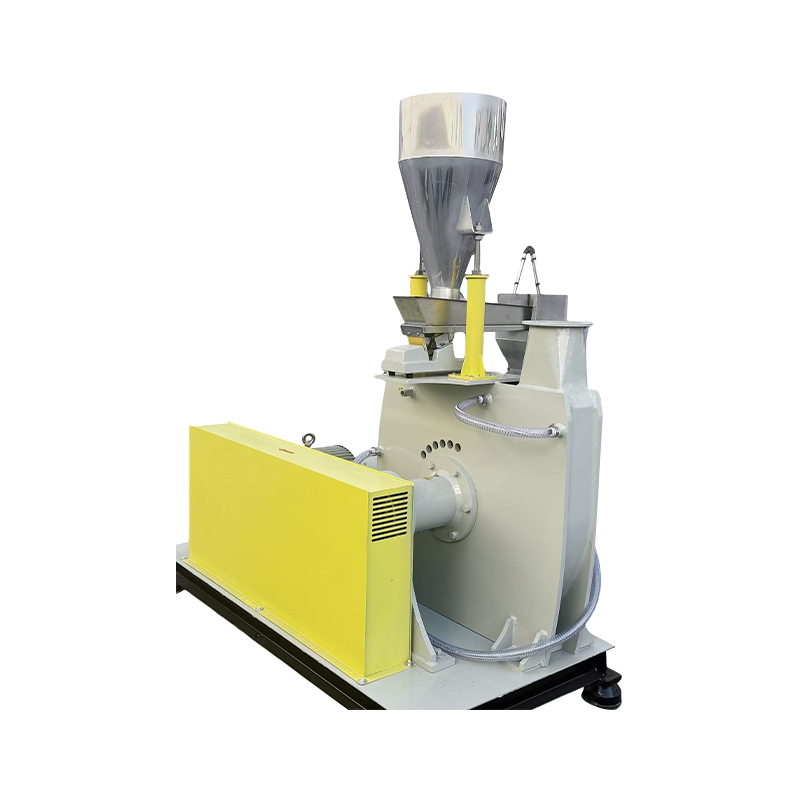
The double-tooth disc is part of a broader pulverizing system. It can be used in plastic pulverizers, pulverizer parts replacement programs, and crushing and pulverizing lines. In a complete plastic size reduction line, material may pass through sorting, washing, drying, shredding, crushing, conveying, feeding, pulverizing, screening, cooling, and packaging. The grinding disc is central to the pulverizing stage, but its performance also interacts with upstream and downstream equipment.
For best results, feedstock should be properly prepared. Oversized pieces should be reduced before entering the pulverizer. Moisture should be controlled where necessary. Metal and hard contaminants should be removed using magnetic separation or other detection methods. Feeding should be stable rather than irregular. Cooling systems should be maintained, and screens or classifiers should be selected according to target powder size.
When the disc operates within a well-designed line, the advantages become more visible. Higher output from the disc must be matched by adequate feeding, conveying, screening, and collection capacity. In this way, the double-tooth disc can help improve the performance of the entire line rather than only one component.
21. Maintenance and Operating Considerations
Although the double-tooth disc is highly durable, correct operation and maintenance remain essential. Operators should inspect the disc before installation, confirm that mounting surfaces are clean, check bolt condition, and tighten fasteners according to proper procedures. The disc gap should be adjusted carefully using suitable measurement tools. After installation, the machine should be tested for abnormal noise, vibration, or temperature rise.
During operation, feed rate should be controlled. Overfeeding can overload the chamber, raise temperature, and reduce powder quality. Underfeeding may reduce efficiency and cause unnecessary friction. Cooling systems should be monitored to ensure sufficient airflow and water circulation. Powder discharge should remain unobstructed so that material does not accumulate in the chamber.
Regular inspection helps detect tooth wear before it affects production. Operators should monitor powder fineness, output rate, motor load, temperature, and sound. If powder becomes coarser, energy consumption rises, or temperature increases under the same settings, the disc gap may need adjustment or the teeth may require inspection.
Proper cleaning is also important, especially when changing materials or colors. Residual powder in the chamber can contaminate the next batch. For high-purity powder applications, cleaning procedures should be standardized.
The long service life of the double-tooth disc reduces maintenance frequency, but it does not eliminate the need for disciplined operation. A high-performance disc delivers the best results when paired with trained operators and well-maintained equipment.
22. Economic Value and Return on Investment
When evaluating a pulverizer disc, buyers should consider total cost rather than purchase price alone. A cheaper disc may appear attractive initially, but if it wears quickly, produces inconsistent powder, consumes more power, or causes downtime, its real cost may be much higher.
The double-tooth disc creates economic value in several ways. First, it increases output, allowing more powder to be produced with existing equipment. Second, it improves powder quality, enabling higher-value applications and reducing rejection rates. Third, it extends service life, reducing replacement frequency and maintenance labor. Fourth, it stabilizes production, improving delivery reliability and reducing emergency stoppages. Fifth, it supports energy efficiency by improving grinding action under comparable power conditions.
For example, if a recycling plant increases pulverizing output by 30 percent while maintaining powder quality, it can process more waste material without adding another pulverizer. If a rotational molding powder supplier reduces coarse particles and agglomerates, it may win more demanding customers. If a masterbatch producer achieves better dispersion due to uniform powder, it may reduce formulation variation and improve product reputation.
These benefits accumulate over time. The disc becomes not just a consumable part but a productivity tool. For factories seeking continuous improvement, upgrading the grinding disc can be one of the most cost-effective changes in the pulverizing process.
23. Contribution to Green Manufacturing and Circular Economy
Plastic recycling and efficient material processing are closely related to circular economy goals. Every kilogram of plastic waste converted into usable powder represents potential value recovered from discarded material. Efficient pulverizing helps close the loop between waste generation and new product manufacturing.
The double-tooth pulverizer disc supports this goal by improving the efficiency and quality of powder production. Higher productivity makes recycling more commercially viable. Better powder quality expands the range of possible reuse applications. Longer disc life reduces replacement consumption and manufacturing waste. Stable processing reduces rejected batches and energy waste.
These contributions align with broader carbon neutrality and green manufacturing policies. While one grinding disc cannot solve the entire plastic waste challenge, it plays a meaningful role within the industrial chain. Better tools enable better recycling economics, and better economics encourage more companies to participate in circular material use.
24. Why Advanced Manufacturing Processes Matter to Buyers
Many buyers focus on technical specifications such as disc diameter, material grade, tooth type, and mesh range. These details are important, but manufacturing process capability is equally critical. Two discs with similar descriptions can perform very differently if one is produced with advanced machining and heat treatment while the other is made with loose tolerances and basic processing.
Advanced manufacturing affects every stage of performance. Accurate CNC machining ensures tooth uniformity. Proper heat treatment ensures hardness and toughness. Dynamic balancing ensures smooth high-speed operation. Precision grinding ensures flatness and mounting accuracy. Quality management ensures consistency across batches. Technical experience ensures that design choices are based on real industrial needs.
Changzhou Mao Yue Intelligent Equipment Co., Ltd. combines decades of industry experience with modern processing facilities. This combination gives the company a strong position in producing not only pulverizers but also the critical parts that determine machine performance. Its investment in German-standard processing concepts, Taiwan-imported precision equipment, German dynamic balancing technology, and Japanese welding systems demonstrates commitment to manufacturing reliability.
For customers, this means lower procurement risk. A disc supplier with real equipment manufacturing capability understands how the disc interacts with the pulverizer as a complete system. This is different from a simple parts trader that may only supply copied components without deep process knowledge.
25. Customization Options for Different Production Needs
Different materials and applications require different disc characteristics. A powder coating user may prioritize fineness and purity. A recycling plant may prioritize output and wear resistance. A rotational molding supplier may prioritize flowability and particle distribution. A laboratory may prioritize repeatability and narrow mesh range.
The double-tooth disc can be customized in tooth density, double-row spacing, and specialized surface coatings. Tooth density affects the number of cutting and friction points. Higher density may support finer powder, while optimized spacing may improve throughput and reduce heat for specific materials. Surface coatings may further improve wear resistance or reduce sticking under certain conditions.
Customization should be based on material type, feed size, target mesh, production capacity, cooling method, machine model, and downstream application. The company’s experience with thousands of customers helps it recommend suitable configurations. This application-based approach is superior to one-size-fits-all supply because it recognizes the complexity of plastic pulverizing.
26. Practical Selection Guidelines
When selecting a double-tooth pulverizer disc, buyers should first define the target material. PE, PP, EVA, LLDPE, PVC, and filled plastics may require different settings and tooth considerations. The buyer should then define the required powder mesh range and acceptable particle size distribution. For example, rotational molding powder requirements may differ from powder coating or masterbatch carrier requirements.
The next step is to confirm machine compatibility. Disc diameter, mounting pattern, bolt-hole layout, shaft and chamber design, and fixed or rotating disc arrangement must be checked. The double-tooth disc directly fits the producer’s PE and PP series models and can partially fit other equipment brands, but confirmation is always recommended.
Buyers should also evaluate expected production conditions. Continuous 24-hour operation requires stronger attention to heat control, cooling capacity, balancing, and maintenance planning. Recycled materials may require better impurity control and more frequent inspections. High-purity applications may require stricter cleaning and handling procedures.
Finally, buyers should consider supplier capability. A qualified supplier should provide technical support, customization options, quality assurance, and stable after-sales service. Changzhou Mao Yue Intelligent Equipment Co., Ltd. offers these advantages through its manufacturing base, certifications, export experience, and long-term industry presence.
27. Q&A Section
Q1: What is the main advantage of the double-tooth pulverizer disc?
The main advantage is its dual-row or dual-layer tooth structure, which provides staged grinding. Material is first sheared and crushed, then further refined through fine friction pulverization. This improves output, powder uniformity, and grinding efficiency compared with many conventional single-tooth discs.
Q2: What materials can this disc process?
It is especially suitable for PE and PP pulverizing and can also be applied to flexible polyolefins such as EVA and LLDPE. It is useful in plastic recycling, rotational molding powder production, masterbatch, powder coating, chemical modification, and selected electronic waste plastic recycling applications.
Q3: What powder fineness can be achieved?
With proper machine configuration and adjustment, powder fineness can be controlled between approximately 10 mesh and 120 mesh. For PE ultra-fine powder, common industrial ranges often fall between 20 mesh and 80 mesh.
Q4: How does the disc reduce overheating?
The efficient dual-stage tooth design reduces unnecessary repeated friction, while compatibility with air and water cooling helps control grinding chamber temperature. This is important for PE and other heat-sensitive plastics that may soften, stick, discolor, or agglomerate if overheated.
Q5: Why is DC53 steel used?
The optimized DC53 steel substrate provides a strong balance of hardness, toughness, wear resistance, and dimensional stability. After carburizing, quenching, and tempering, it helps maintain tooth sharpness and resist impact during long-term operation.
Q6: How does the disc compare with imported alternatives?
The disc is designed to meet European quality expectations while offering strong cost-performance. It combines advanced machining, heat treatment, balancing, and customization capability, giving customers a competitive alternative to expensive imported parts.
Q7: Can it fit equipment from other brands?
It directly fits the producer’s PE and PP series disc diameter models and can partially accommodate other brands’ equipment. Compatibility should be confirmed by checking disc diameter, bolt-hole layout, mounting design, and chamber structure.
Q8: Does the disc require special maintenance?
It does not require unusual maintenance, but correct installation, gap adjustment, cooling control, feed stability, and regular inspection are important. Proper operation helps maximize disc life and maintain powder quality.
Q9: What industries benefit most from this disc?
Plastic recycling, rotational molding, powder coating, masterbatch production, polymer modification, and R&D testing benefit strongly. Any operation requiring high output, stable powder fineness, and long service life can gain value from the double-tooth disc.
Q10: What makes the manufacturer reliable?
Changzhou Mao Yue Intelligent Equipment Co., Ltd. has 30 years of experience, six processing workshops, advanced precision equipment, CE certification, ISO 9001 certification, more than 20 years of export expertise, and long-term partnerships with thousands of enterprises.
28. Conclusion
The double-tooth pulverizer disc represents a significant improvement in plastic powder production technology. Its ring-shaped double-layer concentric design, dense radial fine teeth, dual-stage grinding action, optimized DC53 steel substrate, carburizing and quenching treatment, CNC precision machining, and reliable mounting structure all contribute to higher efficiency and longer life.
Compared with conventional single-tooth discs, it offers greater effective grinding area, higher output potential, improved powder uniformity, better temperature control, longer service life, and stronger adaptability to demanding applications. These advantages are particularly valuable for PE pulverizing, rotational molding powder, recycling and regeneration, masterbatch, powder coating, chemical modification, and fine grinding of flexible polyolefins.
The strength of the product is closely connected to the strength of its manufacturer. Changzhou Mao Yue Intelligent Equipment Co., Ltd. combines 30 years of industry experience, modern workshops, precision machining equipment, dynamic balancing technology, heat treatment expertise, international certifications, and extensive customer application knowledge. This manufacturing foundation allows the company to provide a disc that is not only well designed but also consistently produced.
For companies seeking higher capacity, better powder quality, lower downtime, and improved long-term cost performance, upgrading to a double-tooth pulverizer disc is a practical and strategic choice. It supports efficient plastic recycling, high-value powder processing, and greener manufacturing, while helping producers meet the increasing demands of modern polymer markets.
References
1. Tadmor, Z., and Gogos, C. G. Principles of Polymer Processing. Wiley.
2. Harper, C. A. Handbook of Plastics Technologies. McGraw-Hill.
3. Brydson, J. A. Plastics Materials. Butterworth-Heinemann.
4. Rosato, D. V., Rosato, D. V., and Rosato, M. G. Plastics Processing Data Handbook. Springer.
5. Crawford, R. J., and Throne, J. L. Rotational Molding Technology. William Andrew Publishing.
6. ISO 9001 Quality Management Systems: Requirements. International Organization for Standardization.
7. CE Machinery Safety Compliance Guidance for Industrial Equipment Manufacturing.
8. Tool Steel Heat Treatment and Wear Resistance Technical Literature for Cold Work Applications.