

 English
 русский
 Español
 عربى
 中文简体
 中文简体
Content
- 1 Why Powder Uniformity Matters in Rotational Molding
- 2 Product Positioning and Main Capabilities
- 3 Precision DC53 Grinding Discs
- 4 Dynamic Balancing for Low Vibration
- 5 Dual Cooling for PE Processing
- 6 Enclosed Negative-Pressure Conveying
- 7 Electrical Power and Drive Configuration
- 8 Particle Size and Screening Control
- 9 Production Applications
- 10 Advantages Compared with Conventional Pulverizers
- 11 Manufacturing Process and Engineering Strength
- 12 Quality Management and Certifications
- 13 Installation and Operating Considerations
- 14 Maintenance and Life-Cycle Economics
- 15 Technical Specification Overview
- 16 How to Select the Correct Configuration
- 17 Safety and Environmental Performance
- 18 Q&A
- 18.1 What material is the 600-type pulverizer primarily designed for?
- 18.2 What capacity can the machine achieve?
- 18.3 What particle sizes can be produced?
- 18.4 Why is DC53 used for the grinding discs?
- 18.5 Can worn grinding discs be reused?
- 18.6 How does the machine control PE processing temperature?
- 18.7 Does the machine include dust collection?
- 18.8 What starting methods are available?
- 18.9 Is the machine suitable for recycling?
- 18.10 How much space is required?
- 18.11 What certifications does the manufacturer hold?
- 18.12 What information should be provided when requesting a quotation?
- 19 Conclusion
- 20 References
- 21 Product: PE Rotomolding Powder High Uniformity 600 Pulverizer
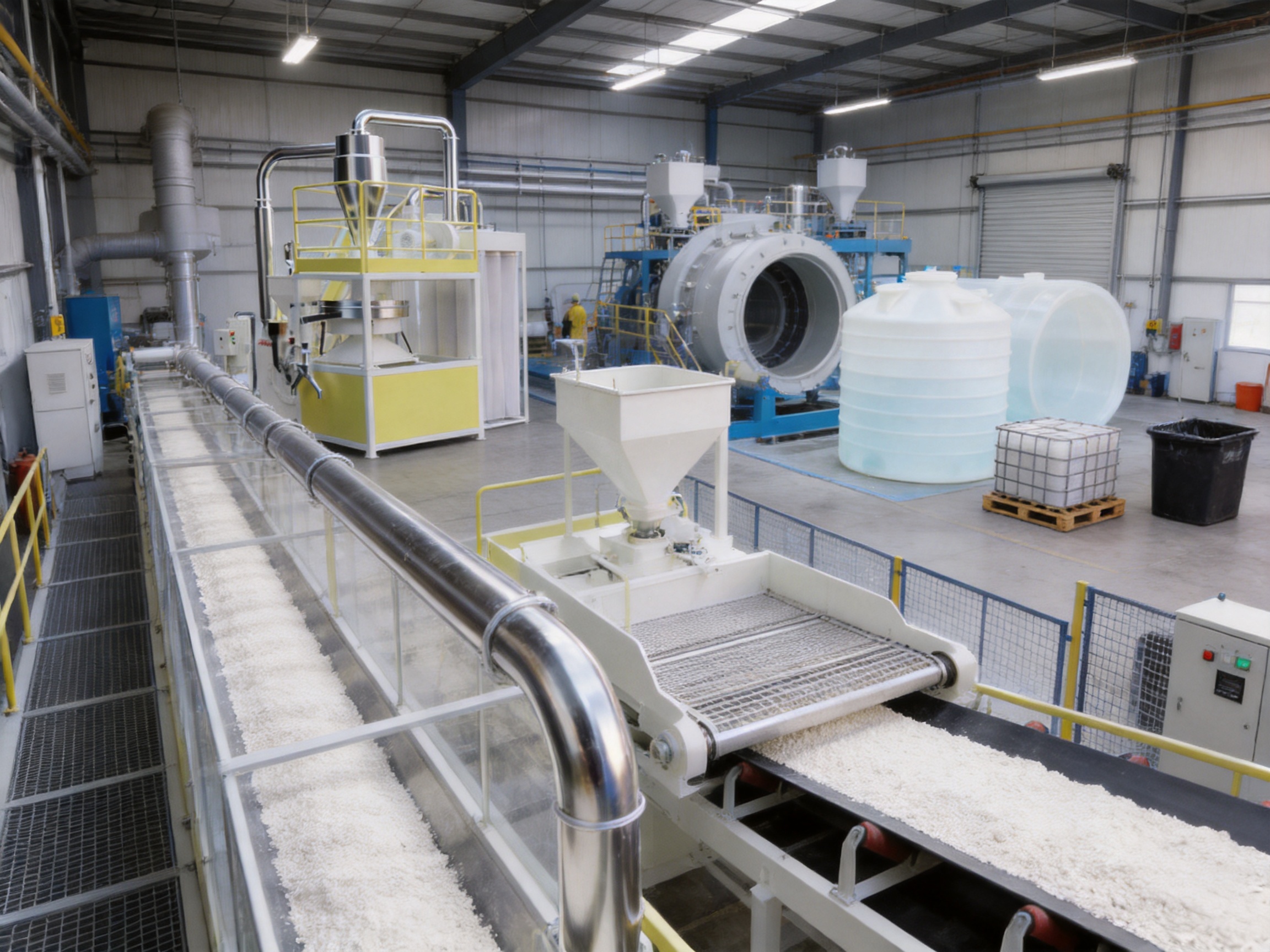
Producing consistent polyethylene powder is one of the most important steps in rotational molding. Powder quality affects melting behavior, surface finish, wall-thickness distribution, mechanical strength, cycle time, and the overall appearance of the finished product. When the powder contains excessive coarse particles, irregular shapes, moisture, agglomerates, or thermally degraded material, even a well-designed rotational molding machine may produce inconsistent results.
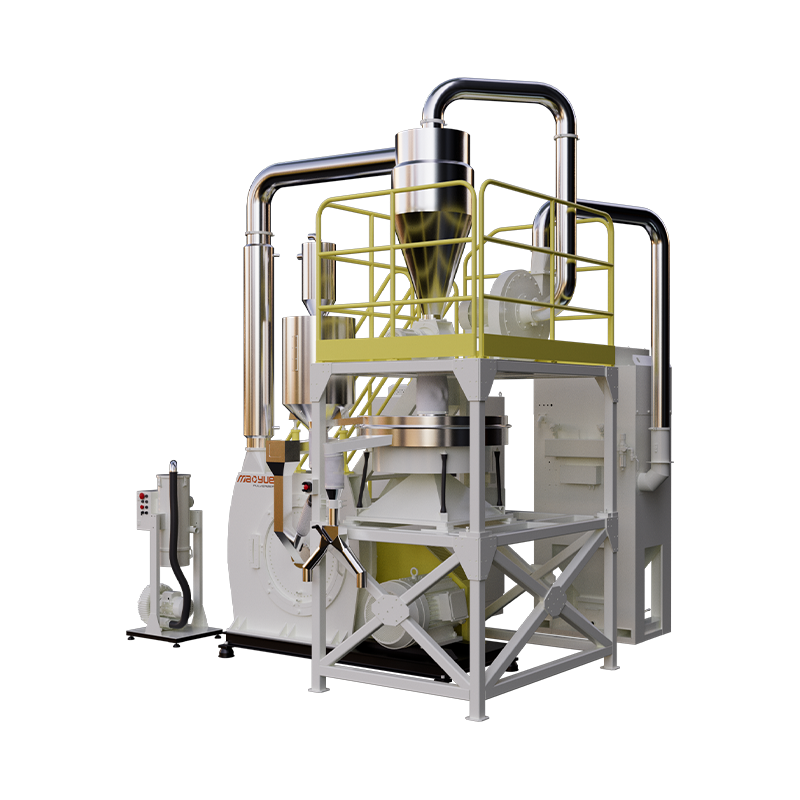
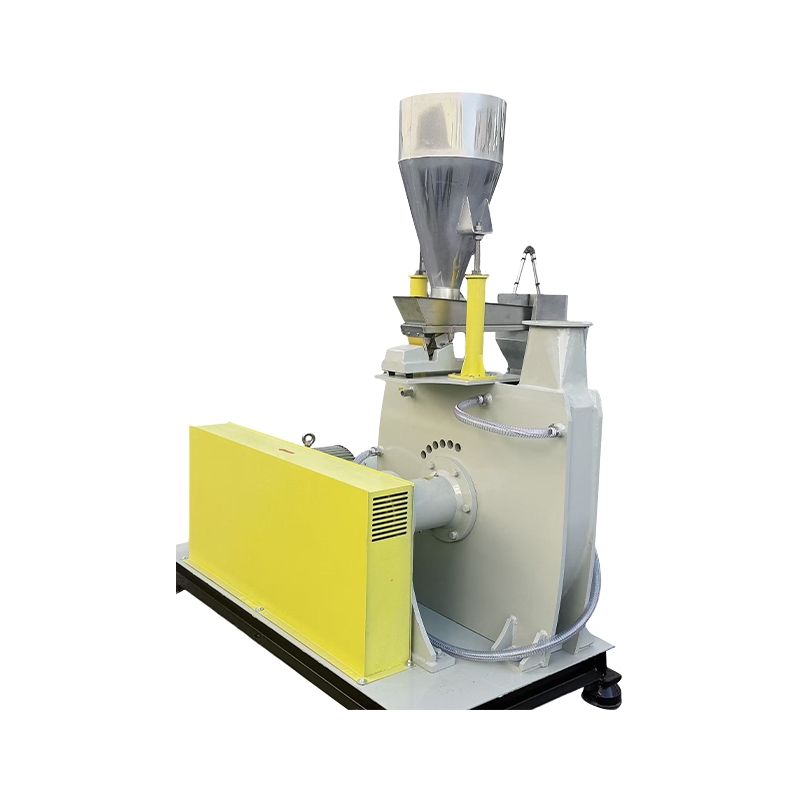
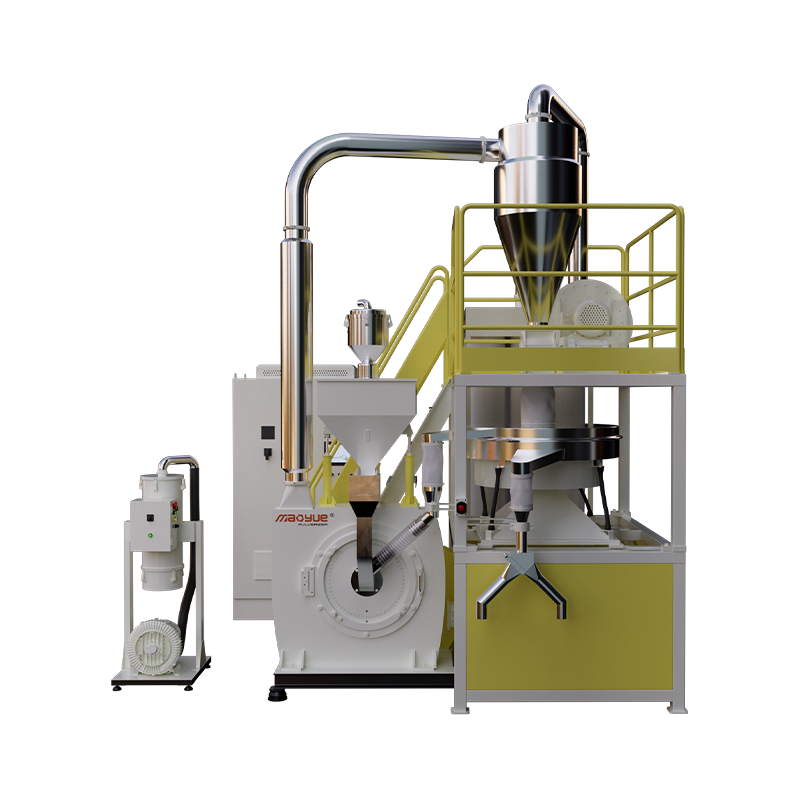
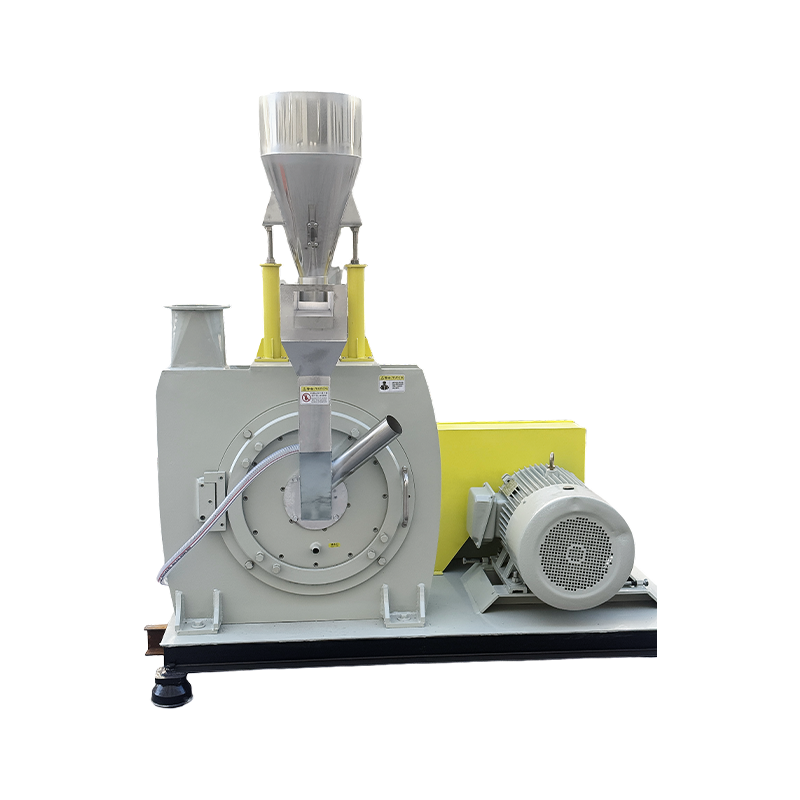
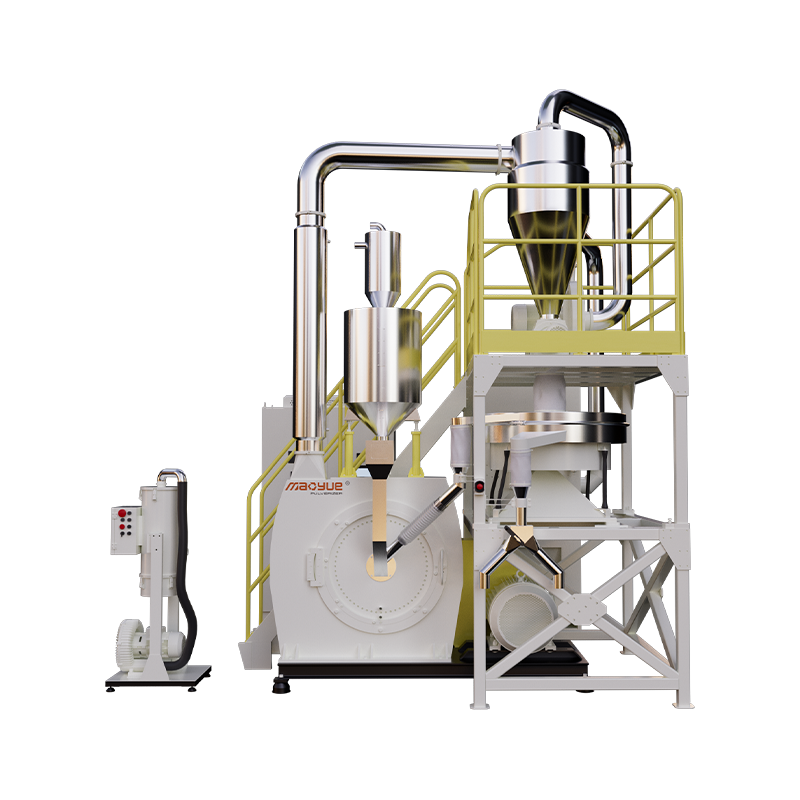
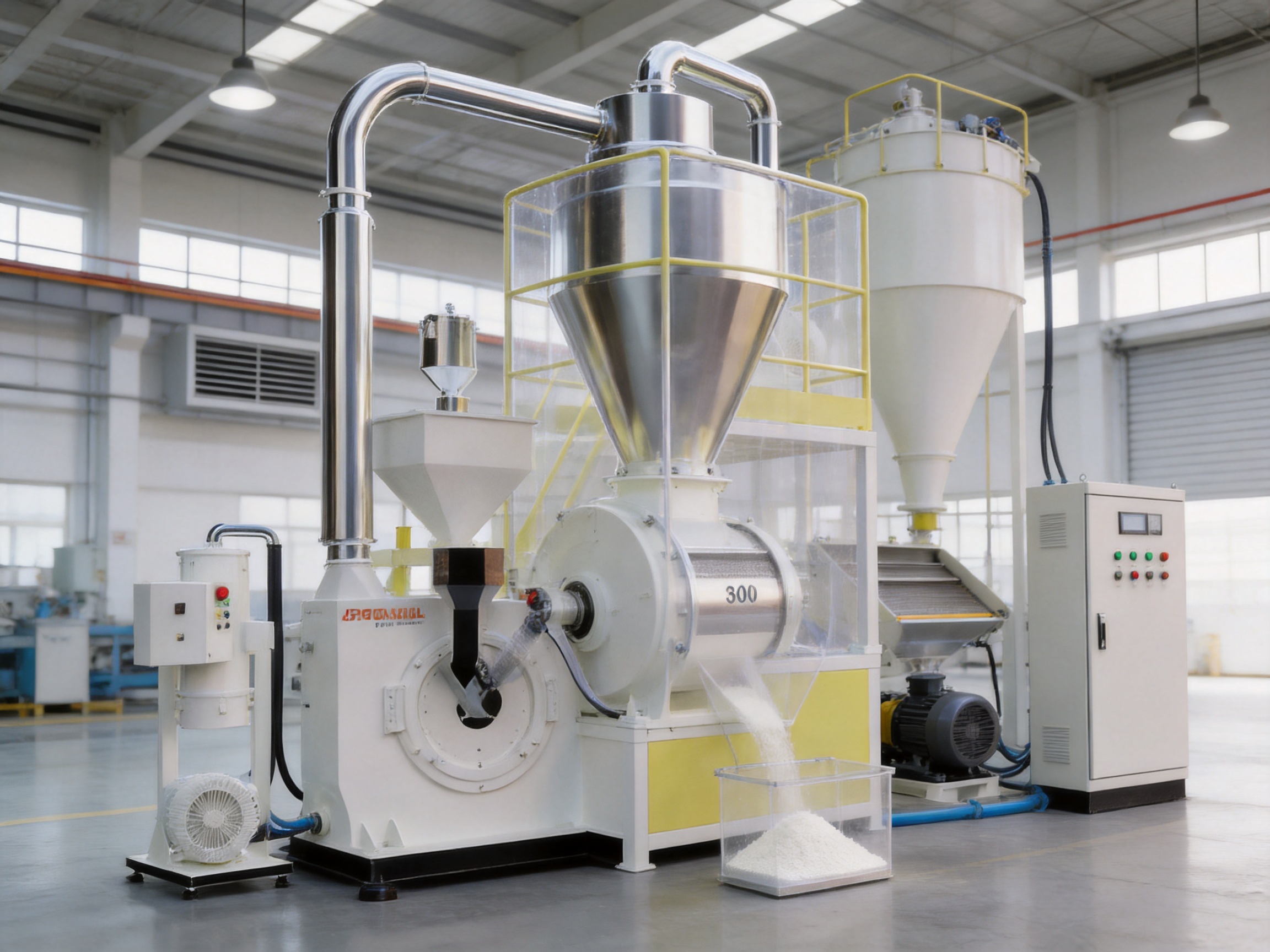
The 600-type PE rotomolding powder pulverizer is designed for medium-to-large manufacturers that require reliable output, controlled particle size, stable temperature management, and long-term operating efficiency. It is a heavy-duty disc pulverizing system developed for polyethylene rotational molding powder, while also being suitable for selected recycling, modified plastics, masterbatch, flooring, and hot-melt adhesive applications.
With a 600 mm grinding disc, DC53 tool-steel grinding components, water cooling, forced air circulation, negative-pressure conveying, dust collection, and automatic control options, the machine combines the key functions required for continuous industrial powder production. Its design focuses not only on initial capacity, but also on powder uniformity, equipment durability, operator safety, energy management, and maintainability.
The pulverizer is positioned between smaller machines intended for limited production and larger systems designed for very high-volume facilities. This makes it an attractive choice for manufacturers that need substantial production capability without accepting the larger footprint, higher investment, and reduced flexibility associated with oversized equipment.
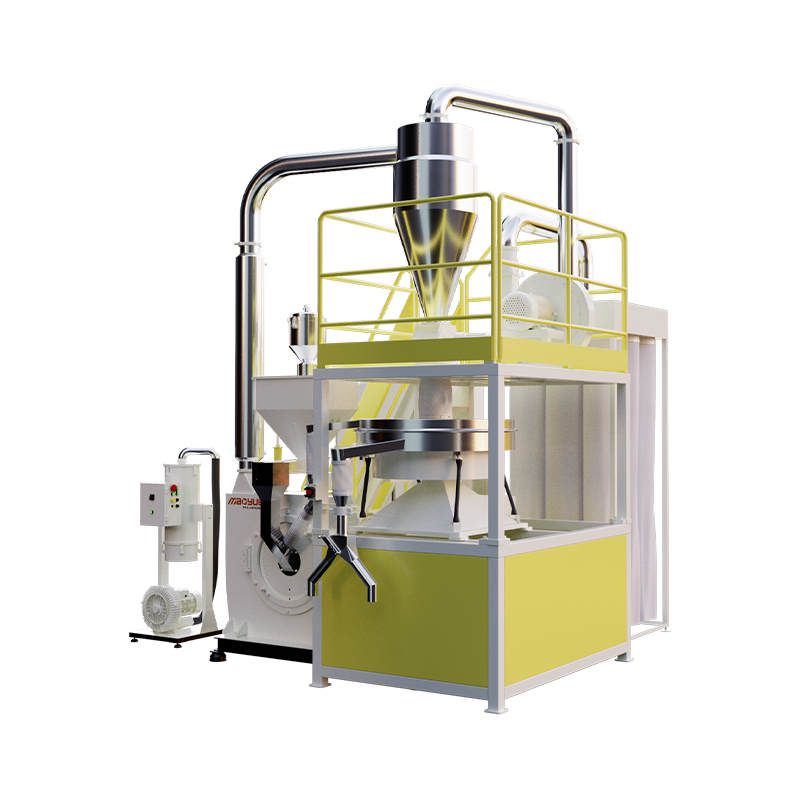
PE Rotomolding Powder High Uniformity 600 Pulverizer
Why Powder Uniformity Matters in Rotational Molding
Rotational molding uses polymer powder rather than conventional pellets or liquid resin. During the heating cycle, the powder moves inside a rotating mold and gradually melts onto the mold surface. The final product depends heavily on how evenly the powder distributes, melts, and bonds during this process.
Particle size distribution is especially important. If a powder contains too many large particles, the material may require additional heating time before complete fusion. Coarse particles can also remain unmelted or create uneven areas on the finished surface. On the other hand, excessive fines may create dust, handling difficulties, poor feeding behavior, or an increased risk of agglomeration.
A high-uniformity powder helps manufacturers achieve more predictable melting and better coverage of the mold surface. It supports smoother external surfaces, more consistent wall thickness, improved impact strength, and a lower probability of voids or weak zones. For water tanks, pallets, containers, playground equipment, trash bins, and other molded products, these benefits directly influence service life and customer acceptance.
The 600-type pulverizer is engineered around this requirement. Its grinding disc geometry, precision-machined teeth, dynamic balancing, cooling system, and controlled airflow work together to create a stable pulverizing environment. Instead of treating capacity as the only performance indicator, the equipment is designed to maintain powder quality throughout extended production periods.
Product Positioning and Main Capabilities
The machine is intended as a medium-to-large production pulverizer for PE rotational molding powder. Depending on the raw material, moisture level, feed size, target mesh, operating conditions, and process configuration, the system can support a broad industrial production range. The detailed technical specification lists a reference capacity of 180–320 kg/h and a mesh range of 10–50 mesh, while the broader product configuration is promoted for higher-output applications and adjustable fineness requirements.
Actual output should therefore be confirmed through material testing and a production trial. Polyethylene grade, melt flow characteristics, feed preparation, cooling water temperature, desired particle size, and the proportion of recycled material can all influence the final result. This approach is more reliable than selecting a pulverizer solely by a nominal capacity figure.
In practical production, the 600-type configuration is suitable for manufacturers that need a stable supply of powder for their own molding lines, as well as powder suppliers serving multiple rotational molding customers. It can also be integrated into a larger crushing and pulverizing line that includes feeding, pre-crushing, metal separation, conveying, screening, dust collection, and finished-product packing.
The 600 mm disc provides a substantial grinding area while keeping the overall system compact enough for many factory layouts. The equipment requires approximately 6–8 square meters of installation space in a typical arrangement, although the final footprint depends on the feeding, screening, ducting, dust collection, and material discharge layout.
Precision DC53 Grinding Discs
One of the most important components in a disc pulverizer is the grinding disc. The disc determines how efficiently the material is cut, sheared, and reduced into powder. It also affects the energy required per ton, the temperature generated inside the grinding chamber, the stability of the particle size, and the frequency of maintenance.
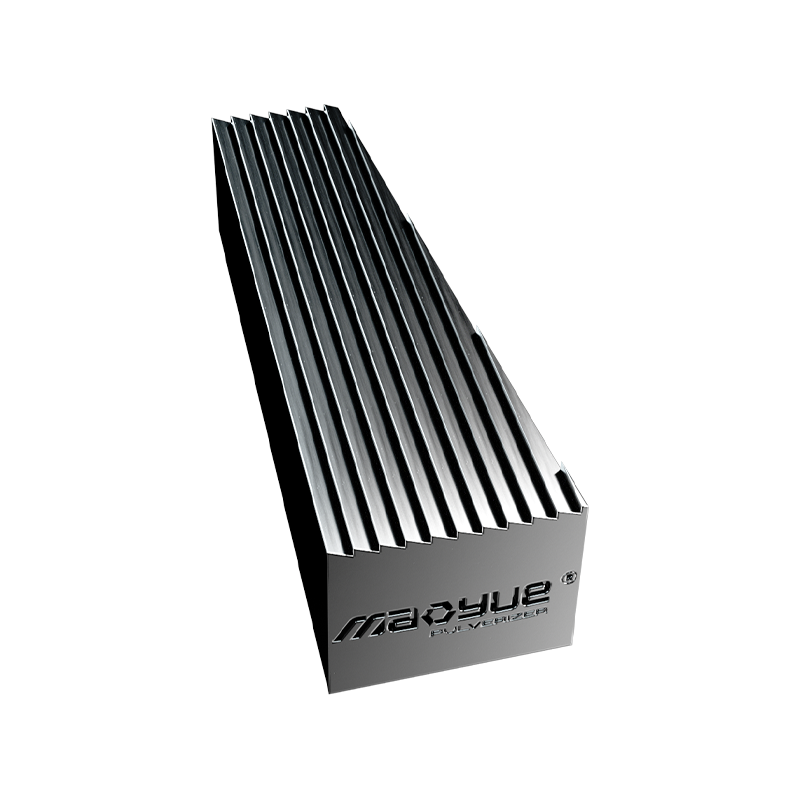
The 600-type machine uses DC53 high-grade cold-work mold steel for its grinding blades or discs. DC53 is selected for its balance of hardness, toughness, wear resistance, fatigue resistance, and resistance to edge chipping. The stated hardness range is HRC 62–64, allowing the grinding surface to retain its cutting profile under demanding operating conditions.
Compared with conventional D2 steel components, DC53 can provide improved resistance to fatigue and chipping when correctly heat treated and machined. The product information indicates that the service life of these discs may reach approximately 1.5–2.5 times that of standard discs, depending on the raw material and working conditions. This advantage can reduce unplanned downtime and limit the number of replacement cycles during the operating life of the pulverizer.
Longer disc life is valuable for more than simple maintenance savings. Every disc replacement requires machine shutdown, disassembly, cleaning, inspection, installation, alignment, and recommissioning. In a continuous production environment, these activities reduce available production hours. A more durable disc allows the plant to maintain a steadier production schedule while also reducing the risk of quality fluctuations caused by worn or damaged grinding teeth.
Tooth-by-Tooth Precision Grinding
The grinding discs are processed using imported Taiwanese professional CNC tool-grinding equipment. The manufacturer operates two specialized machines for precision tooth-by-tooth grinding. This process is intended to maintain consistent tooth geometry, blade angle, edge sharpness, and spacing across the complete disc surface.
Uniform tooth geometry is essential because an uneven disc can cause inconsistent cutting forces. Some areas may perform excessive grinding while other areas allow particles to pass through without sufficient reduction. Such variation may produce a wider particle size distribution, increase vibration, raise energy consumption, and create localized heating in the grinding chamber.
By controlling the geometry of each tooth, the pulverizer can produce a more predictable cutting action. This supports narrower particle distribution and improves the repeatability of the finished PE powder. It is particularly useful when the powder must meet demanding flowability and surface-finish requirements.
The precision grinding process also supports the refurbishment of dulled discs. Instead of discarding every component after its cutting edges become worn, qualified discs can be professionally reground and returned to service. Refurbishment costs are stated at approximately one-quarter to one-third of the cost of new discs, subject to the condition of the disc and the required machining work.
This refurbishment capability creates a practical life-cycle advantage. Customers can plan disc maintenance as part of a predictable service program, reduce consumable costs, and maintain the original grinding geometry more effectively than with improvised local sharpening methods.
Dynamic Balancing for Low Vibration
High-speed rotating components must be accurately balanced. Even a small imbalance in a large grinding disc can produce vibration, noise, bearing stress, frame fatigue, and unstable powder production. Vibration may also loosen fasteners, affect duct connections, shorten the service life of electrical components, and make routine inspection more difficult.
Each grinding disc is dynamically balanced using imported German high-precision balancing equipment. Dynamic balancing evaluates the rotating component under conditions that simulate operation and identifies both the amount and position of imbalance. Corrective machining or balancing adjustments can then be applied before the disc is installed.
The result is a smoother operating pulverizer with improved mechanical stability. The product information refers to a “coin-standing” level of stability, meaning that a coin can remain standing during operation under suitable demonstration conditions. Although actual vibration depends on installation, foundation, material, and maintenance, the balancing process provides an important engineering foundation for quiet and reliable performance.
Noise levels are specified below 85 dB under the stated operating configuration. Noise control is important in industrial workshops because it improves the working environment and helps manufacturers manage occupational exposure. Proper enclosure, foundation design, routine bearing inspection, and correct alignment remain necessary to achieve the best practical result.
Low vibration also benefits powder quality. A stable grinding chamber maintains more consistent clearance and cutting conditions between the discs. This can help prevent sudden changes in particle size and reduce the risk of mechanical disturbances that interrupt continuous production.
Dual Cooling for PE Processing
Polyethylene can become soft, sticky, or partially agglomerated when exposed to excessive heat during pulverizing. Friction between the grinding discs and the material generates heat, particularly when the material is difficult to process, when the feed rate is too high, or when the grinding clearance is too narrow.
Overheating may cause several problems. The powder can stick to the grinding surfaces, form lumps, lose its free-flowing behavior, or suffer thermal degradation. Degraded material may produce odor, discoloration, poor fusion, weak spots, and inconsistent mechanical properties in the molded product.
The 600-type pulverizer uses a dual cooling concept that combines a water-cooling jacket with forced air cooling. The water-cooling system is configured with inlet and outlet circulation so that heat can be removed continuously from the grinding chamber. The technical specification describes a water-cooling arrangement in which one connection provides entry and another provides discharge.
Forced airflow contributes to the removal of heat and assists in moving the pulverized material through the conveying system. The combination allows the machine to respond more effectively to changes in feed rate and material behavior than a single cooling method alone.
Multi-point temperature sensors monitor operating conditions at important locations. A PLC-based control system can use these temperature signals to support automatic monitoring and adjustment. The stated grinding chamber control range is approximately 50–80°C. Maintaining the chamber within a controlled range helps reduce sticking, clumping, poor flowability, and unnecessary thermal exposure.
Temperature control should always be adjusted according to the specific polyethylene grade and target particle size. Different grades have different melting behavior and sensitivity to shear. A production trial allows the operator to determine the most suitable cooling water flow, air volume, feed rate, and disc clearance.
Enclosed Negative-Pressure Conveying
Dust management is a major consideration in plastic powder production. Fine particles can accumulate on surfaces, enter electrical cabinets, reduce visibility, affect housekeeping, and create respiratory hazards. Open conveying systems may also allow powder loss and cross-contamination between materials.
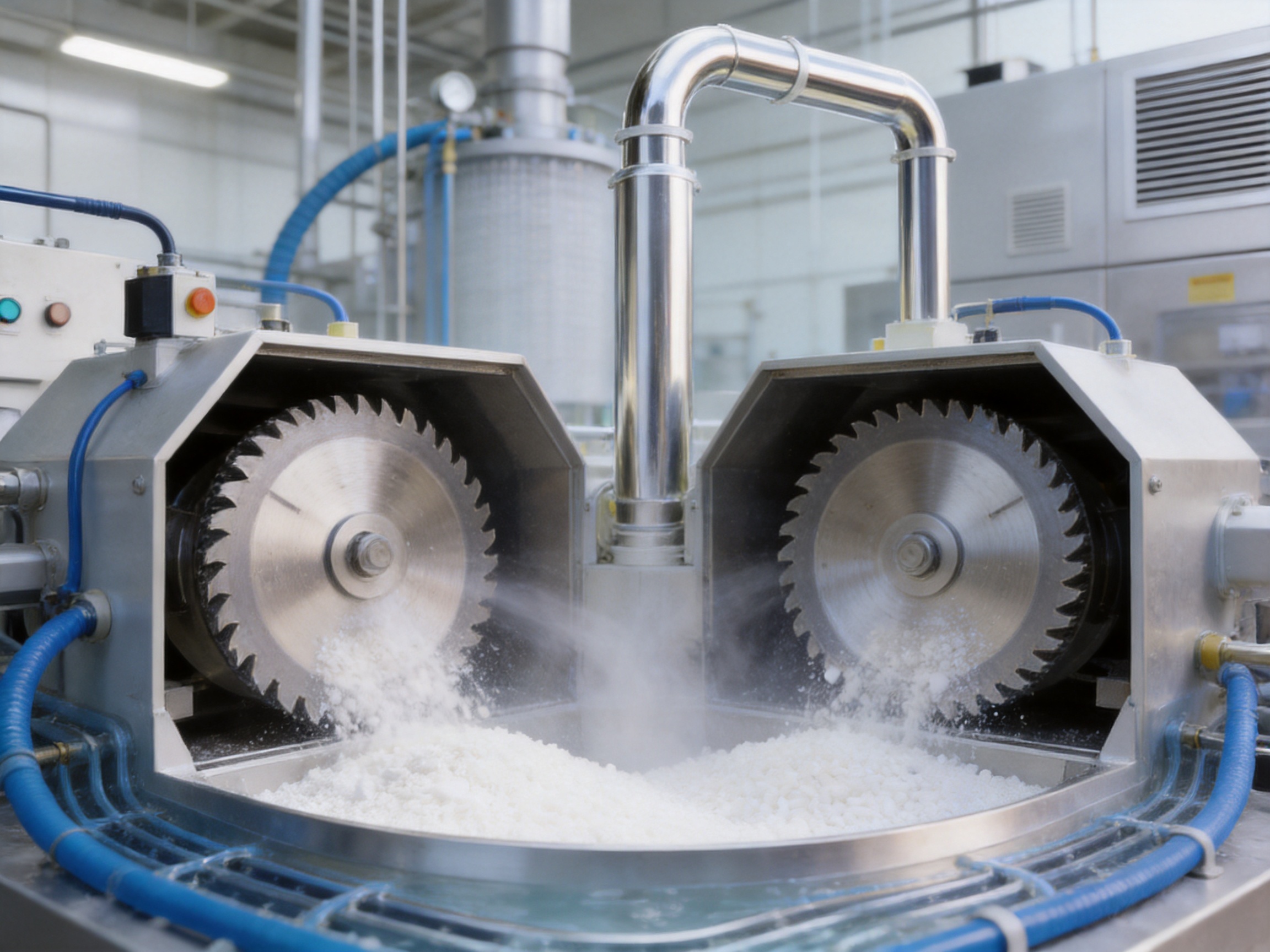
The pulverizer uses fully enclosed negative-pressure airflow conveying. In this arrangement, air movement draws material away from the grinding area through a closed pipe system. The negative pressure helps prevent powder from escaping through small openings and directs airborne particles toward the collection equipment.
The conveying pipes are specified as stainless steel, with a reference pipe diameter of 159 mm. Stainless steel provides a clean, durable conveying surface and is suitable for applications where corrosion resistance, hygiene, and easy cleaning are important. The actual pipe layout should be designed according to the material flow, elevation, bend radius, airflow requirements, and installation space.
A high-efficiency pulse bag dust collector completes the system. The stated dust capture rate is greater than 99.9 percent under the specified conditions. Pulse cleaning periodically removes accumulated dust from the filter bags, allowing the collector to maintain airflow while reducing the need for frequent manual cleaning.
Effective dust collection offers several benefits. It improves workshop cleanliness, reduces material loss, protects employees from unnecessary exposure to airborne particles, and helps manufacturers meet applicable environmental requirements. It also protects the surrounding machinery because less powder settles on motors, control cabinets, bearings, and ventilation surfaces.
Dust collection performance depends on correct filter selection, airflow balance, bag condition, sealing, and regular maintenance. Operators should inspect filter bags, pulse valves, seals, and discharge components according to a preventive maintenance schedule.
Electrical Power and Drive Configuration
The machine is designed with a main drive motor configuration of 45/55 kW, with total installed power commonly positioned in the 55–75 kW range depending on the selected auxiliaries. A 7.5 kW blower motor supports the airflow and conveying process. The vibrating screen is equipped with a 1.1 kW motor.
The drive system can be configured with star-delta starting, soft starting, or inverter control. Star-delta starting offers a relatively simple method of reducing starting current compared with direct-on-line starting. Soft starting provides a smoother acceleration profile and can reduce mechanical shock. Inverter control offers the greatest flexibility because speed can be adjusted according to the material, target fineness, capacity, and energy requirements.
Variable-speed operation is useful when a manufacturer processes multiple PE grades or changes the desired mesh size. A lower speed may help manage heat and reduce energy consumption in one application, while a higher speed may be used when additional grinding intensity is required. The correct operating point should be established through testing rather than by choosing the highest available speed.
Energy efficiency is influenced by more than motor rating. Sharp grinding teeth, correct disc clearance, balanced rotating components, clean filters, suitable airflow, and stable feeding all affect the kilowatt-hours required per ton of powder. A properly maintained machine can therefore deliver better operating economics than a nominally smaller machine that operates with worn discs or unstable airflow.
Particle Size and Screening Control
The product specification identifies a reference mesh range of 10–50 mesh, while the broader product description indicates adjustable fineness from approximately 20–100 mesh depending on the configuration and process conditions. Mesh values are not identical to a single particle diameter because the result depends on the screen standard, material shape, and measurement method.
For rotational molding, the appropriate powder size depends on the product design, resin grade, mold geometry, wall thickness, heating cycle, and required surface finish. A finer powder may melt more rapidly and provide improved surface coverage, but excessive fines can increase dust and handling challenges. A coarser powder may reduce dust but require additional melting time.
The system includes a vibrating screen with a stated swing diameter of 1,200 mm. Screening allows the plant to separate material that has reached the desired size from particles that require additional processing. This helps establish a more consistent finished product and prevents oversized particles from entering the packing or molding process.
Screening can also support closed-loop operation. Oversize particles may be returned to the pulverizer for additional reduction, while qualified powder is directed to storage or packaging. The exact return arrangement depends on the complete line design and the customer's production objectives.
Production Applications
Rotational Molding of Large Products
The main application is the production of PE powder for rotational molding products. These include water tanks, chemical containers, agricultural tanks, pallets, trash bins, playground equipment, road barriers, storage boxes, and other hollow or large-format molded components.
Such products often require uniform wall thickness and dependable impact resistance. A powder with controlled particle size can help the resin distribute evenly during mold rotation. This is especially important for large molds with deep corners, complex contours, ribs, handles, or varying distances from the heat source.
Commercial Supply of PE Rotomolding Powder
Powder producers and compounders can use the 600-type system to supply prepared rotational molding powder to external customers. The machine's precision grinding, temperature management, screening, and enclosed conveying features support the production of a more consistent commercial product.
For suppliers, repeatability is essential. Customers expect the same material to process similarly from one delivery to the next. Stable operating conditions, documented temperature settings, controlled feed rates, and routine particle-size testing can help create a reliable product specification.
Recycling and Re-Pulverizing
The pulverizer can also be used for selected waste PE rotational molding products and production scrap. Recycling applications require careful sorting and preparation. The feed should be free from metal, stones, excessive moisture, incompatible polymers, and contaminants that could damage the disc or reduce powder quality.
Pre-crushing may be required when the waste material is too large for direct feeding. Magnetic separation, manual inspection, or other contaminant-removal processes may be added to the line. Once prepared, the material can be pulverized and screened for reuse, depending on the quality requirements of the final product.
Modified Plastics and Masterbatch
The system may also be suitable for medium-to-high output processing of selected modified plastics and functional masterbatch materials. These applications may require different disc settings, temperature limits, airflow conditions, and cleaning procedures. The machine should be validated against the specific formulation before full-scale production.
SPC Flooring and Hot-Melt Adhesive Powder
Other possible applications include SPC flooring core-layer powder and hot-melt adhesive powder. These materials may have different hardness, softening behavior, additive content, and thermal sensitivity compared with PE rotational molding resin. Product testing is therefore important to establish the correct grinding speed, cooling conditions, screening specification, and conveying parameters.
Advantages Compared with Conventional Pulverizers
The first major advantage is the combination of durable DC53 grinding components and precision tooth grinding. Many basic pulverizers use standard wear parts that may lose their cutting performance rapidly under continuous service. When the edge becomes rounded, the machine may consume more power and generate more heat while producing less consistent powder. The DC53 configuration is designed to preserve sharpness and extend service intervals.
The second advantage is manufacturing accuracy. The use of CNC tool grinders and dynamic balancing equipment improves the consistency of the rotating and cutting components. This can reduce vibration and help maintain stable processing conditions over long operating periods.
The third advantage is integrated temperature control. A simple air-cooled system may be adequate for some materials but can become less effective when processing sticky PE at high throughput. Water cooling combined with forced air provides a stronger method of controlling heat and reducing the risk of agglomeration.
The fourth advantage is enclosed material handling. Negative-pressure conveying and pulse-filter dust collection provide a cleaner alternative to open transfer arrangements. This benefits both workplace conditions and product protection.
The fifth advantage is serviceability. The ability to refurbish grinding discs rather than replacing them after every wear cycle can reduce long-term tooling expenses. It also allows customers to build a planned maintenance program around inspection, refurbishment, balancing, and reinstallation.
The sixth advantage is configuration flexibility. Customers can choose among different starting and speed-control systems, adjust production according to the raw material, and integrate the pulverizer into a larger automated line. This flexibility helps the equipment serve both dedicated PE operations and facilities that process several related materials.
Finally, the machine offers a balance between capacity and footprint. An 800-type machine may provide greater output but require more space and investment. A smaller 500-type system may have lower initial cost but provide less production reserve. The 600-type design is intended for plants that need significant capacity while retaining operational flexibility.
Manufacturing Process and Engineering Strength
The equipment is manufactured by Changzhou Mao Yue Intelligent Equipment Co., Ltd., a source manufacturer with approximately 30 years of experience in plastic crushing and pulverizing equipment. Its product range covers disc pulverizers, components, and complete size-reduction solutions for plastics, polymers, PVC, PE, recycling, powder coating, masterbatch, and rotational molding.
The company operates six processing workshops, each averaging approximately 1,400 square meters. This workshop structure supports the separation of machining, welding, assembly, testing, and other production activities. A dedicated manufacturing environment can improve workflow control and reduce the risk of inconsistencies between major production stages.
Its manufacturing philosophy is based on producing components according to European quality standards. The factory uses Taiwan-imported high-precision grinding machines built to German standards, German dynamic balancing equipment, and Japanese welding systems. These resources support the production of accurate grinding parts, stable rotating assemblies, and strong machine frames.
Grinding-disc production is a particularly important part of the process. The disc must be manufactured to correct dimensions, heat treated to the required hardness, ground tooth by tooth, inspected, and dynamically balanced. Errors in any of these stages can affect machine vibration, particle size, energy efficiency, and disc life.
Welding quality is also important because the pulverizer frame, chamber, ducts, hoppers, and support components must withstand vibration and continuous industrial operation. Japanese welding systems and qualified welding procedures can help create consistent joints and reduce deformation during fabrication.
After manufacturing, the machine should be assembled, aligned, inspected, and tested. Typical checks include motor rotation, belt and pulley alignment, disc clearance, vibration behavior, temperature response, airflow, screening, dust collection, emergency stops, and control-system functions.
Quality Management and Certifications
The company has obtained CE mechanical certification and ISO 9001 quality management system certification. CE-related compliance supports the assessment of applicable safety and mechanical requirements for relevant markets. ISO 9001 provides a framework for documented quality processes, traceability, corrective action, and continual improvement.
Certification does not replace proper installation or safe operation. Customers should still follow the supplied operating manual, electrical requirements, guarding instructions, grounding recommendations, and maintenance procedures. Local regulations may also require additional environmental, electrical, or occupational safety measures.
A quality management system is especially valuable for customized pulverizing equipment. Different customers may require different motors, screen configurations, pipe layouts, dust collectors, feeding systems, or control interfaces. Documented processes help ensure that customized equipment remains consistent with the agreed technical specification.
Installation and Operating Considerations
The pulverizer should be installed on a stable foundation capable of supporting the machine and absorbing normal operating forces. The installation area should provide sufficient clearance for inspection, disc removal, belt maintenance, filter replacement, and cleaning. Space should also be allocated for raw-material feeding, finished-powder discharge, and safe operator movement.
Electrical power should be selected according to the motor configuration, local voltage, frequency, starting method, and control requirements. The control cabinet should be protected from dust and moisture. Correct grounding and overload protection are essential for safe operation.
Cooling water should be clean enough to limit blockage and corrosion within the cooling circuit. Flow and temperature should be monitored, particularly during high-load operation. If the cooling water becomes too warm, the grinding chamber may exceed its preferred operating range.
Before starting production, the operator should confirm that the feed material is appropriately sized and free from metal or other hard contaminants. The grinding chamber, conveying pipe, screen, filter bags, and discharge path should be clear. The machine should be started according to the recommended sequence, typically allowing airflow and cooling to stabilize before introducing material.
Feeding should begin gradually. Sudden overfeeding can overload the motor, increase frictional heat, reduce powder uniformity, or cause blockages. Operators should observe motor current, temperature, vibration, sound, airflow, and product appearance during the initial production period.
When changing materials, the line should be cleaned thoroughly enough to prevent contamination. This is particularly important when changing color, resin grade, additive formulation, or application. A documented changeover procedure can reduce waste and improve product consistency.
Maintenance and Life-Cycle Economics
Preventive maintenance is necessary to obtain the full benefit of the machine's engineering features. Grinding discs should be inspected for wear, chipping, cracks, and changes in tooth geometry. Disc clearance should be checked and adjusted according to the operating manual.
Bearings, belts, pulleys, fasteners, seals, temperature sensors, and vibration points should be inspected at planned intervals. The dust collector requires inspection of filter bags, pulse valves, differential pressure, and discharge components. A blocked or damaged filter can reduce airflow and increase dust leakage.
The cooling circuit should be checked for leaks, restricted flow, scaling, and abnormal water temperature. The stainless-steel conveying pipe should be inspected for powder buildup, especially at bends and connection points.
Disc refurbishment should be scheduled before wear causes serious quality or energy problems. Professional regrinding can restore the working edges and extend the useful life of the component. After refurbishment, dynamic balance and dimensional accuracy should be verified before the disc returns to operation.
Although the initial investment in a precision pulverizer may be higher than that of a basic machine, life-cycle economics can be more favorable. Potential savings come from longer disc life, fewer replacements, lower reject rates, reduced cleaning time, improved output stability, and reduced labor intensity. Additional value may come from producing more sellable powder with the same floor space.
The stated typical return-on-investment period is approximately 6–12 months in suitable operating conditions. Actual payback depends on utilization, electricity costs, product selling price, raw-material value, labor costs, maintenance practices, and the difference between the new system and the equipment being replaced.
Technical Specification Overview
| Item | Specification | Production Significance |
|---|---|---|
| Machine type | 600 | Designed for medium-to-large plastic powder production |
| Grinding disc diameter | 600 mm | Provides a substantial grinding surface for industrial throughput |
| Reference capacity | 180–320 kg/h | Actual output depends on material, feed rate, and target fineness |
| Reference mesh size | 10–50 mesh | Suitable for a range of PE powder requirements |
| Main drive motor | 45/55 kW | Provides the grinding power required for continuous operation |
| Speed control | Star-delta, soft start, or inverter | Allows the drive system to be matched to plant requirements |
| Grinding-disc material | DC53 | Combines hardness, wear resistance, toughness, and anti-chipping performance |
| Blower motor | 7.5 kW | Supports airflow conveying and cooling |
| Conveying pipe | Stainless steel, 159 mm reference diameter | Supports clean and enclosed material transfer |
| Vibrating screen | 1,200 mm reference diameter | Separates qualified powder from oversize material |
| Screen motor | 1.1 kW | Drives the screening system |
| Feeding method | Vacuum feeding | Supports enclosed and controlled material feeding |
| Dust collector bag diameter | 300 mm reference size | Supports high-efficiency dust capture |
| Cooling method | Water cooling with inlet and outlet circulation | Helps control chamber temperature during PE pulverizing |
How to Select the Correct Configuration
Customers should begin with a clear definition of the required material and production target. Important information includes the PE grade, input form, maximum feed size, moisture content, contamination level, desired mesh range, operating hours per day, and whether the final powder will be used internally or sold commercially.
The expected production rate should be based on qualified output rather than the amount entering the machine. If the powder must pass through a screen and oversize material is returned for reprocessing, the usable output may be lower than the gross pulverizer throughput.
Customers should also specify whether the system will process virgin resin, recycled material, or a blend. Recycled material may require additional pre-treatment, separation, or filtration. It may also generate different heat and dust loads during pulverizing.
For plants with several products, an inverter-controlled drive may provide greater flexibility than a fixed-speed arrangement. For a dedicated high-volume PE application, a simpler starting method may be sufficient if the power supply and production conditions support it.
The complete system should be designed as a process rather than as an isolated machine. Feeding, crushing, pulverizing, screening, conveying, dust collection, storage, and packing must be matched so that one component does not restrict the rest of the line.
Safety and Environmental Performance
Safe operation requires guards on rotating components, secure covers, emergency-stop devices, proper electrical protection, and controlled access to the grinding chamber. The machine should never be opened while rotating components are moving or while stored electrical, pneumatic, or mechanical energy remains present.
Lockout and tagout procedures should be used during disc changes, cleaning, inspection, and maintenance. Operators should receive training in normal operation, abnormal conditions, blockage removal, fire response, and personal protective equipment requirements.
Dust control is an important part of environmental and occupational protection. The enclosed negative-pressure system and pulse bag collector are designed to achieve dust capture above 99.9 percent under stated conditions. However, the whole line must be sealed correctly for the collector to perform effectively.
Appropriate hearing protection should be selected according to measured workplace noise. The stated noise level below 85 dB provides a performance reference, but actual exposure depends on the room, machine arrangement, operating load, and other equipment in the factory.
Q&A
What material is the 600-type pulverizer primarily designed for?
It is primarily designed for polyethylene powder used in rotational molding. It can also be evaluated for selected recycled PE, modified plastics, masterbatch, SPC flooring core-layer materials, and hot-melt adhesive powders after material testing.
What capacity can the machine achieve?
The detailed specification gives a reference capacity of 180–320 kg/h. Broader production descriptions indicate that higher outputs may be possible under suitable conditions and configurations. Final capacity depends on resin grade, feed size, target mesh, moisture, cooling, disc condition, and operating parameters. A material trial should be used to confirm the required output.
What particle sizes can be produced?
The listed reference mesh range is 10–50 mesh, while the wider configuration may support finer settings depending on the selected process arrangement. The required mesh should be confirmed according to the customer's molding process and powder-quality standard.
Why is DC53 used for the grinding discs?
DC53 offers a useful combination of hardness, wear resistance, toughness, fatigue resistance, and resistance to edge chipping. These characteristics help the disc retain its grinding performance for longer periods than many conventional materials when correctly heat treated and used under suitable conditions.
Can worn grinding discs be reused?
Yes. The manufacturer provides professional disc refurbishment and precision regrinding. Refurbishment may cost approximately one-quarter to one-third as much as a new disc, depending on the disc condition and machining requirements.
How does the machine control PE processing temperature?
The system combines a water-cooling jacket, forced air cooling, multi-point temperature sensing, and PLC-based control. The stated grinding chamber control range is approximately 50–80°C. Actual settings should be optimized for the specific polyethylene grade and target powder size.
Does the machine include dust collection?
The configuration uses enclosed negative-pressure airflow conveying and a pulse bag dust collector. The stated dust capture rate is greater than 99.9 percent under the specified operating conditions. Proper sealing, filter maintenance, and airflow adjustment are required to maintain performance.
What starting methods are available?
The drive can be configured with star-delta starting, soft starting, or inverter control. The best option depends on the factory power supply, motor size, desired speed adjustment, material variety, and automation requirements.
Is the machine suitable for recycling?
It can be used for selected PE recycling and re-pulverizing applications. Recycled feed must be properly sorted, pre-crushed if necessary, and cleared of metal, stones, excessive moisture, and incompatible polymers before entering the pulverizer.
How much space is required?
The 600-type machine is described as occupying approximately 6–8 square meters in a typical arrangement. The final space requirement will be larger if the system includes a crusher, vacuum feeder, vibrating screen, dust collector, storage hopper, return line, packing station, or additional safety clearance.
What certifications does the manufacturer hold?
The manufacturer has obtained CE mechanical certification and ISO 9001 quality management system certification. Customers should also confirm market-specific compliance requirements before installation and operation.
What information should be provided when requesting a quotation?
Customers should provide the polymer type, input form, required capacity, target mesh, working hours, power supply, preferred feeding method, recycling percentage, dust-control requirements, available floor space, and whether the machine will operate as a standalone unit or as part of a complete pulverizing line.
Conclusion
The 600-type PE rotomolding powder pulverizer is designed for manufacturers that require a dependable balance of throughput, powder quality, equipment life, and operating cost. Its principal strengths include DC53 grinding discs, CNC tooth-by-tooth precision grinding, professional disc refurbishment, German dynamic balancing, dual cooling, PLC temperature monitoring, enclosed negative-pressure conveying, pulse dust collection, and flexible drive configurations.
These features address the most common challenges in PE powder production: inconsistent particle size, disc wear, vibration, overheating, sticking, dust leakage, and unpredictable long-term performance. The machine is particularly suitable for medium-to-large rotational molding plants, commercial PE powder suppliers, recycling operations, modified-plastics manufacturers, and other facilities that need stable powder production.
The manufacturing capabilities behind the equipment further strengthen its value. Six processing workshops, precision grinding technology, imported balancing equipment, Japanese welding systems, experienced technical personnel, CE certification, and ISO 9001 quality management provide a structured foundation for producing reliable machinery and customized solutions.
For the best result, the pulverizer should be selected and configured according to the actual material, desired powder specification, production schedule, and complete line design. When correctly matched with suitable feeding, screening, cooling, dust collection, and maintenance procedures, the 600-type system can support consistent PE rotomolding powder production and improve the long-term efficiency of an industrial plastics operation.
References
1. Internal product specification and technical information for the 600-type PE rotomolding powder pulverizer.
2. Manufacturer-provided information concerning DC53 grinding-disc material, precision CNC grinding, disc refurbishment, dynamic balancing, and cooling-system design.
3. Manufacturer-provided company profile describing production workshops, machining equipment, welding systems, certifications, and plastic pulverizing applications.
4. General engineering principles for rotational molding powder preparation, polymer particle-size control, thermal management, dust collection, and preventive maintenance.
5. General technical guidance for industrial plastic size-reduction systems, enclosed conveying, pulse filtration, machine guarding, and electrical safety.