

 English
 русский
 Español
 عربى
 中文简体
 中文简体
Content
- 1 1. Product Overview
- 2 2. From Bulky Waste to Uniform Powder
- 3 3. Main Process Stages
- 4 4. Technical Specification
- 5 5. Advantages Over Conventional Crushing and Grinding Arrangements
- 6 6. Material and Application Range
- 7 7. Cooling and Temperature Control
- 8 8. Precision Manufacturing of the Pulverizing Components
- 9 9. Intelligent Control and Automation
- 10 10. Maintenance and Service Considerations
- 11 11. Installation and Commissioning
- 12 12. Economic and Environmental Value
- 13 13. Why the Manufacturer Is a Suitable Equipment Partner
- 14 14. Recommended Selection Process
- 15 15. Safety Considerations
- 16 16. Frequently Asked Questions
- 16.1 16.1 What types of plastic can this production line process?
- 16.2 16.2 Can it process complete plastic pipes and profiles?
- 16.3 16.3 What particle size can the line produce?
- 16.4 16.4 Is the system suitable for PVC?
- 16.5 16.5 How does the line reduce dust leakage?
- 16.6 16.6 What is the capacity of the 1000-type crusher?
- 16.7 16.7 What knife material is used?
- 16.8 16.8 What disc mill models are available?
- 16.9 16.9 Does the line require manual material transfer?
- 16.10 16.10 Can the line be customized?
- 16.11 16.11 What should be tested before purchasing?
- 16.12 16.12 Where is the equipment manufactured?
- 17 17. Conclusion
- 18 References
- 19 Product: Hammer-impact swing-knife crushing and pulverizing production line
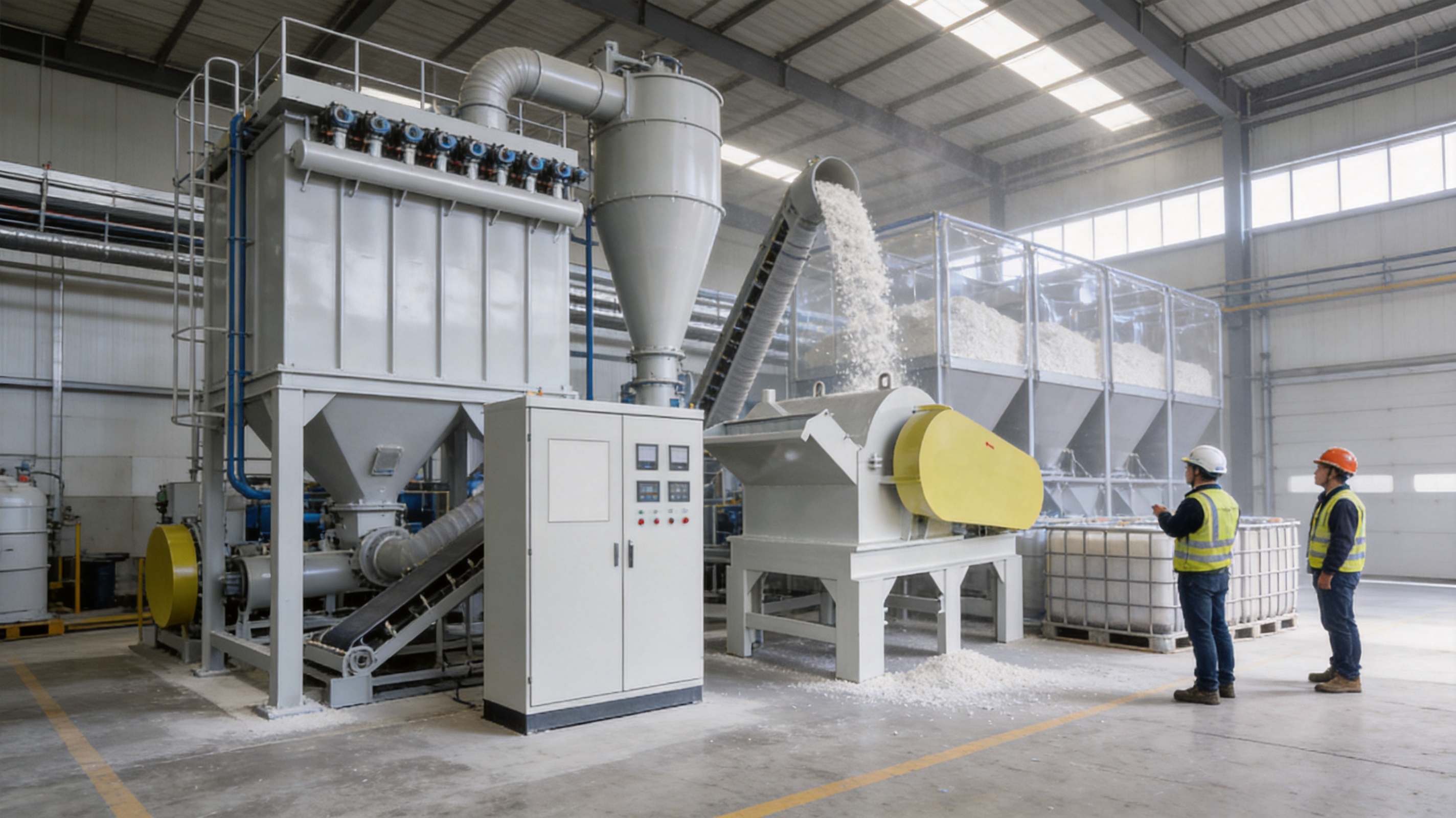
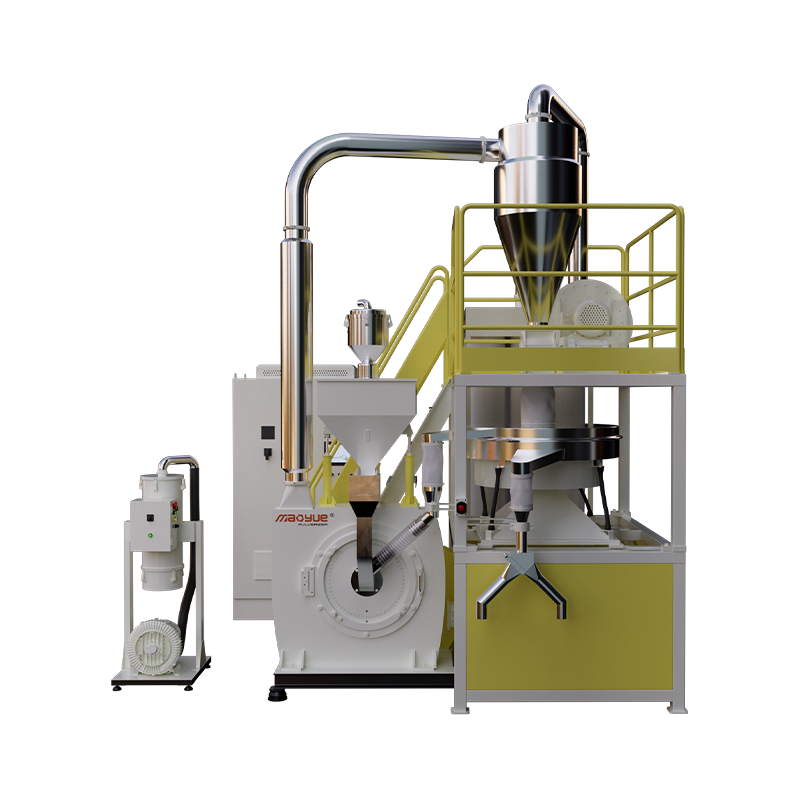
Plastic recycling operations increasingly require more than a basic crusher or a standalone pulverizer. Modern processors need a complete system that can accept bulky plastic waste, reduce it to a controlled intermediate size, produce consistent fine powder, manage dust, control temperature, and operate continuously with limited manual intervention. The hammer-impact swing-knife crushing and pulverizing production line is designed to meet these requirements in one integrated solution.
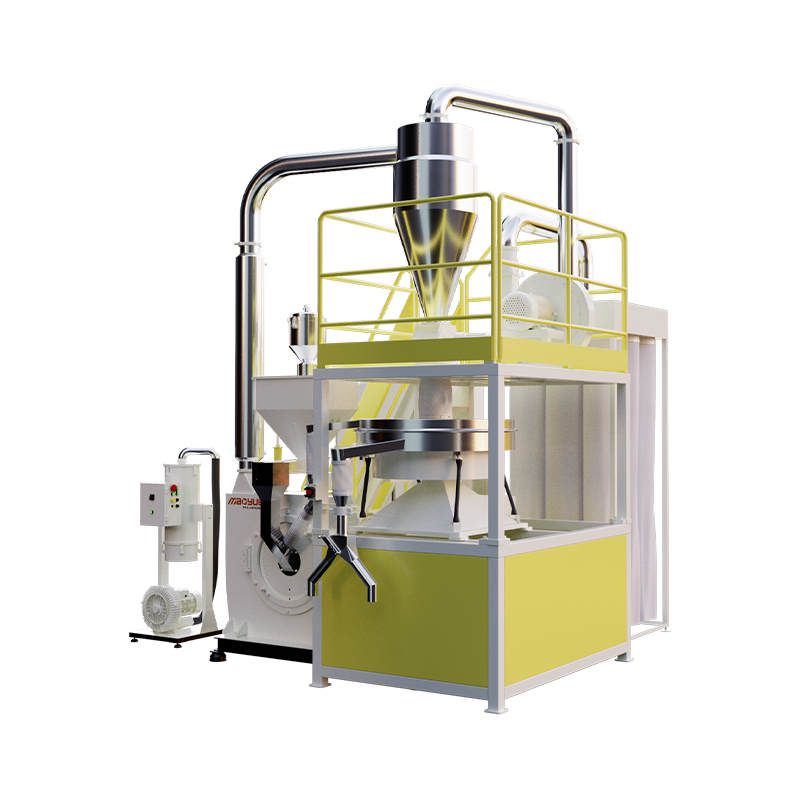
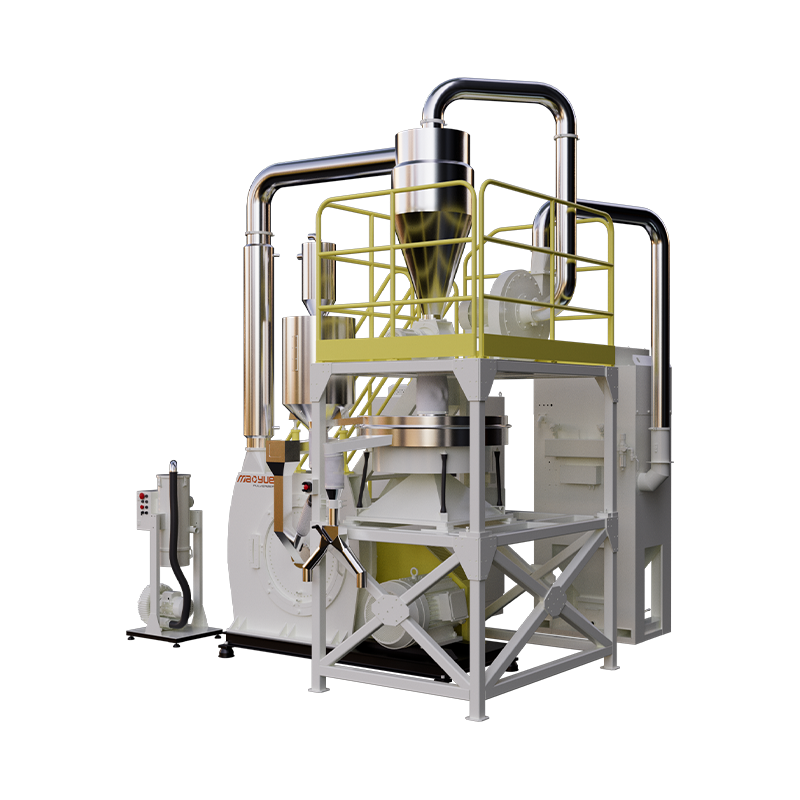
This production line combines heavy-duty coarse crushing, precision disc milling, negative-pressure conveying, cyclone separation, vibrating screening, cooling, and pulse dust collection. It is suitable for plastic pipes, profiles, sheets, foam boards, woven bags, pallets, rotational molding waste, blow-molded products, engineering plastics, and many other medium-hardness plastic materials. Depending on the material and configuration, the system can produce uniform powder in the range of approximately 20–80 mesh or finer.
The key advantage of this approach is process integration. Instead of transferring material manually between separate machines, the line moves material through a controlled sequence from large waste pieces to finished powder. This reduces handling, improves workplace cleanliness, supports stable production, and makes the final product more consistent.
1. Product Overview
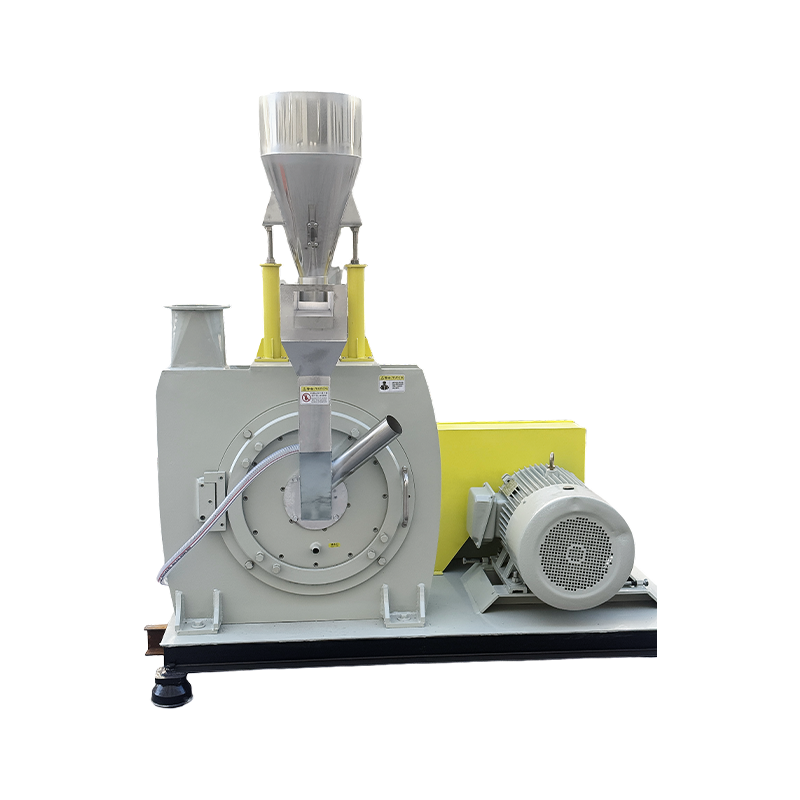
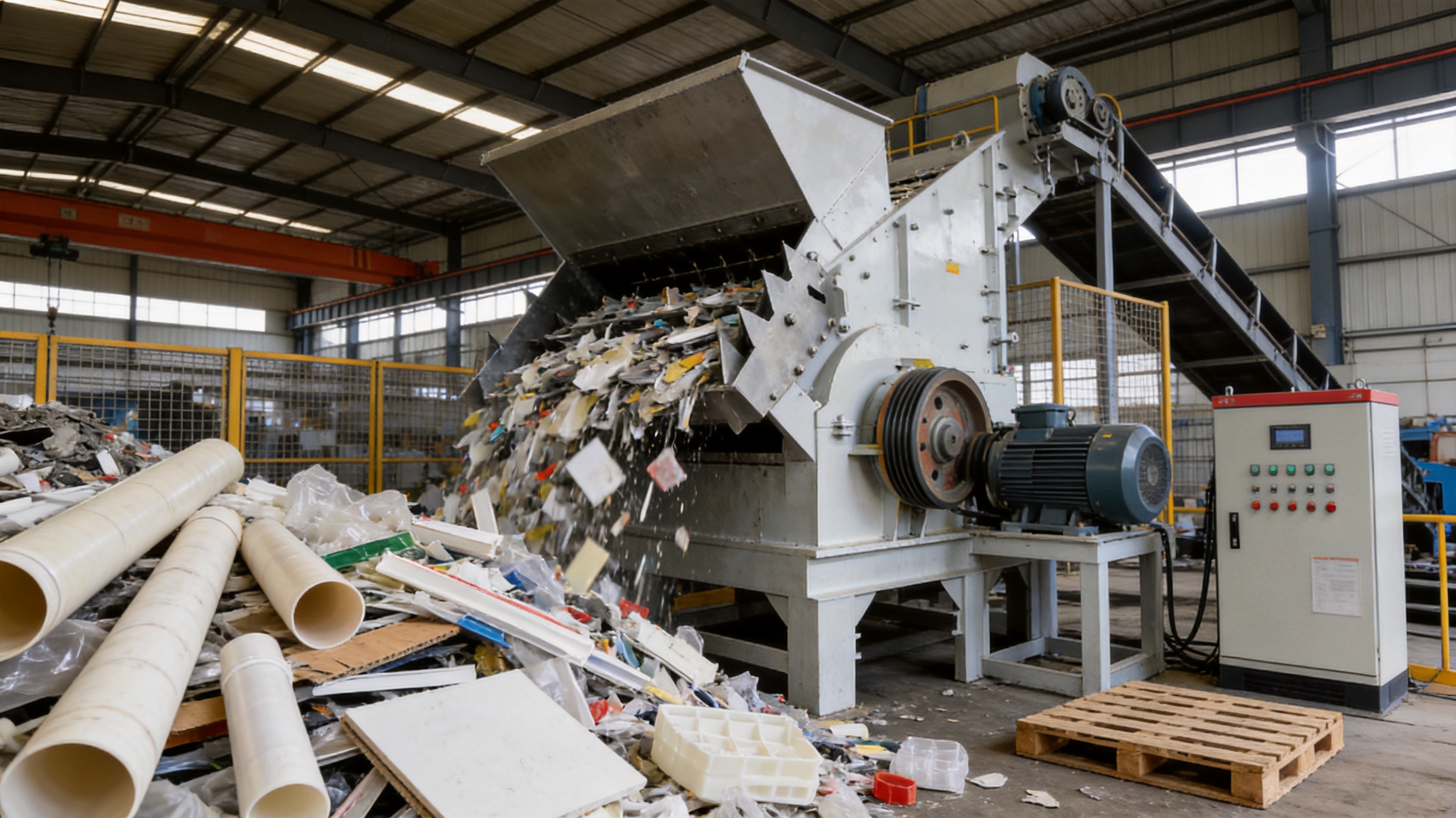
The hammer-impact swing-knife crushing and pulverizing production line is a complete size-reduction system for plastic recycling and powder production. Its front-end hammer-blade crusher handles large and irregular plastic waste. The crushed material then enters a precision disc mill, where high-speed grinding discs reduce it into fine powder. Conveying and separation equipment transports the material through the system, while screening and dust collection help maintain product quality and environmental performance.
The front-end crusher is built around a high-speed rotor equipped with multiple swing knives. In the 1000-type configuration described for this line, the rotor uses 36 rotary knives and can be matched with drive motors from 55 kW to 110 kW. The knives generate impact, shearing, and tearing forces as the material enters the crushing chamber. This combination is particularly useful for long, tough, or irregular plastic waste that may be difficult for a conventional fixed-knife crusher to process.
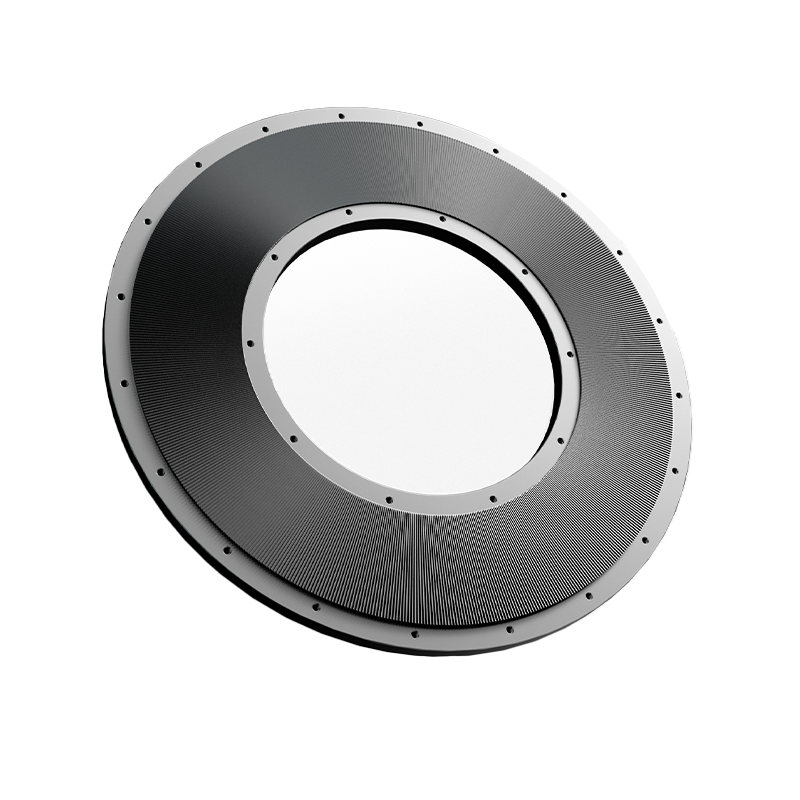
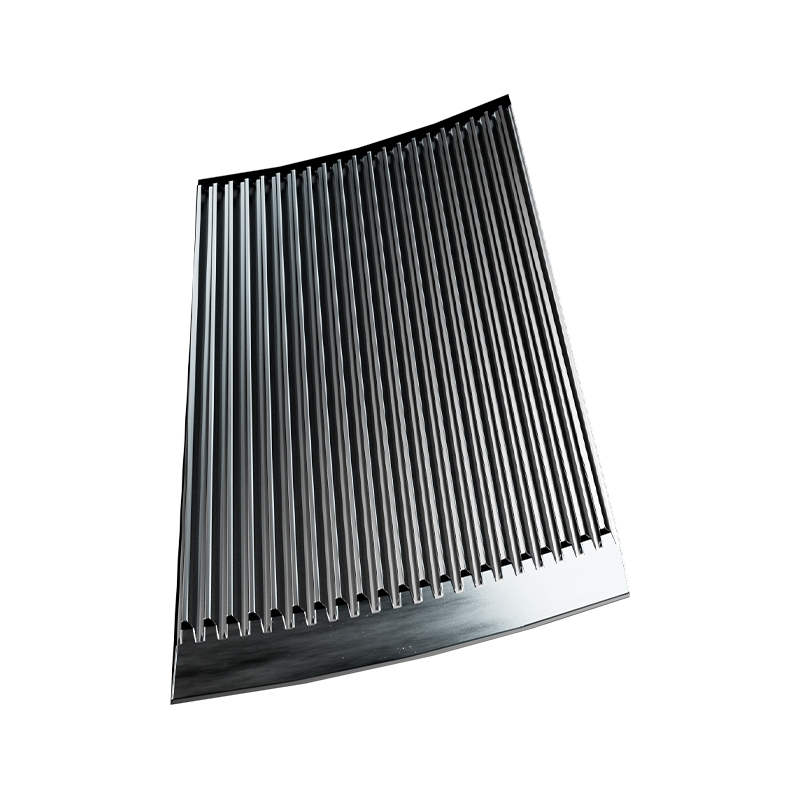
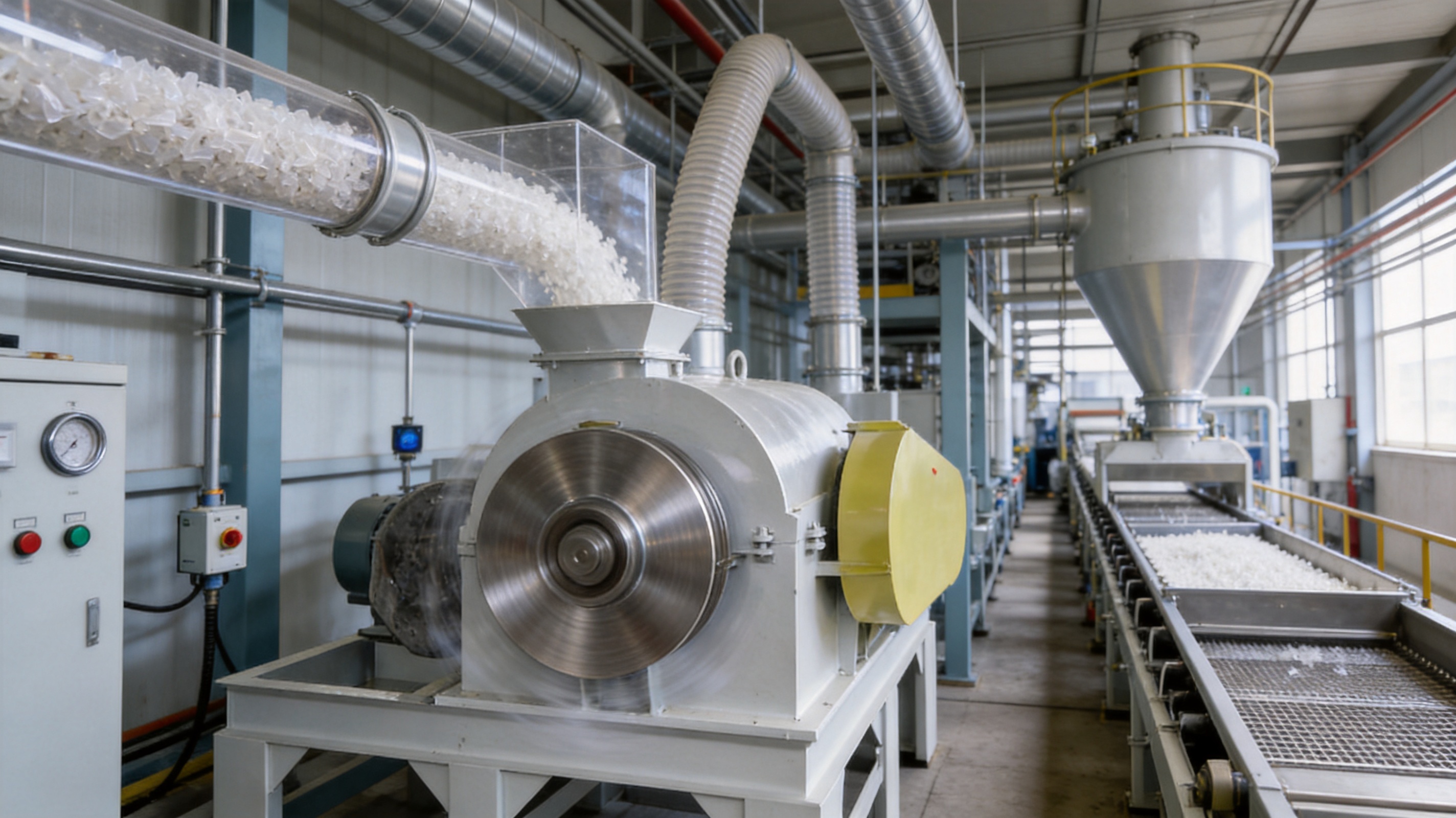
After coarse crushing, the material is conveyed to a disc pulverizer. The pulverizer uses precision-machined grinding discs manufactured from high-grade DC53 mold steel. The disc geometry is produced through tooth-by-tooth CNC processing and carefully balanced to support stable high-speed operation. The result is a more uniform grinding action and a lower risk of large lumps remaining in the powder.
The line is suitable for recycling PVC, PE, PP, PET, ABS, EVA, and related materials. It can be configured for different feed sizes, capacities, particle-size requirements, cooling needs, and downstream applications. The system is especially useful where plastic waste must be converted into reusable powder for rotational molding, SPC flooring, pipe extrusion, profile production, compounding, injection molding, or other manufacturing processes.
2. From Bulky Waste to Uniform Powder
Plastic waste often arrives in forms that are unsuitable for direct pulverizing. A waste pipe may be several meters long, a profile may contain hollow sections, a pallet may have thick reinforced ribs, and a foam board may be large but relatively light. Feeding these materials directly into a fine pulverizer can cause unstable feeding, excessive energy consumption, heat accumulation, or mechanical overload.
The hammer-impact swing-knife crusher solves this problem by serving as a robust front-end size-reduction stage. Its wide feed inlet can be customized according to the material and production requirements. Large waste pieces are broken into a controlled intermediate size before entering the disc mill. For the stated 1000-type configuration, the coarse crushing mesh or screen setting is approximately 16 mm, while the adjustable operating range may be selected according to the material and process design.
Once the material has been reduced to a suitable size, the conveying system moves it continuously toward the pulverizer. The disc mill then performs the fine grinding stage. Depending on the plastic type, moisture content, feed condition, and final application, the finished powder may be adjusted to approximately 20–80 mesh or finer.
This staged process is more practical than asking a single machine to perform both heavy crushing and precision grinding. The front-end crusher absorbs the impact from large waste pieces, while the disc mill focuses on producing a controlled and uniform powder. Separating these functions improves equipment durability and allows each machine to operate within a more suitable working range.
3. Main Process Stages
3.1 Feeding and Material Preparation
Plastic waste can be supplied in many forms, including pipes, profiles, sheet offcuts, flooring scraps, foam boards, bags, containers, appliance housings, and molded products. Before feeding, operators may remove obvious metal contaminants, stones, and other foreign matter. Proper sorting improves knife life, protects the grinding discs, and supports better powder quality.
The feeding system can be matched with variable-frequency control. This allows the operator or PLC system to regulate the feed rate according to motor load, material characteristics, and downstream capacity. Controlled feeding is especially important for materials with different bulk densities, such as rigid PVC pipe, lightweight foam, and flexible woven bags.
3.2 Hammer-Impact Coarse Crushing
In the coarse crushing chamber, the rotating hammer-blade assembly creates a combination of impact and shear. The swing-knife design allows the blades to move in response to sudden resistance, helping reduce the risk of severe damage when the crusher encounters a hard section or a temporary overload. This is different from a simple fixed-knife arrangement, where the cutting edge may experience a more concentrated shock.
The rotor speed of the 1000-type model is approximately 860 revolutions per minute. The knife quantity is listed as 36 rotary knives, and the blade material is SKD-11. SKD-11 is widely used for wear-resistant tooling because it offers a useful balance of hardness, toughness, and resistance to abrasive wear when correctly heat-treated and maintained.
The coarse crushing stage can be equipped with air cooling or water-mist assistance when required. Cooling support is useful when processing heat-sensitive plastics, high-friction materials, or continuous high-throughput batches. The precise configuration depends on the material, desired output, local operating conditions, and environmental requirements.
3.3 Pneumatic Conveying
After coarse crushing, the material enters a fully enclosed negative-pressure conveying system. Air movement transports the crushed particles through the line while helping prevent material leakage into the workshop. Because the system operates under negative pressure, air and fine particles are drawn toward the collection section rather than pushed outward through gaps.
Negative-pressure conveying also makes it possible to arrange the equipment in a flexible layout. The crusher, pulverizer, cyclone separator, screen, and dust collector do not always need to be installed in a single straight line. This can help processors make better use of limited factory space and adapt the production line to existing buildings.
3.4 Precision Disc Pulverizing
The disc mill is the core fine-grinding equipment in the line. It uses high-speed rotating grinding discs to apply friction, impact, and cutting forces to the pre-crushed plastic. Grinding disc tooth profiles are produced using high-precision CNC machining, supporting consistent clearance and repeatable grinding performance.
The available disc mill models include 500, 600, and 800 configurations. The appropriate model depends on required throughput, material properties, final powder specification, and available motor power. The grinding discs use DC53 high-grade mold steel, a material selected for demanding tooling and wear applications.
High-speed rotating components must be carefully balanced. The grinding equipment is calibrated with dynamic balancing technology to reduce vibration, protect bearings, and improve operating stability. Proper dynamic balancing is particularly important in a pulverizer because even a small imbalance can become significant as rotational speed increases.
3.5 Separation and Screening
After pulverizing, the material passes through separation and screening stages. A cyclone separator helps separate powder from conveying air and directs the product toward collection. A vibrating screen can classify the material and remove particles that do not meet the required size specification.
Screening supports more consistent powder quality. Oversized particles can be returned for additional grinding, while qualified powder proceeds to collection or packaging. The exact screening arrangement can be selected according to whether the final product is intended for rotational molding, SPC flooring, pipe extrusion, compounding, or another application.
3.6 Dust Collection
Fine plastic powder can create housekeeping, safety, and product-loss problems if it escapes into the workshop. The production line therefore incorporates pulse bag dust collection throughout the conveying and separation process. The system is designed for dust capture efficiency above 99.9 percent under suitable operating conditions.
Pulse cleaning periodically releases compressed air into the filter bags, removing accumulated dust and allowing the bags to maintain effective airflow. The collected powder can be recovered instead of being lost as waste. Enclosed conveying and centralized dust collection also help create a cleaner production environment and reduce the need for frequent manual cleaning.
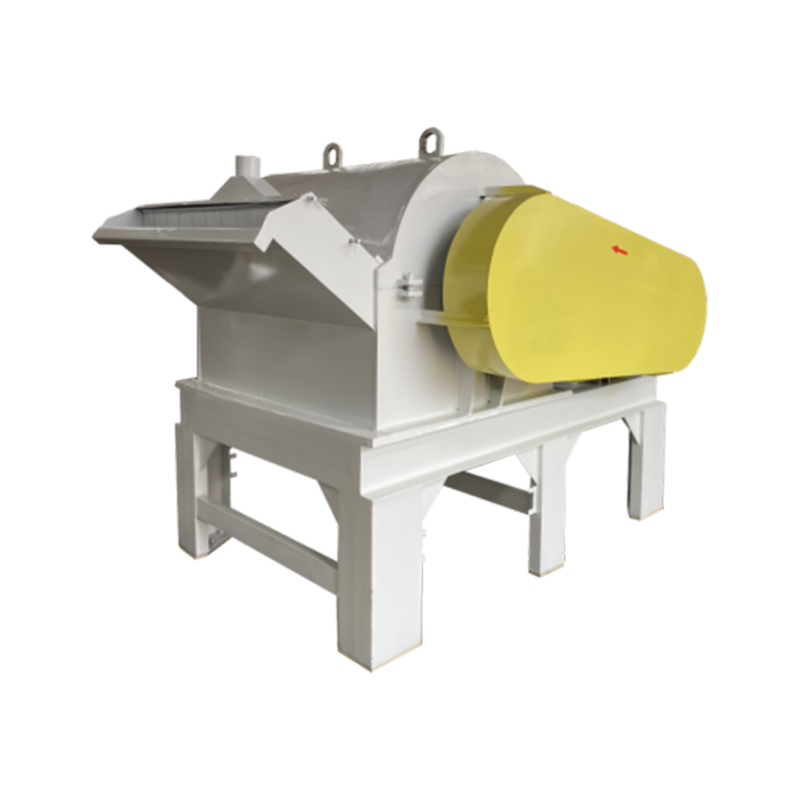
Hammer-impact swing-knife crushing and pulverizing production line
4. Technical Specification
The following table summarizes the principal information for the 1000-type hammer-impact swing-knife crushing section. Final specifications may vary according to material, capacity, local electrical standards, and customized line design.
| Item | Specification | Application or Function |
|---|---|---|
| Equipment type | 1000 | Hammer-impact swing-knife coarse crusher configuration |
| Knife quantity | 36 rotary knives | Impact, shearing, and tearing of plastic waste |
| Capacity | Approximately 1–2.5 tonnes per hour | Actual output depends on material, feed size, moisture, and final product requirements |
| Coarse crushing mesh or screen | Approximately 16 mm | Intermediate particle-size control before pulverizing |
| Drive motor options | 55, 75, 90, or 110 kW | Power selection according to material and throughput |
| Speed control | Inverter | Variable-speed adjustment and controlled feeding |
| Bearing standard | Imported NSK bearings | Support for stable rotor operation and service life |
| Knife material | SKD-11 | Wear-resistant cutting and impact components |
| Host speed | Approximately 860 revolutions per minute | High-speed coarse crushing action |
| Feeding size | Approximately 1350 mm | Large inlet suitable for bulky plastic waste |
| Electrical cabinet | Star-delta or soft-start configuration | Controlled motor starting and reduced electrical impact |
The table describes the principal coarse crusher, not every component in the complete line. The final production line may also include a feed hopper, conveyor, disc pulverizer, cooling system, cyclone separator, vibrating screen, pulse dust collector, storage hopper, and control cabinet. A technical proposal should be prepared after reviewing the material type, bulk density, contamination level, required output mesh, operating hours, and available site conditions.
5. Advantages Over Conventional Crushing and Grinding Arrangements
5.1 Integrated Continuous Operation
A conventional recycling workshop may use one crusher, manual transfer, a separate pulverizer, another conveyor, and an independent dust collector. This arrangement can work, but it often requires more operators and more floor space. Material may be exposed to contamination between stages, and the output from one machine may not match the feeding requirements of the next.
The integrated production line connects the main processes into a coordinated system. This reduces manual handling and provides a more stable flow from waste input to finished powder. Centralized PLC control allows the operator to start, stop, and monitor the line through a unified control system.
5.2 Better Handling of Large and Irregular Waste
Many standard knife crushers are designed primarily for relatively uniform feedstock. Long pipes, thick profiles, reinforced pallets, and flexible materials may cause bridging, wrapping, or jamming. The hammer-impact swing-knife configuration is designed to address these challenges with high-speed impact and swing-blade action.
The wider feed inlet and heavy-duty front-end structure reduce the need to pre-cut every large piece. This can improve labor productivity and make the line more suitable for mixed industrial scrap. Feed preparation is still important, particularly when metal or other hard contaminants are present, but the system is designed for demanding plastic waste rather than only clean, uniform flakes.
5.3 Consistent Fine Powder
Fine powder quality is affected by grinding-disc precision, rotor balance, temperature, feed rate, and screening. The line addresses these factors through precision-machined grinding discs, dynamic balancing, variable-frequency feeding, cooling, and final screening.
Consistent powder is important for applications such as rotational molding and SPC flooring. Uneven particles or large lumps can cause poor dispersion, surface defects, unstable feeding, and variations in finished-product performance. A controlled grinding and screening process helps processors use recycled powder more confidently.
5.4 Temperature Management for Heat-Sensitive Plastics
Plastic grinding generates heat through friction and impact. PVC and certain other materials are sensitive to excessive temperature. Overheating may cause adhesion, yellowing, degradation, changes in flow behavior, or reduced material performance.
The line uses a reinforced dual cooling system in the grinding section. Multiple temperature sensors monitor operating conditions, while PLC control helps maintain the grinding chamber within an approximate range of 50–80°C, depending on the process setup. Air cooling or water-mist assistance can also be selected for the coarse crushing section when necessary.
Temperature control does not replace proper material preparation or correct operating parameters. However, it provides an important layer of process protection and makes the line more adaptable to heat-sensitive plastic waste.
5.5 Cleaner Production Environment
Open transfer points and separate machines can release fine powder into a workshop. The integrated negative-pressure conveying and pulse dust collection arrangement reduces this risk. With suitable installation and maintenance, the system can achieve high dust capture efficiency while recovering valuable fine material.
Cleaner air and reduced powder accumulation support better working conditions. The enclosed design also helps limit product contamination from the surrounding environment. For recycling companies operating under environmental regulations, this is an important consideration in equipment selection.
5.6 Lower Labor and Space Requirements
Because the system performs multiple stages automatically, fewer operators may be required for routine production. The PLC-controlled sequence can coordinate feeding, crushing, conveying, grinding, cooling, screening, and dust collection. Operators can focus on material inspection, quality checks, maintenance, and production supervision rather than repeatedly transferring material by hand.
The modular arrangement also allows the line to be adapted to the available footprint. Although the complete system requires adequate space for safe access and maintenance, it can be planned more efficiently than a collection of disconnected machines.
6. Material and Application Range
6.1 PVC Pipes, Profiles, Sheets, and Flooring Waste
PVC waste from pipe extrusion, window and door profile production, sheet processing, foam board manufacturing, and flooring production is one of the main application areas. These materials are often rigid, bulky, and sensitive to heat during grinding.
The front-end crusher reduces large PVC pieces, while the cooled disc pulverizer produces powder suitable for reuse where the formulation and quality requirements permit. Recovered PVC powder may be used in SPC flooring core layers, pipe extrusion, profile production, sheet processing, or other applications after appropriate quality evaluation.
For PVC processing, operators should monitor temperature, residence time, feed rate, and contamination. The material should also be sorted according to formulation, color, filler content, and additive package when a consistent recycled product is required.
6.2 PE and PP Rotational Molding Waste
Rotational molding and blow molding operations generate waste from barrels, tanks, containers, pallets, toys, trash bins, playground equipment, and production trim. PE and PP products are often suitable for conversion into powder when the particle size and flow properties meet the requirements of the molding process.
The line can produce approximately 30–80 mesh powder for selected rotational molding applications. The final specification should be confirmed through testing because powder performance depends on resin grade, melt flow rate, additives, color, contamination, and the requirements of the finished product.
Recycling this material into powder can support a more closed-loop production model. Instead of disposing of production scrap or selling it as low-value waste, manufacturers may process it for reuse in new products or modified material formulations.
6.3 PET, ABS, EVA, and Engineering Plastics
The production line can also be used for selected engineering plastics and flexible or foamed materials. PET bottle flakes, ABS appliance housings, EVA foam, films, and other plastic waste can be processed when the material is appropriately sorted and the machine configuration is matched to its properties.
Different plastics require different operating conditions. PET may require attention to feed form and contamination. ABS may contain impact modifiers, coatings, or metal inserts that should be removed before processing. EVA and foam materials have low bulk density and may require special feeding and conveying adjustments. A process trial is recommended before finalizing the configuration for a new material.
6.4 Centralized Recycling Facilities
Industrial recycling centers and environmental service companies often handle a broad range of plastic waste. For these users, flexibility and reliable throughput are more important than a single narrow application. The hammer-impact swing-knife line provides a scalable platform for processing rigid and flexible plastic waste through interchangeable or adjustable process parameters.
The system can also support centralized treatment for plastic manufacturing parks, recycling stations, compounders, and large processing plants. Its integrated design simplifies the layout of a complete crushing and grinding department and allows dust collection and control functions to be managed from one system.
7. Cooling and Temperature Control
Temperature is one of the most important process variables in plastic pulverizing. If the grinding chamber becomes too hot, plastic particles may soften and stick to the grinding discs or chamber wall. The result may be reduced throughput, unstable particle size, yellowing, degradation, or frequent cleaning.
The production line uses a reinforced dual cooling system in the grinding section. Cooling may be applied through the grinding chamber, grinding discs, air circulation, or other engineered heat-transfer routes, depending on the final equipment design. Multiple temperature sensors provide feedback to the control system.
PLC-based monitoring allows the operator to establish alarm limits and control cooling equipment according to actual operating conditions. This is more reliable than relying only on manual observation. Temperature data can also help diagnose problems such as excessive feed rate, worn grinding discs, blocked airflow, incorrect clearance, or unsuitable material preparation.
The recommended working range of approximately 50–80°C should be understood as a process reference rather than a universal setting for every plastic. Different resin types and applications may require different temperature limits. Production trials should be used to establish the best operating window for each material.
8. Precision Manufacturing of the Pulverizing Components
The performance of a plastic pulverizer depends heavily on the precision of its key components. Grinding disc geometry, rotor alignment, bearing seats, shaft concentricity, chamber clearance, and dynamic balance all influence output, vibration, energy use, and powder consistency.
Changzhou Mao Yue Intelligent Equipment Co., Ltd. manufactures its equipment through a production structure that includes six processing workshops. Each workshop covers approximately 1,400 square meters on average, providing dedicated space for machining, welding, assembly, inspection, and related operations.
The company uses high-precision grinding machines imported from Taiwan and built to German standards. These machines support accurate processing of grinding discs and other critical parts. Tooth-by-tooth CNC machining helps maintain consistency in the cutting and grinding profiles, which is important when multiple replacement discs must deliver comparable performance.
Dynamic balancing equipment is used to calibrate rotating components. This process is essential for high-speed pulverizing equipment because it reduces vibration caused by uneven mass distribution. Better balance can help protect bearings, reduce noise, improve operator comfort, and support longer service intervals.
The manufacturing process also incorporates Japanese welding systems and carefully controlled structural fabrication. A rigid and accurately welded frame helps maintain the alignment of the crusher, pulverizer, conveyors, and dust collection equipment. Poor structural rigidity can lead to vibration, connection fatigue, and alignment problems over time.
8.1 Component Material Selection
The coarse crusher knives use SKD-11 material, selected for its suitability in wear-resistant tooling applications. The disc mill uses DC53 high-grade mold steel for its grinding discs. Material selection alone does not determine service life; heat treatment, machining accuracy, clearance adjustment, operating conditions, and maintenance are equally important. Nevertheless, the use of appropriate tool steels provides a sound foundation for demanding recycling operations.
Imported NSK bearings are specified for the belt pulley and rotating support arrangement. Bearings are exposed to vibration, dust, heat, and continuous loading, so correct installation, lubrication, sealing, and alignment are essential. The equipment should be operated with the recommended maintenance schedule to protect these components.
8.2 Quality Management and Certification
The manufacturer has obtained CE mechanical certification and ISO 9001 quality management system certification. These certifications support a structured approach to equipment design, manufacturing, documentation, and quality control. They also provide international customers with a recognized framework for evaluating machine safety and manufacturing management.
Certification does not eliminate the need for correct installation, guarding, electrical integration, operator training, and site-specific risk assessment. A complete project should include suitable safety procedures and compliance checks for the destination country.
9. Intelligent Control and Automation
The production line uses PLC centralized control to coordinate the main equipment. A typical automated sequence may include dust collector startup, conveying preparation, pulverizer operation, crusher startup, and controlled feeding. Stopping can be arranged in the reverse sequence to reduce material accumulation inside the system.
Variable-frequency drives support flexible control of feeding and motor speed. This is valuable because different plastics behave differently. A dense rigid profile may require a different feed rate from a lightweight foam board. Flexible film or woven material may need careful control to prevent wrapping or unstable feeding.
The electrical cabinet can use star-delta starting or soft-start technology. These methods reduce the electrical impact of starting large motors and support smoother acceleration. The control system may also include overload protection, temperature alarms, emergency stops, current monitoring, and fault indication.
Centralized control improves operational convenience, but automation should be combined with routine inspection. Operators should check knife condition, grinding-disc clearance, bearing temperature, filter pressure, dust collector operation, and material flow. Automated equipment still requires trained personnel to identify abnormal conditions before they become serious faults.
10. Maintenance and Service Considerations
Regular maintenance is essential for maintaining throughput and powder quality. The crusher knives should be inspected for wear, chipping, deformation, and correct fastening. Worn knives can increase energy consumption and reduce the consistency of the crushed output.
Grinding discs should be checked for wear and damage. The clearance between discs must be maintained according to the material and final product requirements. Excessive clearance may result in coarse powder, while insufficient clearance may increase heat, friction, and energy consumption.
Bearings should be monitored for temperature, noise, vibration, and lubrication condition. The negative-pressure conveying system should be inspected for leaks, blockages, and damaged flexible connections. Cyclone separators and vibrating screens should be cleaned and checked to ensure that material does not accumulate in critical areas.
Pulse dust collector bags require periodic inspection. A damaged bag can release dust into the workshop, while a blocked or overloaded bag can reduce airflow and conveying performance. Compressed-air quality and pulse-cleaning settings should also be checked.
Maintenance intervals depend on operating hours, material abrasiveness, contamination, throughput, and product requirements. Processing clean production scrap will generally impose different wear conditions from processing post-consumer material containing dirt, labels, fillers, or residual metal.
11. Installation and Commissioning
Before installation, the customer should confirm the available floor area, equipment height, electrical supply, compressed-air requirements, ventilation, material storage, finished-powder collection, and maintenance access. The line should be installed on a stable foundation capable of supporting dynamic loads.
Equipment alignment is important. Conveyors, pipes, cyclones, screens, and dust collectors must be connected without excessive stress or sharp restrictions in the conveying route. Flexible connections should be installed correctly so that vibration is not transferred unnecessarily between machines.
Commissioning should begin with an unloaded test. The technician checks motor rotation, emergency stops, sensor signals, inverter operation, bearing noise, vibration, and dust collector pulses. The line can then be tested with a small amount of material before gradually increasing the feed rate.
Final operating parameters should be determined through actual production trials. These include crusher speed, feed rate, disc clearance, cooling settings, screen configuration, airflow, and dust collector operation. The goal is to achieve the required powder specification without excessive heat or unnecessary energy use.
12. Economic and Environmental Value
Plastic recycling equipment should be evaluated not only by purchase price but also by total operating value. Important factors include throughput, power consumption, labor requirements, knife and disc life, dust management, product quality, maintenance frequency, and the value of the recovered powder.
An integrated crushing and pulverizing line can reduce labor by limiting manual transfer between machines. It can also reduce floor-space requirements and improve material utilization by recovering fine powder that might otherwise be lost. Better particle consistency may increase the value of the recycled product and make it easier to use in demanding manufacturing processes.
Environmental value comes from converting plastic waste into a reusable material. When the powder is successfully returned to production, the need for virgin resin may be reduced. The negative-pressure conveying and pulse dust collection system also supports cleaner operation and helps reduce emissions of fine plastic dust.
Actual payback depends on local electricity costs, labor rates, material availability, product selling price, operating hours, maintenance expenses, and the quality of the final powder. A site-specific financial evaluation should be completed before investment.
13. Why the Manufacturer Is a Suitable Equipment Partner
Changzhou Mao Yue Intelligent Equipment Co., Ltd. has approximately 30 years of experience in plastic crushing and pulverizing equipment. Its product range is associated with plastic size reduction for rotational molding, masterbatch, polymer processing, PVC, PE, recycling, and powder coating.
The company operates as a source manufacturer rather than only a trading organization. This is important for customers that require customized feed systems, special cooling arrangements, different powder sizes, non-standard layouts, or integration with existing recycling equipment. Direct manufacturing access can simplify technical communication and spare-parts support.
The company has established long-term relationships with more than 5,000 enterprises in domestic and international markets. This experience provides exposure to different materials, production scales, environmental requirements, and factory layouts. Such experience is valuable when designing a complete line rather than selecting a single machine in isolation.
Manufacturing strengths include precision machining, imported grinding equipment, dynamic balancing, Japanese welding systems, quality management procedures, and a professional technical team. The company also studies advanced technologies from countries such as Germany and applies European-oriented quality principles to component manufacturing.
Its mission is centered on improving production efficiency, reducing labor intensity, and providing stable pulverizing solutions. The combination of engineering experience, production capacity, customization ability, and certification makes the manufacturer suitable for recycling companies seeking a complete plastic powder production system.
14. Recommended Selection Process
Customers should begin by identifying the material types they intend to process. PVC pipe scrap, PE rotational molding waste, PP woven bags, PET flakes, ABS housings, and EVA foam each have different feeding and grinding characteristics. A line designed for one material may not automatically deliver optimum performance for another.
The next step is to define the required finished-powder specification. A customer may require coarse powder for a particular compounding process, 30–80 mesh powder for rotational molding, or finer powder for another application. Particle-size distribution is often more important than a single nominal mesh value.
Capacity should be calculated according to realistic operating conditions rather than only the maximum theoretical rate. Contamination, moisture, bulk density, feed consistency, cooling requirements, and final powder size can all affect throughput. The stated 1–2.5 tonnes per hour range for the 1000-type coarse crusher should therefore be confirmed through material testing and project engineering.
The customer should also review the complete dust-control plan. This includes the number of collection points, filter capacity, compressed-air supply, powder discharge, filter maintenance, and applicable local environmental standards. A properly sized dust collection system is essential for reliable long-term operation.
Finally, the customer should consider future expansion. If production volume may increase, it may be more economical to select a larger pulverizer, reserve space for an additional screening unit, or design the electrical and conveying systems for future capacity.
15. Safety Considerations
Plastic crushing and pulverizing equipment contains high-speed rotating parts and must be operated with suitable guarding. Access doors should be interlocked where appropriate, and emergency-stop devices should be clearly positioned. Operators must never open a chamber until all rotating parts have stopped and the power supply has been isolated.
Foreign metal objects should be removed before feeding. If the application presents a significant risk of metal contamination, the line may require magnetic separation, metal detection, or other protective equipment. The correct solution depends on the waste stream.
Fine plastic powder should be managed carefully. Dust collection, grounding, housekeeping, and appropriate personal protective equipment are important. The customer should conduct a site-specific assessment of combustible dust risks and comply with all applicable safety regulations.
Training should cover startup and shutdown sequences, emergency procedures, jam clearing, knife replacement, disc adjustment, filter maintenance, lubrication, and inspection. A safe operating culture is as important as the mechanical design of the line.
16. Frequently Asked Questions
16.1 What types of plastic can this production line process?
The line is designed for many medium-hardness and impact-resistant plastics, including PVC, PE, PP, PET, ABS, EVA, and related materials. The exact configuration should be selected according to the material form, hardness, bulk density, moisture, contamination, and required powder size.
16.2 Can it process complete plastic pipes and profiles?
Yes. The hammer-impact swing-knife crusher is designed to handle bulky materials such as pipes, profiles, sheets, foam boards, pallets, and other large waste pieces. The feed inlet and front-end configuration can be customized according to the dimensions and characteristics of the waste.
16.3 What particle size can the line produce?
The complete line can be configured for approximately 20–80 mesh powder or finer, depending on the material and process conditions. The coarse crusher has an intermediate screen or mesh setting of approximately 16 mm in the listed 1000-type configuration. Final size is controlled by the disc mill, screen, operating parameters, and material properties.
16.4 Is the system suitable for PVC?
Yes. The line is suitable for PVC pipes, profiles, sheets, foam boards, flooring scraps, and similar waste. Because PVC is sensitive to excessive heat, the cooling system, temperature sensors, feed rate, and grinding parameters must be correctly adjusted.
16.5 How does the line reduce dust leakage?
Material is conveyed through an enclosed negative-pressure pneumatic system. Fine particles are directed toward a pulse bag dust collector, which is designed for capture efficiency above 99.9 percent under appropriate operating conditions. Correct sealing, filter maintenance, and airflow adjustment are necessary to achieve the intended result.
16.6 What is the capacity of the 1000-type crusher?
The listed capacity is approximately 1–2.5 tonnes per hour. Actual output depends on the material, feed size, moisture, contamination, motor selection, screen setting, feeding method, and operating parameters. Final capacity should be confirmed through testing.
16.7 What knife material is used?
The coarse crusher knives are made from SKD-11 material. This tool steel is commonly selected for wear-resistant cutting applications. Service life depends on heat treatment, material cleanliness, operating load, sharpening, and maintenance.
16.8 What disc mill models are available?
The production line can be equipped with 500, 600, or 800 disc mill models. Selection depends on required capacity, material type, final powder size, and the overall process design.
16.9 Does the line require manual material transfer?
The integrated design is intended to provide continuous conveying from coarse crushing through pulverizing, separation, screening, and collection. Operators are still required for feeding preparation, quality inspection, maintenance, and safe supervision, but routine transfer between process stages is significantly reduced.
16.10 Can the line be customized?
Yes. Customization may include feed inlet dimensions, motor power, cooling method, disc mill model, screening arrangement, dust collector capacity, conveying layout, electrical standards, and finished-powder collection. The manufacturer should evaluate the material and factory conditions before confirming the final design.
16.11 What should be tested before purchasing?
Customers should provide representative samples for evaluation. Testing should examine throughput, powder particle-size distribution, temperature, energy consumption, dust collection, appearance, and the suitability of the recycled powder for its intended application.
16.12 Where is the equipment manufactured?
The equipment is manufactured by Changzhou Mao Yue Intelligent Equipment Co., Ltd. in Jiangsu Province, China. The company operates multiple processing workshops and uses precision machining, dynamic balancing, welding, assembly, and quality-control procedures for its equipment.
17. Conclusion
The hammer-impact swing-knife crushing and pulverizing production line provides a comprehensive approach to plastic waste size reduction. Its combination of heavy-duty coarse crushing, precision disc milling, controlled conveying, screening, cooling, and pulse dust collection allows large plastic waste to be converted into uniform reusable powder through a continuous process.
Compared with disconnected crushing and grinding arrangements, the integrated line offers important advantages in material handling, automation, dust control, temperature management, space utilization, and labor efficiency. Its ability to process pipes, profiles, sheets, foam boards, pallets, containers, engineering plastics, and other waste makes it suitable for a wide range of recycling applications.
The equipment is supported by precision manufacturing capabilities, high-quality tool steels, CNC-machined grinding discs, dynamic balancing, imported bearings, centralized PLC control, and a manufacturer with extensive experience in plastic pulverizing technology. For processors seeking to improve recycling efficiency and produce higher-value plastic powder, this production line represents a practical and scalable solution.
References
1. Manufacturer-provided technical description for the hammer-impact swing-knife crushing and pulverizing production line.
2. Manufacturer-provided specifications for the 1000-type hammer-impact swing-knife coarse crusher.
3. Manufacturer-provided information regarding DC53 grinding discs, CNC machining, dynamic balancing, and cooling control.
4. ISO 9001 quality management system principles for manufacturing organizations.
5. General engineering practices for plastic recycling, mechanical size reduction, pneumatic conveying, and pulse bag dust collection.
6. General safety practices for industrial crushing, pulverizing, rotating machinery, and fine-powder handling.