

 English
 русский
 Español
 عربى
عربى 中文简体
中文简体
 中文简体
中文简体
Content
- 1 Product Positioning and Application Value
- 2 Core Technical Parameters
- 3 Why PVC Pulverizing Requires Specialized Equipment
- 4 Key Advantage: Simple Operation
- 5 Key Advantage: Efficient Grinding with Replaceable Blade Components
- 6 Key Advantage: Temperature Control for PVC Protection
- 7 Key Advantage: Uniform Powder and Adjustable Fineness
- 8 Key Advantage: Compact Footprint and Low Energy Demand
- 9 Key Advantage: Easy Maintenance and Quick-Change Structure
- 10 Manufacturing Strength Behind the Equipment
- 11 Advanced Processing Equipment and Quality Control
- 12 Certifications and Reliability Assurance
- 13 Competitive Advantages Over Ordinary Pulverizers
- 14 Typical Materials Suitable for Processing
- 15 Downstream Applications of the Powder
- 16 Role in Small and Medium PVC Recycling
- 17 Role in Laboratory and Formulation Testing
- 18 Role in Entry-Level PVC Powder Product Manufacturing
- 19 Process Flow and Operating Considerations
- 20 Dust Collection and Workshop Cleanliness
- 21 Noise and Operator Environment
- 22 Customization and Configuration Options
- 23 Economic Benefits and Return on Investment
- 24 Sustainability and Resource Efficiency
- 25 Comparison with Larger Pulverizing Lines
- 26 Comparison with Low-Cost Unbranded Machines
- 27 Quality of Powder and Final Product Performance
- 28 Recommended Maintenance Practices
- 29 Operator Training and Safety
- 30 Q&A Section
- 30.1 What type of user is the Model 500 PVC Pulverizer best suited for?
- 30.2 What is the typical production capacity?
- 30.3 What powder fineness can it produce?
- 30.4 How does the machine prevent PVC yellowing or scorching?
- 30.5 Why are replaceable blades important?
- 30.6 What materials can be processed?
- 30.7 Is it suitable for high-filler PVC?
- 30.8 How does this model compare with larger pulverizers?
- 30.9 How does this model compare with cheaper ordinary machines?
- 30.10 What maintenance is most important?
- 31 Company Strength and Service Capability
- 32 Contact Information
- 33 Conclusion
- 34 References
- 35 Product: Model 500 PVC Pulverizer is simple to operate.
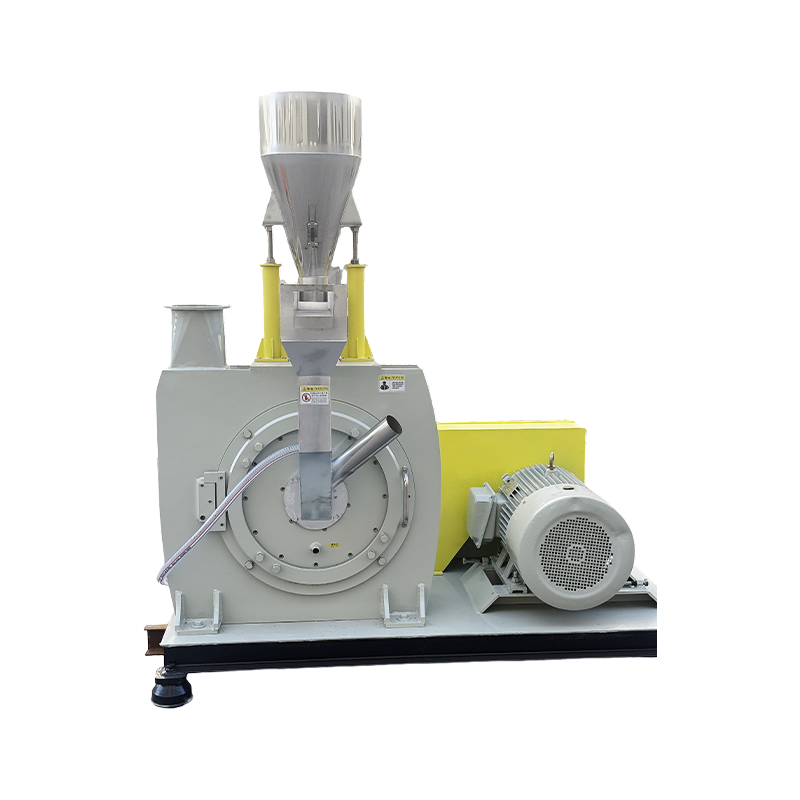
In modern PVC recycling and powder processing, manufacturers increasingly need equipment that combines reliable output, adjustable particle size, compact installation, energy efficiency, and stable powder quality. The Model 500 PVC Pulverizer is designed for exactly this environment. It is an entry-level but industrially capable fine grinding system for small and medium PVC recycling plants, formulation laboratories, trial-production workshops, and flexible manufacturers handling multiple PVC materials in small or medium batches.
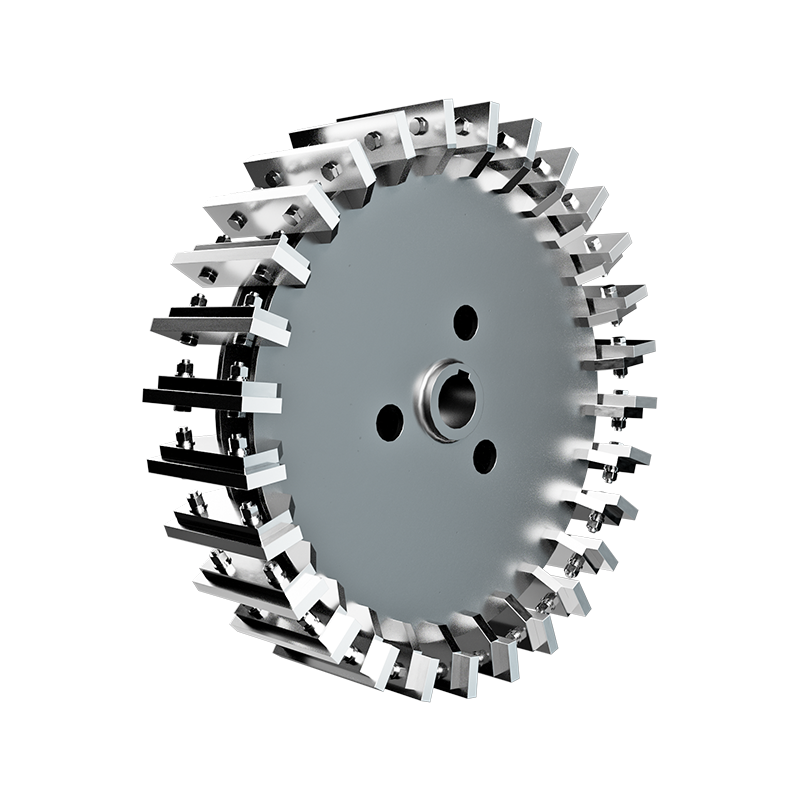
This pulverizer is built around a disc grinding structure with an approximate disc diameter of 470 to 500 mm, a main motor power range of 37 to 45 kW, a spindle speed of 3600 to 3800 rpm, and a typical production capacity of 100 to 300 kg/h. It is suitable for producing PVC powder in a common fineness range of 20 to 80 mesh, with 30 to 60 mesh being a mainstream range for many downstream production processes. In certain operating conditions and with suitable material preparation, the machine can also support finer sample testing requirements.
The Model 500 PVC Pulverizer is simple to operate, easy to maintain, and particularly suitable for users who want to enter PVC powder processing without investing in a very large production line. At the same time, it does not compromise the essential performance required in PVC grinding: controlled temperature, uniform particles, efficient shearing, wear-resistant grinding components, and convenient adjustment. For small factories and laboratories, this combination offers a practical balance between investment cost and powder quality.
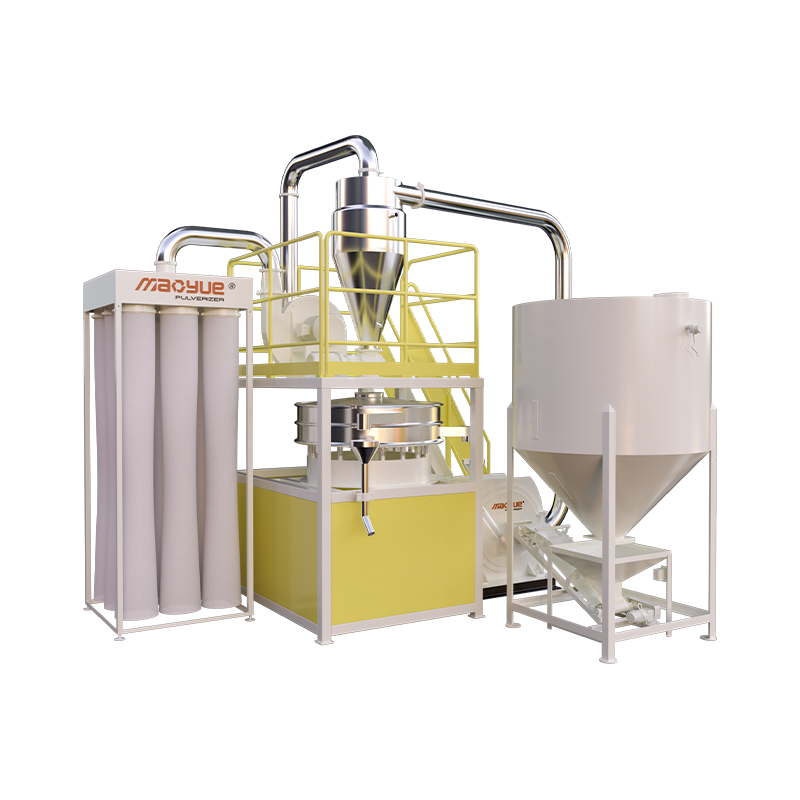
Model 500 PVC Pulverizer is simple to operate.
Product Positioning and Application Value
The Model 500 PVC Pulverizer is positioned as a compact, high-flexibility pulverizing solution for PVC materials. Unlike oversized equipment that may require large foundations, high investment, complex operating teams, and long changeover time, this model is designed for small-batch production, research testing, formulation verification, recycling, and entry-level commercial manufacturing.
It is especially useful in PVC recycling scenarios involving waste PVC pipes, profile offcuts, floor tile scraps, cable sheath materials, door and window profile waste, and other relatively clean PVC materials. After crushing and pre-treatment, these materials can be fed into the pulverizing system and processed into uniform PVC powder. The powder can then be used in regranulation, extrusion, injection molding, calendering, sheet production, foam board production, wall panel manufacturing, or other downstream processes.
For laboratories and research institutions, the machine provides a practical way to prepare PVC powder samples for formulation development. PVC powder quality has a direct influence on plasticization behavior, additive dispersion, processing stability, and final product performance. With adjustable fineness and a stable grinding process, the pulverizer helps engineers compare formulas, evaluate additives, test recycling blends, and improve product consistency.
For small and medium enterprises, the machine provides a cost-effective path into PVC powder-based manufacturing. Instead of purchasing powder from outside suppliers or investing immediately in a large-scale pulverizing plant, users can process their own raw materials, control powder fineness, reduce waste, and improve material utilization. This is particularly important for companies with multiple product types and frequent material changes.
Core Technical Parameters
The following table summarizes the main technical data and system configuration of the Model 500 PVC Pulverizer. Actual production capacity may vary depending on material type, feed size, moisture content, filler ratio, required mesh size, blade condition, cooling efficiency, and operating method.
Item |
Parameter |
Description |
Model |
500 |
Entry-level industrial PVC pulverizer for flexible production |
Disc Diameter |
Approximately 470 to 500 mm |
Suitable for medium and small-batch fine grinding |
Capacity |
100 to 300 kg/h |
Depends on mesh size, PVC type, feeding condition, and filler content |
Common Powder Fineness |
20 to 80 mesh |
Mainstream production range is often 30 to 60 mesh |
Main Motor |
37 to 45 kW |
Provides strong shearing force and stable grinding power |
Spindle Speed |
3600 to 3800 rpm |
High-speed operation for efficient pulverizing |
Speed Control |
Star-delta, soft start, or inverter |
Configuration can be selected according to user requirements |
Blade Material |
High-chromium alloy |
Designed for wear resistance and stable cutting performance |
Blade System |
Replaceable moving blades and fixed tooth plates |
Supports efficient shearing and convenient maintenance |
Cooling Method |
Water-cooled circulation |
Helps maintain grinding chamber temperature and protect PVC quality |
Typical Chamber Temperature |
45 to 55°C |
Helps prevent PVC decomposition, yellowing, or scorching |
Blower Motor |
5.5 kW |
Supports material conveying and powder collection |
Vibrating Screen Motor |
1.1 kW |
Assists classification and particle uniformity |
Pipeline Material |
Stainless steel |
Improves cleanliness, durability, and corrosion resistance |
Noise Level |
Less than 85 dB under suitable conditions |
Supports a better workshop environment |
Typical Total Power |
Approximately 50 kW |
Compact energy demand for entry-level production |
Why PVC Pulverizing Requires Specialized Equipment
PVC is not always easy to pulverize. Compared with some other plastics, PVC is sensitive to heat and may suffer from yellowing, degradation, odor generation, or material quality decline if grinding temperature is not controlled properly. PVC products may also contain fillers, stabilizers, pigments, plasticizers, or modifiers, which influence brittleness, hardness, friction, and heat generation during pulverizing.
Ordinary crushing machines can reduce large scraps into smaller particles, but they generally cannot produce fine, uniform PVC powder suitable for extrusion, calendering, rotational processing, or high-quality recycling. A specialized pulverizer is required when the target is consistent powder fineness, narrow particle size distribution, low contamination, and stable downstream processing behavior.
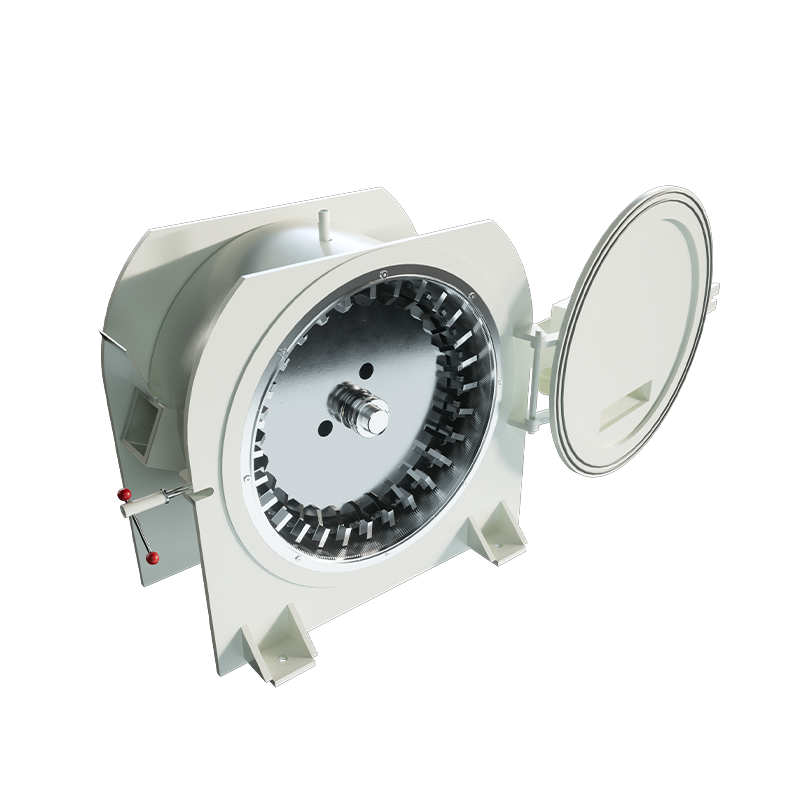
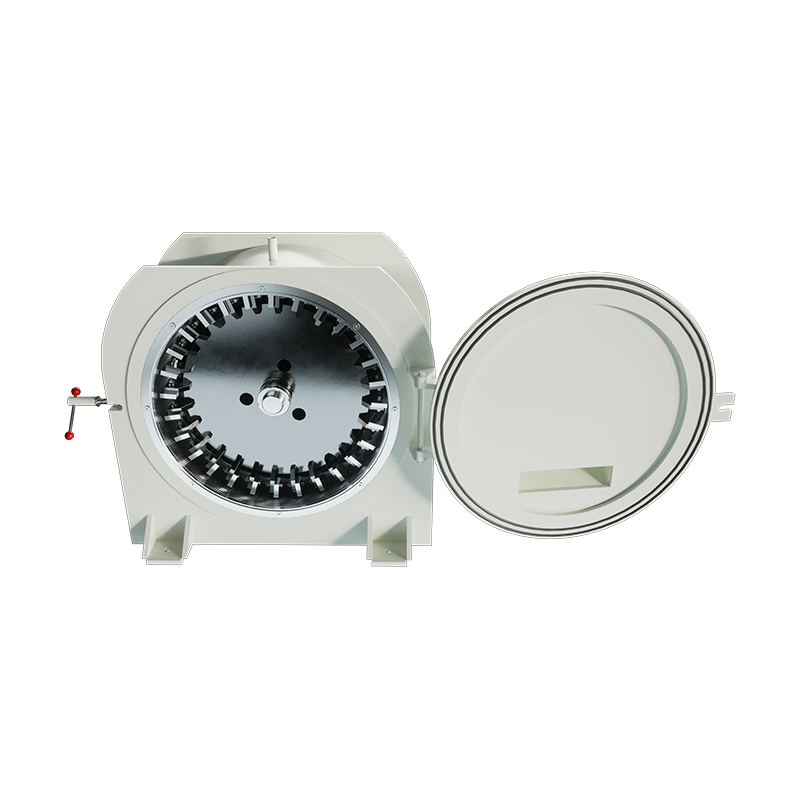
The Model 500 PVC Pulverizer uses high-speed disc shearing and grinding. The combination of moving blades and fixed tooth plates creates strong impact, cutting, friction, and shearing action. Material is gradually reduced from granules or flakes into fine powder. At the same time, the air conveying, cooling, screening, and collection system helps separate suitable powder and recirculate or manage oversized material according to the process design.
Because PVC quality depends greatly on thermal history, the water-cooled circulation system is a major advantage. By maintaining the grinding chamber around 45 to 55°C in appropriate operating conditions, the machine reduces the risk of material scorching. This helps protect powder color, odor, stability, and downstream processing performance.
Key Advantage: Simple Operation
One of the strongest advantages of the Model 500 PVC Pulverizer is its straightforward operating logic. Operators do not need to manage an overly complicated system. Once the feeding, cooling, motor starting, screening, and collection sections are correctly prepared, the machine can perform stable pulverizing with relatively simple supervision.
Simple operation is especially valuable for small factories and laboratories. In many small workshops, one operator may need to handle several machines or multiple production tasks. A pulverizer with clear operation steps, convenient adjustment, and accessible maintenance points can reduce labor pressure and training time.
The system supports different speed control options, such as star-delta starting, soft start, or inverter control. This allows users to choose a configuration suitable for their electrical environment, budget, and process requirements. For users who require more precise adjustment, inverter control can help optimize feeding, grinding intensity, energy consumption, and powder consistency.
The machine also supports fast material changeover. In multi-variety production, this is extremely important. A manufacturer may need to process different PVC formulations, colors, or recycled materials in the same week or even on the same day. A design that allows easier cleaning and adjustment reduces downtime and lowers the risk of cross-contamination.
Key Advantage: Efficient Grinding with Replaceable Blade Components
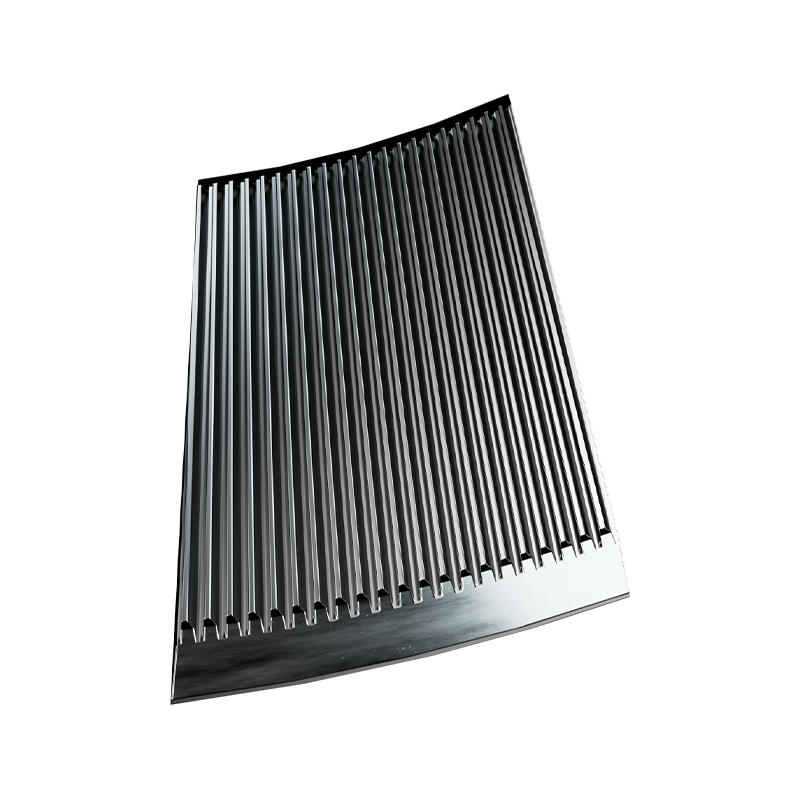
The Model 500 PVC Pulverizer is equipped with replaceable moving blades and high-density fixed tooth plates. This design improves shearing efficiency while keeping maintenance manageable. In a pulverizer, grinding components are the heart of the system. Their geometry, hardness, balance, mounting precision, and wear resistance directly determine production efficiency and powder quality.
High-chromium alloy blade material is used to improve wear resistance. This is important because PVC recycling materials may contain filler or harder particles that increase abrasion. A durable blade system helps maintain stable production capacity, reduce maintenance frequency, and improve the economic value of the machine over time.
The expected service life of the grinding components can reach approximately 500 to 800 hours under suitable conditions, particularly when processing PVC with medium to low filler content. Actual service life depends on formulation, feed cleanliness, filler level, foreign matter control, operating speed, cooling effectiveness, and maintenance practice. For example, clean pipe scrap may be much easier on grinding tools than heavily filled flooring waste or contaminated recycling material.
Compared with competitors using less durable cutting materials or less convenient blade replacement structures, a modular and replaceable grinding system provides a practical advantage. Users can restore performance by changing wear parts instead of replacing larger machine assemblies. This reduces downtime and makes long-term operation more economical.
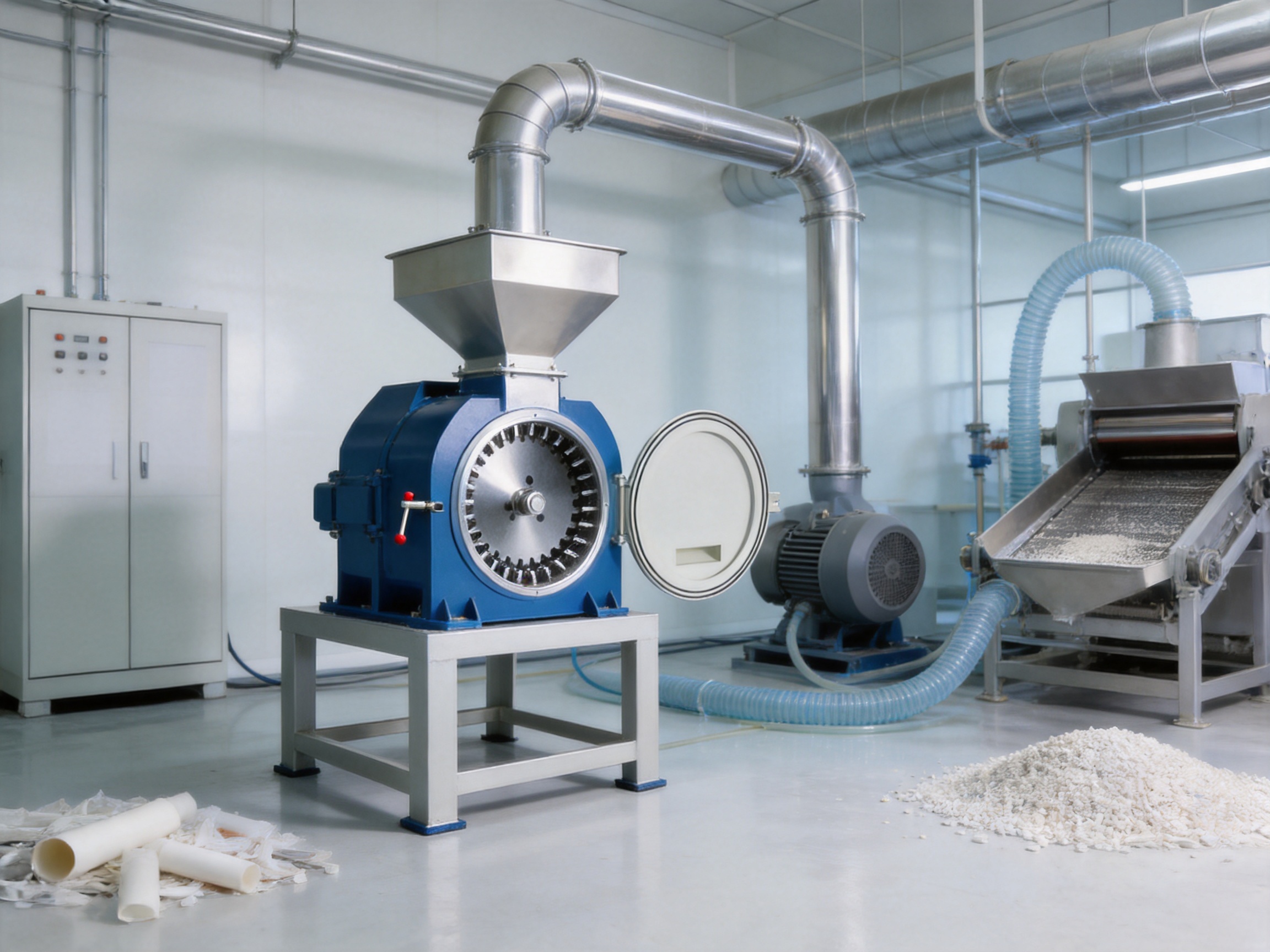
Key Advantage: Temperature Control for PVC Protection
PVC degradation is one of the most important concerns in fine grinding. Excessive heat can cause discoloration, yellowing, material decomposition, and poor downstream product quality. The Model 500 PVC Pulverizer addresses this issue with intelligent temperature control and water-cooled circulation.
During high-speed pulverizing, friction generates heat. If heat is not removed effectively, the grinding chamber temperature rises quickly. PVC particles may soften or stick, which reduces grinding efficiency and causes particle agglomeration. In severe cases, scorching or decomposition may occur. The water-cooled design helps remove heat from the grinding area, maintaining more stable operating conditions.
Keeping the grinding chamber around 45 to 55°C supports clean powder output and reduces the likelihood of burnt particles. This is especially useful when producing powder for visible products such as profiles, panels, flooring, or decorative building materials, where color stability and surface quality are important.
Competitors may offer pulverizers with limited cooling, basic air cooling, or less responsive temperature management. Such systems may be acceptable for some materials, but they can be less reliable for PVC, especially in continuous operation. The cooling arrangement of the Model 500 is therefore a key quality safeguard, not merely an accessory.
Key Advantage: Uniform Powder and Adjustable Fineness
Powder quality is not only about average particle size. It is also about particle size distribution, uniformity, cleanliness, temperature history, and freedom from scorching. The Model 500 PVC Pulverizer is designed to produce uniform particles in common fineness ranges from 20 to 80 mesh, with 30 to 60 mesh being widely used in practical production.
Uniform powder improves downstream processing. In extrusion, more consistent particle size can help stabilize feeding and melting. In regranulation, it can support better mixing with additives or other recycled materials. In calendering or sheet production, uniform powder contributes to smoother surfaces and more predictable product performance.
For laboratories, adjustable fineness is valuable because formulation tests often require powder samples at different particle sizes. Researchers may compare how powder fineness affects plasticization, fusion time, additive dispersion, flow behavior, or mechanical properties. A machine that supports fine adjustment allows engineers to gather more accurate process data.
The gap adjustment system and screening configuration help users control particle size. With appropriate operation and maintenance, the pulverizer can produce a narrow particle size distribution that supports consistent production. This is a major advantage over basic grinding equipment that may produce excessive coarse particles, uneven powder, or thermally damaged material.
Key Advantage: Compact Footprint and Low Energy Demand
Not every factory has enough space for a large pulverizing line. Some users operate in compact workshops, test centers, recycling stations, or production areas where floor space is limited. The Model 500 PVC Pulverizer offers a compact footprint while still providing a typical capacity of 100 to 300 kg/h.
The total power demand is approximately 50 kW, depending on selected configuration and auxiliary systems. For an entry-level industrial pulverizer, this provides a reasonable balance between energy use and productivity. It allows small manufacturers to produce useful volumes of powder without the high power consumption associated with larger equipment.
Energy efficiency is not only about installed power. It is also influenced by grinding efficiency, blade sharpness, feeding stability, cooling control, and classification performance. When the machine produces target-size powder efficiently and avoids repeated over-grinding, energy is used more effectively. The high-speed disc design and suitable blade configuration support this goal.
Compared with oversized equipment, the Model 500 can reduce unnecessary energy waste when production demand is moderate. Instead of running a large machine at inefficient partial load, users can operate a system matched to their real capacity needs. This improves the economics of small-batch production.
Key Advantage: Easy Maintenance and Quick-Change Structure
Maintenance convenience is a practical factor that directly affects equipment value. Even a high-performance pulverizer can become expensive if blade replacement, cleaning, alignment, or inspection requires excessive time. The Model 500 PVC Pulverizer uses quick-change modular blade blocks and an accessible design to reduce maintenance difficulty.
Fast maintenance supports higher machine availability. In flexible production, downtime can be especially costly because users may need to change materials, adjust fineness, clean the system, or prepare samples frequently. A machine that can be opened, inspected, adjusted, and returned to service efficiently helps keep production schedules stable.
Replaceable wear parts also simplify spare parts management. Users can keep essential blades, tooth plates, belts, bearings, screens, and sealing components in stock. When wear is detected, components can be replaced before serious performance decline occurs. Preventive maintenance is always more economical than emergency repair.
Compared with competing machines that require complicated disassembly or specialized service tools, an easier maintenance structure gives operators more confidence. It also reduces dependence on outside technicians, which is important for users in remote markets or factories with limited maintenance personnel.
Manufacturing Strength Behind the Equipment
The product is manufactured by Changzhou Mao Yue Intelligent Equipment Co., Ltd., a source manufacturer with 30 years of experience in plastic crushing and pulverizing equipment. Long-term specialization matters because pulverizing equipment requires deep knowledge of materials, mechanical structure, dynamic balance, cutting geometry, thermal control, dust collection, and customer operating conditions.
The company has developed and supplied disc pulverizers used in plastic size reduction processes for industries including PVC, PE, rotational molding, masterbatch, polymers, recycling, and powder coating. This broad application background allows the manufacturer to understand not only machine production, but also the practical problems users face in different materials and markets.
The company operates six processing workshops, each averaging about 1,400 square meters. This manufacturing scale supports stable production, component processing, assembly, inspection, customization, and after-sales service. A factory with dedicated workshops can better control quality than a trading company that simply purchases and resells equipment from multiple sources.
In addition, the technical team regularly studies advanced machine technologies from countries such as Germany. This reflects a commitment to continuous improvement rather than relying only on old designs. In the pulverizing industry, small improvements in rotor balance, blade processing, cooling channels, feeding stability, and vibration control can produce significant gains in machine reliability.
Advanced Processing Equipment and Quality Control
High-quality pulverizers depend on accurate machining. If a disc, shaft, blade seat, pulley, or bearing position is not processed precisely, the machine may vibrate, generate noise, wear quickly, or produce unstable powder. The manufacturer uses Taiwan-imported high-precision grinding machines built to German standards, German dynamic balancing equipment, and Japanese welding systems to improve component accuracy and stability.
Dynamic balancing is especially important for high-speed pulverizers. The spindle of the Model 500 operates at approximately 3600 to 3800 rpm. At such speed, even small imbalance can cause vibration, bearing stress, noise, heat, and premature component wear. German dynamic balancing equipment helps ensure that rotating components operate smoothly and safely.
Precision grinding equipment improves the accuracy of key surfaces. When blade mounting surfaces, discs, shafts, and bearing seats are machined accurately, the cutting gap can be controlled more reliably. This improves powder fineness adjustment, reduces uneven wear, and supports stable performance over time.
Japanese welding systems contribute to structural consistency and machine durability. In industrial equipment, weld quality affects frame rigidity, vibration resistance, alignment, and long-term reliability. A strong and stable welded structure helps the machine maintain its geometry under operating loads.
These manufacturing advantages distinguish the equipment from low-cost competitors that may use rough machining, inadequate balancing, inconsistent welding, or lower-grade components. In pulverizing applications, a cheaper machine may appear attractive at first, but vibration, frequent downtime, poor powder quality, and high spare parts consumption often increase total cost over time.
Certifications and Reliability Assurance
The manufacturer has obtained CE mechanical certification and ISO 9001 quality management system certification. These certifications indicate a commitment to product safety, manufacturing process control, and consistent quality management. For international buyers, certification is an important consideration because equipment must often meet safety, documentation, and quality expectations.
CE certification supports user confidence in machine design and mechanical safety. ISO 9001 certification indicates that the company follows a quality management system covering production processes, inspection, documentation, and continuous improvement. While certifications do not replace practical performance testing, they provide a structured foundation for reliable manufacturing.
For users purchasing from overseas, choosing a certified source manufacturer reduces risk. It is easier to discuss customization, spare parts, technical support, and documentation directly with the factory. This is different from purchasing from an unknown reseller who may not control the manufacturing process or provide long-term support.
Competitive Advantages Over Ordinary Pulverizers
The Model 500 PVC Pulverizer offers several advantages over ordinary or low-end pulverizers. First, it is designed specifically with PVC temperature sensitivity in mind. The cooling system helps maintain a stable grinding chamber temperature and reduces the chance of yellowing or decomposition.
Second, it provides a practical output range for small and medium users. Some competing machines may be too small for continuous production or too large for flexible batch processing. A capacity of 100 to 300 kg/h is suitable for recycling workshops, test production, small product factories, and specialty processors.
Third, the machine uses high-chromium alloy blade components and replaceable grinding parts. This improves wear control and makes maintenance more economical. Low-cost machines may use lower-grade materials that lose sharpness quickly, resulting in higher energy consumption and poor particle quality.
Fourth, the compact design and approximately 50 kW total power demand help control operating cost. Users can install the machine in limited spaces and operate it without the infrastructure burden of a large line.
Fifth, the manufacturer’s machining and balancing capabilities support better long-term stability. A high-speed pulverizer must be mechanically precise. Machines produced with poor balance or loose tolerances may become noisy, unstable, and expensive to maintain.
Sixth, the machine supports flexible material changes and laboratory-grade fine adjustments. This is particularly important for companies developing new formulations, processing multiple colors, or testing recycled PVC blends.
Typical Materials Suitable for Processing
The Model 500 PVC Pulverizer can be used for a variety of PVC materials after proper pre-crushing and cleaning. Suitable materials include PVC pipe scraps, profile offcuts, window and door profile waste, PVC floor tile waste, wall panel scraps, cable sheath materials, foam board edge materials, and clean recycled PVC granules.
The machine is especially effective for PVC with medium to low filler content. Higher filler levels increase abrasion and may reduce blade life. Materials containing metal, sand, stones, or other foreign matter should be removed before pulverizing. The feeding system can include iron removal measures, but good material preparation remains essential for stable production.
Moisture should also be controlled. Wet material can reduce grinding efficiency, cause sticking, affect screening, and create dust collection problems. Users should ensure that feed material is dry, clean, and appropriately sized before entering the pulverizer.
For mixed recycled PVC, operators should test in small batches first. Different PVC formulations may behave differently under grinding. Plasticized PVC, rigid PVC, filled PVC, and foam PVC can have different brittleness and heat response. The adjustable gap and process control features help users adapt the machine to different material conditions.
Downstream Applications of the Powder
Powder produced by the Model 500 PVC Pulverizer can be used in many downstream applications. In regranulation, pulverized PVC can be mixed with stabilizers, lubricants, pigments, and other additives before extrusion into granules. These granules may then be reused in pipe, profile, sheet, or injection molding production.
In pipe extrusion, uniform recycled PVC powder can help reduce raw material cost while maintaining acceptable product performance. In profile extrusion, powder consistency supports stable feeding and plasticization, which is important for surface quality and dimensional control.
In flooring, wall panel, and foam board manufacturing, powder quality influences product appearance and mechanical properties. Powder free from scorching and impurities helps improve surface smoothness and color consistency. For small manufacturers entering these markets, producing powder internally can improve cost control and supply flexibility.
In research and development, the powder can be used for formulation trials. Laboratories can test the influence of recycled content, stabilizer systems, lubricants, fillers, pigments, impact modifiers, and processing aids. By controlling powder fineness, researchers can better compare formulation behavior.
Role in Small and Medium PVC Recycling
PVC recycling requires more than simple waste reduction. To create value, waste material must be transformed into a reusable form that downstream processes can accept. Fine powder is often more useful than irregular crushed flakes because it can mix more evenly and process more consistently.
The Model 500 PVC Pulverizer helps small and medium recyclers improve the value of waste PVC. Instead of selling scraps at a low price, recyclers can process materials into higher-value powder. This powder can be sold to product manufacturers or used internally to produce granules or finished products.
For a recycling business, investment risk is always important. Large pulverizing lines may require high capital, large storage space, and stable high-volume feedstock. The Model 500 offers a lower-entry route. It enables users to begin powder production with moderate capacity, build customer demand, and expand later if necessary.
Because it supports flexible material changeovers, the machine is suitable for recycling companies handling multiple PVC waste sources. With proper cleaning and process control, different materials can be processed separately to maintain powder quality and avoid unwanted mixing.
Role in Laboratory and Formulation Testing
Research laboratories and new material companies often need small batches of finely ground PVC for testing. Purchasing custom powder externally may be slow, costly, or inconsistent. Having an in-house pulverizer allows engineers to prepare powder quickly and adjust fineness according to test requirements.
The Model 500 supports fine grinding of small-batch samples and laboratory-grade adjustments. This makes it useful for university labs, research institutions, formulation development centers, and technical departments of PVC product manufacturers.
During formulation development, powder particle size can affect mixing, fusion, melt flow, and final product properties. By using the same machine and controlled grinding settings, researchers can reduce variation and make test results more reliable.
The machine also supports additive compatibility studies. Engineers can blend PVC with small quantities of additives, process the mixture, and evaluate powder behavior. This is useful for developing new stabilizer systems, recycling formulas, impact-modified PVC, filled compounds, and specialty products.
Role in Entry-Level PVC Powder Product Manufacturing
Many small manufacturers want to enter PVC product markets such as flooring, wall panels, foam boards, and decorative sheets. However, raw material cost and powder supply can be major barriers. The Model 500 PVC Pulverizer enables small-scale powder production for trial manufacturing and entry-level batch production.
By producing powder internally, users gain control over particle size and raw material source. They can reuse their own production waste, reduce disposal costs, and improve material efficiency. This is especially valuable for manufacturers that generate PVC offcuts during extrusion, cutting, trimming, or finishing.
Uniform powder helps downstream equipment operate more smoothly. It can improve feeding consistency and support stable product surfaces. For entry-level production lines, where process margins may be narrower, stable powder supply can significantly improve production success.
The machine’s compact design and relatively low operating cost make it practical for businesses that are still developing market demand. Users can begin with moderate capacity, produce test batches, gather customer feedback, and expand production step by step.
Process Flow and Operating Considerations
A typical process begins with material sorting and cleaning. PVC waste should be separated by type, color, and formulation when possible. Metal, stones, wood, rubber, and other contaminants should be removed. Material should then be crushed into a suitable feed size before pulverizing.
After pre-crushing, material enters the feeding system. Stable feeding is important because uneven feeding can cause current fluctuation, temperature rise, inconsistent powder size, and possible overload. Operators should avoid sudden excessive feeding and should monitor motor load during operation.
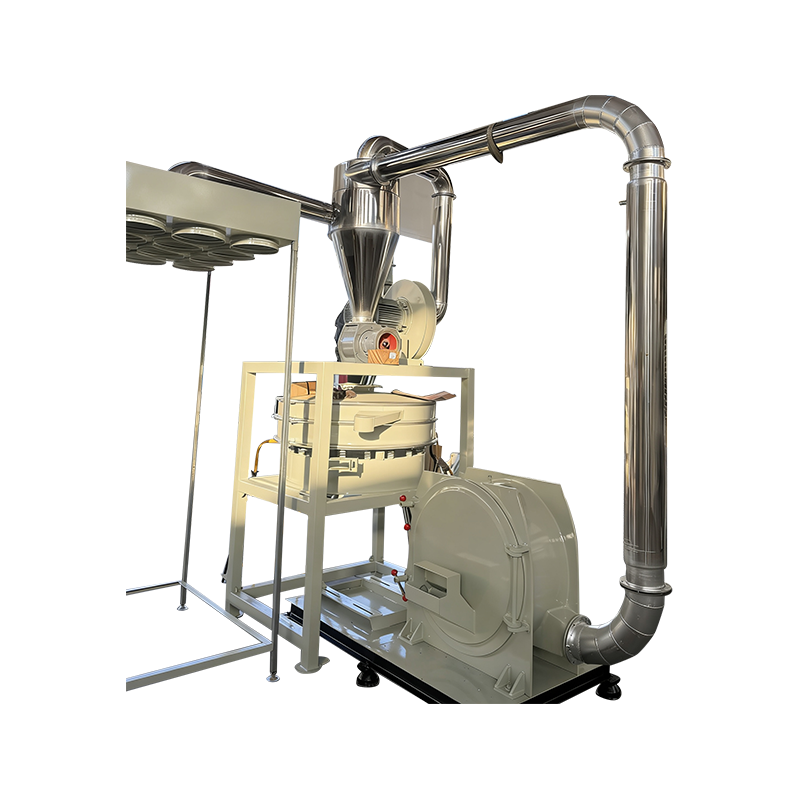
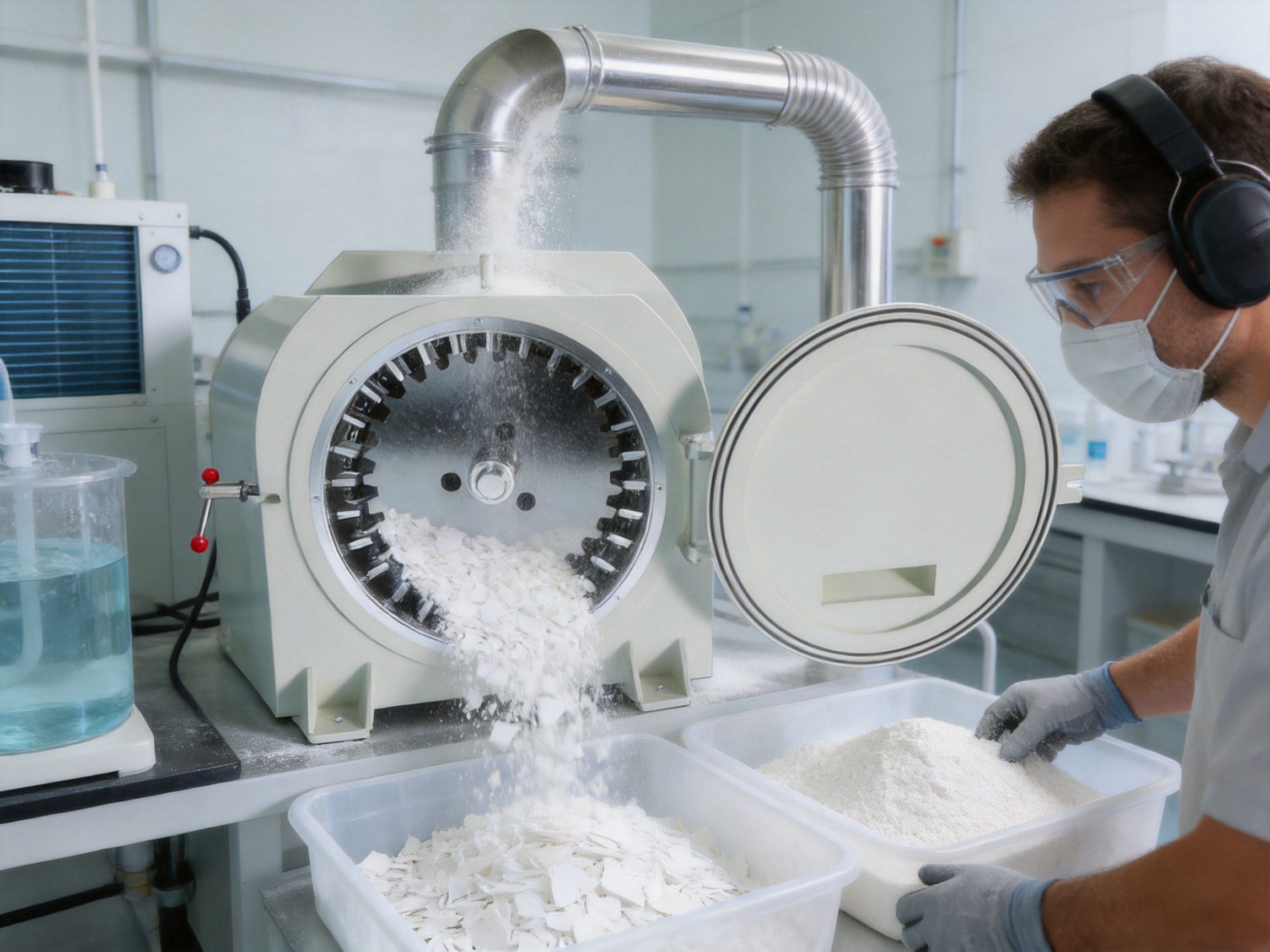
Inside the grinding chamber, high-speed rotating blades and fixed tooth plates create cutting and shearing action. The water cooling system removes heat. Ground powder is transported by airflow to the classification and collection system. The vibrating screen helps separate powder according to target fineness.
Collected powder should be stored in clean, dry containers. If the powder will be used for high-quality products, contamination control is important. Operators should clean the system thoroughly when changing color or formulation.
Regular inspection should include blade wear, tooth plate condition, bearing temperature, belt tension, screen condition, cooling water flow, dust collector performance, and electrical control status. A simple maintenance checklist can greatly extend machine life and improve powder consistency.
Dust Collection and Workshop Cleanliness
PVC pulverizing creates fine powder, so dust control is essential. A properly designed dust collection system improves working conditions, reduces material loss, protects electrical components, and supports safety. The Model 500 system includes powder conveying and dust collection features suitable for its capacity range.
Clean pipelines and effective collection help maintain powder purity. Stainless steel pipeline material improves durability and cleanliness. Smooth conveying reduces residue accumulation and makes cleaning easier during material changeover.
Operators should maintain dust collector bags, seals, and discharge points. Blocked filters can reduce airflow, increase temperature, and reduce powder separation efficiency. Regular cleaning or replacement of filter components is part of responsible operation.
Good housekeeping also matters. Fine PVC powder should not be allowed to accumulate around motors, electrical cabinets, or hot surfaces. Workshop ventilation, grounding, and dust management should follow applicable industrial safety practices.
Noise and Operator Environment
High-speed pulverizing equipment naturally produces noise, but the Model 500 is designed to operate at a noise level below 85 dB under suitable conditions. Actual noise may vary depending on installation, material type, blade condition, foundation, feeding, and surrounding workshop structure.
Lower noise improves operator comfort and reduces fatigue. It also indicates better mechanical stability. Excessive noise can be a sign of imbalance, blade wear, bearing problems, loose parts, poor feeding, or foreign matter in the system.
Users should install the machine on a stable foundation and follow proper alignment procedures. Regular maintenance helps keep noise under control. Operators may still need hearing protection depending on local regulations and total workshop noise exposure.
Customization and Configuration Options
Different users have different requirements. Some prioritize lowest investment cost, while others need precise speed control, improved automation, or special material handling. The Model 500 PVC Pulverizer can be configured according to process needs.
Speed control options include star-delta starting, soft start, and inverter control. Star-delta starting is simple and cost-effective. Soft start reduces electrical and mechanical impact during startup. Inverter control provides more flexible speed adjustment and can help optimize grinding performance for different materials.
Feeding systems can be adapted for stable material supply and iron removal. For recycling applications, metal removal is important because metal contaminants can damage blades and tooth plates. Good pre-treatment and feeding design protect the grinding chamber.
Screening and collection systems can be adjusted according to powder fineness requirements. Different mesh targets may require changes in operating conditions, blade gap, airflow, and screen configuration. The manufacturer can provide guidance based on material samples and production goals.
Economic Benefits and Return on Investment
The economic value of the Model 500 PVC Pulverizer comes from several sources. First, it allows users to recycle waste PVC into usable powder, reducing raw material purchases and waste disposal costs. Second, it enables in-house control of powder fineness and quality. Third, it provides a compact production capacity suitable for small and medium demand.
For recycling businesses, converting waste into powder can increase selling value. For product manufacturers, reusing offcuts can reduce material cost and improve sustainability. For laboratories and R&D departments, faster sample preparation can shorten development cycles.
The machine’s wear-resistant components, quick-change maintenance structure, and moderate energy demand contribute to lower operating cost. Compared with cheaper but unstable machines, a reliable pulverizer can deliver better long-term value by reducing downtime, scrap, maintenance labor, and inconsistent production.
Return on investment depends on local material prices, labor cost, electricity cost, production hours, powder selling price, and maintenance practice. However, for users with regular PVC waste or powder demand, the machine can become a central tool for improving material utilization and production flexibility.
Sustainability and Resource Efficiency
PVC recycling supports environmental goals by reducing waste and improving resource efficiency. Instead of sending PVC scraps to landfill or low-value disposal routes, manufacturers can recover material and return it to production. Fine pulverizing is an important step in many recycling systems because it transforms irregular waste into processable powder.
The Model 500 PVC Pulverizer helps small and medium companies participate in circular production. Even companies without large recycling infrastructure can begin recovering their own offcuts and processing selected external waste streams.
Efficient powder production also reduces the need for virgin material in certain applications. While recycled PVC must be used carefully and according to product requirements, well-prepared powder can contribute to cost reduction and sustainability.
The machine’s controlled temperature process helps preserve material quality, which is essential for meaningful recycling. If pulverizing damages the PVC through overheating, the recycled material loses value. Therefore, cooling and stable grinding are not only quality features but also sustainability features.
Comparison with Larger Pulverizing Lines
Larger pulverizing lines are suitable for high-volume continuous production, but they are not always the best choice for every user. A large line may require higher power, more space, greater investment, more operators, and more complex maintenance. For small and medium users, such a system may remain underutilized.
The Model 500 fills the gap between small laboratory grinders and large industrial systems. It provides real production capability while remaining manageable. Users can produce meaningful powder volumes without committing to a large-scale plant.
For companies with uncertain demand or multiple product types, flexibility may be more valuable than maximum capacity. The ability to change materials quickly, adjust fineness, and run smaller batches can improve business responsiveness.
In many cases, the Model 500 can also serve as a pilot machine before future expansion. Users can test materials, develop formulas, train operators, and build powder markets. Once demand grows, they may add larger machines or additional units while retaining the Model 500 for testing and specialty batches.
Comparison with Low-Cost Unbranded Machines
Low-cost pulverizers may appear attractive, but buyers should evaluate total cost rather than purchase price alone. Common issues with low-grade equipment include poor dynamic balance, unstable output, rapid blade wear, weak cooling, rough welding, inadequate dust collection, noisy operation, and limited after-sales support.
The Model 500 PVC Pulverizer offers advantages in manufacturing precision, blade material, cooling control, and service support. Its high-speed components are processed and balanced with advanced equipment. Its blade system is designed for replaceability and wear control. Its cooling system protects PVC quality.
When a machine produces uneven powder, overheats material, or stops frequently, the user loses more than maintenance time. Downstream products may fail quality checks, operators may lose confidence, and customers may reject powder. Reliable equipment reduces these hidden costs.
A source manufacturer with decades of experience can also provide practical advice. This includes material testing, configuration selection, maintenance guidance, spare parts supply, and process improvement. Such support is difficult to obtain from sellers who do not manufacture the machine themselves.
Quality of Powder and Final Product Performance
The quality of pulverized PVC affects downstream product performance in many ways. Uniform powder can improve mixing efficiency and reduce segregation. Clean powder reduces defects and contamination. Properly cooled powder avoids thermal degradation and supports stable processing.
If powder contains burnt particles, the final product may show black spots, yellowing, odor, weak mechanical properties, or poor surface appearance. If particle size is inconsistent, extrusion feeding may fluctuate, fusion may become uneven, and product dimensions may vary.
The Model 500 addresses these issues through stable grinding, cooling, screening, and adjustable fineness. While the machine cannot correct poor raw material quality, it can preserve and refine properly prepared PVC into useful powder.
For high-quality product manufacturing, users should combine the pulverizer with good sorting, cleaning, metal removal, drying, formulation control, and downstream process management. The pulverizer is a central component in this quality chain.
Recommended Maintenance Practices
To keep the Model 500 PVC Pulverizer in stable condition, users should follow a preventive maintenance schedule. Daily checks should include cooling water flow, motor load, abnormal noise, feeding stability, powder discharge, dust collector condition, and visible leakage or vibration.
Operators should inspect blades and tooth plates regularly. Dull or worn blades increase energy consumption, reduce capacity, generate more heat, and produce uneven powder. Timely replacement restores efficiency and protects other components.
Bearings should be monitored for temperature and noise. Because the spindle operates at high speed, bearing condition is critical. Proper lubrication, alignment, and cleanliness help extend bearing life.
Belts and pulleys should be checked for tension and wear. Loose belts reduce power transmission efficiency, while excessive tension can increase bearing load. Screens should be inspected for blockage, damage, or incorrect installation.
The cooling system should remain clean and unobstructed. Poor water circulation can cause chamber temperature to rise, damaging PVC quality. Dust collector bags and pipelines should be cleaned to maintain airflow and powder collection efficiency.
Operator Training and Safety
Although the machine is simple to operate, proper training is still necessary. Operators should understand startup sequence, feeding limits, emergency stop procedures, cooling system requirements, dust collection operation, and maintenance lockout practices.
Before starting the machine, operators should confirm that the grinding chamber is clear, guards are in place, cooling water is active, electrical controls are normal, and collection systems are ready. Material should be fed gradually after the machine reaches stable operation.
Operators should never open the grinding chamber while the machine is running. Maintenance should be performed only after power is disconnected and rotating parts have fully stopped. Personal protective equipment may include gloves, eye protection, dust masks, and hearing protection depending on local workplace requirements.
Training also improves powder quality. Skilled operators can recognize signs of overload, blade wear, overheating, screen blockage, or abnormal vibration. Early response prevents damage and reduces downtime.
Q&A Section
What type of user is the Model 500 PVC Pulverizer best suited for?
It is best suited for small and medium PVC recycling plants, laboratories, formulation development centers, entry-level PVC powder product manufacturers, and flexible production workshops that process multiple materials in small or medium batches.
What is the typical production capacity?
The typical capacity is 100 to 300 kg/h. The actual output depends on raw material type, feed size, filler content, moisture, target mesh size, blade condition, cooling performance, and operator settings.
What powder fineness can it produce?
The common fineness range is 20 to 80 mesh, with 30 to 60 mesh being widely used in many PVC recycling and manufacturing applications. Some testing scenarios may require additional adjustment according to material characteristics.
How does the machine prevent PVC yellowing or scorching?
The machine uses intelligent temperature control and water-cooled circulation to help maintain the grinding chamber around 45 to 55°C under suitable operating conditions. This reduces the risk of PVC overheating, yellowing, decomposition, or burnt particles.
Why are replaceable blades important?
Replaceable moving blades and fixed tooth plates allow users to maintain grinding performance without replacing major machine assemblies. This reduces downtime, lowers maintenance cost, and helps preserve powder quality.
What materials can be processed?
The machine can process properly prepared PVC pipe scraps, profile offcuts, floor tile waste, cable sheath materials, door and window profile waste, wall panel scraps, foam board edge materials, and clean recycled PVC granules. Materials should be clean, dry, and free from metal or hard contaminants.
Is it suitable for high-filler PVC?
It can process certain filled PVC materials, but high filler content increases abrasion and may reduce blade life. The machine is especially suitable for PVC with medium to low filler content. Material testing is recommended for heavily filled waste.
How does this model compare with larger pulverizers?
Larger pulverizers are designed for high-volume continuous production. The Model 500 is more compact, flexible, and cost-effective for moderate capacity, small-batch production, research testing, and frequent material changeovers.
How does this model compare with cheaper ordinary machines?
Compared with low-cost ordinary machines, it offers stronger PVC-specific temperature control, more durable grinding components, better manufacturing precision, more stable operation, easier maintenance, and support from an experienced source manufacturer.
What maintenance is most important?
The most important maintenance tasks include checking blade wear, tooth plate condition, bearing temperature, belt tension, cooling water flow, screen condition, dust collector performance, and vibration. Preventive maintenance keeps output stable and reduces repair cost.
Company Strength and Service Capability
Changzhou Mao Yue Intelligent Equipment Co., Ltd. combines long manufacturing experience with advanced processing capability. With 30 years in plastic crushing and pulverizing equipment, the company understands the technical challenges of size reduction for PVC, PE, masterbatch, powder coating, polymers, and recycling applications.
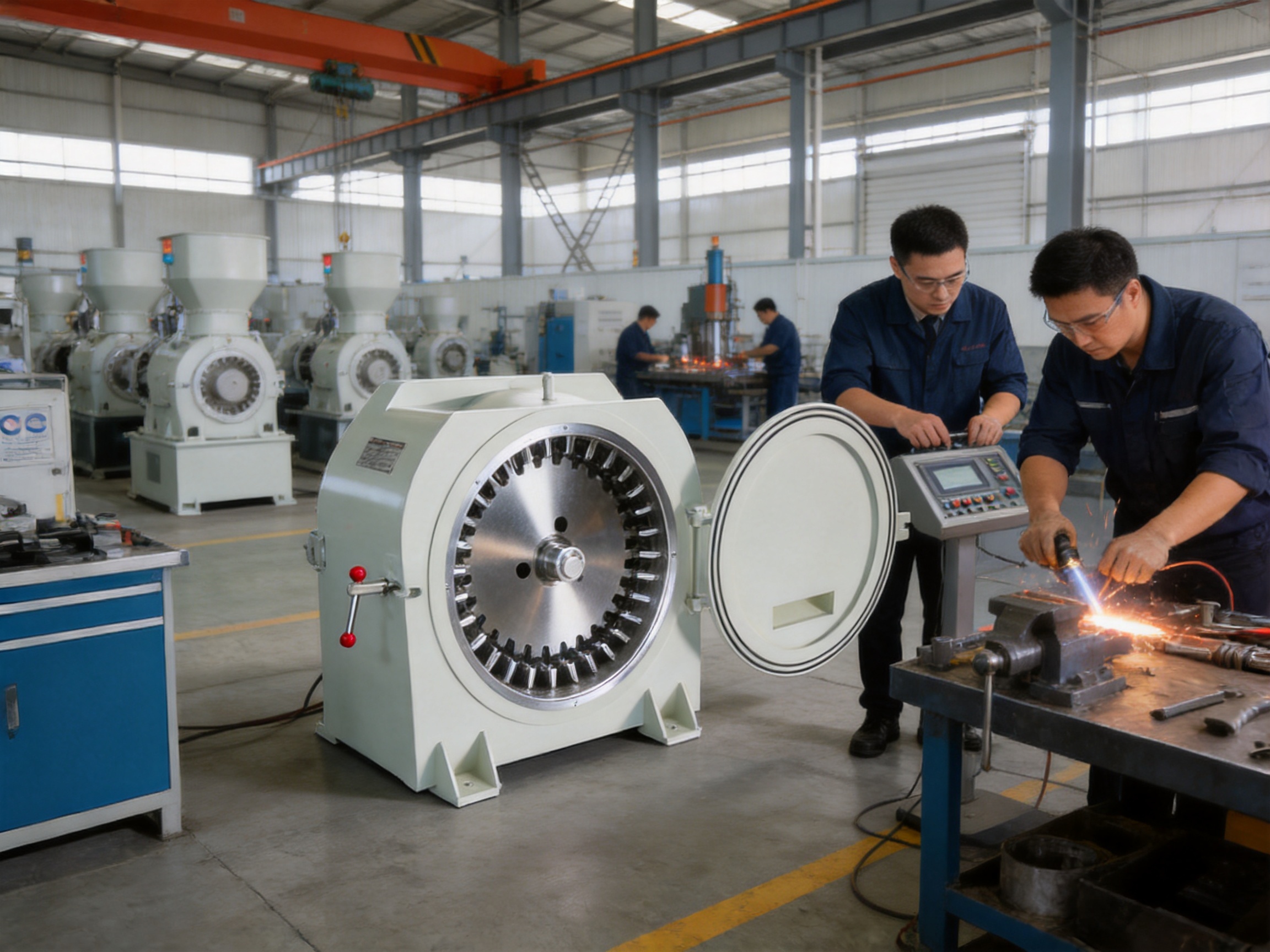
The company’s six workshops provide a strong production base for machining, welding, assembly, testing, and customization. Its use of high-precision grinding machines, German dynamic balancing equipment, and Japanese welding systems supports the stable manufacture of high-speed pulverizers.
The company has built long-term partnerships with more than 5,000 enterprises in domestic and international markets. This customer base reflects practical market experience and the ability to serve different industries, materials, and production scales.
The company focuses on quality, service, innovation, and customized solutions. For users, this means the machine can be discussed not only as a standard product but also as part of a real production process. Material type, target capacity, powder fineness, workshop layout, electrical configuration, and downstream use can all influence the final equipment recommendation.
Reliable service is especially important for international buyers. Equipment purchasing does not end with shipment. Users may need installation guidance, spare parts, operating advice, troubleshooting, and process optimization. A manufacturer with technical knowledge and production control can provide more dependable support.
Contact Information
Company Name: Changzhou Mao Yue Intelligent Equipment Co., Ltd.
Telephone: +86 182 6297 4902
Telephone: +86-519-81580281
Email: [email protected]
Address: No. 307, Beihan Village, Jinfeng Village Committee, Hengshanqiao Town, Economic Development Zone, Changzhou City, Jiangsu Province, China
Social Media: TikTok, Facebook, Instagram, and YouTube channels are available for product videos, factory updates, and technical content.
Conclusion
The Model 500 PVC Pulverizer is a practical, flexible, and cost-effective solution for PVC fine grinding. It combines a 470 to 500 mm disc structure, 37 to 45 kW main motor, 100 to 300 kg/h typical capacity, high-speed spindle operation, replaceable wear-resistant grinding components, water-cooled temperature control, and adjustable powder fineness.
Its greatest value lies in the balance it provides. It is compact but capable, simple to operate but technically focused, entry-level in investment but industrial in performance. For small factories, laboratories, recycling workshops, and flexible manufacturers, this balance can be more valuable than oversized capacity.
The machine’s ability to produce uniform PVC powder without scorching supports better recycling value and downstream product quality. Its quick-change maintenance structure, moderate energy demand, and flexible adjustment improve daily usability. Its manufacturing background, precision processing, dynamic balancing, certification, and experienced technical support further strengthen its competitive position.
For users seeking a reliable first step into PVC powder production, a flexible machine for multi-variety batches, or a laboratory-capable pulverizer with industrial performance, the Model 500 PVC Pulverizer offers a strong and practical choice.
References
1. Brydson, J. A. Plastics Materials. Butterworth-Heinemann.
2. Titow, W. V. PVC Plastics: Properties, Processing, and Applications. Springer.
3. Rauwendaal, C. Polymer Extrusion. Hanser Publishers.
4. Scheirs, J. Polymer Recycling: Science, Technology and Applications. Wiley.
5. ISO 9001 Quality Management Systems: Requirements. International Organization for Standardization.
6. CE Machinery Safety Principles and Conformity Assessment Guidelines. European Machinery Safety Documentation.