

 English
 русский
 Español
 عربى
عربى 中文简体
中文简体
 中文简体
中文简体
Content
- 1 Why Blade Quality Matters in PE Pulverizing
- 2 Material and Heat Treatment Advantages
- 3 Long Service Life and Lower Maintenance Costs
- 4 Precision-Adjustable Grinding Clearance
- 5 High-Speed Rotating Tooth Design
- 6 Thermal Management During Continuous Grinding
- 7 Manufacturing Strengths of Changzhou Mao Yue Intelligent Equipment Co., Ltd.
- 8 Applications Across the Plastic Processing Industry
- 9 Compatibility and Customization
- 10 Installation and Maintenance Recommendations
- 11 Lifecycle Value and Sustainability
- 12 Advantages Over Competing Blade Options
- 13 How to Select the Correct PE Pulverizer Blade
- 14 Questions and Answers
- 14.1 What are PE pulverizer alloy steel blades used for?
- 14.2 What makes alloy steel blades different from ordinary cutting discs?
- 14.3 How long can one blade set operate?
- 14.4 Can the blades process glass-fiber-reinforced plastics?
- 14.5 What powder fineness can be achieved?
- 14.6 Are the blades compatible with other brands?
- 14.7 Can the blade specifications be customized?
- 14.8 How do the blades help control temperature?
- 14.9 What industries use these blades?
- 14.10 Why is precision clearance adjustment important?
- 14.11 How can blade service life be extended?
- 15 Conclusion
- 16 References
- 17 Product: PE Pulverizer alloy steel blades
PE pulverizer alloy steel blades are critical wear components in plastic grinding systems. Although a pulverizer may include a powerful motor, carefully designed grinding chamber, adjustable gap, cooling system, and efficient discharge equipment, the final performance of the machine depends heavily on the quality and condition of its blades. The blades determine how effectively plastic is cut, sheared, and friction-ground into a controlled powder. They also influence energy consumption, particle uniformity, operating stability, maintenance frequency, and the total cost of production.
For processors working with polyethylene, ordinary cutting discs may not provide sufficient durability. PE film, pipes, bottle caps, cable sheathing, strapping bands, and other polyethylene products can be tough, flexible, and resistant to conventional size-reduction methods. Recycled PE may also contain mineral fillers, pigments, moisture, dirt, or other contaminants that increase mechanical stress on the grinding components. In demanding applications, standard blades can lose their edge quickly, causing reduced output, unstable powder fineness, increased heat generation, and frequent production interruptions.
PE pulverizer alloy steel blades are designed to address these challenges. Produced from high-density, wear-resistant alloy steel and subjected to specialized heat treatment, these blades combine high hardness with impact resistance. Their design is intended for continuous pulverizing operations in recycling, powder coating, masterbatch, rotational molding, and other plastic processing applications. When correctly installed and maintained, they can support long service intervals while helping the pulverizer produce fine, consistent, and uniform PE powder.
Why Blade Quality Matters in PE Pulverizing
Plastic pulverizing is not simply a matter of placing material between two rotating discs. The grinding process involves a combination of cutting, shearing, friction, impact, and controlled heat transfer. The stationary and rotating blades must maintain a suitable working relationship while processing thousands of kilograms of material over extended operating periods. Any change in blade geometry, sharpness, clearance, or balance can influence the entire production line.
When a blade is sharp and correctly aligned, incoming PE material is efficiently captured and broken down. The cutting edge helps initiate size reduction, while the tooth profile and rotating motion create additional shearing and friction. The material remains in the grinding zone until it reaches the required particle size and can pass through the discharge area. This process supports a stable powder distribution and reduces the presence of coarse particles.
When a blade becomes dull, the machine may depend more heavily on friction and impact. This increases the mechanical load on the motor and can raise the temperature inside the grinding chamber. PE may soften when exposed to excessive heat, potentially resulting in agglomeration, powder adhesion, unstable feeding, or reduced product quality. A worn blade may also produce more irregular particles and require more frequent clearance adjustment.
For this reason, blade selection should be evaluated as a production decision rather than a simple replacement-parts purchase. A high-quality blade can affect the productivity and operating cost of the complete pulverizing line. Longer service life reduces replacement frequency, while stable edge retention helps preserve powder quality and machine output.
Material and Heat Treatment Advantages
The PE pulverizer alloy steel blades described in this article are forged from a high-density, wear-resistant alloy steel. Suitable material categories may include chromium-molybdenum-vanadium alloy steel or comparable high-hardness grades selected for pulverizing applications. The purpose of this material selection is to create a balance between hardness, toughness, fatigue resistance, and dimensional stability.
Hardness is important because the blade edge must resist abrasive wear. However, hardness alone is not sufficient. A blade that is excessively hard but lacks toughness may crack or chip when exposed to foreign particles, uneven feed, or sudden impact. Alloying elements and controlled heat treatment help develop a more balanced structure. The resulting blade can retain its cutting edge while resisting impact during continuous operation.
Through multiple precision heat treatment procedures, the blades can achieve a hardness of approximately HRC 60–65 or higher, depending on the selected specification and production requirements. This is substantially above the stated HRC 45 level commonly associated with ordinary cutting discs. The higher hardness allows the blade to resist edge rounding and surface wear for a longer period.
In practical terms, improved wear resistance is especially valuable when processing high-toughness or glass-fiber-reinforced plastics. According to the supplied product information, wear rates may be reduced by more than 70 percent compared with ordinary cutting discs under suitable operating conditions. Actual results depend on material composition, contamination, feed rate, machine configuration, cooling performance, and operator practices, but the material and heat treatment provide a strong foundation for extended service life.
Forging for Structural Reliability
Forging can help produce a dense and mechanically reliable blade body. Compared with an inadequately manufactured or poorly treated component, a properly forged alloy steel blade can offer improved structural consistency and resistance to repeated mechanical stress. The blade is exposed to high-speed rotation, centrifugal forces, vibration, and repeated contact with plastic particles. A dense and uniform structure helps reduce the risk of premature failure during these conditions.
The manufacturing process must also control distortion. Heat treatment can create internal stresses or dimensional changes if it is not carefully managed. Precision processing after heat treatment is therefore important. The blade must achieve the required flatness, geometry, tooth profile, mounting dimensions, and balance before it is installed in a pulverizer.
Hardness with Impact Resistance
PE recycling material is not always uniform. A production batch can contain different grades of polyethylene, laminated film, labels, metal fragments, mineral particles, or other impurities. Even when pre-sorting is used, occasional foreign matter may enter the grinding chamber. The blade therefore needs more than a hard edge; it needs sufficient impact resistance to tolerate variable operating conditions.
The combination of alloy steel, forging, and controlled heat treatment is intended to reduce the likelihood of rapid chipping or deformation. This makes the blades suitable for demanding industrial environments in which the pulverizer may operate continuously for long shifts.
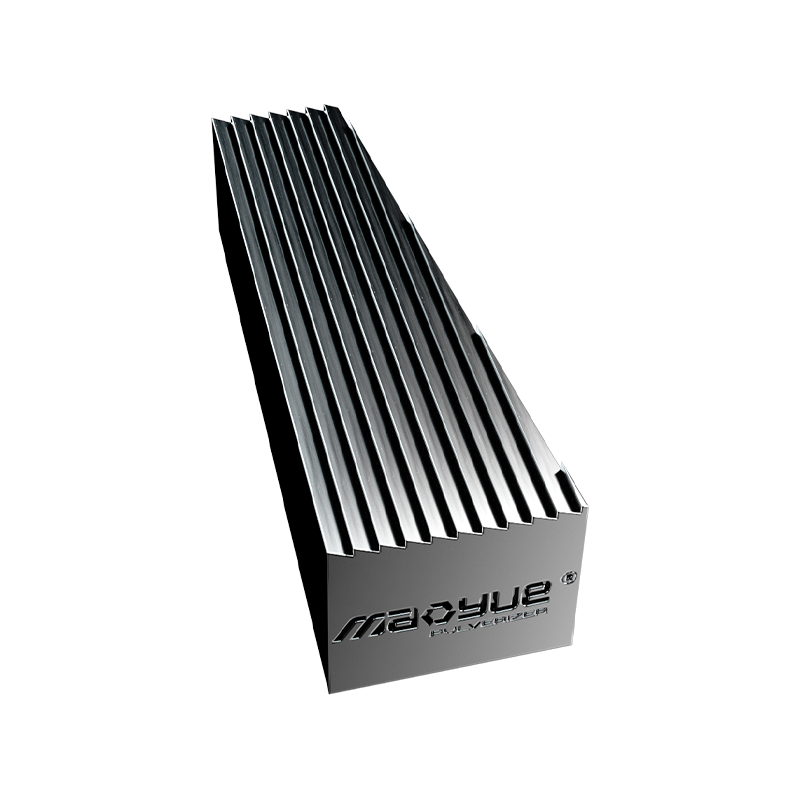
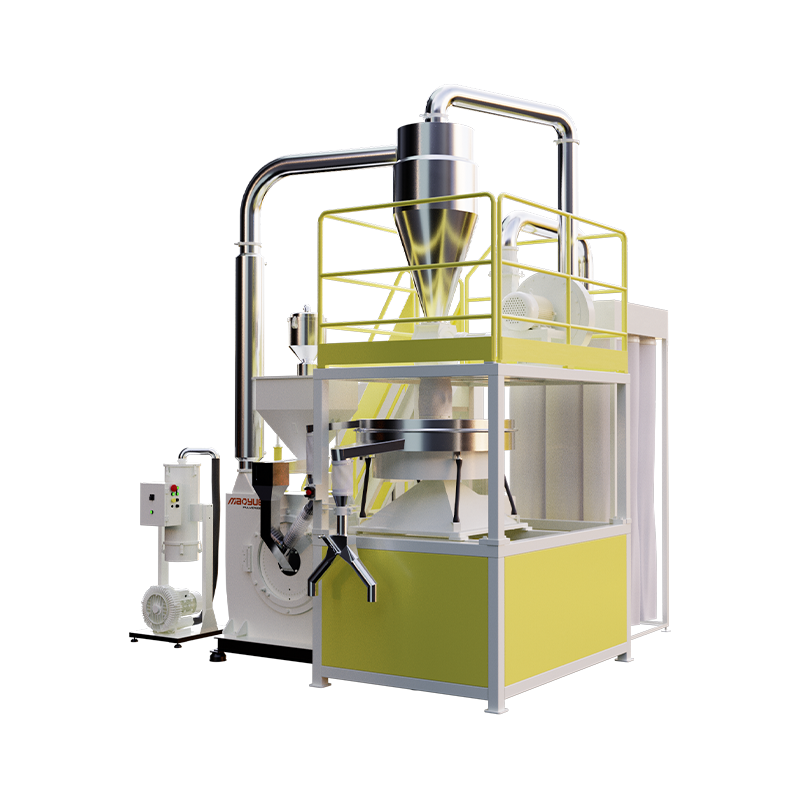
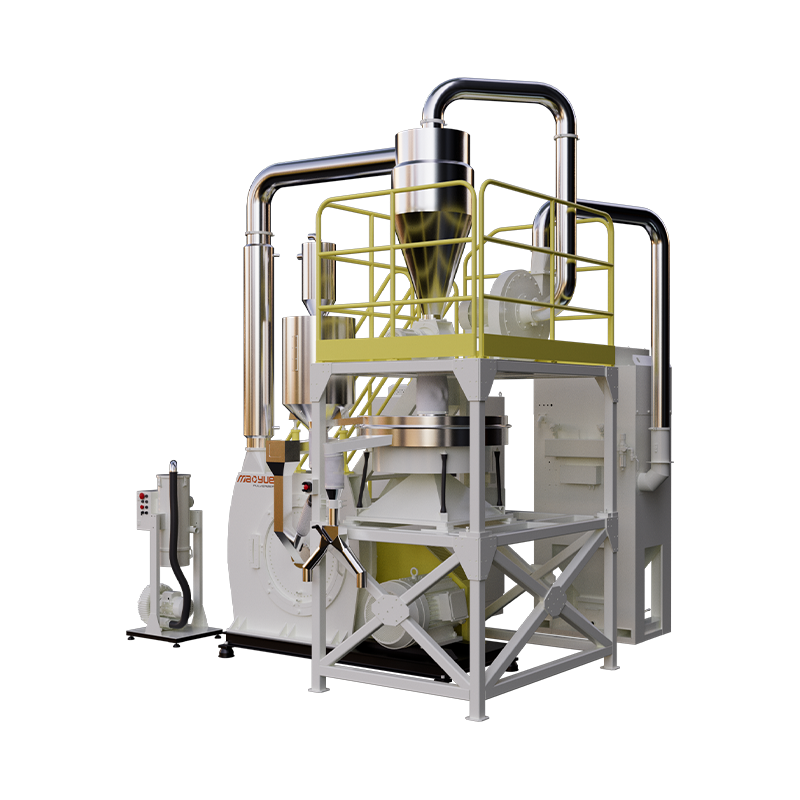
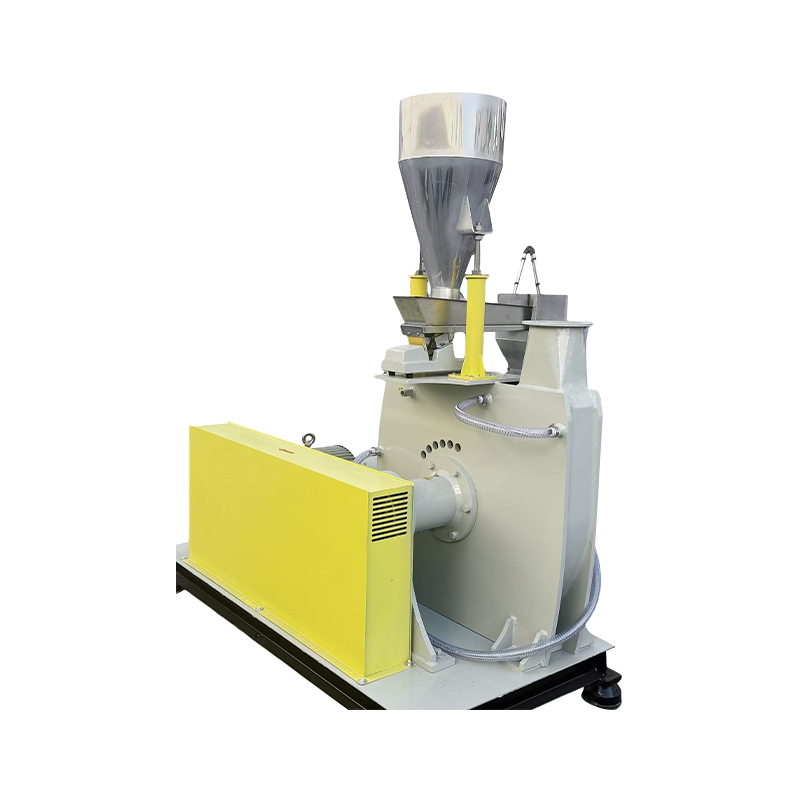
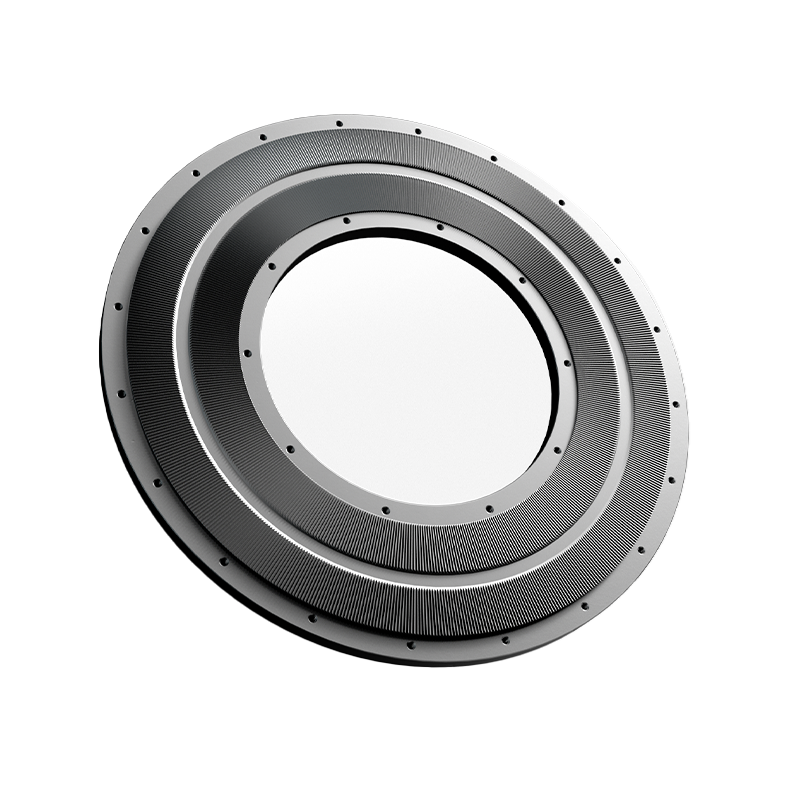
PE Pulverizer alloy steel blades
Long Service Life and Lower Maintenance Costs
A principal advantage of PE pulverizer alloy steel blades is their extended operating life. The supplied product information indicates that a single blade set can achieve approximately 800 hours of continuous service under suitable conditions. The exact service interval depends on the type of PE, contamination level, feed size, production rate, grinding clearance, cooling, and maintenance practices. Nevertheless, the stated service target demonstrates the focus on long-term wear resistance.
Longer blade life provides several direct economic benefits. The first is a reduction in replacement-parts consumption. If standard blades need to be changed frequently, the cost of the components can accumulate quickly. High-performance alloy steel blades can reduce the number of replacement sets required over the operating life of the pulverizer.
The second benefit is reduced downtime. Blade replacement requires more than removing and installing a component. Operators may need to stop feeding material, isolate the machine, open the grinding chamber, clean the surrounding areas, inspect the discs, install the new blades, adjust the clearance, check fastening torque, and perform a trial run. Every maintenance event interrupts production and may affect delivery schedules.
The third benefit is reduced labor loss. Regular blade replacement consumes the time of operators and maintenance technicians. It may also require additional inspection of bearings, fasteners, balancing conditions, drive components, and cooling passages. By extending the interval between blade changes, the plant can allocate maintenance resources more efficiently.
The fourth benefit is more stable production. A blade that maintains its edge for a longer period supports consistent particle size, motor load, and throughput. Operators can spend less time compensating for progressive wear and more time maintaining normal production conditions.
Comparison with Ordinary Cutting Discs
Ordinary cutting discs may be suitable for light-duty applications, but they can show limitations in continuous PE pulverizing. Lower hardness often leads to faster edge wear, especially when the material is tough or contains abrasive additives. As the edge dulls, the machine may generate more heat and require increased energy to achieve the same output.
The following table summarizes the main differences between conventional cutting discs and PE pulverizer alloy steel blades. The comparison is a general technical guide; actual performance depends on the machine and material conditions.
| Performance factor | Ordinary cutting discs | PE pulverizer alloy steel blades |
|---|---|---|
| Typical hardness reference | Approximately HRC 45 in the stated comparison | Approximately HRC 60–65 or higher |
| Wear resistance | Moderate and more sensitive to tough or abrasive feedstock | High resistance to edge rounding and surface wear |
| Impact tolerance | May be limited under irregular feed conditions | Designed to combine hardness with improved toughness |
| Service interval | Generally shorter in demanding continuous applications | Up to approximately 800 continuous operating hours under suitable conditions |
| Replacement frequency | Higher when processing difficult materials | Reduced because of longer edge retention |
| Powder stability | May decline as the cutting edge wears | More stable throughout the operating period |
| Maintenance cost | Higher when downtime and labor are included | Lower potential lifecycle cost |
The most important distinction is not only how long a blade lasts before failure. It is also how well it performs during the period before replacement. A blade that remains sharp and dimensionally stable can help the pulverizer maintain its intended operating condition for longer.
Precision-Adjustable Grinding Clearance
Blade material is only one part of the grinding system. The clearance between the rotating and stationary discs also has a major effect on particle size and machine performance. PE pulverizer alloy steel blades support precision-adjustable clearance, including micron-level fine-tuning in suitable machine configurations. This allows operators to adjust the grinding relationship according to the material and the required powder specification.
A smaller clearance can promote finer grinding, but it may also increase friction, heat generation, and power consumption if the machine is not properly cooled. A larger clearance may reduce heat and mechanical load, but it can result in coarser particles or a wider particle distribution. The correct setting must therefore be selected according to the raw material, target mesh, throughput, moisture, and temperature conditions.
Precision adjustment helps operators find a practical balance between output and powder quality. For PE processing, the finished powder can be controlled at approximately 20–80 mesh or finer, depending on the machine design and operating parameters. A stable clearance also helps reduce coarse particles, agglomerates, and irregular material that may otherwise affect downstream processing.
Supporting Consistent Particle Distribution
Particle distribution is important in recycled plastic applications. If the powder contains an excessive proportion of coarse particles, the material may feed unevenly during regranulation, extrusion, film blowing, or injection molding. Coarse particles can also affect melting behavior, dispersion, surface quality, and product consistency.
Uniform grinding helps create a more predictable feedstock. This is particularly valuable when recycled PE is combined with virgin resin, additives, colorants, fillers, or stabilizers. A consistent particle size makes blending and dosing easier, while a controlled powder shape can improve the repeatability of downstream processing.
The blade tooth design contributes to this result by combining high-speed rotation with cutting, shearing, and friction grinding. The purpose is not simply to break the plastic into large fragments, but to continue the size-reduction process until the material reaches the required fineness.
High-Speed Rotating Tooth Design
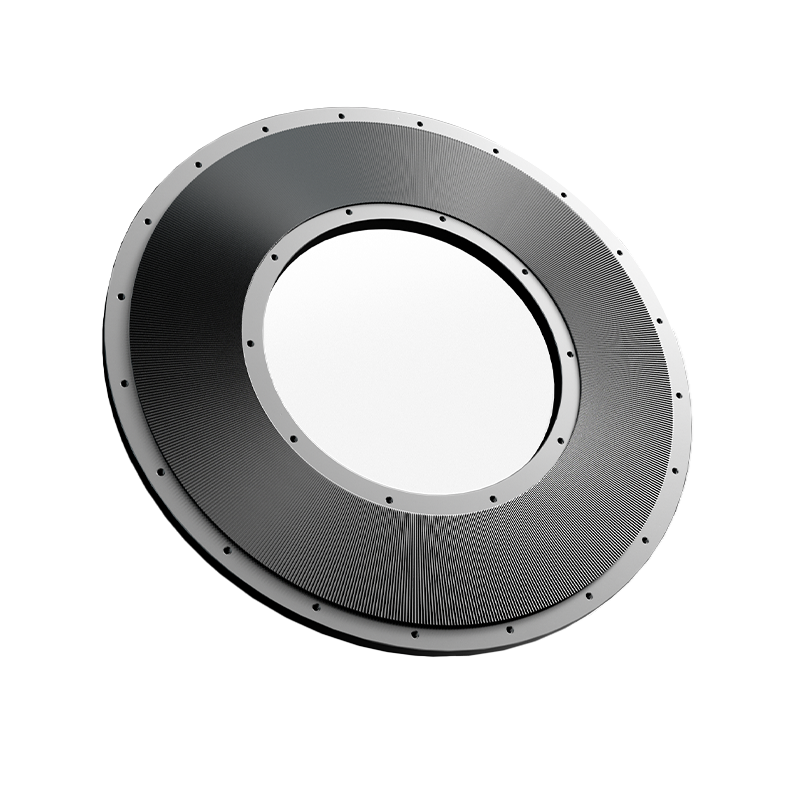
The tooth profile of a pulverizer blade determines how material enters the grinding zone and how force is applied to it. Mao Yue PE grinding machine blades use a high-speed rotating tooth design intended to improve the shearing and friction-grinding action on polyethylene materials.
During operation, PE particles are repeatedly engaged by the rotating disc. The tooth geometry helps capture and redirect the material, while the relative movement between the rotating and stationary components creates a combination of cutting and friction. This action can reduce the need for excessive impact force and support a more controlled grinding process.
A suitable tooth design can also influence throughput. If the teeth do not capture material efficiently, the feed may circulate irregularly or pass through the grinding zone without sufficient size reduction. If the teeth are correctly matched to the machine, raw material can move through the chamber in a more stable pattern.
Because blade geometry is related to disc diameter, machine speed, feedstock, and target output, replacement blades should be selected according to the pulverizer model. Mainstream disc diameters such as 500 mm, 600 mm, and 800 mm can be supported in appropriate PE and PP pulverizer series. Customized disc diameters, tooth profiles, and material specifications may also be available for specialized applications.
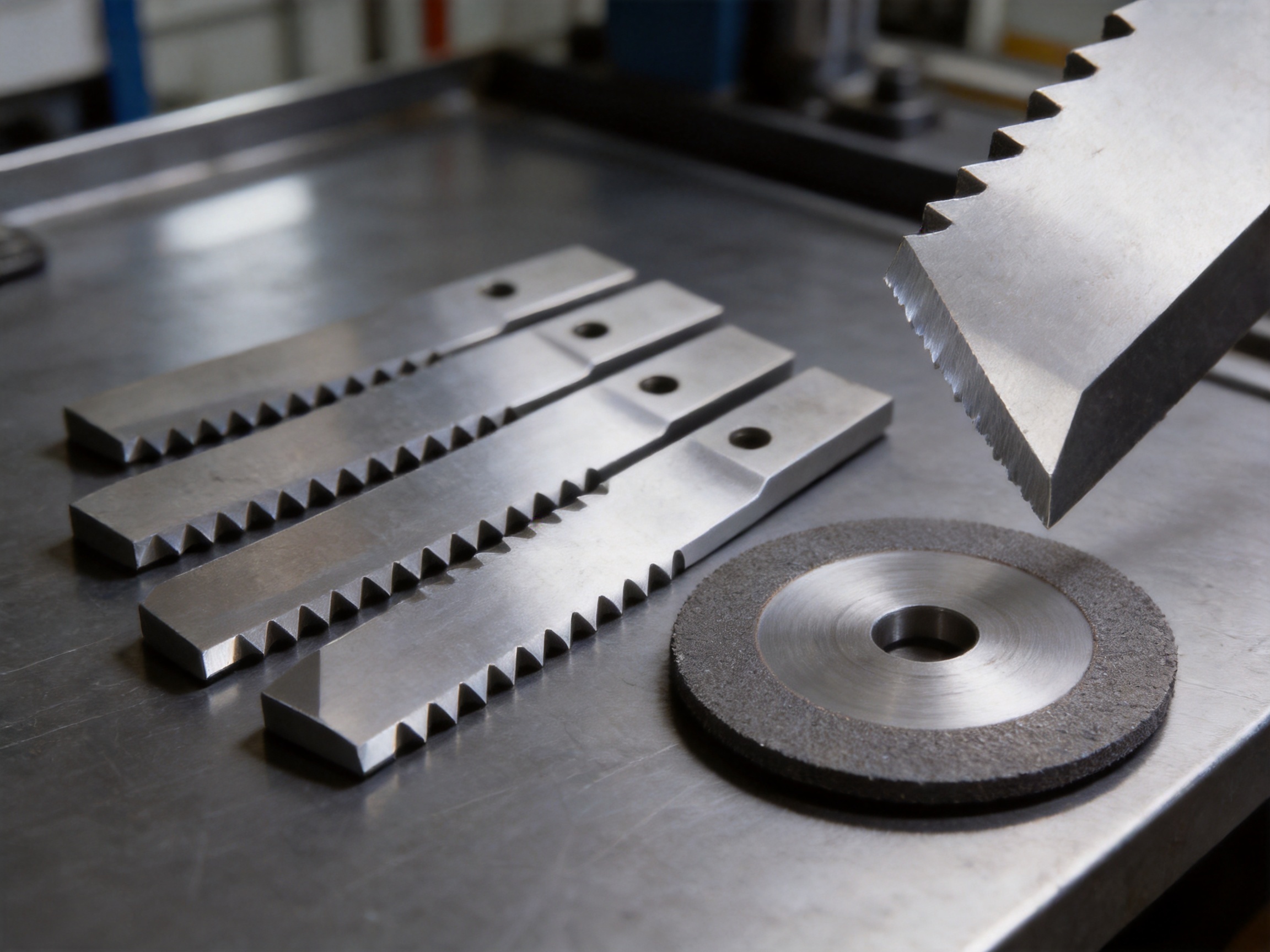
Thermal Management During Continuous Grinding
Heat control is a major concern when pulverizing polyethylene. Friction between the plastic and the grinding discs naturally generates heat. If the temperature rises too far, PE can soften and adhere to the blade surface or grinding chamber. This may create agglomerates, reduce the effective grinding gap, dull the blade edge, and cause unstable powder discharge.
PE pulverizer alloy steel blades are used with a multi-tiered finned heat-dissipation structure and high-thermal-conductivity materials intended to help control disc temperature. The structure increases the area available for heat transfer and supports the removal of heat generated during grinding.
Thermal management does not replace proper operating control. Cooling water or air systems must remain functional, feed rates must be appropriate, and the grinding clearance must not be set excessively tight. However, a blade and disc structure designed with heat dissipation in mind can provide an additional layer of protection against overheating.
Stable temperature helps preserve blade hardness and geometry. It also reduces the risk of softening, edge dulling, deformation, and material buildup. Under appropriate industrial conditions, the blades are intended to maintain sharpness and stable performance during extended operation, including continuous production schedules of up to 24 hours.
Reducing Heat-Related Powder Problems
Excessive heat can negatively affect recycled PE powder in several ways. The material may partially melt and form clusters. The clusters can block screens, interrupt feeding, or create an inconsistent particle distribution. Heat can also cause discoloration or degradation in sensitive materials, particularly when processing contaminated or repeatedly recycled plastics.
Efficient heat removal helps preserve the free-flowing nature of the powder. This is important for storage, conveying, metering, and downstream feeding. In powder coating, rotational molding, and masterbatch applications, the ability to maintain a uniform powder without agglomeration can be especially valuable.
Manufacturing Strengths of Changzhou Mao Yue Intelligent Equipment Co., Ltd.
Changzhou Mao Yue Intelligent Equipment Co., Ltd. is described as a source manufacturer with approximately 30 years of experience in plastic crushing and pulverizing equipment. Its product range includes plastic pulverizers, pulverizer parts, and complete crushing and pulverizing line solutions. The company focuses on components designed according to European quality standards and supplies equipment and accessories for domestic and international customers.
The company’s experience in pulverizer manufacturing provides an important advantage when producing replacement blades. A blade is not an isolated part. Its dimensions, mounting points, tooth geometry, balance, hardness, and clearance relationship must correspond to the machine in which it will operate. A manufacturer that understands the complete pulverizer system can better coordinate blade production with machine performance.
Mao Yue operates six processing workshops, each averaging approximately 1,400 square meters. This workshop structure supports the production of equipment components, the organization of manufacturing operations, and the handling of customized requirements. A professional technical team studies advanced machinery technologies from countries such as Germany, helping the company develop and refine its production methods.
High-Precision Machining Equipment
The factory is equipped with Taiwan-imported high-precision grinding machines built to German standards. Precision grinding is important for achieving the correct blade profile, surface finish, dimensional accuracy, and edge geometry. Small deviations can influence the gap between the rotating and stationary discs, so post-heat-treatment machining must be carefully controlled.
High-precision equipment also supports repeatability between blade sets. Customers replacing a worn set should be able to install the new components with minimal adjustment beyond the required clearance setting. Consistent machining helps reduce installation difficulties and supports predictable machine behavior.
Precision processing is especially important for customized blades. Different customers may require a particular disc diameter, tooth profile, mounting pattern, alloy grade, or grinding specification. Advanced machining capacity allows the manufacturer to respond to these requirements without relying exclusively on standard parts.
Dynamic Balancing
High-speed rotating discs must be balanced accurately. An unbalanced disc can produce vibration, noise, bearing stress, uneven wear, and unstable grinding performance. For this reason, the factory uses German dynamic balancing equipment to verify the rotational condition of relevant components.
Dynamic balancing helps ensure that the blade and disc assembly rotate smoothly. It is not only a comfort or noise issue. Excessive vibration may loosen fasteners, damage bearings, affect the grinding clearance, and reduce the useful life of the machine. A balanced assembly therefore contributes to reliability throughout the pulverizing line.
When replacement blades are installed, the complete assembly should still be inspected. Operators should verify that the blades are correctly positioned, fasteners are tightened according to the machine requirements, and the disc rotates freely before full-load operation begins.
Japanese Welding Systems
The company also uses Japanese welding systems. Welding quality can be important in machine frames, cooling structures, housings, support components, and other fabricated assemblies. Accurate welding helps maintain structural strength and dimensional stability, both of which are necessary for the reliable operation of high-speed pulverizing equipment.
The combination of precision grinding, dynamic balancing, and controlled welding reflects a manufacturing approach that considers the complete machine rather than a single component. For customers purchasing blades and other pulverizer parts, this systems-based understanding can improve compatibility and technical support.
Quality Management and Certification
Changzhou Mao Yue Intelligent Equipment Co., Ltd. has obtained CE mechanical certification and ISO 9001 quality management system certification according to the supplied company information. CE certification supports conformity with applicable European mechanical safety requirements, while ISO 9001 indicates the use of a structured quality management approach.
Certifications do not replace technical evaluation, correct installation, or proper maintenance. However, they provide evidence that the company has established formal processes for manufacturing and quality control. For international customers, this can support supplier qualification and project documentation.
Applications Across the Plastic Processing Industry
Plastic Recycling and Regeneration
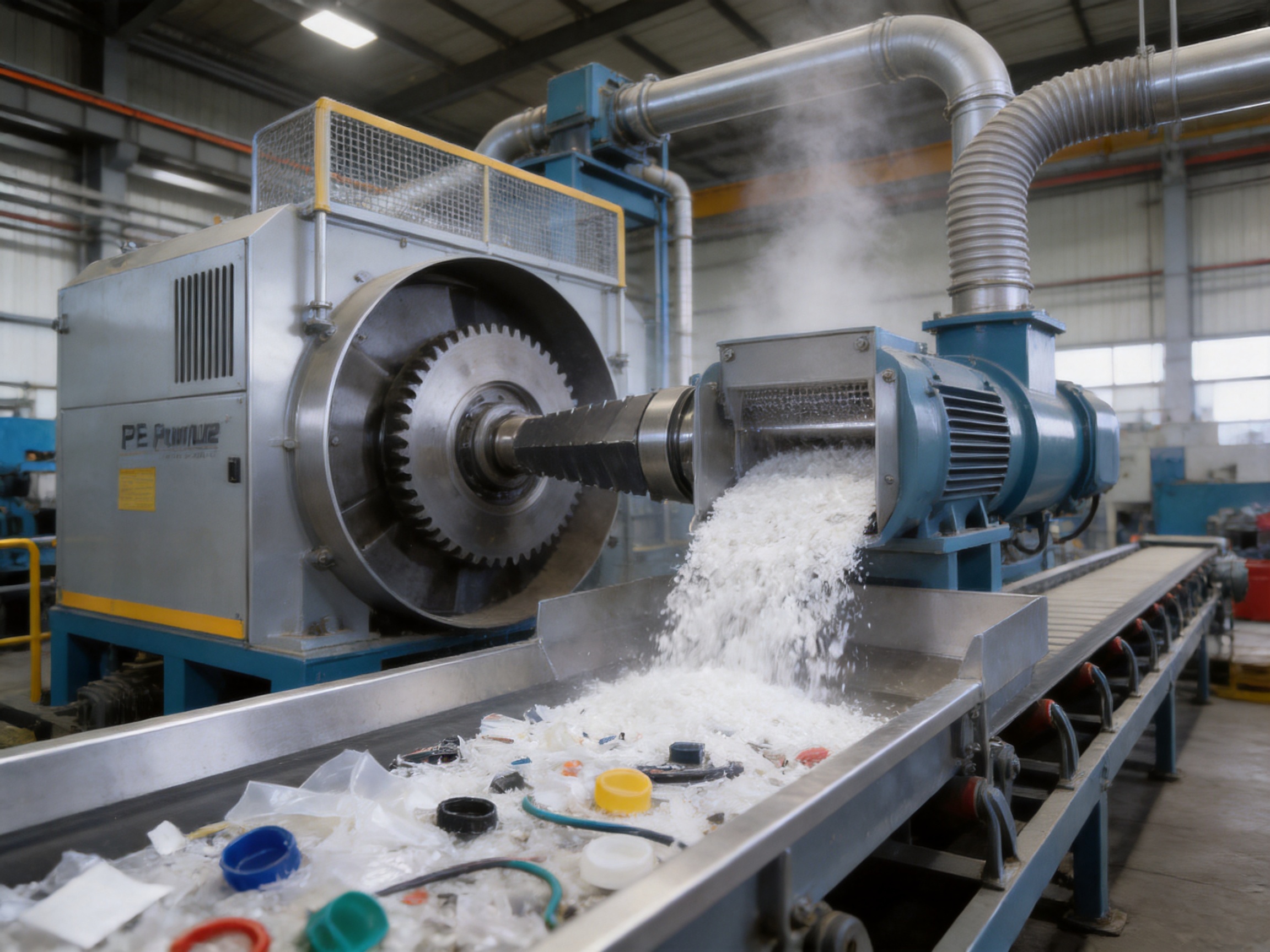
The primary application of these blades is the pulverizing of waste PE materials. Common feedstocks include polyethylene film, pipes, bottle caps, cable sheathing, and strapping bands. After pulverization, the powder can be supplied to regranulation, film blowing, pipe extrusion, injection molding, or other recycling processes.
Efficient grinding supports the high-value reuse of waste plastics. Instead of sending PE waste directly to disposal or low-value applications, processors can convert it into a controlled feedstock for new products. The blade’s wear resistance is useful in recycling because post-consumer and post-industrial materials may vary considerably in cleanliness and composition.
Powder Coating
PE powder can be used in powder coating and related coating processes. These applications require suitable fineness, flowability, and freedom from agglomerates. The target particle size may vary according to the coating method, but consistent powder is essential for reliable application and finished-surface quality.
In electrostatic spraying and fluidized-bed impregnation, uneven particles can affect charging, fluidization, transfer, and coating thickness. A stable grinding process helps produce a more uniform material for subsequent formulation and coating operations.
Modified Plastics and Masterbatch
Uniform PE powder can serve as a carrier or base material in filler masterbatch, color masterbatch, and functional masterbatch production. Consistent particle size supports more precise compounding with pigments, mineral fillers, stabilizers, processing aids, and other additives.
Improved dispersion can contribute to more consistent color, mechanical performance, and processing behavior. The blade does not independently determine the final masterbatch quality, but stable powder preparation is an important first step in the production chain.
Rotational Molding
Rotational molding uses polymer powder to form large hollow products such as storage tanks, containers, playground equipment, and amusement-park components. The powder must melt and distribute evenly inside the mold during rotation. Poorly ground material, agglomerates, or an excessively wide particle distribution can contribute to uneven wall thickness, surface defects, bubbles, or incomplete fusion.
Uniformly ground PE powder supports better material distribution and can help produce smoother surfaces and more consistent walls. This makes high-quality pulverizer blades relevant to rotational molding operations that demand repeatable powder preparation.
Electronic Waste and Specialized Processing
PE components recovered from electronic waste may require fine grinding before separation, blending, or reuse. Cables, insulation materials, and plastic housings can contain additives or reinforcement that increase wear on standard blades. Alloy steel blades offer an appropriate option for this type of demanding size reduction, provided the material is properly sorted and hazardous contaminants are controlled.
Laboratory and Research Applications
Research laboratories and small-batch development facilities may also require controlled PE powder. In these environments, particle purity and size distribution can be more important than maximum throughput. A precision-adjustable grinding system allows engineers to test different powder specifications for new compounds, coatings, molded products, and recycling methods.
Compatibility and Customization
PE pulverizer alloy steel blades are designed as original Mao Yue accessories for mainstream PE and PP pulverizer systems. They can match common disc diameters such as 500 mm, 600 mm, and 800 mm when the blade configuration corresponds to the machine model. Partial adaptability to other brands may also be possible, but compatibility must be confirmed before purchase.
Important compatibility factors include disc diameter, blade quantity, mounting-hole pattern, blade thickness, tooth arrangement, rotation direction, grinding-chamber dimensions, machine speed, and clearance-adjustment method. A blade should not be selected only by diameter. Two pulverizers may have the same disc diameter but use different mounting structures or tooth profiles.
Customization is available for applications requiring special dimensions or performance characteristics. Possible customization areas include disc diameter, tooth profile, alloy steel specification, blade geometry, and other component details. The customer should provide the pulverizer model, technical drawings, existing blade dimensions, material type, required output, and operating conditions when requesting a customized solution.
Customized production can be particularly useful for processors operating older machines, modified pulverizers, or non-standard production lines. It can also support customers who need a specific powder fineness, higher wear resistance, improved thermal performance, or compatibility with a special feedstock.
Installation and Maintenance Recommendations
Even a high-quality blade requires correct installation. Before replacement, the pulverizer should be shut down, isolated from the power source, and secured against accidental startup. The grinding chamber must be cleaned so that old plastic deposits, dust, and foreign particles do not interfere with the new blade set.
The operator should inspect the disc surface, mounting holes, fasteners, spacers, bearings, cooling passages, and surrounding structures. If the disc is distorted or the mounting surface is damaged, installing new blades alone may not solve the problem. All mating surfaces should be clean and free from burrs.
After installation, the blade positions should be checked carefully. Fasteners must be tightened according to the equipment manufacturer’s specifications. The rotating assembly should be turned manually where possible to confirm that there is no interference. The grinding clearance should then be adjusted gradually and evenly.
A trial run without material can help identify abnormal vibration, scraping, noise, or temperature rise. The machine should then be operated at a reduced feed rate before returning to full production. This procedure gives the operator an opportunity to verify the installation and confirm that the powder output is within the required range.
Routine Inspection
Routine inspection should include monitoring motor current, vibration, noise, powder fineness, throughput, temperature, and cooling performance. A gradual increase in motor load may indicate dull blades, excessive clearance problems, material buildup, or an issue elsewhere in the system.
Operators should check for uneven blade wear. If one area wears faster than another, the cause may involve unbalanced feeding, incorrect assembly, disc deformation, poor alignment, or localized material accumulation. Identifying the cause early can prevent damage to the blade set and other machine components.
Cooling systems should be checked regularly. Blocked air passages, insufficient water flow, damaged hoses, or poor heat exchange can increase operating temperature. Proper feed preparation is also important. Oversized pieces, metal fragments, stones, and other hard contaminants should be removed before the material reaches the pulverizer.
When to Replace the Blades
Blade replacement should be based on performance and inspection rather than a fixed calendar alone. Signs of wear may include reduced output, coarser powder, increased agglomeration, higher motor load, abnormal vibration, visible edge rounding, chipping, deformation, and increased operating temperature.
Continuing to operate with severely worn blades can increase the stress on the motor, bearings, disc, and drive system. It may also reduce the value of the finished powder. Planned replacement during a scheduled maintenance period is generally preferable to an emergency shutdown caused by blade failure.
Lifecycle Value and Sustainability
The economic value of alloy steel blades extends beyond the purchase price. A lower-cost blade may appear attractive initially, but its total cost can become higher if it requires frequent replacement, causes unstable powder quality, or increases downtime. Lifecycle cost should include the purchase price, installation labor, production losses, energy consumption, maintenance requirements, and potential damage to related components.
Longer-lasting blades can help reduce the consumption of steel and other materials associated with replacement parts. They can also reduce packaging, transportation, and disposal requirements. This supports a more sustainable approach to plastic recycling equipment and aligns with circular-economy objectives.
Finer and more uniform powder can improve downstream extrusion and injection molding efficiency. Better particle preparation may help reduce energy use during melting and blending, improve additive dispersion, and reduce the need to reprocess defective material. The overall sustainability benefit depends on the complete production line, but durable grinding components contribute to more efficient resource utilization.
Plastic recycling itself is an important part of resource conservation. By helping processors convert waste PE into reusable powder, reliable pulverizer blades support the recovery of valuable polymers. The result can be a reduction in waste, improved use of recovered material, and more stable production of recycled plastic products.
Advantages Over Competing Blade Options
Compared with ordinary cutting discs, these alloy steel blades offer a combination of higher hardness, improved impact resistance, longer service life, precision-adjustable clearance, specialized tooth design, and thermal-management features. Competitor products may provide one or two of these characteristics, but the combined system approach is a significant advantage.
The first advantage is material performance. HRC 60–65 or higher provides a harder working edge than the stated HRC 45 reference for ordinary discs. This supports greater resistance to wear when processing tough PE and reinforced plastics.
The second advantage is service life. A stated operating target of approximately 800 continuous hours can reduce replacement frequency compared with shorter-life alternatives. Longer service also helps preserve production continuity.
The third advantage is powder consistency. A sharp and stable edge, combined with a suitable tooth profile and adjustable clearance, helps maintain a target range of approximately 20–80 mesh or finer. Stable particle size can benefit recycling, powder coating, masterbatch, and rotational molding operations.
The fourth advantage is thermal stability. The finned heat-dissipation structure helps control friction heat and reduces the risk of softening or deformation during prolonged operation.
The fifth advantage is customization. Customers can request suitable disc diameters, tooth profiles, and material specifications. This is useful when a standard replacement blade does not fully match the existing machine or production objective.
The sixth advantage is manufacturer support. Mao Yue has experience in complete plastic pulverizing equipment, supporting a better understanding of machine compatibility, installation, and operating conditions. This can be particularly valuable for international customers seeking both replacement components and complete recycling-line solutions.
How to Select the Correct PE Pulverizer Blade
Before ordering, customers should identify the exact pulverizer model and provide the machine manufacturer, disc diameter, blade dimensions, mounting-hole arrangement, number of blades, tooth profile, and rotation speed. Photographs and technical drawings can help confirm compatibility.
The feedstock should also be described in detail. Important information includes whether the material is film, pipe, bottle cap, cable insulation, rotational molding scrap, post-consumer waste, or reinforced plastic. The presence of glass fiber, mineral filler, pigments, metal contamination, moisture, and other additives may affect the recommended blade material and heat treatment.
Production requirements should be considered as well. Customers should specify the desired powder fineness, expected throughput, daily operating hours, cooling method, and downstream application. A blade designed for laboratory testing may not be suitable for 24-hour industrial operation, while a heavy-duty blade may be unnecessary for a clean, low-volume application.
It is also useful to evaluate the full lifecycle objective. If downtime is expensive, a long-life blade may provide greater value even if its initial purchase price is higher. If the application demands a very fine powder, the customer should discuss clearance adjustment, tooth geometry, cooling capacity, and screening arrangements together rather than selecting the blade in isolation.
Questions and Answers
What are PE pulverizer alloy steel blades used for?
They are used in plastic pulverizers to grind polyethylene materials into fine and uniform powder. Typical applications include PE film, pipes, bottle caps, cable sheathing, strapping bands, powder coating materials, masterbatch carriers, rotational molding powder, and selected recycled plastic feedstocks.
What makes alloy steel blades different from ordinary cutting discs?
The blades use a high-density, wear-resistant alloy steel and specialized heat treatment. Their stated hardness is approximately HRC 60–65 or higher, compared with the HRC 45 reference given for ordinary cutting discs. This provides improved edge retention, wear resistance, and service stability in demanding applications.
How long can one blade set operate?
The supplied product information states that a single-blade set can achieve approximately 800 hours of continuous service under suitable conditions. Actual service life depends on the material, contamination, feed rate, operating temperature, clearance, machine speed, and maintenance quality.
Can the blades process glass-fiber-reinforced plastics?
They are designed to provide improved wear and impact resistance for difficult materials, including glass-fiber-reinforced or high-toughness plastics. However, the machine should be correctly configured, and hard contaminants should be removed from the feedstock whenever possible.
What powder fineness can be achieved?
Under suitable machine and process conditions, the finished powder can be controlled at approximately 20–80 mesh or finer. The final result depends on the pulverizer model, blade condition, grinding clearance, feedstock properties, cooling performance, and production rate.
Are the blades compatible with other brands?
They are original accessories for Mao Yue PE and PP pulverizer series and can support common disc diameters such as 500 mm, 600 mm, and 800 mm. Partial adaptation to other brands may be possible, but compatibility must be confirmed using technical drawings, dimensions, and machine specifications.
Can the blade specifications be customized?
Customization may be available for disc diameter, tooth profile, alloy steel material, and related specifications. Customers should provide detailed information about the existing machine and the intended application before production is confirmed.
How do the blades help control temperature?
The blade and disc structure uses a multi-tiered finned heat-dissipation design with high-thermal-conductivity materials. This helps transfer heat away from the grinding area and reduces the risk of overheating, PE softening, edge dulling, or deformation. The cooling system and operating settings must still be properly maintained.
What industries use these blades?
They are suitable for plastic recycling, regenerated plastics, powder coating, modified plastics, filler masterbatch, color masterbatch, rotational molding, pipe extrusion, film blowing, injection molding, electronic-waste processing, and laboratory or small-batch research applications.
Why is precision clearance adjustment important?
The clearance between the rotating and stationary grinding components affects powder fineness, throughput, friction, temperature, and energy consumption. Precision adjustment allows operators to select a suitable grinding condition for the material and target powder specification.
How can blade service life be extended?
Service life can be extended by removing metal and other hard contaminants, maintaining the cooling system, avoiding excessive feed rates, checking alignment and balance, keeping the grinding chamber clean, and inspecting blade wear regularly. Correct clearance and proper installation are also essential.
Conclusion
PE pulverizer alloy steel blades are a high-performance solution for plastic grinding applications that require durability, stable powder quality, and reduced maintenance. Their forged alloy steel construction, specialized heat treatment, hardness of approximately HRC 60–65 or higher, precision geometry, adjustable clearance, and heat-dissipation design provide advantages over ordinary cutting discs.
With a potential service life of approximately 800 continuous operating hours under suitable conditions, the blades can reduce replacement frequency, downtime, labor requirements, and lifecycle costs. Their ability to support powder fineness of approximately 20–80 mesh or finer makes them suitable for recycled PE, powder coating, masterbatch, rotational molding, extrusion, injection molding, and other demanding processes.
Changzhou Mao Yue Intelligent Equipment Co., Ltd. strengthens this product offering through long-term experience in plastic crushing and pulverizing equipment, multiple processing workshops, high-precision grinding machinery, German dynamic balancing equipment, Japanese welding systems, professional technical personnel, CE mechanical certification, and ISO 9001 quality management certification. These manufacturing capabilities support consistent component quality and compatibility with complete pulverizing systems.
For processors seeking reliable PE recycling and powder-production performance, selecting the correct blade specification is essential. When the blade material, tooth profile, disc diameter, clearance, cooling system, and operating conditions are properly matched, the pulverizer can deliver more efficient grinding, more uniform powder, greater production stability, and improved long-term sustainability.
References
1. Product technical information for PE pulverizer alloy steel blades, including material, hardness, service life, grinding fineness, and application data.
2. Manufacturing information for Changzhou Mao Yue Intelligent Equipment Co., Ltd., including workshop facilities, machining equipment, balancing systems, welding technology, certifications, and company experience.
3. General principles of polymer size reduction, cutting, shearing, friction grinding, and particle-size control in plastic recycling.
4. General maintenance practices for high-speed plastic pulverizers, including blade inspection, clearance adjustment, balancing, cooling, and contamination control.
5. General engineering principles concerning alloy steel selection, heat treatment, hardness, impact resistance, and wear behavior in industrial cutting components.