

 English
 русский
 Español
 عربى
عربى 中文简体
中文简体
 中文简体
中文简体
Content
- 1 1. The Role of Fine Pulverizing in Masterbatch Production
- 2 2. Product Overview
- 3 3. Main Advantages for Masterbatch Manufacturers
- 4 4. Application Range
- 5 5. Technical Specifications
- 6 6. Compact Design and Operating Economics
- 7 7. Manufacturing Strengths and Quality Control
- 8 8. Comparison with Conventional Pulverizers
- 9 9. Recommended Process Flow
- 10 10. Installation and Maintenance Considerations
- 11 11. Safety and Environmental Performance
- 12 12. Selecting the Correct Configuration
- 13 13. Why Manufacturer Support Matters
- 14 14. Practical Benefits for Different Factory Sizes
- 15 15. Frequently Asked Questions
- 15.1 Q1: What materials can the Model 500 process?
- 15.2 Q2: What is the capacity of the Model 500?
- 15.3 Q3: What mesh size can the machine produce?
- 15.4 Q4: Is the machine suitable for heat-sensitive polymers?
- 15.5 Q5: What is the difference between D2 and DC53 grinding discs?
- 15.6 Q6: Can the grinding discs be refurbished?
- 15.7 Q7: How does the machine control dust?
- 15.8 Q8: Is the Model 500 suitable for rotational molding powder?
- 15.9 Q9: How much space does the machine require?
- 15.10 Q10: What starting and speed-control options are available?
- 15.11 Q11: Does the machine require pre-crushing?
- 15.12 Q12: What should be checked before ordering?
- 16 16. Conclusion
- 17 References
- 18 Product: Model 500 Fine Powder Mill for Masterbatch Production
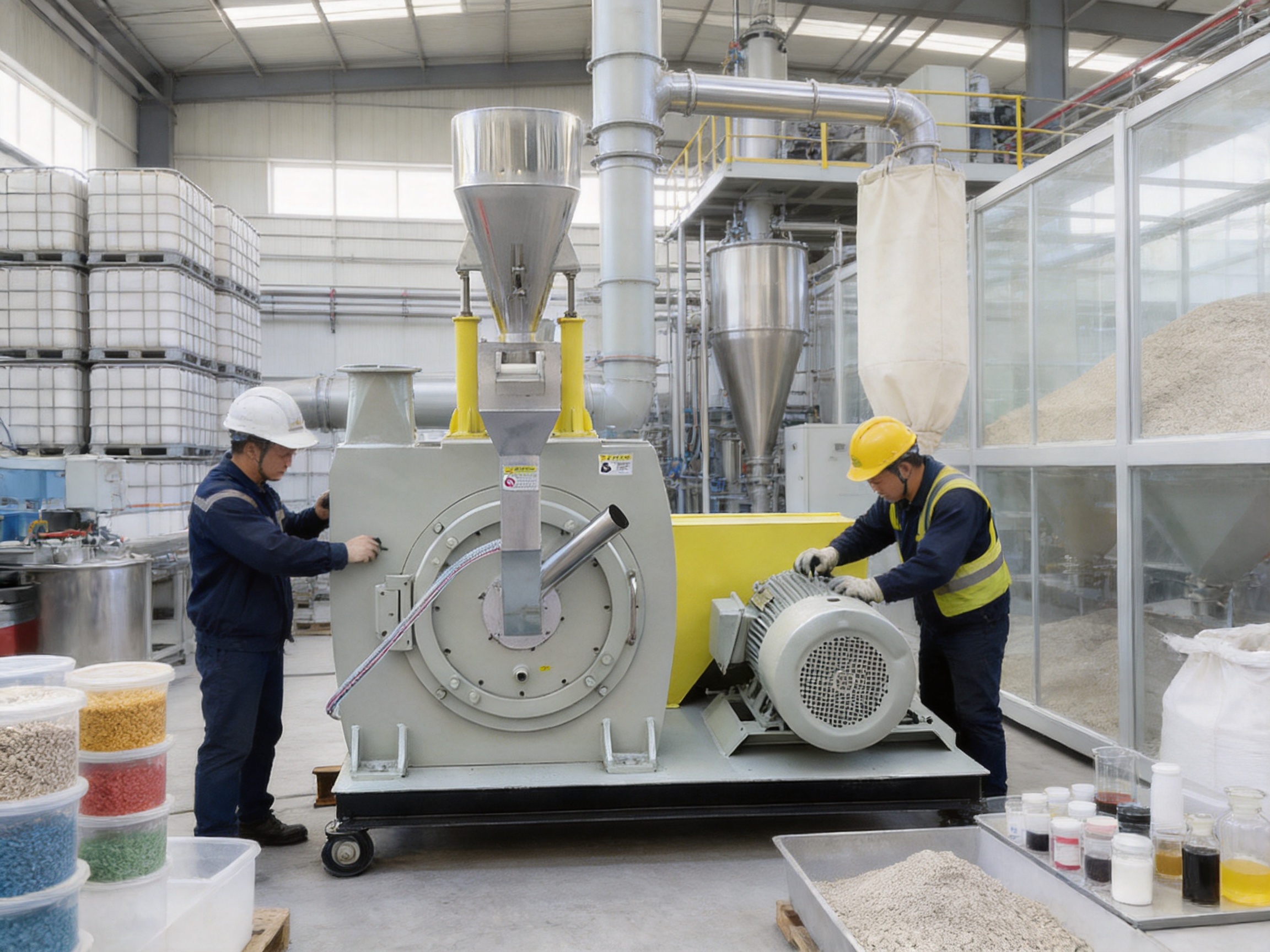
In modern plastics processing, the quality of powder preparation directly influences pigment dispersion, additive distribution, extrusion stability, product appearance, and production cost. Masterbatch manufacturers therefore require pulverizing equipment that can deliver repeatable particle size, controlled temperature, low dust emissions, and dependable operation over extended production cycles. The Model 500 Fine Powder Mill is designed to meet these requirements in a compact and efficient machine platform.
Developed for masterbatch, modified plastics, polymer recycling, rotational molding powder, and laboratory applications, this pulverizer combines precision grinding, controlled cooling, enclosed conveying, dust collection, and flexible process adjustment. Its 500 mm grinding disc provides a practical balance between production capacity, equipment footprint, power consumption, and maintenance cost. The machine is particularly suitable for small and medium-sized production plants, formula-development lines, and manufacturers that need reliable fine powder production without investing in a larger pulverizing system.
Depending on the material, feed condition, moisture content, operating configuration, and required fineness, the machine can provide a typical capacity range from approximately 50 to 160 kg/h under standard configurations. Some material-specific applications may achieve higher throughput, potentially reaching approximately 150 to 400 kg/h when process conditions and fineness requirements are favorable. Final performance should be confirmed through material testing and a technical quotation.
1. The Role of Fine Pulverizing in Masterbatch Production
Masterbatch is a concentrated mixture of pigments, additives, and polymer carrier materials. During downstream processing, the masterbatch must disperse rapidly and evenly throughout the base resin. Poorly prepared powder can result in color variation, black specks, fisheyes, weak mechanical properties, inconsistent additive performance, or unstable extrusion.
Fine pulverizing improves the contact area between polymer particles, pigments, and additives. It also helps create a more uniform feedstock for subsequent mixing, extrusion, pelletizing, or direct powder processing. When particle size distribution is narrow, material flow is more consistent and the likelihood of local pigment concentration is reduced.
However, polymer pulverizing is not simply a matter of reducing particle size. Many plastics soften when exposed to frictional heat. PE, PP, EVA, TPU, and some modified polymers may become sticky or deform when the grinding chamber becomes too hot. Excessive temperature can lead to material buildup on the grinding discs, reduced output, yellowing, degradation, or unstable particle size.
For this reason, a professional masterbatch pulverizer must provide more than a high-speed motor. It must combine suitable disc geometry, accurate disc balancing, effective cooling, stable airflow, controlled feeding, and efficient separation of finished powder. The Model 500 system is designed around this integrated approach.
2. Product Overview
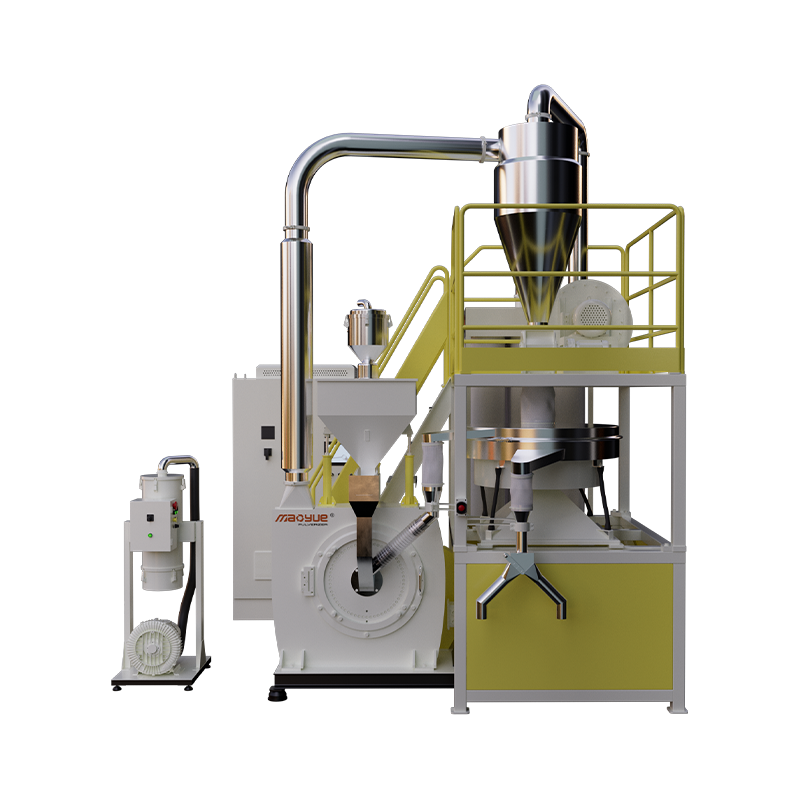
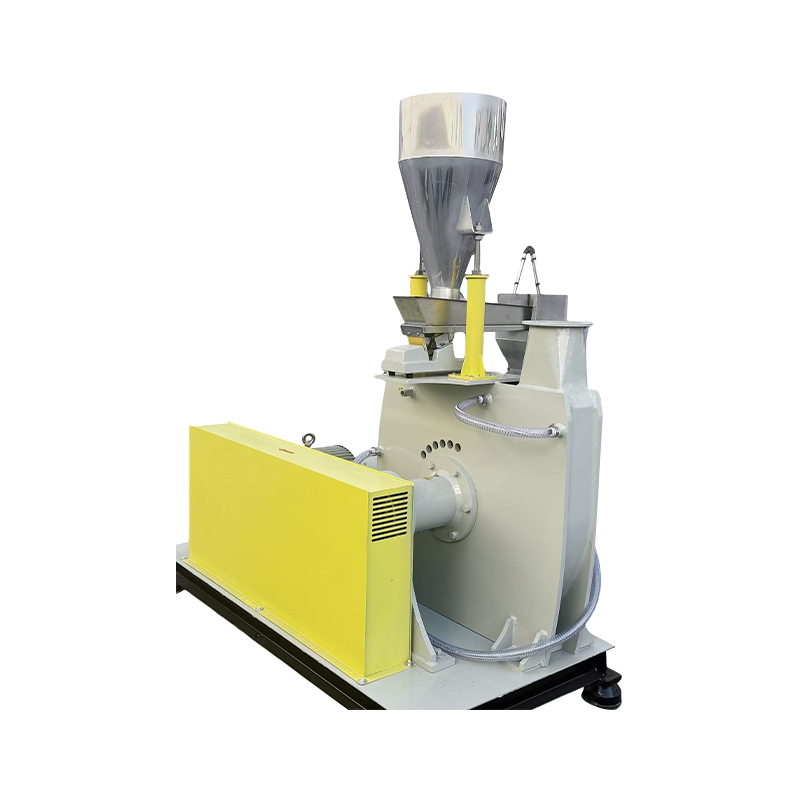
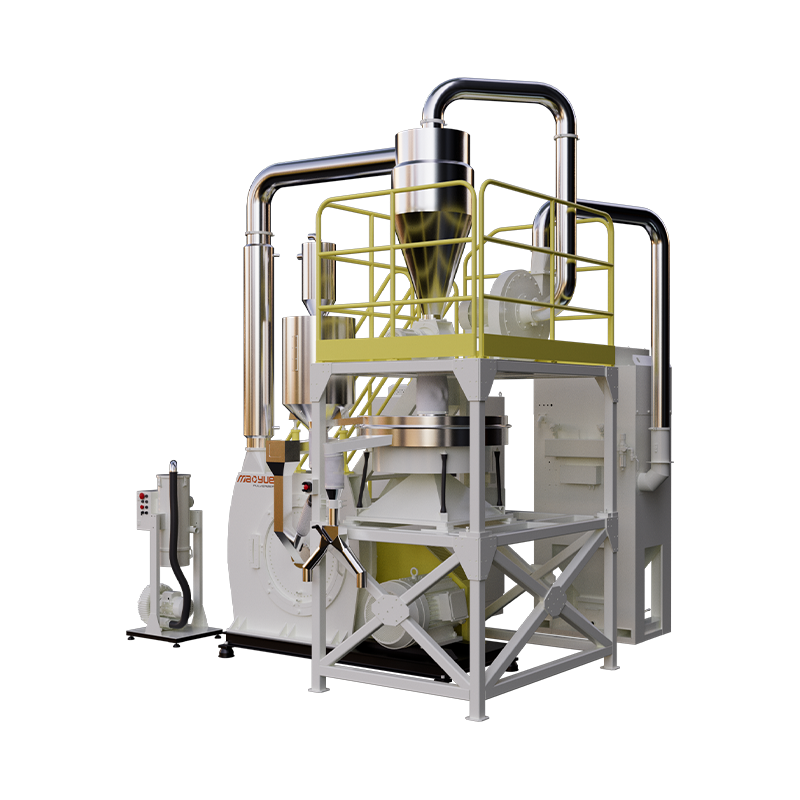
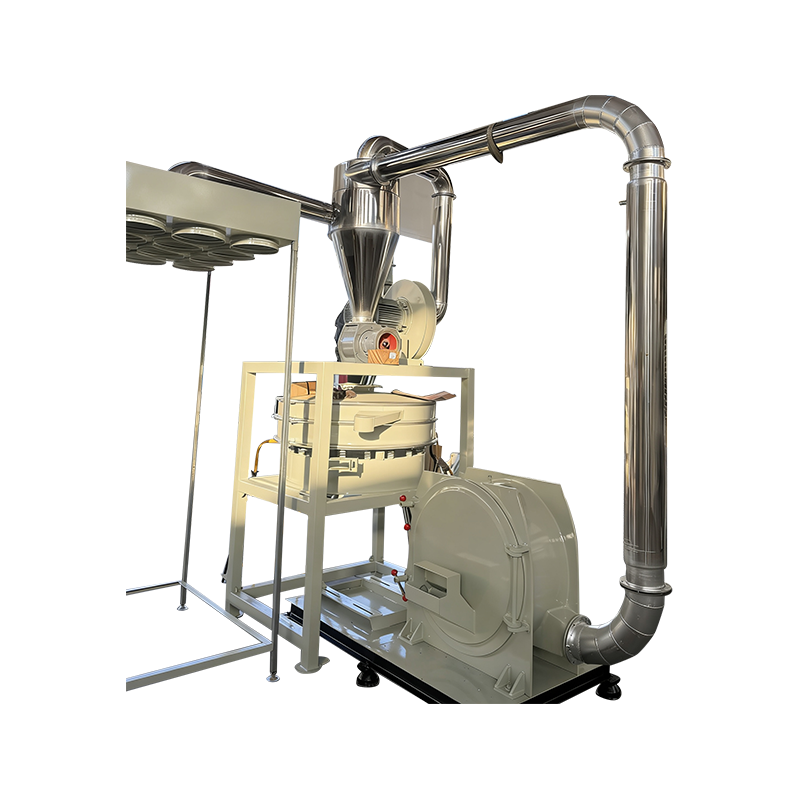
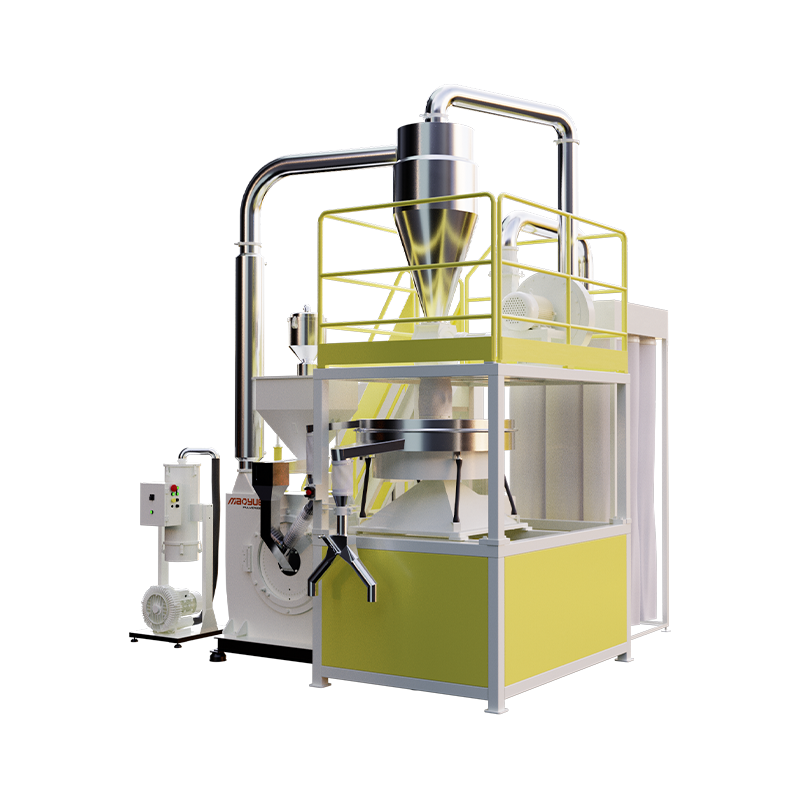
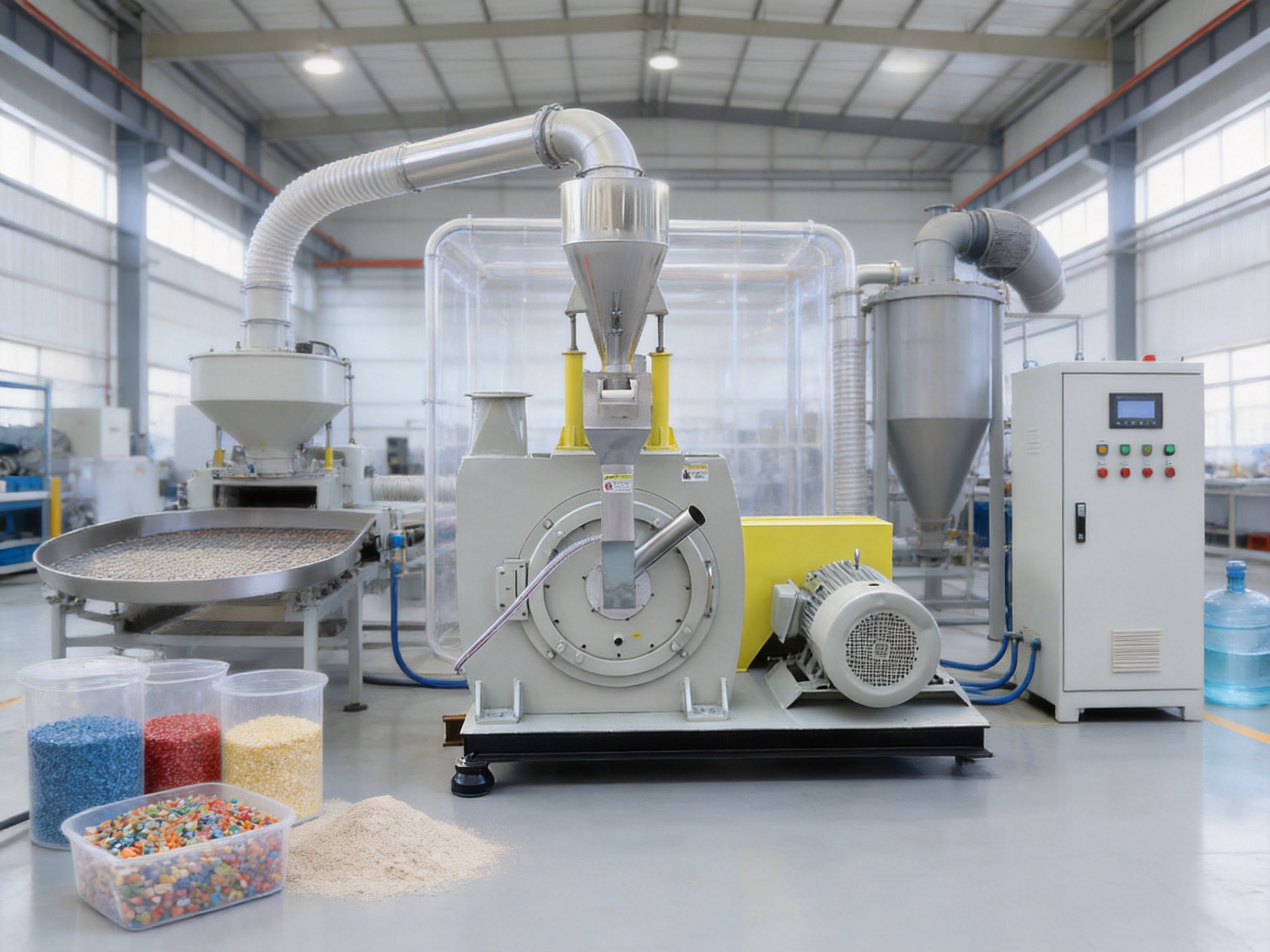
The Model 500 Fine Powder Mill is a disc-type polymer pulverizer with a 500 mm grinding disc diameter. It is engineered for the size reduction of thermoplastic materials and masterbatch-related compounds. The standard system can include a vacuum feeding unit, pulverizing chamber, blower, stainless-steel conveying pipe, vibrating screen, dust collector, control components, and water-cooling equipment.
The machine is available with different starting and speed-control arrangements, including star-delta starting, soft starting, and inverter control. This allows the system to be adapted to different plant electrical conditions and material requirements. Inverter control is especially useful when manufacturers need to adjust rotor speed, manage heat generation, or optimize the balance between capacity and fineness.
Standard technical information identifies a 37 or 45 kW drive motor, a 5.5 or 7.5 kW blower motor, a 1.1 kW vibrating-screen motor, a 159 mm conveying pipe, and a 1,000 mm vibrating screen diameter. The standard grinding-disc material is listed as D2 steel, while premium disc options and upgraded manufacturing configurations may use DC53 high-grade mold steel. The actual configuration depends on the customer’s material, operating conditions, and requested performance.
The system is designed for mesh adjustment according to the application. Standard specifications may cover approximately 10–30 mesh, while application-specific configurations can be engineered for finer ranges such as 20–100 mesh, with some materials capable of reaching approximately 120 mesh or finer. Since polymer behavior varies significantly, mesh output should be verified through a production trial rather than determined from nominal machine settings alone.
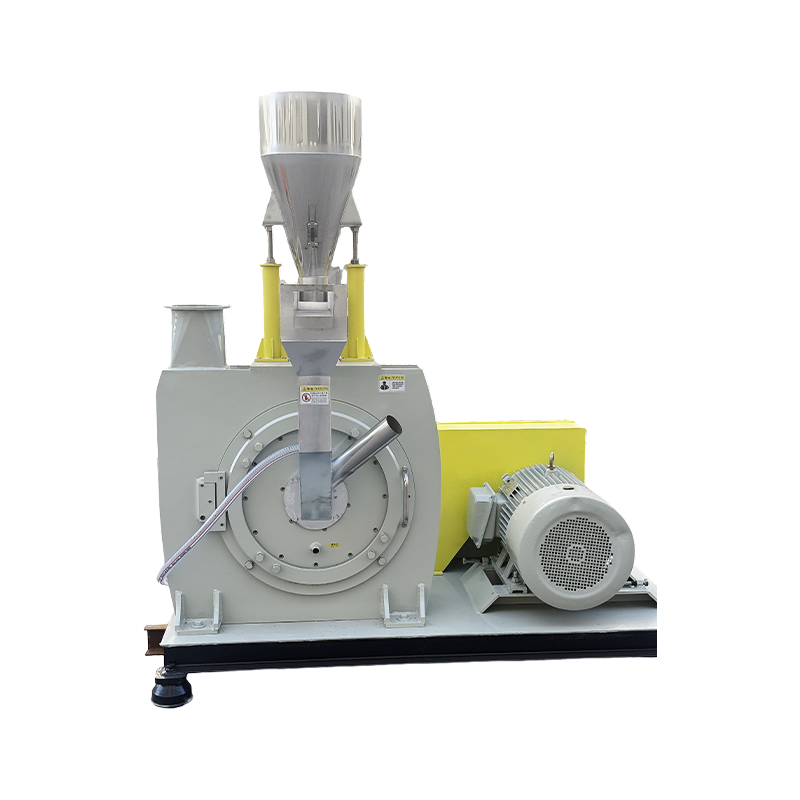
Model 500 Fine Powder Mill for Masterbatch Production
3. Main Advantages for Masterbatch Manufacturers
3.1 Stable and Adjustable Particle Size
Particle size consistency is one of the most important factors in masterbatch processing. If a pulverizer produces a broad distribution containing excessive coarse particles and fines, the material may feed inconsistently and disperse unevenly during compounding. The Model 500 uses precision grinding discs and adjustable operating conditions to help manufacturers achieve a more controlled size distribution.
Operators can adjust the grinding gap, airflow, feed rate, rotational speed, and screening conditions according to the polymer being processed. These adjustments allow the machine to handle different grades of PE, PP, ABS, PS, PC, EVA, TPU, and other thermoplastic materials. A setting suitable for a rigid polymer may not be appropriate for a soft or heat-sensitive material, so process flexibility is a significant advantage.
For pigment-loaded masterbatch and functional compounds, a narrow particle size distribution can improve dispersion and reduce the risk of visible defects. For recycling operations, the machine can be adjusted to produce a more practical feedstock for re-granulation or blending. For rotational molding, it can be configured to help produce uniform powder in the commonly used 30–60 mesh range.
3.2 High-Precision Grinding Discs
The grinding discs are the working components that determine much of the machine’s cutting and pulverizing performance. Conventional discs may lose sharpness quickly, develop uneven wear, or become damaged by impact from contaminants. Such conditions can increase energy consumption, reduce capacity, and broaden the particle size distribution.
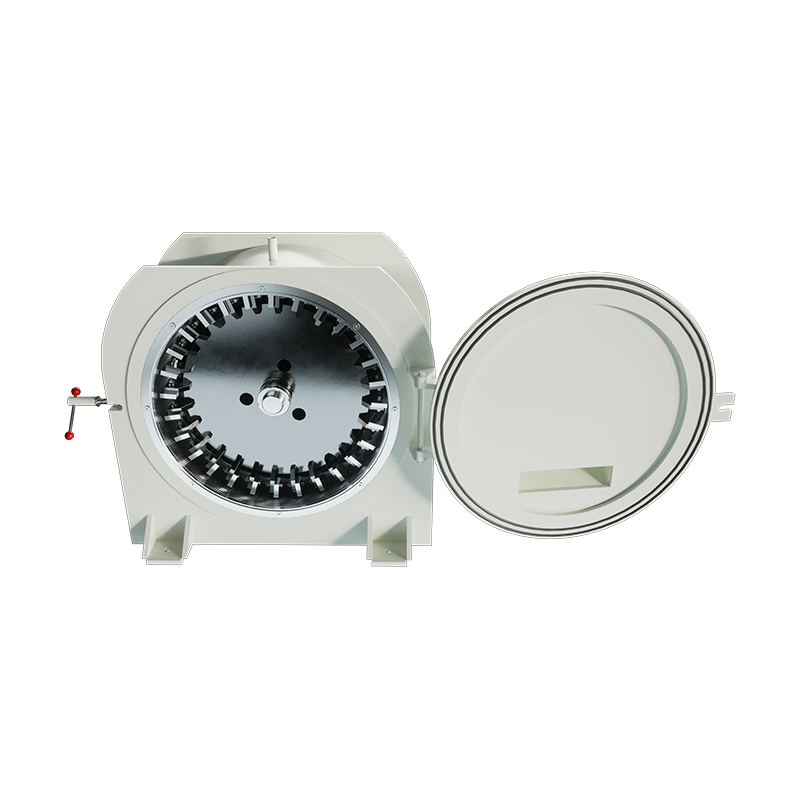
Premium configurations of the Model 500 use DC53 high-grade mold steel discs with a reported hardness of approximately HRC 62–64. DC53 is valued for its combination of hardness, toughness, fatigue resistance, and resistance to chipping. Compared with ordinary D2 discs, a properly processed DC53 disc can provide improved durability in demanding applications. The standard specification also lists D2 as a disc material, giving customers an option that may be suitable for conventional service conditions and budget targets.
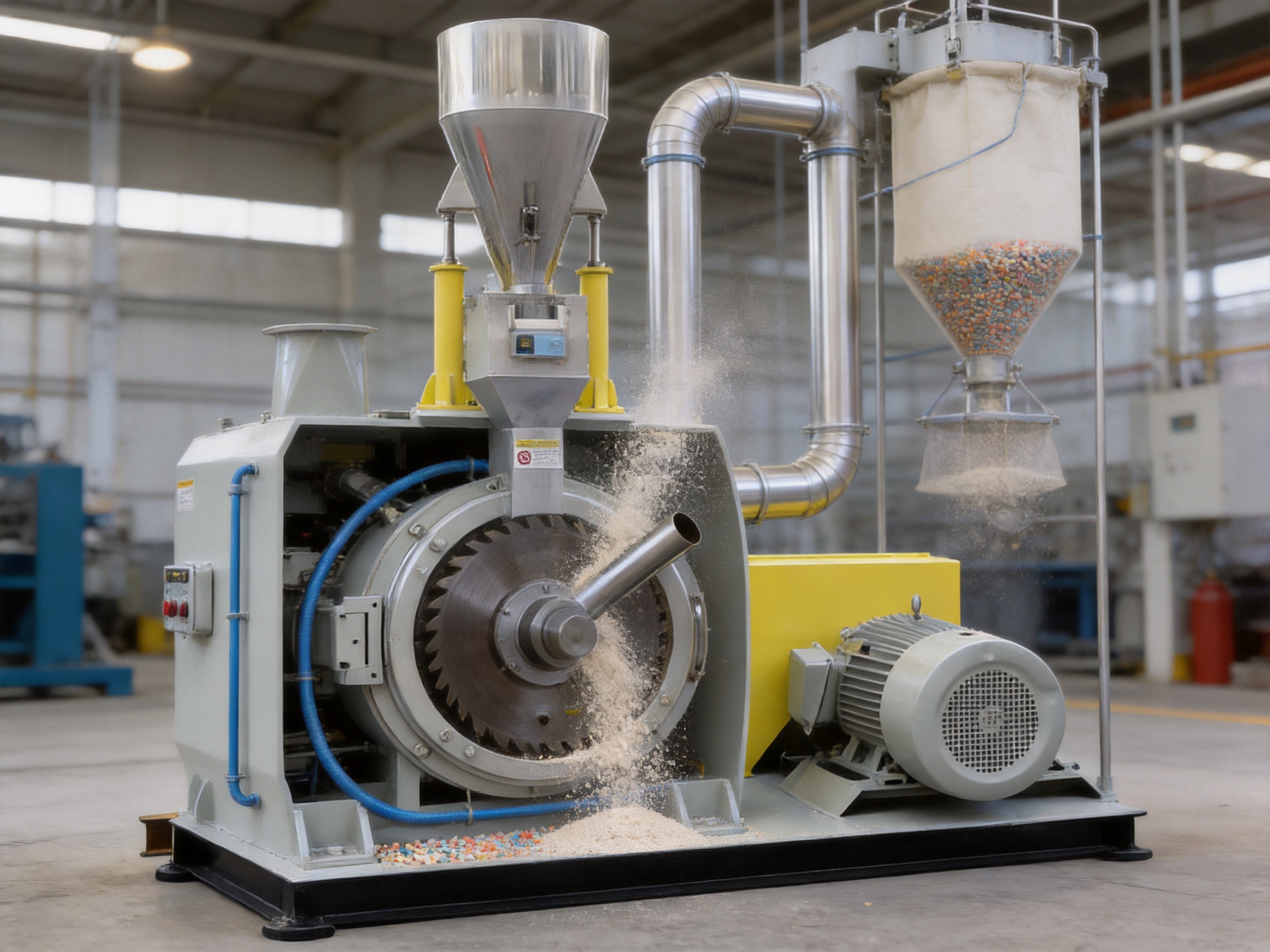
The manufacturer uses specialized CNC tool-grinding equipment to process the teeth of the discs individually. Tooth-by-tooth grinding helps maintain consistent blade angles and edge geometry around the complete disc circumference. This is important because small differences in tooth shape can lead to uneven cutting forces, vibration, irregular wear, and variation in finished powder.
When discs become dull after extended operation, professional refurbishment is available. Refurbishing worn discs can cost only a fraction of purchasing new discs, depending on the degree of wear and the selected material. This provides a practical way to reduce lifecycle tooling expenses, extend the useful life of components, and maintain a predictable maintenance schedule.
3.3 Dynamic Balancing and Low-Vibration Operation
High-speed rotating parts must be balanced accurately. An unbalanced grinding disc creates vibration that can damage bearings, loosen fasteners, increase noise, reduce grinding precision, and accelerate spindle wear. It can also make it more difficult for operators to maintain stable process parameters.
Each disc is dynamically balanced using high-precision balancing equipment. The objective is to reduce residual imbalance before the disc is installed in the machine. A well-balanced rotor operates more smoothly, supports longer bearing life, and helps maintain stable grinding conditions during continuous production.
The machine is designed for controlled vibration and a working noise level below approximately 85 dB under suitable operating conditions. Actual noise depends on material, installation, building structure, airflow, and surrounding equipment. Nevertheless, reduced vibration and noise provide important advantages for factories operating multiple machines or running extended shifts.
3.4 Dual Cooling for Heat-Sensitive Polymers
Heat management is a central requirement in polymer pulverizing. Friction between the material and grinding discs generates heat, while some polymers have low softening temperatures or are sensitive to thermal degradation. Without adequate cooling, the material may stick to the discs, clog the chamber, or lose its intended performance.
The Model 500 uses a water-cooling jacket combined with forced-air cooling. Water circulates through the cooling jacket to remove heat from the grinding chamber, while airflow assists material transport and contributes to temperature control. This dual approach is more flexible than relying on a single cooling method.
Multi-point temperature sensors can monitor important areas of the process. A PLC-based control system can then provide alarms, interlocks, and automatic control functions according to the selected configuration. Under suitable conditions, the grinding chamber can typically be managed within an approximate range of 50–70°C. The actual temperature target should be selected according to the polymer’s softening point, formulation, and required powder quality.
Stable cooling helps reduce sticking, yellowing, thermal degradation, and changes in material performance. It also improves production continuity because operators spend less time stopping the machine to clean the grinding chamber. For PE-based, PP-based, EVA-based, and TPU-based masterbatch formulations, temperature control can be as important as the grinding mechanism itself.
3.5 Enclosed Conveying and Dust Collection
Fine polymer powder can spread throughout a workshop if the conveying and collection system is not properly enclosed. Airborne dust may contaminate nearby products, increase housekeeping requirements, and create occupational exposure concerns. It can also result in material loss and reduced production yield.
The Model 500 can be supplied with a fully enclosed, negative-pressure airflow conveying system. The blower draws material through stainless-steel piping and transports it toward the screening and collection stages. Because the system operates under negative pressure, air and powder are directed into the process rather than leaking outward through small gaps.
A pulse bag dust collector captures fine particles from the conveying air. The stated dust capture rate can exceed 99.9% when the system is correctly installed, sealed, maintained, and operated within its design conditions. Pulse cleaning helps remove accumulated powder from the filter bags and supports stable airflow during continuous production.
Reduced dust emissions contribute to a cleaner workshop and may lower the burden on operators responsible for cleaning and maintenance. The system also helps protect the surrounding environment from cross-contamination between colors or formulations. Appropriate local safety procedures, ventilation, filter inspection, and personal protective equipment remain necessary because no dust collector eliminates every workplace risk.
4. Application Range
4.1 Color Masterbatch
The Model 500 is suitable for pulverizing polymer carriers and compound materials used in color masterbatch production. Fine, uniform material can support more effective pigment distribution during mixing and extrusion. When the powder is properly prepared, manufacturers may achieve more consistent coloring and fewer visible defects in molded or extruded products.
Applications can include PE, PP, ABS, PS, PC, and other compatible thermoplastic materials. The correct process parameters depend on resin type, pigment loading, additive package, moisture level, and whether the material is virgin, compounded, recycled, or reclaimed.
4.2 Functional and Modified Plastics
Functional masterbatches often contain flame retardants, antistatic additives, conductive fillers, mineral reinforcement, nucleating agents, or other performance-enhancing materials. These formulations may require strong dispersion and consistent particle size to deliver predictable properties in the final product.
The adjustable grinding system helps manufacturers process different grades and formulations without committing to one fixed operating condition. Controlled cooling is especially valuable when additives increase friction or when the compound is sensitive to heat. A stable powder can improve feeding into later mixing or extrusion processes and help reduce variation between production batches.
4.3 Recycling and Re-Granulation
Masterbatch plants and plastics processors often generate off-cuts, rejected pellets, injection-molding waste, extrusion waste, and process scraps. Disposing of this material increases costs, while uncontrolled reuse can create feeding and quality problems.
The Model 500 can pulverize suitable waste material into a more uniform form for re-granulation, blending, or controlled reuse. Recycling production waste can reduce raw-material consumption and improve overall yield. Before processing, operators should remove metal, stones, excessive contamination, and other foreign matter that could damage the grinding discs or create a safety hazard.
4.4 Rotational Molding Powder
Rotational molding requires powder with an appropriate particle size, flow behavior, and melting response. Oversized particles may melt slowly or create surface defects, while excessive fines may affect dust generation and material handling.
With suitable disc adjustment and screening, the Model 500 can produce uniform powder in a range commonly used for rotational molding, including approximately 30–60 mesh. The optimum specification depends on the resin, mold design, wall thickness, heating cycle, and surface-finish requirements.
4.5 SPC Flooring and Composite Materials
Powder production is also relevant to SPC flooring core layers and other polymer-mineral composite applications. Uniform particle preparation can support consistent mixing of polymer, calcium carbonate, stabilizers, pigments, and processing aids.
The Model 500 may be used as part of a wider preparation line in which materials are pulverized, screened, blended, and subsequently extruded or pressed. The machine’s compact footprint is useful where factory space is limited or where the pulverizing stage must be located close to a laboratory or compounding area.
4.6 Laboratory and Trial Production
New masterbatch formulations often require repeated trials before commercial production. A large industrial pulverizer may be uneconomical for development work, while a small general-purpose mill may lack the precision and temperature control needed for meaningful scale-up.
The Model 500 provides a practical intermediate solution. Its adjustable fineness, controlled cooling, and relatively compact installation area make it suitable for pilot lines, formulation validation, sample preparation, and small-batch production. Test results from the machine can help manufacturers determine feed rates, temperature limits, disc settings, and screening conditions before selecting a larger production model.
5. Technical Specifications
The following table summarizes the principal standard specifications. Because the machine can be configured for different materials and production goals, the final technical data should be confirmed with the supplier before ordering.
| Item | Specification | Remarks |
| Machine type | 500 | Model designation |
| Grinding-disc diameter | 500 mm | Disc-type pulverizing system |
| Standard capacity | 50–160 kg/h | Varies with material and fineness |
| Potential application capacity | Approximately 150–400 kg/h | Material- and configuration-dependent |
| Standard mesh range | Approximately 10–30 mesh | Screening and material dependent |
| Fine application range | Approximately 20–100 mesh | Some materials may reach finer sizes |
| Drive motor | 37/45 kW | Selection depends on configuration |
| Blower motor | 5.5/7.5 kW | Supports conveying and dust collection |
| Vibrating-screen motor | 1.1 kW | For screening finished powder |
| Speed control | Star-delta, soft start, or inverter | Selected according to customer needs |
| Grinding-disc material | D2 standard; DC53 premium option | Material choice affects service life |
| Conveying pipe | 159 mm diameter | Stainless-steel construction |
| Vibrating-screen diameter | 1,000 mm | Screening capacity depends on product |
| Feeding method | Vacuum feeding | Supports enclosed material handling |
| Dust-collector bag diameter | 300 mm | Filter configuration may vary |
| Cooling method | Water cooling and forced-air cooling | Water inlet and outlet arrangement |
| Typical grinding-chamber control range | Approximately 50–70°C | Depends on material and operating conditions |
6. Compact Design and Operating Economics
Large pulverizers can provide high throughput, but they may require significant floor space, higher installed power, larger dust-collection equipment, and greater maintenance budgets. For many masterbatch producers, the most economical machine is not necessarily the largest machine. It is the one that matches actual production demand while maintaining acceptable quality and operating flexibility.
The Model 500 has a compact footprint of approximately 4–6 square meters for the main system arrangement, subject to the final layout and auxiliary equipment. This makes it suitable for small and medium-sized masterbatch plants, laboratories, pilot lines, and factories that need to add pulverizing capacity without major building modifications.
Total power consumption is typically positioned in the approximate 35–45 kW range for the main drive configuration, although the blower, screen, cooling equipment, and other auxiliaries must also be considered when calculating total installed power. Compared with larger 600 or 800 models, the Model 500 may offer a lower operating cost where the required throughput does not justify a larger system.
Potential economic benefits include reduced electricity consumption, longer disc service life, lower frequency of disc replacement, reduced reject rates, less manual cleaning, and improved production efficiency. Under favorable production conditions, the expected return-on-investment period may be approximately 6–12 months. This estimate is not a guarantee and should be calculated using the customer’s actual material volume, electricity price, labor cost, operating schedule, selling price, and waste-reduction performance.
7. Manufacturing Strengths and Quality Control
7.1 Experienced Production Organization
Changzhou Mao Yue Intelligent Equipment Co., Ltd. has approximately 30 years of experience in plastic crushing and pulverizing equipment. Its product range serves rotational molding, masterbatch, polymers, PVC, PE, recycling, powder coating, and related plastic size-reduction applications.
The company operates six processing workshops, each averaging approximately 1,400 square meters. This production structure supports the machining, welding, assembly, testing, and customization activities required for complete pulverizing systems. A manufacturer with dedicated processing capability can exercise greater control over component accuracy and assembly quality than a company that relies entirely on external subcontractors.
7.2 Precision Machining
Grinding discs require accurate tooth geometry, consistent thickness, and reliable concentricity. The manufacturer uses high-precision grinding machines imported from Taiwan and built to German standards for demanding machining operations. Specialized CNC tool grinders are used to process disc teeth with close attention to blade angle and edge consistency.
Precision machining helps reduce the variation between individual discs and supports repeatable performance from one replacement set to the next. It also makes professional refurbishment more practical because worn components can be restored using controlled machining processes rather than replaced prematurely.
7.3 German Dynamic-Balancing Equipment
Dynamic balancing is performed using imported German balancing equipment. This stage is essential for high-speed rotating assemblies and is conducted to reduce imbalance before final installation. Proper balancing contributes to smoother operation, lower mechanical stress, and improved reliability during long production runs.
Balancing is particularly important for masterbatch operations because vibration can affect grinding-gap stability. Even when the machine remains mechanically intact, excessive vibration may influence particle size, increase noise, and create unfavorable working conditions for operators.
7.4 Japanese Welding Systems
Welding quality influences the mechanical strength, alignment, sealing performance, and appearance of the machine frame, conveying components, cooling jacket, and other fabricated parts. Japanese welding systems are used in the manufacturing process to support consistent weld quality and reliable structural construction.
Accurate welding is also important for dust control. Gaps, distortion, or poor sealing in the conveying and collection system can reduce negative-pressure performance and allow powder leakage. Proper fabrication and inspection help maintain the integrity of the enclosed process path.
7.5 European-Oriented Component Standards
The company states that its components are manufactured according to European quality standards and that the equipment has obtained CE mechanical certification and ISO 9001 quality management system certification. These credentials indicate that the manufacturer maintains documented quality procedures and addresses relevant mechanical safety requirements.
Certification does not replace proper installation, commissioning, operator training, or routine maintenance. However, it provides customers with an additional basis for evaluating the supplier’s manufacturing and documentation practices, especially when equipment is exported to markets with strict safety expectations.
8. Comparison with Conventional Pulverizers
Compared with basic pulverizers that use standard discs, limited temperature monitoring, and open material transfer, the Model 500 offers a more integrated solution for professional masterbatch production. Its main advantages are not limited to the grinding chamber; they include disc manufacturing, balancing, cooling, conveying, screening, control, and dust management.
Compared with larger 600 or 800 models, the 500 model generally requires less floor space and may consume less power. It can be more economical for plants with moderate throughput, frequent product changes, or limited installation space. A smaller machine can also be easier to clean and quicker to bring to operating temperature during trial production.
Compared with low-cost machines equipped with less precise discs, the Model 500 can provide better control of grinding conditions and more consistent wear characteristics. Premium DC53 discs, individual tooth grinding, and professional balancing can improve service stability and reduce the hidden costs associated with frequent disc replacement, vibration, unplanned downtime, and inconsistent powder quality.
Compared with systems that rely only on air cooling, the water-jacket and forced-air combination provides an additional method for removing process heat. This is valuable when processing softening polymers or formulations that generate substantial frictional heat.
Every comparison must be based on actual test data. Capacity, fineness, energy consumption, and disc life depend on polymer grade, feed size, moisture, contamination, operating speed, grinding gap, and maintenance. The strongest selection process is therefore a material trial followed by a detailed technical and commercial evaluation.
9. Recommended Process Flow
A typical installation begins with prepared plastic material entering the vacuum-feeding system. The feedstock should be clean, sufficiently dry, and within the recommended input size. Large pieces should be pre-crushed, and metal or other foreign materials should be removed before they reach the pulverizer.
The material enters the grinding chamber, where the rotating and stationary disc surfaces reduce it to the desired powder size. Cooling water circulates through the jacket while airflow assists material movement. Temperature sensors monitor the chamber and provide information to the control system.
The airflow conveys the pulverized material through stainless-steel piping toward the screening section. The vibrating screen separates material according to the selected specification. Oversized particles may be returned to the grinding stage, depending on the line design, while acceptable powder is transferred to bags, bins, or a downstream blending system.
Air leaving the product-collection area passes through the pulse bag dust collector. The negative-pressure arrangement helps keep the process enclosed, and pulse cleaning removes accumulated powder from the filter surfaces. Operators should inspect seals, bags, valves, and duct connections at scheduled intervals.
10. Installation and Maintenance Considerations
The machine should be installed on a stable foundation capable of supporting the equipment and resisting operating vibration. Adequate clearance must be provided around the pulverizer, electrical cabinet, dust collector, screen, and access doors. The layout should allow operators to inspect discs, clean the chamber, replace filter bags, and perform maintenance safely.
Cooling-water quality and flow must be suitable for the cooling jacket. Insufficient flow, blocked passages, excessive scale, or incorrect water temperature can reduce heat-transfer performance. A water-flow alarm and temperature protection function are recommended for continuous operation.
Grinding discs should be inspected regularly for wear, chipping, cracks, deformation, or contamination. The grinding gap must be adjusted according to the material and product specification. Operating with excessively worn or damaged discs can increase power consumption and reduce output quality.
Bearings, spindle components, belts, pulleys, seals, fasteners, and electrical connections should be included in a preventive-maintenance schedule. Belt tension and pulley alignment are particularly important because misalignment can create vibration and reduce transmission efficiency.
Filter bags should be checked for blinding, wear, powder leakage, or incorrect pulse-cleaning operation. A damaged filter bag can release fine powder into the workshop and reduce the effectiveness of the dust-collection system. The collection area should be emptied before excessive accumulation affects airflow or product recovery.
Operators should record production rate, motor current, chamber temperature, cooling-water conditions, noise, vibration, and powder quality. Trend records make it easier to identify gradual changes before they become major failures.
11. Safety and Environmental Performance
Plastic powder handling requires careful attention to dust, moving parts, heat, electrical power, and potential combustible conditions. The complete line should be assessed according to the polymer, additives, particle size, workplace regulations, and local fire-safety requirements.
Guards and interlocks should remain in place during operation. The grinding chamber should never be opened until the rotor has stopped completely and the electrical supply has been isolated according to the plant’s lockout and tagout procedure.
Dust collection should be operated whenever pulverizing is in progress. Workers should use appropriate respiratory, eye, hearing, and hand protection based on the plant risk assessment. Routine cleaning should use methods that do not unnecessarily disperse fine powder into the air.
The enclosed negative-pressure conveying system and pulse bag collector can substantially reduce visible dust emissions when properly maintained. Good dust control protects product cleanliness, improves working conditions, reduces housekeeping, and supports a more organized production environment.
12. Selecting the Correct Configuration
Customers should begin by identifying the exact material to be processed. Important information includes polymer type, grade, melt behavior, hardness, moisture content, additive loading, contamination level, and whether the feedstock is virgin or recycled.
The required output should then be defined in terms of both capacity and particle-size distribution. A request for “fine powder” is not sufficiently precise by itself. The buyer should specify target mesh, maximum allowable coarse particles, acceptable fines percentage, bulk density, and downstream process requirements.
Disc material should be selected according to the application. Standard D2 discs may be appropriate for conventional materials and cost-sensitive projects. DC53 discs may be preferred when service life, toughness, resistance to chipping, or long-term operating stability are higher priorities.
Speed control should be selected based on the desired process flexibility. Star-delta starting is a straightforward option for standard operation. Soft starting can reduce electrical and mechanical shock. Inverter control provides the greatest adjustment capability when different polymers, colors, or fineness levels are processed on the same machine.
The customer should also confirm the cooling-water requirements, electrical standard, dust-collector arrangement, bagging method, screen configuration, spare-parts package, installation support, and operator training. A complete technical specification prevents misunderstandings and improves commissioning efficiency.
13. Why Manufacturer Support Matters
A pulverizer is a process system rather than an isolated motor and grinding chamber. Its performance depends on correct disc selection, assembly, airflow, cooling, screen configuration, and operating parameters. Manufacturer support is therefore important from material testing through installation and after-sales service.
Changzhou Mao Yue Intelligent Equipment Co., Ltd. provides equipment for different plastic applications and has established relationships with more than 5,000 domestic and international enterprises. Its technical team studies advanced machine technologies and applies this knowledge to machining, balancing, welding, assembly, and customized equipment development.
Support may include application consultation, material testing, equipment selection, process guidance, spare-disc supply, disc refurbishment, troubleshooting, and maintenance recommendations. For customers processing multiple polymers or changing colors frequently, technical guidance can reduce the time required to establish stable operating parameters.
Long-term service is also important because the largest cost of a pulverizer is not always the purchase price. Electricity, tooling, labor, downtime, rejected products, dust-collector maintenance, and lost production can significantly affect the total cost of ownership. A manufacturer capable of supplying replacement components and refurbishment services can help customers control these costs over the operating life of the machine.
14. Practical Benefits for Different Factory Sizes
Small and Medium Masterbatch Plants
The Model 500 can provide a balanced solution for plants that need commercial output but do not require the capacity of a large pulverizing line. Its compact footprint and flexible configuration make it easier to integrate into existing workshops. Lower auxiliary requirements may also simplify installation and reduce initial infrastructure costs.
Large Producers
Large manufacturers may use the Model 500 as a dedicated line for special colors, trial batches, recycled material, or products with lower demand. Keeping a smaller machine available can prevent small orders from interrupting the scheduling of high-capacity equipment. It can also support rapid formula changes and reduce cleaning requirements on larger production lines.
Laboratories and Development Centers
Research and development teams can use the machine to produce representative powder samples for compounding tests, customer approval, and process validation. Temperature monitoring and adjustable fineness make it easier to compare formulations under controlled conditions.
Recycling Operations
Recycling companies can use the pulverizer to prepare selected plastic waste for reprocessing. The vacuum-feeding and enclosed conveying arrangement can improve material handling, while screening helps create a more uniform output. Pre-sorting and contamination control remain essential to protect the grinding system.
15. Frequently Asked Questions
Q1: What materials can the Model 500 process?
The machine is designed for suitable thermoplastic materials, including PE, PP, ABS, PS, PC, EVA, TPU, masterbatch compounds, modified plastics, and selected production waste. Final suitability depends on hardness, melt behavior, moisture, additives, contamination, and required powder size. A material test is recommended for unfamiliar or difficult formulations.
Q2: What is the capacity of the Model 500?
The standard technical table lists approximately 50–160 kg/h. Depending on the material, feed size, fineness, disc condition, airflow, and configuration, some applications may achieve approximately 150–400 kg/h. Capacity should always be confirmed using the actual customer material and target particle size.
Q3: What mesh size can the machine produce?
The standard specification indicates approximately 10–30 mesh, while application-specific configurations can support approximately 20–100 mesh. Some materials may reach approximately 120 mesh or finer. The achievable result depends on the polymer and process conditions, so laboratory or production testing is the most reliable method of confirmation.
Q4: Is the machine suitable for heat-sensitive polymers?
Yes. The water-cooling jacket, forced-air cooling, temperature sensors, and control system are designed to help manage grinding heat. The typical chamber-control range is approximately 50–70°C, but the correct target depends on the polymer’s thermal characteristics and formulation.
Q5: What is the difference between D2 and DC53 grinding discs?
D2 is a commonly used high-carbon tool steel suitable for many standard pulverizing applications. DC53 is a premium mold steel option known for a strong balance of hardness, toughness, fatigue resistance, and anti-chipping performance. The best choice depends on the material, contamination risk, expected operating hours, and desired tooling lifecycle.
Q6: Can the grinding discs be refurbished?
Professional disc refurbishment is available for suitable worn discs. Refurbishment can cost approximately one-quarter to one-third of the price of new discs, depending on condition and required work. This can reduce tooling expenses and extend component service life.
Q7: How does the machine control dust?
The system uses enclosed negative-pressure airflow conveying, stainless-steel piping, and a pulse bag dust collector. When properly sealed and maintained, the dust-capture rate can exceed 99.9% under stated operating conditions. Filter inspection and routine maintenance are still necessary.
Q8: Is the Model 500 suitable for rotational molding powder?
Yes. With appropriate grinding and screening settings, it can produce uniform rotational-molding powder, including material in the approximate 30–60 mesh range. The ideal size depends on resin type, mold design, wall thickness, and heating cycle.
Q9: How much space does the machine require?
The main system can occupy approximately 4–6 square meters, although the final footprint depends on the dust collector, electrical cabinet, feeding arrangement, access space, and product-storage equipment. A complete layout should be prepared before installation.
Q10: What starting and speed-control options are available?
The machine can be configured with star-delta starting, soft starting, or inverter control. Inverter control offers the greatest flexibility for changing polymers and fineness requirements, while star-delta and soft-start arrangements may be suitable for more standardized production conditions.
Q11: Does the machine require pre-crushing?
Large pieces, oversized lumps, and irregular waste should normally be pre-crushed to a suitable feed size. Pre-crushing improves feeding stability, reduces shock loading, and helps protect the grinding discs from impact damage.
Q12: What should be checked before ordering?
Customers should confirm material type, target mesh, capacity, moisture, feed size, disc material, electrical standard, cooling-water conditions, dust-collection requirements, screen arrangement, installation space, spare parts, and after-sales support. A material trial is strongly recommended when output quality is critical.
16. Conclusion
The Model 500 Fine Powder Mill provides a focused solution for masterbatch manufacturers and plastic processors that require stable, clean, and adjustable powder production. Its 500 mm grinding disc, flexible speed-control options, dual cooling system, enclosed conveying, pulse dust collection, and vibrating screening arrangement create a complete process platform rather than a basic stand-alone grinder.
The machine’s competitive value is strengthened by precision-manufactured grinding discs, tooth-by-tooth CNC processing, dynamic balancing, professional refurbishment capability, and manufacturing facilities equipped for machining, welding, assembly, and quality control. These features can help reduce vibration, improve particle-size consistency, extend tooling life, and lower long-term operating costs.
For small and medium masterbatch factories, laboratories, recycling lines, and specialized modified-plastic applications, the Model 500 offers a practical balance between capacity and investment. Its final performance depends on the material and configuration, but with proper testing, installation, cooling, dust control, and preventive maintenance, it can support reliable production and consistent powder quality across a wide range of polymer applications.
References
1. Changzhou Mao Yue Intelligent Equipment Co., Ltd., Model 500 Fine Powder Mill technical information and product specification materials.
2. ISO 9001, Quality Management Systems—Requirements.
3. European Union, Machinery safety and conformity-assessment principles for industrial mechanical equipment.
4. ASTM International, Standard practices for particle-size analysis and classification of particulate materials.
5. Plastics processing engineering literature covering polymer grinding, thermal control, particle-size distribution, and masterbatch dispersion.
6. Industrial dust-collection engineering guidance for enclosed conveying systems and pulse-jet filter operation.