

 English
 русский
 Español
 عربى
عربى 中文简体
中文简体
 中文简体
中文简体
Content
- 1 Why Powder Uniformity Matters in PE Rotomolding
- 2 Core Positioning of the 600-Type Pulverizer
- 3 Major Technical Specifications
- 4 DC53 Grinding Discs: A Key Advantage Over Conventional Designs
- 5 Precision Tooth Grinding and Micron-Level Consistency
- 6 Professional Disc Refurbishing for Lower Lifecycle Cost
- 7 Dynamic Balancing for Low Vibration and Continuous Operation
- 8 Temperature Control: Preventing Sticking, Clumping, and Degradation
- 9 Negative-Pressure Conveying and High-Efficiency Dust Collection
- 10 Vacuum Feeding and Stainless Steel Conveying Path
- 11 Screening System for Powder Classification
- 12 Energy Efficiency and Return on Investment
- 13 Applications in Medium-to-Large Rotomolding Production
- 14 Advantages Over Common Competitor Machines
- 15 Advanced Manufacturing Strength Behind the Equipment
- 16 Quality Control From Component to Complete Machine
- 17 Operating Stability in 24/7 Production
- 18 Powder Quality and Downstream Product Improvement
- 19 Customization and Process Matching
- 20 Installation, Training, and Maintenance Considerations
- 21 Why the 600-Type Model Is a Balanced Investment
- 22 Q&A Section
- 22.1 Q1: What type of material is this pulverizer mainly designed for?
- 22.2 Q2: Why is powder uniformity so important in rotational molding?
- 22.3 Q3: What makes DC53 grinding discs better than ordinary discs?
- 22.4 Q4: How does the machine control grinding temperature?
- 22.5 Q5: What is the typical capacity of the 600-type pulverizer?
- 22.6 Q6: Can worn grinding discs be reused?
- 22.7 Q7: How does the pulverizer reduce dust in the workshop?
- 22.8 Q8: Why is dynamic balancing necessary?
- 22.9 Q9: Is this machine suitable for continuous operation?
- 22.10 Q10: What company manufactures this pulverizer?
- 23 Conclusion
- 24 References
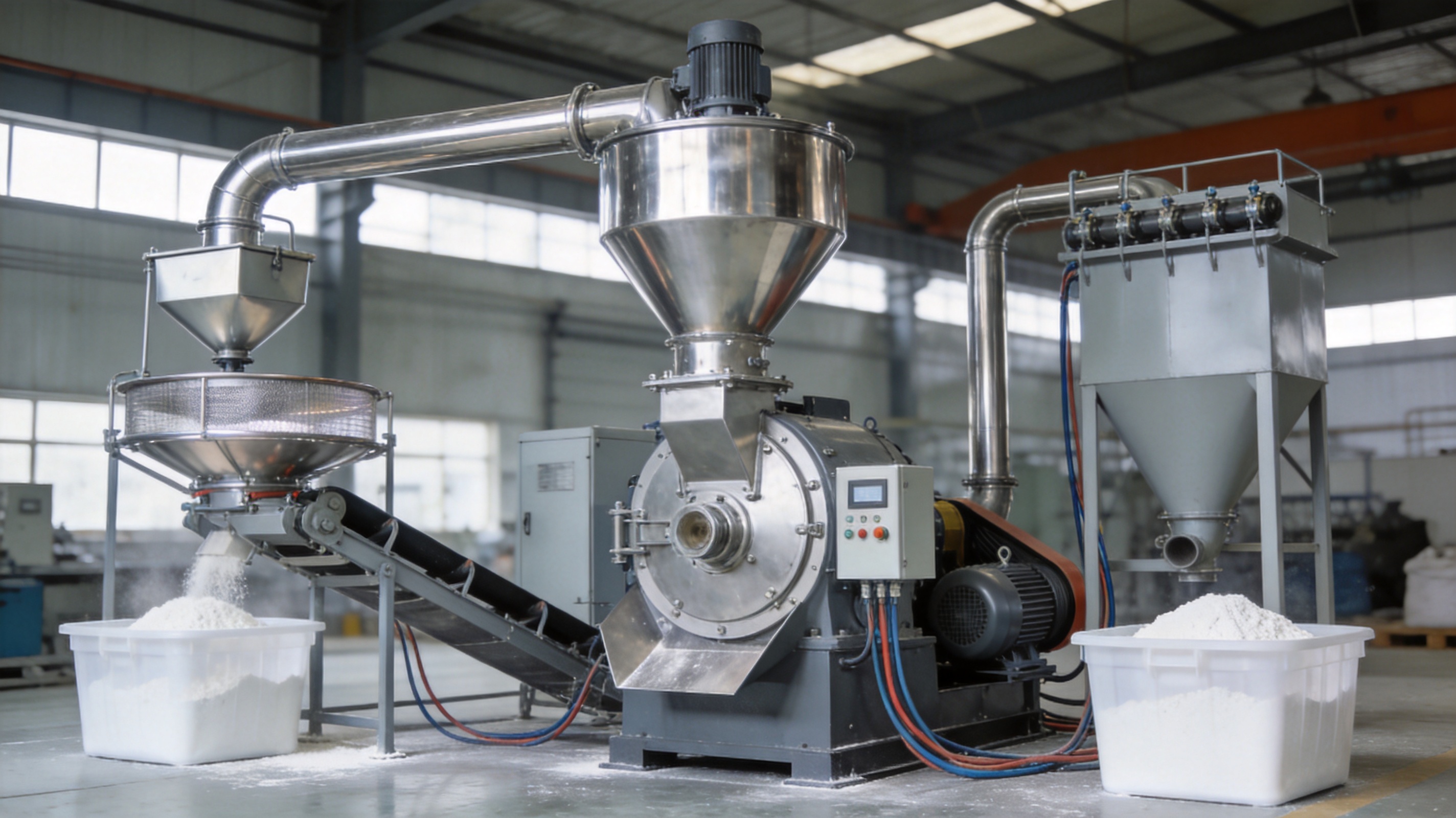
In modern rotational molding, powder quality directly determines product appearance, wall thickness consistency, mechanical strength, processing efficiency, and final rejection rate. A rotomolded water tank, pallet, trash bin, playground component, or custom hollow product may appear simple from the outside, but its success depends heavily on the behavior of polyethylene powder inside the mold. If the powder is too coarse, too uneven, thermally degraded, poorly flowing, or contaminated with dust and oversized particles, the finished product may show rough surfaces, pinholes, weak corners, uneven thickness, color inconsistency, or reduced impact resistance. For this reason, a high-performance PE rotomolding pulverizer is not merely a size reduction machine; it is a core production asset that controls powder quality, production cost, and market competitiveness.
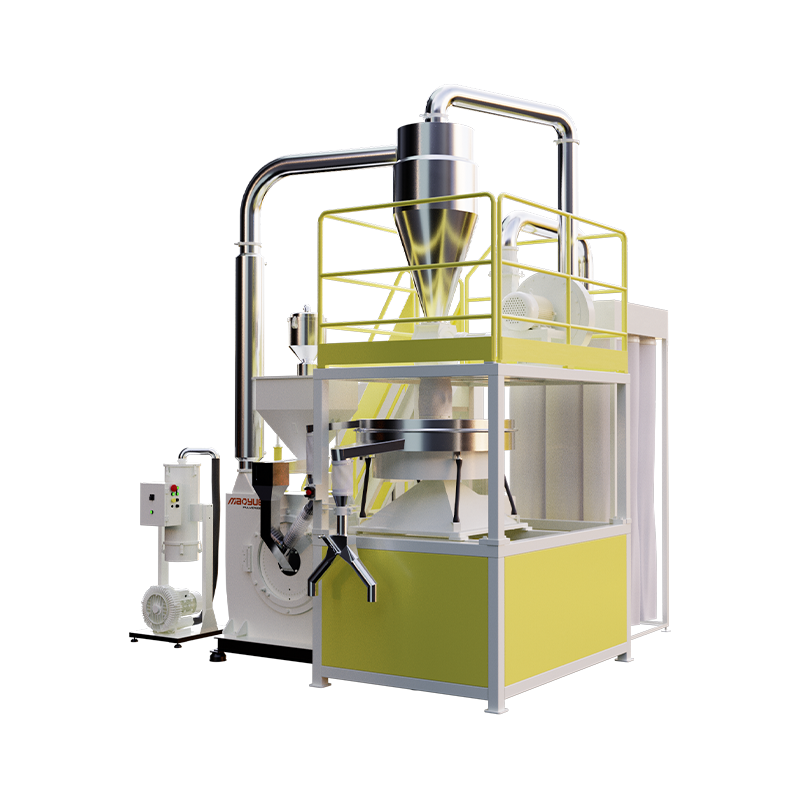
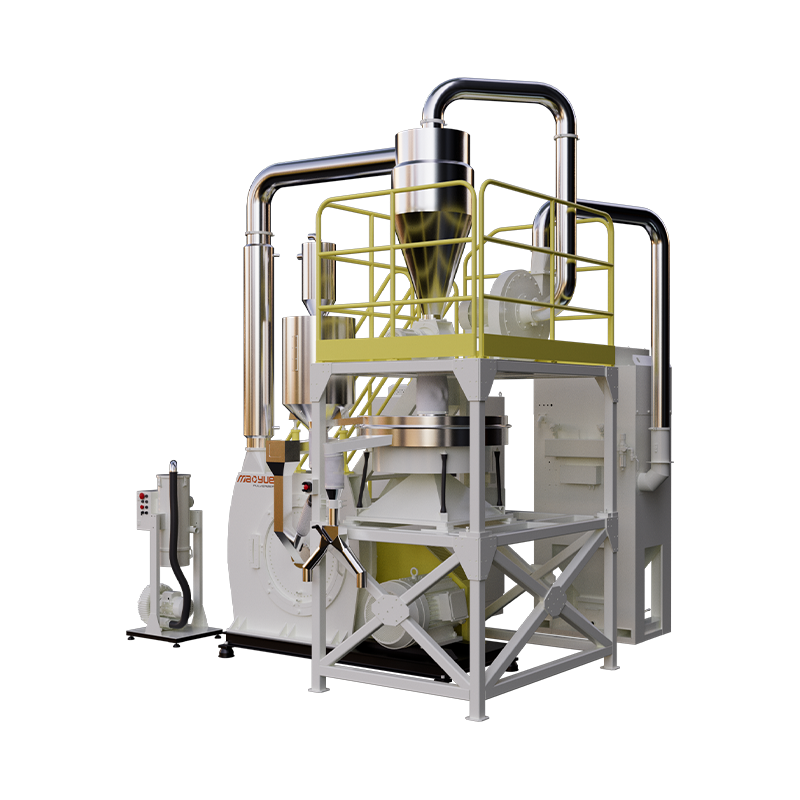
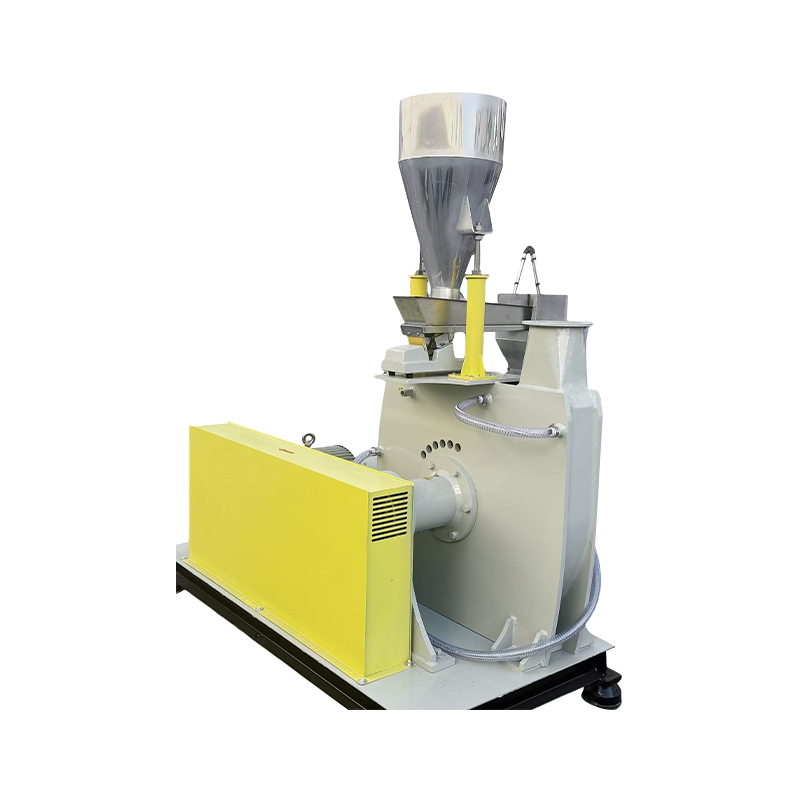
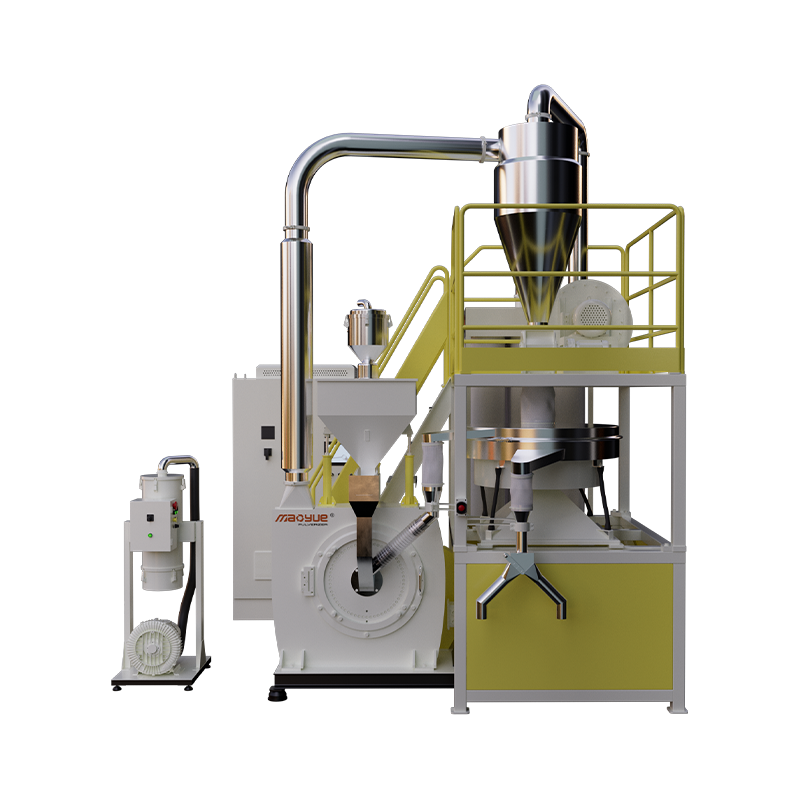
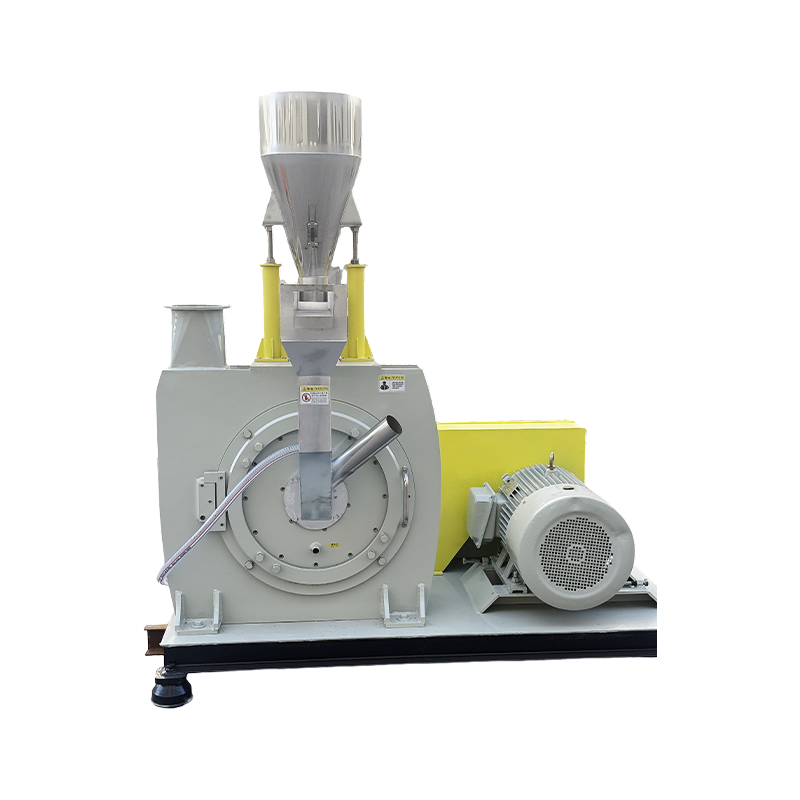
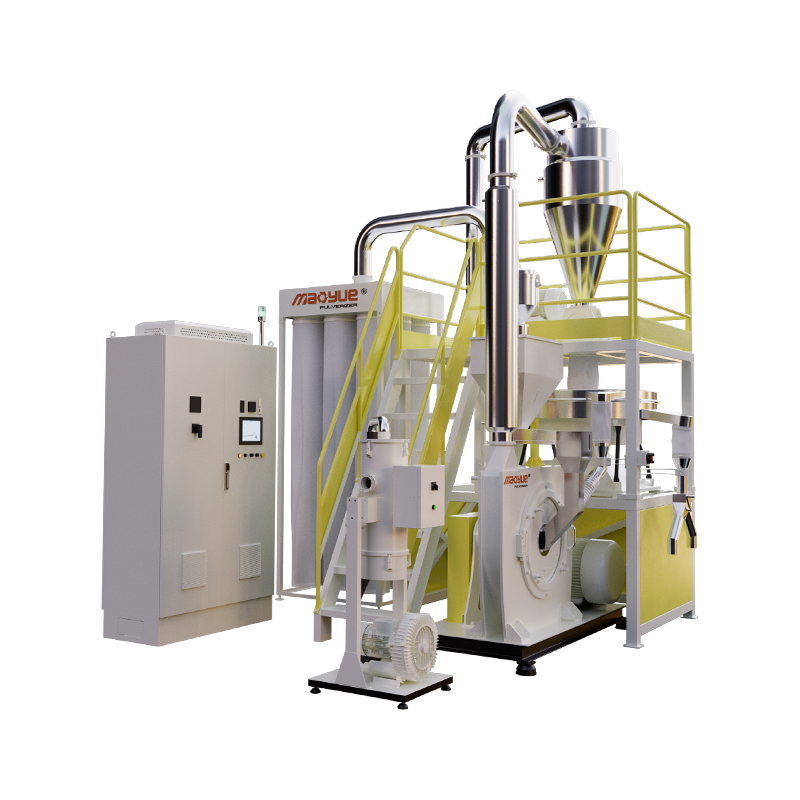
The 600-type PE rotomolding pulverizer is designed as a practical, high-stability solution for medium-to-large powder production needs. It is positioned between smaller machines that may lack sufficient throughput and larger systems that may require more space, higher investment, and more complex operating conditions. With a 600 mm grinding disc, DC53 high-grade cold-work mold steel grinding blades, precision-machined tooth geometry, water cooling, forced airflow cooling, negative-pressure conveying, and high-efficiency dust collection, the machine is engineered to deliver uniform powder, stable operation, reduced maintenance cost, and long service life.
This article explains the product’s technical value, competitive advantages, manufacturing strengths behind the equipment, and its practical role in rotomolding powder production. It also discusses why the 600-type configuration is considered a balanced choice for many manufacturers that need reliable output, strong fineness control, and long-term cost efficiency without over-investing in oversized equipment.
Why Powder Uniformity Matters in PE Rotomolding
Rotational molding is highly dependent on powder flow and heat absorption behavior. Unlike injection molding or extrusion, where polymer melt is pushed through a controlled die or cavity, rotomolding relies on powder particles tumbling, distributing, melting, and fusing along the heated inner wall of a rotating mold. The particle size distribution must therefore be narrow enough to promote even melting and smooth coverage. If particles vary too widely, finer particles may melt quickly while coarse particles remain partially unmelted, leading to defects in surface finish and internal structure.
High powder uniformity improves the consistency of wall thickness. In applications such as water tanks, chemical containers, kayaks, playground equipment, and industrial bins, wall thickness uniformity is not only a visual requirement but also a structural requirement. Weak sections caused by poor powder flow can shorten product life and increase failure risk. A pulverizer that can repeatedly produce powder within the required mesh range gives the manufacturer better control over product quality.
Powder flowability is another major factor. Good flowability allows PE powder to spread smoothly inside the mold, especially in corners, ribs, edges, and detailed geometries. Poorly pulverized material may contain excessive fines, irregular oversized particles, or thermally affected clumps. These particles can restrict flow, create local accumulation, and increase the probability of bubbles or voids. A precise pulverizing system reduces these risks by controlling grinding temperature, particle shape, and particle size distribution.
Uniform powder also contributes to higher production efficiency. When powder quality is stable, operators can use more predictable heating and cooling cycles. This helps reduce trial-and-error adjustments, shorten process stabilization time, and lower the rate of rejected finished goods. For plants producing large quantities of similar rotomolded products, powder consistency becomes a direct contributor to profitability.
Core Positioning of the 600-Type Pulverizer
The 600-type PE rotomolding pulverizer is designed for medium-to-large manufacturers that require a dependable production machine rather than a small laboratory unit. It provides a strong balance among output, fineness control, energy consumption, maintenance cost, and footprint. Compared with smaller 500-type equipment, the 600-type machine can deliver significantly stronger production capability. Compared with larger 800-type machines, it remains more flexible, easier to place in existing workshops, and more suitable for factories that need higher output without excessive capital expenditure.
The machine is especially suitable for production lines that manufacture PE rotomolding powder, recycle waste PE rotomolded products, prepare powder for medium-scale material modification, or supply powder for applications such as SPC flooring core layers and hot-melt adhesive powder. Its compact structure, typically requiring only about 6–8 square meters depending on line layout and auxiliary equipment, makes it attractive for plants with limited space but growing capacity requirements.
The 600 mm disc diameter provides a practical grinding area for industrial production. In the listed configuration, capacity is generally 180–320 kg/h under specified operating conditions, while actual output can vary according to raw material type, particle size before grinding, target mesh, moisture content, cooling efficiency, feeding stability, and customer process requirements. For PE rotomolding applications, fineness requirements often fall within ranges such as 20–60 mesh, although the machine can be configured for broader powder specifications depending on production targets.
One of the key strengths of this model is its ability to maintain consistent powder quality during continuous operation. In rotomolding powder production, momentary high output is less valuable than stable long-term output. A machine that produces acceptable powder for one hour but fluctuates after heating up will cause downstream quality instability. The 600-type system is therefore built around grinding precision, temperature control, dynamic balance, and dust containment.
Major Technical Specifications
The following table summarizes the key technical configuration of the 600-type PE rotomolding pulverizer. Final specifications may be customized according to the customer’s raw material, target powder size, workshop layout, electrical standard, and automation requirements.
Item |
Description |
Specification or Remark |
1 |
Machine type |
600-type PE rotomolding pulverizer |
2 |
Grinding disc diameter |
600 mm |
3 |
Typical capacity |
180–320 kg/h under listed configuration; actual output depends on material and mesh |
4 |
Powder fineness range |
10–50 mesh in standard listed configuration; adjustable by process setup |
5 |
Main drive motor |
45/55 kW |
6 |
Speed control options |
Star-delta start, soft start, or inverter control |
7 |
Belt pulley standard |
European-standard configuration |
8 |
Grinding blade material |
DC53 high-grade cold-work mold steel |
9 |
Blower motor |
7.5 kW |
10 |
Pipe material |
All stainless steel |
11 |
Pipe diameter |
159 mm |
12 |
Swing vibrating screen diameter |
1200 mm |
13 |
Vibrating screen motor power |
1.1 kW |
14 |
Feeding method |
Vacuum feeding |
15 |
Dust collector bag diameter |
300 mm |
16 |
Cooling method |
Water cooling with inlet and outlet circulation, combined with airflow assistance |
DC53 Grinding Discs: A Key Advantage Over Conventional Designs
The grinding disc is the heart of a PE pulverizer. It determines cutting efficiency, powder consistency, energy consumption, service life, maintenance frequency, and final powder quality. Many conventional pulverizers use standard tool steels such as D2 or materials with lower toughness. While these materials can be acceptable for basic pulverizing, they may suffer from faster edge wear, chipping, reduced tooth sharpness, and unstable powder distribution after extended operation.
The 600-type machine uses DC53 high-grade cold-work mold steel grinding discs, hardened to approximately HRC 62–64. DC53 offers excellent toughness, fatigue resistance, and anti-chipping performance. Compared with conventional D2 steel, DC53 can provide much stronger overall durability, especially under impact, high-speed grinding, and continuous production conditions. In practical terms, this means the disc teeth remain sharper for longer, the powder size distribution remains more stable, and operators spend less time stopping the line for maintenance or blade replacement.
For rotomolding powder, blade sharpness is not a minor detail. A sharp and correctly shaped grinding tooth cuts and shears the material more cleanly, while a worn tooth may crush, rub, heat, or smear the resin. Excessive rubbing increases temperature, causes powder adhesion, and can produce irregular particles or degraded fines. By maintaining edge integrity, DC53 discs help improve powder flowability and reduce the occurrence of powder clumping.
Longer disc life also improves economic performance. In many pulverizing plants, tooling cost is a hidden but substantial expense. Frequent disc replacement increases not only purchasing cost but also machine downtime, labor cost, and production scheduling pressure. A disc life that is 1.5–2.5 times longer than ordinary discs can significantly reduce long-term operating expenses. For customers running multiple shifts or continuous production, the savings become even more meaningful.
Precision Tooth Grinding and Micron-Level Consistency
A high-quality steel material alone is not enough. The geometry of every tooth on the grinding disc must be accurate, repeatable, and properly matched to the material being processed. Tooth angle, tooth depth, cutting edge sharpness, clearance, and surface finish all influence powder particle size and machine stability. Even small deviations among teeth can produce uneven grinding forces, vibration, heat accumulation, and broad particle size distribution.
Changzhou Mao Yue Intelligent Equipment Co., Ltd. uses imported Taiwanese professional CNC tool grinders built to high precision standards for tooth-by-tooth grinding. This process allows the company to control blade angles and cutting profiles with high repeatability. Micron-level consistency in tooth geometry helps ensure that the grinding disc works as a balanced cutting system rather than a collection of uneven cutting points.
This manufacturing advantage is important when comparing the machine with lower-cost alternatives. Some competing pulverizers may appear similar externally but use less precise blade machining. The result may be acceptable at the beginning, but after prolonged use, the powder distribution often becomes unstable, vibration increases, and output drops. Precise grinding disc manufacturing reduces these risks and supports consistent operation.
For customers, the benefit appears in downstream production. Narrower particle size distribution helps improve powder flow, mold coverage, melting uniformity, and finished product surface quality. It also reduces the possibility of oversize particles causing visible surface roughness or weak fusion. When making products with strict quality requirements, such as large tanks, industrial containers, or high-value custom moldings, powder uniformity can decide whether the final product passes inspection.
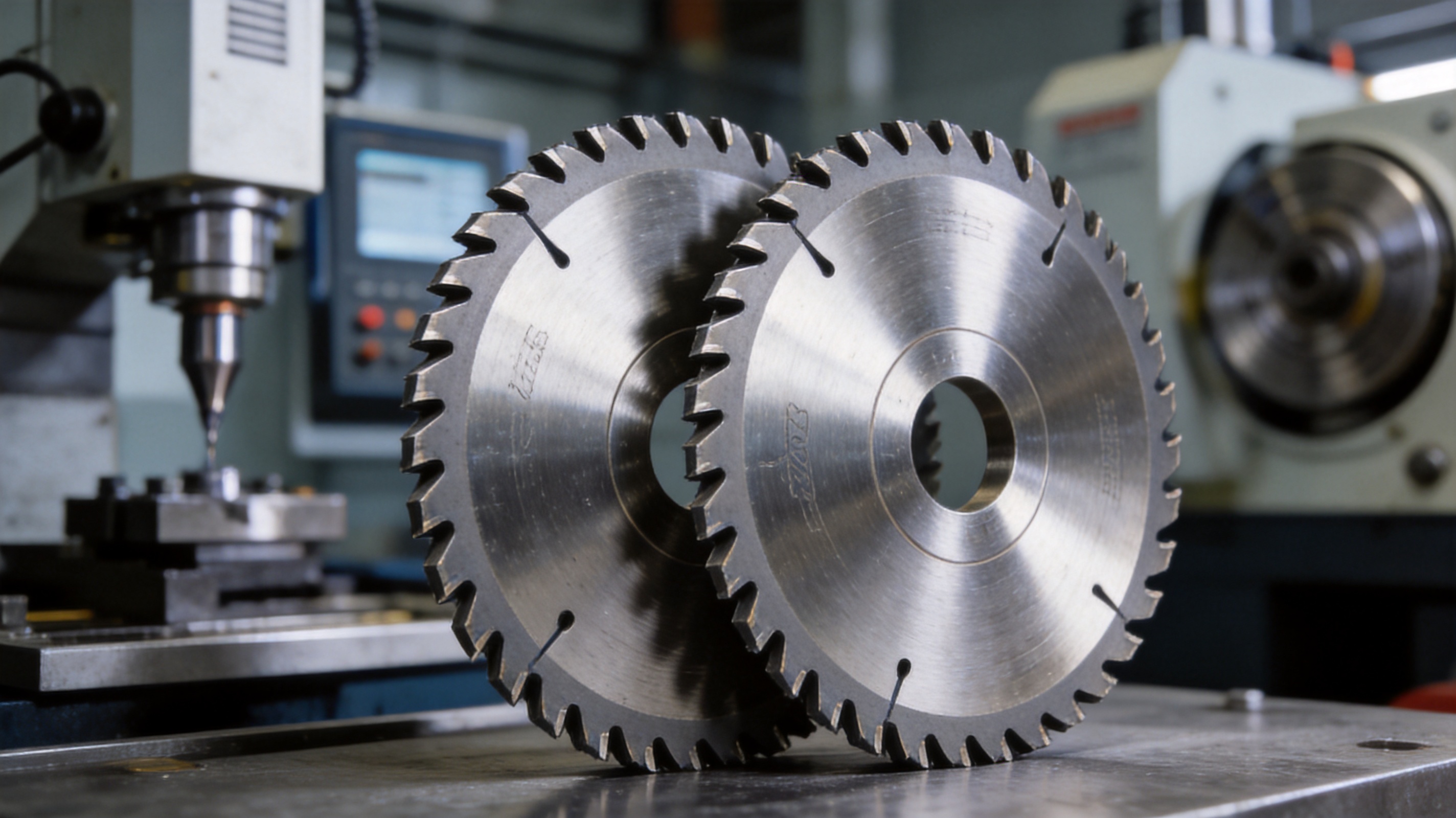
Professional Disc Refurbishing for Lower Lifecycle Cost
Grinding discs are consumable components, but they should not always be treated as disposable components. One practical advantage of this equipment system is support for professional refurbishing of dulled discs. When the tooth edge becomes worn after extended operation, the disc can often be restored through controlled regrinding, provided that the disc structure remains suitable for refurbishment.
Professional refurbishing can cost only about one-quarter to one-third of the price of new discs, depending on condition and specification. This offers a clear long-term cost advantage, especially for plants that process large quantities of PE powder throughout the year. Instead of frequently buying new grinding discs, customers can establish a planned disc maintenance cycle that restores cutting performance while controlling tooling expense.
Refurbishing must be performed with the same attention to precision as new disc manufacturing. If a worn disc is casually ground without accurate angle control and balancing, the resulting disc may create vibration, uneven powder, and shortened service life. The company’s ability to perform professional refurbishment using specialized grinding equipment gives customers a more complete service solution. It also reduces the uncertainty that many plants face when trying to maintain pulverizer performance over many years.
This lifecycle approach distinguishes a strong equipment manufacturer from a simple machine seller. A pulverizer is not only a purchase; it is a production relationship that includes installation, operating adjustment, spare parts, disc maintenance, training, and technical support. Customers benefit when the manufacturer understands both machine design and long-term operational realities.
Dynamic Balancing for Low Vibration and Continuous Operation
High-speed pulverizing requires strict control of rotating component balance. Even a small imbalance in a large-diameter grinding disc can generate vibration, noise, bearing stress, uneven wear, and unstable powder output. Over time, vibration can damage mechanical components, loosen fasteners, increase maintenance costs, and shorten machine life. It can also affect the comfort and safety of operators working near the machine.
Each disc in the 600-type pulverizer system is dynamically balanced using high-precision German-imported balancing equipment. Dynamic balancing ensures that the disc rotates smoothly at operating speed and that centrifugal forces are controlled. The result is a machine capable of stable operation with significantly reduced vibration.
The well-known “coin-standing” level of stability often used to demonstrate smooth operation reflects more than a marketing claim. It indicates careful control of mechanical alignment, disc balance, motor transmission, bearing quality, and structural rigidity. A pulverizer with low vibration can run more reliably over long shifts and maintain more stable particle size distribution.
Noise control is another benefit. With proper balancing, structural design, and airflow management, the machine can keep operating noise below 85 dB under suitable conditions. This is valuable for workshops that prioritize worker comfort and occupational health. Lower noise also suggests reduced mechanical shock and smoother power transmission.
Compared with competitors that may skip precise balancing or perform only basic static balancing, the 600-type machine offers a stronger foundation for continuous 24/7 operation. For industrial customers, this translates into fewer unexpected shutdowns, more predictable maintenance, and improved confidence in long-term production scheduling.
Temperature Control: Preventing Sticking, Clumping, and Degradation
PE pulverizing is sensitive to temperature. During grinding, mechanical energy is converted into heat. If the grinding chamber temperature rises too high, PE particles can soften, stick to the disc, accumulate inside the chamber, or form clumps. Excessive heat may also reduce powder flowability and, in severe cases, contribute to material degradation. Once powder is thermally affected, it may behave unpredictably during rotomolding.
The 600-type pulverizer uses a standard water-cooling jacket combined with forced air cooling. This dual cooling system helps control the temperature of the grinding chamber and removes heat generated during cutting. Multi-point temperature sensors and PLC intelligent control can be used to monitor conditions and maintain grinding chamber temperature within a suitable range, commonly around 50–80°C depending on process requirements and material characteristics.
Stable temperature control protects both powder quality and machine efficiency. When the chamber remains in the correct temperature range, the material is cut more cleanly, the powder flows more freely, and the machine avoids buildup that would otherwise require frequent cleaning. This is particularly important for continuous production, where heat accumulation over time can gradually change powder characteristics even if the machine performs well during initial startup.
Compared with simple pulverizers that rely mainly on airflow without sufficient cooling control, the dual cooling design provides stronger process reliability. It reduces the probability of shutdowns caused by sticking or clogging and helps maintain consistent output across long operating periods. For plants making powder for high-end rotomolding applications, this control is a key competitive advantage.
Negative-Pressure Conveying and High-Efficiency Dust Collection
Dust control is essential in plastic pulverizing. Fine polymer powder can spread through the workshop if not properly collected, creating housekeeping challenges, worker exposure concerns, and potential safety risks. Dust loss also reduces material yield and may affect compliance with environmental requirements. A modern pulverizing line must therefore integrate effective conveying and filtration rather than treating dust collection as an optional accessory.
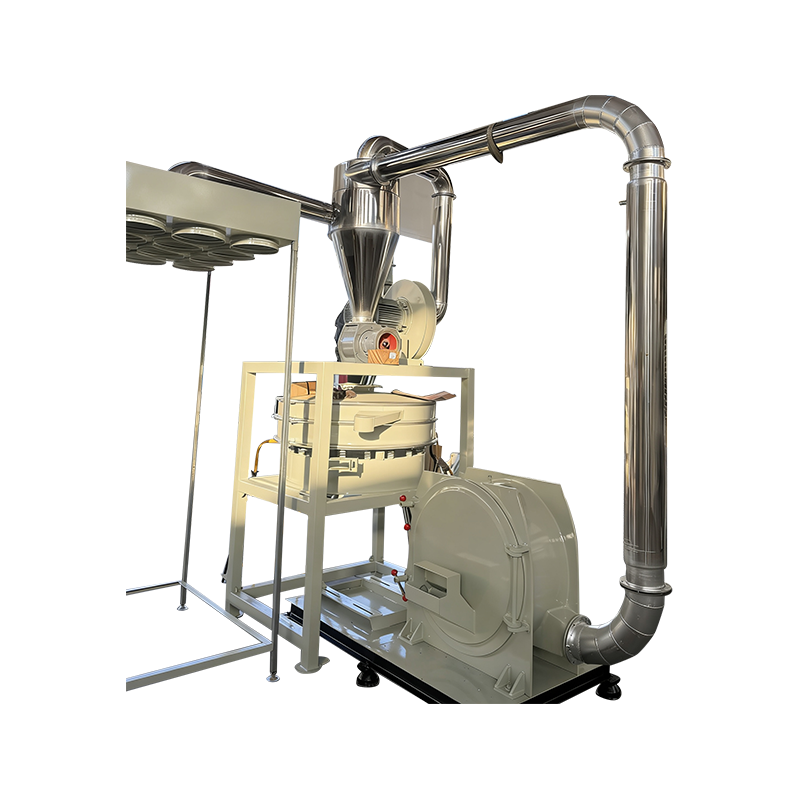
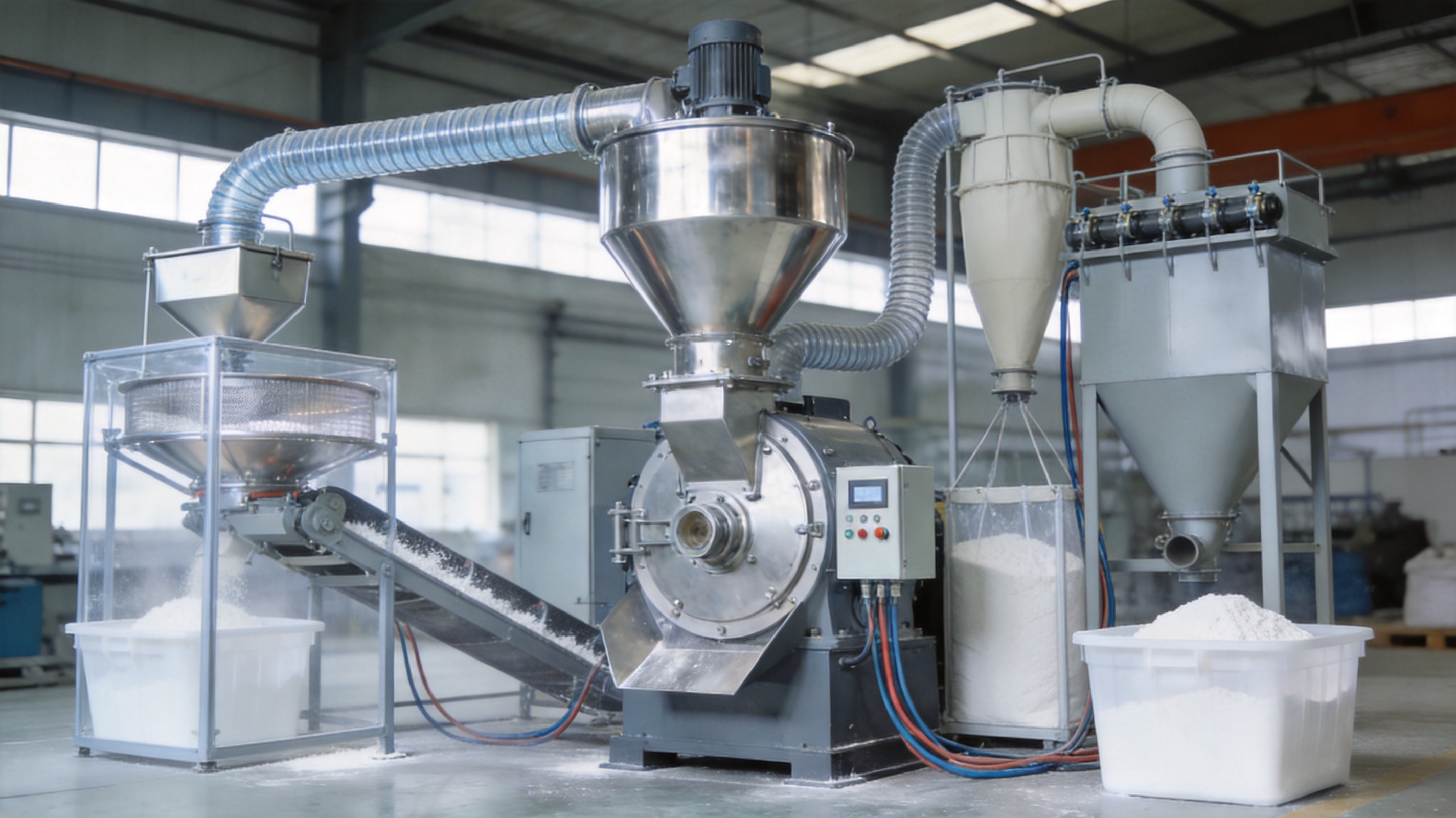
The 600-type system uses fully enclosed negative-pressure airflow conveying combined with a high-efficiency pulse bag dust collector. Negative pressure helps prevent powder leakage at transfer points by drawing material into the conveying system instead of allowing it to escape. The pulse bag dust collector captures fine particles and keeps the workshop cleaner. With a dust capture rate greater than 99.9% under proper configuration and maintenance, the system supports near-zero visible dust emission and helps meet environmental production standards.
Clean production brings several advantages. First, it improves working conditions for employees. Operators are less exposed to airborne powder, and the surrounding workshop remains easier to maintain. Second, it protects electrical components and mechanical parts from powder accumulation. Third, it improves material utilization by recovering fine powder that might otherwise be lost. Fourth, it demonstrates a professional manufacturing environment to customers, auditors, and regulatory inspectors.
For companies competing in international markets, dust control is increasingly important. Buyers and partners often evaluate not only product price but also production safety, environmental compliance, and factory management. A pulverizing line with enclosed conveying and efficient dust collection helps manufacturers align with modern industrial expectations.
Vacuum Feeding and Stainless Steel Conveying Path
The standard configuration includes vacuum feeding, which improves feeding stability and reduces manual labor. Stable feeding is crucial for uniform pulverizing. If the feed rate fluctuates too much, the load on the grinding chamber changes, causing variations in temperature, particle size, and motor current. Vacuum feeding helps create a more controlled material supply and supports continuous operation.
The system also uses stainless steel piping. Stainless steel helps maintain cleanliness, reduces contamination risk, and improves durability. For powder production, internal surfaces should be smooth and resistant to wear or corrosion. Clean conveying surfaces are especially important when producing powder for applications requiring color consistency or low contamination. Stainless steel piping also supports professional workshop standards and easier cleaning.
The 159 mm pipe diameter and 7.5 kW blower motor are selected to support efficient airflow conveying for the 600-type system. Proper airflow design must balance conveying speed, dust capture, powder separation, and energy use. If airflow is too weak, powder may settle in pipes or cause blockages. If airflow is excessive, it may increase energy consumption and affect separation efficiency. A correctly engineered system contributes to stable production and lower operating trouble.
Screening System for Powder Classification
After grinding, powder must be classified to ensure that only particles within the desired size range move to final collection. The 600-type machine uses a swing vibrating screen with a diameter of 1200 mm and a 1.1 kW vibrating screen motor in the listed configuration. Screening separates acceptable powder from oversized particles, which may be returned for further grinding depending on line design.
Screening quality affects final powder consistency. A poorly designed screen may blind quickly, leak oversized particles, or create bottlenecks. A correctly sized vibrating screen improves separation efficiency and helps maintain stable powder specification. For rotomolding powder, this is critical because oversize particles can cause surface defects while excessive fines can affect flow and melting behavior.
The swing vibrating screen provides a practical classification solution for medium-to-high output production. It works together with the grinding disc, cooling system, and airflow conveying system to create a complete powder production process. The pulverizer should not be evaluated only by grinding chamber capacity; the downstream screen and dust collector must also be sized correctly to avoid limiting the entire line.
Energy Efficiency and Return on Investment
Energy consumption is a major cost factor in powder production. The 600-type pulverizer uses a 45/55 kW main drive motor, with starting and speed control options including star-delta start, soft start, or inverter control. The choice of control method can be adapted according to customer requirements, electrical supply, automation level, and production strategy.
Compared with underpowered machines that struggle to maintain output, the 600-type system provides sufficient power for stable industrial grinding. At the same time, it avoids the higher energy and investment requirements of oversized equipment when such capacity is not necessary. This balance is one reason the machine can offer a typical return-on-investment period of approximately 6–12 months in suitable production environments.
ROI is generated from multiple sources. Higher throughput increases saleable powder output. Better powder uniformity reduces rotomolding reject rates. Longer disc service life reduces spare parts cost. Professional disc refurbishment lowers tooling expenditure. Stable temperature control reduces downtime from sticking and cleaning. Efficient dust collection improves material recovery and workshop conditions. Together, these factors can produce measurable savings beyond the initial purchase price.
When comparing competing pulverizers, buyers should avoid focusing only on upfront price. A cheaper machine with frequent blade changes, unstable powder, high dust loss, excessive noise, and poor cooling may become more expensive over time. The 600-type configuration is designed to reduce lifecycle cost through stronger core components and better process control.
Applications in Medium-to-Large Rotomolding Production
The primary application of this pulverizer is PE rotomolding powder production. It is suitable for manufacturers producing medium-to-large volumes of powder for water tanks, pallets, trash bins, road barriers, playground equipment, outdoor furniture, storage containers, marine products, and industrial hollow parts. These products often demand powder with good flowability and uniformity because the finished parts are large, structurally important, and visible to customers.
The machine is also useful for suppliers that produce rotomolding powder for external customers. Powder suppliers must meet different requirements for mesh size, flow rate, bulk density, color, additive content, and material grade. A stable pulverizer allows them to supply consistent batches and reduce customer complaints. For high-volume supply, powder consistency becomes a key reputation factor.
Another important application is recycling and re-pulverizing waste PE rotomolded products. Trim waste, rejected parts, and end-of-life PE products can be crushed and pulverized for reuse in suitable applications. Recycling requires careful control because recycled material may have different thermal history and mechanical properties. A stable pulverizer with effective cooling and classification helps improve the usability of recycled powder.
The machine can also support powder preparation for SPC flooring core layer materials, hot-melt adhesive powder, modified plastics, functional masterbatch, and pilot-scale formula development. In these fields, particle size distribution affects blending, melting, bonding, and processing stability. The 600-type system is therefore not limited to one narrow application but can serve broader plastic powder production needs.
Advantages Over Common Competitor Machines
Many pulverizers on the market advertise similar capacity or mesh ranges, but real performance depends on hidden engineering details. The 600-type machine offers several advantages over common competitor designs. The first is the use of DC53 grinding discs rather than ordinary steel. This improves toughness, wear resistance, and edge life, reducing the frequency of replacement and helping maintain stable powder quality.
The second advantage is precision tooth grinding. Imported CNC tool grinding equipment enables tooth-by-tooth accuracy, which contributes to uniform cutting and narrow particle size distribution. Competitor machines with less precise machining may produce broader powder distribution, higher vibration, and more inconsistent performance after the initial running period.
The third advantage is dynamic balancing with German-imported balancing equipment. High-speed disc pulverizers demand excellent balance. Machines that are not precisely balanced may develop vibration, bearing stress, noise, and uneven disc wear. The 600-type system’s focus on balancing supports smoother and more reliable continuous operation.
The fourth advantage is dual cooling. Water cooling plus forced air cooling provides stronger temperature control than simple airflow-only designs. This is especially important for PE, which may soften and stick when overheated. Better cooling means less clumping, better flowability, and more stable powder quality.
The fifth advantage is environmental control. Fully enclosed negative-pressure conveying and pulse bag dust collection reduce dust emission, improve workshop cleanliness, and protect workers. In modern manufacturing, dust control is not optional; it is part of responsible and efficient production.
The sixth advantage is lifecycle support. Professional disc refurbishing and technical service help customers maintain machine performance over many years. A competitor may sell replacement discs, but not every supplier can restore discs accurately and cost-effectively. This service capability can greatly reduce total ownership cost.
Advanced Manufacturing Strength Behind the Equipment
Changzhou Mao Yue Intelligent Equipment Co., Ltd. is a source manufacturer with 30 years of experience in plastic crushing and pulverizing equipment. The company has developed equipment for industries including rotational molding, masterbatch, polymers, PVC, PE, recycling, and powder coating. This long experience allows the company to understand not only machine construction but also material behavior and customer production challenges.
The company operates six processing workshops, each averaging about 1,400 square meters. This manufacturing scale supports component processing, assembly, testing, and customization. A larger workshop base also helps control production schedules and component quality because critical processes can be managed internally instead of fully outsourced.
Advanced manufacturing equipment is an important part of the company’s strength. Taiwan-imported high-precision grinding machines built to German standards are used for accurate disc processing. German dynamic balancing equipment supports smooth high-speed rotation. Japanese welding systems contribute to structural consistency and stable fabrication quality. These manufacturing resources help ensure that finished machines are not only visually complete but mechanically reliable.
The company emphasizes European quality standards in component manufacturing. This approach can be seen in the attention to pulleys, grinding disc materials, balance, machine structure, and production details. For buyers comparing suppliers, this manufacturing philosophy matters because pulverizers are high-load machines. Small compromises in steel quality, alignment, welding, or balance may lead to major problems during continuous operation.
Certification also supports customer confidence. The company has obtained CE mechanical certification and ISO 9001 quality management system certification. CE certification relates to machine safety and compliance expectations, while ISO 9001 reflects standardized quality management. These certifications are important for customers exporting equipment, building formal production lines, or requiring supplier qualification documentation.
Quality Control From Component to Complete Machine
A reliable pulverizer is built through controlled steps. The process begins with material selection. For critical components such as grinding discs, steel quality and heat treatment must be carefully managed. DC53 steel must be properly processed to achieve the desired hardness and toughness combination. Inadequate heat treatment could reduce the advantage of the material, so professional manufacturing discipline is essential.
After material preparation, precision machining defines the functional geometry. Grinding disc teeth are processed to achieve consistent cutting profiles. Mounting surfaces, center holes, and connection points must also be accurate to ensure correct assembly and balance. Poor machining in any of these areas can cause vibration or uneven loading.
Dynamic balancing is then performed to reduce rotational forces. This step is especially important for the 600 mm disc size because larger rotating parts magnify the effects of imbalance. Balanced discs protect bearings, improve operating smoothness, and reduce noise.
Machine structure fabrication must also be controlled. Strong welding, correct frame geometry, and stable assembly influence long-term performance. If the machine frame is not rigid, vibration may increase and component alignment may shift. Japanese welding systems and experienced technicians help support structural reliability.
Finally, complete machine testing verifies that the equipment operates as intended. Motor function, feeding stability, airflow, screen operation, dust collection, cooling circulation, and control logic should all be checked before delivery. This integrated approach helps reduce installation problems and allows customers to start production more smoothly.
Operating Stability in 24/7 Production
Many industrial customers need equipment that can run across multiple shifts. Continuous operation places strong demands on bearings, belts, discs, motors, cooling systems, dust collectors, and control components. A machine designed only for intermittent use may overheat, vibrate, or lose powder consistency during prolonged operation.
The 600-type pulverizer is built for reliable long-term production. Low vibration reduces mechanical fatigue. DC53 discs maintain sharpness longer. Cooling systems prevent heat accumulation. Dust collection keeps powder moving and reduces environmental buildup. Stainless steel piping and vacuum feeding support stable material transfer. Together, these elements create a machine suitable for demanding production schedules.
Continuous operation also requires predictable maintenance. Operators should monitor disc wear, bearing temperature, motor current, screen condition, dust collector pressure, cooling water flow, and powder quality. Because the machine is designed with stable core components, routine maintenance can be planned rather than reactive. Planned maintenance is far less costly than emergency downtime.
For factories supplying powder to their own rotomolding lines, pulverizer downtime can stop downstream molding production. For powder suppliers, downtime can delay customer deliveries. Therefore, stable operation is not only a technical issue; it is a supply chain issue. A dependable 600-type pulverizer helps protect production continuity.
Powder Quality and Downstream Product Improvement
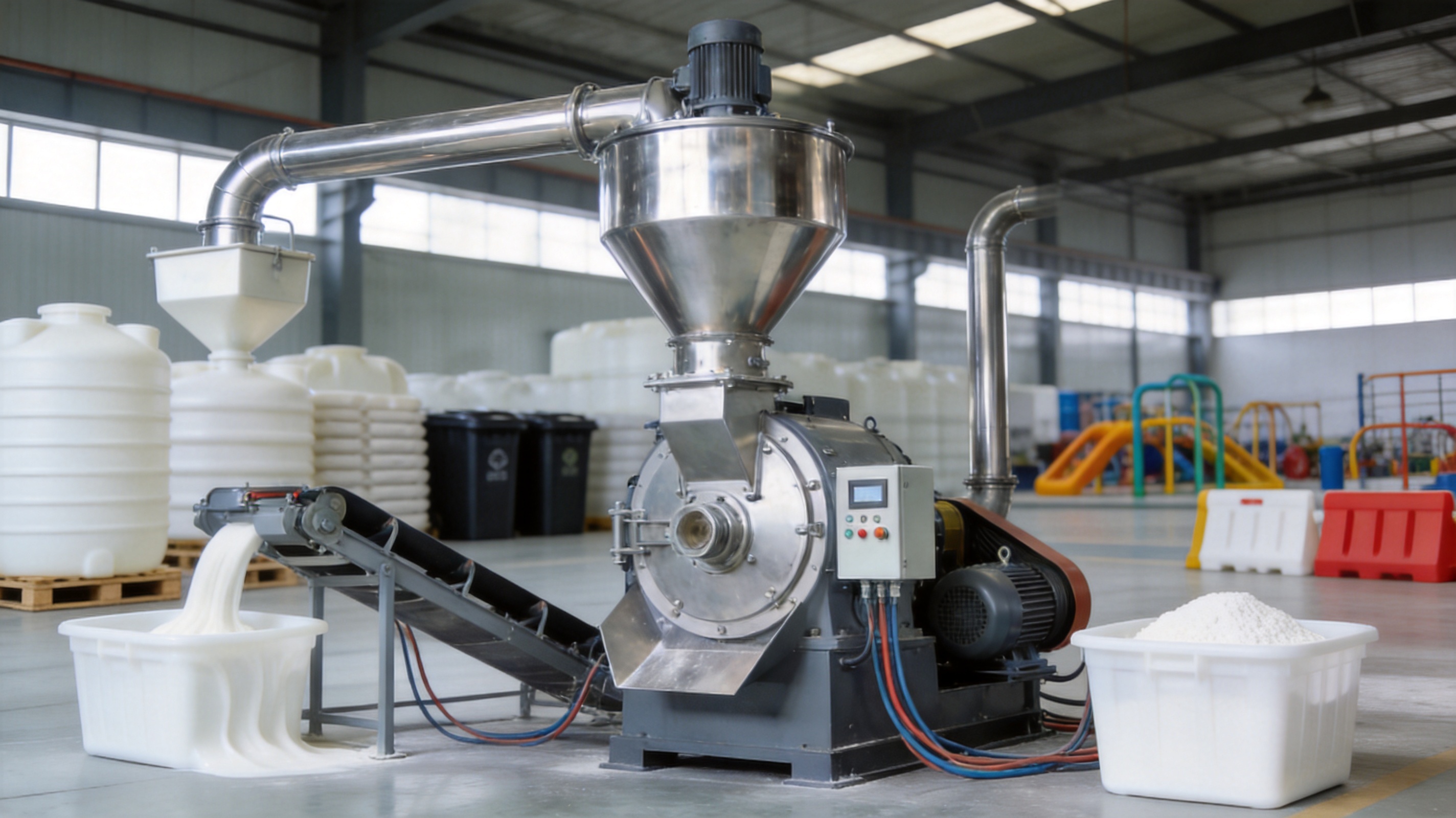
The greatest value of the pulverizer is seen in finished rotomolded products. When powder size distribution is narrow and flowability is strong, the mold is coated more evenly during heating. This reduces rough surfaces, thin spots, and weak fusion. Products can achieve more consistent thickness, better appearance, improved impact performance, and fewer defects.
Uniform powder also helps reduce operator adjustments. If powder behavior changes from batch to batch, operators must modify heating time, oven temperature, cooling time, or mold rotation parameters. This creates instability and increases labor dependence. Stable powder allows the rotomolding process to become more standardized and repeatable.
In competitive markets, product appearance matters. Customers often judge rotomolded products by surface smoothness, color consistency, and perceived strength. Powder defects can damage brand reputation even if the molding machine itself is advanced. A high-quality pulverizer therefore supports the entire value chain from raw material preparation to final product sales.
Customization and Process Matching
Different customers have different raw materials and production goals. Some process virgin LLDPE, HDPE, or modified PE. Others process recycled PE, colored compounds, masterbatch blends, or special functional materials. Each material may require different feeding rates, disc clearances, cooling settings, screen mesh, and airflow conditions.
The 600-type pulverizer can be configured with different speed control methods, cooling arrangements, screening requirements, and automation levels. Inverter control may be selected when flexible speed adjustment is required. Soft start may be used to reduce electrical shock during startup. Vacuum feeding, stainless steel piping, and dust collection can be arranged according to workshop layout.
Customization is important because a pulverizer should be integrated into the customer’s production reality, not treated as a one-size-fits-all product. A manufacturer with deep experience can analyze raw material properties, target mesh, expected output, available power, floor space, and environmental requirements before recommending the correct configuration.
Installation, Training, and Maintenance Considerations
Successful pulverizer operation depends on proper installation. The machine should be placed on a stable foundation with sufficient space for feeding, screening, dust collection, maintenance access, and safe operation. Electrical wiring should match motor power and local standards. Cooling water supply must provide stable flow and temperature. Airflow ducts and dust collector connections should be sealed to maintain negative pressure.
Operator training is also essential. Operators should understand startup sequence, feed rate control, temperature monitoring, screen inspection, dust collector cleaning, emergency stop procedures, and daily maintenance. They should know how powder quality reflects machine condition. For example, an increase in oversized particles may indicate screen issues or disc wear, while clumping may indicate overheating or excessive feed rate.
Maintenance should include regular inspection of grinding discs, belts, bearings, blower, screen mesh, dust collector bags, cooling water lines, and electrical controls. Disc clearance and wear condition should be monitored carefully. When discs become dull, professional refurbishment can restore performance and reduce cost. Dust collector bags should be cleaned or replaced according to pressure and filtration condition.
With correct operation and maintenance, the 600-type pulverizer can provide stable production for many years. The combination of strong manufacturing quality and disciplined daily management produces the best result.
Why the 600-Type Model Is a Balanced Investment
For many medium-to-large rotomolding plants, choosing equipment size is a strategic decision. A small machine may have a lower initial price, but it can become a bottleneck as production grows. Operators may need to run longer shifts, accept slower powder preparation, or purchase additional small units. This increases labor and maintenance complexity.
A very large machine may offer high output but requires greater investment, more floor space, stronger electrical supply, and possibly higher operating cost. If production demand does not fully use the machine, the return on investment may be slower. Oversized equipment can also be less flexible for frequent material changes or smaller batches.
The 600-type pulverizer provides a middle path. It offers industrial-level performance with a manageable footprint and power requirement. It can serve growing factories, established rotomolding manufacturers, powder suppliers, and recycling operations. It is large enough to support serious production but not so large that it becomes difficult to integrate.
This balanced positioning is one reason the machine is described as a golden configuration for mid-to-high-end capacity. It helps factories improve powder quality and output without taking unnecessary investment risk. When combined with lower blade costs, reduced rejects, energy efficiency, and improved productivity, the machine can deliver strong economic value.
Q&A Section
Q1: What type of material is this pulverizer mainly designed for?
It is mainly designed for PE rotomolding powder production, including polyethylene materials used for water tanks, pallets, trash bins, playground equipment, industrial containers, and other rotomolded products. It can also be adapted for related plastic powder applications such as recycled PE, modified plastics, masterbatch-related powder, SPC flooring core layer powder, and hot-melt adhesive powder depending on configuration.
Q2: Why is powder uniformity so important in rotational molding?
Rotational molding depends on powder flowing, melting, and fusing along the inner wall of a heated mold. If the powder particle size is uneven, melting becomes inconsistent and may cause rough surfaces, uneven wall thickness, weak fusion, pinholes, or reduced product strength. Uniform powder improves product quality and processing stability.
Q3: What makes DC53 grinding discs better than ordinary discs?
DC53 high-grade cold-work mold steel offers strong toughness, fatigue resistance, and anti-chipping performance. With hardness around HRC 62–64, it keeps cutting edges sharp for longer and can provide a service life significantly longer than many ordinary steel discs. This reduces replacement frequency, improves powder consistency, and lowers long-term tooling cost.
Q4: How does the machine control grinding temperature?
The machine uses a water-cooling jacket and forced airflow cooling. Multi-point temperature monitoring and intelligent control can help maintain the grinding chamber within a suitable temperature range. Proper temperature control prevents PE from overheating, sticking, clumping, or losing flowability.
Q5: What is the typical capacity of the 600-type pulverizer?
In the listed configuration, typical capacity is about 180–320 kg/h. Actual output depends on material type, feed particle size, target mesh, moisture content, cooling condition, feeding stability, and process setup. Capacity can vary according to customer production requirements and machine configuration.
Q6: Can worn grinding discs be reused?
Yes, worn discs can often be professionally refurbished if their condition allows. Proper refurbishment restores cutting geometry and can cost only about one-quarter to one-third of new discs. This helps reduce lifecycle cost and maintain production performance.
Q7: How does the pulverizer reduce dust in the workshop?
The system uses fully enclosed negative-pressure airflow conveying and a high-efficiency pulse bag dust collector. This design captures fine powder, reduces leakage, improves workshop cleanliness, protects workers, and supports environmental compliance.
Q8: Why is dynamic balancing necessary?
Dynamic balancing reduces vibration in high-speed rotating discs. Lower vibration protects bearings, improves powder consistency, reduces noise, and supports continuous operation. It is especially important for a 600 mm disc machine used in industrial production.
Q9: Is this machine suitable for continuous operation?
Yes. The machine is designed for stable industrial operation, supported by precision grinding discs, dynamic balancing, strong cooling, enclosed conveying, dust collection, and durable manufacturing. Proper installation and maintenance are necessary to achieve long-term continuous performance.
Q10: What company manufactures this pulverizer?
The machine is manufactured by Changzhou Mao Yue Intelligent Equipment Co., Ltd., a source manufacturer with 30 years of experience in plastic crushing and pulverizing equipment. The company has advanced processing workshops, precision grinding equipment, German dynamic balancing equipment, Japanese welding systems, CE certification, and ISO 9001 quality management certification.
Conclusion
The 600-type PE rotomolding pulverizer is a high-value solution for manufacturers that need stable powder quality, practical output, long tool life, and efficient operation. Its strengths are not limited to capacity; they include DC53 grinding discs, precision tooth grinding, professional disc refurbishment, dynamic balancing, dual cooling, negative-pressure conveying, stainless steel piping, effective screening, and high-efficiency dust collection.
For rotomolding manufacturers, powder quality is the foundation of finished product quality. A pulverizer that produces uniform, free-flowing, temperature-controlled powder can reduce defects, improve appearance, stabilize wall thickness, and increase production efficiency. For powder suppliers and recycling operations, stable pulverizing performance improves batch consistency and customer satisfaction.
Compared with ordinary competitor machines, the 600-type system offers stronger lifecycle value through durable components, advanced manufacturing processes, cleaner production, and lower maintenance cost. Backed by the manufacturing experience and technical capabilities of Changzhou Mao Yue Intelligent Equipment Co., Ltd., it provides a reliable path for medium-to-large manufacturers seeking to improve powder production performance and long-term profitability.
References
1. Crawford, R. J., and Throne, J. L. Rotational Molding Technology. Plastics Design Library.
2. Rosato, D. V., Rosato, D. V., and Rosato, M. G. Plastics Processing Data Handbook. Springer.
3. Strong, A. B. Plastics: Materials and Processing. Pearson.
4. Harper, C. A. Handbook of Plastics Technologies. McGraw-Hill.
5. Osswald, T. A., and Menges, G. Materials Science of Polymers for Engineers. Hanser Publishers.
6. ISO 9001 Quality Management Systems: Requirements and Application Guidelines.
7. CE Machinery Safety Principles and General Requirements for Industrial Equipment.