

 English
 русский
 Español
 عربى
عربى 中文简体
中文简体
 中文简体
中文简体
Content
- 1 Why PA and PP Pulverizing Requires a Purpose-Built System
- 2 Core Product Advantages Over Conventional Competitors
- 3 Technical Specification Overview
- 4 Ambient Temperature Grinding Without Liquid Nitrogen
- 5 Grinding Disc Engineering and Wear Resistance
- 6 Intelligent Temperature Control and Powder Quality
- 7 Fineness Uniformity and Screening Integration
- 8 Application in PA Engineering Plastic Recycling
- 9 Application in PP Film and Injection Part Regeneration
- 10 Application in Laboratory, R&D, and Pilot Production
- 11 Entry-Level Powder Coating and Surface Application Trials
- 12 Manufacturing Strength Behind the Machine
- 13 How Manufacturing Precision Improves Daily Operation
- 14 Flexible Configuration for Real Factory Conditions
- 15 Total Cost of Ownership Compared With Competitors
- 16 Operation, Maintenance, and Material Changeover
- 17 Quality Assurance and International Buyer Confidence
- 18 Best-Fit Users and Production Scenarios
- 19 Recommended Process Flow
- 20 Q&A Section
- 20.1 Does this grinder really operate without liquid nitrogen?
- 20.2 What materials can it process?
- 20.3 What powder fineness can be achieved?
- 20.4 What is the typical capacity?
- 20.5 Why is temperature control important?
- 20.6 How does the grinding disc improve performance?
- 20.7 Is this machine suitable for R&D?
- 20.8 How does it compare with low-cost generic pulverizers?
- 20.9 What maintenance is required?
- 20.10 Who should consider this grinder?
- 21 Conclusion
- 22 References
- 23 Product: 500PA/PP Ambient Temperature Grinder Requires No Liquid Nitrogen
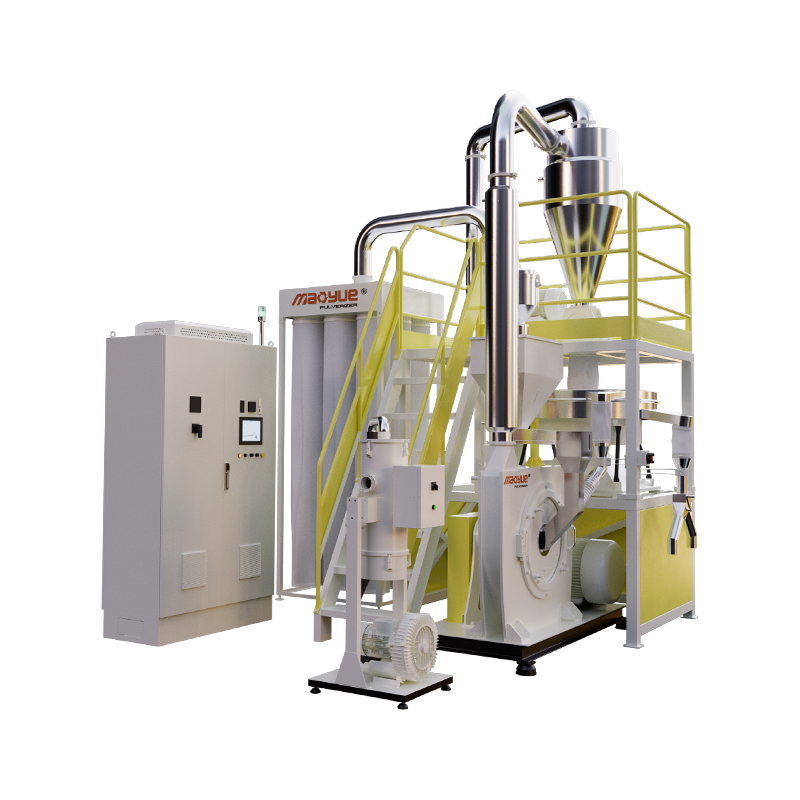
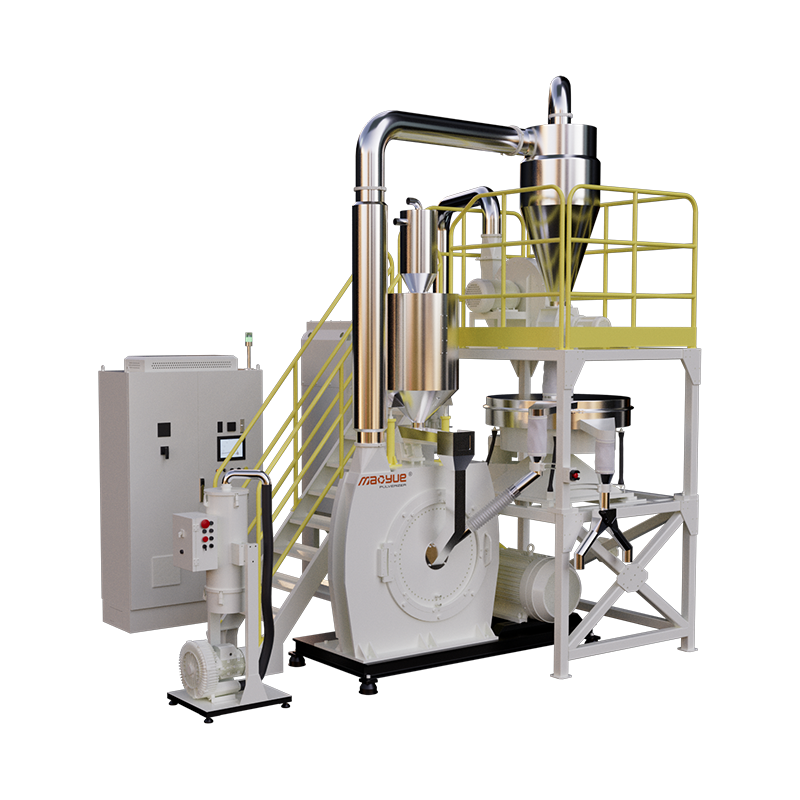
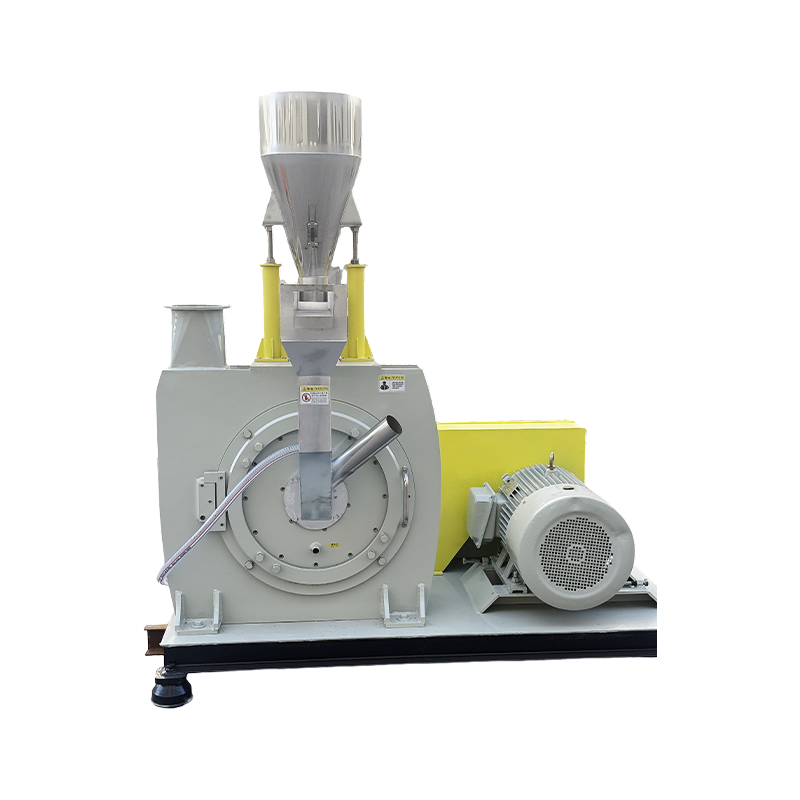
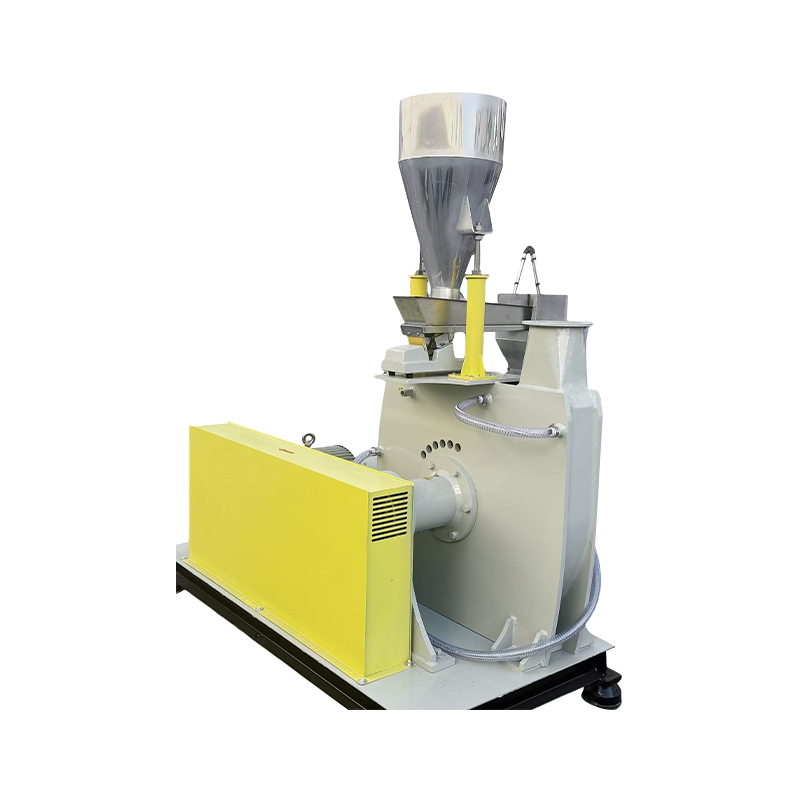
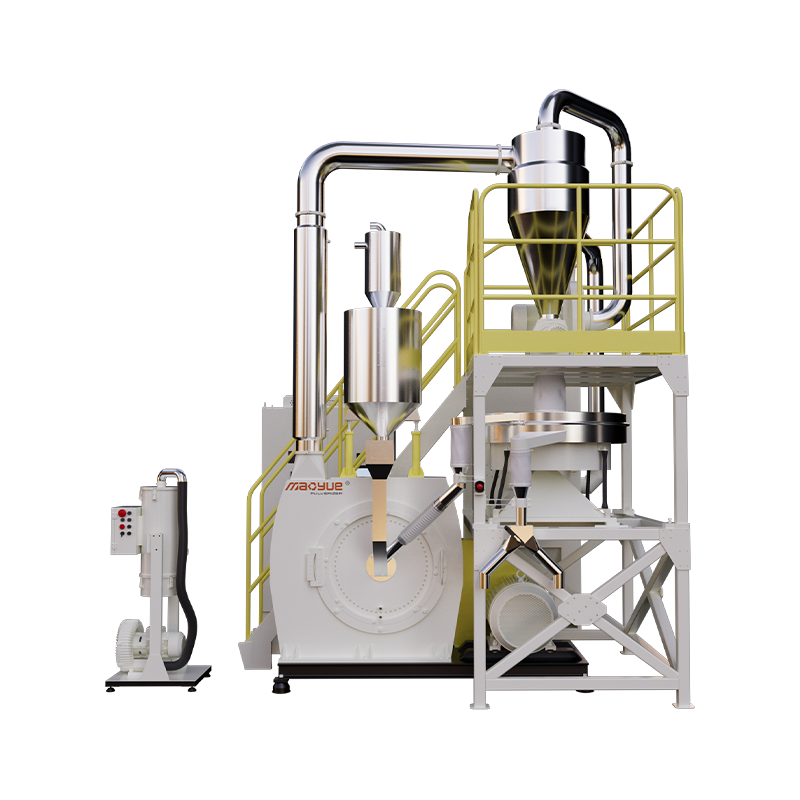
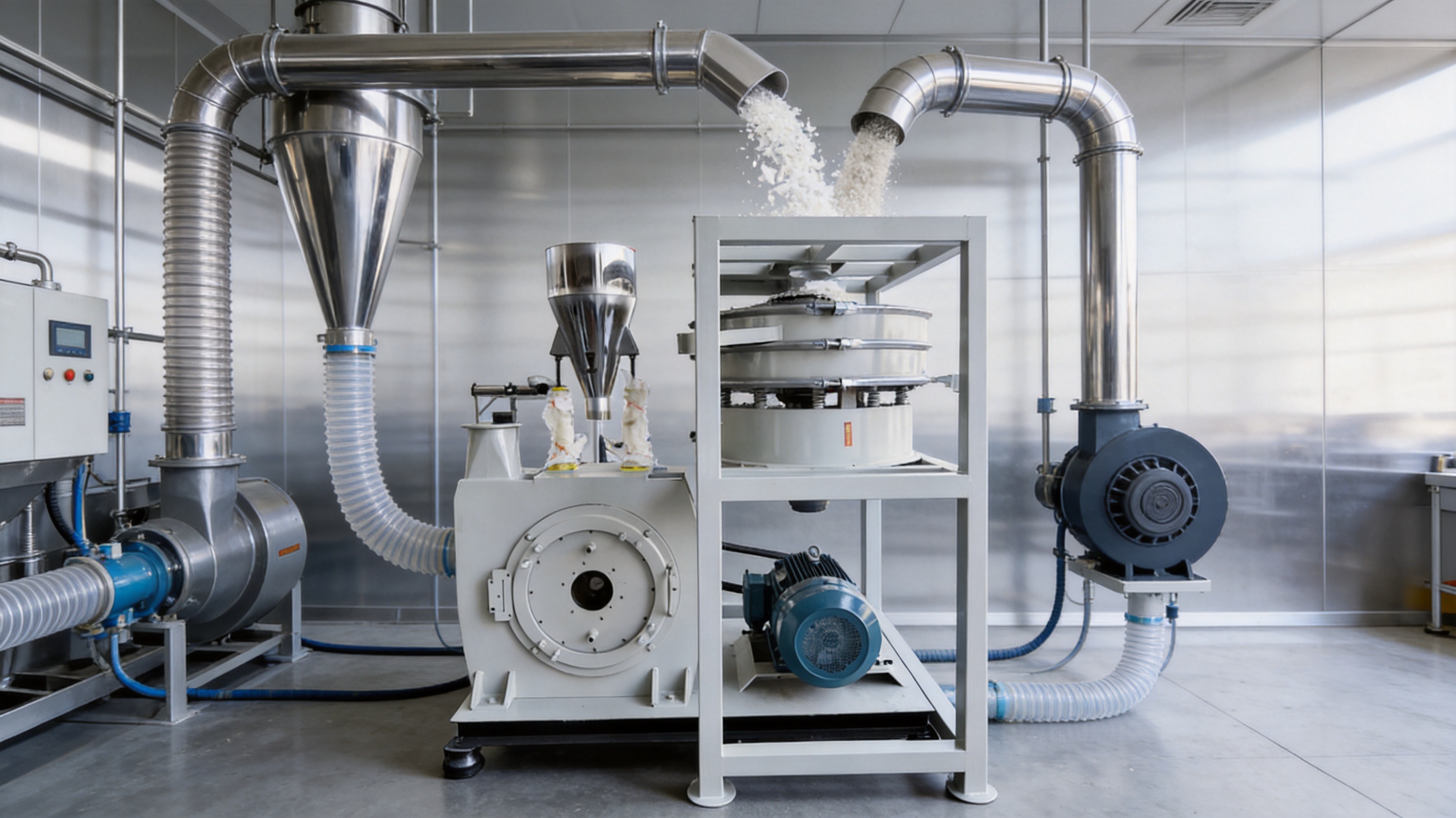
The 500PA/PP ambient temperature grinder is designed for processors who need stable PA and PP powder production without the cost, safety concerns, and logistical complexity of liquid nitrogen. In modern plastics recycling, modification, compounding, masterbatch preparation, and small-batch research production, many factories face the same challenge: they need powder that is uniform, free-flowing, clean, and thermally stable, but they also need a practical production system that is not overly expensive to operate. This grinder answers that need by combining a 500 mm disc pulverizing platform, high-speed mechanical grinding, intelligent temperature control, micron-level gap adjustment, vibrating screening, vacuum feeding, stainless-steel conveying, and water cooling into a compact production solution.
Unlike cryogenic systems that rely on liquid nitrogen to embrittle plastics before size reduction, this machine operates at ambient temperature with controlled cooling. That difference is significant. Liquid nitrogen can produce good results for certain flexible or heat-sensitive materials, but it adds recurring consumable cost, requires special storage and handling, increases operational complexity, and may not be necessary for PA and PP when the pulverizing system is properly engineered. The 500PA/PP grinder focuses on mechanical precision, material-specific disc design, airflow management, screening efficiency, and chamber temperature stability so that processors can achieve reliable powder output while avoiding cryogenic dependence.
For PA6, PA66, and PP recycling applications, the machine is positioned as a practical, entry-level industrial model for small and medium-sized factories, pilot production lines, modification workshops, masterbatch producers, powder coating trial facilities, and research institutions. Its configuration can support a disc diameter of 500 mm, a main drive motor of 37 kW or 45 kW, blower power of 5.5 kW or 7.5 kW, and a vibrating screen motor of 1.1 kW. Depending on material type, particle target, feeding condition, screen selection, and formula characteristics, the system can produce powder in ranges commonly used for recycling, compounding, and modification, including coarse applications around 10 to 30 mesh and finer production commonly around 20 to 100 mesh, with some testing conditions extending toward 120 mesh.
500PA/PP Ambient Temperature Grinder Requires No Liquid Nitrogen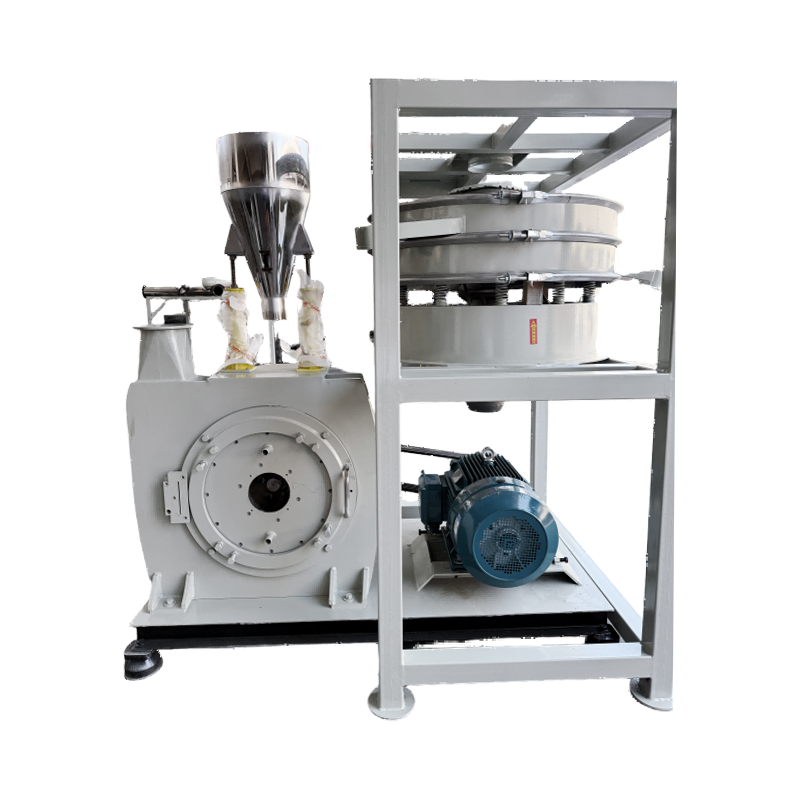
Why PA and PP Pulverizing Requires a Purpose-Built System
Polyamide and polypropylene behave differently during size reduction, and this is why ordinary grinders or low-cost generic pulverizers often fail to deliver stable results. PA, especially PA6 and PA66, is tough, abrasion-resistant, and may contain glass fiber, mineral filler, or flame-retardant additives. These characteristics increase wear on grinding discs and raise the possibility of inconsistent powder distribution if the cutting geometry and hardness are not suitable. PP, on the other hand, has a relatively low softening point and can become sticky under frictional heat. If the chamber temperature rises too much, PP powder may agglomerate, smear onto disc surfaces, block screens, reduce throughput, and cause unstable downstream processing.
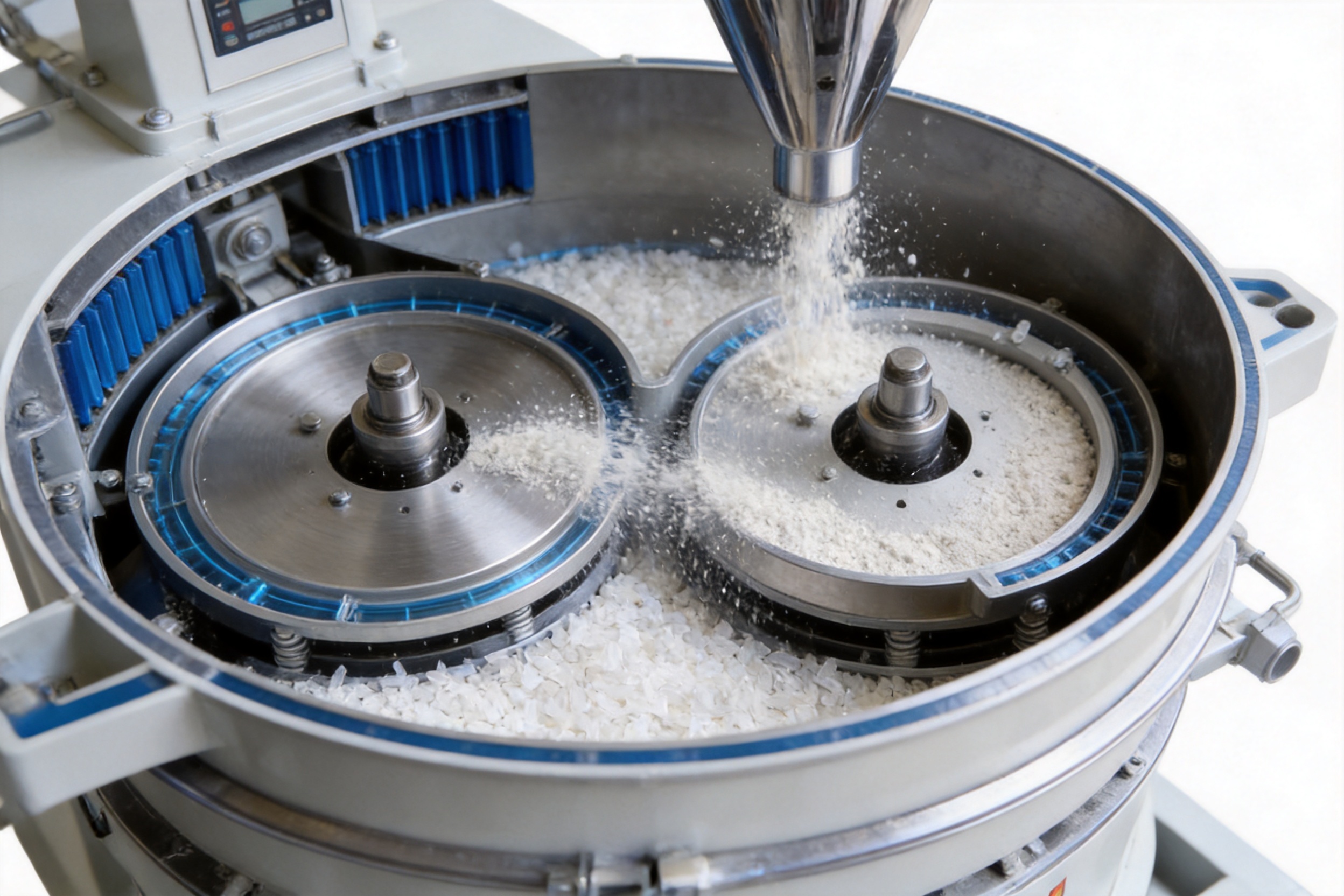
The 500PA/PP grinder is engineered around these realities. It is not merely a crusher that breaks plastic into flakes; it is a disc pulverizer intended to transform pre-crushed granules or flakes into controlled powder. The grinding zone relies on high-speed relative motion between discs, controlled gap settings, disc material hardness, airflow transport, and classification by vibrating screen. The system must be strong enough to process PA, precise enough to maintain particle uniformity, and cool enough to prevent PP melt adhesion. This combination is difficult to achieve with machines that were originally designed for only PVC, PE, soft materials, or general-purpose plastic grinding.
A major advantage of this model is that it brings production-grade control into a compact footprint. Many small and medium-sized users do not have space or budget for large-scale cryogenic grinding lines or oversized pulverizing systems. They may process multiple material types in small batches, switch between formulas, or test new recycled blends. For those users, flexibility is as important as capacity. The 500 mm disc platform provides a balance between industrial capability and operational convenience, making it suitable for users who value powder quality but do not need a very large central pulverizing plant.
Core Product Advantages Over Conventional Competitors
The first competitive advantage is non-cryogenic operation. A conventional cryogenic line can require liquid nitrogen tanks, pressure control equipment, insulated piping, low-temperature safety management, and continuous nitrogen consumption. Those requirements add cost beyond the machine purchase price. They also place responsibility on operators to handle low-temperature hazards and gas displacement risks. By contrast, the 500PA/PP grinder uses ambient temperature grinding with water cooling, airflow conveying, and intelligent temperature control. For many PA and PP applications, this offers a lower total operating cost and a simpler production environment.
The second advantage is the grinding disc system. In the product configuration, the machine can use high-performance disc materials designed for wear resistance, including D2 tool steel and proprietary high-chromium-molybdenum-vanadium alloy options with hardness around HRC60 to HRC65. The disc is a key consumable in plastic pulverizing, and its quality determines edge sharpness retention, particle consistency, energy efficiency, and maintenance interval. When processing glass-fiber-reinforced PA, ordinary discs can lose sharpness quickly, causing powder temperature to rise and output quality to decline. A properly engineered high-hardness alloy disc can reduce wear significantly, extend service life, and maintain stable pulverizing performance over long operating periods.
The third advantage is temperature stability. PA can suffer thermal degradation when overheated, while PP can soften and adhere to surfaces. The grinder’s temperature control strategy is designed to keep the grinding chamber within a narrow range, with precision control that may maintain temperature fluctuation within approximately ±3 to 5°C under suitable conditions. This reduces the risk of material degradation, powder discoloration, melt adhesion, and unstable melt index. For processors who reuse powder in compounding, injection molding, extrusion, or filament production, stable thermal history matters because it affects mechanical properties, melt flow, odor, and downstream consistency.
The fourth advantage is fineness control. The machine combines micron-level disc gap adjustment with integrated vibrating screening. The disc gap determines primary pulverizing intensity, while screening separates qualified powder from oversized particles. Oversized material can be returned for further grinding, helping the user obtain a narrower particle size distribution. This is especially important for masterbatch, powder coating, filler blending, and additive dispersion applications. Competitors that rely only on rough mechanical adjustment may produce broad distribution, excess dust, or large particle contamination, all of which can reduce powder value.
The fifth advantage is practical energy efficiency. A system with main motor power around 37 to 45 kW and total installed power commonly around 50 to 60 kW can provide a useful balance between output and energy cost. In plastic powder production, energy efficiency is not only about motor rating; it is also about disc sharpness, feeding stability, airflow design, screen efficiency, and reduced downtime. A sharp, well-balanced disc and properly designed conveying system can reduce unnecessary friction and heat generation. That allows the grinder to maintain powder output with less waste, less rework, and fewer production interruptions.
The sixth advantage is noise and workplace suitability. With a noise level designed to remain below approximately 85 dB under suitable installation and operating conditions, the grinder is more manageable for workshop environments than many heavy-duty, high-vibration systems. Noise control contributes to operator comfort, workplace compliance, and long-term production acceptance. A machine that is technically capable but unpleasant to operate often becomes underutilized; a compact and controlled system is more likely to become a reliable daily production tool.
Technical Specification Overview
Item |
Specification |
Practical Meaning |
Model Type |
500 PA/PP ambient temperature pulverizer |
Entry-level industrial model for flexible PA and PP powder production |
Disc Diameter |
500 mm |
Balanced grinding area for small to medium production |
Main Drive Motor |
37 kW or 45 kW |
Supports high-speed disc pulverizing for PA and PP materials |
Spindle Speed |
Approximately 2900 to 3700 rpm, configuration dependent |
Provides strong impact, shear, and frictional grinding action |
Typical Capacity |
Approximately 50 to 160 kg/h for some coarse or difficult applications; higher output may be achieved under optimized material and fineness conditions |
Actual capacity depends on material, moisture, feed size, additives, target mesh, and screen selection |
Powder Fineness |
Commonly 10 to 30 mesh for coarse applications; 20 to 100 mesh for many PA/PP powder uses |
Supports recycling, compounding, masterbatch, laboratory testing, and coating trials |
Speed Control |
Star-delta, soft start, or inverter option |
Allows different starting and process control strategies |
Grinding Disc Material |
D2 tool steel or high-performance alloy disc option |
Improves wear resistance and cutting edge stability |
Blower Motor |
5.5 kW or 7.5 kW |
Supports powder conveying, cooling assistance, and system airflow |
Pipe Material |
Stainless steel |
Improves cleanliness, durability, and contamination control |
Vibrating Screen Diameter |
1000 mm |
Separates qualified powder from oversized particles |
Vibrating Screen Motor |
1.1 kW |
Provides stable screening movement for particle classification |
Feeding Method |
Vacuum feeding |
Reduces manual handling and supports cleaner operation |
Cooling Method |
Water cooling with inlet and outlet circuit |
Controls chamber temperature and reduces PP sticking risk |
This table should be understood as a practical configuration summary rather than a fixed promise for every material. Plastic pulverizing is affected by many variables: feed particle size, moisture, formulation, filler content, glass fiber percentage, molecular weight, disc wear condition, ambient temperature, screen mesh, and desired particle distribution. A responsible equipment supplier evaluates the customer’s material and target powder before confirming an exact capacity. This is one of the reasons why source manufacturing strength matters: a manufacturer with in-house process experience can configure the machine instead of simply selling a standard shell.
Ambient Temperature Grinding Without Liquid Nitrogen
The phrase “requires no liquid nitrogen” is more than a marketing statement. It reflects a process philosophy. In many plastic recycling plants, the biggest challenge is not achieving a perfect laboratory result once; it is producing acceptable powder every day at a cost that the business can sustain. Liquid nitrogen can sharply reduce material temperature and make certain polymers brittle, but the ongoing nitrogen cost may be difficult to justify for PA and PP recycling when an optimized mechanical pulverizer can achieve the required powder quality. Eliminating nitrogen also reduces procurement dependency, storage planning, gas delivery scheduling, and equipment complexity.
Ambient temperature grinding succeeds only when the machine controls heat generation. Heat comes from friction between material and discs, repeated particle impacts, high-speed air movement, and resistance through screens and pipelines. If the system is poorly designed, non-cryogenic grinding can quickly lead to softening, smearing, and reduced output. The 500PA/PP grinder addresses this through disc geometry, water cooling, airflow transport, stable feeding, and temperature monitoring. The result is a process that is simpler than cryogenic grinding but still controlled enough for quality-sensitive PA and PP powder applications.
For PP, the benefit is particularly visible. PP can become tacky when frictional heat accumulates, especially if the material contains recycled fractions, pigments, calcium carbonate, talc, elastomer modifiers, or mixed melt flow grades. Once PP begins to smear inside a pulverizer, output drops and cleaning time increases. The machine’s temperature control helps prevent this cycle. For PA, temperature control helps reduce degradation and protects the melt index stability of recycled or modified material. When downstream users require predictable extrusion or injection performance, powder that has not been overheated during pulverizing is a major advantage.
Grinding Disc Engineering and Wear Resistance
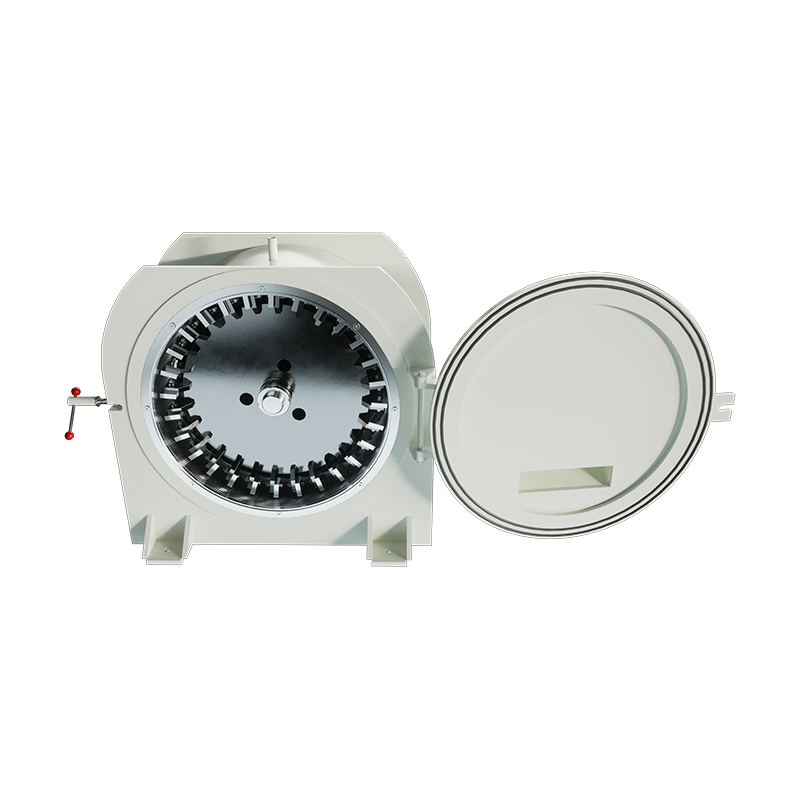
The grinding disc is the heart of the pulverizer. Its material, hardness, machining accuracy, dynamic balance, tooth profile, heat treatment, and installation precision all determine powder quality. A low-cost competitor may use ordinary steel discs that appear acceptable when new but lose sharpness quickly. As the edge wears, the machine consumes more energy, generates more heat, produces more oversized particles, and requires more frequent gap adjustment. Operators may compensate by tightening the disc gap, but this can increase friction and accelerate wear further. The result is unstable production and higher hidden cost.
The 500PA/PP grinder can be equipped with high-performance discs built for demanding plastics. The proprietary alloy option combines high chromium, molybdenum, and vanadium, delivering hardness around HRC60 to HRC65. These alloying elements contribute to wear resistance, toughness, carbide formation, and edge retention. In applications such as glass-fiber-reinforced PA, edge durability is essential because glass fiber is abrasive. A disc that resists abrasive wear can maintain cutting efficiency longer, reduce powder temperature, and extend maintenance intervals. Compared with ordinary discs, the alloy disc option may reduce wear substantially and can extend service life under appropriate operating conditions.
Precision machining is equally important. Even the best alloy is ineffective if the disc is poorly machined or dynamically unbalanced. High-speed rotation magnifies small errors. Uneven disc surfaces can cause vibration, irregular gap distribution, inconsistent powder size, bearing stress, and noise. The manufacturer’s use of high-precision grinding machines, German-standard balancing methods, and advanced welding processes contributes directly to machine performance. For customers, this means the machine is not only assembled; it is manufactured with attention to the details that influence long-term stability.
Intelligent Temperature Control and Powder Quality
Temperature management is one of the key differences between professional pulverizing equipment and basic crushing machinery. In PA and PP grinding, the product quality cannot be judged only by mesh size. A powder may appear fine but still be damaged by heat. Thermal degradation can change melt flow, reduce mechanical properties, create odor, affect color, and weaken recycled material value. Intelligent temperature control helps keep the process inside a defined operating window, reducing the chance that the powder quality shifts during long production runs.
The system is designed to maintain grinding chamber temperature with narrow fluctuation under suitable conditions. This is valuable for factories that run multiple shifts or produce powder for customers with strict quality expectations. If the chamber temperature drifts too high, the operator may experience screen blockage, disc buildup, agglomerates, or unstable output. If the temperature is controlled, the powder remains more uniform and free-flowing. Stable temperature also helps protect melt index consistency. In PA and PP powder production, lower melt index fluctuation can make downstream extrusion, injection, or compounding more predictable.
Temperature control is not only a sensor function. It depends on machine structure, cooling channels, airflow volume, feeding rate, and the operator’s ability to adjust process parameters. The grinder’s water cooling circuit, blower system, and controlled feeding method work together. Vacuum feeding helps supply material more consistently than irregular manual feeding, which reduces sudden load peaks and heat spikes. The blower assists with powder transport and can help remove heat from the grinding zone. The vibrating screen prevents excessive retention of already-qualified powder. All of these elements reduce thermal stress on the material.
Fineness Uniformity and Screening Integration
Powder value often depends on particle size distribution. In masterbatch production, uniform powder improves dispersion. In compounding, consistent particles help feeding stability and melting behavior. In powder coating trials, narrow distribution improves fluidization and surface finish. In recycling, consistent powder improves mixing with virgin resin, additives, fillers, or pigments. The 500PA/PP grinder addresses particle control through disc gap adjustment and integrated vibrating screening.
Micron-level gap adjustment allows the operator to tune the grinding intensity. A wider gap can support coarser powder, higher throughput, and lower heat generation. A narrower gap can produce finer powder but may increase energy consumption and temperature. The correct setting depends on material properties and the target application. The vibrating screen then classifies the powder, allowing qualified material to pass while retaining oversized particles. This closed logic gives the user more control than simple crushing or uncontrolled milling.
The system can support different mesh ranges depending on configuration. Coarser powder around 10 to 30 mesh may be suitable for certain recycling and blending applications. Finer powder around 20 to 100 mesh, with common production around 30 to 80 mesh, may be preferred for masterbatch, rotational molding trials, 3D printing filament preparation, powder coating experiments, and higher-value recycled polymer modification. For laboratory and R&D use, smaller sample batches may be tested with adjustable fineness requirements, helping formulation teams identify ideal particle size before scaling production.
Application in PA Engineering Plastic Recycling
PA engineering plastics are widely used in automotive, electronics, textile, cable, machinery, and industrial components. Common waste streams include PA6 and PA66 injection scraps, rejected parts, textile tow waste, connectors, cable sheath material, automotive interior parts, and bumper-related engineering blends. These materials often have higher value than ordinary commodity plastic waste, but only if they can be processed cleanly and consistently. Turning PA waste into controlled powder can improve its reusability in compounding, regeneration granulation, injection molding, and specialty applications.
The 500PA/PP grinder is suitable for small and medium batch PA recycling because it offers a balance between wear resistance and flexible operation. In many workshops, PA waste comes in multiple grades and colors. A machine that supports rapid material changeover is valuable because it reduces contamination and allows separate processing by grade. The stainless-steel conveying pipeline supports cleanliness, while the compact layout makes it easier to integrate into existing recycling areas.
For glass-fiber-reinforced PA, disc wear is a central concern. Glass fiber improves material stiffness and heat resistance but is abrasive during pulverizing. If the disc edge deteriorates, the powder becomes less uniform and the process becomes hotter. A high-hardness disc option helps protect performance. The improved wear resistance is especially important for processors who handle automotive and electrical PA parts, where reinforced grades are common. With stable powder output, recycled PA can be used for higher-value granulation instead of being downgraded to low-end applications.
Application in PP Film and Injection Part Regeneration
PP waste is abundant in packaging, household goods, automotive components, containers, woven bags, injection molding scraps, and film production. While PP is easier to recycle than some engineering plastics, it can be challenging to pulverize into clean powder because of its thermal behavior. Heat buildup can cause PP to soften, adhere, and form agglomerates. A grinder that lacks temperature control may require frequent cleaning and produce inconsistent powder.
The 500PA/PP grinder supports PP regeneration by producing powder that can be used as a carrier or intermediate material for masterbatch, filled masterbatch, color masterbatch, and modified recycled compounds. Powder form improves contact area between PP and additives such as pigments, fillers, compatibilizers, stabilizers, or reinforcing agents. This can improve mixing efficiency and dispersion during downstream extrusion. Uniform PP powder can also support blow molding, injection molding, and extrusion applications after proper compounding and pelletizing.
In comparison with competitors that depend on low-cost crushing only, this pulverizer helps users upgrade PP waste into a more controllable raw material. Flakes can be difficult to dose uniformly, especially when they are thin, irregular, or electrostatically charged. Powder can be easier to mix with additives and other resins when the particle distribution is properly controlled. This allows recycling enterprises to move from basic material recovery toward higher-value modification and customized formulation production.
Application in Laboratory, R&D, and Pilot Production
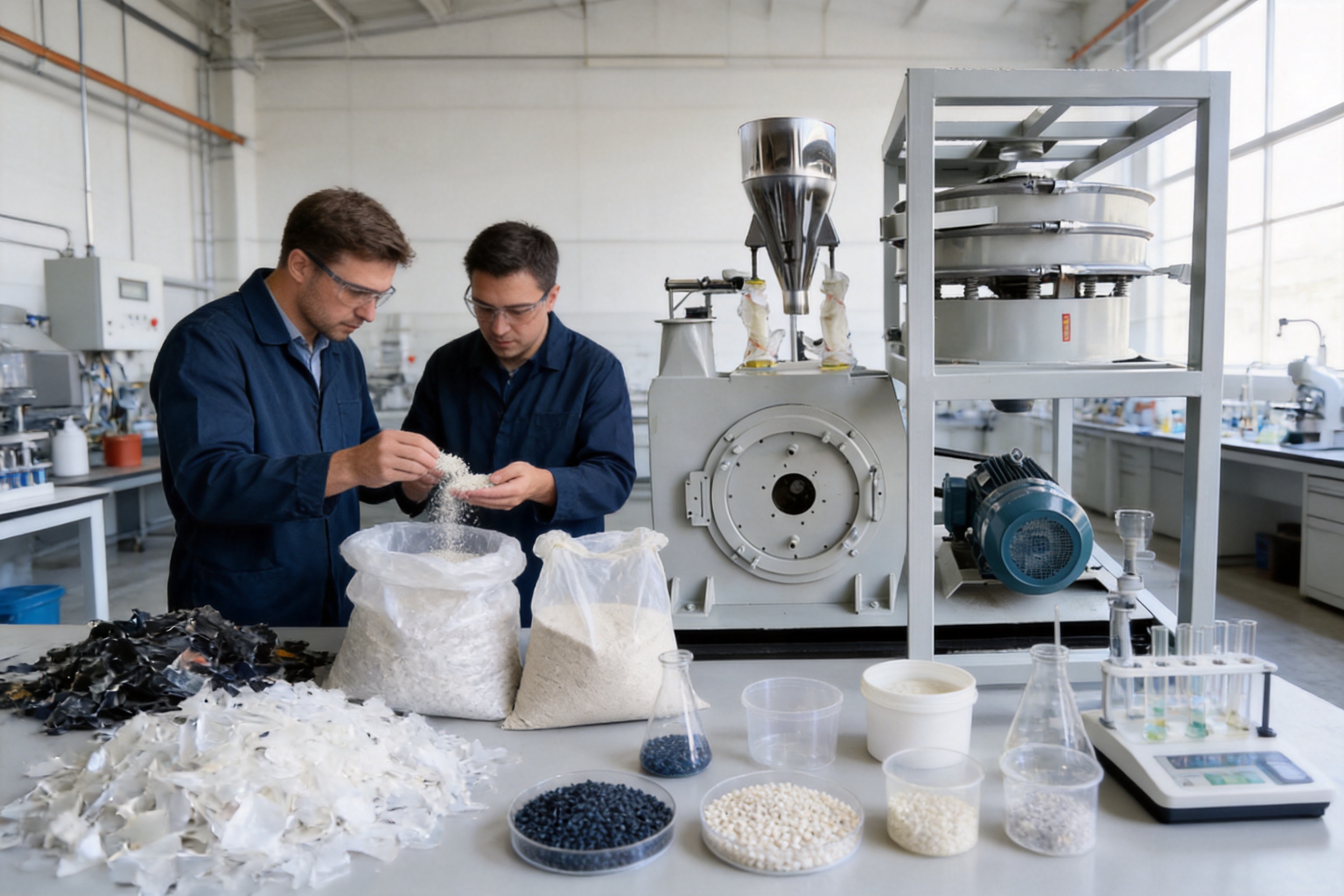
Research institutions, universities, material development companies, and formulation laboratories often need small-batch pulverizing with industrial relevance. A laboratory-scale machine may not represent production behavior, while a large industrial line may be too costly or inconvenient for experiments. The 500PA/PP grinder fills this gap by offering a compact but robust platform that can process trial batches while using principles similar to production pulverizing.
R&D users may test PA/PP blends, compatibilizers, fillers, pigments, flame retardants, recycled content ratios, glass fiber levels, or powder coating formulations. They need repeatability so that one test can be compared with another. The machine’s adjustable gap, temperature control, and screening system support repeatable particle size targets. For material developers, this reduces uncertainty. If a formulation fails, the team can determine whether the issue is chemical, mechanical, or particle-size related rather than blaming inconsistent milling.
The grinder is also useful for new material companies that need customer samples. A company may need to produce 50 kg, 100 kg, or several hundred kilograms of powder for validation before investing in full-scale equipment. A flexible 500 mm pulverizer allows them to make trial material, adjust process conditions, and gather feedback. This shortens the development cycle and supports faster commercialization.
Entry-Level Powder Coating and Surface Application Trials
Although PA and PP are not the only materials used in powder coating, PP-based powder trials can be relevant for special applications such as fluidized bed dipping, functional coatings, or experimental thermoplastic surface layers. Powder coating and surface application processes require particle consistency, cleanliness, and freedom from scorching. Overheated powder may discolor or behave unpredictably during melting and film formation. Contamination can cause defects in coating appearance or performance.
The 500PA/PP grinder’s controlled pulverizing environment supports small-scale powder coating trials by producing uniform powder without cryogenic equipment. For companies exploring PP-based coatings, modified thermoplastic powders, or multi-variety trial production, the machine offers a practical entry point. Its quick changeover capability is important when different colors or formulas are tested. Instead of relying on external powder suppliers for every trial, a laboratory or small coating workshop can prepare its own material and refine the formula internally.
Manufacturing Strength Behind the Machine
A pulverizer’s performance is determined not only by design but also by manufacturing discipline. Changzhou Mao Yue Intelligent Equipment Co., Ltd. is a source manufacturer with decades of experience in plastic crushing and pulverizing equipment. The company has developed its expertise through long-term involvement in disc pulverizers for rotational molding, masterbatch, polymers, PVC, PE, recycling, powder coating, and related plastic size reduction applications. This background matters because PA and PP pulverizing requires practical knowledge of material behavior, not only mechanical assembly.
The company operates multiple processing workshops, each with substantial floor area, allowing machining, welding, assembly, inspection, and customization to be managed with direct factory control. Direct manufacturing reduces dependence on outsourced critical components and gives customers more consistent quality. When a machine needs customization, such as special disc material, feeding arrangement, screen configuration, cooling layout, electrical control, or material-contact surface requirements, a source manufacturer can respond more effectively than a trading company.
Advanced manufacturing equipment supports precision. The company uses high-precision grinding machines imported from Taiwan and built to German standards, German dynamic balancing equipment, and Japanese welding systems. These manufacturing resources are directly connected to pulverizer quality. Precision grinding improves disc and component accuracy. Dynamic balancing reduces vibration at high speed. Reliable welding improves frame stability, pipeline integrity, and long-term durability. In a high-speed pulverizer, small manufacturing errors can become large operational problems; therefore, manufacturing quality is a core competitive advantage.
The company also emphasizes European quality standards for components and has obtained CE mechanical certification and ISO 9001 quality management system certification. CE certification supports machine safety and compliance expectations, while ISO 9001 indicates a structured quality management approach. For international buyers, these certifications help reduce procurement risk. A pulverizer is not a disposable tool; it is a production asset. Buyers need confidence that documentation, process control, inspection, and after-sales support are in place.
How Manufacturing Precision Improves Daily Operation
Customers often evaluate machines by motor power, capacity, and price, but experienced users know that precision determines daily satisfaction. A precisely manufactured pulverizer starts more smoothly, vibrates less, produces more stable powder, requires less emergency maintenance, and protects bearings, belts, discs, and screens. Dynamic balance is particularly important because the disc rotates at high speed. If balance is poor, vibration can loosen fasteners, damage bearings, increase noise, and reduce powder uniformity.
Disc machining precision affects gap consistency. The gap between grinding surfaces must be controlled accurately. If the disc face is uneven, one side may grind aggressively while another side allows oversized particles. Operators may not see the defect immediately, but they will notice inconsistent powder, temperature variation, and irregular wear patterns. High-precision grinding equipment helps maintain flatness and geometry, allowing the machine’s gap adjustment mechanism to perform as intended.
Welding quality affects structural rigidity. A weak or distorted frame can cause misalignment, vibration, and long-term fatigue. Japanese welding systems and disciplined fabrication processes help create a stronger structure. Stainless-steel pipeline quality also matters because powder flow depends on smooth surfaces and proper sealing. Poorly made pipelines can create dust leakage, contamination points, or material buildup. A well-manufactured system contributes to cleaner and more efficient operation.
Flexible Configuration for Real Factory Conditions
Every plastics processor has different materials, plant layouts, and output goals. The 500PA/PP grinder can be configured with different speed control methods, including star-delta starting, soft start, or inverter control. Star-delta starting is a common economical method for reducing starting current. Soft start offers smoother acceleration and can reduce mechanical stress. Inverter control provides more process flexibility, allowing speed adjustment for different materials or fineness targets. The best choice depends on customer budget, electrical system, and process needs.
Vacuum feeding improves cleanliness and reduces labor intensity. Manual feeding can be inconsistent and may expose operators to dust. Vacuum feeding helps deliver material more evenly into the pulverizer, supporting stable load and temperature. The dust collector bag diameter and conveying system can be arranged for the customer’s workshop conditions. Stainless-steel pipes support cleanliness and durability, especially when users switch materials frequently or process higher-value powders.
Water cooling is another practical feature. Instead of relying on expensive cryogenic cooling, the machine uses a water inlet and outlet circuit to remove heat from the grinding system. This is easier for most factories to maintain. Cooling water systems are familiar, affordable, and safer than liquid nitrogen. When combined with intelligent temperature control, water cooling helps create a stable process environment.
Total Cost of Ownership Compared With Competitors
The purchase price of a pulverizer is only one part of the economic calculation. Total cost of ownership includes energy consumption, disc replacement, screen replacement, labor, cleaning time, downtime, rejected powder, nitrogen consumption if used, maintenance skill requirements, and after-sales support. A low-cost competitor may look attractive at the quotation stage but become expensive if it wears quickly, overheats material, blocks frequently, or cannot maintain particle quality.
The 500PA/PP grinder reduces total cost in several ways. It avoids liquid nitrogen consumption. It uses durable disc options to extend maintenance intervals. It supports temperature control to reduce powder rejection and cleaning time. It integrates screening to reduce oversized contamination. It uses vacuum feeding to reduce labor and improve stability. It is compact, so installation and floor-space costs are manageable. For small and medium-sized factories, these savings can be more important than maximum theoretical capacity.
Another economic benefit is material value improvement. If a recycling factory can transform PA or PP waste into uniform powder suitable for compounding or masterbatch production, the material may command a higher value than irregular flakes. Better powder can improve downstream dispersion and reduce formulation defects. Therefore, the grinder is not only a cost center; it can become a value-upgrading tool for recycled plastics.
Operation, Maintenance, and Material Changeover
Practical operation is one of the key reasons this machine is suitable for small and medium-sized users. A grinder used in flexible production must be easy to clean, adjust, and maintain. Multi-material switching is common in recycling and R&D. One day the operator may process PA6 natural-color scraps; the next day PP black injection runners; later, a filled PP compound. If cleaning is difficult, cross-contamination becomes a problem and production scheduling becomes inefficient.
The machine’s compact design and integrated system layout support quicker changeovers than large, complex lines. Operators can adjust the disc gap, replace or clean screens, check disc condition, and manage material-contact areas according to production requirements. Stainless-steel conveying components help reduce residue and improve cleaning efficiency. Proper operating procedures, including pre-cleaning, controlled feeding, temperature monitoring, and screen inspection, can greatly improve powder consistency.
Maintenance focuses on discs, bearings, belts, screens, blower performance, cooling circuit, and dust collection. Disc inspection is especially important because edge wear affects both particle size and temperature. A responsible operator should monitor output quality, motor load, noise, vibration, and chamber temperature. Changes in these indicators may signal disc wear, screen blockage, feeding irregularity, or cooling issues. Preventive maintenance is less costly than emergency shutdown.
Quality Assurance and International Buyer Confidence
International buyers often need more than a machine; they need confidence that the supplier can provide process knowledge, documentation, spare parts, and communication. Changzhou Mao Yue Intelligent Equipment Co., Ltd. has built long-term partnerships with thousands of enterprises in domestic and international markets. This broad customer base reflects accumulated practical experience across many polymers and production environments.
The company’s focus on quality, service, innovation, and customized solutions is important for PA/PP pulverizing because no two waste streams are identical. A buyer may ask whether reinforced PA can be processed, whether PP film scraps will agglomerate, what mesh is realistic, how to control temperature, how often discs must be replaced, or how to arrange the line in a limited workshop. An experienced manufacturer can answer these questions through material testing, configuration advice, and production experience.
Certification also supports trust. CE mechanical certification and ISO 9001 quality management certification indicate that the manufacturer pays attention to safety, documentation, and quality processes. For buyers who must satisfy internal procurement rules or import requirements, these credentials can simplify decision-making.
Best-Fit Users and Production Scenarios
The 500PA/PP ambient temperature grinder is best suited for users who need moderate capacity, high flexibility, and stable powder quality. It is ideal for small and medium-sized recycling enterprises processing PA or PP waste. It is also suitable for masterbatch factories that need powder carriers, modified material companies developing new formulations, university laboratories, R&D centers, powder coating trial workshops, and factories that frequently switch between materials.
It is not necessarily the best choice for every situation. A very large recycling plant requiring several tons per hour may need a larger pulverizing line. A material that is extremely elastic, sticky, or rubber-like may still require cryogenic treatment. However, for many PA and PP applications, this 500 mm grinder offers a strong balance of performance, cost, and operational simplicity. Its value is highest when users care about powder consistency, thermal protection, disc durability, and manageable investment.
Recommended Process Flow
A typical process begins with sorting and cleaning the PA or PP waste. Contaminants such as metal, stones, labels, and incompatible polymers should be removed because they can damage discs or reduce powder quality. The material is then pre-crushed into suitable flakes or granules. Consistent feed size improves pulverizer stability. If the material contains moisture, drying may be needed, especially for PA, which absorbs water. Moisture can affect powder flow, grinding behavior, and downstream processing.
The pre-crushed material is supplied through vacuum feeding into the pulverizing chamber. The grinding discs reduce the material through shear, impact, and friction. Cooling and airflow help control heat. The powder is conveyed through stainless-steel piping to the vibrating screen, where qualified powder passes through the selected mesh. Oversized material can be collected or returned for additional grinding depending on line arrangement. Dust collection helps maintain a cleaner workshop and reduce powder loss.
Operators should begin with conservative settings when testing a new material. They can gradually adjust feed rate, disc gap, screen mesh, and cooling conditions while monitoring temperature, current load, powder fineness, and output. Once the correct parameter window is identified, it should be recorded for future batches. This process discipline is essential for repeatable production.
Q&A Section
Does this grinder really operate without liquid nitrogen?
Yes. The machine is designed for ambient temperature pulverizing of PA and PP with water cooling, airflow conveying, and intelligent temperature control. For many PA and PP applications, this avoids the recurring cost and complexity of cryogenic grinding.
What materials can it process?
It is mainly intended for PA6, PA66, PP, and related recycled or modified materials. Typical feed sources include automotive parts, electronic connectors, textile PA waste, PP packaging waste, injection scraps, containers, bumpers, and masterbatch-related materials. Actual suitability depends on formulation, filler content, moisture, and feed size.
What powder fineness can be achieved?
The machine can support different fineness ranges depending on configuration and material. Coarse applications may use around 10 to 30 mesh, while many PA/PP powder applications can target approximately 20 to 100 mesh. Laboratory conditions may allow broader testing ranges. Final results should be confirmed by material testing.
What is the typical capacity?
Capacity depends strongly on material type, target mesh, feed size, disc condition, and screen selection. Some difficult or coarse specifications may operate around 50 to 160 kg/h, while optimized conditions may achieve higher output. The correct capacity should be evaluated according to the customer’s actual material and powder target.
Why is temperature control important?
Temperature control prevents PP from softening and sticking and helps reduce thermal degradation of PA. Stable chamber temperature supports consistent melt index, better powder flowability, fewer agglomerates, and less screen blockage.
How does the grinding disc improve performance?
The grinding disc determines cutting efficiency, wear life, particle distribution, and heat generation. High-hardness D2 or proprietary alloy discs retain sharpness longer than ordinary discs, especially when processing abrasive materials such as glass-fiber-reinforced PA.
Is this machine suitable for R&D?
Yes. It is suitable for universities, laboratories, formulation developers, and new material companies that need small-batch or pilot-scale PA/PP powder production with adjustable fineness and repeatable process control.
How does it compare with low-cost generic pulverizers?
Compared with generic pulverizers, this machine offers stronger specialization for PA and PP, better temperature management, more durable disc options, integrated screening, cleaner conveying, and manufacturing precision. These advantages reduce hidden costs such as downtime, rejected powder, frequent disc replacement, and cleaning delays.
What maintenance is required?
Key maintenance tasks include checking disc wear, cleaning screens, inspecting bearings and belts, monitoring blower performance, maintaining the cooling circuit, and cleaning the dust collection system. Preventive maintenance helps maintain powder quality and reduces unexpected shutdowns.
Who should consider this grinder?
It is a strong choice for small to medium-sized recycling companies, masterbatch factories, polymer modification workshops, powder coating trial producers, and R&D teams that need reliable PA/PP powder production without liquid nitrogen.
Conclusion
The 500PA/PP ambient temperature grinder provides a practical answer to a common industry need: how to produce stable PA and PP powder without the expense and complexity of liquid nitrogen. It combines a 500 mm disc pulverizing system, 37 to 45 kW main motor options, durable grinding discs, intelligent temperature control, water cooling, vacuum feeding, stainless-steel conveying, and vibrating screening into a compact and flexible production solution.
Its advantages over many competitors are clear. It reduces reliance on cryogenic consumables, improves thermal stability, supports controlled particle size, extends disc service life through wear-resistant material options, lowers maintenance pressure, and fits the needs of small to medium-sized factories and R&D users. For PA engineering plastic recycling, it helps transform valuable waste into reusable powder. For PP regeneration, it reduces sticking and improves powder flow. For masterbatch, compounding, coating trials, and laboratory testing, it provides the control needed for repeatable results.
Behind the product is the strength of Changzhou Mao Yue Intelligent Equipment Co., Ltd., a source manufacturer with decades of experience, multiple workshops, advanced precision machining, German-standard balancing equipment, Japanese welding systems, CE certification, ISO 9001 quality management, and long-term cooperation with thousands of customers. These manufacturing strengths are not abstract claims; they directly influence disc accuracy, machine stability, vibration control, service life, and powder consistency.
For buyers seeking a cost-effective, reliable, and flexible PA/PP pulverizing solution, this grinder offers a strong combination of engineering quality and practical usability. It is especially valuable for users who need to upgrade recycled plastic value, test new formulations, produce masterbatch carriers, or operate small-batch customized powder production. In the movement toward greener circular plastics and higher-value recycling, a stable non-cryogenic pulverizer can become a strategic production asset.
References
1. Brydson, J. A. Plastics Materials. Butterworth-Heinemann.
2. Osswald, T. A., and Menges, G. Materials Science of Polymers for Engineers. Hanser Publishers.
3. Crawford, R. J., and Throne, J. L. Rotational Molding Technology. William Andrew Publishing.
4. ISO 9001 Quality Management Systems: Requirements. International Organization for Standardization.
5. European Committee for Standardization. Safety Requirements for Plastics and Rubber Machines.
6. Rosato, D. V., Rosato, D. V., and Rosato, M. G. Plastic Product Material and Process Selection Handbook. Elsevier.
7. Tadmor, Z., and Gogos, C. G. Principles of Polymer Processing. Wiley.