

 English
 русский
 Español
 عربى
عربى 中文简体
中文简体
 中文简体
中文简体
Content
- 1 1. The Role of Ambient-Temperature Pulverizing in Plastic Processing
- 2 2. Product Overview and Main Configuration
- 3 3. Why PA and PP Require Specialized Pulverizing Control
- 4 4. No-Liquid-Nitrogen Operation and Its Practical Benefits
- 5 5. Grinding Disc Technology and Wear Resistance
- 6 6. Temperature Management and Product Stability
- 7 7. Particle Fineness, Screening, and Powder Quality
- 8 8. Production Applications
- 9 9. Advantages Compared with Conventional Competitors
- 10 10. Manufacturing Strengths of Changzhou Mao Yue Intelligent Equipment Co., Ltd.
- 11 11. Quality Management, Certification, and Service Capability
- 12 12. Process Design for Best Results
- 13 13. Economic Value for Small and Medium-Sized Factories
- 14 14. Safety and Environmental Considerations
- 15 15. Installation and Factory Integration
- 16 16. Customization and Material Testing
- 17 17. Frequently Asked Questions
- 17.1 Q1. Can the 500PA/PP grinder operate without liquid nitrogen?
- 17.2 Q2. What materials can it process?
- 17.3 Q3. What is the machine capacity?
- 17.4 Q4. What powder fineness can be achieved?
- 17.5 Q5. How does the machine control temperature?
- 17.6 Q6. Is it suitable for glass-fiber-reinforced PA?
- 17.7 Q7. Does the machine include screening?
- 17.8 Q8. Is vacuum feeding included?
- 17.9 Q9. Is the machine suitable for laboratory use?
- 17.10 Q10. What should be tested before purchase?
- 17.11 Q11. What maintenance is required?
- 17.12 Q12. What manufacturing qualifications does the supplier report?
- 18 18. Buyer’s Evaluation Checklist
- 19 19. Overall Assessment
- 20 References
- 21 Product: 500PA/PP Ambient Temperature Grinder Requires No Liquid Nitrogen
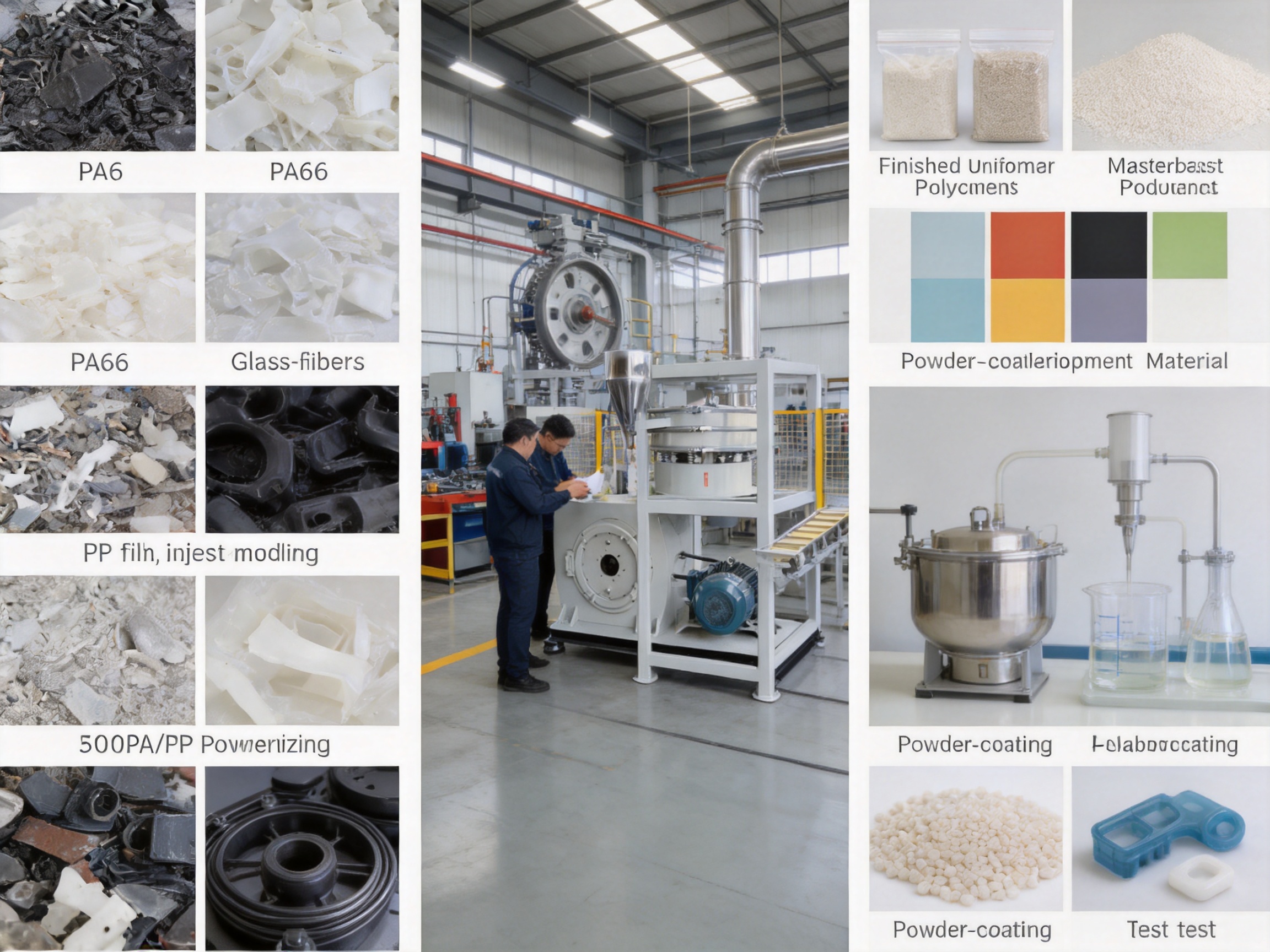
Modern plastic recycling and material-processing operations increasingly require equipment that can produce consistent powder without excessive energy use, complicated cooling systems, or frequent maintenance. For processors working with polyamide and polypropylene, the challenge is especially demanding. PA materials can generate significant heat during size reduction, while PP may soften, smear, or adhere to grinding surfaces when temperature is not controlled. A suitable pulverizer must therefore combine high-speed grinding, effective cooling, wear-resistant components, accurate gap adjustment, and reliable powder classification.
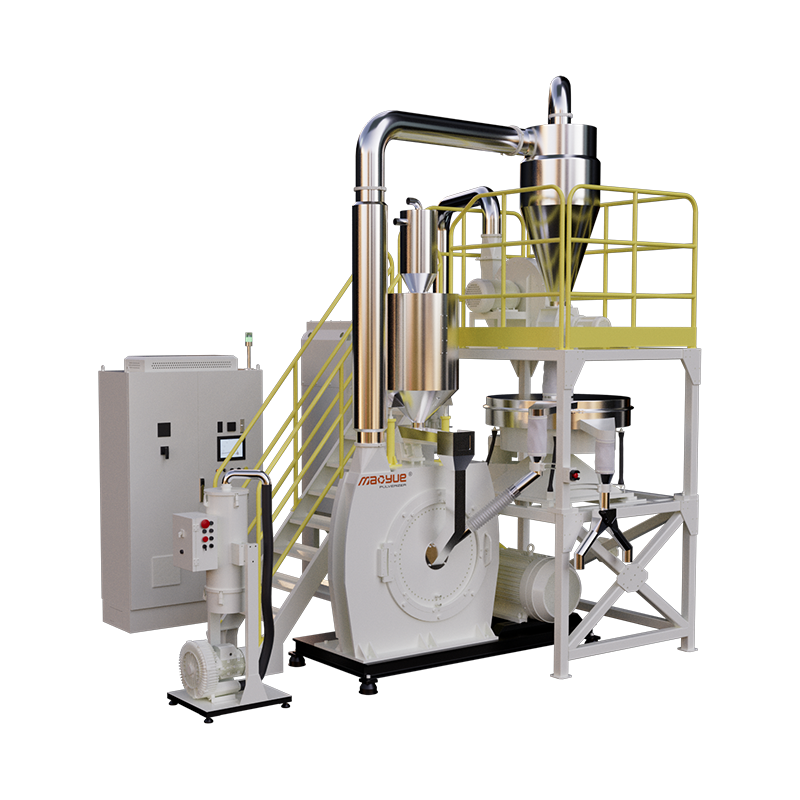
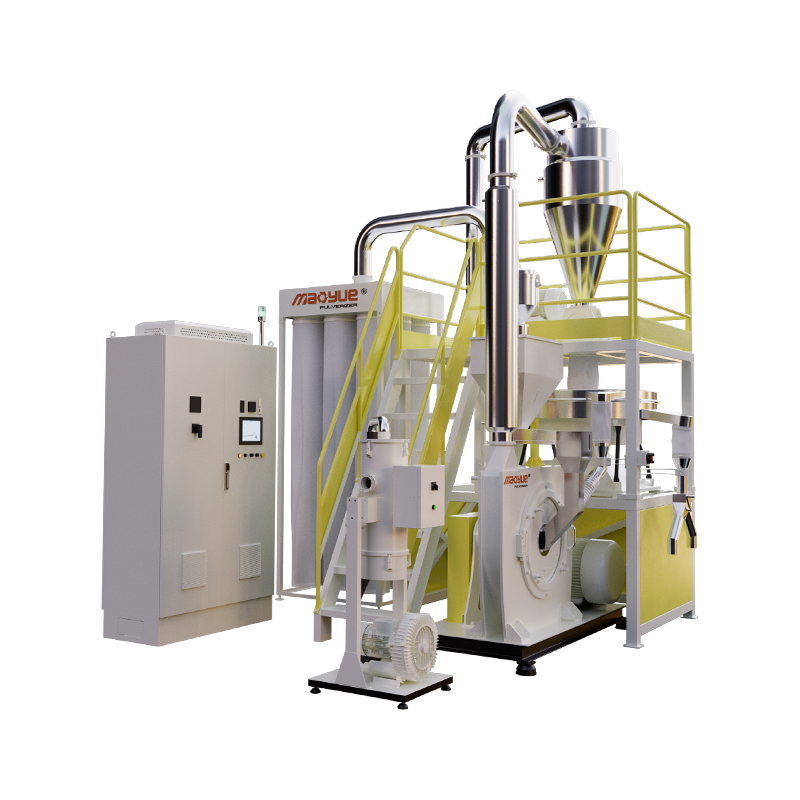
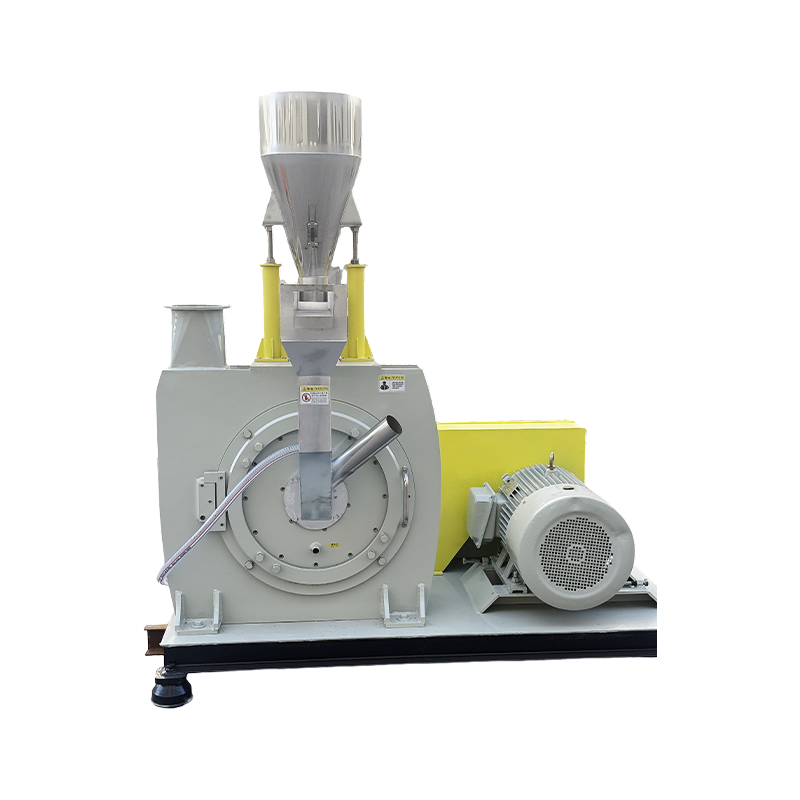
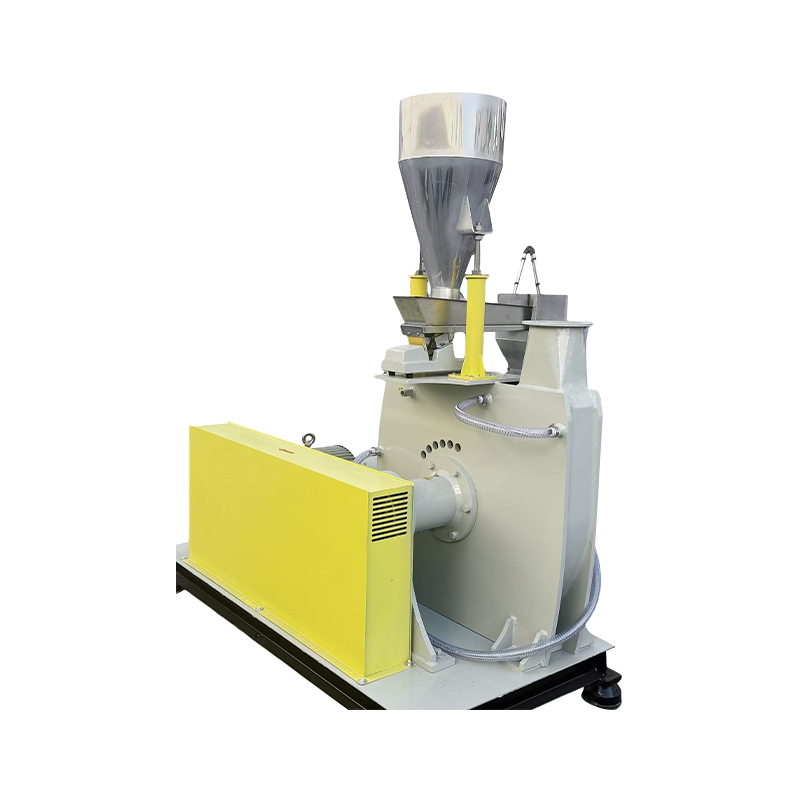
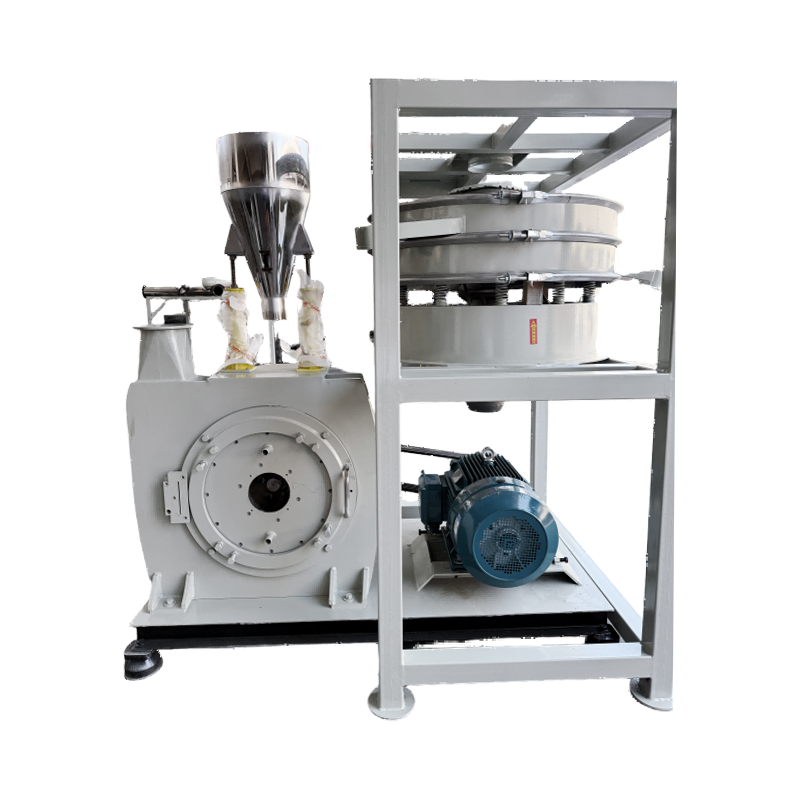
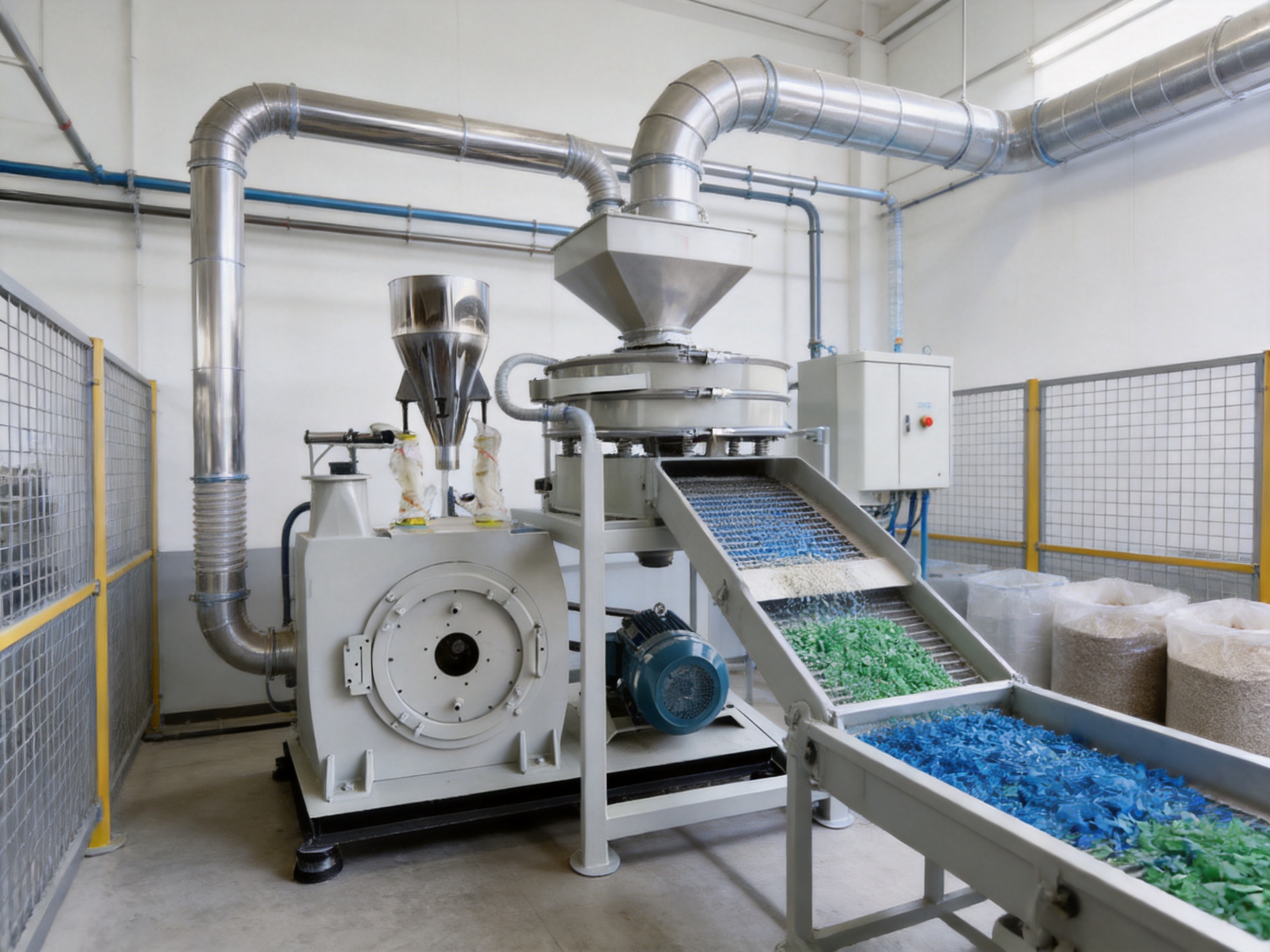
The 500PA/PP ambient-temperature grinder is designed to address these requirements in one compact production system. With a 500-millimeter grinding disc, a 37/45-kilowatt drive motor, vacuum feeding, water cooling, stainless-steel conveying pipes, and integrated vibrating screening, the machine provides a practical solution for small and medium-sized plastic recycling plants, masterbatch producers, powder-coating manufacturers, laboratories, and material-development companies.
Its central value is the ability to process PA and PP under controlled ambient-temperature conditions without relying on liquid nitrogen. This reduces the complexity of the production line and can lower operating expenses compared with cryogenic grinding systems. At the same time, the pulverizer is engineered to produce relatively uniform powder for recycling, compounding, coating, and research applications.
1. The Role of Ambient-Temperature Pulverizing in Plastic Processing
Plastic pulverizing is the process of reducing granulated, shredded, or scrap plastic into fine particles. Depending on the material and the final application, the powder may be used in rotational molding, masterbatch production, powder coating, recycled-compound preparation, additive blending, or laboratory testing.
Traditional size-reduction systems often perform well with rigid materials, but PA and PP introduce specific difficulties. Polyamide has strong mechanical properties and can be resistant to ordinary cutting and grinding. Its high strength may accelerate disc wear, particularly when the feedstock includes glass fibers or mineral fillers. Polypropylene has a relatively low softening temperature compared with many engineering plastics. If frictional heat is not removed quickly, PP can soften and stick to the grinding chamber, reducing output and creating irregular particles.
One method of dealing with temperature-sensitive plastics is cryogenic grinding. Liquid nitrogen can make a material brittle, allowing it to fracture more easily. However, cryogenic systems require storage equipment, insulated piping, specialized safety procedures, continuous nitrogen supply, and additional operating controls. These requirements can be unsuitable for smaller factories, laboratories, or businesses that process multiple materials in short production runs.
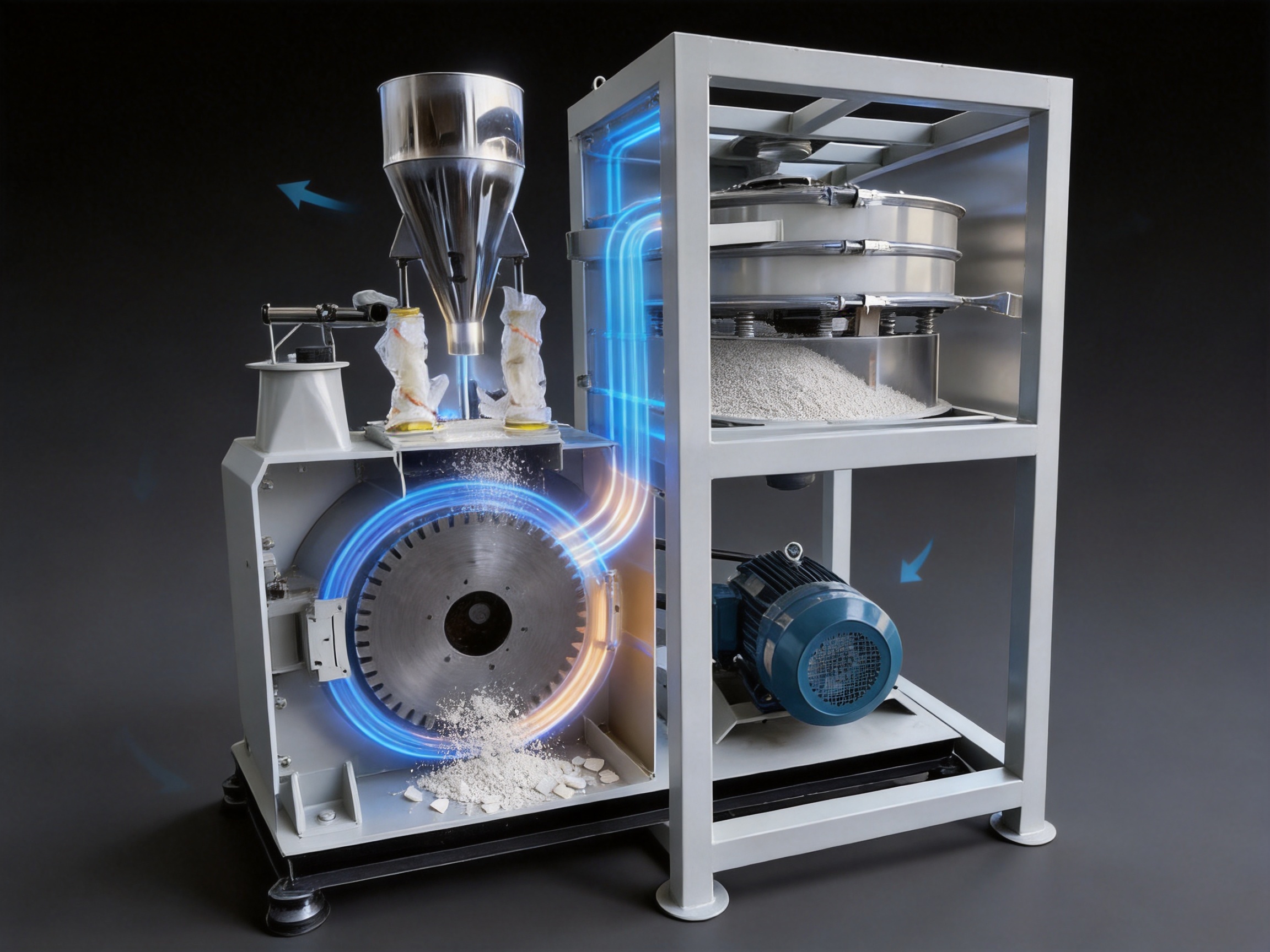
An ambient-temperature grinder takes a different approach. Instead of making the plastic brittle through deep cooling, it uses optimized disc geometry, controlled grinding clearance, airflow, water cooling, and process monitoring to keep the grinding chamber within an appropriate temperature range. This approach can provide a more accessible balance between production flexibility, powder quality, and operating cost.
The 500PA/PP model is developed around this principle. It is not simply a general-purpose pulverizer with a larger disc. Its configuration is intended for PA and PP applications in which temperature stability, powder uniformity, quick material changeover, and manageable investment are important purchasing criteria.
2. Product Overview and Main Configuration
The machine uses a 500-millimeter grinding disc and is equipped with a 37/45-kilowatt main drive motor. Depending on feed condition, material type, target fineness, and process configuration, the product information indicates a typical capacity range of approximately 50 to 160 kilograms per hour for the listed configuration. Broader performance descriptions indicate that the model can achieve higher throughput under suitable conditions, with output depending on the feedstock, moisture, particle size, screen selection, and operating parameters. Actual capacity should therefore be confirmed through a material test before final equipment selection.
The standard configuration includes a vacuum feeding system, a stainless-steel conveying pipeline, a blower motor rated at 5.5/7.5 kilowatts, and a vibrating screen with a 1.1-kilowatt motor. The pipe diameter is listed as 159 millimeters, supporting the movement of pulverized material through the conveying and collection system. The vibrating screen has a diameter of approximately 1,000 millimeters, allowing the system to classify powder after grinding.
The grinder supports star-delta starting, soft starting, or inverter-based speed control. This gives users flexibility in matching the drive system to their electrical infrastructure and production objectives. Inverter control can be especially useful when a processor needs to adjust grinding intensity, manage material temperature, or optimize particle size for different grades of PA and PP.
The cooling system uses water circulation, with separate inlet and outlet connections. This arrangement removes heat generated inside the grinding chamber and helps maintain a stable processing environment. The equipment also includes a dust-collection arrangement with a listed bag diameter of 300 millimeters, helping control airborne powder and improve workshop cleanliness.
Item |
Specification |
Processing Significance |
Machine type |
500 |
Suitable for medium-scale plastic pulverizing and flexible production |
Grinding disc diameter |
500 mm |
Provides a substantial grinding surface for PA and PP processing |
Main motor |
37/45 kW |
Supplies the drive power needed for engineering plastics and polymer scrap |
Listed capacity |
50–160 kg/h |
Appropriate for small and medium production batches, subject to material conditions |
Speed control |
Star-delta, soft start, or inverter |
Allows users to select a suitable starting and operating method |
Grinding disc material |
D2 tool steel in the standard table |
Provides a hard, wear-resistant working surface |
Blower motor |
5.5/7.5 kW |
Supports pneumatic conveying and powder movement |
Pipeline |
Stainless steel |
Improves durability, hygiene, and resistance to material contamination |
Pipeline diameter |
159 mm |
Provides a practical conveying passage for pulverized plastic |
Vibrating screen diameter |
1,000 mm |
Enables post-grinding classification and removal of oversize particles |
Vibrating-screen motor |
1.1 kW |
Drives the classification stage |
Feeding method |
Vacuum feeding |
Reduces manual handling and supports consistent feeding |
Cooling method |
Water circulation |
Removes frictional heat without liquid nitrogen |
3. Why PA and PP Require Specialized Pulverizing Control
3.1 Processing Polyamide Materials
Polyamide is widely used in automotive components, electrical connectors, cable protection, textile applications, industrial parts, and consumer products. PA6 and PA66 waste can contain a mixture of molded parts, runners, sprues, fibers, additives, and contaminants. When these materials are recycled into powder, the processor needs to maintain stable particle size while avoiding excessive thermal damage.
PA is mechanically strong, and this strength places substantial stress on grinding discs. Glass-fiber-reinforced PA is particularly demanding. The fibers can act as abrasive inclusions, accelerating edge wear and gradually changing the grinding profile. Once the disc geometry changes, the powder may become less uniform, energy consumption can increase, and production capacity may decline.
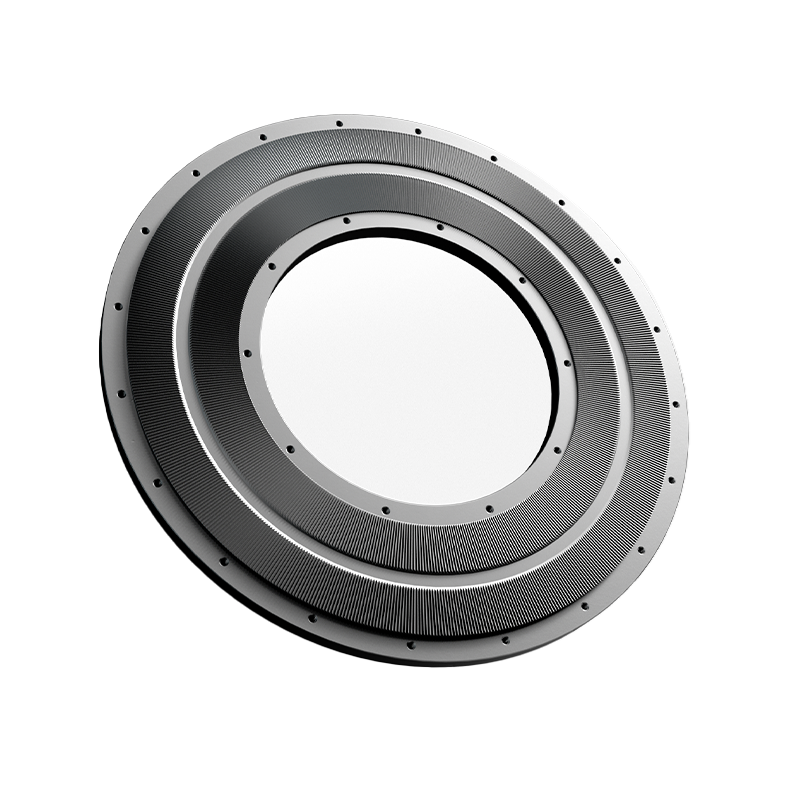
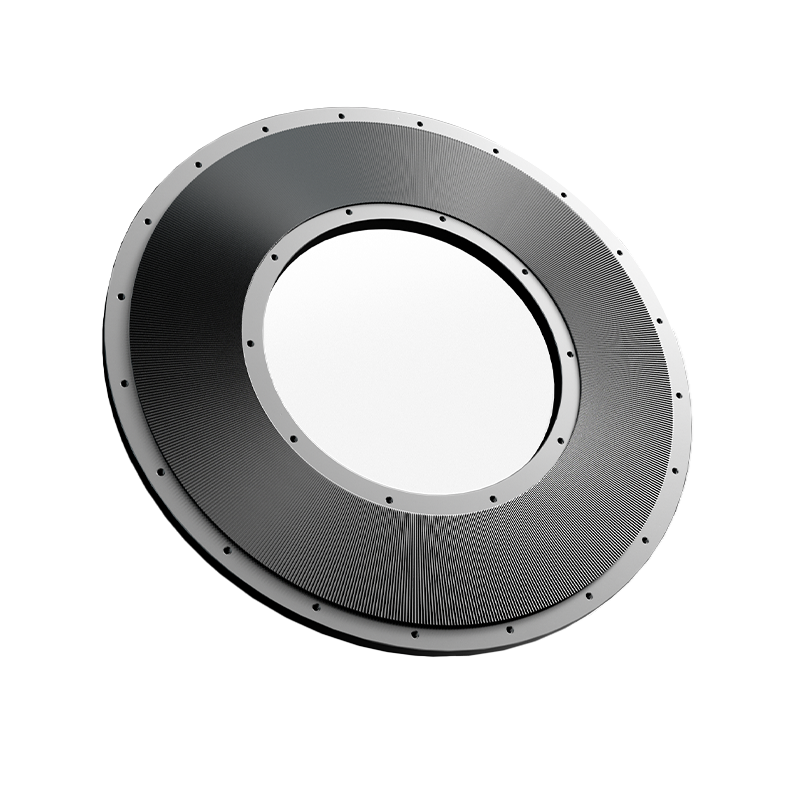
The 500PA/PP grinder uses a high-chromium-molybdenum-vanadium alloy grinding disc in its performance description, with reported hardness in the HRC60–65 range. The standard specification table identifies D2 as the grinding-disc material. These descriptions indicate a wear-resistant tool-steel configuration intended to maintain a stable cutting and grinding edge during demanding polymer applications.
According to the supplied product information, the proprietary alloy disc can reduce wear by more than 60 percent when processing glass-fiber-reinforced PA compared with ordinary disc materials. The same information reports a service life approximately twice that of standard discs and a continuous operating period of about 600–800 hours under suitable conditions. These figures depend on the formulation, fiber content, contamination level, feed size, operating speed, and maintenance practices, but they demonstrate the intended advantage of the disc design.
3.2 Processing Polypropylene
Polypropylene is common in packaging film, containers, automotive bumpers, injection-molded parts, household products, and industrial components. It is valuable in recycling because of its broad availability and wide processing range. However, PP can become soft under frictional heat. If the grinding chamber becomes too hot, the material may smear across the disc, adhere to internal surfaces, form agglomerates, or create an unstable discharge.
Temperature control is therefore central to PP pulverizing. The system described for the 500PA/PP model uses intelligent temperature regulation to maintain the grinding chamber within a controlled range. The stated control precision is approximately plus or minus 3–5 degrees Celsius. Such control helps keep the material in a more stable grinding condition and reduces the risk of melting or sticking.
Stable temperature also contributes to more predictable downstream processing. If PP particles vary significantly in thermal history, moisture condition, or shape, the material may disperse unevenly in a masterbatch or recycled compound. Uniform powder can improve feeding, mixing, pigment distribution, filler dispersion, and the consistency of subsequent molding or extrusion operations.
4. No-Liquid-Nitrogen Operation and Its Practical Benefits
The most visible feature of this equipment concept is ambient-temperature pulverizing without liquid nitrogen. This does not mean that the machine operates without cooling. Instead, it uses water cooling and controlled airflow to manage the heat created by high-speed grinding.
Removing the need for liquid nitrogen can simplify plant planning. A conventional cryogenic line may require a dedicated nitrogen tank, insulated storage, supply contracts, vapor-management procedures, and additional safety measures. Nitrogen consumption can also become a significant variable cost when production is continuous or when the material requires deep cooling for effective fracture.
For small and medium-sized factories, avoiding cryogenic infrastructure may reduce the initial investment and make the line easier to install. It can also support production in regions where liquid nitrogen is expensive, difficult to deliver, or subject to supply interruptions. A water-cooling circuit is generally more familiar to maintenance teams and can be integrated with existing factory utilities.
Ambient-temperature operation is also advantageous for multi-material production. A plant may process one grade of PA in the morning, switch to PP after cleaning, and later produce a small batch for research or customer sampling. A cryogenic system may be technically capable of this work, but its cost and setup requirements can be disproportionate to the batch size. The 500PA/PP model is positioned as a more flexible alternative for companies that value frequent material changeovers.
There are still process conditions to manage. Feed material should be properly sorted, reasonably clean, and supplied at an appropriate size. Water-cooling performance depends on sufficient flow, clean heat-exchange surfaces, and correct operating temperature. The machine should be tested with the intended material to establish a reliable combination of disc speed, grinding clearance, feed rate, and screen specification.
500PA/PP Ambient Temperature Grinder Requires No Liquid Nitrogen
5. Grinding Disc Technology and Wear Resistance
The grinding disc is one of the most important components in a plastic pulverizer. Its edge condition, surface profile, hardness, balance, and alignment directly influence throughput, energy consumption, particle shape, and maintenance frequency.
In ordinary pulverizers, the disc may perform adequately with soft, clean plastic but wear quickly when exposed to reinforced engineering polymers. A worn disc can create several problems. The grinding gap may become less effective, the material may remain in the chamber for a longer period, heat generation may rise, and the product may contain a wider range of particle sizes. Frequent disc replacement also increases downtime and labor requirements.
The disc configuration used for the PA/PP-500 is intended to resist these effects. A hard alloy structure containing chromium, molybdenum, and vanadium can offer a combination of wear resistance, edge retention, and toughness. The reported HRC60–65 hardness range is suitable for a demanding grinding environment, although the exact performance depends on heat treatment and machining quality.
The supplied performance data reports more than 60 percent lower wear during glass-fiber-reinforced PA processing and approximately double the service life of ordinary discs. For a recycling company, the benefit is not limited to the replacement cost of the disc. Longer service life can also reduce production interruptions, spare-parts inventory, technician time, and the risk of quality changes between disc replacements.
Disc balancing is equally important. High-speed rotating components must be dynamically balanced to reduce vibration, bearing stress, noise, and uneven wear. Changzhou Mao Yue Intelligent Equipment Co., Ltd. states that its factory uses German dynamic balancing equipment as part of its manufacturing process. This type of production control supports the stable rotation required for a 500-millimeter disc operating at high speed.
6. Temperature Management and Product Stability
Temperature control affects both machine reliability and material quality. Excessive heat can damage polymers, alter melt flow behavior, increase odor, promote adhesion, and reduce the consistency of the powder. The 500PA/PP system integrates temperature monitoring and water cooling to manage these risks.
The described intelligent control system maintains the grinding chamber within approximately plus or minus 3–5 degrees Celsius. The objective is to prevent PA from experiencing unnecessary thermal degradation and to reduce PP melt adhesion. Stable temperature can also make production parameters easier to repeat from one batch to another.
The supplied information reports melt-index fluctuation of less than 0.4 grams per 10 minutes and a 25 percent improvement in yield qualification rate. These results should be understood as stated product performance indicators rather than universal guarantees. Melt index depends on polymer grade, moisture, additives, residence time, initial degradation, contamination, and test method. Nevertheless, the figures highlight the machine’s focus on preserving material consistency rather than merely achieving mechanical size reduction.
For PA, moisture management remains important because polyamide is hygroscopic. Wet feedstock may influence grinding behavior and can contribute to hydrolytic degradation during subsequent thermal processing. Pre-drying, sealed storage, and controlled feeding should be considered when the powder is intended for high-quality regeneration or engineering applications.
For PP, cleanliness and film preparation are significant. Lightweight film can bridge in a hopper or become difficult to feed if it is not adequately compacted or cut. Injection scrap and rigid parts may require pre-shredding to achieve a suitable feed size. These upstream steps help the pulverizer operate within its most efficient range.
7. Particle Fineness, Screening, and Powder Quality
The 500PA/PP grinder is designed to produce powder in a range suitable for different applications. The broader product description identifies a fineness range of approximately 20–100 mesh, with 30–80 mesh described as a common operating range. The technical table lists 10–30 mesh, while laboratory-oriented information mentions adjustment toward 20–120 mesh. These differences show that final fineness depends on the selected configuration, screen, grinding gap, material properties, and operating conditions.
Mesh size is a practical reference for particle classification, but it should not be treated as the only measure of quality. Particle-size distribution, median particle size, particle shape, bulk density, flowability, moisture, and contamination can all affect the performance of recycled powder. A material with a nominally correct mesh size may still be unsuitable if it contains too much oversize, excessive fines, or irregular agglomerates.
The integrated vibrating screen provides a secondary classification stage after grinding. It separates particles according to the selected screen specification and helps return or remove oversize material, depending on the complete line design. This is valuable for applications that require a more consistent powder feed, such as masterbatch formulation, powder coating, or laboratory compounding.
The supplied description emphasizes uniform particles, high sphericity, and good flowability. These characteristics can make the powder easier to convey, meter, mix, and package. In a masterbatch plant, improved flow can support more stable dosing of polymer powder, pigment, filler, and additives. In powder coating, a more uniform powder can assist in achieving a consistent coating layer during electrostatic spraying or fluidized-bed dipping.
Micron-level grinding-gap adjustment is another important feature. A smaller or more accurately controlled gap can support finer grinding, while a larger gap may be preferable when the target is coarser powder or when the material is more heat-sensitive. Precise adjustment allows operators to optimize the process instead of relying only on higher motor speed.
8. Production Applications
8.1 PA6 and PA66 Recycling
PA6 and PA66 waste can originate from automotive bumpers, interior components, electrical connectors, cable sheathing, textile tow waste, molded runners, and industrial parts. After sorting, metal removal, pre-shredding, and optional washing or drying, the material can be pulverized into a powder for downstream regeneration.
The resulting PA powder may be used as a feedstock for compounding, recycled granulation, injection molding, or selected additive-manufacturing and filament-development projects. The value of the powder depends on polymer identification, contamination control, moisture management, fiber content, and the requirements of the final product.
For glass-fiber-reinforced PA, disc wear resistance is particularly important. A disc that maintains its profile longer can support more stable particle production and reduce maintenance interruptions. The 500-millimeter format provides a practical balance between working capacity and footprint for businesses that do not need a very large industrial line.
8.2 PP Film and Injection Scrap
PP film, injection-molding scrap, containers, automotive bumpers, and production offcuts can be converted into powder for recycling or compounding. Powdered PP is useful as a carrier or base component in modified masterbatches, filled masterbatches, and color masterbatches.
Uniform PP powder may improve pigment and filler distribution because smaller and more consistent particles provide more predictable contact during mixing. It can also support downstream blow molding, injection molding, and extrusion processes when the powder is combined with suitable recycled or virgin resin.
Film processing should be evaluated carefully. Films may contain printing ink, adhesive, multilayer structures, or moisture. The pulverizer can reduce the size of the material, but it cannot replace sorting, washing, drying, or contaminant-removal equipment. A complete recycling line should therefore be designed around the actual waste stream.
8.3 Masterbatch Production
Masterbatch manufacturers often require reliable powder feeding and effective dispersion. Polymer powder can be combined with pigments, carbon black, mineral fillers, flame retardants, processing aids, or other additives before extrusion or intensive mixing.
A stable powder size can help reduce fluctuations in feeding and improve the repeatability of formulation trials. The vibrating screen can limit oversize particles that might otherwise cause dosing inconsistency or create localized concentrations of pigment or filler.
The compact configuration is also useful for factories producing several formulations. Rapid cleaning and material changeover can reduce the risk of cross-contamination between colors or additive systems. Operators should still establish appropriate cleaning procedures, especially when switching from dark to light colors or from filled to unfilled materials.
8.4 Powder Coating Development
PP-based powder coating is a specialized application requiring controlled particle size, low contamination, and reliable thermal behavior. The 500PA/PP model can support entry-level or trial-scale powder coating production where manufacturers need to test formulations or produce several varieties in limited batches.
Uniform powder can help with electrostatic spraying and fluidized-bed dipping. However, the final coating performance depends on resin formulation, additives, curing conditions, particle charge, application equipment, and substrate preparation. Pulverizing is one part of the process, but it provides the physical powder form required for subsequent coating operations.
8.5 Laboratory and Research Use
Universities, research institutions, polymer laboratories, and new-material companies frequently need to prepare small batches for testing. These projects may involve a new recycled formulation, a filled polymer, a color concentrate, a 3D-printing filament experiment, or a process-development study.
A flexible pulverizer can reduce the need to send every small sample to an external processor. The ability to adjust fineness and process different PA and PP feedstocks supports faster experimentation. Researchers can compare material behavior at different particle sizes and evaluate how powder properties influence extrusion, molding, coating, or compounding.
For laboratory use, cleaning and sample traceability are essential. Each batch should be labeled by material grade, source, moisture condition, additives, screen specification, and processing parameters. This helps researchers relate powder characteristics to later test results.
9. Advantages Compared with Conventional Competitors
9.1 Lower Dependence on Cryogenic Infrastructure
Many conventional solutions rely on liquid nitrogen when the feedstock is difficult to fracture or prone to softening. Cryogenic systems can be effective, but they add equipment, utility, safety, and supply requirements. The ambient-temperature design of the 500PA/PP model provides a simpler alternative for businesses that want controlled grinding without installing a nitrogen-handling system.
9.2 Stronger Focus on PA and PP
Some general-purpose pulverizers are designed for a broad range of plastics but may not be optimized for the specific behavior of PA and PP. The 500PA/PP system combines temperature control, water cooling, wear-resistant discs, adjustable grinding clearance, and screening around these materials. This application-focused design can be more useful than purchasing a generic machine and attempting to adapt it later.
9.3 Wear Resistance for Reinforced Materials
Glass-fiber-reinforced PA can rapidly wear ordinary grinding components. The high-hardness alloy disc is intended to maintain service life and edge stability under these conditions. The reported reduction in wear and extended operating life can provide a meaningful advantage over standard tool-steel or lower-hardness discs.
9.4 Integrated Screening
A pulverizer that discharges directly into an external classification process may require additional floor space, conveying equipment, labor, and control integration. The integrated vibrating screen on the 500PA/PP line supports immediate classification after grinding. This can simplify the layout and improve the consistency of the finished powder.
9.5 Flexible Speed and Starting Options
Star-delta starting, soft starting, and inverter control allow the machine to be configured for different plant conditions. Soft starting can reduce electrical and mechanical shock, while inverter control can help operators balance capacity, temperature, and particle size. This flexibility is valuable in factories that process materials with different hardness, shape, moisture, or thermal sensitivity.
9.6 Compact Footprint and Moderate Energy Demand
The product description identifies total system power at approximately 50–60 kilowatts under the described configuration. Compared with larger industrial lines, this can be a practical power level for small and medium-sized facilities. The compact layout also makes the machine suitable for factories with limited floor space or for companies adding a dedicated pulverizing cell beside an existing recycling line.
9.7 Easier Material Changeover
Multi-material processors need to minimize downtime between grades. A compact design, accessible grinding chamber, vacuum feeding arrangement, and integrated screening system can support quicker cleaning and changeover. The exact changeover time depends on the material, plant layout, cleaning method, and operator experience, but the equipment is intended for flexible production rather than only long, uninterrupted campaigns.
10. Manufacturing Strengths of Changzhou Mao Yue Intelligent Equipment Co., Ltd.
The performance of a pulverizer depends not only on its published motor size or disc diameter. Manufacturing accuracy, dynamic balance, welding quality, assembly control, and component consistency all affect long-term reliability. Changzhou Mao Yue Intelligent Equipment Co., Ltd. presents itself as a source manufacturer with more than three decades of experience in plastic crushing and pulverizing equipment.
The company operates six processing workshops, each averaging approximately 1,400 square meters. This workshop structure provides dedicated space for machining, welding, assembly, testing, and related production activities. A manufacturer with in-house processing capability can maintain closer control over critical dimensions and respond more efficiently to customized requirements.
The factory uses high-precision grinding machines imported from Taiwan and built according to German standards. Precision grinding is important for disc surfaces, mating components, shafts, and other parts that affect the grinding gap and rotational stability. Accurate machining helps limit eccentricity, uneven clearance, and unnecessary vibration.
German dynamic balancing equipment is used for rotating parts. This is especially significant for high-speed pulverizer discs. A well-balanced rotor can reduce bearing loads, noise, vibration, and fatigue on the machine frame. It also helps preserve the alignment of the grinding chamber during extended operation.
The company also identifies Japanese welding systems among its production resources. Consistent welding quality contributes to the strength and dimensional stability of the frame, hopper, ducting, support structures, and stainless-steel components. Proper welding procedures are particularly important where vibration and repeated thermal cycling are present.
Technical personnel regularly study advanced machine technologies from countries such as Germany. This emphasis on process improvement can help the company refine machine structure, control systems, component selection, and maintenance access. It also supports the development of customized equipment for materials and production conditions that differ from standard catalog requirements.
11. Quality Management, Certification, and Service Capability
Changzhou Mao Yue Intelligent Equipment Co., Ltd. states that it has obtained CE mechanical certification and ISO 9001 quality management system certification. CE certification supports conformity with applicable European machinery and safety requirements when the complete machine is supplied under the relevant conditions. ISO 9001 reflects a structured approach to quality management, documentation, process control, and continual improvement.
Certifications do not replace proper installation, operator training, maintenance, or material testing. However, they provide useful evidence that the manufacturer works within recognized quality and safety frameworks. For international buyers, documented manufacturing procedures can simplify supplier evaluation and support internal procurement requirements.
The company reports long-term partnerships with more than 5,000 enterprises in domestic and international markets. A broad customer base can provide valuable experience across recycling, rotational molding, masterbatch, polymers, PVC, PE, and powder-coating industries. This experience is relevant when a customer needs to adapt the PA/PP-500 system to an unusual feedstock or a specific target powder.
Service quality should be assessed during the purchasing process. Buyers should request information about installation, spare discs, screen availability, electrical standards, cooling requirements, warranty terms, training, and remote technical support. The manufacturer’s ability to provide customized solutions is particularly important when the customer plans to process reinforced PA, thin film, filled PP, or mixed production scrap.
12. Process Design for Best Results
A pulverizer can only perform consistently when the upstream and downstream stages are properly designed. Before the material enters the PA/PP-500, it should be sorted by polymer type as far as practical. Mixing PA and PP in the same batch can affect powder quality and may create problems in downstream recycling or compounding.
Metal removal is essential. Screws, inserts, staples, clips, and other metallic contaminants can damage the grinding disc and create a safety hazard. A magnetic separator, eddy-current separator, or manual inspection station may be appropriate depending on the waste stream.
Large molded parts should normally be reduced to a suitable pre-shredded or granulated size. Supplying oversized material directly to the pulverizer can reduce throughput, increase load, and cause unstable feeding. For PP film, a densifier, compactor, cutter, or specialized film preparation stage may improve feeding consistency.
Moisture must also be considered. PA generally benefits from drying before high-quality recycling because absorbed moisture can influence both processing and final properties. PP is less hygroscopic, but washed film or containers may retain surface water. Excess moisture can affect conveying, screening, powder flow, and storage.
After pulverizing, the powder should be collected in sealed or controlled containers. Fine plastic powder can absorb moisture, pick up contamination, or generate dust if it is transferred carelessly. Dust collection, grounding, ventilation, and housekeeping should be included in the plant safety plan.
Recommended Operating Checks
Before production, operators should verify the grinding-disc condition, fastener tightness, bearing status, cooling-water flow, screen installation, dust-collection connection, and feed-system operation. The machine should be started according to the selected electrical-control method, allowing the motor and blower to reach stable operating conditions before feeding material.
During operation, operators should monitor motor current, vibration, temperature, feed rate, powder appearance, and screen performance. A sudden increase in current may indicate oversized feed, excessive feeding, a foreign object, or disc contact. An increase in powder agglomeration may indicate inadequate cooling, excessive residence time, incorrect clearance, or a material condition that requires adjustment.
After production, the chamber, feed path, screen, pipeline, and collection area should be cleaned according to the material and safety procedure. When changing from one polymer or color to another, cleaning should be thorough enough to prevent cross-contamination. A documented maintenance schedule should include disc inspection, bearing lubrication where applicable, belt condition, screen inspection, dust-filter cleaning, and cooling-system checks.
13. Economic Value for Small and Medium-Sized Factories
The 500PA/PP grinder is positioned as an entry-level model in its series, but entry-level does not necessarily mean basic or unsuitable for demanding work. Its value lies in combining a medium-sized grinding disc with temperature control, screening, vacuum feeding, stainless-steel conveying, and flexible motor-start options.
For a small recycling company, the initial investment is only one part of the purchasing decision. Operating cost, spare-part consumption, downtime, labor requirements, power use, material yield, and product acceptance all influence the total cost of ownership. A disc with longer service life can reduce replacement frequency. A controlled chamber temperature can reduce rejected powder and cleaning interruptions. Integrated screening can reduce the need for separate classification equipment.
For a masterbatch factory, flexibility can be more valuable than maximum theoretical capacity. A line that can handle different colors and formulations in moderate batches may produce more commercial value than a larger line designed for only one long production campaign. The ability to process customer trials, special grades, and small-batch formulations can also create additional revenue opportunities.
For research organizations, avoiding liquid nitrogen can simplify laboratory logistics. The machine can support repeated tests without depending on a cryogenic supply chain. Researchers can focus on material formulation and testing while using adjustable grinding conditions to produce the required powder grades.
Potential buyers should calculate return on investment using their own material cost, powder selling price, operating hours, electricity rates, labor costs, maintenance budget, and expected utilization. A material trial is recommended before purchase so that capacity, fineness, temperature behavior, and powder quality can be evaluated under realistic conditions.
14. Safety and Environmental Considerations
High-speed plastic pulverizing requires a disciplined safety program. The grinding chamber must remain closed during operation, and interlocks or other protective measures should prevent access to rotating parts. Operators should never bypass safety devices or open inspection points until the machine has completely stopped and the energy sources have been isolated.
Plastic powder can become airborne and may present respiratory, housekeeping, or combustible-dust concerns depending on the polymer, particle size, additives, and plant conditions. The dust-collection system should be correctly connected and maintained. Ventilation, personal protective equipment, grounding, and dust-control procedures should be established according to local regulations and the material safety information for the processed polymers.
Noise is another consideration. The product description identifies a noise level below 85 decibels under the stated conditions. Actual noise may vary according to the installation, material, room acoustics, blower operation, and machine condition. Hearing protection and periodic noise assessment should be used where required.
Water cooling can be more straightforward than liquid nitrogen, but it still requires responsible management. Cooling water should be monitored for leakage, contamination, flow reduction, and scaling. If additives or cleaning chemicals are used, the plant should follow appropriate disposal procedures. A closed-loop water system may reduce consumption where local conditions make water conservation important.
Material recovery itself supports environmental goals by diverting plastic waste from disposal and returning usable polymer to manufacturing. However, environmental performance depends on the entire process. Efficient sorting, low contamination, appropriate power management, and durable wear parts all contribute to a more sustainable recycling operation.
15. Installation and Factory Integration
The machine should be installed on a stable foundation capable of supporting the equipment and limiting vibration. Adequate clearance should be provided around the grinding chamber, screen, control cabinet, feeding system, dust collector, and maintenance access points.
Electrical requirements should be confirmed before shipment. Buyers should specify voltage, frequency, phase, motor-start method, control-panel requirements, emergency-stop arrangement, and applicable local electrical standards. If inverter control is selected, the plant should verify compatibility between the inverter, motor, control system, and operating environment.
The water-cooling circuit requires a suitable supply and return arrangement. Flow, pressure, temperature, pipe size, filtration, and heat-dissipation capacity should be checked during commissioning. Insufficient cooling can affect both output and powder quality, especially when processing PP or other heat-sensitive feedstock.
The conveying system should be arranged to minimize sharp bends and unnecessary horizontal runs. Stainless-steel piping can improve durability and reduce contamination risk, but the complete conveying route must still be designed to avoid blockages. The dust collector should be correctly sized and positioned so that air movement supports powder transfer without excessive loss of fine material.
A commissioning plan should begin with an empty-machine inspection, followed by a low-rate material test. Operators can then adjust the feed rate, speed, gap, cooling conditions, and screen setup while monitoring the powder. Production should increase gradually until the desired balance between capacity and quality is established.
16. Customization and Material Testing
Plastic waste varies widely. Two materials identified as PP may have different melt-flow rates, fillers, pigments, additives, moisture levels, and contamination. PA6 and PA66 may also differ in reinforcement, impact modifiers, flame retardants, and previous thermal history. For this reason, a standard specification is a starting point rather than a substitute for testing.
Changzhou Mao Yue Intelligent Equipment Co., Ltd. emphasizes customized solutions. Customers may need different screen sizes, conveying arrangements, dust-collection configurations, motor controls, electrical standards, cooling systems, feeding devices, or material-contact components. Customized design can help align the machine with the customer’s existing line and final powder requirements.
A useful material test should record the incoming feed type, moisture, pre-shredded size, reinforcement level, target mesh, feed rate, main-motor current, chamber temperature, cooling-water condition, and final powder distribution. Samples should be retained for downstream testing. This information helps confirm whether the proposed machine is suitable and provides a reference for future operation.
Tests should examine more than throughput. The powder should be evaluated for particle-size distribution, bulk density, flowability, visible contamination, agglomeration, color change, odor, and thermal behavior. For recycled PA, additional testing may include moisture, viscosity, tensile properties, impact strength, and fiber distribution after compounding. For PP, melt flow rate, ash content, pigment dispersion, and mechanical properties may be relevant.
17. Frequently Asked Questions
Q1. Can the 500PA/PP grinder operate without liquid nitrogen?
Yes. The machine is designed for ambient-temperature pulverizing and uses water cooling, airflow, and temperature control instead of liquid nitrogen. This can simplify plant operation and reduce dependence on cryogenic infrastructure. The best results still require appropriate feed preparation and correct operating parameters.
Q2. What materials can it process?
The principal target materials are PA6, PA66, polypropylene film, PP injection scrap, automotive plastic parts, containers, and related PA or PP waste. The exact suitability depends on reinforcement, fillers, moisture, contamination, feed size, and the required powder fineness.
Q3. What is the machine capacity?
The technical table lists 50–160 kilograms per hour. Broader product information describes higher potential output under suitable conditions. Actual capacity varies with material type, feed preparation, target mesh, screen, disc speed, temperature, and operating method. A material test should be used to confirm the expected production rate.
Q4. What powder fineness can be achieved?
The supplied information references ranges including 20–100 mesh, 30–80 mesh as a common range, and a technical-table range of 10–30 mesh. Laboratory information refers to adjustment toward 20–120 mesh. These variations reflect different screens and operating conditions. The required fineness should be specified during technical evaluation.
Q5. How does the machine control temperature?
The system uses water circulation and intelligent temperature monitoring. Cooling water enters and leaves through separate connections, removing heat from the grinding system. The stated control precision is approximately plus or minus 3–5 degrees Celsius under suitable operating conditions.
Q6. Is it suitable for glass-fiber-reinforced PA?
Yes, the wear-resistant grinding-disc design is specifically intended to improve performance when processing reinforced PA. The supplied information reports more than 60 percent lower disc wear and approximately double the service life compared with standard discs under stated conditions. Actual life depends on fiber content, contamination, feed rate, and maintenance.
Q7. Does the machine include screening?
Yes. The configuration includes an integrated vibrating screen with a diameter of approximately 1,000 millimeters and a 1.1-kilowatt motor. Screening helps classify the finished powder and improve particle-size consistency.
Q8. Is vacuum feeding included?
Yes. Vacuum feeding is listed as the standard feeding method. It reduces manual handling and can help provide a more consistent material supply when the upstream preparation process is properly designed.
Q9. Is the machine suitable for laboratory use?
It can be suitable for laboratories, universities, research institutions, and new-material companies that need small-batch PA or PP powder. The machine is especially relevant for formulation development, recycled-material testing, powder-coating trials, and process validation. Buyers should confirm whether the available capacity and cleaning requirements match their laboratory workflow.
Q10. What should be tested before purchase?
Buyers should test capacity, powder fineness, particle-size distribution, temperature stability, material flow, energy consumption, visible contamination, and the behavior of the powder in the intended downstream process. Reinforced and filled materials should be tested separately from unfilled grades.
Q11. What maintenance is required?
Routine maintenance includes inspection of the grinding disc, bearings, belts, fasteners, screen, blower, dust collector, cooling circuit, feeding system, and electrical controls. Cleaning is important during material changeovers. The maintenance schedule should be adapted to operating hours and material abrasiveness.
Q12. What manufacturing qualifications does the supplier report?
Changzhou Mao Yue Intelligent Equipment Co., Ltd. reports more than 30 years of experience, six processing workshops, high-precision grinding equipment, dynamic balancing equipment, Japanese welding systems, CE mechanical certification, and ISO 9001 quality management system certification. Customers should request current documentation and project-specific technical details during procurement.
18. Buyer’s Evaluation Checklist
Before ordering a 500PA/PP pulverizer, the buyer should prepare a clear material profile. This should include polymer type, grade, reinforcement, filler, moisture, contamination, incoming size, expected hourly throughput, target powder range, and downstream application.
The buyer should then confirm whether the standard 37/45-kilowatt motor is suitable or whether another motor and control arrangement is required. Electrical supply, cooling-water availability, dust-control regulations, floor space, pipe routing, and finished-powder packaging should be reviewed at the same time.
It is also important to clarify the definition of capacity. Some suppliers state capacity based on ideal feedstock and a coarse screen, while a buyer may require fine powder from reinforced material. The purchasing specification should identify the test material and acceptable quality criteria rather than relying on a single general capacity number.
Spare-part planning should include grinding discs, screens, belts, bearings, seals, filters, and other wear components. The expected delivery time and availability of replacement parts can affect the real cost of ownership. Training should cover operation, cleaning, temperature management, emergency procedures, and troubleshooting.
A well-prepared technical specification prevents misunderstandings and allows the manufacturer to propose the most suitable configuration. It also makes it easier to compare the 500PA/PP model with competing machines on equivalent terms.
19. Overall Assessment
The 500PA/PP ambient-temperature grinder is a practical solution for processors that need controlled PA and PP pulverizing without liquid nitrogen. Its combination of a 500-millimeter disc, 37/45-kilowatt motor, water cooling, intelligent temperature control, vacuum feeding, stainless-steel conveying, adjustable grinding clearance, and vibrating screening creates a complete and flexible processing platform.
Its main competitive advantages are its focus on temperature-sensitive polymers, resistance to disc wear, reduced dependence on cryogenic utilities, integrated classification, moderate power demand, compact layout, and suitability for frequent material changes. These features make it particularly relevant to small and medium-sized recycling enterprises, masterbatch producers, powder-coating developers, laboratories, and companies producing customized polymer powders.
The equipment is not a substitute for proper sorting, pre-shredding, drying, dust collection, or downstream quality control. Its performance will always depend on the material and process conditions. However, when integrated into a correctly designed line, it can help convert difficult PA and PP waste into a more uniform and valuable powder feedstock.
The manufacturing resources of Changzhou Mao Yue Intelligent Equipment Co., Ltd. further strengthen the product proposition. In-house workshops, precision grinding equipment, dynamic balancing, specialized welding, quality-system certification, and long-term industry experience provide a foundation for consistent machine construction and technical support.
For companies seeking a cost-conscious entry into PA and PP powder production, or for established processors that need a flexible secondary line, the 500PA/PP grinder offers a balanced combination of performance, maintainability, and application versatility. A material trial, technical consultation, and complete return-on-investment evaluation should be completed before purchase, but the machine’s design clearly addresses many of the operating challenges associated with ambient-temperature pulverization.
References
1. Product technical information for the 500PA/PP ambient-temperature grinder, including disc diameter, motor configuration, capacity, cooling method, screening, and feeding system.
2. Manufacturer-provided performance information concerning temperature control, grinding-disc wear resistance, particle fineness, and service-life expectations.
3. General principles of polymer recycling, plastic size reduction, material sorting, drying, conveying, and powder classification.
4. Technical guidance concerning polyamide moisture management, polymer thermal stability, and recycled-material quality control.
5. General engineering practices for high-speed rotating equipment, dynamic balancing, dust collection, guarding, and preventive maintenance.
6. Manufacturer information concerning production workshops, machining equipment, welding systems, quality management, certifications, and customized pulverizing solutions.