

 English
 русский
 Español
 عربى
 中文简体
 中文简体
Content
- 1 Why PVC Pulverizer Blades Matter
- 2 Product Structure and Design Features
- 3 Alloy Steel Material and Heat Treatment
- 4 Working Principle in PVC Pulverizing
- 5 Performance Advantages Compared with Standard Grinding Plates
- 6 Manufacturing Capabilities of the Supplier
- 7 Application Areas
- 8 Cooling and Temperature Control
- 9 Installation, Adjustment, and Maintenance
- 10 Customization and Technical Cooperation
- 11 Operational and Economic Benefits
- 12 Recommended Selection Criteria
- 13 Quality and Sustainability Considerations
- 14 Why Choose a Specialized Pulverizer Manufacturer
- 15 Frequently Asked Questions
- 15.1 What is a PVC pulverizer tooth plate?
- 15.2 What material is used for these blades and knives?
- 15.3 What is the hardness of the tooth plate?
- 15.4 How long can the plate operate before replacement?
- 15.5 What particle size can the pulverizer produce?
- 15.6 Can the plate process filled PVC?
- 15.7 Can the tooth plate be customized?
- 15.8 Why is cooling important when pulverizing PVC?
- 15.9 How should the grinding gap be adjusted?
- 15.10 What should be checked during maintenance?
- 15.11 Does the supplier manufacture complete pulverizers?
- 15.12 What industries use these grinding plates?
- 16 Conclusion
- 17 References
- 18 Product: PVC Pulverizer alloy steel blades and knives
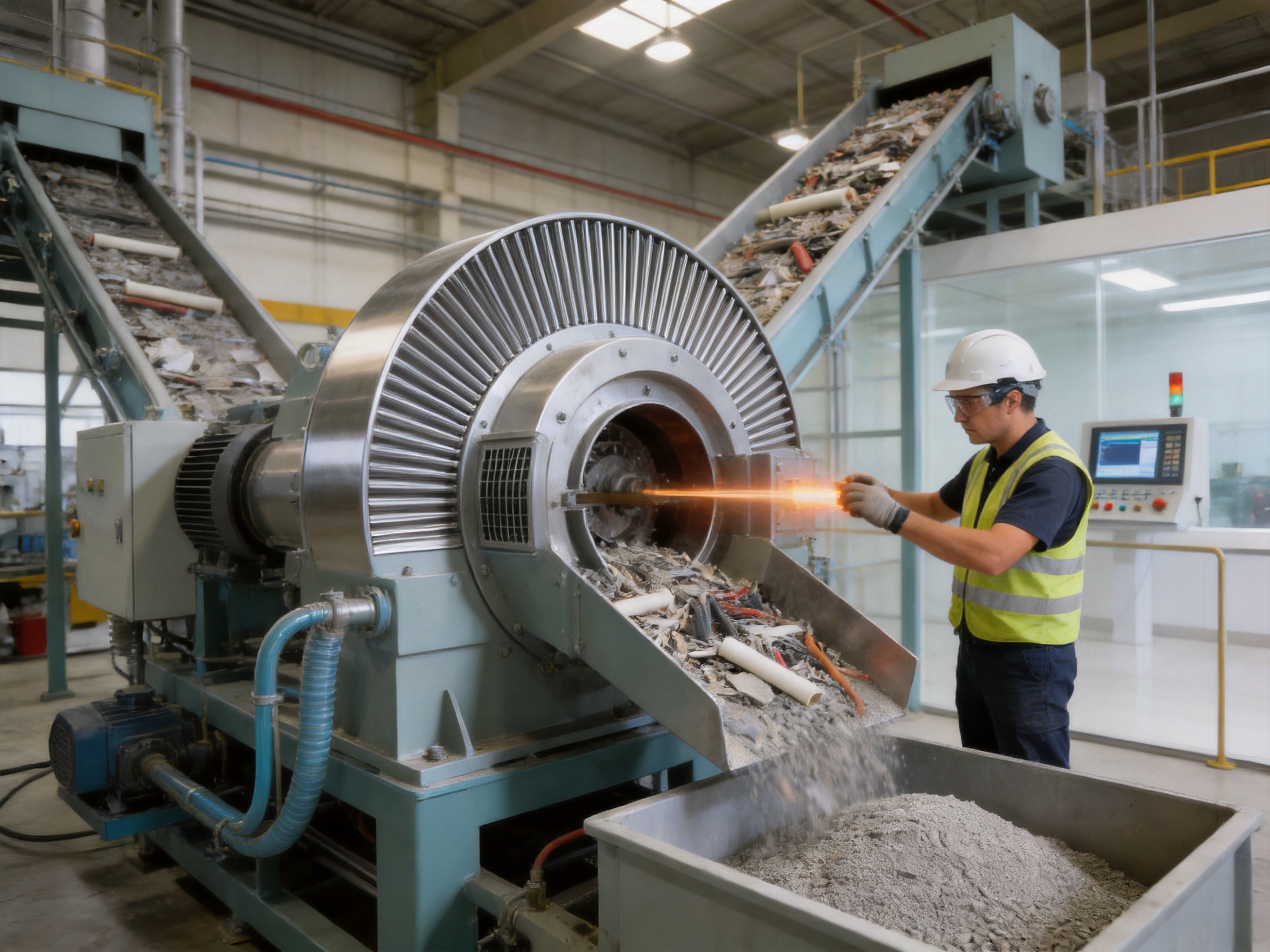
PVC pulverizer blades and knives are essential wear components in plastic grinding systems. They determine how effectively a pulverizer can process rigid PVC, flexible PVC, profiles, pipes, sheets, cable compounds, flooring, injection-molded waste, and other difficult-to-grind materials. A well-designed tooth plate does more than cut plastic. It controls particle size, affects energy consumption, influences powder quality, manages heat generation, and determines how long the grinding system can operate before maintenance is required.
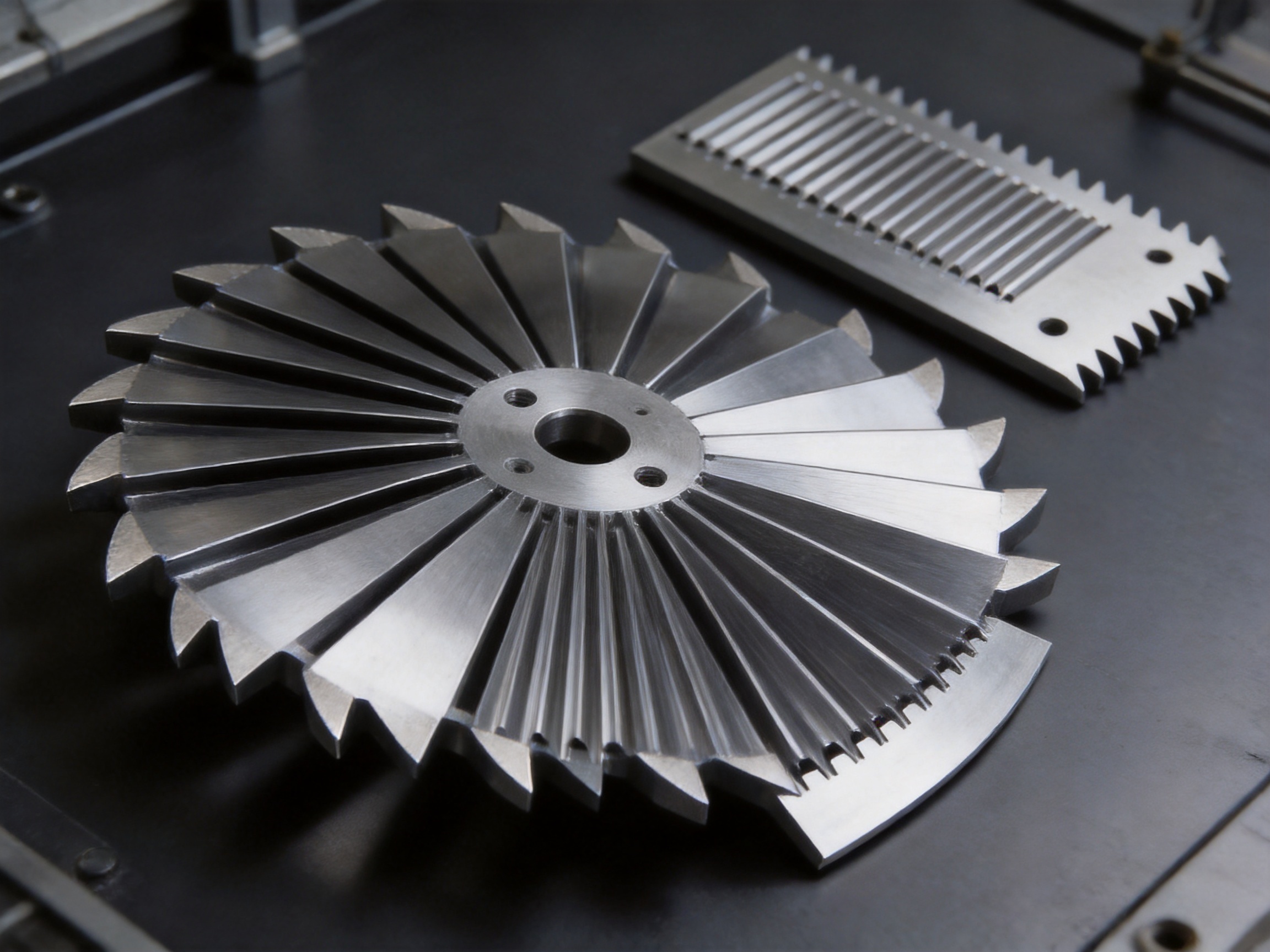
The PVC pulverizer alloy steel blades and knives described in this article are engineered for demanding industrial applications. Their fan-shaped, multi-fin structure incorporates high-density parallel or radial teeth, while the alloy steel substrate is strengthened through carburizing, quenching, tempering, and other specialized heat-treatment procedures. A finished hardness range of approximately HRC 58–62 gives the components a combination of wear resistance, impact strength, and edge retention.
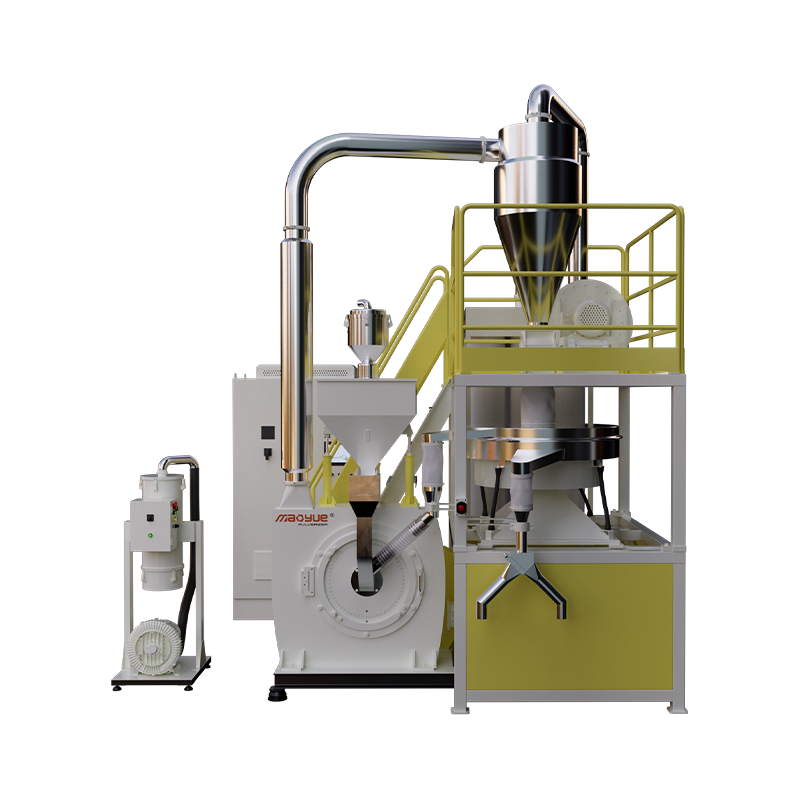
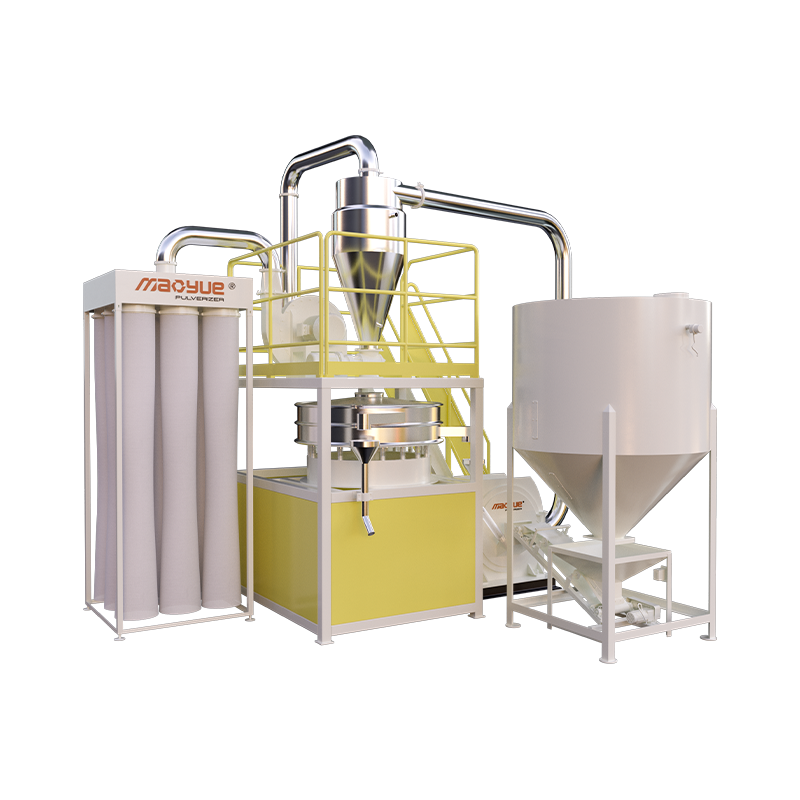
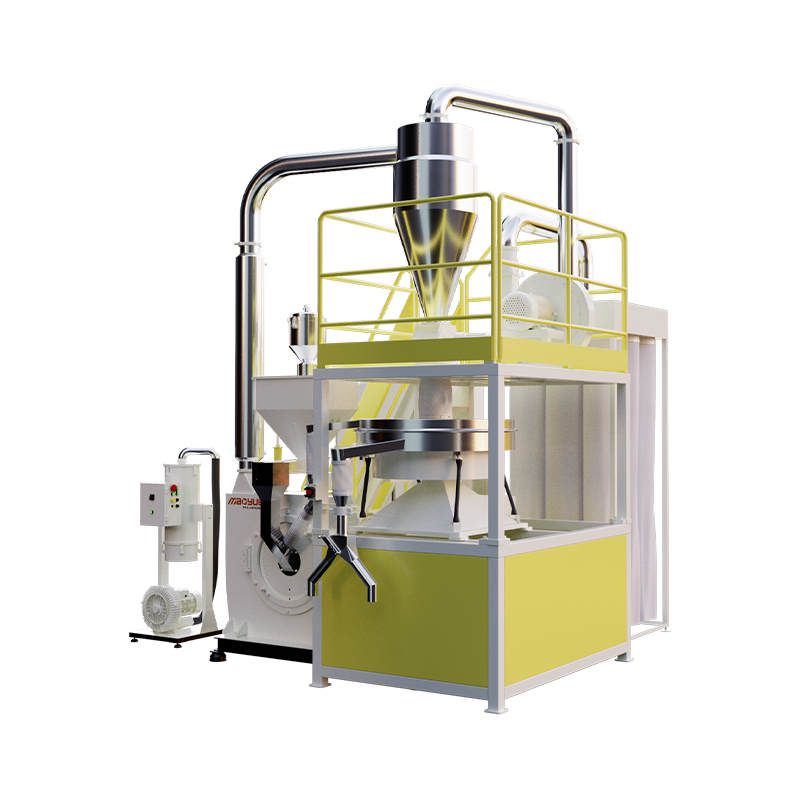
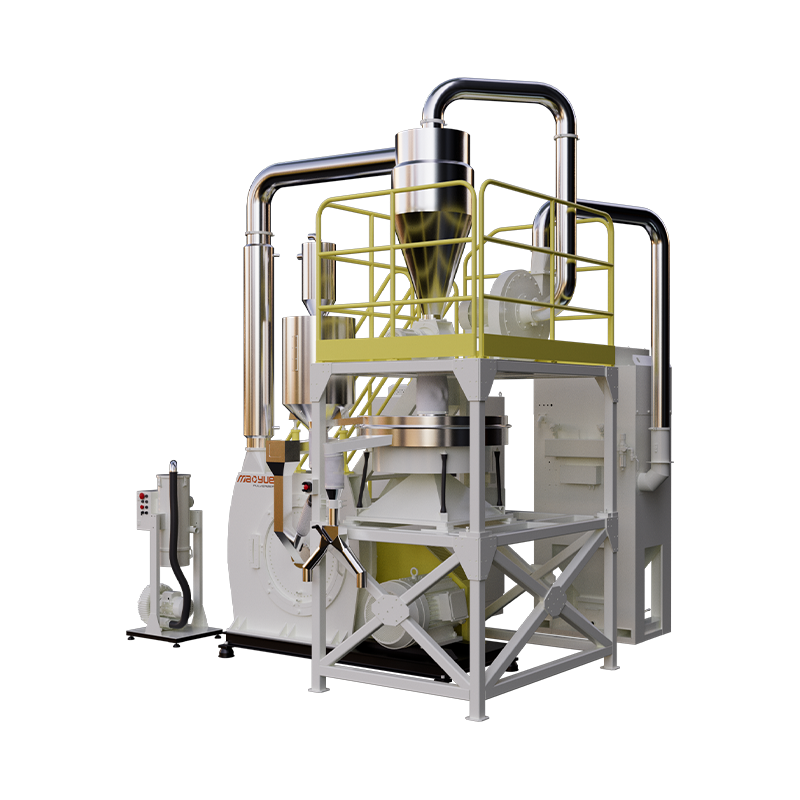
These grinding plates are manufactured by Changzhou Mao Yue Intelligent Equipment Co., Ltd., a Chinese source manufacturer specializing in plastic crushing and pulverizing equipment. The company supplies components and complete pulverizing solutions for PVC, PE, polymers, masterbatch, rotational molding materials, recycling operations, and powder coating applications. Its production capabilities include precision machining, dynamic balancing, specialized welding, customized component manufacturing, and quality control based on European-oriented manufacturing standards.
Why PVC Pulverizer Blades Matter
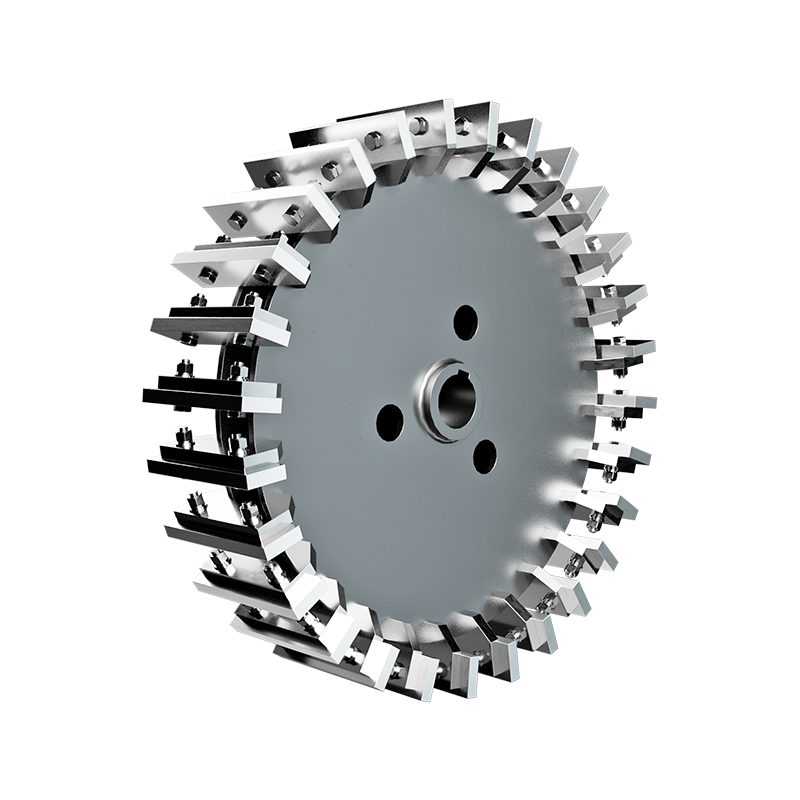
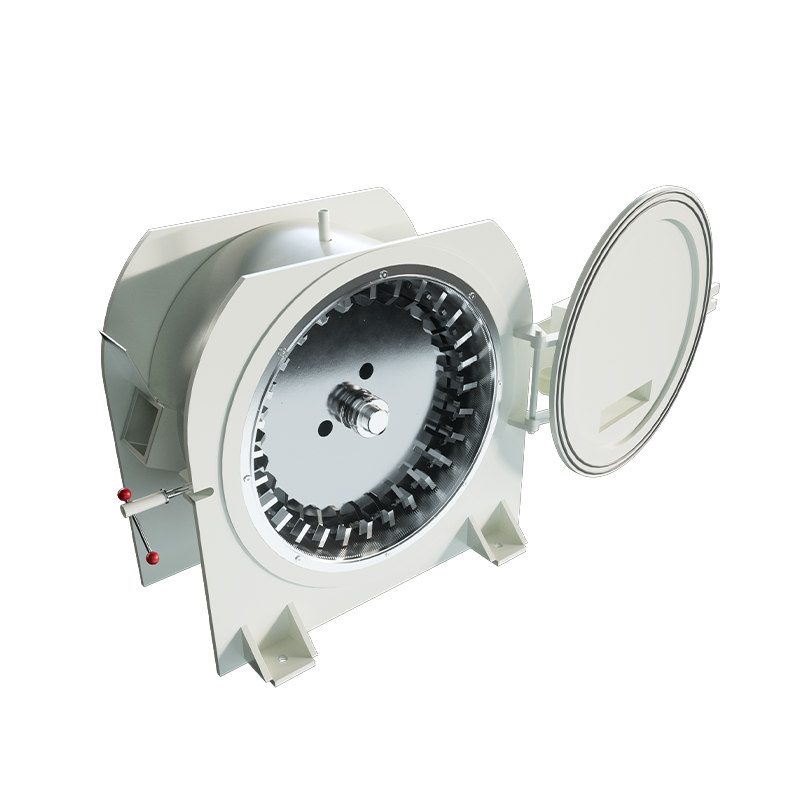
A disc pulverizer reduces plastic through a combination of shearing, impact, compression, and friction. The stationary tooth plate and the rotating disc work together to create a controlled grinding gap. When waste PVC enters the grinding chamber, the rotating disc accelerates the material toward the grinding surfaces. The teeth then break, shear, and abrade the material into progressively smaller particles.
The blades and tooth plates are therefore central to the machine’s performance. Even when the motor, housing, air-cooling system, and feeding system are properly designed, worn or poorly manufactured grinding plates can reduce output and compromise powder quality. Blunt teeth require more power, generate excess heat, and allow coarse particles to pass through the grinding chamber. In contrast, accurately machined and properly heat-treated plates maintain a stable working profile for longer periods.
PVC is especially sensitive to grinding conditions. Friction can quickly raise the temperature of the material. If the temperature becomes excessive, PVC may soften, stick to the grinding surfaces, yellow, degrade, or form irregular agglomerates. The grinding plate must therefore maintain sharp working edges while also allowing the grinding chamber to dissipate heat effectively.
For this reason, the design of the tooth plate is not simply a matter of adding more teeth. Tooth geometry, tooth density, material composition, heat treatment, balancing, mounting accuracy, and compatibility with the moving disc all influence the final result. The product described here is developed as a complete wear and performance component rather than as a basic replacement plate.
Product Structure and Design Features
Fan-Shaped Multi-Fin Configuration
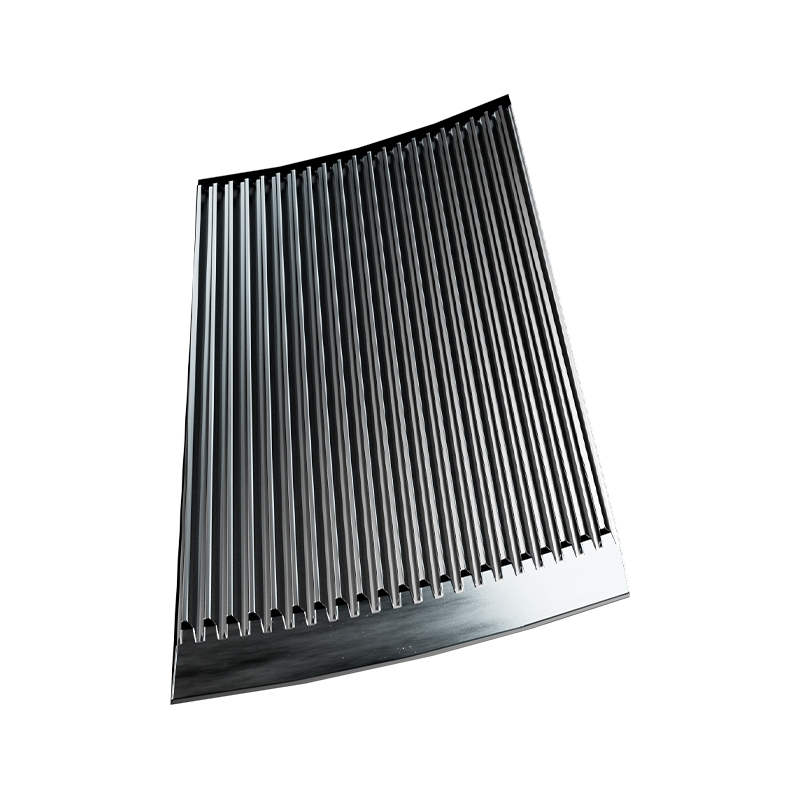
The tooth plate uses a fan-shaped, multi-fin design. This structure provides a large active grinding area while supporting the airflow and heat-dissipation requirements of a high-speed pulverizer. The fins can be arranged to suit the grinding chamber and the corresponding moving disc, allowing the plate to provide stable material contact during continuous operation.
The fan-shaped layout also helps distribute grinding forces across the working surface. Instead of concentrating stress in a limited number of contact points, the multi-fin structure creates numerous areas where material can be captured and processed. This contributes to smoother grinding and reduces the risk of uneven wear.
High-Density Precision Teeth
The working surface contains dozens to hundreds of precision parallel or radial teeth, depending on the model and application. These teeth may be formed as fine serrations, wavy teeth, or optimized angular arrangements. The high-density arrangement creates multiple cutting and friction points as the PVC passes between the stationary plate and the rotating disc.
Conventional grinding racks may rely on relatively large or widely spaced teeth. Such designs can be effective for coarse size reduction but may leave a less uniform powder and require additional processing. The high-density tooth pattern is intended to increase the number of interactions in each pass, supporting finer and more consistent pulverization.
The exact tooth pattern can be selected according to the feed material, desired fineness, machine size, and production requirements. Rigid PVC pipe scrap may require a different configuration from soft PVC flooring, cable sheathing, or PVC compounds containing mineral fillers. Customized tooth geometry can help match the component to the customer’s specific operating conditions.
Precision Mounting and Adjustment
Mounting holes are positioned on the bottom or sides of the plate to support secure installation within the grinding disc housing. Accurate hole placement is essential because even a small installation error can produce uneven clearance, vibration, or localized wear.
The fixed design is compatible with precision bolts and gap-adjustment mechanisms. Operators can use feeler gauges to fine-tune the spacing between the grinding components. Correct clearance is important for balancing productivity, powder fineness, heat generation, and energy consumption.
Rounded outer edges improve handling safety during installation and maintenance. The finished surface is mirror-polished to a deep gray metallic appearance, which supports easy visual inspection and helps operators identify contamination, scoring, cracks, or abnormal wear.
PVC Pulverizer alloy steel blades and knives
Alloy Steel Material and Heat Treatment
The performance of a pulverizer tooth plate depends heavily on its material. PVC grinding produces repeated mechanical contact, impact, friction, and thermal cycling. A low-quality steel plate may lose its edge rapidly, deform under load, or develop cracks after extended service. For industrial operation, the substrate must provide a carefully balanced combination of surface hardness and internal toughness.
High-Wear-Resistant Alloy Steel
The tooth plates are manufactured from high-wear-resistant alloy steel selected for demanding plastic pulverizing conditions. Alloying elements can improve hardenability, wear resistance, toughness, and resistance to repeated mechanical loading. The result is a more reliable base for precision teeth and grinding surfaces.
Material selection is particularly important when processing contaminated or filled PVC. Recycled PVC may contain dust, mineral particles, metal fragments, residual fasteners, or other foreign matter. Although incoming material should be inspected and cleaned, industrial grinding components must still tolerate occasional impact and irregular loading.
Carburizing, Quenching, and Tempering
The tooth plates undergo carburizing and quenching, followed by tempering and other specialized heat-treatment steps. Carburizing increases the carbon content near the surface, allowing the working layer to develop high hardness. Quenching transforms the treated layer into a hard structure, while tempering helps relieve excessive internal stress and improves toughness.
Heat treatment must be carefully controlled. If the surface is too soft, the teeth wear rapidly. If the entire component becomes excessively hard and brittle, impact resistance may suffer. The purpose of the treatment sequence is to create a durable working surface while preserving sufficient structural strength in the body of the plate.
The reported hardness range is HRC 58–62. This range is intended to support long-term edge retention and resistance to abrasive wear. Actual service life will depend on feedstock, contamination, machine speed, grinding gap, cooling performance, operating schedule, and maintenance practices. Nevertheless, a properly heat-treated plate provides a strong foundation for stable industrial service.
Surface Finishing
After heat treatment and machining, the grinding surface is finished to a smooth, polished condition. The mirror-polished deep gray surface improves visual consistency and supports easier cleaning. Smooth finishing can also reduce the accumulation of sticky PVC residues and make it easier to identify wear patterns during inspections.
Precision finishing is important because the tooth profile must remain consistent across the plate. Irregular tooth heights or rough areas can disturb the material flow and create localized friction. Accurate finishing helps the plate cooperate with the moving disc throughout the working area.
Working Principle in PVC Pulverizing
During operation, prepared PVC feedstock enters the grinding chamber through the feeding system. The rotating disc creates centrifugal force, drawing the material toward the outer grinding zone. The stationary tooth plate provides a fixed, high-density cutting surface. Material is repeatedly exposed to shearing and friction until it reaches a size that can pass through the discharge or classification system.
The tooth plate’s fine serrations create many small contact points. These points break down the material gradually instead of relying only on a few large impacts. This approach can improve particle uniformity and reduce the amount of coarse residue that requires reprocessing.
The interaction between the fixed tooth plate and the moving disc may be described as multi-point efficient shearing combined with intense friction. Shearing separates and cuts the PVC, while friction helps reduce the remaining particles and smooth their shape. The balance between these actions is influenced by tooth geometry, rotational speed, grinding gap, feed rate, and material temperature.
A properly adjusted grinding gap is essential. If the gap is too large, the product may contain coarse particles and the pulverizer may not achieve the desired fineness. If the gap is too small, energy consumption and heat generation may increase, and the grinding surfaces may experience unnecessary contact. The precision mounting and adjustment arrangement allows operators to establish a suitable working clearance for different production conditions.
Performance Advantages Compared with Standard Grinding Plates
Extended Wear Life
One of the primary advantages of the alloy steel tooth plate is its resistance to wear. The combination of alloy steel, controlled heat treatment, and precise tooth geometry is designed to maintain a useful cutting profile over long operating periods.
According to the supplied product information, the service life may be approximately two to three times longer than that of standard market plates under comparable conditions. Actual results depend on material and operating factors, but the intended benefit is clear: longer intervals between replacements, less production interruption, and lower labor requirements.
Extended wear life is valuable in continuous recycling plants. A replacement procedure may require stopping the pulverizer, allowing components to cool, opening the housing, removing fasteners, cleaning the contact area, installing a new plate, checking the gap, and restarting the line. Reducing the frequency of these activities can improve equipment availability and production planning.
Stable Edge Retention
Sharp and consistent tooth edges improve the cutting action of the pulverizer. As ordinary steel teeth wear, they become rounded and less effective. The machine may then consume more power while producing less powder. Heat can rise because the material experiences more rubbing and less efficient cutting.
The HRC 58–62 working hardness, combined with the selected alloy steel composition, helps the teeth retain their functional profile. Stable edges support predictable operation and make it easier for operators to maintain a consistent grinding gap and particle-size distribution.
Higher Grinding Efficiency
The high-density rack design increases the number of active contact points between the grinding plate and the PVC. This can improve the amount of material processed during each pass through the grinding zone. The product information indicates that output may increase by more than 30 percent compared with traditional racks at the same power consumption, subject to suitable material preparation and operating conditions.
Higher output at a similar power level can improve the overall economics of a recycling line. It may reduce the electrical energy used per unit of powder and allow a plant to meet production targets with fewer machines or shorter operating hours. These benefits should be verified through application testing because feedstock composition, moisture, contamination, particle shape, and desired fineness all affect performance.
Consistent Powder Fineness
The grinding plates are designed to produce powder in an approximate range of 20–100 mesh. The correct setting depends on the model, feedstock, grinding gap, rotor speed, and downstream requirements. The high-density tooth arrangement supports a more uniform particle distribution and reduces noticeable coarse particles or fiber-like residues.
Uniform particle size is important for regranulation, extrusion, injection molding, blow molding, flooring production, cable compounds, and modified PVC products. When the powder is too coarse, it may melt unevenly or create surface defects. When the distribution is inconsistent, downstream feeding and mixing can become unstable.
Reduced Risk of Scorching and Degradation
PVC can degrade when subjected to excessive frictional heat or prolonged residence time in the grinding chamber. Degraded material may show yellowing, discoloration, odor, reduced mechanical properties, or poor processing behavior.
The multi-fin structure contributes to heat dissipation by providing a large working area and supporting airflow. When combined with a dual air-cooling and water-cooling arrangement in the pulverizer system, it helps control the grinding chamber temperature. Better thermal management can reduce the risk of plate overheating, deformation, material adhesion, and powder discoloration.
Lower Maintenance Frequency
Longer wear life and stable tooth geometry reduce the need for frequent disassembly. Routine inspection remains necessary, but operators may spend less time replacing components or correcting uneven wear. Lower maintenance frequency also reduces the risk of installation errors that can occur when components are repeatedly removed and refitted.
| Performance Factor | Alloy Steel Tooth Plate | Basic Standard Plate | Practical Production Benefit |
|---|---|---|---|
| Working hardness | Approximately HRC 58–62 | May vary widely | More stable resistance to wear and edge rounding |
| Tooth arrangement | High-density parallel, radial, or optimized angular teeth | Often simpler or less dense patterns | More cutting points and improved particle uniformity |
| Service life | Designed for extended industrial service | More frequent replacement may be required | Less downtime and lower replacement labor |
| Particle-size control | Supports approximately 20–100 mesh adjustment | May produce a wider distribution | Improved suitability for downstream processing |
| Heat management | Multi-fin structure supports cooling | Cooling performance depends mainly on machine layout | Lower risk of sticking, scorching, and degradation |
| Installation | Precision mounting holes and gap adjustment | May require more manual correction | Faster setup and more repeatable clearance |
Manufacturing Capabilities of the Supplier
Changzhou Mao Yue Intelligent Equipment Co., Ltd. is a source manufacturer with more than three decades of experience in plastic crushing and pulverizing equipment. The company’s product range includes disc pulverizers, pulverizer parts, and complete crushing and pulverizing lines. Its equipment is used in applications involving PVC, PE, polymers, masterbatch, rotational molding materials, recycling, and powder coating.
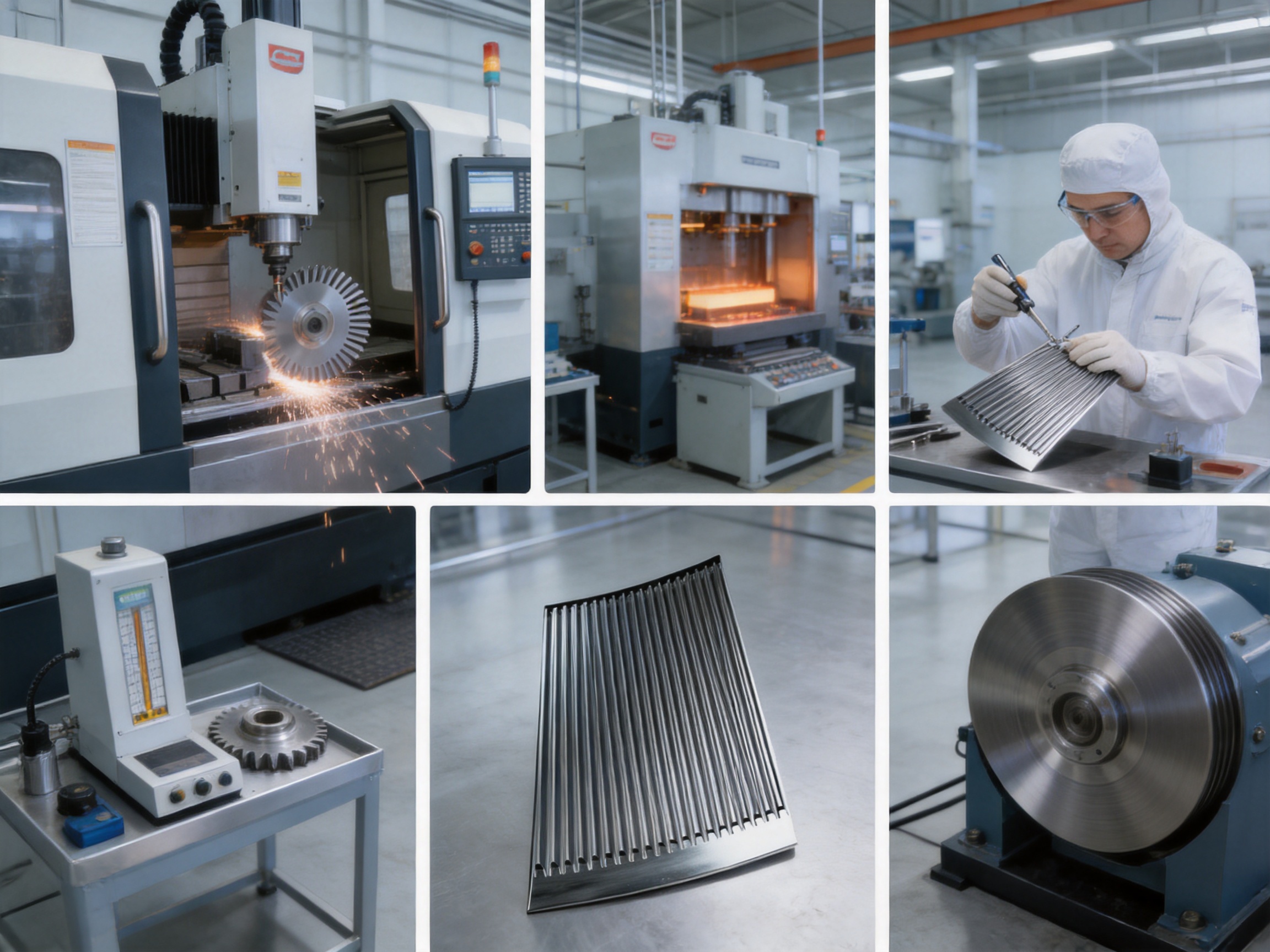
The company operates six processing workshops, each with an average area of approximately 1,400 square meters. This production structure supports the manufacture of machine bodies, grinding discs, tooth plates, blades, knives, auxiliary systems, and customized components. It also allows engineering and production teams to coordinate more closely when a customer requires a special tooth profile or non-standard installation arrangement.
High-Precision Machining
The factory is equipped with Taiwan-imported high-precision grinding machines built to German-oriented standards. Precision grinding is essential for components that must operate at high speed with a controlled clearance. The process helps maintain flatness, tooth consistency, mounting accuracy, and surface quality.
Precision machining also contributes to the compatibility of replacement parts. When a plate is manufactured to accurate dimensions, it can be installed into the intended housing with less adjustment. Consistent dimensions are especially important for customers operating multiple pulverizers or maintaining a stock of replacement components.
Dynamic Balancing
High-speed rotating pulverizers require accurate dynamic balancing. The company uses German dynamic balancing equipment to check and correct rotating components. A balanced moving disc reduces vibration, bearing stress, noise, and uneven loading on the grinding chamber.
Although the tooth plate itself is stationary in operation, its weight distribution and mounting relationship affect the complete grinding assembly. Properly balanced equipment helps the tooth plate work within a stable mechanical system. It also reduces the likelihood that vibration will cause fastener loosening, premature wear, or irregular grinding gaps.
Specialized Welding Systems
Japanese welding systems are used in the factory for equipment fabrication. Reliable welding is important for the structural integrity of pulverizer housings, frames, feed systems, cooling assemblies, and supporting components. Accurate welding reduces distortion and helps maintain the alignment of machined parts.
The integration of welding, machining, heat treatment, balancing, and assembly capabilities allows the company to evaluate the tooth plate as part of the complete pulverizer rather than as an isolated component. This system-level perspective is valuable when customers need a replacement part that matches a particular grinding chamber or rotor design.
Quality Management and Certification
The company has obtained CE mechanical certification and ISO 9001 quality management system certification. These certifications support its commitment to equipment safety, manufacturing control, documentation, and process consistency.
Quality management is particularly important for wear components because hidden deviations can influence operating results. Material identification, machining checks, heat-treatment control, hardness testing, dimensional inspection, and final assembly verification all contribute to a reliable product.
Application Areas
PVC Pipe and Profile Recycling
Waste PVC pipes, window profiles, door profiles, and construction offcuts can be difficult to process because they are rigid, thick, and often supplied in irregular shapes. A pulverizer equipped with durable alloy steel plates can reduce these materials into a fine powder suitable for recycling and regeneration.
After grinding, the powder may be screened, blended with additives, and fed into extrusion or compounding equipment. The quality of the powder affects the stability of the recycled product. A uniform particle distribution supports more consistent feeding and melting during subsequent processing.
Vinyl Flooring and Rigid Sheet Recycling
Vinyl flooring and rigid PVC sheets may contain plasticizers, fillers, pigments, stabilizers, reinforcement, or adhesive residues. These materials place additional demands on the grinding system. The high-density tooth structure helps process the material efficiently, while the cooling system helps control temperature during continuous operation.
For flooring manufacturers and recyclers, maintaining color consistency and avoiding thermal degradation are important. Excessive heat may alter the appearance or processing behavior of recovered powder. Stable grinding conditions can improve the usefulness of recycled material in new flooring, wall panels, and sheet products.
Cable Sheathing and Electrical PVC Waste
PVC cable sheathing can be tough and flexible, especially when it contains additives designed to improve durability, flame resistance, or flexibility. The material may also arrive mixed with conductor remnants or other contaminants. Proper sorting and metal separation should be performed before pulverizing.
Once prepared, cable-sheathing waste can be reduced into powder for compounding or other recycling applications. The wear-resistant tooth plate helps maintain grinding performance when the feedstock has variable hardness or contains small amounts of mineral filler.
PVC Bottle Caps and Injection-Molding Waste
Injection-molding runners, rejected components, bottle caps, and production trim are often generated in regular quantities. These materials can be returned to the production cycle when they are clean and compatible with the intended formulation.
A pulverizer fitted with accurately manufactured blades and tooth plates can convert production waste into reusable powder. High output and consistent particle size are valuable for factories seeking to reduce raw-material costs and improve material utilization.
PVC Powder Products and Modified Compounds
Fine PVC powder is used in flooring, wall panels, cable compounds, leather-like materials, foam products, and modified masterbatches. The powder must have suitable flowability and should be free from large agglomerates, visible contamination, and thermal degradation.
The grinding plate supports the production of fine material with an approximate fineness range of 20–100 mesh. The exact target should be selected according to the downstream process. A coarser grade may be suitable for some compound formulations, while a finer grade may be preferred for specialized powder products.
Composite and Filled PVC
PVC may be blended with calcium carbonate, stabilizers, pigments, impact modifiers, or other additives. These ingredients can change the abrasive behavior and grinding characteristics of the feedstock. Alloy steel tooth plates offer improved resistance when processing formulations that contain mineral fillers or other hard particles.
Fine pulverization helps improve the dispersion of components in later mixing operations. Better dispersion can contribute to more stable mechanical properties, surface quality, and appearance in the finished composite product.
Laboratory Testing and Electronic-Waste Components
Laboratories and product-development centers may use smaller pulverizers to prepare PVC samples for testing, formulation development, and quality evaluation. The same principles apply at laboratory scale: controlled particle size, low contamination, repeatable grinding, and manageable temperature.
Some electronic-waste streams contain PVC insulation, cable materials, and molded components. These materials require careful sorting and environmentally responsible processing. The alloy steel tooth plate can support fine grinding after unsuitable metals and hazardous substances have been removed according to applicable regulations.
Cooling and Temperature Control
Temperature control is one of the most important factors in PVC pulverization. Unlike many less sensitive plastics, PVC can soften or degrade when exposed to excessive heat. The grinding process naturally produces heat because of friction between the material and the working surfaces.
The tooth plate’s multi-fin structure provides a large surface area and supports heat transfer. In the complete pulverizer, dual air-cooling and water-cooling systems can work together to remove heat from the grinding chamber. Airflow helps carry away heat and fine particles, while water cooling can stabilize the temperature of the housing or other designated cooling surfaces.
Cooling performance depends on proper machine operation. Operators should maintain the recommended water flow, keep air passages clear, avoid overfeeding, and monitor the temperature of the grinding chamber. A sharp tooth profile also contributes to temperature control because efficient cutting generally produces less unnecessary rubbing than a severely worn surface.
When heat is controlled, the plant can reduce the risk of material adhesion, plate deformation, yellowing, powder degradation, and unstable discharge. Temperature control also protects the consistency of the final product during long shifts and continuous operation.
Installation, Adjustment, and Maintenance
Installation Preparation
Before installing a new tooth plate, the pulverizer should be shut down, isolated from electrical power, and allowed to cool. Operators should clean the housing, remove residual powder, inspect the mounting surfaces, and check that no foreign objects remain inside the grinding chamber.
The replacement plate should be compared with the removed component to confirm dimensions, mounting-hole position, tooth orientation, and compatibility with the moving disc. Fasteners should be clean and suitable for the application. Damaged bolts, distorted washers, or worn mounting surfaces should be replaced before commissioning.
Clearance Adjustment
The grinding gap should be adjusted according to the material and the required fineness. A feeler gauge can be used to verify the clearance at several positions around the grinding chamber. Measurements should be consistent so that the plate and moving disc remain parallel and concentric.
After the initial adjustment, the rotor should be turned manually if permitted by the equipment design to confirm that there is no unwanted contact. The machine should then be started without feed for a short inspection period. Abnormal vibration, noise, heat, or rubbing should be investigated immediately.
Routine Inspection
Regular inspection should include checking tooth sharpness, mounting bolts, surface scoring, cracks, discoloration, material buildup, and uneven wear. The operator should also monitor motor current, output rate, powder fineness, vibration, and grinding-chamber temperature.
Uneven wear may indicate an incorrect grinding gap, misalignment, rotor imbalance, inconsistent feeding, or foreign material in the feedstock. Addressing the underlying cause is important because replacing the plate alone may not solve the problem.
Cleaning and Storage
At the end of a production run, residual powder should be removed according to the machine manufacturer’s procedures. If the pulverizer will be idle for an extended period, the grinding surfaces should be cleaned and protected from moisture. Replacement plates should be stored in a dry area, supported evenly, and protected from impact or contamination.
Proper storage helps preserve the machined surface and prevents corrosion before installation. Components should not be stacked in a way that damages teeth or mounting edges.
Customization and Technical Cooperation
Different PVC applications require different grinding conditions. A recycling plant processing thick pipe may need a robust tooth configuration with strong impact resistance. A compounding factory seeking a fine, uniform powder may prioritize tooth density and precise gap control. A laboratory may require a smaller plate with special dimensions and a lower throughput.
Customization may include plate diameter, thickness, mounting-hole layout, tooth shape, tooth density, radial or parallel arrangement, material grade, heat-treatment specification, and surface finish. Customers can provide drawings, samples, machine models, photographs, or operating data to support the selection process.
Technical cooperation is particularly useful when replacing plates on older pulverizers or equipment supplied by another manufacturer. The supplier can evaluate the existing component and recommend a compatible design. Correctly matching the plate to the rotor, housing, speed, cooling system, and feedstock is essential for achieving the intended performance.
Changzhou Mao Yue Intelligent Equipment Co., Ltd. has developed long-term partnerships with more than 5,000 enterprises in domestic and international markets. Its experience with plastic pulverizing equipment enables it to address not only individual spare-part requirements but also complete production-line planning and process improvement.
Operational and Economic Benefits
A durable tooth plate can provide economic benefits beyond the purchase price of the component. Longer service life reduces the annual quantity of replacement parts. Lower replacement frequency reduces labor and maintenance downtime. Stable powder quality can reduce rejected batches, reprocessing, and downstream production interruptions.
Higher grinding efficiency may also reduce energy consumption per kilogram of finished powder. If the machine produces more output at the same power level, the plant can improve production capacity without proportionally increasing electricity costs. The exact savings should be calculated from actual motor power, operating hours, feed rate, material density, and finished-powder requirements.
Reduced downtime has an additional value in continuous manufacturing. When a pulverizer is part of a larger recycling or compounding line, a maintenance stop may interrupt feeding, conveying, screening, mixing, and packaging. A reliable wear component helps protect the availability of the entire line.
Better powder quality can increase the value of recovered PVC. Uniform, clean, non-degraded powder is more suitable for regranulation, extrusion, injection molding, blow molding, and compound production. By improving the quality of recycled feedstock, the pulverizer contributes to a more efficient circular manufacturing process.
Recommended Selection Criteria
When selecting PVC pulverizer alloy steel blades and knives, buyers should evaluate more than the external appearance or nominal size. The following factors are important:
Material and Hardness
Confirm the steel type, heat-treatment method, and target hardness. A hardness specification such as HRC 58–62 provides a useful reference, but it should be supported by appropriate quality-control records and application experience.
Machine Compatibility
Verify the plate diameter, thickness, mounting holes, tooth orientation, and working relationship with the moving disc. The component should be designed for the actual pulverizer model and operating speed.
Feedstock Characteristics
Consider whether the material is rigid PVC, flexible PVC, filled PVC, cable sheathing, flooring, pipe, profile, sheet, or injection-molding waste. Filler content, moisture, contamination, density, and feed size can all influence the preferred tooth configuration.
Target Powder Size
Define the required fineness before selecting the plate. The desired mesh range affects tooth density, clearance, rotor speed, screening, and cooling requirements. A plate selected for coarse grinding may not provide the best result for fine powder production.
Cooling Conditions
Check whether the pulverizer uses air cooling, water cooling, or a combined system. The tooth plate and machine should be considered together because temperature control directly affects PVC quality and component life.
Service and Spare-Part Support
Reliable technical support can simplify installation, adjustment, and future replacement. A manufacturer capable of producing both complete pulverizers and replacement components can often provide more accurate guidance than a general-purpose parts trader.
Quality and Sustainability Considerations
PVC recycling is increasingly important as manufacturers seek to reduce waste, conserve resources, and improve material efficiency. A pulverizer is one of the key machines in this process because it converts bulky or irregular waste into a usable powder or intermediate material.
Durable grinding plates support sustainability by extending component life and reducing the amount of steel consumed for frequent replacements. Efficient grinding can lower energy use per unit of output, while stable powder quality increases the proportion of recycled material that can be used in new products.
Manufacturers should still operate the pulverizer responsibly. Feedstock should be sorted, hazardous contaminants should be removed, and dust-control measures should be implemented. Operators should use appropriate personal protective equipment and follow local requirements for noise, dust, water, and waste management.
The long-term value of a grinding plate comes from the complete production system. Efficient blades, accurate machining, reliable cooling, correct maintenance, and responsible feed preparation work together to create a safer and more productive recycling operation.
Why Choose a Specialized Pulverizer Manufacturer
A specialized manufacturer understands the relationship between the tooth plate and the complete machine. This knowledge helps ensure that the blade design, rotor speed, grinding gap, cooling arrangement, housing, discharge system, and electrical controls work as an integrated solution.
Changzhou Mao Yue Intelligent Equipment Co., Ltd. focuses on plastic crushing and pulverizing technology and manufactures equipment according to European-oriented quality standards. Its experience covers plastic size reduction for rotational molding, masterbatch, polymers, PVC, PE, recycling, and powder coating.
The company’s combination of engineering knowledge and manufacturing resources supports customized solutions. Customers can obtain individual replacement plates, complete pulverizers, or full crushing and pulverizing lines. The manufacturer’s workshops, precision grinding equipment, dynamic balancing capability, Japanese welding systems, CE mechanical certification, and ISO 9001 quality management certification provide a foundation for consistent production.
Its service approach emphasizes quality, technical cooperation, innovation, and application-specific design. This is important because the best grinding plate is not necessarily the one with the greatest tooth density or highest hardness in isolation. It is the one that matches the material, machine, throughput, fineness, temperature-control strategy, and maintenance program of the customer.
Frequently Asked Questions
What is a PVC pulverizer tooth plate?
A PVC pulverizer tooth plate is a stationary grinding component installed opposite a rotating disc. It contains multiple teeth or serrations that work with the moving disc to shear and pulverize PVC into fine powder.
What material is used for these blades and knives?
The product is made from high-wear-resistant alloy steel. The material is processed through carburizing, quenching, tempering, and related heat-treatment procedures to achieve a durable working surface and suitable structural toughness.
What is the hardness of the tooth plate?
The reported working hardness is approximately HRC 58–62. The actual specification may depend on the model, material grade, and customer application.
How long can the plate operate before replacement?
Service life depends on feedstock, contamination, filler content, rotor speed, grinding gap, cooling, and maintenance. Product information indicates that service life may be two to three times longer than standard market plates under comparable conditions.
What particle size can the pulverizer produce?
The grinding system is designed to support a finished powder range of approximately 20–100 mesh. The final result depends on tooth configuration, machine model, material characteristics, gap adjustment, operating speed, and classification or screening.
Can the plate process filled PVC?
Yes. The alloy steel construction is suitable for PVC containing limited amounts of calcium carbonate, stabilizers, pigments, and other additives. Highly abrasive formulations should be evaluated carefully so that the plate design and maintenance schedule match the application.
Can the tooth plate be customized?
Customization may be available for dimensions, mounting holes, tooth pattern, tooth density, material specification, and other design details. Customers should provide the machine model, drawings, sample part, material information, and target output when requesting a customized component.
Why is cooling important when pulverizing PVC?
Frictional heat can soften or degrade PVC. Excessive temperature may cause sticking, yellowing, deformation, or unstable powder quality. Air cooling, water cooling, or a combined cooling system helps maintain suitable operating conditions.
How should the grinding gap be adjusted?
The gap should be set according to the material and desired fineness. Precision bolts and feeler gauges can be used to establish a consistent clearance. The rotor should be checked for free movement before the machine is placed under full load.
What should be checked during maintenance?
Operators should inspect tooth sharpness, mounting bolts, cracks, surface scoring, material buildup, uneven wear, vibration, motor current, powder fineness, and grinding-chamber temperature. Any abnormal condition should be investigated before continued production.
Does the supplier manufacture complete pulverizers?
Yes. Changzhou Mao Yue Intelligent Equipment Co., Ltd. manufactures plastic pulverizers, pulverizer parts, and crushing and pulverizing lines. This allows customers to purchase individual components or develop a complete processing solution.
What industries use these grinding plates?
Applications include PVC recycling, pipe and profile processing, vinyl flooring recycling, cable-compound production, powder manufacturing, injection-molding waste recovery, composite-material preparation, laboratory testing, and selected electronic-waste processing applications.
Conclusion
PVC pulverizer alloy steel blades and knives are critical to the productivity, powder quality, and operating cost of a plastic grinding line. The fan-shaped multi-fin structure, dense precision tooth arrangement, alloy steel substrate, HRC 58–62 hardness, specialized heat treatment, polished surface, and accurate mounting design are intended to provide reliable performance in demanding PVC applications.
Compared with basic grinding plates, the product is designed to offer longer wear life, stronger edge retention, higher grinding efficiency, more consistent powder fineness, improved heat management, and reduced maintenance frequency. The reported service-life improvement of two to three times and potential output increase of more than 30 percent should be evaluated through application testing, but they demonstrate the performance objectives of the design.
The manufacturing capabilities of Changzhou Mao Yue Intelligent Equipment Co., Ltd. strengthen the value of the product. Precision grinding machines, dynamic balancing equipment, specialized welding systems, multiple processing workshops, quality-management certification, and long-term experience in plastic pulverizing allow the company to manufacture both replacement parts and complete equipment systems.
For PVC recyclers, compound manufacturers, powder producers, and plastic-processing factories, selecting the correct tooth plate is an investment in the whole production process. When the plate is matched correctly with the pulverizer, cooling system, feedstock, and operating conditions, it can help transform difficult PVC waste into uniform, valuable, and reusable powder while supporting more efficient and sustainable manufacturing.
References
1. Product technical information for PVC pulverizer alloy steel blades and knives supplied by Changzhou Mao Yue Intelligent Equipment Co., Ltd.
2. Manufacturer information concerning plastic pulverizers, pulverizer parts, and crushing and pulverizing lines.
3. General principles of abrasive wear, heat treatment, and high-speed grinding-component design.
4. General PVC processing and recycling practices for pipes, profiles, flooring, cable sheathing, sheets, and injection-molding waste.
5. General guidance on industrial equipment maintenance, grinding-gap adjustment, temperature control, and safe operation.