

 English
 русский
 Español
 عربى
 中文简体
 中文简体
Content
- 1 Designed for Medium- and Large-Scale Plastic Powder Production
- 2 High-Efficiency Grinding Structure
- 3 Wear Resistance for PA, PP, and Difficult Materials
- 4 Intelligent Temperature Control and Water Cooling
- 5 Performance Advantages Compared with Smaller and Larger Machines
- 6 Powder Quality for Recycling and Compounding
- 7 Applications in PA Recycling
- 8 Applications in PP Masterbatch and Modified Plastics
- 9 Rotational Molding and Powder Coating Uses
- 10 Optional Dust Collection and Metal Separation
- 11 Feeding, Conveying, and Screening System
- 12 Electrical Configuration and Operating Flexibility
- 13 Manufacturing Strength and Engineering Capability
- 14 Quality Management and Certification
- 15 Installation and Production-Line Integration
- 16 Maintenance Recommendations
- 17 Safety Considerations
- 18 How to Select the Correct Configuration
- 19 Economic and Environmental Benefits
- 20 Why the 600 mm Model Is a Practical Investment
- 21 Recommended Operating Workflow
- 22 Quality-Control Measures for Finished Powder
- 23 Q&A
- 23.1 What materials can the 600 mm pulverizer process?
- 23.2 What is the expected capacity?
- 23.3 Can the machine process PA66 and PA12?
- 23.4 How fine can the powder be?
- 23.5 How does the cooling system work?
- 23.6 How long can the machine operate continuously?
- 23.7 What is the service life of the grinding disc?
- 23.8 Does the machine include dust collection?
- 23.9 Is metal separation available?
- 23.10 What feeding method is used?
- 23.11 What motor options are available?
- 23.12 What industries use this pulverizer?
- 23.13 What should be tested before purchase?
- 24 Conclusion
- 25 References
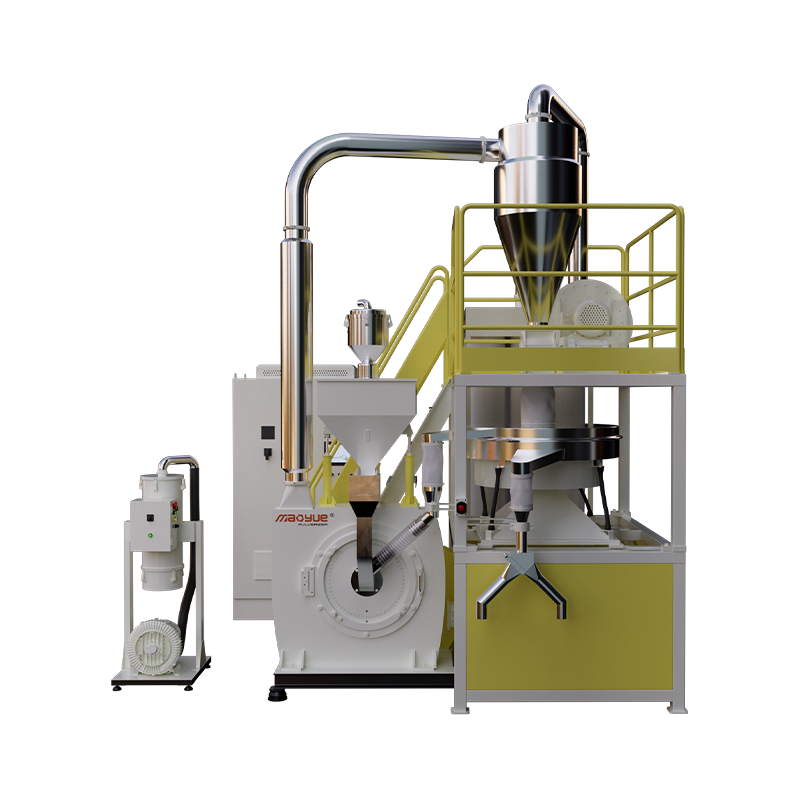
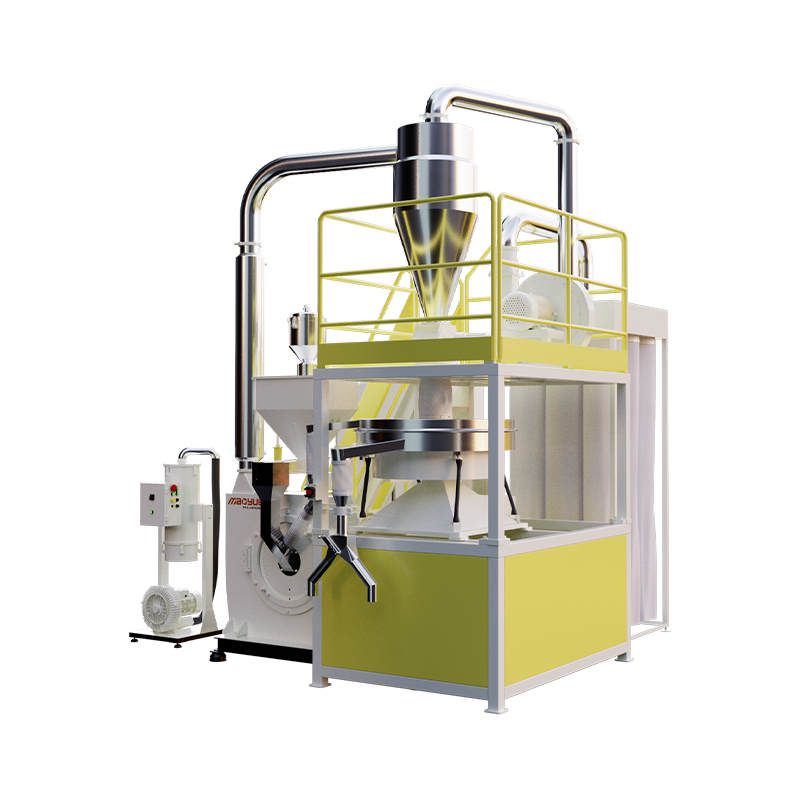
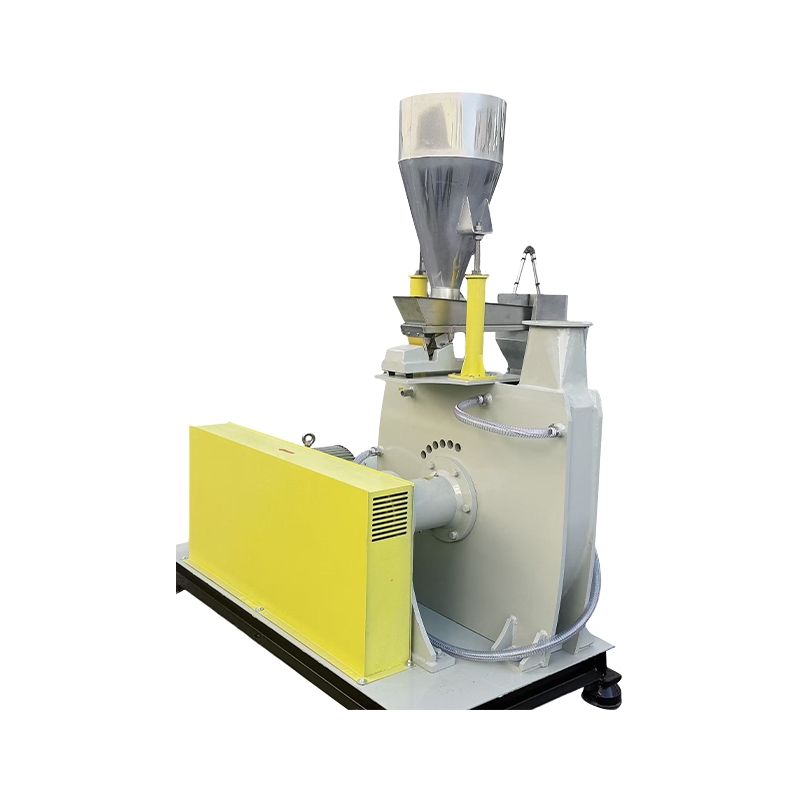
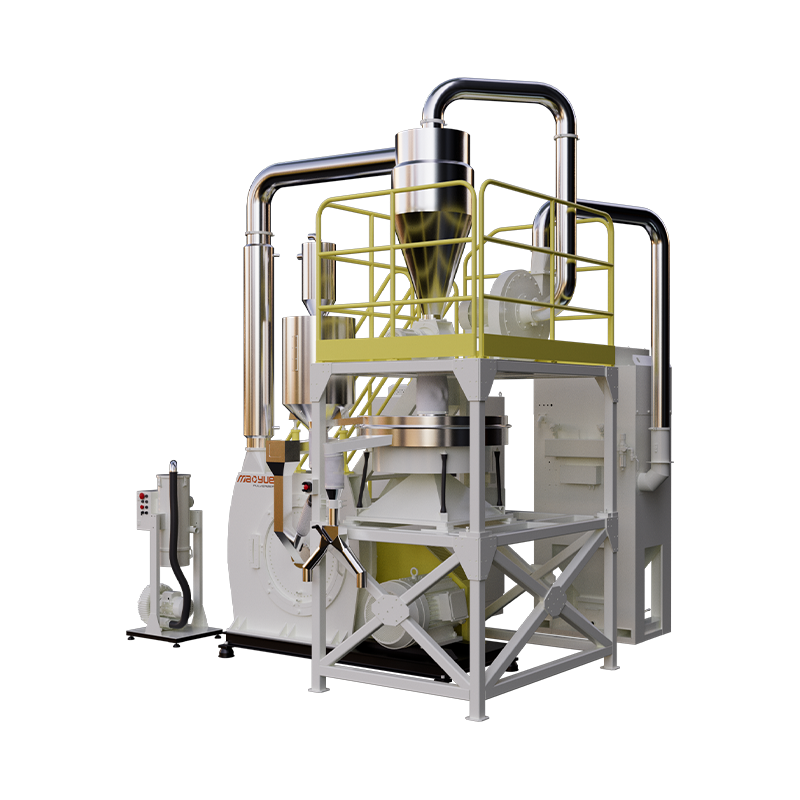
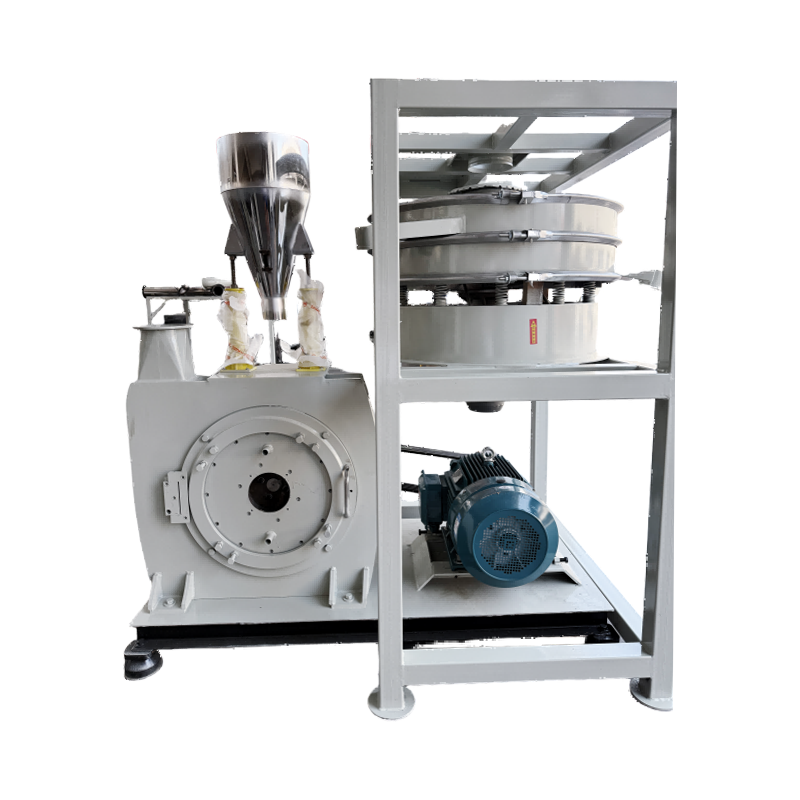
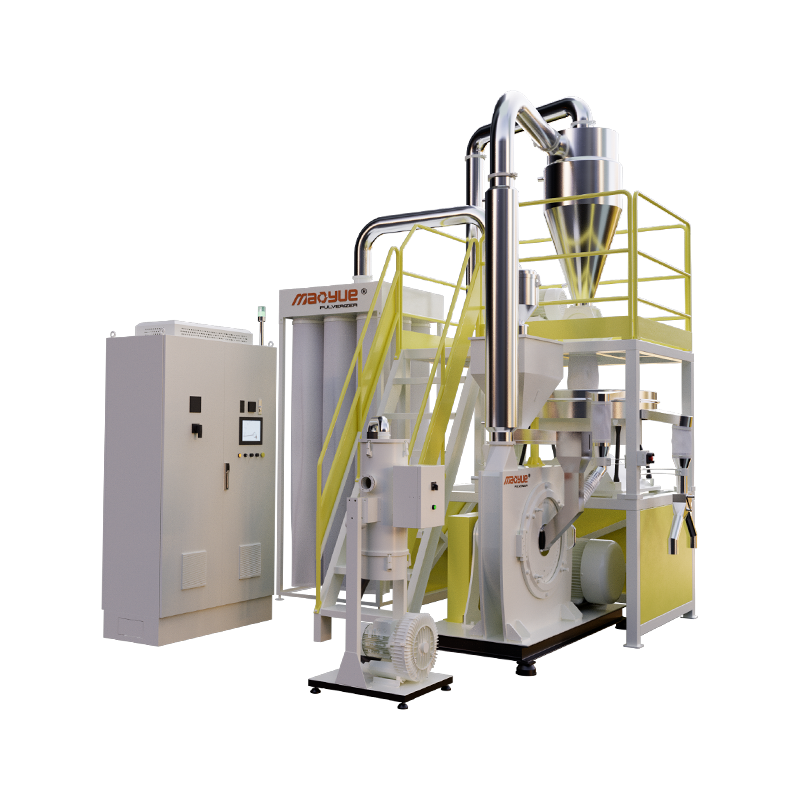
- 26 Product: 600PA/PP Wear-Resistant Room-Temperature Pulverizer
Plastic recycling, compounding, masterbatch production, rotational molding, and powder coating increasingly depend on stable, accurately controlled plastic powder. A pulverizer used in these applications must do more than reduce particle size. It must maintain consistent fineness, prevent thermal degradation, control contamination, withstand abrasive materials, and operate reliably for extended production cycles. For medium- and large-scale processors, the choice of pulverizer directly affects production capacity, powder quality, maintenance frequency, energy consumption, and overall return on investment.
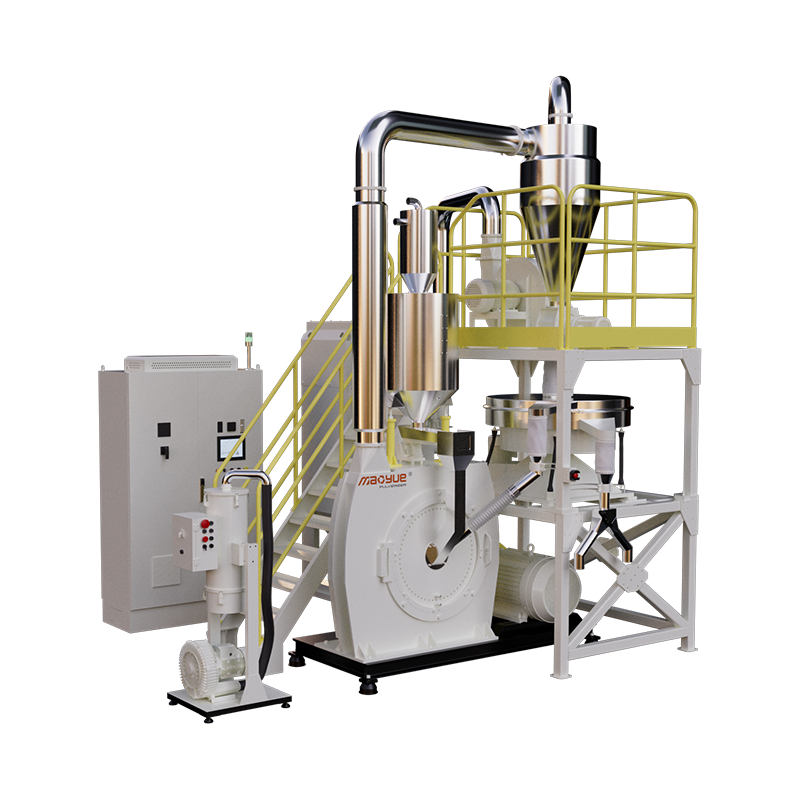
The 600 mm wear-resistant room-temperature pulverizer is designed as a high-capacity solution for processing PA, PP, and other selected thermoplastics. With a 600 mm grinding disc, a 45–55 kW drive motor, intelligent temperature management, water cooling, and an optimized cutting structure, it occupies an important position between smaller 500 mm machines and larger 800 mm systems. It is intended for manufacturers that require more output than a compact machine can provide but do not want the higher investment, space requirement, and operating cost associated with an oversized production unit.
This equipment combines high-speed shearing, impact, and frictional grinding in a controlled chamber. Its configuration is particularly suitable for producing uniform powders used in recycled engineering plastics, filled and modified masterbatches, rotational molding, powder coating, and other applications where powder flowability and particle distribution are critical. Depending on the material, feed condition, moisture level, fineness target, cooling performance, and equipment configuration, the machine can deliver a production range of approximately 350–600 kg/h. A standard technical table may list a lower reference output of 180–320 kg/h for specific operating conditions, so final capacity should always be confirmed through a material test.
Designed for Medium- and Large-Scale Plastic Powder Production
The principal purpose of a plastic pulverizer is to transform granules, flakes, edge trim, molded scrap, or other suitable plastic feedstock into a controlled powder. However, the practical performance of a pulverizer depends on the complete interaction of the grinding discs, blade geometry, motor power, airflow, cooling system, screening arrangement, and feeding method. A machine with a powerful motor but poor heat management may produce inconsistent powder. A machine with fine grinding capability but insufficient wear resistance may require frequent maintenance. A machine with high nominal capacity but unstable feeding may not achieve reliable production in actual factory conditions.
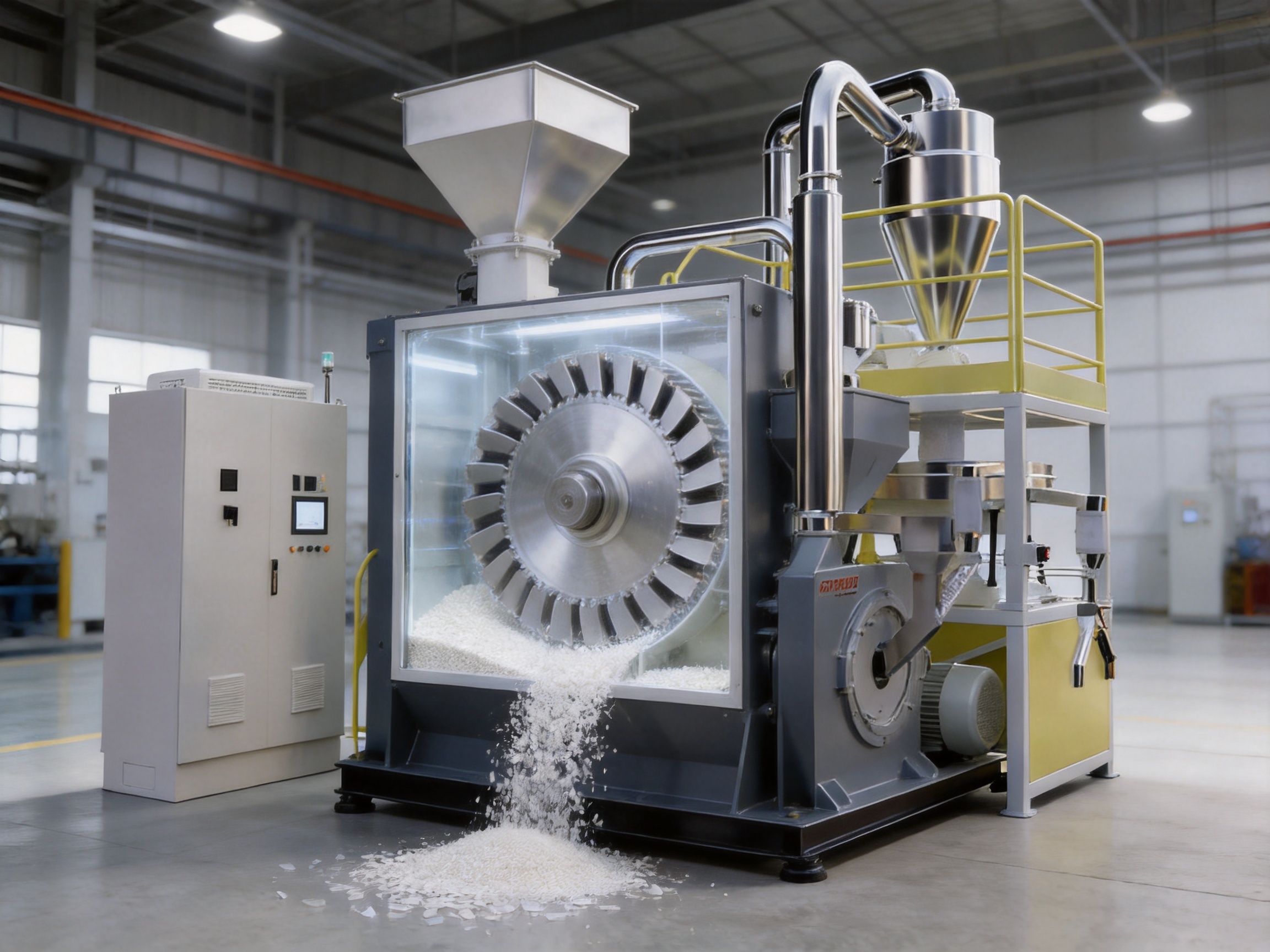
The 600 mm design addresses these production challenges through a combination of disc size, cutting density, temperature control, and material-handling components. The larger grinding diameter creates a substantial working area for plastic reduction. The machine is equipped with an optimized arrangement of 36 moving blades and 15 fixed blades. Combined with a high-density tooth profile, this arrangement increases the number of effective cutting and shearing actions during each rotation.
Compared with a smaller 500 mm model, the 600 mm machine can provide an estimated 50–80% increase in capacity under comparable material and fineness conditions. This increase helps processors reduce the number of machines required for a production line, simplify material transfer, and use floor space more efficiently. It also provides additional production headroom when demand increases or when the line must handle materials with greater toughness or higher melting points.
The machine is especially appropriate for enterprises processing approximately 10–15 tons per day, depending on operating hours, material type, powder fineness, and the number of production shifts. It can serve as the principal pulverizing unit in a medium-sized recycling line or as a dedicated powder-production machine in a masterbatch, rotational molding, or powder coating plant.
High-Efficiency Grinding Structure
The grinding chamber is the core of a plastic pulverizer. Its design determines how effectively feedstock is captured, cut, sheared, and reduced. In the 600 mm model, the moving and fixed blade arrangement is optimized to create repeated contact between the material and the cutting surfaces. Rather than relying only on impact, the machine uses a combination of shearing and tooth engagement to improve reduction efficiency.
The 36 moving blades rotate at high speed while interacting with 15 fixed blades installed in the grinding chamber. This configuration produces multiple cutting zones and helps distribute the grinding load across the working surface. A high-density tooth profile further increases contact frequency, allowing the machine to process plastic more efficiently at a controlled fineness.
This arrangement is valuable when processing tough or flexible materials. Polyamide materials such as PA6, PA66, and PA12 can resist fracture because of their toughness and mechanical strength. Polypropylene can also be difficult to pulverize consistently when it is flexible, warm, contaminated, or fed in irregular forms. The dense cutting profile helps the machine maintain productive contact with these materials while limiting the need for excessive recirculation.
Efficient shearing also contributes to lower residence time inside the chamber. When plastic remains in the grinding area for too long, friction can increase its temperature and create the risk of softening, sticking, or thermal degradation. Faster size reduction allows material to pass through the system more efficiently, provided that the feeding rate, airflow, screen selection, and cooling water flow are properly adjusted.
The grinding structure also supports flexible fineness control. Depending on the material and configuration, the equipment can produce powder in a range of approximately 10–120 mesh. The reference technical specification lists a standard range of 10–50 mesh, while more precise fineness adjustment can be achieved through different screens, operating conditions, and optional separation or classification arrangements. The final result depends on the physical properties of the plastic and the required powder distribution.
Wear Resistance for PA, PP, and Difficult Materials
Blade wear is one of the most important operating costs in plastic pulverization. When grinding edges become dull, the machine may consume more energy, generate additional heat, produce a wider particle distribution, and require more frequent adjustment. Abrasive fillers, glass fiber, mineral contamination, and high-melting-point engineering plastics can accelerate this process.
The grinding disc in this model uses carburizing and quenching treatment combined with a surface wear-resistant coating. Carburizing increases the hardness and wear resistance of the surface while preserving suitable toughness in the underlying material. Quenching improves the strength of the treated components, and the additional coating provides another protective layer during continuous contact with plastic feedstock.
When processing difficult materials such as PA66 or PA12, the service life of the grinding components can reach approximately 800–1,200 operating hours under suitable conditions. The actual interval depends on feedstock cleanliness, glass-fiber content, mineral loading, moisture, operating intensity, target fineness, and maintenance quality. Compared with conventional untreated components, the upgraded treatment can extend maintenance intervals by approximately 30 percent.
Longer component life creates several advantages. First, it reduces the number of production stoppages required for blade inspection, sharpening, or replacement. Second, it helps stabilize the particle size because the cutting geometry remains effective for a longer period. Third, it reduces labor requirements and spare-part consumption. Finally, it makes production planning easier because preventive maintenance can be scheduled around planned shutdowns instead of unexpected performance deterioration.
The wear-resistant construction is particularly beneficial for recycling facilities that process engineering plastic scrap from automotive, electronics, electrical appliances, and industrial manufacturing. These materials may contain reinforcements, additives, or traces of foreign matter that place greater mechanical demands on the grinding components.
Intelligent Temperature Control and Water Cooling
Temperature control is essential when pulverizing thermoplastics. During high-speed grinding, friction between the material, blades, and grinding surfaces generates heat. If the chamber becomes too hot, plastic may soften, smear, agglomerate, or adhere to the disc. Heat can also cause discoloration, odor, degradation, and changes in powder flowability. These problems are especially serious when the powder is intended for high-quality masterbatch, rotational molding, powder coating, or engineering plastic applications.
The 600 mm pulverizer incorporates an intelligent temperature control system supported by a high-flow water-cooling circulation system. Under suitable operating conditions, the temperature fluctuation in the grinding chamber can be controlled within approximately ±3°C. Stable temperature management helps keep the material in a suitable grinding condition instead of allowing uncontrolled temperature rises during long production runs.
The water-cooling arrangement uses an inlet and an outlet so that cooling water can circulate continuously through the relevant cooling passages. The system can remove heat from the grinding area while maintaining a stable thermal environment. In a properly designed installation, the cooling system should be connected to a reliable water source or circulation unit with suitable filtration, flow monitoring, and temperature management.
Stable cooling is especially important during continuous operation lasting eight to twelve hours. Long production cycles place greater demands on the motor, bearings, grinding chamber, airflow, and blades. Without adequate cooling, performance may gradually decline as the material temperature increases. With effective thermal management, the machine can maintain more consistent powder quality and reduce the risk of degradation during extended shifts.
Temperature control also improves process repeatability. Operators can establish operating parameters for different materials and record the corresponding temperature, feed rate, motor load, water flow, and output. This information can then be used to create standardized production recipes for PA6, PA66, PA12, PP, filled PP, and other approved materials.
Performance Advantages Compared with Smaller and Larger Machines
The 600 mm model is positioned as a balanced production solution. A 500 mm pulverizer generally requires a lower initial investment and may be appropriate for smaller lines, laboratory-scale development, or moderate output. However, its capacity may become limiting when the factory processes large quantities of scrap or powder. Multiple smaller units may be required to achieve the desired output, increasing the number of motors, feeders, dust collectors, and maintenance points.
Compared with the 500 mm class, the 600 mm machine provides a larger working area, higher potential output, and greater suitability for continuous production. Its 45–55 kW main motor offers a stronger power reserve for demanding plastic materials. The optimized blade arrangement also improves the amount of material processed during each operating cycle.
At the other end of the range, an 800 mm machine may provide greater capacity but can require more floor space, a larger electrical installation, higher capital investment, and greater peripheral equipment capacity. For a company whose actual demand is in the medium-to-large range, an 800 mm machine may not always deliver the best financial result. The 600 mm model can offer an attractive compromise by delivering substantial throughput without the full cost and footprint of a very large system.
The balance between capacity and investment is important in recycling and compounding applications. Equipment should be sized according to actual feedstock availability, product demand, operating hours, and expansion plans. An oversized pulverizer may run below its ideal load, while an undersized machine may operate continuously at its limit. The 600 mm machine is intended to provide a practical middle position for enterprises seeking dependable output and controlled investment.
Item | Specification or Range | Production Significance |
Machine type | 600 mm PA/PP pulverizer | Designed for medium- and large-scale plastic powder production |
Grinding disc diameter | 600 mm | Provides a larger working area and higher potential capacity than smaller models |
Main motor | 45/55 kW | Supplies power for PA, PP, and other suitable thermoplastic materials |
Approximate capacity | 350–600 kg/h under suitable conditions | Actual output depends on material, feed size, moisture, and target fineness |
Reference capacity | 180–320 kg/h in a standard technical configuration | Provides a conservative reference for selected operating conditions |
Fineness range | Approximately 10–120 mesh; standard reference 10–50 mesh | Supports different downstream applications and product specifications |
Blade arrangement | 36 moving blades and 15 fixed blades | Improves shearing efficiency and material contact frequency |
Blade material | DC53 | Provides a suitable balance of hardness, toughness, and wear resistance |
Blower motor | 7.5 kW | Supports pneumatic conveying and material movement |
Total system power | Approximately 70–85 kW | Helps estimate electrical infrastructure and operating costs |
Cooling system | Water cooling with inlet and outlet circulation | Controls grinding temperature during continuous operation |
Feeding method | Vacuum feeding | Reduces manual handling and supports continuous material supply |
Screen diameter | 1,200 mm vibrating screen | Supports classification and removal of oversize particles |
Pipe material | Stainless steel | Improves cleanliness, corrosion resistance, and service life |
Powder Quality for Recycling and Compounding
Powder quality is measured by more than average particle size. A useful plastic powder should have a controlled distribution, good flowability, limited agglomeration, low contamination, and suitable thermal history. These characteristics affect feeding, conveying, blending, extrusion, molding, coating, and final product performance.
The 600 mm pulverizer is designed to produce a relatively uniform powder by combining dense blade engagement with controlled airflow and screening. Uniform powder can improve the consistency of downstream processes because each batch contains a more predictable distribution of particles. This is important in masterbatch production, where uneven carrier powder may cause inconsistent additive dispersion during extrusion.
In rotational molding, particle flowability affects how the powder spreads over the inside surface of the mold. Powder that contains excessive coarse particles, agglomerates, or thermally damaged material may create uneven wall thickness, pinholes, poor surface appearance, or incomplete coverage. A properly controlled PP powder can support smoother processing and more consistent molded parts.
In powder coating, particle uniformity affects charging behavior, fluidization, transport, deposition, and coating thickness. Excessively fine or irregular particles may alter the behavior of the powder cloud, while oversized particles may produce a rough surface or incomplete melting. The ability to select and control fineness makes the machine suitable for different powder preparation requirements.
For recycled PA, powder quality is linked to the value of the final material. Waste from automotive, electronics, and appliance production can contain high-value engineering polymers. Proper pulverization allows this material to be converted into a usable powder for regenerated injection molding, profile extrusion, compounding, or other applications. When combined with sorting, cleaning, drying, and optional metal separation, the pulverizer can become part of a complete high-value recycling process.
Applications in PA Recycling
Polyamide waste is generated in many industrial sectors. Automotive components may include glass-fiber-reinforced PA66 parts, engine-related components, structural brackets, electrical housings, and other molded products. Electronics and appliances generate connector housings, technical components, injection scraps, runners, and rejected parts. Textile production can generate tow residues and other forms of polyamide waste.
These materials often have higher mechanical strength and higher melting points than common commodity plastics. They therefore require robust grinding components, sufficient motor power, effective heat removal, and careful control of feed size. The 600 mm pulverizer is suited to this type of work when the feedstock has been properly sorted and prepared.
The resulting PA powder may be used as a feedstock for recycling or modification. It can be blended with virgin resin, reinforcing fibers, impact modifiers, colorants, flame retardants, or other additives. It may also be used in specialized processing routes where a controlled powder is required before extrusion, compounding, or molding.
For glass-fiber-reinforced PA, the operator must consider increased wear and adjust the maintenance schedule accordingly. The use of carburized and quenched grinding components helps extend service life, but regular inspection remains essential. Removing metal contamination before pulverization is also important because metal fragments can damage blades, create sparks, or reduce powder purity.
Applications in PP Masterbatch and Modified Plastics
Polypropylene is widely used as a carrier resin in filled masterbatches, color masterbatches, flame-retardant masterbatches, toughening masterbatches, and other modified plastic formulations. In these applications, the carrier powder must be uniform and free-flowing so that additives can be distributed consistently during mixing and extrusion.
The pulverizer can produce PP powder suitable for downstream extrusion granulation when the material is correctly prepared and the machine is configured for the desired fineness. A uniform powder can improve the feeding behavior of the extruder and support more consistent dispersion of pigments, mineral fillers, flame retardants, impact modifiers, and processing aids.
Masterbatch producers also benefit from flexible production. Different customers may require different powder sizes, formulations, or carrier materials. The ability to adjust screens, feeding conditions, and temperature settings allows the same machine to support multiple product specifications. The design is therefore suitable for factories that process several grades or change recipes frequently.
Material changeover should be managed carefully. Before switching from one formulation to another, the grinding chamber, conveying line, screen, and collection equipment should be cleaned according to the factory’s quality procedures. Proper cleaning reduces cross-contamination and helps maintain color and formulation accuracy.
Rotational Molding and Powder Coating Uses
Rotational molding relies on controlled polymer powder to form hollow products. The powder is placed inside a mold, heated while the mold rotates, and distributed over the internal surface. For PP and other suitable polymers, powder flowability, particle uniformity, and thermal stability influence the quality of the finished product.
Potential rotational molding products include chemical storage tanks, pallets, waste containers, playground components, agricultural containers, and other medium-sized hollow products. A stable powder can help produce more even wall thickness, smoother surfaces, and fewer defects. The powder must still be matched to the polymer grade, mold design, heating cycle, and product requirements.
Powder coating and fluidized-bed dipping also require reliable powder preparation. The powder must be able to flow through the system, become suspended when required, and melt or fuse appropriately during coating. A pulverizer with controlled fineness and effective cooling can help reduce scorching, agglomeration, and unwanted contamination during preparation.
Although the pulverizer is an important part of the process, final coating or molding performance also depends on drying, formulation, storage, screening, and environmental control. Powder should be protected from moisture and contamination after collection, especially when processing hygroscopic engineering plastics such as polyamides.
Optional Dust Collection and Metal Separation
Dust management is important for workplace safety, product cleanliness, and equipment reliability. Pulverizing plastic can generate fine particles that must be captured rather than released into the production environment. An optional pulse dust-collection system can support continuous removal of fine dust from the conveying and collection system.
Pulse cleaning uses short bursts of compressed air to remove accumulated dust from filter surfaces. This helps maintain airflow and reduces the need for frequent manual cleaning. The dust collector should be selected according to the material, air volume, particle characteristics, local regulations, and the overall layout of the production line.
Metal separation is another valuable option, particularly when recycled feedstock originates from industrial scrap. Metal particles may enter the line through damaged equipment, embedded fasteners, machining residues, or mixed waste. A metal separator installed before or after pulverization can help protect the grinding chamber and improve powder purity.
With suitable sorting and separation, impurity levels may be controlled to below approximately 50 ppm in appropriate applications. The achievable purity depends on the incoming material, separator configuration, cleaning procedures, and quality-control methods. For high-value recycled PA or masterbatch production, metal separation can improve both product reliability and equipment protection.
Feeding, Conveying, and Screening System
Reliable feeding is essential for stable pulverizer performance. Irregular feeding can cause sudden motor-load changes, temperature fluctuations, uneven particle size, and unnecessary stress on the grinding components. The machine uses vacuum feeding to support continuous material transfer and reduce manual loading requirements.
A vacuum feeding system can draw prepared material into the pulverizer at a controlled rate. It can also help reduce operator exposure to dust and improve the integration of the pulverizer with upstream shredders, crushers, granulators, or storage hoppers. The feed system should be matched to the size, shape, moisture, and bulk density of the material.
The conveying line uses stainless-steel piping. Stainless steel offers good corrosion resistance, a smooth internal surface, and improved cleanliness compared with ordinary carbon-steel pipe. This is useful when the same line handles different plastic grades or when powder purity is important.
The standard pipe diameter is approximately 159 mm. The correct conveying speed and airflow must be established according to the powder characteristics and system design. Excessive conveying speed may increase dust generation and wear, while insufficient airflow may cause blockages or unstable transport.
A 1,200 mm vibrating screen is included in the reference configuration. Screening helps separate oversize particles and supports more consistent final powder. The screen can be selected or adjusted to match the required mesh size. Regular inspection is necessary because clogged or damaged screening surfaces can reduce capacity and allow unacceptable particles to pass through.
Electrical Configuration and Operating Flexibility
The main drive motor is available in 45 kW or 55 kW configurations. The appropriate choice depends on the material, desired capacity, target mesh size, and expected operating intensity. Tougher materials and finer powders generally require more energy than soft, coarse, or easily fractured feedstock.
The machine can use star-delta starting, soft starting, or inverter control. Star-delta starting offers a conventional method for reducing starting current. Soft starting can provide smoother acceleration and reduce mechanical shock. Inverter control enables more flexible adjustment of motor speed and can be useful when the operator needs to optimize output, temperature, or particle size for different materials.
Speed control is particularly valuable in multi-material plants. A higher speed may increase grinding intensity and output, but it can also increase heat generation. A lower or optimized speed may be preferable for heat-sensitive materials or for applications requiring a specific particle distribution. The operator should establish speed parameters through testing rather than relying on a single setting for every material.
The total system power is approximately 70–85 kW, including the main drive and auxiliary components. Before installation, the factory should verify transformer capacity, cable sizing, control-panel specifications, protection devices, grounding, ventilation, and local electrical requirements. Proper electrical preparation improves safety and minimizes interruptions during high-load production.
Manufacturing Strength and Engineering Capability
The manufacturer behind this equipment has more than three decades of experience in plastic crushing and pulverizing technology. Its product range serves applications including rotational molding, masterbatch production, polymer processing, PVC, PE, recycling, and powder coating. Long-term experience in these sectors provides practical knowledge of material behavior, wear patterns, temperature control, airflow, and production-line integration.
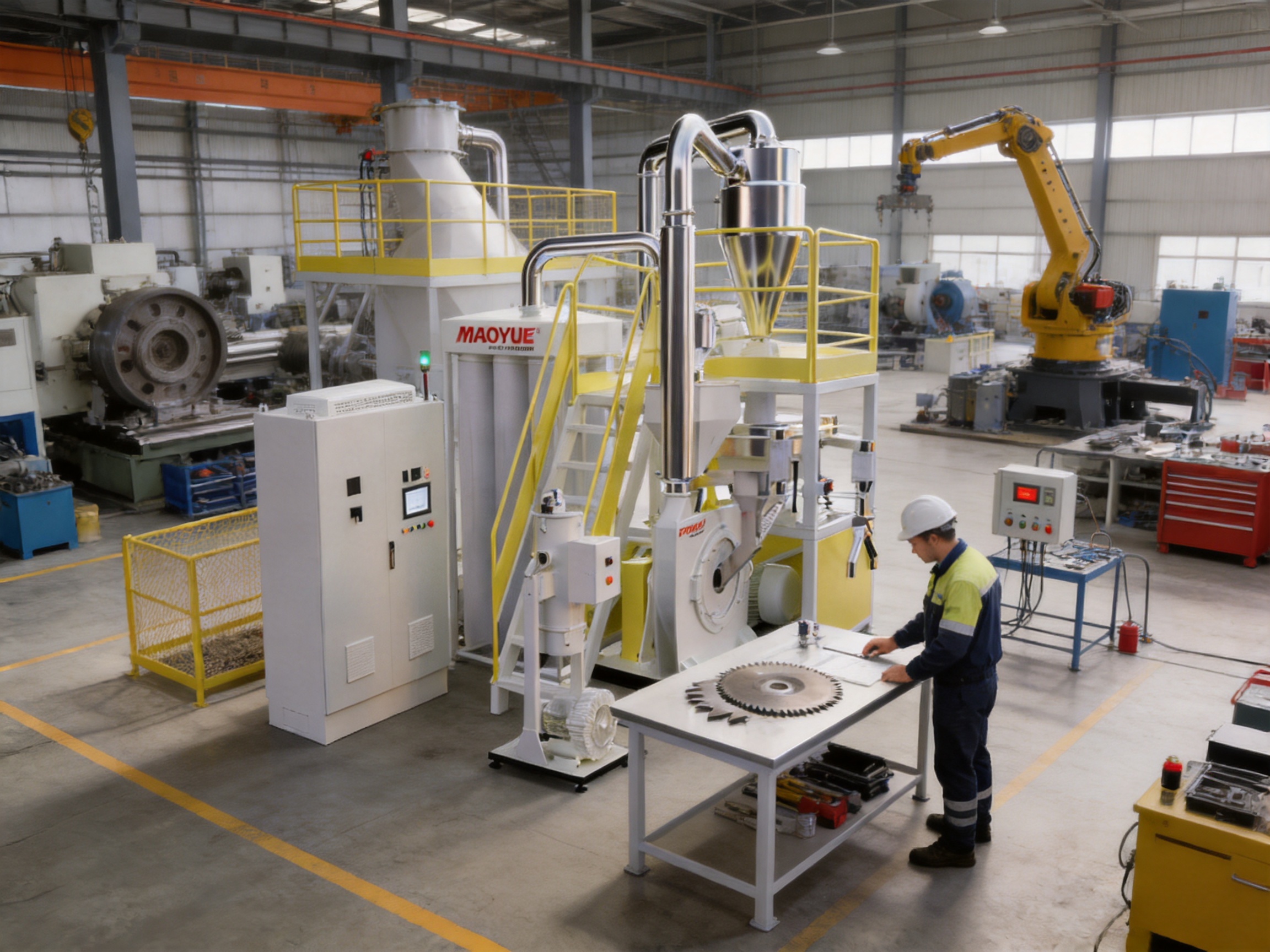
The company operates six processing workshops, each averaging approximately 1,400 square meters. A multi-workshop manufacturing structure provides space for machining, welding, assembly, testing, component preparation, and equipment storage. It also allows different stages of production to be organized in a more controlled manner.
Advanced machine tools are important for pulverizer manufacturing because disc balance, blade positioning, bearing alignment, and chamber tolerances directly affect performance. The factory uses high-precision grinding equipment imported from Taiwan and built to German standards. These machines support accurate processing of critical surfaces and contribute to consistent component dimensions.
Dynamic balancing is another essential process. High-speed rotating discs must be balanced accurately to reduce vibration, bearing loads, noise, and mechanical stress. The use of German dynamic balancing equipment helps verify rotating assemblies before they are installed in the finished machine. Proper balancing improves operating smoothness and may extend the life of bearings, shafts, and other mechanical components.
The factory also uses Japanese welding systems. Consistent welding quality is important for the structural frame, pipelines, hoppers, cooling components, and other fabricated parts. Controlled welding can reduce distortion, improve joint strength, and produce cleaner assemblies that are easier to inspect and maintain.
A professional technical team regularly studies advanced equipment technologies from Germany and other industrial markets. This ongoing technical development helps the manufacturer refine blade arrangements, cooling systems, control methods, material selection, and production-line integration. The objective is not simply to copy an existing machine but to improve the equipment according to real operating requirements.
Quality Management and Certification
Manufacturing quality influences every stage of a pulverizer’s service life. Dimensional accuracy affects assembly. Assembly accuracy affects vibration and wear. Material treatment affects blade life. Electrical quality affects safety and reliability. For this reason, quality control must cover raw materials, machining, heat treatment, welding, balancing, assembly, testing, and final inspection.
The manufacturer has obtained CE mechanical certification and ISO 9001 quality management system certification. CE certification indicates that the equipment is designed and assessed according to applicable European safety and conformity requirements. ISO 9001 certification reflects the use of a structured quality-management framework for manufacturing and service activities.
Certifications do not replace proper installation, operation, or maintenance, but they provide customers with a clearer framework for evaluating equipment management and manufacturing controls. They are particularly useful for international customers who require documented quality procedures and safety conformity before purchasing industrial machinery.
The company has built long-term relationships with more than 5,000 enterprises in domestic and international markets. Such a broad customer base provides opportunities to collect operating feedback from different materials, climates, production scales, and application sectors. Experience from these installations can help guide machine selection, configuration, spare-parts planning, and process optimization.
Installation and Production-Line Integration
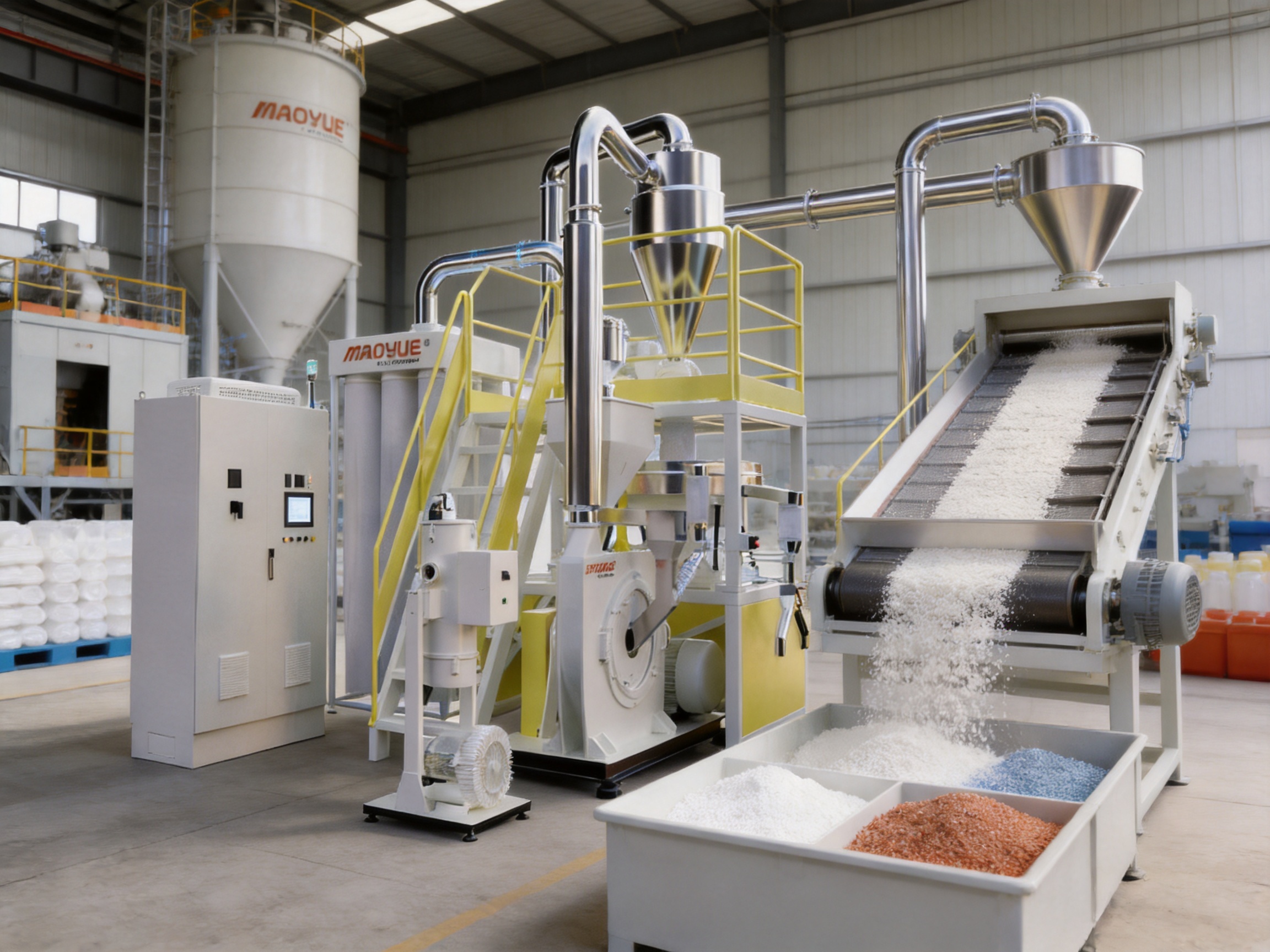
The 600 mm pulverizer can be integrated into a complete plastic recycling or powder-processing line. A typical line may include sorting, metal removal, shredding or granulation, drying, vacuum feeding, pulverization, conveying, screening, dust collection, storage, and packaging. The exact configuration depends on the incoming material and the required final product.
Feedstock should be prepared before it enters the grinding chamber. Large molded parts may need to be reduced in size. Metal, stones, and other foreign matter should be removed. Moisture should be controlled, especially for polyamide materials. Feedstock with excessive moisture may affect grinding behavior, powder quality, and downstream processing.
The pulverizer should be installed on a stable foundation with sufficient clearance for inspection, blade removal, screen replacement, motor service, and cleaning. The plant layout should provide safe access to emergency stops, electrical controls, water connections, dust-collection components, and product discharge points.
Cooling-water quality should be managed to limit scaling, corrosion, and blockage. A filter, flow indicator, and temperature gauge can help operators verify that the cooling circuit is functioning correctly. If a closed-loop system is used, the cooling unit should have sufficient capacity for the expected heat load during continuous operation.
Commissioning should begin with an inspection of mechanical fasteners, electrical connections, blade clearance, belt tension, lubrication points, airflow, screen installation, and cooling-water circulation. The machine should first be operated without material, followed by a gradual increase in feed rate. Operators should record motor current, temperature, vibration, output, and powder appearance during the trial.
Maintenance Recommendations
Preventive maintenance is necessary even when wear-resistant components are installed. Operators should inspect blades, fixed knives, grinding surfaces, screens, bearings, belts, seals, pipes, and dust-collection filters at regular intervals. The frequency should be adjusted according to material abrasiveness and operating hours.
Blade condition affects both capacity and temperature. Dull or damaged blades should be sharpened or replaced according to the manufacturer’s instructions. Blade replacement should preserve the original balance and clearance. Incorrect installation can create vibration, uneven wear, and reduced grinding efficiency.
Bearings should be lubricated with the correct product and at the recommended interval. Excessive or insufficient lubrication can both create problems. Unusual noise, vibration, bearing temperature, or motor load should be investigated promptly rather than ignored.
The water-cooling circuit should be checked for adequate flow, leaks, blockages, and temperature performance. Cooling water should be kept clean, and any scale or deposits should be removed before they restrict heat transfer. If the chamber temperature begins to rise unexpectedly, the operator should check water flow, feed rate, screen condition, material moisture, and airflow.
Dust-collection filters must be cleaned or replaced as required. A blocked filter can reduce conveying efficiency, increase dust leakage, and place additional load on the blower. Stainless-steel pipes and collection vessels should also be inspected for buildup, especially when processing materials that can soften or accumulate under high temperature.
Maintenance records should include operating hours, material type, output, blade inspections, repairs, temperature readings, and component replacements. These records help predict service intervals and identify changes in machine performance before they become serious failures.
Safety Considerations
Plastic pulverizers contain high-speed rotating components and should be operated only by trained personnel. Guards, covers, interlocks, emergency stops, and protective devices must remain in place during operation. Operators should never open the grinding chamber or remove a screen while the machine is energized or rotating.
Lockout and tagout procedures should be followed before maintenance. Electrical power, stored mechanical energy, compressed air, and cooling-water pressure should be isolated as appropriate. The grinding chamber must be allowed to stop completely before inspection or cleaning.
Suitable personal protective equipment may include safety glasses, hearing protection, protective gloves for material handling, safety footwear, and dust protection where required by the plant’s risk assessment. Dust-control systems should be maintained to reduce airborne particles, and the factory should evaluate the combustible-dust characteristics of the materials being processed.
Operators should also be trained to recognize abnormal conditions such as sudden vibration, unusual noise, rising temperature, blocked discharge, excessive motor current, smoke, or burning odor. Prompt shutdown and inspection can prevent damage to the machine and reduce safety risks.
How to Select the Correct Configuration
Before purchasing a 600 mm pulverizer, the customer should provide detailed information about the intended material. Important factors include polymer type, grade, reinforcement, filler content, moisture, bulk density, feed size, contamination level, and whether the material has been previously processed.
The required final product should also be defined. A customer seeking coarse powder for a basic recycling operation may need a different screen and operating condition from a customer producing fine PP powder for masterbatch or a controlled PA powder for engineering applications. The desired mesh size should be expressed together with acceptable particle-size distribution and maximum oversize content.
Capacity should be evaluated realistically. Nominal output varies with material and operating conditions. Tough, reinforced, wet, or heat-sensitive materials may produce less output than clean, dry, easily fractured material. A material test is the most reliable way to confirm capacity, temperature behavior, energy demand, and powder quality.
Customers should also consider auxiliary equipment. A pulverizer may require a pre-crusher, dryer, metal separator, dust collector, vibrating screen, cooling system, storage hopper, or automatic packaging system. The entire line should be balanced so that no individual machine becomes a bottleneck.
Electrical standards and factory conditions must be reviewed before shipment. Voltage, frequency, control-panel requirements, water availability, compressed-air supply, floor loading, ventilation, and local safety regulations can all influence the final configuration.
Economic and Environmental Benefits
Plastic recycling equipment creates value by converting waste and production scrap into a reusable material. When PA or PP waste is pulverized into a controlled powder, it may be returned to a manufacturing process instead of being discarded or downcycled. This reduces the demand for virgin resin and supports more efficient use of industrial resources.
The 600 mm machine can improve economic performance through higher output, extended component life, and reduced maintenance interruptions. A 50–80% capacity increase compared with a 500 mm model may allow a factory to process more material without adding several complete small machines. Longer grinding-disc service life can further reduce spare-parts and labor costs.
Energy performance should be assessed in relation to output rather than motor power alone. A machine with higher installed power may still be more economical per kilogram if it processes material more efficiently and spends less time in recirculation. Stable temperature control can also reduce rejected product and limit production losses caused by scorching or agglomeration.
Environmental performance depends on the full system. Dust collection reduces workplace emissions, metal separation improves material recovery, and water circulation can reduce cooling-water waste when properly designed. Responsible recycling also helps prevent valuable engineering plastics from entering landfills or being incinerated unnecessarily.
Why the 600 mm Model Is a Practical Investment
The main advantage of the 600 mm model is its balance. It offers a larger disc and higher potential capacity than a 500 mm machine while remaining more economical and compact than an 800 mm model. This makes it suitable for companies that are expanding from small-scale production to continuous industrial operation.
Its 36-moving and 15-fixed blade configuration supports efficient shearing. Its wear-resistant grinding components are designed for demanding PA and PP applications. Its intelligent temperature-control system and water-cooling circulation support long operating cycles. Its vacuum feeding, stainless-steel pipework, vibrating screen, optional dust collection, and optional metal separation make it suitable for integration into a complete production line.
The equipment is not limited to a single product. It can support PA recycling, PP masterbatch production, modified plastics, rotational molding, powder coating, and multi-material processing when the materials are compatible with the machine and properly prepared. This flexibility can help a factory serve more customers and adapt to changing market requirements.
Combined with the manufacturer’s machining capability, dynamic balancing, welding technology, technical experience, certifications, and global customer base, the machine represents a dependable option for processors seeking stable powder production. Its strongest competitive position is not based on one specification alone, but on the coordinated performance of grinding efficiency, thermal control, wear resistance, process flexibility, and manufacturing support.
Recommended Operating Workflow
A reliable production workflow begins with material inspection. Incoming plastic should be identified by polymer type and separated by grade, color, reinforcement, and contamination level. Metal and non-plastic contaminants should be removed before the material enters the pulverizing line.
The material should then be reduced to an appropriate feed size and dried when necessary. PA materials are hygroscopic and may require careful drying and protected storage. PP generally requires less moisture control, but surface contamination, oil, labels, and foreign materials can still affect powder quality.
After preparation, the operator should set the screen, feeding rate, motor speed, and cooling-water conditions. The first production batch should be monitored closely. Temperature, motor current, vibration, powder appearance, and output should be recorded and compared with the required product specification.
Oversize material should be returned to the pulverizer only when the system is designed for recirculation and the additional heat load is acceptable. Excessive recirculation can increase temperature and energy consumption. If the product requires narrow particle distribution, the screening and classification system should be adjusted rather than relying only on repeated grinding.
After production, the equipment should be cleared of residual material according to the factory cleaning procedure. This is particularly important when changing colors, polymers, additives, or customer orders. Regular cleaning helps prevent cross-contamination and supports consistent product quality.
Quality-Control Measures for Finished Powder
Finished powder should be evaluated using methods appropriate to the intended application. Mesh analysis can determine particle-size distribution. Visual inspection can identify discoloration, scorching, agglomeration, and foreign matter. Moisture testing is important for PA and other moisture-sensitive materials.
Flowability can be assessed through bulk-density and flow tests. For masterbatch, the powder may be evaluated after extrusion to confirm additive dispersion and final pellet consistency. For rotational molding, trial molding can reveal problems related to fusion, surface finish, wall thickness, or powder distribution. For powder coating, fluidization, charging, deposition, and coating appearance should be tested.
Metal contamination should be checked when recycled material is used. A combination of upstream sorting, magnetic separation, metal detection, and final inspection may be appropriate for high-purity applications. Quality-control results should be recorded by batch so that process changes can be traced.
Using these measurements, operators can optimize the relationship between output and quality. The highest possible capacity is not always the best operating point if it causes excessive temperature, poor particle distribution, or unacceptable contamination. A balanced operating condition generally provides better long-term productivity.
Q&A
What materials can the 600 mm pulverizer process?
The machine is primarily designed for suitable PA and PP materials, including PA6, PA66, PA12, PP, filled PP, and selected flexible polyolefins. It may also process certain blends such as PA/PP or PA/EVA when the material has been tested and the operating conditions are properly adjusted. Compatibility should be confirmed before processing highly abrasive, wet, contaminated, or thermally sensitive materials.
What is the expected capacity?
The described production range is approximately 350–600 kg/h under suitable conditions. A standard technical reference lists 180–320 kg/h for a particular configuration. Actual output depends on polymer type, feed size, moisture, reinforcement, target mesh size, motor selection, feeding stability, screen arrangement, and cooling performance. A material trial provides the most reliable capacity estimate.
Can the machine process PA66 and PA12?
Yes, the wear-resistant grinding construction is intended to support demanding materials such as PA66 and PA12. These materials may require careful drying, controlled feeding, effective cooling, and more frequent inspection than softer plastics. Glass-fiber-reinforced grades can increase component wear, so maintenance intervals should be based on actual operating experience.
How fine can the powder be?
The machine can support a broad fineness range of approximately 10–120 mesh depending on configuration and material. The standard technical specification refers to 10–50 mesh. Screen selection, rotor speed, feed rate, airflow, and material properties all influence the final particle-size distribution.
How does the cooling system work?
The machine uses water cooling with one water inlet and one outlet. The circulation system removes heat from the grinding area, while the intelligent temperature-control system monitors and regulates operating conditions. Under suitable conditions, grinding-chamber temperature fluctuations can be maintained within approximately ±3°C.
How long can the machine operate continuously?
The machine is designed for extended high-load operation, including production runs of approximately eight to twelve hours when the material, feeding, cooling, and maintenance conditions are appropriate. Continuous operation should always be supported by regular monitoring of temperature, motor current, vibration, cooling-water flow, and powder quality.
What is the service life of the grinding disc?
When processing high-melting-point or high-toughness materials such as PA66 and PA12, the grinding components may achieve approximately 800–1,200 operating hours under suitable conditions. Actual service life depends on glass-fiber content, mineral fillers, contamination, fineness, operating load, and maintenance. Regular inspection remains necessary.
Does the machine include dust collection?
Pulse dust collection is available as an option. The appropriate dust collector depends on airflow, powder characteristics, local regulations, and the complete line layout. A well-maintained dust-collection system supports cleaner production and more stable conveying performance.
Is metal separation available?
Yes, a metal separator can be included when higher powder purity or improved equipment protection is required. Metal separation is particularly useful for recycled industrial scrap that may contain embedded fasteners, machining residues, or other metallic contaminants.
What feeding method is used?
The reference configuration uses vacuum feeding. This supports continuous material transfer, reduces manual handling, and makes it easier to connect the pulverizer with upstream preparation equipment. The feeding system should be adjusted according to material size, bulk density, moisture, and required output.
What motor options are available?
The main drive motor is listed as 45/55 kW. Starting and speed-control options include star-delta starting, soft starting, and inverter control. The correct option depends on the customer’s electrical system, material, output target, and desired process flexibility.
What industries use this pulverizer?
Typical applications include PA recycling, PP masterbatch production, modified plastics, rotational molding, powder coating, polymer recycling, and multi-material plastic processing. It can be used by recycling enterprises, masterbatch factories, engineering-plastic processors, compounders, and deep-processing plants.
What should be tested before purchase?
Customers should test representative material for output, powder fineness, temperature behavior, energy demand, contamination, flowability, and continuous-operation stability. Samples should include the actual reinforcement, filler, moisture condition, and feed size expected in production. The results can then be used to confirm machine configuration and auxiliary equipment.
Conclusion
The 600 mm wear-resistant room-temperature plastic pulverizer is designed for manufacturers that need reliable, high-volume PA and PP powder production without moving immediately to a much larger and more expensive machine. Its larger grinding disc, 45–55 kW main motor, optimized 36-moving and 15-fixed blade layout, high-density tooth profile, wear-resistant treatment, and intelligent water-cooling system provide a coordinated solution for demanding plastic-processing applications.
Its potential capacity of approximately 350–600 kg/h, flexible fineness control, vacuum feeding, stainless-steel conveying pipe, vibrating screening, and optional dust and metal-separation systems make it adaptable to recycling, masterbatch, rotational molding, powder coating, and modified-plastic production. The machine’s value is further supported by the manufacturer’s long experience, six processing workshops, precision machining resources, dynamic-balancing capability, controlled welding systems, CE certification, ISO 9001 quality management, and extensive customer base.
For medium- and large-scale enterprises, the most important advantage is balance. The machine provides more output and production stability than a smaller 500 mm model while requiring less investment and space than an 800 mm system. When matched with suitable feed preparation, cooling, screening, dust collection, and preventive maintenance, it can serve as a dependable core unit for high-quality plastic powder production and circular-material utilization.
References
1. Product technical information for the 600 mm PA/PP wear-resistant room-temperature pulverizer.
2. Manufacturer-provided specifications for grinding discs, blade configuration, drive motors, feeding systems, cooling systems, screening, and conveying components.
3. Technical guidance on plastic recycling, pulverization, particle-size control, and powder handling.
4. General engineering principles for thermoplastic processing, wear-resistant materials, and high-speed rotating equipment.
5. Quality-management and machinery-safety principles associated with ISO 9001 and CE-conforming equipment design.
600PA/PP Wear-Resistant Room-Temperature Pulverizer