

 English
 русский
 Español
 عربى
عربى 中文简体
中文简体
 中文简体
中文简体
Content
- 1 Introduction
- 2 1. Product Positioning and Industrial Role
- 3 2. Core Engineering Design
- 4 3. Temperature Control and Continuous Operation
- 5 4. Powder Quality and Fineness Control
- 6 5. Standard Technical Specifications
- 7 6. Advantages Compared with Conventional Pulverizers
- 8 7. Applications in PVC Recycling
- 9 8. Applications in High-Filler PVC Compounding
- 10 9. Manufacturing Strength and Production Quality
- 11 10. Complete-Line Integration
- 12 11. Maintenance and Operating Recommendations
- 13 12. Installation and Commissioning
- 14 13. Why the Machine Is Suitable for Scale-Up Enterprises
- 15 14. Manufacturer Capability and Customer Support
- 16 15. Purchasing Considerations
- 17 16. Environmental and Resource-Recovery Benefits
- 18 17. Conclusion
- 19 Questions and Answers
- 19.1 Q1: What materials can the Model 850 process?
- 19.2 Q2: What is the production capacity?
- 19.3 Q3: What mesh sizes can be produced?
- 19.4 Q4: Why is wear resistance important for PVC pulverizing?
- 19.5 Q5: How long can the grinding discs last?
- 19.6 Q6: Does the machine include temperature control?
- 19.7 Q7: Can the machine remove metal contamination?
- 19.8 Q8: Is the Model 850 suitable for continuous production?
- 19.9 Q9: What type of company can benefit most from this machine?
- 19.10 Q10: What should be confirmed before ordering?
- 20 References
- 21 Product: Model 850 PVC Wear-Resistant Crusher
Introduction
Modern PVC recycling, compounding, flooring, artificial leather, pipe, profile, and building-material manufacturers increasingly require pulverizing equipment that can deliver high throughput without sacrificing powder consistency. The grinding system must process difficult materials, maintain a stable operating temperature, resist abrasive fillers, and operate reliably over long production cycles. At the same time, customers need equipment that is economical to install, simple to maintain, and flexible enough to accommodate different mesh-size requirements.
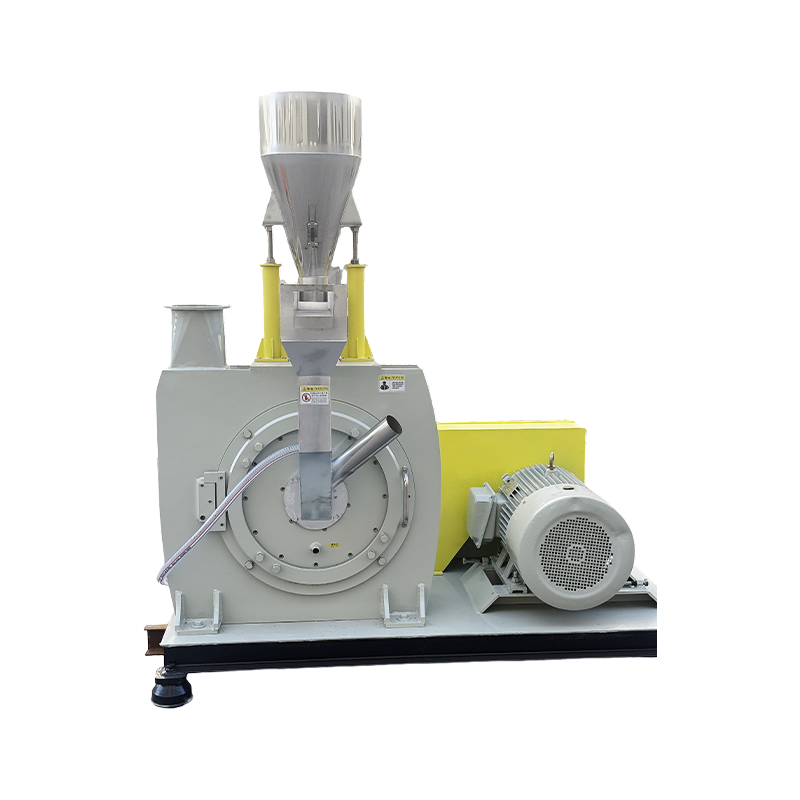
The Model 850 PVC Wear-Resistant Crusher is designed to address these demands. It combines a large grinding chamber, high-density multi-row teeth, wear-resistant alloy grinding components, controlled airflow, water cooling, and inverter-based speed adjustment. The result is a plastic pulverizing solution intended for demanding PVC applications, including rigid PVC waste, pipes, profiles, flooring scraps, construction materials, and high-calcium formulations.
With a stated production range of approximately 700–1,000 kilograms per hour in its advanced configuration, the machine is positioned above the 800 class in terms of processing scale while remaining more economical than many larger 900-class systems. The available specification sheet also lists a standard configuration of 500–700 kilograms per hour, a 90-kilowatt drive motor, and a 10–50 mesh range. These figures indicate that the machine can be configured according to raw-material characteristics, target fineness, cooling requirements, and line design.
This article examines the machine’s engineering design, operating advantages, application fields, manufacturing quality, maintenance considerations, and suitability for large-scale industrial production.
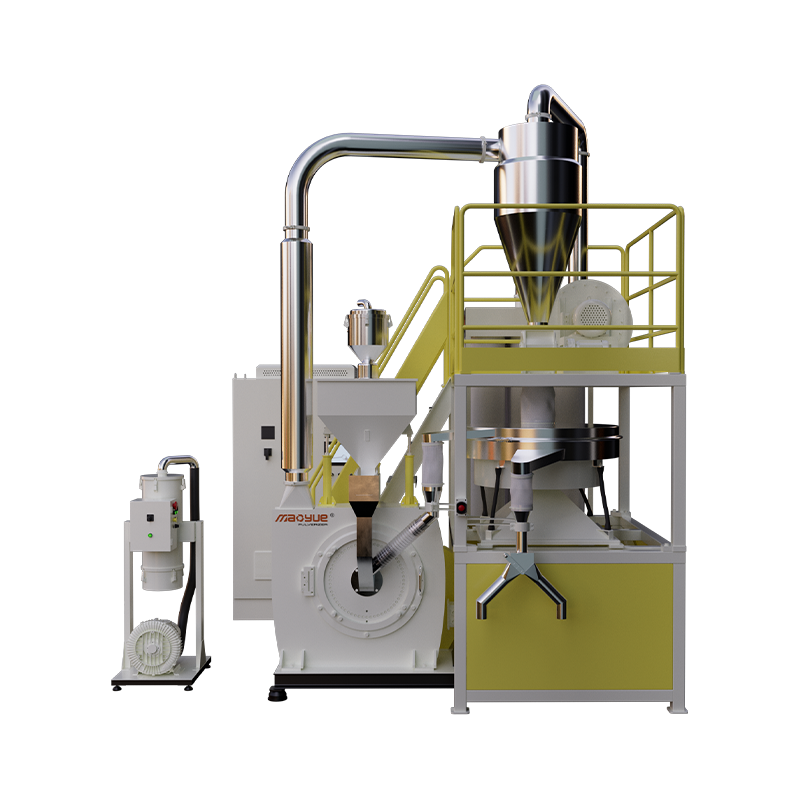
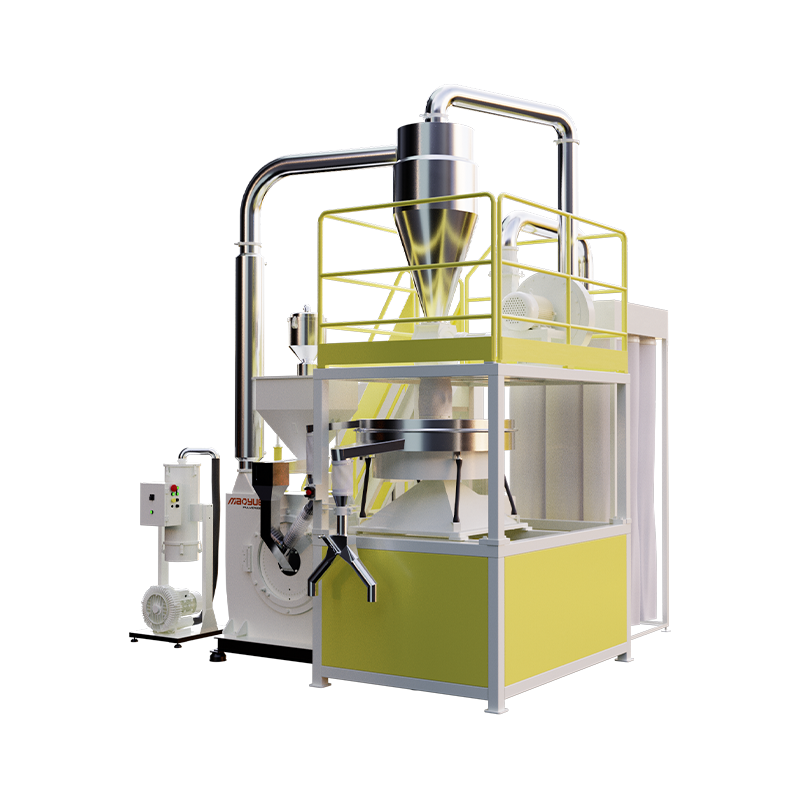
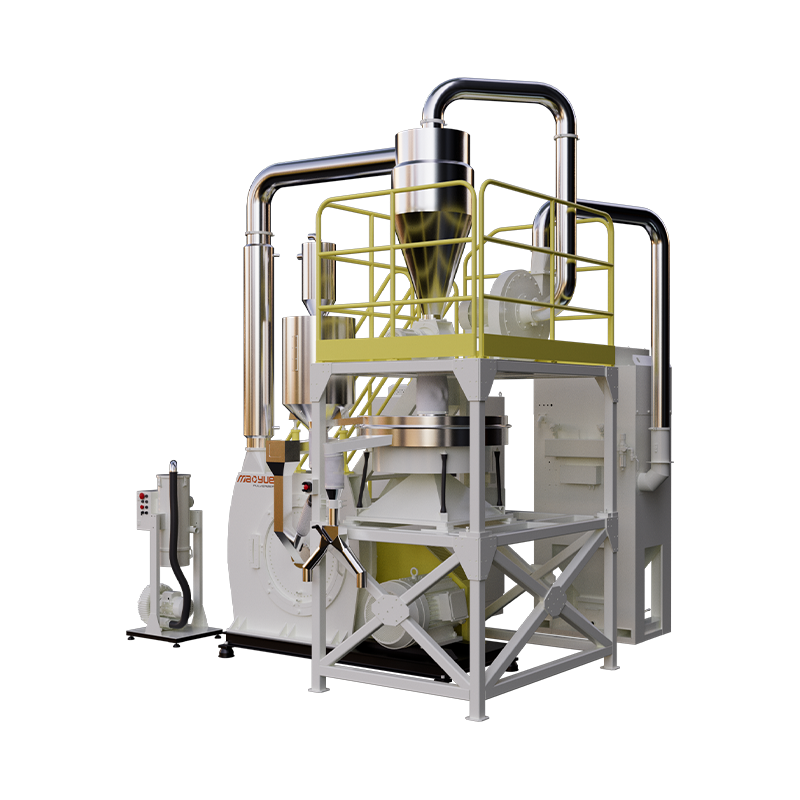
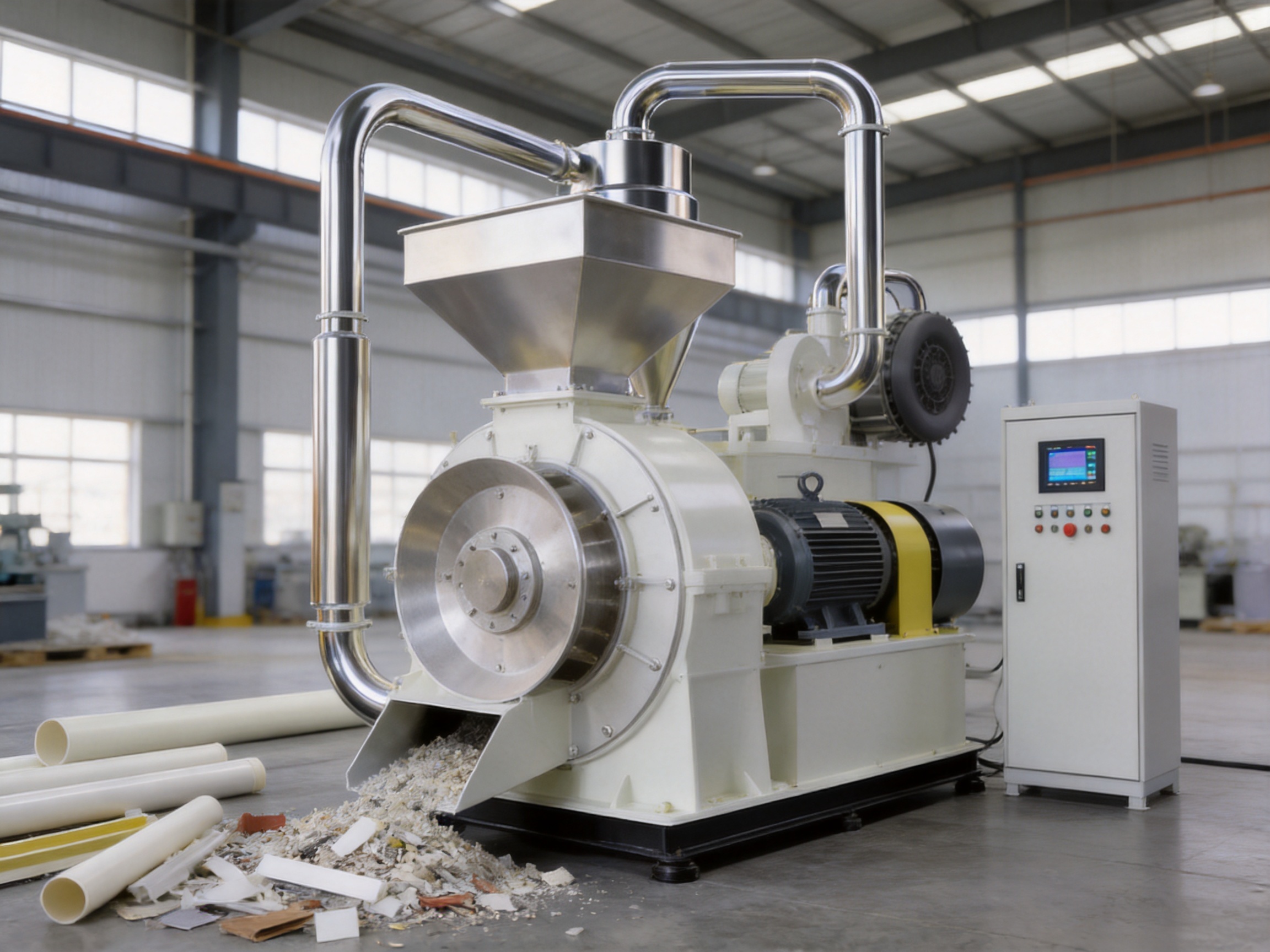
Model 850 PVC Wear-Resistant Crusher
1. Product Positioning and Industrial Role
The Model 850 is a disc-type PVC pulverizer developed for customers who need more capacity than a medium-size pulverizer can provide but do not want the higher investment, floor-space requirements, and energy demand associated with a larger machine. It is particularly suitable for companies expanding from regional production to centralized processing, contract manufacturing, or continuous recycled-material production.
In a typical PVC recycling line, the pulverizer is positioned after sorting, metal removal, crushing, and initial size reduction. Large items such as discarded pipes, window and door profiles, vinyl flooring, wall panels, and rigid PVC scrap are first reduced to suitable feed particles. The pulverizer then transforms these particles into a fine and relatively uniform powder for reuse in extrusion, calendaring, injection molding, or compounding.
Unlike a basic crusher, which primarily breaks material into larger pieces, a pulverizer must control the final particle size through a carefully designed grinding gap, tooth profile, rotor speed, airflow pattern, and screening system. The Model 850 is therefore intended to function as a core processing unit rather than merely an auxiliary size-reduction machine.
Its design is especially relevant to manufacturers working with high-calcium PVC, glass-fiber-reinforced PVC, stabilized rigid PVC, and other formulations that accelerate wear or generate excessive heat. These materials can quickly reduce the service life of conventional grinding discs and may cause unstable production if the cooling system is inadequate.
Target customers
The equipment can support several categories of industrial users:
Large PVC recycling groups can use it for centralized processing of construction and post-industrial PVC waste.
PVC flooring and artificial leather manufacturers can use it to recycle edge trim, rejected products, and production scrap.
Pipe and profile producers can integrate it into a closed-loop system for recovering offcuts and defective products.
Compounding companies can use it to prepare fine PVC powders containing calcium carbonate, stabilizers, impact modifiers, or other functional additives.
Contract manufacturers can install it as a high-throughput unit for handling multiple materials, specifications, and customer formulations.
At a daily operating rate of approximately 20–25 tons, depending on feedstock, mesh size, operating schedule, and line configuration, the machine can support production environments that require continuous material recovery rather than occasional scrap processing.
2. Core Engineering Design
Large grinding chamber
The large grinding chamber is one of the machine’s primary productivity features. A larger chamber allows the feed material to remain within the effective grinding zone for sufficient time while maintaining a broad working area between the rotating and stationary grinding surfaces. This can increase the amount of material processed per hour and reduce the risk of localized overload.
For PVC applications, chamber volume also affects airflow and heat removal. When material is ground at high speed, frictional heat is generated at the disc surface. A well-proportioned chamber allows cooling air and conveying air to circulate more effectively, helping prevent hot spots, scorching, and powder agglomeration.
The chamber is designed to support industrial continuous operation. Its structure can accommodate wear-resistant grinding components and provides access for inspection, adjustment, and replacement. This is important because grinding performance depends heavily on maintaining the correct disc condition and grinding clearance.
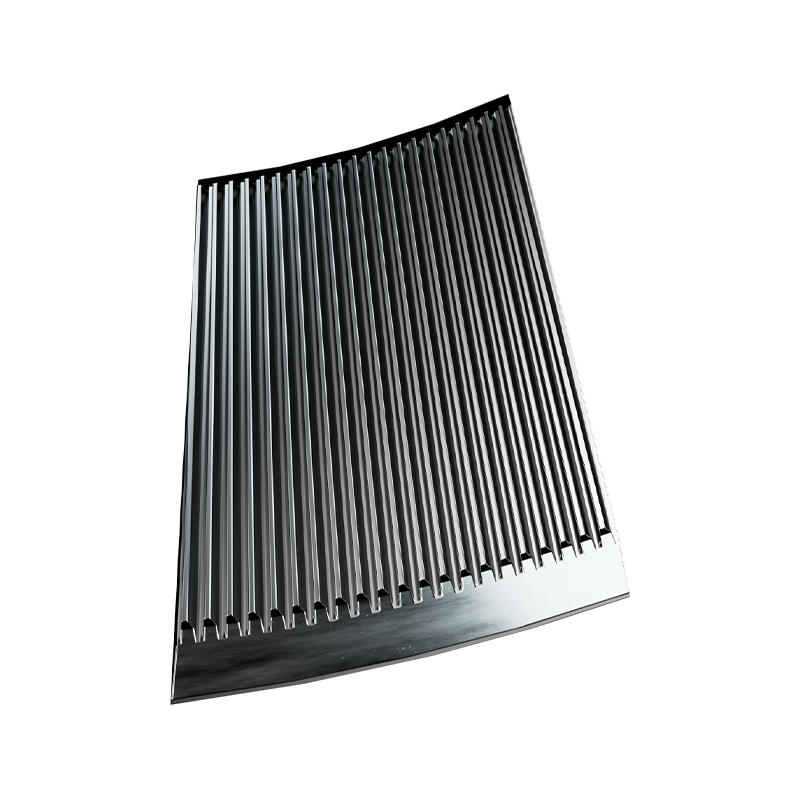
High-density multi-row tooth arrangement
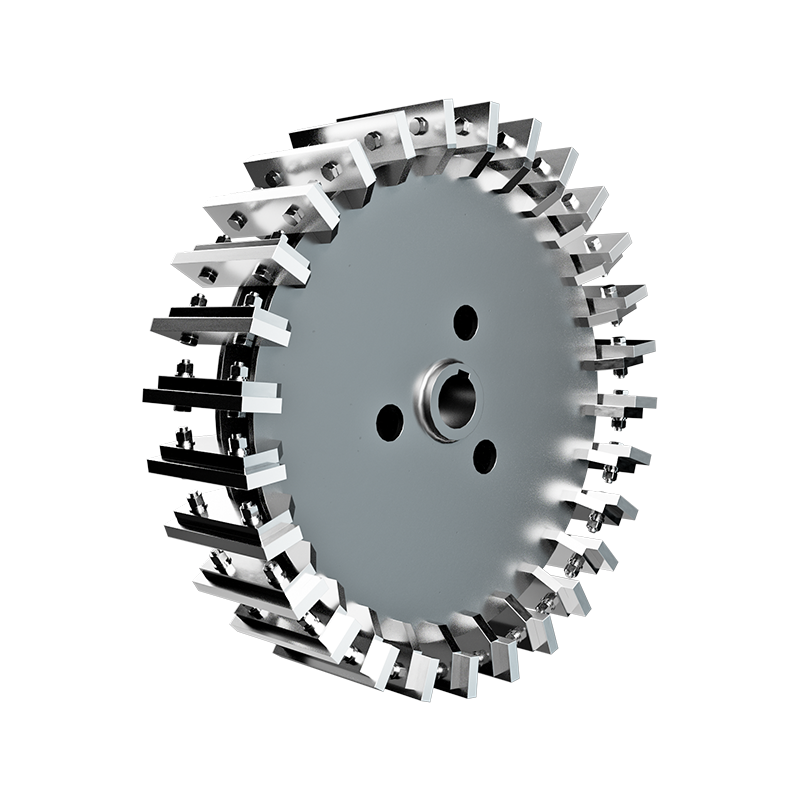
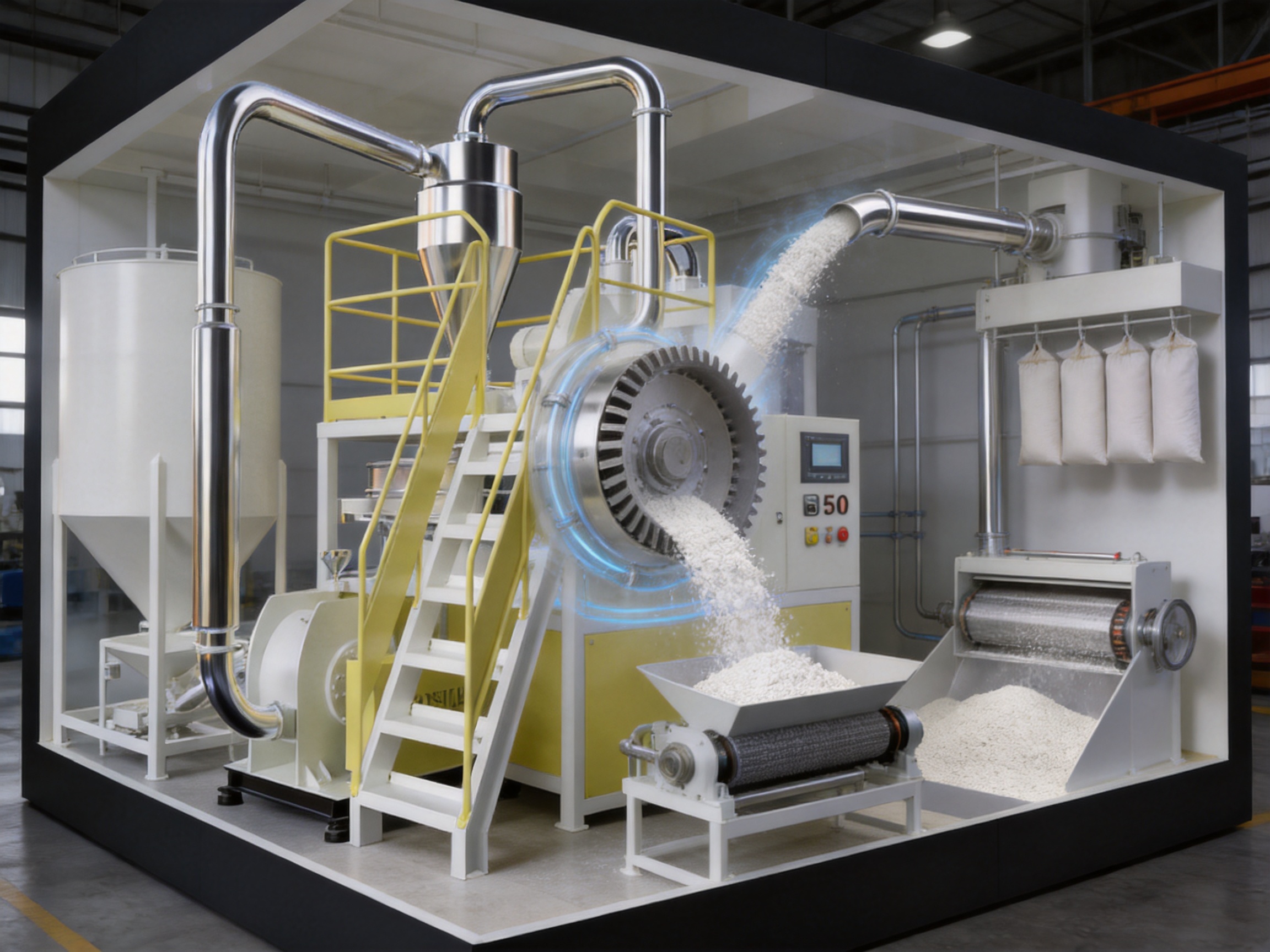
The grinding discs use a high-density, multi-row tooth design to increase the effective shear area. Instead of relying only on impact, the disc geometry promotes a combination of cutting, shearing, friction, and controlled compression. This makes it possible to process rigid PVC into a finer and more consistent powder than would normally be achieved with a simple coarse crusher.
The multi-row arrangement also helps distribute the workload across a larger number of tooth surfaces. When the load is distributed properly, the machine can maintain stable performance while reducing the likelihood that one localized section of the disc will experience excessive wear.
Operators can adjust the final powder characteristics by controlling the grinding gap, rotor speed, feed rate, and screening arrangement. Depending on the material and selected configuration, the machine is designed to produce powder in a range from approximately 10 to 120 mesh. The standard data sheet identifies a 10–50 mesh range, while the broader product description indicates that finer configurations are available for selected applications.
Wear-resistant alloy grinding discs
Grinding-disc durability is critical in PVC pulverizing. Calcium carbonate, mineral fillers, glass fibers, pigments, and contaminated recycled material can all create severe abrasion. If the grinding surfaces wear rapidly, the machine may lose capacity, produce an inconsistent particle distribution, and require frequent shutdowns.
The Model 850 uses heavy-duty wear-resistant alloy components with surface-hardening treatment. The available technical description states an expected grinding-disc lifespan of approximately 1,200–1,800 operating hours under suitable conditions. Actual life will depend on feedstock contamination, filler concentration, feed size, target mesh, operating speed, cooling performance, and maintenance practices.
High-chromium alloy is listed as the material for the knives or blades in the standard specification. This type of alloy is commonly selected for applications where hardness and abrasion resistance are more important than ordinary mild-steel construction. Surface hardening further improves resistance at the working edges and tooth surfaces.
The benefit of this construction is not limited to longer component life. Longer-lasting grinding surfaces reduce production interruptions, replacement labor, spare-part consumption, and the risk of inconsistent product quality caused by deteriorating teeth or discs.
Inverter-based speed control
The machine uses an inverter for speed control. This enables operators to adjust rotor speed according to the type of PVC being processed and the required powder characteristics. Softer materials, rigid profiles, high-filler compounds, and glass-fiber-reinforced formulations may require different operating conditions.
Variable speed also helps with startup and shutdown. The motor can accelerate in a controlled manner instead of immediately applying full mechanical stress to the transmission system. During production, the inverter can help the operator balance throughput, fineness, energy consumption, and temperature.
Compared with a fixed-speed pulverizer, an inverter-controlled machine provides more flexibility for customers who process several product grades. It may also reduce unnecessary energy consumption when maximum speed is not required.
3. Temperature Control and Continuous Operation
Temperature management is one of the most important requirements in PVC pulverizing. Excessive heat can cause powder to soften, stick to the grinding surfaces, form agglomerates, or develop scorch marks. Heat can also change the appearance and performance of recycled PVC, particularly when the material contains stabilizers or other heat-sensitive additives.
The Model 850 incorporates dual air and water cooling. Airflow helps remove heat from the grinding chamber and transports powder through the conveying system. Water cooling removes heat from the machine structure and grinding area more efficiently when the load is high or the feed material is difficult to process.
The product description also identifies intelligent PID temperature control. A proportional-integral-derivative controller continuously compares the measured temperature with the selected target and adjusts the cooling response. The stated operating stability is approximately plus or minus 2 degrees Celsius under suitable conditions.
Stable temperature control provides several production benefits. It reduces the possibility of material scorching, supports uniform powder flow, limits agglomeration, and helps maintain consistent color and bulk density. It also allows the machine to operate for extended periods without depending entirely on manual temperature adjustments.
For plants running around the clock, automatic temperature monitoring is particularly valuable. Operators can establish temperature limits and respond to abnormal conditions before they cause major product loss or mechanical damage. Temperature data may also be incorporated into the plant’s operating records for process verification and quality control.
4. Powder Quality and Fineness Control
Powder quality is determined by more than nominal mesh size. A successful PVC pulverizing process must also provide uniform particle distribution, low contamination, acceptable flowability, and stable thermal history. These characteristics affect the performance of downstream extrusion, calendaring, molding, and compounding operations.
The Model 850 is designed to provide adjustable fineness. The broader product range is described as approximately 10–120 mesh, while the standard listed configuration is 10–50 mesh. The actual result depends on feed material, disc condition, rotor speed, grinding-gap setting, screening, moisture, and the number of passes through the grinding zone.
For recycled construction PVC, a typical target may be around 30–80 mesh or finer, depending on the downstream product. Fine and uniform powder can improve dispersion in a new formulation and help create more consistent surfaces in profiles, flooring, and wall panels.
Powder purity is also important. The line can be equipped with metal detection and automatic impurity-removal functions. The product information references impurity levels below 80 parts per million in suitable production scenarios. This figure should be verified through actual raw-material testing and complete-line validation, because final purity depends on sorting, pre-crushing, magnetic separation, feeding, dust collection, and operator control in addition to the pulverizer itself.
Removing metallic particles before they reach the grinding chamber protects the discs and reduces the possibility of sparks, equipment damage, and contamination. It also improves the quality of the final recycled powder, especially when the powder is intended for high-value applications.
Influence on downstream products
Uniform PVC powder can contribute to more stable extrusion pressure, smoother material feeding, and better dispersion of fillers and additives. In flooring production, it may help support consistent thickness, surface finish, color, and wear performance. In artificial leather production, stable powder flow can help improve coating or calendaring consistency.
In pipe and profile manufacturing, well-prepared powder can improve the repeatability of recycled-content formulations. In functional compounding, it can provide a more uniform carrier for calcium carbonate, stabilizers, impact modifiers, pigments, and other ingredients.
It is important to emphasize that the pulverizer does not independently determine the final performance of a finished PVC product. Formulation design, extrusion conditions, additive quality, moisture control, and other production stages remain essential. The machine’s role is to provide a consistent and controllable powder feedstock.
5. Standard Technical Specifications
The following table summarizes the available standard configuration. Some values differ from the broader product description because industrial equipment may be supplied in several configurations. Customers should confirm the final technical proposal before ordering.
| Item | Specification | Technical Notes |
|---|---|---|
| Machine type | Model 850 | Disc-type PVC pulverizer |
| Disc diameter | 660 mm in the listed standard configuration | Confirm final disc size with the manufacturer because the product range is also described as approximately 850 mm |
| Capacity | 500–700 kg/h in the standard data | Advanced configuration is described at approximately 700–1,000 kg/h |
| Mesh size | 10–50 mesh in the standard data | Broader product description indicates approximately 10–120 mesh depending on configuration |
| Main drive motor | 90 kW | Product description references a 90–110 kW range |
| Speed control | Inverter | Supports process adjustment and controlled startup |
| Blade or knife material | High-chromium alloy | Designed for improved abrasion resistance |
| Blower motor | 11 kW | Supports pneumatic conveying and cooling airflow |
| Pipe material | Stainless steel | Helps resist corrosion and contamination |
| Pipe diameter | 159 mm | Final line layout should be confirmed during engineering |
| Vibrator diameter | 1,200 mm | Used for screening and powder classification |
| Vibrating-screen motor | 1.5 kW | Supports separation and classification |
| Feeding method | Iron-removal tie feeding | Designed to support metal removal before grinding |
| Dust-collector bag diameter | 300 mm | Part of the dust-control arrangement |
| Cooling method | Water cooling with inlet and outlet circulation | Combined with air cooling in the complete system |
The differences between the standard data and the broader product description should not be interpreted as a contradiction in machine capability. They may reflect a base model, an upgraded configuration, or different methods of reporting disc diameter and output. For a purchasing decision, the customer should request a confirmed specification based on the exact raw material, required output, mesh range, motor voltage, cooling-water conditions, and line arrangement.
6. Advantages Compared with Conventional Pulverizers
Higher throughput within a practical investment range
The Model 850 is positioned as a scale-up machine for companies that have outgrown smaller pulverizers. Its large chamber and high-density tooth arrangement provide a larger effective grinding area, which can increase output without requiring the full investment associated with a larger 900-class machine.
This positioning can be attractive to medium and large enterprises that need to expand capacity but must control capital expenditure. A machine that delivers sufficient throughput with a compact footprint may also reduce building modifications, auxiliary conveyor length, and installation cost.
Better wear resistance for abrasive PVC formulations
Many standard pulverizers are suitable for relatively clean, low-filler materials but experience faster wear when processing high-calcium PVC or glass-fiber-reinforced material. The Model 850’s high-chromium alloy and hardened grinding surfaces are intended to provide better resistance in these more aggressive conditions.
Longer service intervals can improve equipment availability. They can also make maintenance planning easier because disc replacement can be scheduled during planned shutdowns instead of being triggered by unexpected loss of capacity or powder-quality problems.
More stable processing temperature
Low-cost machines may rely on basic airflow or manual water adjustment. Such systems can be adequate for intermittent use but less suitable for continuous high-load production. The combined air and water cooling arrangement, supported by PID control, provides a more systematic way to manage temperature.
This is particularly useful in PVC applications where material softening, scorching, or agglomeration can reduce product value. Stable temperature is also valuable for customers supplying finished powder to demanding downstream manufacturers.
Greater control over product fineness
Inverter speed control, adjustable grinding conditions, and screening provide more opportunities to optimize the final powder. Instead of operating under one fixed condition, the production team can develop settings for different grades of PVC scrap and formulations.
This flexibility is a competitive advantage for contract manufacturers and recycling groups that process multiple sources of material. It can reduce the need for separate equipment for every product grade.
Improved purity protection
Optional metal detection and automatic impurity removal help protect both the pulverizer and the final powder. When combined with stainless-steel conveying pipes, careful material sorting, and an effective dust-collection system, these features support cleaner production.
For export-oriented recycled PVC, purity and consistency are often as important as capacity. A high-output machine that produces contaminated powder may create additional sorting, blending, or customer-rejection costs. The Model 850 is therefore designed around the combined objectives of productivity and quality assurance.
7. Applications in PVC Recycling
Construction waste PVC
Construction waste often includes discarded pipes, window and door profiles, cable ducts, wall panels, flooring scraps, and other rigid PVC products. These materials can contain dirt, metal fragments, fasteners, rubber, paint, adhesive, and mixed polymers. The success of recycling depends on sorting and pre-treatment before pulverizing.
After suitable separation and crushing, the Model 850 can provide a fine powder suitable for blending into recycled PVC formulations. Its wear-resistant grinding components are relevant because construction PVC frequently contains mineral fillers and may carry abrasive contamination.
Large recycling organizations can centralize this process and use the machine as the main fine-grinding unit. Centralized production allows better control over incoming material, quality inspection, metal removal, formulation, and packaging.
Pipe and profile recycling
PVC pipe and profile manufacturers generate offcuts, rejected lengths, end sections, and startup waste. Instead of sending this material to disposal, factories can crush and pulverize it for controlled reintroduction into selected products.
The machine’s fineness adjustment helps manufacturers develop different recycled-material grades. Coarser powder may be suitable for some rigid-core applications, while finer material may be preferred for profiles or products requiring a smoother surface and more uniform dispersion.
Flooring and artificial leather production
Flooring and artificial leather plants often generate edge trim and off-specification products. These materials may contain pigments, plasticizers, stabilizers, fillers, and surface coatings. A stable grinding process is important because overheating can affect color, flowability, and reprocessing behavior.
The Model 850 is suitable for plants seeking a closed-loop process. Recovered powder can be screened, inspected, blended, and returned to selected production lines. Such a system can reduce waste-management costs and improve material utilization while supporting recycled-content targets.
For high-end calendared flooring, consistent powder quality contributes to stable thickness, surface smoothness, color uniformity, and wear performance. It does not replace formulation and process control, but it provides a more reliable raw-material foundation.
8. Applications in High-Filler PVC Compounding
High-filler PVC formulations commonly contain substantial quantities of calcium carbonate. Fillers can reduce material cost, increase stiffness, and modify processing behavior, but they also place greater demands on grinding surfaces and conveying systems.
The Model 850 is intended to process rigid PVC materials containing heavy calcium carbonate, stabilizers, impact modifiers, and other additives. The wear-resistant discs help address abrasive loading, while temperature control helps limit heat-related changes during pulverizing.
Fine powder with a uniform particle distribution can support better dispersion during later mixing and compounding. This may contribute to more consistent mechanical properties, surface appearance, dimensional stability, and processing flow in the final product.
Potential downstream products include functional sheets, impact-resistant profiles, weather-resistant exterior wall panels, rigid boards, pipes, and other building materials. The correct powder specification will vary by product, and the customer should validate the formulation through laboratory and production trials.
Glass-fiber-reinforced PVC
Glass fibers are particularly abrasive and can shorten the life of ordinary grinding components. The Model 850’s alloy construction and surface-hardening treatment are intended to improve performance in such applications.
However, glass-fiber content, fiber length, moisture, and contamination should be evaluated before selecting operating conditions. Excessively long fibers or oversized feed particles may require additional pre-crushing or a modified feeding arrangement.
9. Manufacturing Strength and Production Quality
The performance of a pulverizer depends not only on its design concept but also on manufacturing accuracy. Disc balance, shaft alignment, bearing-seat precision, tooth geometry, welding quality, and surface treatment all influence vibration, output, component life, and safety.
Changzhou Mao Yue Intelligent Equipment Co., Ltd. reports approximately 30 years of experience in plastic crushing and pulverizing equipment. Its manufacturing activities are organized across six processing workshops, each averaging about 1,400 square meters. This production scale allows the company to handle machining, welding, assembly, testing, and customization within an organized industrial structure.
The company reports using high-precision grinding machines imported from Taiwan and manufactured to German standards. Precision grinding is important for components that must maintain accurate flatness, concentricity, surface finish, and dimensional stability. These factors are especially important for grinding discs because even small deviations can influence the working gap and vibration level.
Dynamic balancing
High-speed rotating parts require accurate dynamic balancing. An imbalanced rotor or disc can create vibration, increase bearing loads, accelerate fastener loosening, and reduce operator comfort. The company reports using German dynamic balancing equipment to improve rotational stability.
Good balancing is also connected with noise and energy efficiency. When rotating parts operate smoothly, less energy is lost to unnecessary vibration, and the mechanical system experiences less stress. This contributes to long-term reliability in continuous production.
Welding and structural fabrication
The company reports using Japanese welding systems for equipment fabrication. Consistent welding helps improve frame rigidity, chamber stability, pipe alignment, and resistance to fatigue. A rigid structure is important because the pulverizer is exposed to vibration, thermal cycling, and repeated mechanical loading.
Stainless-steel pipes are used in the listed configuration. This supports corrosion resistance and helps reduce the risk of rust particles entering the powder stream. The final suitability of the pipe material will depend on the powder’s composition, humidity, cleaning procedures, and plant environment.
European-oriented quality standards
The manufacturer states that its components are produced according to European quality standards and that the company has obtained CE mechanical certification and ISO 9001 quality management system certification. CE certification relates to applicable product safety and conformity requirements, while ISO 9001 concerns quality-management processes.
Customers should still review the machine’s technical file, electrical standards, guarding, emergency-stop arrangement, dust-control design, and local compliance requirements before installation. Certification provides an important foundation, but site-specific compliance also depends on the final configuration and installation environment.
10. Complete-Line Integration
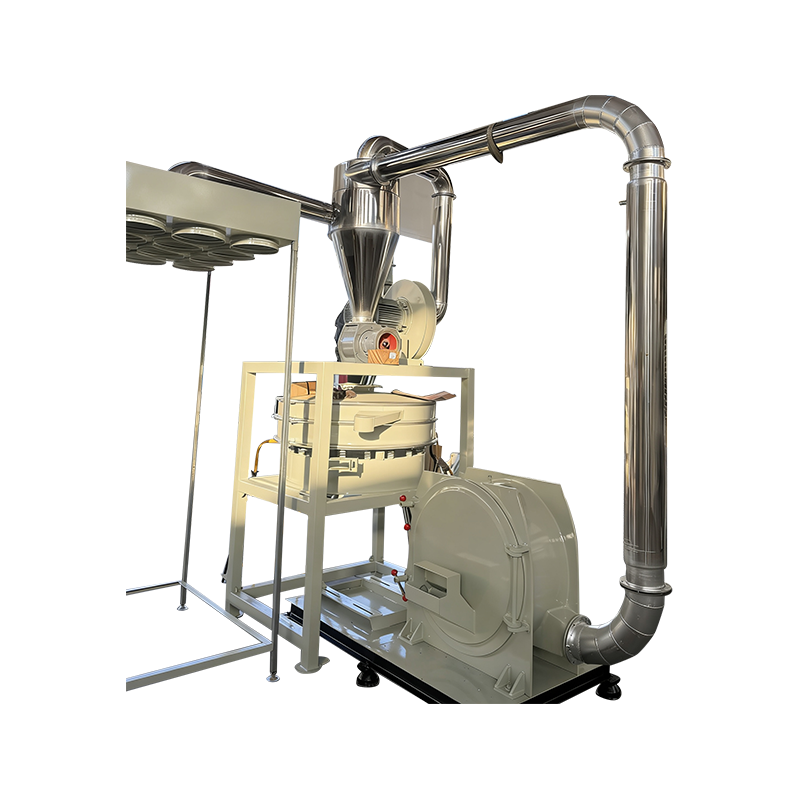
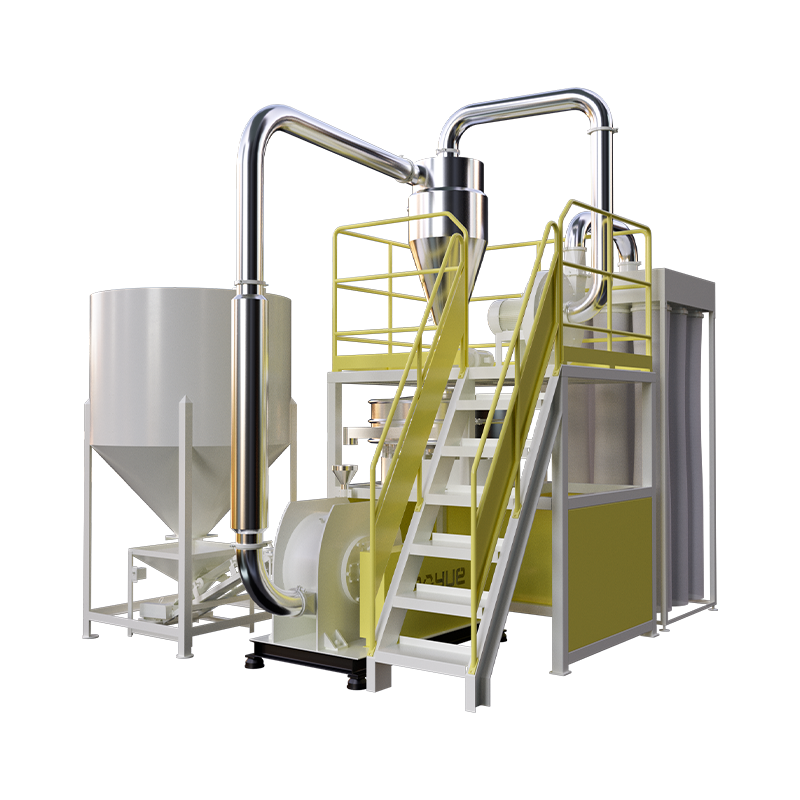
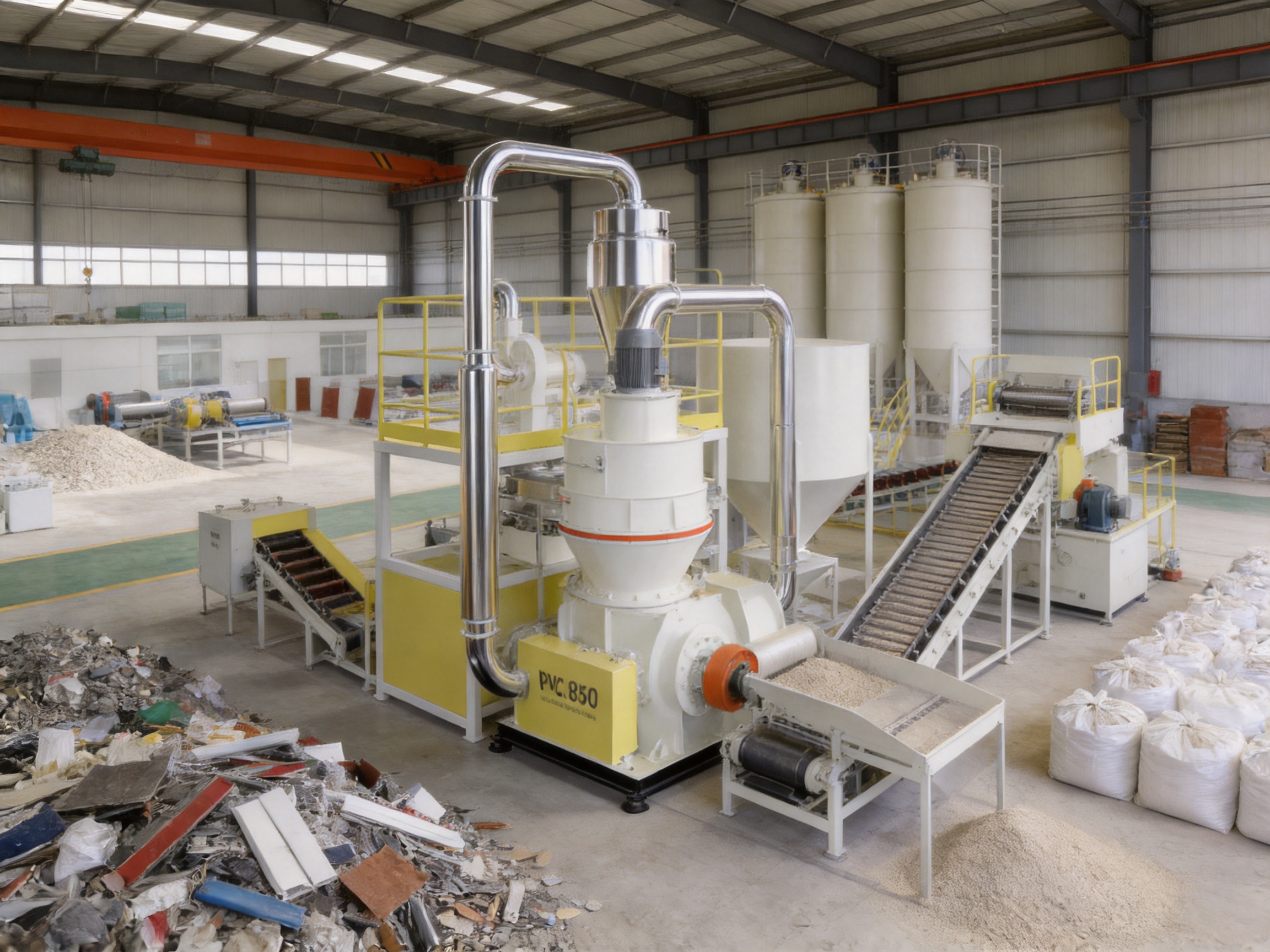
A pulverizer performs best when it is integrated into a properly designed line. The Model 850 can be combined with feeding equipment, metal removal, pre-crushing, conveying, vibrating screening, dust collection, cooling, and packing systems.
The listed feeding method includes iron removal before material enters the grinding process. This is an important protective measure for recycled PVC. Ferrous pieces, screws, nails, clamps, and other metal objects can damage the grinding discs or create unsafe operating conditions.
The vibrating screen, listed with a diameter of 1,200 millimeters and a 1.5-kilowatt motor, can classify the pulverized material. Oversized particles may be returned for additional grinding, while qualified powder is transferred to storage or packaging.
The blower, listed at 11 kilowatts, supports pneumatic movement through the stainless-steel pipe system. Airflow must be balanced carefully. Excessive airflow may carry coarse particles too quickly, while insufficient airflow may cause buildup, unstable discharge, or excessive residence time in the chamber.
The dust collector is an essential part of the line. PVC powder can become airborne during feeding, grinding, screening, and packing. Effective dust collection improves workplace cleanliness, reduces material loss, and supports compliance with occupational health requirements.
Space and energy considerations
The machine is described as having a compact footprint with optimized energy consumption. Compact equipment can be valuable when a factory must install additional capacity inside an existing building. It may also simplify the routing of conveyors and ducts.
Energy consumption depends on motor size, feed rate, material hardness, mesh target, cooling load, blower operation, and operating hours. A 90-kilowatt main motor represents significant installed power, but the energy used per kilogram can be improved by maintaining a steady feed, avoiding excessive recirculation, and selecting an appropriate mesh size.
Operators should monitor capacity, motor current, powder temperature, cooling-water temperature, and screen performance. These measurements help identify whether the line is operating near its intended efficiency.
11. Maintenance and Operating Recommendations
Routine maintenance is necessary to achieve the expected service life of the grinding discs and other components. Before operation, the operator should verify that the feed system is free of metal, oversized pieces, and foreign objects. The cooling system should have adequate water flow, and the dust collector should be ready for service.
During operation, unusual vibration, noise, motor-current fluctuation, powder discoloration, or temperature increase should be treated as warning signs. Possible causes include disc wear, uneven feeding, blocked airflow, bearing problems, incorrect grinding clearance, insufficient cooling, or contaminated feedstock.
The grinding gap should be checked and adjusted according to the manufacturer’s instructions. An excessively small gap can increase friction, temperature, and energy use. An excessively large gap can reduce fineness and increase the quantity of oversize material.
Grinding surfaces should be inspected regularly for tooth wear, cracks, deformation, or buildup. Worn components should be replaced or serviced before they affect the rotor balance or cause unstable powder quality.
Bearings, belts, pulleys, fasteners, and electrical connections should be included in the preventive-maintenance plan. The standard information identifies Chinese high-quality belt pulleys, but all transmission components should be checked for tension, alignment, heat, and wear.
The water-cooling circuit should be inspected for leaks, blocked passages, inadequate pressure, and scaling. Water quality can affect heat-transfer performance. In areas with hard water, the plant may need filtration, treatment, or periodic cleaning.
Dust-collection bags should be cleaned or replaced according to pressure-drop and airflow conditions. A blocked dust collector can reduce conveying performance, increase powder leakage, and raise the risk of overheating.
12. Installation and Commissioning
Before installation, the customer should confirm the foundation, electrical supply, lifting access, ventilation, cooling-water availability, powder storage, and dust-control arrangement. The machine should be installed on a stable foundation capable of supporting dynamic loads.
Electrical requirements should be confirmed according to the customer’s country, voltage, frequency, control-panel standards, and safety regulations. The inverter and PID controller should be configured during commissioning, together with alarm limits and emergency-stop functions.
Initial commissioning should begin with no-load testing. Technicians can check rotation direction, vibration, bearing temperature, belt tracking, water circulation, airflow, and control response before introducing material.
Material testing should then be performed with a controlled feed rate. Samples should be collected at different operating speeds and grinding-gap settings to identify the best combination of capacity, mesh distribution, temperature, and energy consumption.
Customers processing recycled construction material should conduct a separate contamination assessment. Feedstock containing high levels of metal, sand, concrete dust, rubber, or mixed polymers may need stronger sorting and pre-treatment equipment than clean factory scrap.
13. Why the Machine Is Suitable for Scale-Up Enterprises
Scale-up enterprises often face a difficult equipment-selection decision. A small machine may be familiar and inexpensive, but several units may be required to reach the desired capacity. A very large machine may provide high output but require a substantially larger investment, more floor space, and greater auxiliary capacity.
The Model 850 is intended to occupy the practical middle ground. It offers a larger chamber and stronger drive system than smaller PVC pulverizers, while remaining more cost-conscious than a 900-class installation. This can help companies expand gradually while keeping capital allocation under control.
For a recycling group, one machine can serve as the core of a centralized line, with additional units added as raw-material supply grows. For a flooring producer, it can provide enough capacity to process a significant volume of factory scrap without building an oversized recovery department. For an OEM manufacturer, it can support multiple customer formulations while retaining the flexibility of adjustable speed and screening.
The machine’s value should therefore be evaluated not only by its purchase price but also by its total operating cost. Important factors include disc life, energy use per kilogram, maintenance time, powder yield, impurity rate, labor requirements, cooling consumption, and the value of recovered PVC.
14. Manufacturer Capability and Customer Support
Changzhou Mao Yue Intelligent Equipment Co., Ltd. presents itself as a source manufacturer rather than a trading company. Direct manufacturing can provide advantages in product customization, technical communication, spare-part supply, and after-sales support.
The company reports long-term cooperation with more than 5,000 domestic and international enterprises. Such a customer base can provide practical experience across rotational molding, masterbatch, polymer processing, PVC, PE, recycling, and powder-coating applications.
Its stated product philosophy emphasizes quality, service, innovation, and customized solutions. This is relevant because PVC pulverizing lines are rarely identical. Feedstock composition, target output, local electrical standards, available floor space, cooling conditions, and dust-control requirements vary from one factory to another.
A proper technical proposal should include the expected capacity, feed-size range, target mesh, motor configuration, cooling system, screening method, dust collector, metal-removal equipment, spare parts, installation requirements, and commissioning plan. Material samples should be tested whenever possible.
Customers should also ask for recommended maintenance intervals, disc-replacement procedures, operating limits, safety documentation, and a list of wear parts. Clear documentation helps production teams obtain consistent results after installation.
15. Purchasing Considerations
Before purchasing a Model 850 PVC pulverizer, the buyer should define the material to be processed. Clean rigid PVC production scrap behaves differently from post-consumer construction waste. A material analysis should identify PVC type, filler content, moisture, contamination, particle size, and any presence of glass fiber or metal.
The required output should be expressed in kilograms per hour under specified conditions. Capacity should not be evaluated without identifying the mesh size. Finer powder generally requires more energy and may reduce throughput compared with a coarser target.
The customer should also decide whether the machine will operate intermittently or continuously. A 24-hour plant needs stronger preventive maintenance, spare-part planning, cooling-water management, and dust-control procedures than a short-shift operation.
Installation space is another consideration. The machine itself may have a compact footprint, but the complete line requires room for feeding, metal removal, screening, dust collection, storage, maintenance access, and safe operator movement.
Finally, customers should compare total-line performance rather than comparing only the main motor power. A reliable feeding system, effective cooling, accurate screening, and proper dust collection can have as much influence on production results as the pulverizer itself.
16. Environmental and Resource-Recovery Benefits
PVC recycling helps reduce the amount of plastic waste sent to landfill or incineration. Recovering material from pipes, profiles, flooring, and production scrap can reduce demand for virgin resin and improve overall resource efficiency.
A high-capacity pulverizer supports this objective by making it practical to process larger volumes of waste. When the powder is sufficiently clean and consistent, it can be returned to manufacturing processes with greater confidence.
Energy and environmental performance depend on the complete line. Efficient feeding, correct motor loading, effective cooling, low recirculation, and proper dust collection all help improve the environmental profile of the operation. The machine should therefore be evaluated as part of a complete recycling system rather than as an isolated component.
17. Conclusion
The Model 850 PVC Wear-Resistant Crusher is designed for manufacturers that need a reliable transition from medium-scale pulverizing to higher-throughput industrial production. Its large grinding chamber, multi-row tooth structure, alloy grinding components, inverter speed control, dual cooling, PID temperature regulation, metal-removal options, and screening arrangement address the main challenges of modern PVC powder production.
Its strongest competitive advantages are the balance between capacity and investment, the focus on wear resistance, the ability to manage difficult high-filler materials, and the flexibility to produce different powder grades. The machine is particularly suitable for PVC recycling groups, flooring and artificial leather manufacturers, pipe and profile producers, high-filler compounders, and OEM contract manufacturers.
The manufacturer’s reported experience, precision machining capabilities, dynamic-balancing equipment, welding systems, CE mechanical certification, and ISO 9001 quality-management certification further support its industrial positioning.
Because the supplied information includes both standard and upgraded performance figures, buyers should confirm the final configuration in writing. Disc diameter, capacity, mesh range, motor power, cooling design, impurity-removal equipment, and line accessories should all be matched to the customer’s material and production goals.
When correctly configured, installed, and maintained, the Model 850 can serve as a dependable core unit for high-volume PVC recycling and powder production, helping manufacturers improve material utilization, product consistency, production capacity, and long-term operating value.
Questions and Answers
Q1: What materials can the Model 850 process?
The machine is intended primarily for PVC materials, including rigid PVC pipes, profiles, flooring scraps, construction waste, artificial leather production waste, and PVC compounds containing calcium carbonate, stabilizers, impact modifiers, or selected reinforcing materials. Feedstock should be sorted and pre-crushed before entering the pulverizer.
Q2: What is the production capacity?
The standard technical data lists approximately 500–700 kilograms per hour. The broader product description identifies an upgraded operating range of approximately 700–1,000 kilograms per hour. Actual capacity depends on feed size, material hardness, filler content, moisture, target mesh, grinding-gap setting, and cooling conditions.
Q3: What mesh sizes can be produced?
The standard specification lists 10–50 mesh, while the broader product description refers to approximately 10–120 mesh. The final result depends on the selected configuration, operating speed, grinding clearance, screening system, and material characteristics. Customers should confirm the required mesh range through material testing.
Q4: Why is wear resistance important for PVC pulverizing?
PVC formulations may contain calcium carbonate, glass fibers, pigments, mineral contamination, and other abrasive substances. These materials can wear ordinary grinding surfaces quickly. High-chromium alloy and surface-hardening treatment are used to improve resistance and extend service intervals.
Q5: How long can the grinding discs last?
The product description gives an estimated service life of approximately 1,200–1,800 operating hours under suitable conditions. Actual lifespan varies according to feed contamination, filler concentration, powder fineness, rotor speed, cooling, and maintenance.
Q6: Does the machine include temperature control?
The machine is described as using air and water cooling together with intelligent PID temperature control. The stated temperature stability is approximately plus or minus 2 degrees Celsius under appropriate operating conditions. Cooling-water quality and flow must be maintained by the user.
Q7: Can the machine remove metal contamination?
Metal detection and automatic impurity-removal equipment are available as options or line functions. The listed feeding method includes iron removal. For heavily contaminated construction waste, additional sorting and magnetic-separation equipment may be required before pulverizing.
Q8: Is the Model 850 suitable for continuous production?
Yes. Its design targets industrial production and is described for continuous operation, including demanding 24-hour production environments. Continuous operation requires correct cooling, stable feeding, regular inspection, and preventive maintenance.
Q9: What type of company can benefit most from this machine?
Large recycling groups, PVC flooring and artificial leather factories, pipe and profile manufacturers, high-filler compounders, and OEM contract manufacturers are likely to benefit most. It is intended for enterprises that need higher capacity, stable powder quality, and controlled investment.
Q10: What should be confirmed before ordering?
The customer should confirm raw-material type, feed size, filler content, moisture, target capacity, mesh range, disc configuration, motor power, electrical standard, cooling-water conditions, screening, dust collection, metal removal, installation space, spare parts, and commissioning requirements.
References
1. Product technical information for the Model 850 PVC Wear-Resistant Crusher, including capacity, grinding range, cooling, and wear-resistant component data.
2. Standard equipment specification sheet for the Model 850 PVC pulverizing line.
3. Manufacturer information concerning plastic crushing and pulverizing equipment, manufacturing facilities, technical personnel, and quality-management systems.
4. General industrial principles of plastic size reduction, disc grinding, particle classification, dust collection, and temperature control.
5. General PVC recycling and compounding practices for pipes, profiles, flooring, artificial leather, and high-filler building-material applications.