

 English
 русский
 Español
 عربى
عربى 中文简体
中文简体
 中文简体
中文简体
Content
- 1 1. Why Pulverizing Quality Matters in Color Masterbatch Production
- 2 2. Main Application Areas
- 3 3. Model 600 Design and Technical Configuration
- 4 4. DC53 Grinding Discs for High-Demand Masterbatch Materials
- 5 5. Precision Tooth-by-Tooth Grinding
- 6 6. Dynamic Balancing and Vibration Control
- 7 7. Dual Cooling for Temperature-Sensitive Polymer Formulations
- 8 8. Enclosed Negative-Pressure Conveying and Dust Collection
- 9 9. Screening and Fineness Control
- 10 10. Electrical and Drive Options
- 11 11. Manufacturing Strength of the Supplier
- 12 12. Advantages Compared with Conventional Pulverizers
- 13 13. Installation and Plant Integration
- 14 14. Operation and Maintenance Recommendations
- 15 15. Selecting the Right Configuration
- 16 16. Cost and Return on Investment
- 17 17. Frequently Asked Questions
- 17.1 17.1 What materials can the Model 600 pulverize?
- 17.2 17.2 What is the actual capacity of the machine?
- 17.3 17.3 What fineness can be achieved?
- 17.4 17.4 Why is DC53 used for the grinding disc?
- 17.5 17.5 Can a worn grinding disc be repaired?
- 17.6 17.6 How does the machine control heat?
- 17.7 17.7 Is dust collection included?
- 17.8 17.8 What electrical options are available?
- 17.9 17.9 How much floor space is required?
- 17.10 17.10 What should be tested before purchase?
- 17.11 17.11 Can the machine operate continuously?
- 17.12 17.12 What support does the manufacturer provide?
- 18 18. Why Choose the Model 600 for Medium-to-Large Masterbatch Plants?
- 19 19. Conclusion
- 20 References
- 21 Product: High-Speed Pulverizer for Color Masterbatch Model 600
Producing consistent color masterbatch requires more than simply reducing polymer particles to a smaller size. The pulverizing system must create a uniform powder, protect heat-sensitive additives, maintain stable operating conditions, control dust, and continue working reliably through long production cycles. For medium- and large-scale masterbatch manufacturers, the choice of pulverizer directly affects color consistency, dispersion quality, production cost, maintenance frequency, and customer satisfaction.
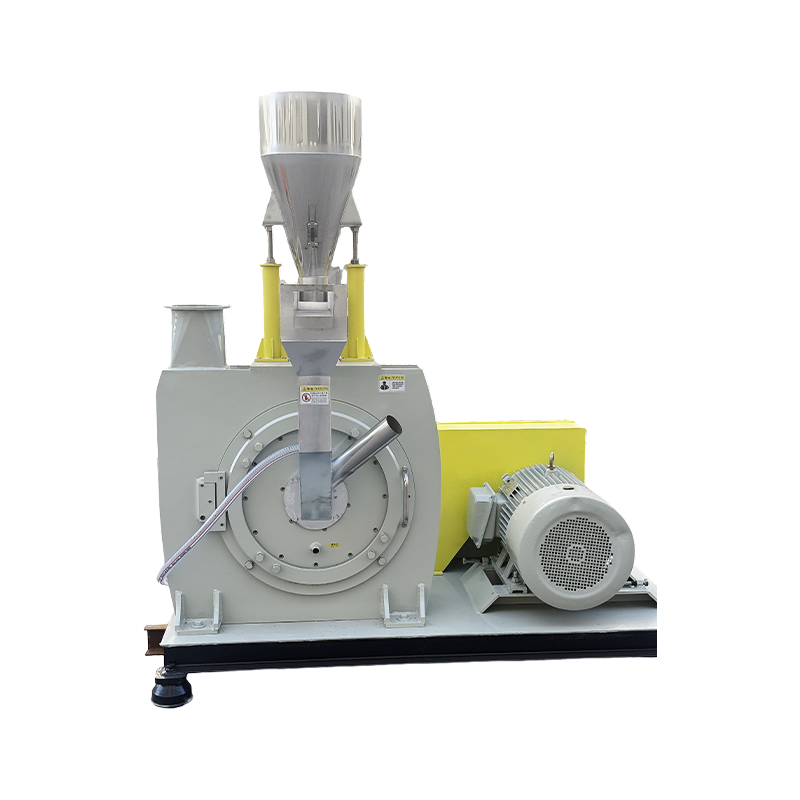
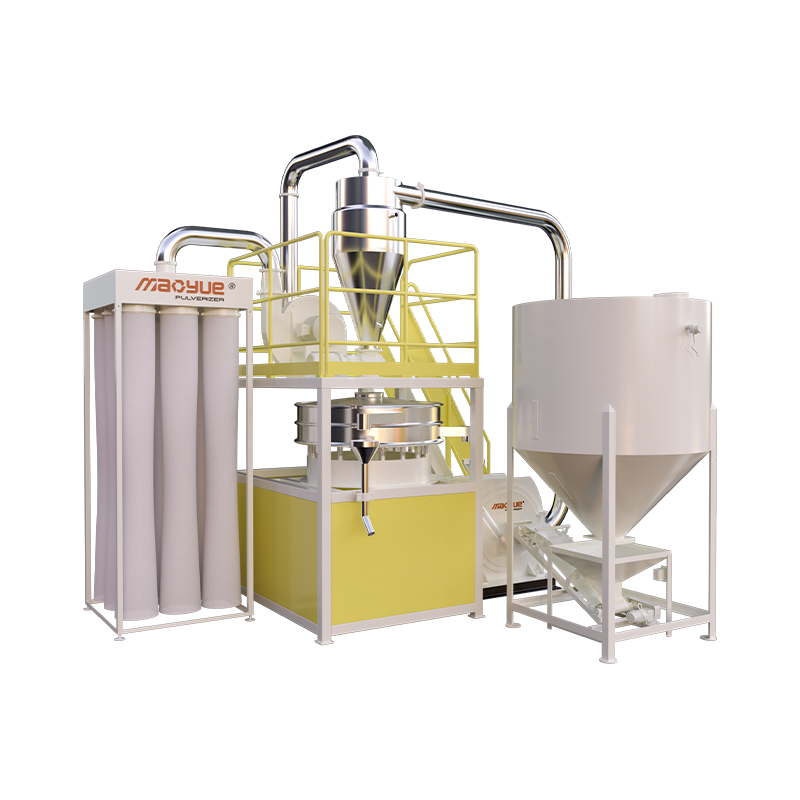
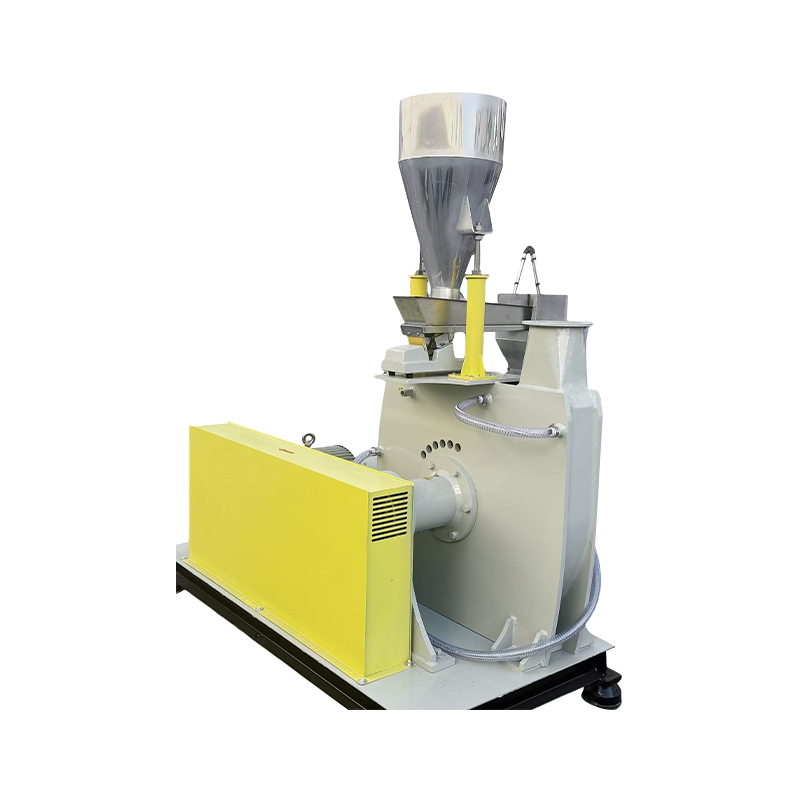
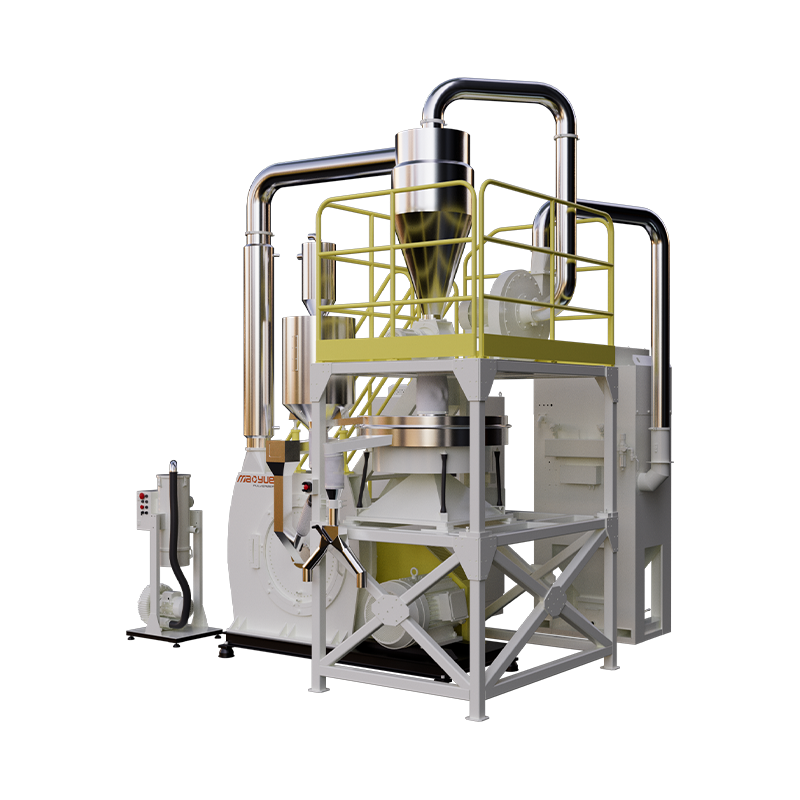
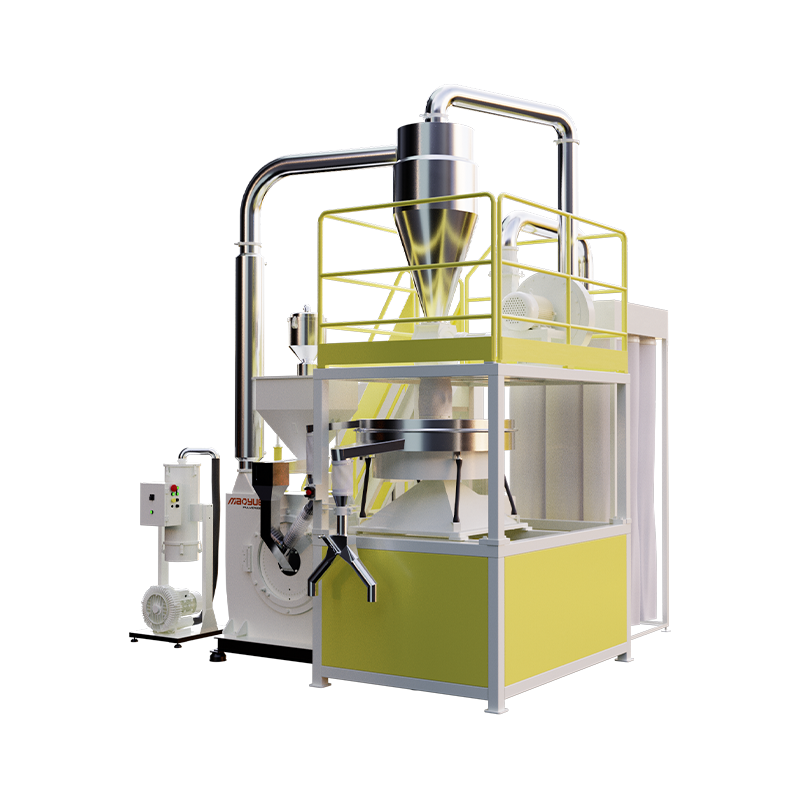
The Model 600 high-speed pulverizer is designed for these demanding production requirements. It is a specialized disc pulverizing system for color masterbatch, functional masterbatch, modified plastics, recycled polymer materials, rotomolding powder, and related applications. Its design combines a large-diameter grinding disc, high-strength DC53 tooling, precision-machined grinding teeth, dynamic balancing, dual cooling, negative-pressure conveying, dust collection, and intelligent process control.
Depending on the material, formulation, feeding condition, required fineness, and system configuration, the machine can support a broad production range. The marketing performance range for suitable masterbatch applications may reach approximately 300–800 kilograms per hour, while the standard technical configuration is commonly specified at approximately 180–320 kilograms per hour. Actual output should therefore be confirmed through material testing and a production trial before purchase. This distinction is important because polymer hardness, pigment loading, moisture, feed size, temperature, and target mesh size all influence capacity.
1. Why Pulverizing Quality Matters in Color Masterbatch Production
Color masterbatch is a concentrated mixture of pigments or dyes, polymer carriers, dispersing agents, processing aids, and other functional additives. The material must be distributed uniformly throughout the carrier polymer so that a small addition of masterbatch can produce reliable color or performance in the final product.
When the pulverizing process is unstable, the resulting powder may contain excessive coarse particles, irregular particle shapes, agglomerates, or a wide particle-size distribution. These problems can cause inconsistent feeding, poor dispersion, color variation, visible black spots, fisheyes, surface defects, and fluctuations in the appearance of injection-molded, extruded, blown, or rotationally molded products.
Uniform particle size is particularly important when the masterbatch is added through automatic dosing equipment. Powder that contains too many oversized particles may bridge in the hopper or feed unevenly. Excessively fine dust can create conveying problems, increase environmental loading, and make accurate dosing more difficult. A properly configured pulverizer produces a balanced particle distribution that supports stable transportation, blending, and downstream processing.
Heat management is equally important. Many masterbatch formulations contain pigments, flame retardants, antistatic additives, conductive fillers, mineral modifiers, or other components that may degrade, discolor, soften, or stick when exposed to excessive heat. A grinding chamber that becomes too hot can lead to material buildup on the discs, yellowing, reduced output, and loss of product quality.
The Model 600 addresses these challenges through a combination of mechanical strength, precision manufacturing, controlled airflow, cooling, and process monitoring. Instead of treating pulverizing as a simple crushing operation, the system is engineered as an integrated powder-production unit.
2. Main Application Areas
2.1 Color Masterbatch
The primary application is the production of color masterbatch based on polymers such as polyethylene, polypropylene, ABS, and polycarbonate. These materials can contain high concentrations of pigments and additives that place significant demands on the grinding discs. The high-strength disc material and controlled temperature system are intended to support consistent processing under these conditions.
2.2 Functional Masterbatch
Functional masterbatch may contain flame-retardant, antistatic, conductive, reinforcing, nucleating, ultraviolet-resistant, or other specialized additives. Such formulations can be abrasive, heat-sensitive, or more difficult to disperse than conventional color concentrates. A stable grinding chamber and narrow particle-size distribution help improve the uniformity of these products.
2.3 Modified Plastics
Modified plastics and polymer composites often contain mineral fillers, reinforcing materials, impact modifiers, and special additives. These materials may require finer grinding and closer control of temperature and airflow. The Model 600 can be used where the manufacturer needs a combination of throughput and improved powder consistency.
2.4 Recycling and Re-Granulation
Production waste, rejected masterbatch, injection-molding waste, and other recoverable polymer materials can be pulverized before re-granulation or blending. The appropriate machine configuration depends on the shape, hardness, contamination level, and moisture content of the waste. Pre-sorting and removal of metal or foreign objects are essential before feeding recycled materials into the pulverizer.
2.5 Rotomolding Powder and Flooring Materials
The same pulverizing technology can support medium- and high-output production of rotational molding powder and selected powder materials for SPC flooring core layers. These applications require reliable fineness control and stable powder conveying. The final mesh range should be selected according to the molding process and product requirements.
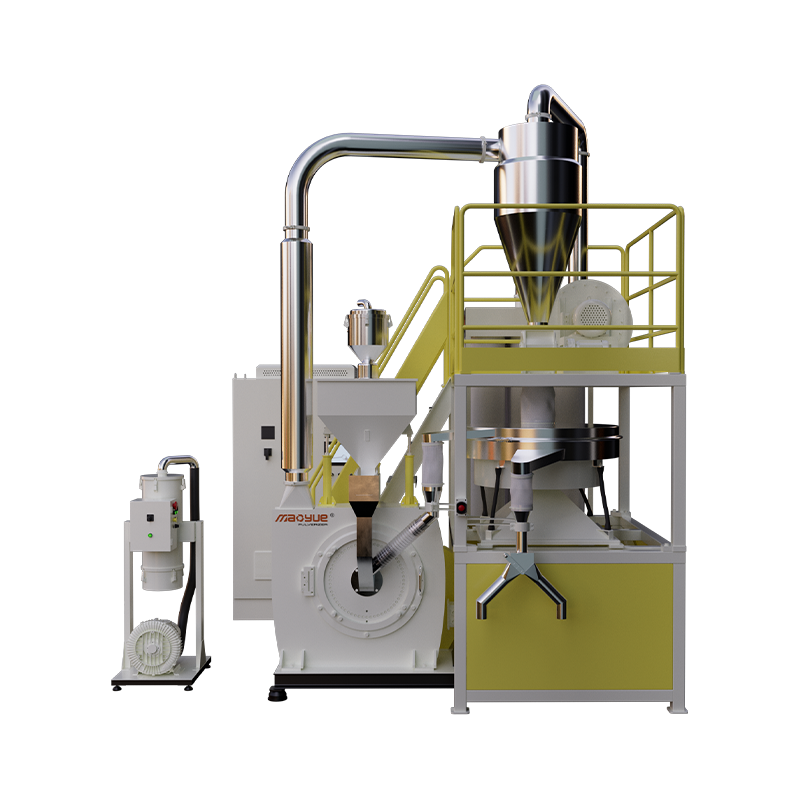
High-Speed Pulverizer for Color Masterbatch Model 600
3. Model 600 Design and Technical Configuration
The machine is built around a 600-millimeter grinding disc. This disc diameter provides a larger grinding area than smaller models and supports increased throughput when the material and operating conditions are suitable. The machine is positioned as a medium-to-high-capacity solution: larger and more productive than a typical 500-type machine, while occupying less space and requiring less investment than many 800-type systems.
| Item | Standard Specification | Production Significance |
|---|---|---|
| Model | 600 | Medium-to-high-capacity disc pulverizer |
| Grinding disc diameter | 600 millimeters | Provides a larger grinding surface for increased throughput |
| Reference capacity | 180–320 kilograms per hour | Actual capacity depends on material, formulation, and fineness |
| Adjustable fineness | Approximately 10–50 mesh in the standard specification | Supports different powder requirements |
| Recommended operating range | Approximately 20–120 mesh depending on configuration | Fine grinding capability should be confirmed through testing |
| Drive motor | 45 or 55 kilowatts | Provides the primary grinding power |
| Starting and speed options | Star-delta, soft start, or inverter control | Allows the electrical system to match plant requirements |
| Blower motor | 7.5 kilowatts | Supports airflow conveying and powder transport |
| Pipe material | Stainless steel | Improves cleanliness and corrosion resistance |
| Pipe diameter | 159 millimeters | Supports stable pneumatic conveying |
| Vibrating screen diameter | 1,200 millimeters | Provides screening capacity after pulverizing |
| Vibrating screen motor | 1.1 kilowatts | Drives classification and screening |
| Feeding method | Vacuum feeding | Supports enclosed and controlled material feeding |
| Dust collector bag diameter | 300 millimeters | Supports dust separation and collection |
| Grinding disc material | DC53 | Provides high hardness and wear resistance |
| Cooling method | Water cooling with inlet and outlet circulation | Helps remove heat from the grinding chamber |
The specifications in the table represent a standard configuration rather than a universal performance guarantee. Customers should identify the material, initial particle size, moisture level, formulation, target mesh size, and expected output when requesting a quotation. For demanding applications, the supplier can recommend a suitable motor, speed-control method, screening arrangement, cooling capacity, and dust-collection configuration.
4. DC53 Grinding Discs for High-Demand Masterbatch Materials
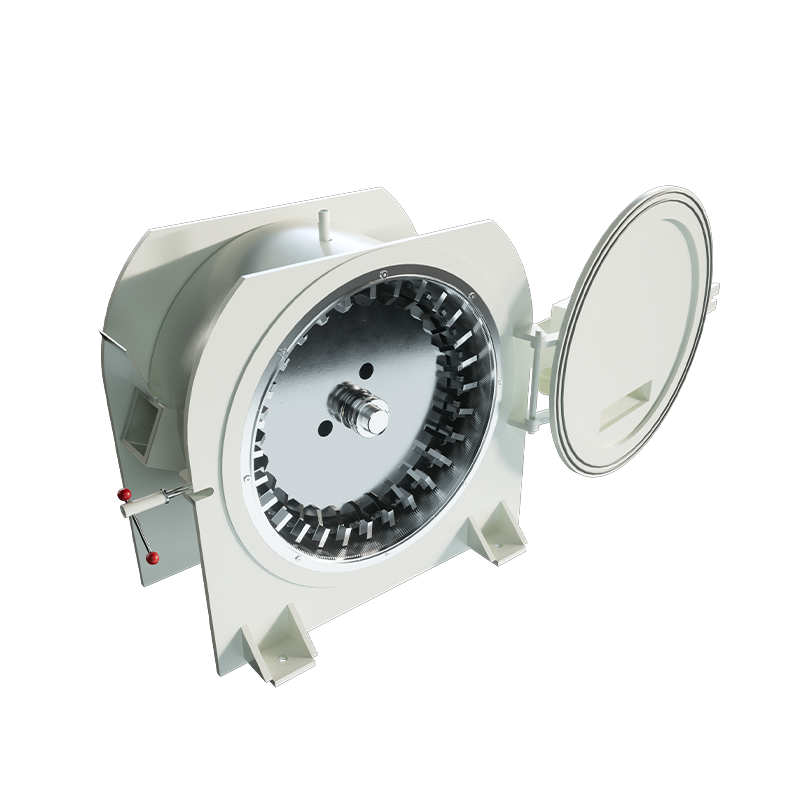
One of the most important components in a disc pulverizer is the grinding disc. It determines the stability of the cutting and grinding action, the achievable fineness, the wear rate, and the frequency of maintenance. Masterbatch materials with high pigment or additive loading can be more abrasive than ordinary polymers. If the disc material is not sufficiently hard and tough, the teeth may wear rapidly, chip, or lose their designed geometry.
The Model 600 uses DC53 high-grade cold-work mold steel for its grinding discs. The stated hardness is approximately HRC 62–64. DC53 is valued for its combination of hardness, toughness, fatigue resistance, and resistance to chipping. Compared with conventional D2 tooling, the specified performance advantage is approximately twice the toughness and fatigue resistance, although the exact result depends on heat treatment, grinding conditions, material formulation, and operating practice.
The disc service life is described as approximately 1.5–2.5 times longer than standard discs under comparable conditions. A longer service life can provide several practical advantages. It reduces the number of production stoppages, lowers replacement frequency, limits the amount of spare tooling required, and helps maintain more consistent grinding performance over the working life of the disc.
Disc life is never determined by steel grade alone. It is also affected by the presence of mineral fillers, pigment type, additive concentration, foreign contamination, feed size, machine loading, cooling performance, and cleaning procedures. For this reason, the best comparison should consider total cost per ton rather than the initial price of a replacement disc.
4.1 Refurbishment and Life-Cycle Cost
When a disc becomes dull, it may not always need to be discarded. The manufacturer provides professional refurbishment for dulled discs. The stated refurbishment cost is approximately one-quarter to one-third of the cost of a new disc, subject to inspection and actual disc condition.
Refurbishment can be especially valuable for factories operating several pulverizers or running multiple shifts. A properly refurbished disc can restore the grinding tooth profile, improve particle-size control, and reduce the cost of routine maintenance. It also allows the customer to keep a rotation of working, spare, and refurbished discs, minimizing downtime during service.
5. Precision Tooth-by-Tooth Grinding
Grinding-disc geometry has a direct influence on powder quality. If the tooth angles vary significantly from one position to another, the grinding force will not be distributed evenly. Some areas may perform excessive cutting while others may produce more impact or friction. The result can be uneven wear, unstable output, inconsistent particle size, and increased heat generation.
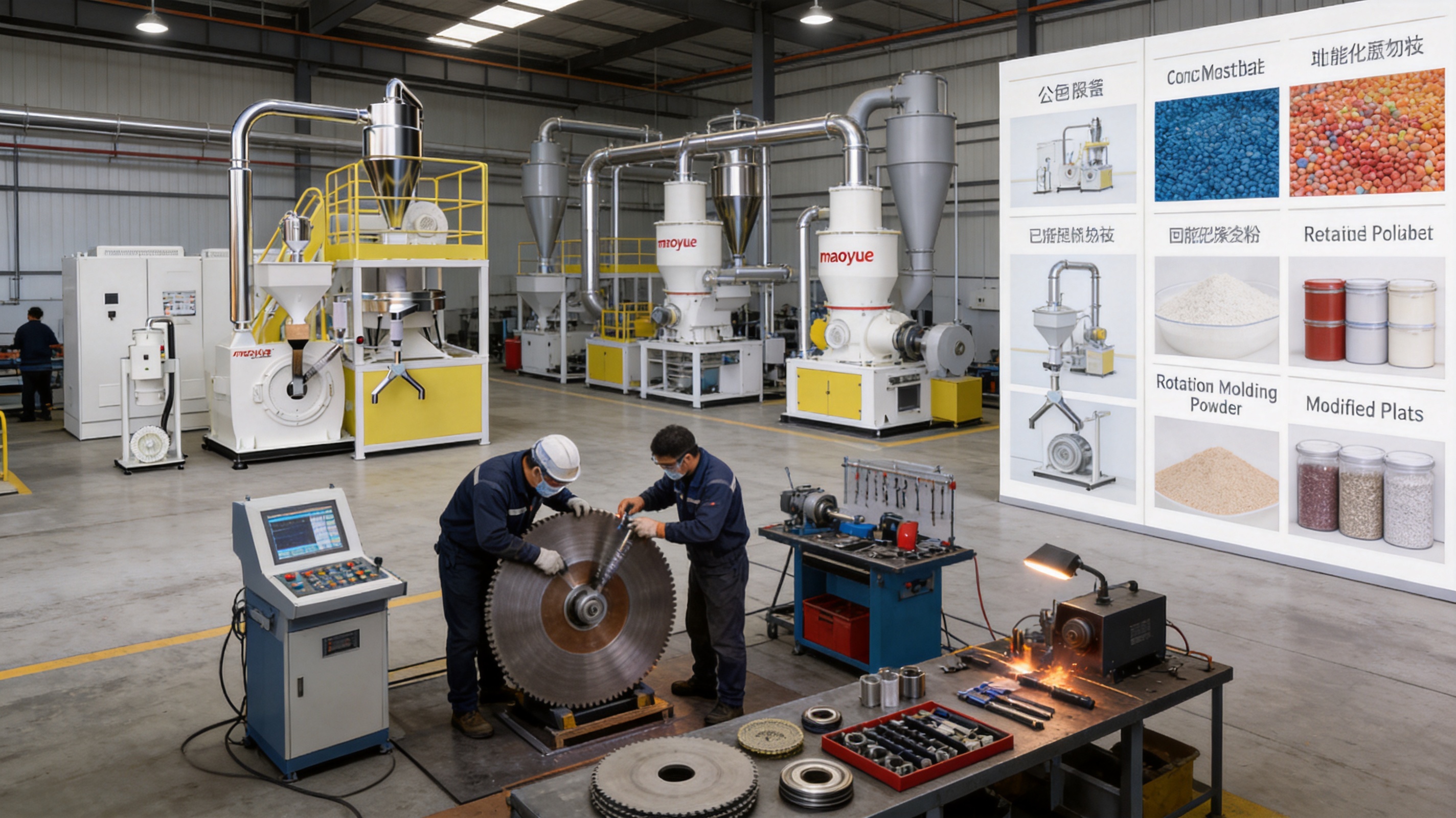
Changzhou Mao Yue Intelligent Equipment Co., Ltd. has invested in imported Taiwanese professional CNC tool grinders for tooth-by-tooth disc processing. According to the supplied company information, the factory operates two such machines. This equipment is used to improve the dimensional accuracy and angular consistency of the grinding teeth.
Precision grinding supports several production benefits. Consistent tooth geometry helps create a more regular grinding action, improves the repeatability of the finished powder, and reduces localized stress on the disc. Sharp and accurately formed edges can also reduce unnecessary friction, which contributes to improved energy efficiency and better temperature control.
Micron-level machining claims should be understood as manufacturing targets associated with specific components and processes rather than a guarantee that every final powder particle will be identical. Final particle-size distribution also depends on disc clearance, rotational speed, feed rate, material properties, airflow, screening, and operating conditions. Nevertheless, accurate disc manufacturing is an essential foundation for achieving narrow distribution and stable production.
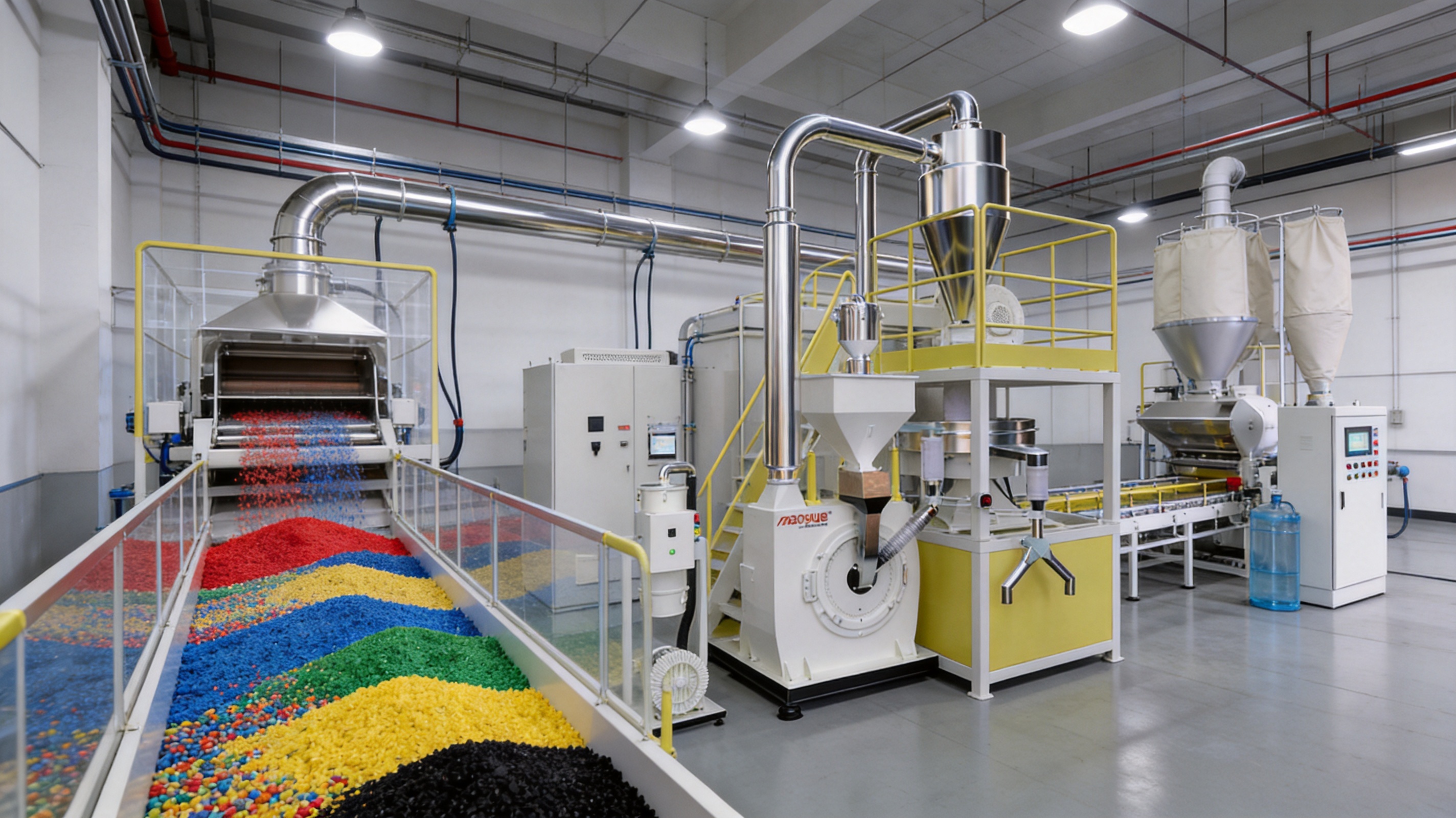
6. Dynamic Balancing and Vibration Control
A high-speed rotating disc must be dynamically balanced. Even a small imbalance can produce vibration, bearing stress, noise, uneven wear, and reduced machine life. At high rotational speed, the effect of imbalance becomes more significant because centrifugal force increases with the square of rotational speed.
Each grinding disc is dynamically balanced using high-precision German-imported balancing equipment. The balancing process is intended to ensure that the rotating assembly operates smoothly and that the load is distributed correctly. The company describes the resulting stability through a “coin-standing” comparison, referring to the ability of a coin to remain upright during low-vibration operation.
The reported operating noise level is below 85 decibels under specified conditions. Actual noise may vary according to installation, material, feed rate, airflow, building structure, and whether the machine is enclosed in a production room. Even so, vibration and noise control contribute to a safer, more comfortable working environment and reduce the risk of long-term mechanical damage.
Stable rotation also supports product consistency. If the grinding chamber vibrates excessively, the disc clearance may fluctuate, powder may be produced unevenly, and the machine may experience premature wear. Dynamic balancing therefore affects not only machine reliability but also the repeatability of the final masterbatch powder.
7. Dual Cooling for Temperature-Sensitive Polymer Formulations
Polymer pulverizing generates heat through friction, impact, and air movement. Masterbatch formulations may be especially sensitive because they can contain pigments, waxes, dispersing agents, flame retardants, or other materials that soften or degrade at elevated temperatures. Inadequate cooling can cause powder to adhere to the grinding disc, block the conveying system, or change the appearance and performance of the product.
The Model 600 uses a water-cooling jacket combined with forced-air cooling. The water circuit includes an inlet and an outlet so that cooling water can circulate through the relevant machine components. Forced air helps remove heat from the grinding chamber and supports the movement of processed powder.
Multiple temperature sensors and PLC-based control are used to monitor operating conditions. The stated control objective is to maintain the grinding chamber within approximately 50–70 degrees Celsius. The actual temperature range will depend on the material, ambient conditions, water temperature, air volume, feed rate, and operating load.
Temperature control can help prevent several common problems:
First, it can reduce sticking. When polymer particles soften during grinding, they may adhere to the disc or chamber wall. This reduces grinding efficiency and may require frequent cleaning.
Second, it can reduce yellowing and discoloration. Some polymers and additives are sensitive to excessive heat, particularly during extended processing.
Third, it can protect additive performance. Flame-retardant, antistatic, conductive, and other functional additives may lose effectiveness if exposed to uncontrolled thermal conditions.
Fourth, it can improve output stability. A machine that operates within a controlled temperature range is less likely to experience sudden changes in material flow, clogging, or fluctuating powder quality.
Operators should still monitor cooling water flow, water temperature, pressure, filter condition, sensor readings, and alarm status. A cooling system cannot compensate for incorrect feed rates, excessive moisture, unsuitable material, or an improperly adjusted disc clearance.
8. Enclosed Negative-Pressure Conveying and Dust Collection
Fine polymer powder can become airborne during feeding, grinding, screening, and packaging. Dust control is therefore an important part of plant safety, housekeeping, worker protection, and environmental compliance. Open transfer points may cause material loss and create cleaning problems, while uncontrolled dust can contaminate nearby products.
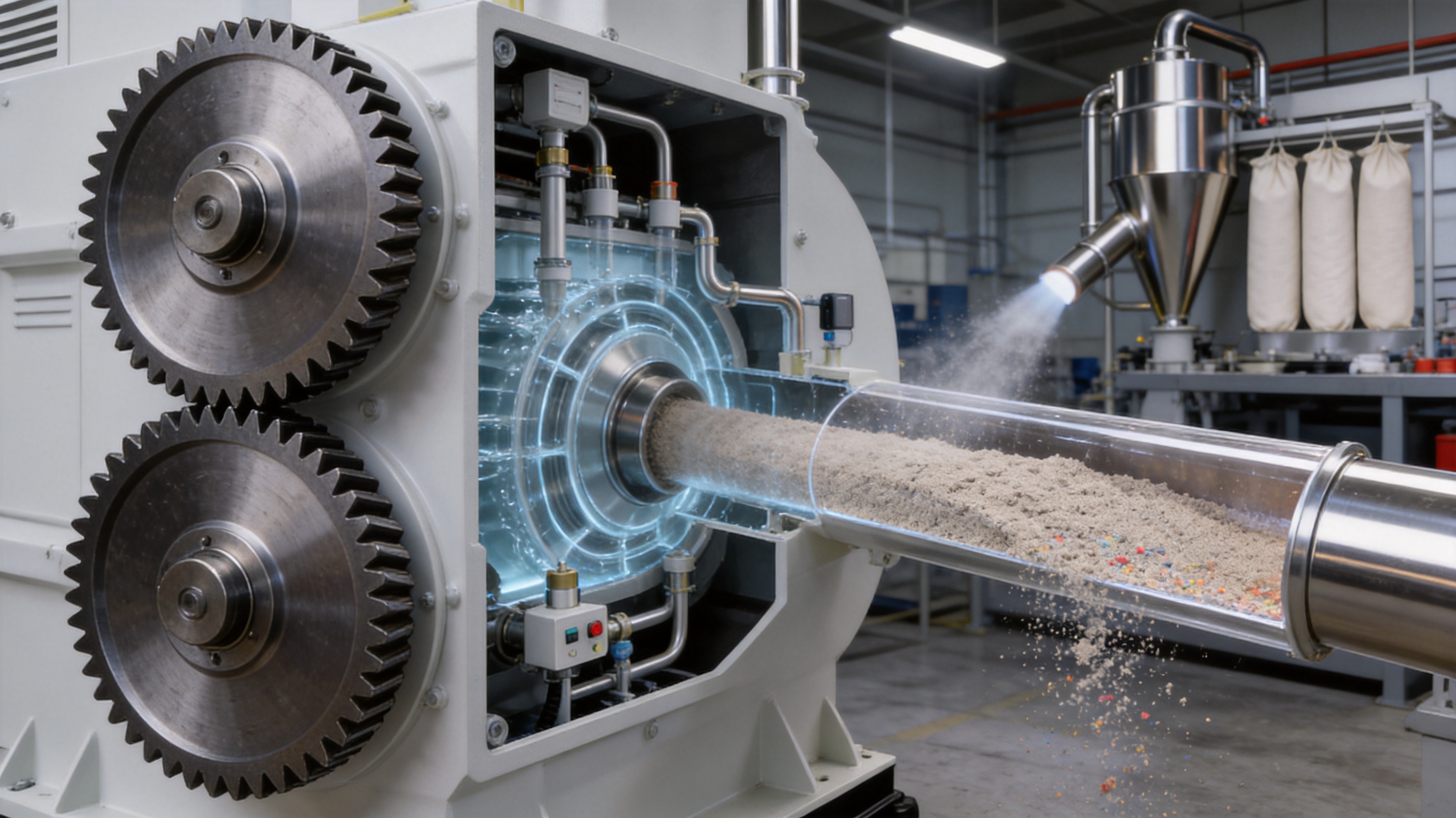
The Model 600 uses enclosed negative-pressure airflow conveying. The blower creates controlled airflow that transports the pulverized material through stainless-steel pipes. Because the system operates under negative pressure, air and powder are drawn through the process rather than pushed outward through open gaps.
The system is combined with a high-efficiency pulse bag dust collector. The stated dust-capture rate is greater than 99.9 percent under appropriate operating conditions. The pulse-cleaning function helps remove accumulated dust from the filter bags so that airflow resistance remains manageable during continuous production.
Effective dust collection offers several benefits. It can keep the workshop cleaner, reduce airborne polymer particles, improve material recovery, protect downstream equipment, and reduce the risk of exposure for employees. It also supports compliance with applicable national or local environmental requirements, although the final compliance result depends on complete plant design, installation, maintenance, and local regulations.
Dust collection must be treated as a complete system rather than as a single filter. Correct duct diameter, sealed connections, suitable airflow, proper filter selection, regular inspection, grounding, and safe powder handling are all necessary. Operators should also evaluate the combustible-dust characteristics of the processed material and apply appropriate risk controls where required.
9. Screening and Fineness Control
The machine can be equipped with a vibrating screen with a stated diameter of 1,200 millimeters and a 1.1-kilowatt drive motor. Screening separates particles according to the selected mesh requirement and helps remove oversize material from the finished powder stream.
For standard applications, the technical data identifies a fineness range of approximately 10–50 mesh. The broader product description indicates adjustable fineness from approximately 20–120 mesh, with an operating range of about 30–80 mesh considered optimal for many masterbatch applications. These ranges may reflect different configurations, screening conditions, or application requirements. The correct fineness should therefore be confirmed with a sample test.
Mesh number is not the only way to evaluate powder quality. Two powders with the same nominal mesh result may have different particle-size distributions, shapes, bulk densities, and flow characteristics. A professional evaluation should include sieve analysis, bulk density, moisture, flow behavior, visual uniformity, and performance in the customer’s downstream process.
When a masterbatch is intended for automatic dosing, the powder should flow consistently without excessive bridging or segregation. When a very fine powder is required, the customer should consider the increased energy demand, possible heat generation, dust load, and screening burden. The most economical result is not always the finest possible powder; it is the particle distribution that meets the final product requirement with the lowest total processing cost.
10. Electrical and Drive Options
The standard drive motor options are approximately 45 or 55 kilowatts. The appropriate motor depends on material hardness, feed rate, target fineness, expected output, and the customer’s electrical infrastructure. A higher-rated motor may be beneficial for demanding formulations, but it should be matched with suitable protection, cabling, switching equipment, and cooling capacity.
Three starting or speed-control methods are identified: star-delta starting, soft starting, and inverter control. Star-delta starting is a conventional method that can reduce starting current compared with direct-on-line starting. Soft starting provides a smoother acceleration profile and can reduce mechanical shock. Inverter control allows the operator to adjust rotational speed within the permitted operating range.
Variable-speed control can be useful when one machine processes several formulations. A lower speed may help manage heat or reduce excessive fines, while a higher speed may support finer grinding or increased productivity. However, speed adjustments should be made carefully. Increasing speed can raise energy consumption, noise, vibration, and temperature. Operating parameters should be established through controlled trials rather than informal adjustment.
PLC intelligent control can integrate temperature monitoring, alarms, motor protection, cooling functions, feeding, conveying, and other process elements. A well-designed control system gives operators clearer information and helps prevent operation outside safe limits.
11. Manufacturing Strength of the Supplier
The performance of a pulverizer depends on the quality of its design, but it also depends on how accurately the machine is manufactured. Poor machining, inconsistent welding, inadequate balancing, or insufficient inspection can reduce the value of even a well-designed concept. The supplier’s manufacturing capabilities are therefore an important consideration when comparing equipment.
Changzhou Mao Yue Intelligent Equipment Co., Ltd. is a source manufacturer with approximately 30 years of experience in plastic crushing and pulverizing equipment. The company focuses on disc pulverizers and related size-reduction systems for rotational molding, masterbatch, polymers, PVC, polyethylene, recycling, powder coating, and other industries.
The company operates six processing workshops, each averaging approximately 1,400 square meters. This workshop structure supports the separation of different manufacturing activities and provides space for machining, welding, assembly, inspection, and equipment testing.
The factory uses Taiwan-imported high-precision grinding machines built to German standards, German dynamic-balancing equipment, and Japanese welding systems. These resources are intended to improve dimensional accuracy, rotating-component stability, weld quality, and overall machine reliability.
Using dedicated equipment for disc grinding is particularly important. Grinding discs must be manufactured with consistent tooth geometry and suitable surface finish. A disc that is merely cut or roughly machined may not deliver the same performance as a disc that has been precisely ground, balanced, inspected, and matched to the machine.
11.1 Quality Management and Certification
The company has obtained CE mechanical certification and ISO 9001 quality management system certification according to the supplied information. CE-related compliance supports the evaluation of applicable European safety and machinery requirements, while ISO 9001 indicates the use of a structured quality-management framework.
Certification does not replace technical due diligence. Buyers should still request the applicable conformity documents, electrical diagrams, safety information, inspection records, spare-parts lists, and installation requirements. They should also verify that the proposed machine configuration matches the material and production conditions at the destination plant.
11.2 Experience with International Customers
The company reports long-term partnerships with more than 5,000 enterprises in domestic and international markets. A broad customer base can provide valuable practical experience with different polymers, production scales, electrical standards, environmental conditions, and installation layouts.
For an overseas customer, this experience may be useful during equipment selection and commissioning. Questions about voltage, frequency, control-panel language, spare parts, safety guarding, dust collection, cooling-water requirements, and shipping dimensions should be addressed before the purchase order is finalized.
12. Advantages Compared with Conventional Pulverizers
The Model 600 is designed to compete through a combination of features rather than through a single specification. Conventional or lower-cost pulverizers may provide basic size reduction, but they may not offer the same level of disc material, precision grinding, balancing, cooling, conveying, and dust control.
12.1 Longer Tooling Life
DC53 grinding discs are intended to resist wear, fatigue, and chipping more effectively than many conventional D2 or ordinary tool-steel discs. Longer tooling life can reduce maintenance interruptions and lower the average disc cost per ton.
12.2 More Consistent Powder
Tooth-by-tooth CNC grinding and dynamic balancing support a more stable grinding action. This can help reduce particle-size variation, color inconsistency, black spots, and fisheyes caused by poorly processed or insufficiently uniform material.
12.3 Better Thermal Stability
Water cooling, forced-air cooling, sensors, and PLC control provide more tools for managing heat than a simple air-cooled pulverizer. This is especially valuable for formulations that soften, discolor, or degrade during processing.
12.4 Cleaner Production
Enclosed negative-pressure conveying and pulse bag filtration help limit dust escape. A cleaner work area can reduce housekeeping labor and improve the working environment for employees.
12.5 Balanced Capacity and Investment
The Model 600 occupies approximately 6–8 square meters and uses a total installed power commonly described in the range of 55–75 kilowatts, depending on configuration. It is intended to provide nearly twice the output of a 500-type machine in suitable conditions while remaining more compact and flexible than a larger 800-type system.
12.6 Lower Long-Term Operating Cost
Potential savings come from several sources: reduced electricity consumption per ton, fewer disc replacements, lower reject rates, reduced cleaning frequency, and higher saleable output. The claimed return-on-investment period of approximately 6–12 months should be treated as an application-specific estimate rather than a guarantee. It depends on utilization, product margin, energy prices, labor cost, maintenance practice, and actual throughput.
13. Installation and Plant Integration
Successful installation requires more than placing the machine on a concrete floor. The foundation must be strong and level enough to support the rotating assembly and control vibration. Adequate space should be reserved for inspection, disc removal, screen service, dust-collector maintenance, and safe operator access.
The electrical supply must match the selected motor and control system. Buyers should confirm voltage, frequency, phase, short-circuit protection, cable size, grounding, motor protection, and emergency-stop arrangements. If an inverter is used, the power quality and motor compatibility should be checked before commissioning.
The cooling-water system should provide stable flow and suitable temperature. Water quality should be managed to reduce scale, corrosion, and blockage. If a closed-loop chiller is used, its capacity should be selected according to the grinding load, ambient temperature, and desired chamber temperature.
The air-conveying and dust-collection system should be installed with correctly sized ducts and sealed connections. Excessive bends or poorly supported pipes can increase resistance and reduce conveying efficiency. The dust collector should be accessible for inspection and filter replacement.
Material feeding should be consistent. Large lumps, metal fragments, stones, wet material, and foreign objects can damage the disc or cause blockages. A pre-crusher, magnet, screen, dryer, or storage hopper may be required depending on the feedstock.
14. Operation and Maintenance Recommendations
Before starting production, operators should inspect the grinding chamber, disc clearance, fasteners, bearings, belts, screen, feeding system, pipes, dust-collector bags, cooling circuit, and emergency-stop devices. The machine should not be operated if abnormal looseness, leakage, damage, or contamination is found.
Feeding should begin gradually rather than at maximum load. The operator should observe motor current, chamber temperature, airflow, vibration, powder appearance, and output. Once stable operating conditions are established, the feed rate can be increased within the recommended range.
Disc clearance is a critical adjustment. Excessive clearance may result in coarse material and low grinding efficiency. Insufficient clearance may increase friction, heat, vibration, and disc wear. The correct setting depends on the material and target product and should be established by trained personnel.
Cooling performance should be checked throughout operation. A sudden rise in temperature may indicate insufficient water flow, blocked channels, excessive feed, worn discs, poor airflow, or an unsuitable formulation. Operators should respond to alarms promptly rather than continuing production until the material sticks or the machine trips.
The dust collector requires routine inspection. Filter bags should be checked for damage, blockage, hard deposits, or abnormal pressure loss. Pulse-cleaning equipment should be tested regularly. All duct connections should remain sealed, and collected powder should be removed safely.
After production, the system should be emptied according to the operating procedure. Remaining powder can absorb moisture, harden, contaminate the next formulation, or create a blockage. Cleaning intervals should be based on the material and color sequence. Light-colored products generally require more rigorous cleaning before processing dark or strongly pigmented materials.
Bearings, belts, fasteners, sensors, and electrical connections should be included in a preventive-maintenance schedule. Dynamic balance may change if a disc is damaged or unevenly worn, so unusual vibration should never be ignored.
15. Selecting the Right Configuration
The correct Model 600 configuration depends on the customer’s production objectives. A factory processing standard polyethylene masterbatch may require a different disc speed and screening setup from a producer of conductive polypropylene masterbatch or abrasive mineral-filled compounds.
Before purchasing, the customer should provide representative samples and detailed information about the product. Important data includes polymer type, pigment concentration, additive loading, feed shape, feed size, moisture, bulk density, target mesh, hourly production requirement, operating hours per day, and packaging method.
A material test can verify capacity, fineness, temperature, powder flow, energy consumption, and screen performance. It can also reveal whether pre-crushing, drying, magnetic separation, or special wear protection is necessary.
The customer should distinguish between peak output and sustainable output. Peak output may be achieved briefly under favorable conditions, while sustainable output is the rate that can be maintained over a complete production shift without excessive temperature, wear, or quality variation.
It is also important to evaluate the complete line. The pulverizer may be capable of a certain output, but the feeder, screen, blower, dust collector, storage hopper, and packaging system must handle the same material flow. A bottleneck in any connected component can reduce the practical capacity of the entire plant.
16. Cost and Return on Investment
The purchase price of a pulverizer is only one part of the investment decision. A complete evaluation should include installation, electrical work, cooling equipment, dust collection, spare discs, screens, ducting, commissioning, training, and ongoing maintenance.
Operating costs include electricity, cooling water, replacement discs, bearings, belts, filter bags, labor, cleaning, and downtime. A machine with a lower initial price may become more expensive if it requires frequent disc replacement or produces a high proportion of rejected powder.
The Model 600 is designed to create value through higher throughput, stable powder quality, reduced wear, and lower maintenance frequency. When production demand is sufficient, these advantages may improve the customer’s cost per ton and shorten the payback period.
However, return on investment should be calculated using the customer’s actual figures. A useful calculation should include annual operating hours, average output, saleable yield, electricity cost, product margin, labor savings, reject reduction, tooling expense, and financing or depreciation. The 6–12-month return period mentioned for typical applications is best viewed as a commercial reference based on favorable operating conditions.
17. Frequently Asked Questions
17.1 What materials can the Model 600 pulverize?
The machine is intended for color masterbatch, functional masterbatch, modified plastics, selected recycled polymer materials, rotomolding powder, SPC flooring-related powder, and similar polymer applications. The exact suitability depends on material hardness, temperature sensitivity, moisture, feed size, and formulation. A sample test is recommended for unfamiliar materials.
17.2 What is the actual capacity of the machine?
The standard technical data lists approximately 180–320 kilograms per hour. The broader product description gives a potential range of approximately 300–800 kilograms per hour under suitable material and configuration conditions. Because output varies significantly, the customer should regard these figures as reference ranges and confirm actual capacity through testing.
17.3 What fineness can be achieved?
The standard specification indicates approximately 10–50 mesh, while the broader adjustable range is described as approximately 20–120 mesh. The practical result depends on disc clearance, speed, material properties, airflow, screening, and feed rate. The required mesh and particle-size distribution should be confirmed through a production trial.
17.4 Why is DC53 used for the grinding disc?
DC53 combines high hardness with better toughness and fatigue resistance than many conventional cold-work tool steels. It is intended to resist wear and chipping when processing masterbatch polymers containing high pigment or additive concentrations.
17.5 Can a worn grinding disc be repaired?
Yes. Professional refurbishment is available for suitable dulled discs. The stated refurbishment cost is approximately one-quarter to one-third of the cost of a new disc, depending on the disc’s condition. Refurbishment can reduce tooling costs and shorten maintenance downtime.
17.6 How does the machine control heat?
The machine combines a water-cooling jacket, forced-air cooling, multiple temperature sensors, and PLC-based control. The intended chamber-temperature range is approximately 50–70 degrees Celsius, subject to material and operating conditions.
17.7 Is dust collection included?
The design includes enclosed negative-pressure airflow conveying and a pulse bag dust collector. The stated dust-capture rate is greater than 99.9 percent under appropriate conditions. Complete dust-control performance depends on correct installation, sealed ducting, airflow, filter maintenance, and local environmental requirements.
17.8 What electrical options are available?
The machine can be configured with star-delta starting, soft start, or inverter control. The drive motor is commonly available in 45- or 55-kilowatt versions. The final selection should match the material, production target, power supply, and desired speed-control method.
17.9 How much floor space is required?
The main Model 600 configuration is described as occupying approximately 6–8 square meters. Additional space is required for access, maintenance, dust collection, cooling equipment, storage, packaging, and safe operator movement.
17.10 What should be tested before purchase?
Customers should test representative material for capacity, fineness, temperature, powder flow, energy consumption, color consistency, dust performance, and long-duration stability. Samples should be evaluated in the customer’s actual downstream process whenever possible.
17.11 Can the machine operate continuously?
The machine is designed for stable long-term operation and can support continuous production when correctly installed, operated, cooled, and maintained. Continuous operation should include planned inspections, cleaning, lubrication, filter checks, and disc-condition monitoring.
17.12 What support does the manufacturer provide?
The manufacturer can provide equipment selection, customized configuration, disc refurbishment, technical guidance, commissioning support, spare parts, and operating recommendations. Customers should confirm the exact scope of after-sales service, training, warranty, and remote or on-site support before ordering.
18. Why Choose the Model 600 for Medium-to-Large Masterbatch Plants?
The Model 600 is suited to manufacturers that need more than basic polymer size reduction. Its value lies in the integration of high-strength grinding discs, accurate tooth geometry, balanced rotation, controlled cooling, enclosed conveying, efficient dust collection, screening, and flexible electrical control.
For a medium-to-large masterbatch plant, production reliability can be more valuable than a high peak-capacity figure. A machine that maintains powder consistency, minimizes unplanned stoppages, and protects additive quality can improve the entire manufacturing process. Stable output also makes production planning easier and helps the factory meet customer specifications with fewer adjustments.
The machine’s compact footprint and moderate power range make it a practical balance between capacity and investment. It can serve as the principal pulverizer for a growing plant, an additional unit for capacity expansion, or a dedicated machine for a specific product family. Its application range also allows manufacturers to process different polymer formulations without purchasing separate equipment for every product type.
Changzhou Mao Yue Intelligent Equipment Co., Ltd. strengthens this equipment offering through long-term industry experience, dedicated workshops, precision grinding resources, dynamic-balancing equipment, Japanese welding systems, CE mechanical certification, ISO 9001 quality management, and experience serving thousands of customers.
19. Conclusion
The High-Speed Pulverizer for Color Masterbatch Model 600 is designed for manufacturers seeking dependable throughput, controlled fineness, stable powder quality, and lower long-term operating costs. Its 600-millimeter grinding disc, DC53 tooling, precision tooth-by-tooth grinding, dynamic balancing, dual cooling, PLC monitoring, enclosed conveying, and pulse dust collection address many of the most important challenges in modern masterbatch production.
The equipment is particularly appropriate for color masterbatch, functional masterbatch, modified plastics, recycling, rotomolding powder, and related polymer applications. Its competitive advantages are based not only on motor power or disc size but also on manufacturing precision, thermal control, maintenance support, and system integration.
Capacity and fineness must always be confirmed according to the actual formulation. The stated performance ranges should be used as reference information, while a material test should determine the final configuration and expected production rate. With correct selection, installation, operation, and maintenance, the Model 600 can become a reliable production asset for medium- and large-scale plastics manufacturers.
References
1. Changzhou Mao Yue Intelligent Equipment Co., Ltd., Model 600 polymer masterbatch pulverizer technical information.
2. Changzhou Mao Yue Intelligent Equipment Co., Ltd., company manufacturing and quality-management information.
3. Standard technical data for 600-millimeter disc pulverizer configurations, including motor, cooling, screening, conveying, and dust-collection specifications.
4. General industrial guidance on polymer pulverizing, particle-size control, thermal management, dust collection, and preventive maintenance.
5. General engineering references concerning cold-work tool steel properties, dynamic balancing, pneumatic conveying, and industrial powder-processing safety.